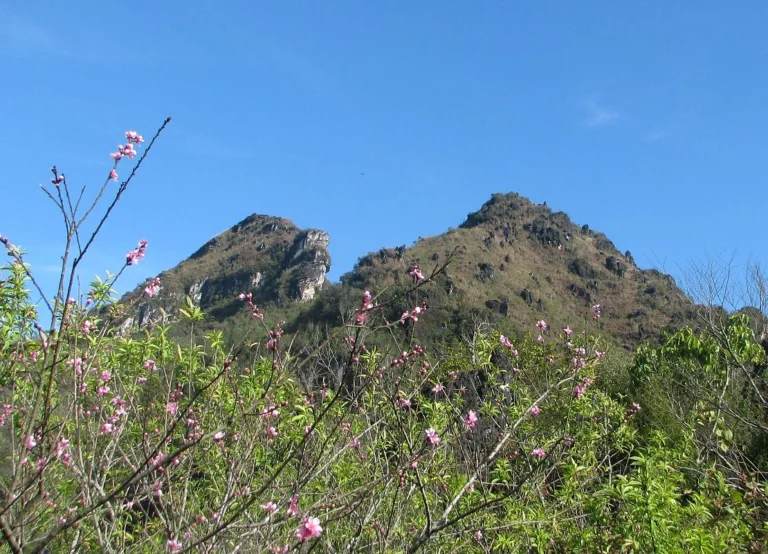
Draped across the rugged border ridge between Lao Cai and Lai Chau provinces, Bach Moc Luong Tu—officially designated in ancient historical records as Ky Quan San—is not merely a conquest destination for modern mountain climbers, but a geological entity deeply imbued with the historical and spiritual essence of the Northwest highlands. Standing at an altitude of over 3,000 meters above sea level, this mountain massif serves as a natural “defensive screen” guarding the northwestern flank of the majestic Hoang Lien Son range. The name “Bach Moc Luong” in ancient Sino-Vietnamese texts evokes a bountiful mountainous region with forests of precious white timber, which—in the mindset of the local Mong people—represents the “Sanctuary of the Clouds,” an intersection between the earthly and the sacred realms where ancient ancestors once used the site as an astronomical observatory to forecast weather for the Sang Ma Sao and Sin Suoi Ho valleys below.
From a feng shui perspective, Ky Quan San converges all the essential elements of a grand geographic “master formation.” The mountain range functions as a sturdy rampart shielding the valleys below from harsh cold air currents, while also serving as a convergence point for vital energy radiating from the summit of Fansipan, forming crucial dragon pulse branches of the border region. The “sitting against mountains and facing water” terrain here is not merely a random arrangement by nature but a testament to the harmony between geology and indigenous culture. Throughout feudal periods from the Ly, Tran, to the Later Le dynasties, this region witnessed patrol marches by imperial court troops, along with administration by the Hoang and Deo local chieftain clans. Traces remaining on the cliffs at the foot of the mountain, though currently undergoing survey, quietly recount the story of a borderland region that not only boasts boundless clouds and mountain winds but also preserves vital national geopolitical heritage values.
The beauty of Bach Moc Luong Tu is a synthesis of terrain harshness and ecological refinement. The journey from Sang Ma Sao to the mountain peak is an expedition through varying vegetation zones, ranging from humid tropical forests with moss-covered ancient canopy trees to temperate forests where rhododendron flowers bloom across the wilderness. For heritage researchers, this is not only a geological or botanical survey site, but a living museum of ethnic history and culture. Preserving the ecosystem at Ky Quan San, according to traditional beliefs, means preserving the “dragon pulse” of the border region, maintaining the balance between humanity and nature. Legends of the “Gatekeeper of Heaven” continue to be passed down by locals as a reminder of the sanctity of the mountains and forests, where every stone and every tree trunk carries a part of the nation’s historical memory. Today, as Bach Moc Luong Tu becomes a destination for souls longing for discovery, approaching this heritage demands a civilized code of conduct—respecting historical and spiritual values nurtured over centuries so that they endure not only in research archives but also live on forever in the consciousness of future generations.
If the Hoang Lien Son range is considered a majestic rampart of the Fatherland, Bach Moc Luong Tu (Ky Quan San) is its proudest natural architectural highlight, where nature showcased supreme sculpting artistry over millions of years of geological tectonic activity. Without human intervention, the precise arrangement of stone, clouds, and primeval forest tiers has created a monumental architectural “structure,” exuding a beauty that is both pristine and deeply philosophical regarding endurance.
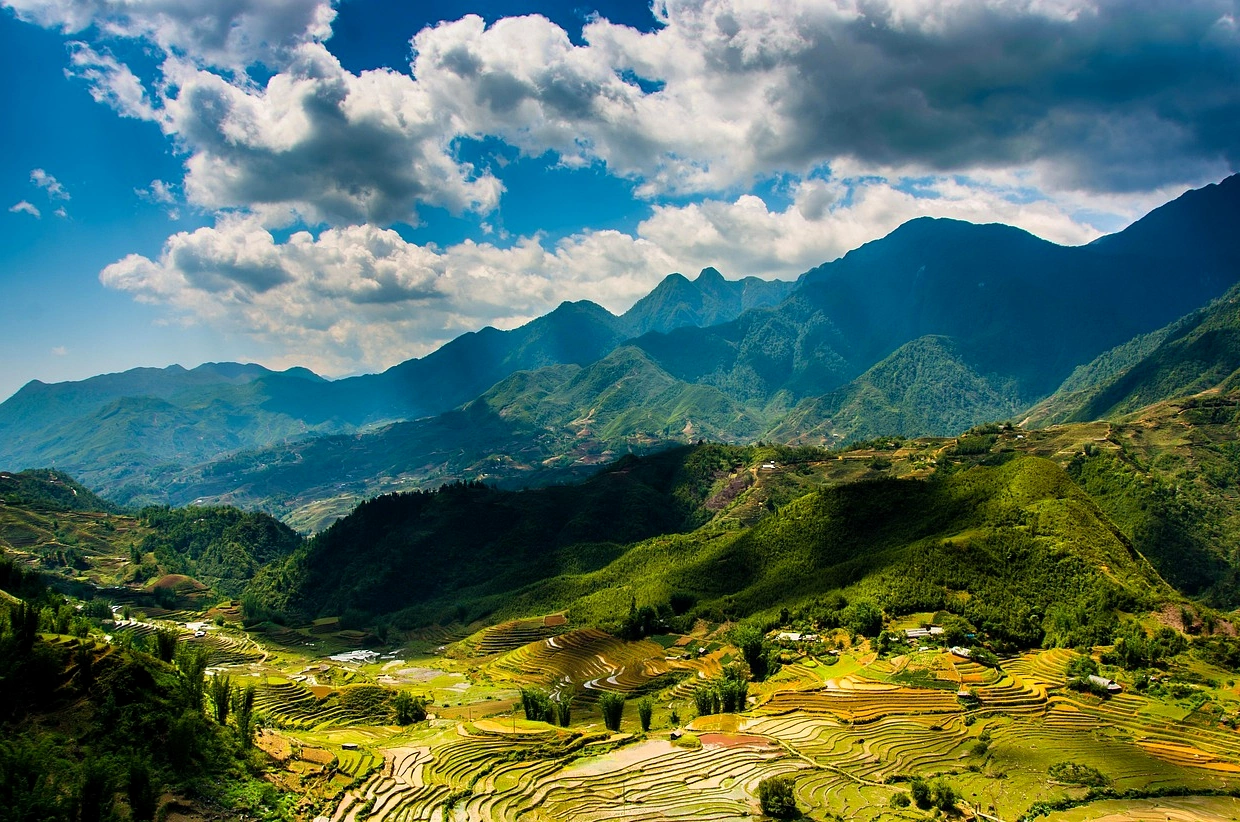
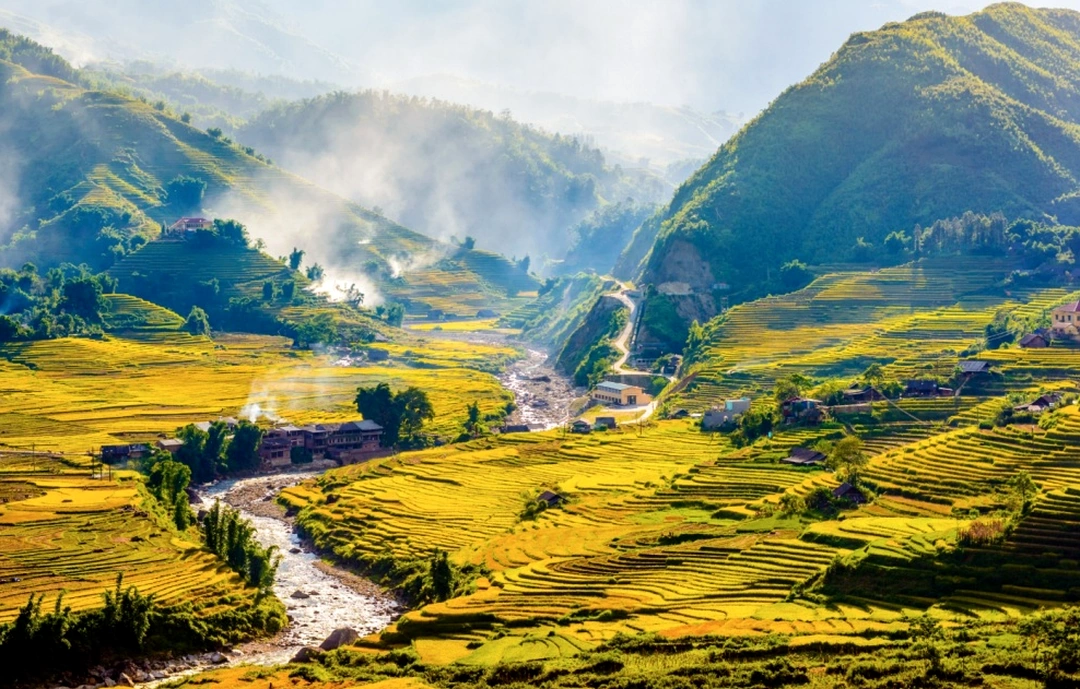
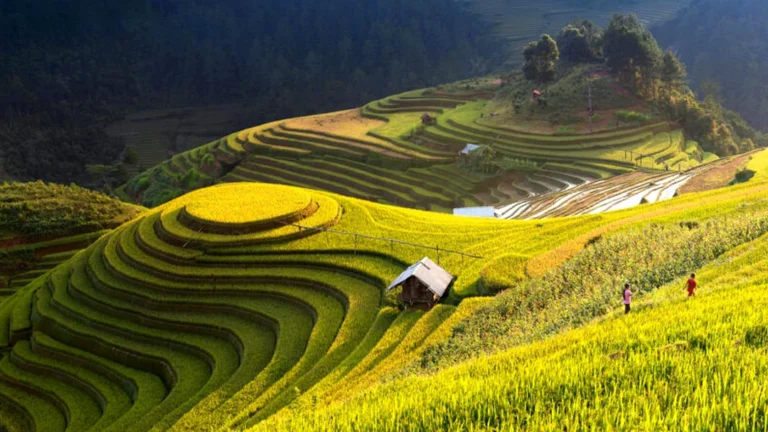
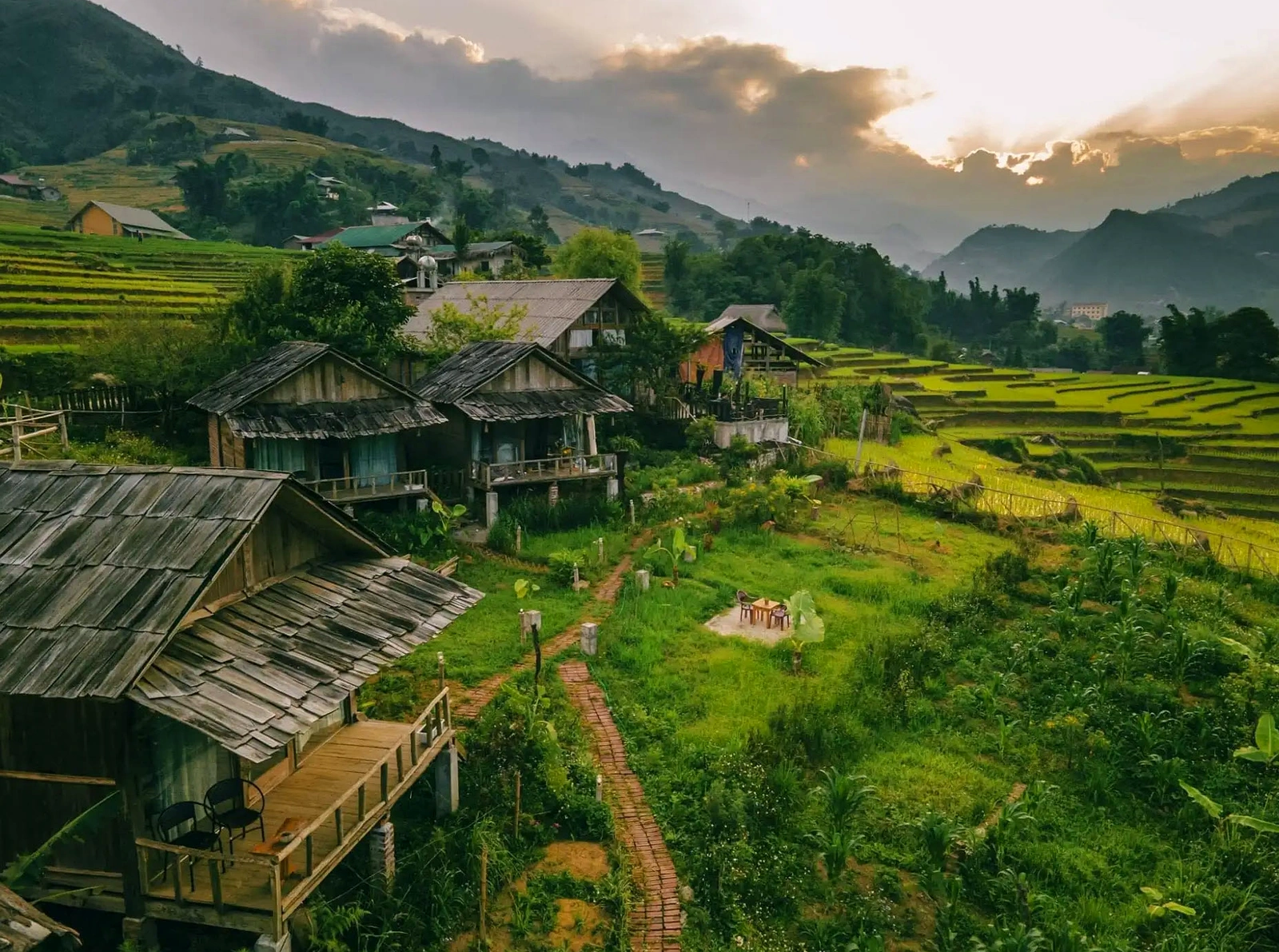
The landscape here is shaped by massive granite blocks, eroded by wind and weather into whimsical shapes resembling reliefs carved directly onto mountain faces. The “sitting against mountains and facing water” terrain is not just a feng shui concept but a breathtaking visual experience. From an altitude of over 3,000 meters, visitors can observe a panoramic view of the Sang Ma Sao valley spreading out like a giant brocade carpet, where terraced rice fields wind softly, contrasting sharply with the harsh, razor-sharp vertical cliffs atop Ky Quan San. This contrast is the signature “architecture” bestowed by nature upon the border region, where the boundary between earth and sky becomes thinner than ever before.
For photography enthusiasts and researchers eager to capture the beauty of this heritage, Bach Moc Luong Tu boasts “million-view shooting angles” that any professional photographer aspires to conquer. The first unmissable stop is the “Dinosaur Backbone”—a narrow, razor-sharp ridge stretching across a sea of clouds. Here, at dawn (from 5:30 AM to 6:30 AM) when the first rays of sunlight pierce through thick fog, the entire ridge appears coated in a layer of shimmering gold. The light at this moment boasts high color saturation, creating a striking contrast between the gray of the stone and the deep blue of the sky, turning every frame into a work of art celebrating the interplay between light and form.
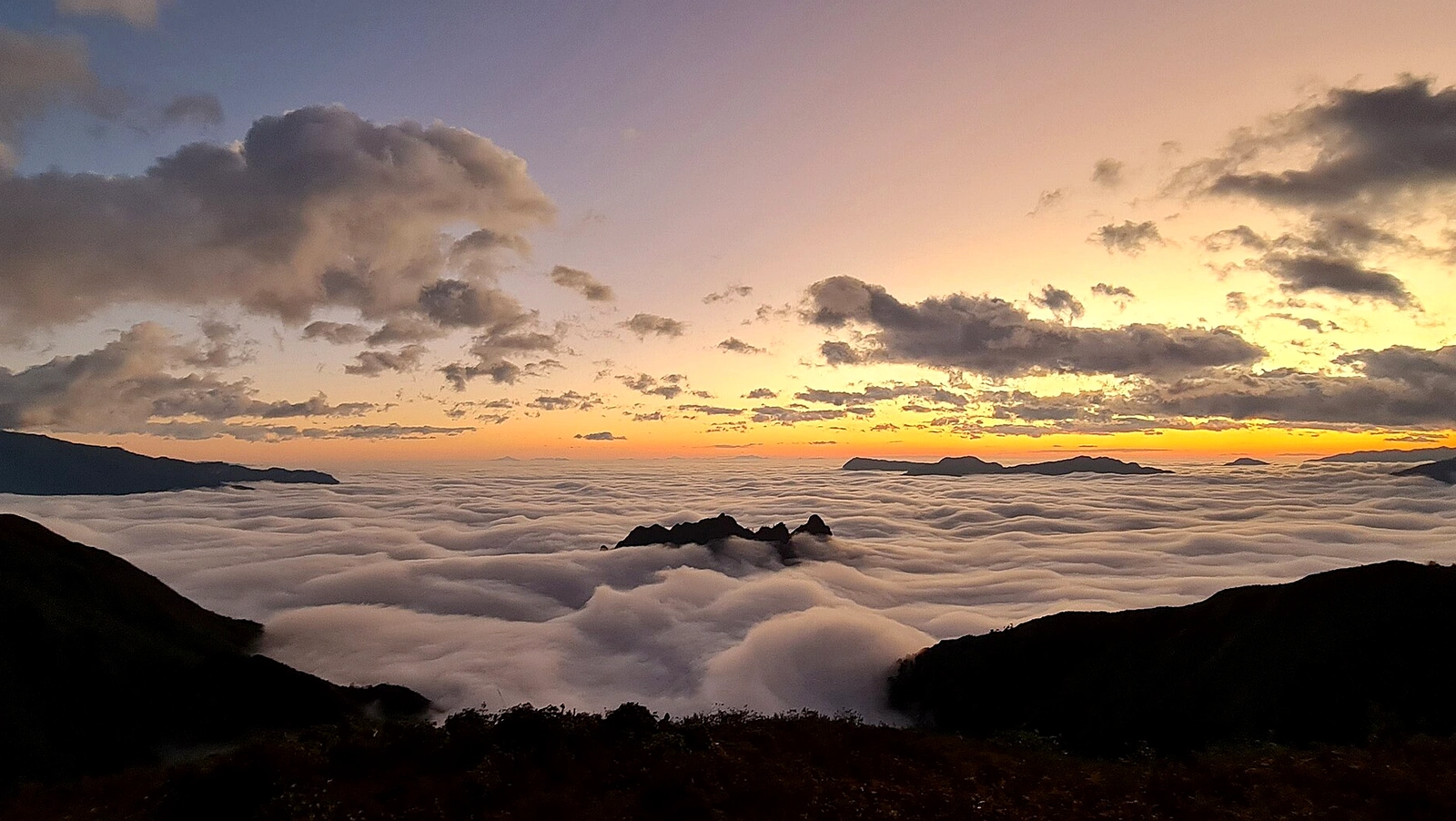
The second photographic angle is located at the “Heaven Gate” area, featuring precarious rock formations that frame a natural opening looking straight out into the wilderness. This is the ideal spot to capture the sunset moment (from 5:00 PM to 6:00 PM). As the sun gradually dips behind the Hoang Lien range, the sky shifts from brilliant orange to deep purple, creating a mystical backdrop for the towering dark cliffs. Utilizing exposure techniques at this angle helps capture the motion of rolling cloud bands sweeping through mountain gaps, generating a visual effect resembling a white waterfall cascading down from heaven.
Finally, one cannot overlook the old-growth forest canopy along the trail to the summit. Ancient trees covered in moss, with roots twisted like dragons rising from the earth, create a mystical ecological architecture. Sunlight filtering through the foliage (light rays) around 9:00 AM represents the golden hour to capture the beauty of the temperate forest ecosystem. Every perspective at Bach Moc Luong Tu is not merely a pretty picture, but a testament to Vietnam’s geological magnificence, where every stone and tree trunk tells a story of history and enduring life amidst high altitude.
When the final footsteps reach the highest peak of Bach Moc Luong Tu, the exhaustion of the long journey seems to melt away, giving way to breathless awe before the “sanctuary of the clouds.” Standing at an altitude of over 3,000 meters, visitors are not simply conquering a geographical coordinate, but touching the breath of the wilderness. A floating sea of clouds rolls beneath your feet, while early morning rays piercing through thick fog create magical beams of light, making the scenery surreal. That is the moment when the stillness of heaven and earth merges with a pounding heartbeat in the chest, delivering a profound sense of human insignificance before majestic nature.
The practical experience at Bach Moc Luong Tu extends far beyond mountain climbing into a journey deep into vibrant indigenous cultural life. Along the trail from Sang Ma Sao, visitors have the opportunity to pay respects at spiritual stops tied to the legends of the “Gatekeeper of Heaven.” Across Mong and Dao ethnic villages, every wooden stilt house recounts its own story regarding the bond between humans and the mountains. Travelers can immerse themselves in this cultural atmosphere, listening to the echoing sounds of Mong pan-pipes (khen) reverberating across the wilderness or learning alongside locals about rare medicinal herbs harvested from sheer cliffs. The genuine hospitality of highland residents, accompanied by warm smiles, serves as the “catalyst” that makes the journey warmer and richer in emotion than ever before.
The cuisine of this borderland region forms an indispensable chapter in your travel journal. After hours of energy-consuming climbing, savoring renowned specialties such as black chicken stewed with traditional medicinal herbs, grilled native pork with wild pepper (mac khen), or fragrant five-color sticky rice makes for an unforgettable experience. The bold flavors of the mountains blended with a cup of warm corn wine beside a glowing hearth not only banish the highland chill but also act as a delicate cultural connection thread. Each dish represents the crystallization of soil and the skilled hands of highland women, carrying the very soul of Ky Quan San within every flavor.
For researchers and adventure-seeking travelers, gazing at the panoramic view from the summit is not merely observing a landscape painting, but achieving empathy for the “dragon pulse” of the Hoang Lien range. As twilight falls, staining the entire sky purple, the mountain range emerges as a towering, majestic, and mysterious rampart. These precious experiences reside not only in beautiful photographs, but in an internal shift of consciousness: a deep appreciation for natural heritage and a sense of responsibility toward preserving indigenous cultural traditions guarded day and night amidst the wilderness. Bach Moc Luong Tu, therefore, is not just a destination to conquer, but a place to return to, to listen to the voice of history, and to cleanse the soul in the purity of pristine nature.
For researchers, history enthusiasts, and travelers seeking to approach Bach Moc Luong Tu (Ky Quan San), thorough preparation is not only a safety requirement but an expression of respect toward a sacred land. Unlike commercialized tourist spots, this location represents a pristine natural and cultural heritage site lacking entrance gates or fixed administrative operating hours. However, to ensure a smooth survey and exploration itinerary, visitors must adhere to self-governing principles and coordinate with local authorities in the Sang Ma Sao or Sin Suoi Ho communes.
Regarding expenses, there are currently no listed admission ticket prices for climbing Bach Moc Luong Tu. Nevertheless, to guarantee safety and support the local community, visitors are required to hire local guides (porters). This cost typically covers guiding fees, overnight stays at mountain shelters, and logistics services. Paying these fees goes beyond an economic transaction; it represents a direct contribution to heritage conservation and sustainable livelihoods for highland residents.
The ideal time to undertake this journey is during the dry season, when skies are clear and visibility reaches optimal levels, facilitating navigation and the observation of historical traces. Avoid months marked by heavy rain or dense fog, as the limestone mountain terrain becomes extremely slippery and prone to landslides, posing hazards for travelers. Regarding transportation, departing from Lao Cai city center, visitors should utilize pickup trucks or four-wheel-drive vehicles to reach the mountain base due to steep mountain passes and numerous challenging dirt roads.
Regulations concerning clothing and conduct here carry a specialized character. Because this land is tied to folk legends and the spiritual mindset of the Mong people, visitors should dress modestly and politely, prioritizing durable, waterproof, and warm specialized mountaineering attire. Strictly refrain from wearing overly short or offensive clothing when passing through areas of spiritual significance or ethnic minority villages. Additionally, maintaining environmental sanitation is an absolute rule; all waste generated during travel must be carried down the mountain, leaving zero trace that could impact the pristine ecosystem.
Finally, before embarking on the journey, travelers should contact commune management boards or local community tourism organizations to register personal information. This practice helps authorities keep track of the number of individuals present on the mountain, ensuring timely search and rescue operations if incidents occur. Always remember that Bach Moc Luong Tu is not merely a destination to conquer, but a living entity that must be preserved through the understanding and civilized behavior of every traveler.
To enjoy a complete vacation and fully admire the beauty of Bach Moc Luong Tu without worrying about arranging transportation, booking admission tickets, or planning itineraries, travelers can choose premium all-inclusive Lao Cai tour packages from VDS Travel. Each tour is optimized to schedule check-ins during the most vibrant scenery, accompanied by a team of guides deeply knowledgeable about local culture and top-tier hotel and dining service standards.