Proudly positioned amidst the waves of the East Sea, Cu Lao Cham—historically known by the evocative name Chiêm Bất Lao (Pulau Champa)—is far more than an ordinary cluster of islands; it is a geopolitical and cultural entity of strategic significance along Vietnam’s central coast. Located at geographical coordinates 15°56′ North latitude and 108°30′ East longitude, roughly 15 kilometers off the Cua Dai estuary of the historic Hoi An trading port, this archipelago rises like a natural protective screen shielding the lower Thu Bon River basin from the fury of the open ocean. Its classic “backed by mountains, facing the water” topography—comprising eight islands arranged in a sheltering crescent—creates a calm, protected bay. Over centuries, this geography made Cu Lao Cham an ideal anchorage and vital transit station along the legendary Maritime Silk Road, where Eastern and Western civilizations intersected.
The history of Cu Lao Cham is a rich tapestry of time revealed through archaeological discoveries. Excavations at Bai Ong and Bai Lang have uncovered cultural milestones dating back more than 3,000 years, confirming the presence of the Sa Huynh culture—prehistoric master seafarers. Entering the Champa Kingdom era, Chiêm Bất Lao became a crucial link in international maritime trade networks. Ancient steles and ceramic shards scattered across the island bear living witness to the cultural synthesis of Hinduism and Buddhism, when ocean-going merchant vessels anchored here to replenish fresh water, restock provisions, and pray for safe passage before braving open waters. When Quang Nam was officially incorporated into Dai Viet under Emperor Le Thanh Tong in 1471, Cu Lao Cham evolved into a strategic maritime outpost guarding the gateway to Hoi An and serving as a sacred sovereignty landmark on the open sea.
The allure of Cu Lao Cham extends beyond scenic mountain-and-sea vistas to encompass a deep harmony between nature and spirituality. Under the Nguyen Dynasty—particularly during the reign of Emperor Minh Mang—the island’s status was reinforced through imperial decrees bestowed upon guardian deities. The worship of Nam Hai—the Whale God revered for rescuing seafarers in distress—remains a powerful spiritual bond uniting generations of coastal residents with the vast ocean. Monuments such as the Whale Shrine (Lăng Ông) and Hai Tang Pagoda, showcasing the distinctive ironwood timber framing of Dang Trong craftsmanship, stand not only as places of worship, but as living museums preserving the soul of coastal Vietnam. Equally remarkable is the ancient Cham well, constructed with intricate interlocking pebble masonry and fed by a freshwater spring that has never run dry in the heart of this rocky island—a lasting testament to ancestral ingenuity and resilience.
Today, Cu Lao Cham is recognized by UNESCO and heritage authorities as a World Biosphere Reserve and celebrated as a unique geological treasure where every cliff face and coral reef tells a story of creation. The union of archaeological significance, intangible cultural heritage, and rich marine biodiversity makes Cu Lao Cham a true jewel on Vietnam’s heritage map. Standing on its shores and gazing back toward the mainland, visitors encounter more than a scenic island—they experience an expanse of living history where indigenous traditions are safeguarded, honored, and shared as proof of the enduring vitality of Vietnamese coastal culture.
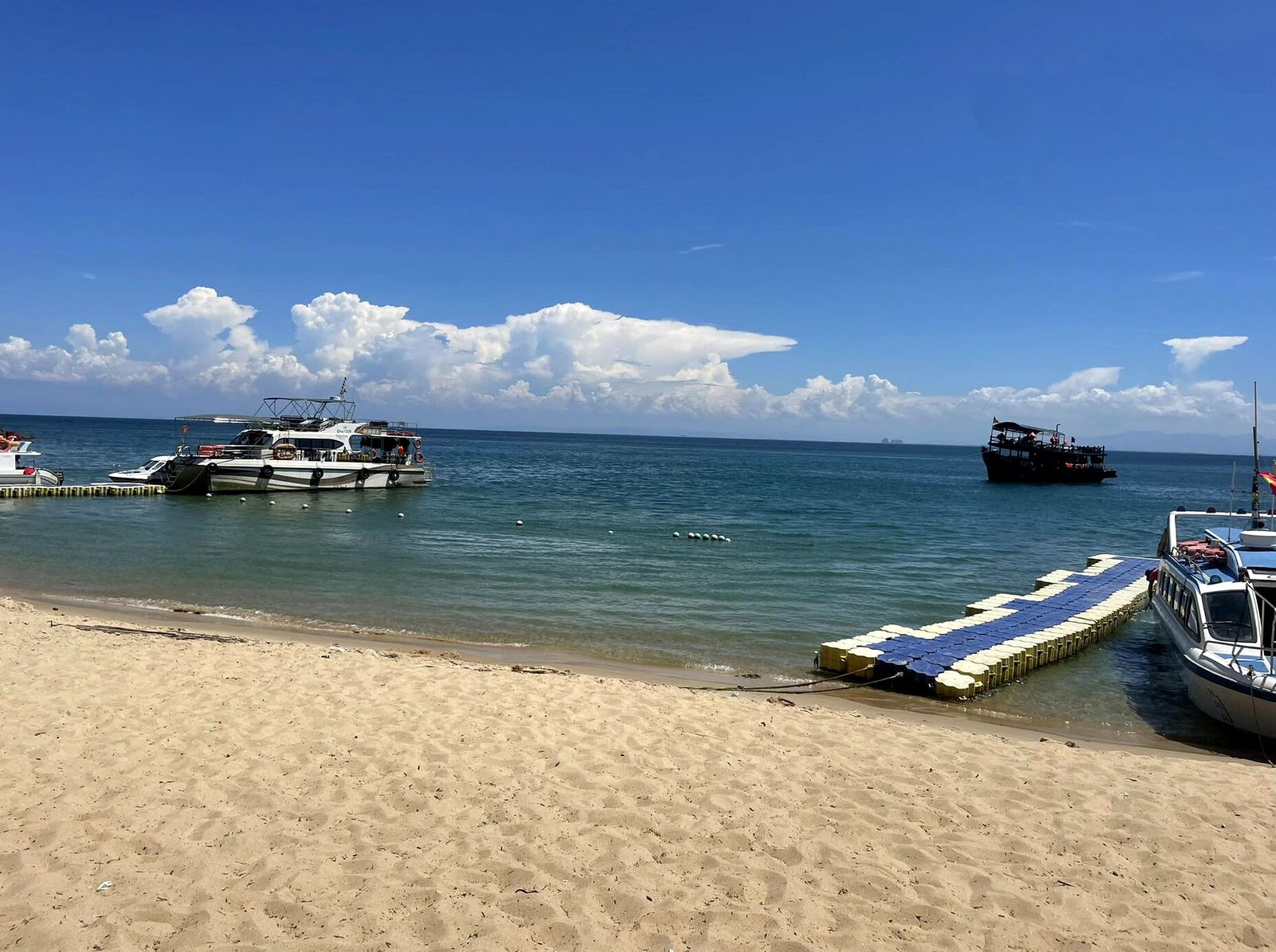
Cu Lao Cham is not only a strategic geographical coordinate, but also a masterpiece sculpted by nature and human hands over millennia. Upon stepping onto the island, visitors are immediately struck by the harmony between the deep sapphire of the ocean and the serene, time-weathered charm of historic architecture. Its “backed by mountains, facing the water” topography carries both auspicious feng shui symbolism and natural beauty, forming a poetic ink-wash painting where forested peaks sweep down toward the sea, cradling ribbons of fine white sand.
The archipelago’s premier architectural highlight is Hai Tang Pagoda, a landmark steeped in the religious artistry of Dang Trong. Stepping through its moss-covered triple-gate (tam quan), visitors enter an atmosphere of profound stillness. Sturdy ironwood pillars, red-and-gold lacquered horizontal boards, and classical parallel couplets serve not merely as ornament, but as living chronicles of the spiritual life of islanders. Every carved detail on the roof trusses and crossbeams reflects refined artistry and the sophisticated aesthetic vision of Later Le Dynasty craftsmen. Nearby, the ancient Cham well offers a different kind of beauty—the beauty of quiet endurance. Built in a distinctive cylindrical shaft of tightly fitted river pebbles without mortar, the well showcases the hydraulic mastery of ancient Cham builders, serving as a priceless lifeline that has supplied cool, sweet freshwater to the island for centuries.
To capture memorable, frame-worthy photographs across the archipelago, photographers typically favor two classic vantage points. The first is along the coastal mountain pass descending into Bai Lang at dawn. As the first rays of morning light pierce the thin mist, tinting the sea rose-gold and illuminating the weathered yin-yang tiled roofs of the fishing village below, travelers are rewarded with an effortless composition where unspoiled nature meets rustic island life. Soft golden light around 5:30 AM marks the golden hour for capturing the island’s quiet, sacred mood.
The second unmissable vantage point is the wooden pier at Bai Ong at sunset. As the sun dips behind the island ridges, the sky shifts through shades of deep violet and glowing amber, reflecting across crystal-clear waters to create a magical shimmer. Looking outward from the pier, the archipelago appears like a grand natural shield embracing the bay, while soft twilight accentuates the silhouettes of coastal shrines and lends depth to every frame. Photographing wooden fishing boats returning in the evening dusk is another captivating subject that vividly captures the enduring spirit of Chiêm Bất Lao. Every angle on Cu Lao Cham goes beyond simple composition—it bridges present-day travelers with the storied past of a once-thriving maritime port.
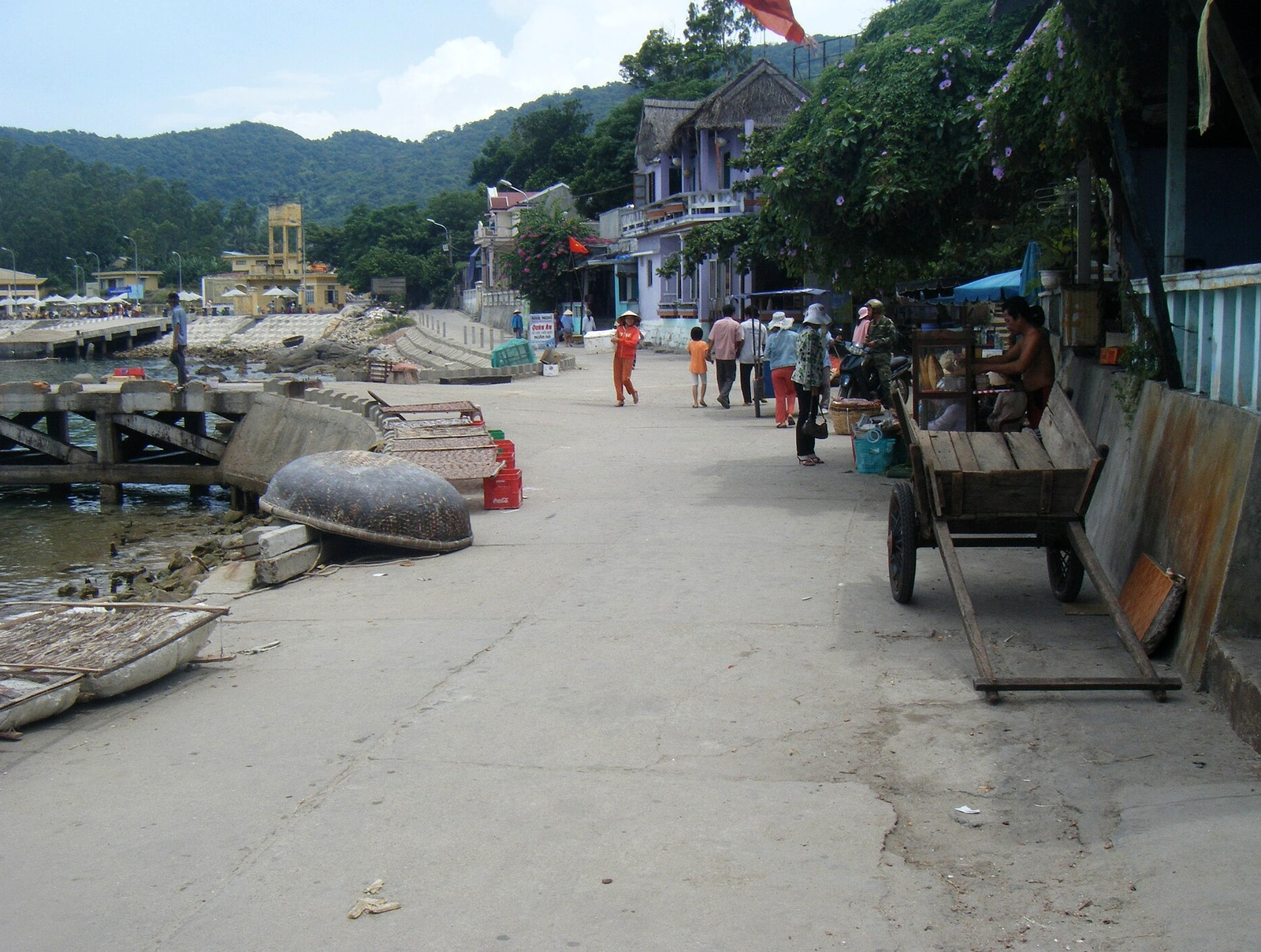
Arriving at Cu Lao Cham feels less like an ordinary excursion and more like stepping into a slower, timeless rhythm. The moment your speedboat cuts through the waves and docks at Bai Lang, you are greeted by the striking contrast between the ocean’s deep blue and the lush emerald of primeval forest. Completely removed from the fast pace of the mainland, the island offers a rare sense of tranquility that invites travelers to unwind immediately.
Experiencing Cu Lao Cham blends active exploration with quiet contemplation. For adventure-minded travelers, hiking along forested trails to reach elevated viewpoints offers a rewarding challenge. Standing atop the ridges and looking out across the water, the archipelago unfolds like a traditional ink-wash painting, with smaller islets scattered across jade-green seas. Feeling the brisk sea breeze carrying the crisp scent of salt air and forest leaves washes away travel fatigue, leaving behind quiet awe at the natural beauty bestowed upon this island cluster.
Spiritual discovery here brings equally reflective moments. Stepping inside Hai Tang Pagoda, visitors sense solemn antiquity radiating from time-patinated wooden plaques and sturdy timber beams. The resonant chime of temple bells drifting through the quiet island air creates a serene connection between the human spirit and sacred heritage. A short walk away, visiting the ancient Cham well lets you admire centuries-old engineering firsthand—and taste its cool, pure water, a vital lifeline that has sustained generations of islanders. The enduring mystery of a freshwater well that never runs dry or turns brackish despite sitting mere steps from the sea continues to fascinate every visitor.
Local island culture also shines through boat excursions and snorkeling or diving above vibrant coral gardens. Beneath remarkably clear waters lies a thriving underwater world of colorful coral reefs and darting tropical fish. Afterward, sitting down to a meal of regional specialties at a seaside eatery provides the ideal finale. Delicacies such as grilled moon turban snails (ốc vú nàng), fresh abalone, and wild Cu Lao forest greens—foraged herbs that blend mountain freshness with sea air—create an unforgettable culinary experience rooted in local hospitality.
As twilight settles and paints the horizon in soft shades of rose, travelers experience the island at its most peaceful. Cu Lao Cham is more than a sightseeing stop; it is a restorative pause to reconnect with nature and yourself. The harmony of pristine seascapes, rich history, and genuine local warmth ensures that visitors leave not only with striking photographs, but with lasting memories of a place where heritage and daily coastal life coexist gracefully.
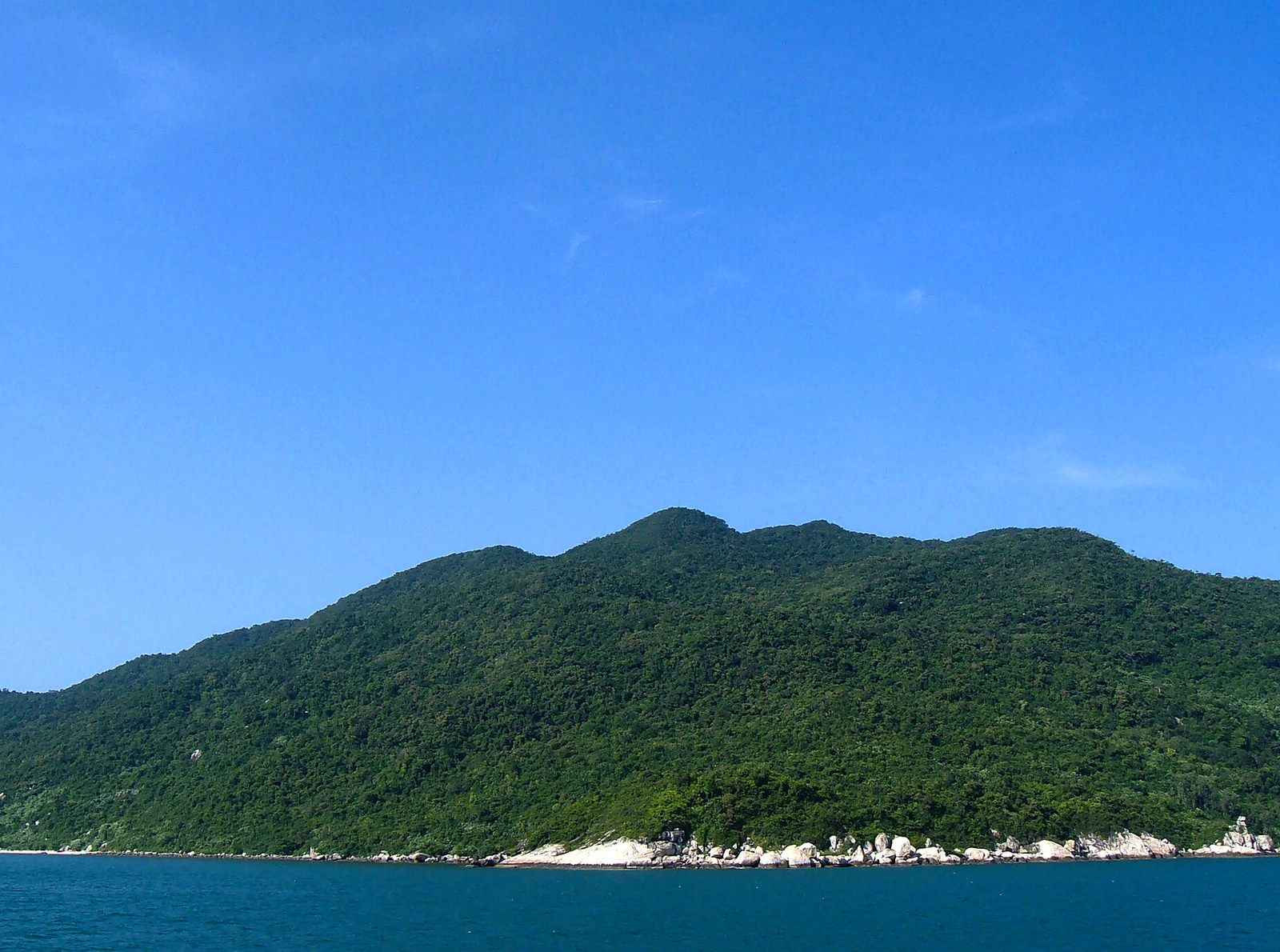
To ensure a smooth, safe, and rewarding trip to Cu Lao Cham, it helps to plan ahead with key practical details on seasons, transport, and local regulations. The ideal time to visit runs from March through August, when calm seas, bright sunshine, and clear blue skies create optimal conditions for speedboat crossings, snorkeling, and diving. By contrast, from September through February of the following year, northeast monsoons frequently bring rough seas and high swells, and boat departures may be suspended when necessary to guarantee passenger safety.
Regarding transportation, the main departure gateway is Cua Dai Harbor in Hoi An. Travelers can take a high-speed canoe, which cuts crossing time down to roughly 20 minutes for an exhilarating ride over the waves. Those preferring a slower, more budget-friendly journey can opt for traditional wooden supply boats, though the crossing takes over an hour. From Hoi An Ancient Town, Cua Dai Harbor is an easy 5-to-7-kilometer ride by taxi, public bus, or rented motorbike along a scenic coastal road.
For admission, visitors purchase entrance tickets to the Cu Lao Cham World Biosphere Reserve directly at the Cua Dai Harbor checkpoint prior to boarding. Ticket rates are publicly posted by the Management Board and cover both sightseeing access and environmental conservation fees supporting marine protection. Additional activities—such as speedboat transfers, guided snorkeling or diving, and restaurant meals—are priced separately depending on whether you book a package tour or arrange services independently. Be sure to keep your ticket stub handy, as you will need to present it when entering historical monuments on the island.
When visiting spiritual landmarks such as Hai Tang Pagoda or the Whale Shrine, respectful dress is essential. Wear modest, neat clothing and avoid overly short or revealing outfits when entering sacred precincts. Because exploring the island involves rocky coastlines and uneven stone paths leading to viewpoints and the ancient Cham well, pack sneakers or sturdy sandals with reliable grip rather than high heels.
Finally, as a designated UNESCO World Biosphere Reserve, Cu Lao Cham enforces strict environmental conservation rules. Visitors are strictly prohibited from bringing single-use plastic bags onto the island, breaking or standing on coral reefs, or collecting marine life. Respecting these guidelines helps safeguard both the natural ecosystem and cultural heritage so that the unspoiled beauty of Chiêm Bất Lao endures for generations to come.
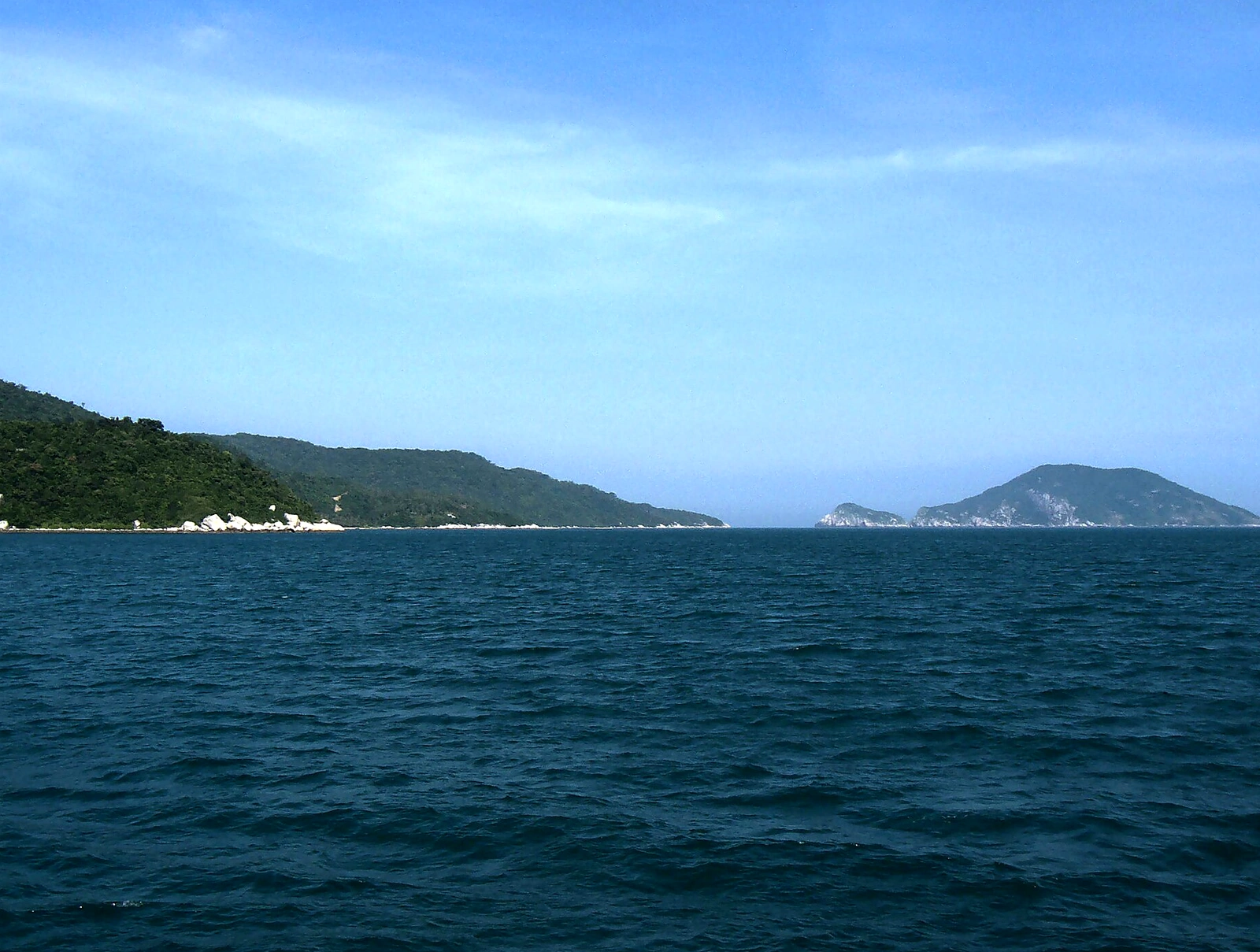
To enjoy a seamless getaway and experience the full beauty of Cu Lao Cham without worrying about boat transfers, entrance tickets, or itinerary planning, travelers can choose premium all-inclusive Quang Nam tour packages from VDS Travel. Each itinerary is thoughtfully timed for peak scenic lighting, accompanied by knowledgeable local guides and top-tier hotel and dining standards.