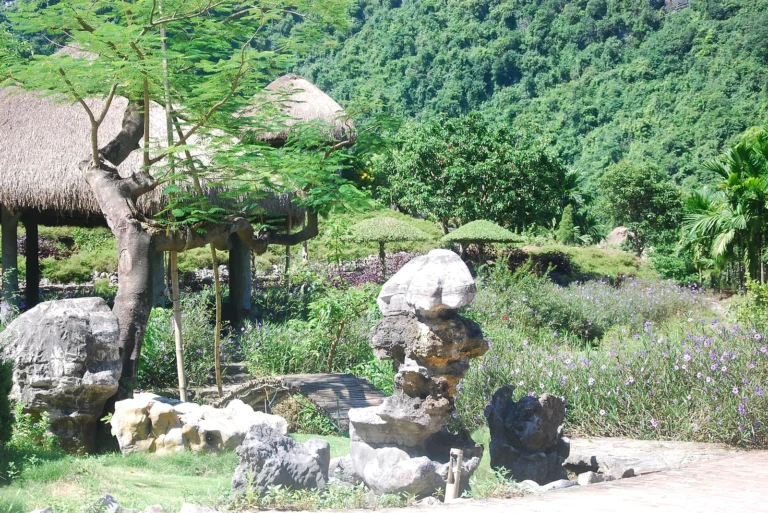
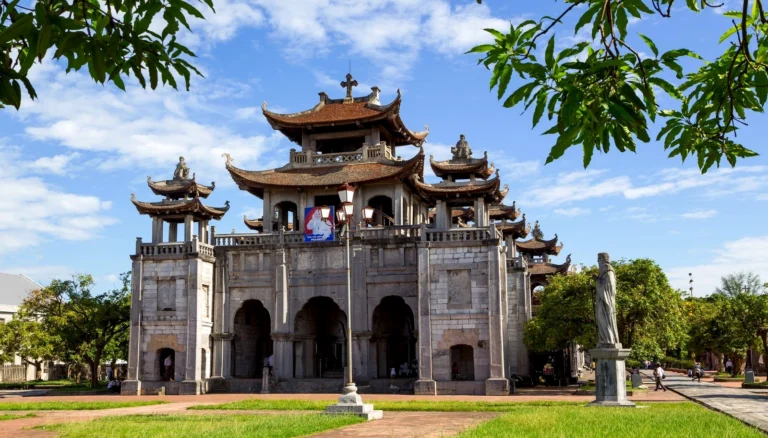
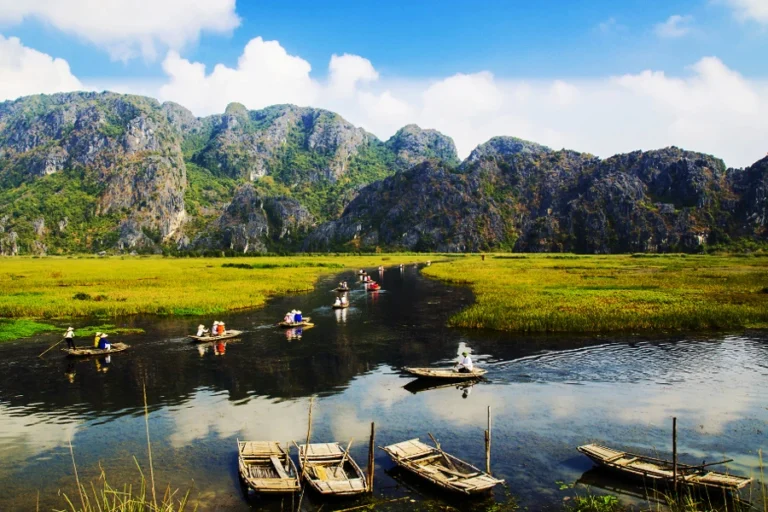
Tucked away amid the mountainous landscape of the ancient capital of Hoa Lu, the Arhat Corridor at Bai Dinh Pagoda (Gia Vien District, Ninh Binh Province) occupies a sacred geographic setting where heaven, earth, and a millennium of cultural heritage converge. Situated on the slopes of Bai Dinh Mountain within the Trang An limestone massif—a UNESCO-recognized mixed World Heritage Site—the structure commands an ideal feng shui position according to Eastern philosophy: “leaning against the mountain, facing the water.” Behind it rises a towering limestone range standing guard like a mighty rampart, while before it the Day River winds gently through an expansive watery valley, creating a tranquil, secluded atmosphere imbued with the heroic, sacred aura of a former royal capital.
The historical origins of this landmark are rooted in the Buddhist heritage of the Ly Dynasty, beginning with the ancient pagoda founded in the 12th century by cultural luminary, Zen master, and renowned physician Nguyen Minh Khong. According to historical chronicles and preserved stone steles, while searching the Trang An mountains for rare medicinal herbs to cure Emperor Ly Than Tong of a grave illness, he discovered magnificent limestone caves and established the original Bai Dinh Pagoda. Across centuries of change, that modest sanctuary took deep root in the spiritual consciousness of the people of Ninh Binh. At the dawn of the 21st century, to welcome pilgrims from near and far and honor this heritage, construction of the Arhat Corridor within the new pagoda complex officially began in 2004 and was completed in 2010, just in time to commemorate the 1,000th anniversary of Thang Long – Hanoi.
From a geological and archaeological perspective, this setting is a natural museum shaped over millions of years of karst continental shelf formation. Heritage authorities as well as domestic and international media have repeatedly praised the unmatched scale of this structure, which stretches nearly three kilometers in total length and embraces the entire pagoda grounds. Far more than a mere walkway, the corridor is a masterpiece of traditional timber architecture combined with the finest Ninh Van stone-carving artistry, showcasing the craftsmanship of artisans from renowned northern woodworking villages such as Hai Hau, Tu Son, and Kim Son.
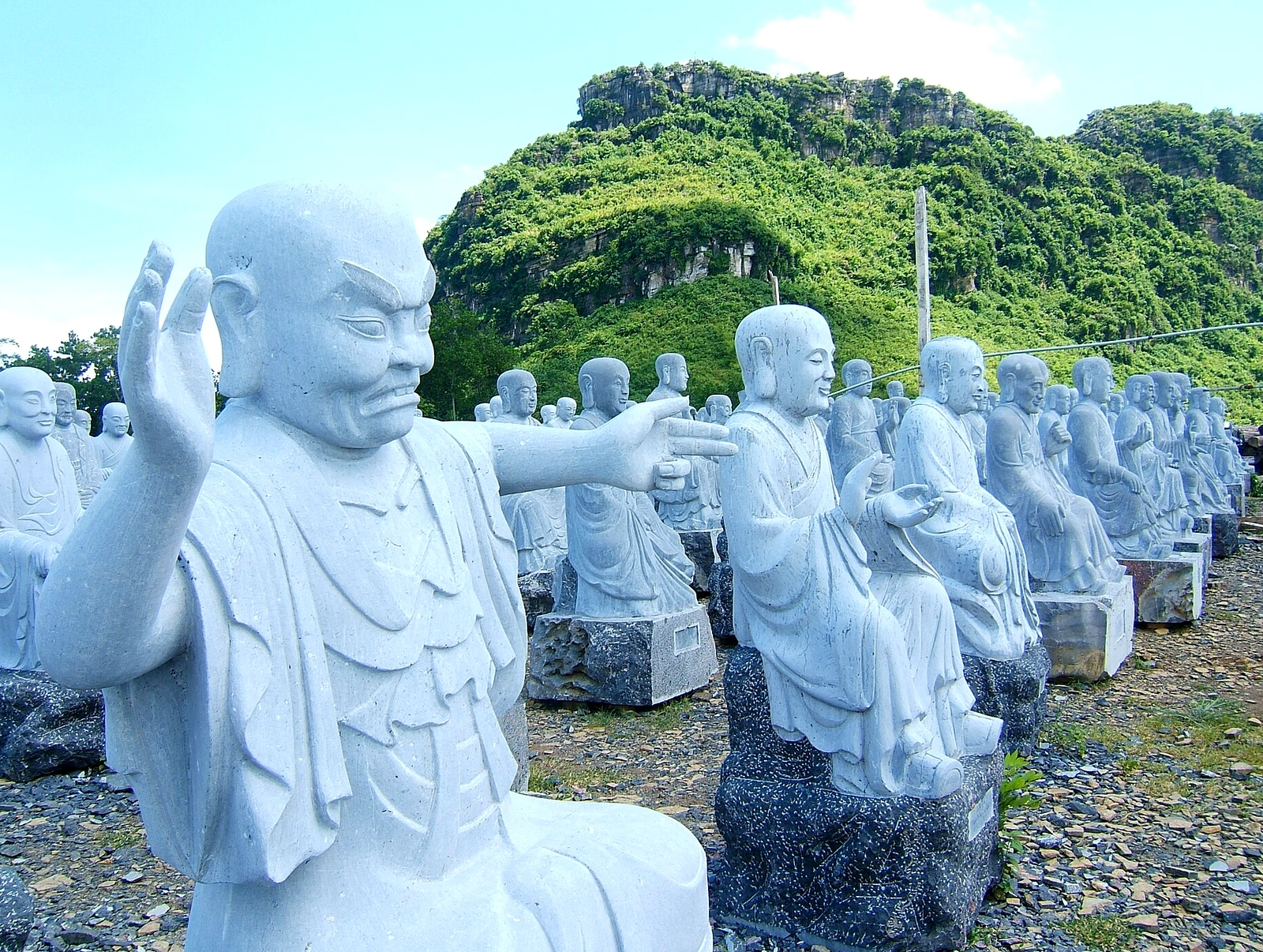
Lining that monumental stretch stand 500 majestic Arhat statues carved from monolithic bluestone, each displaying a distinct demeanor, posture, and inner expression that vividly brings to life the Mahayana Buddhist path to enlightenment. The seamless harmony between Ninh Binh’s dramatic river-and-mountain scenery, the storied legacy of the Ly Dynasty, and contemporary traditional architecture has transformed the Bai Dinh Arhat Corridor into a premier cultural heritage destination—a place where visitors walk the threshold between the earthly and the sacred, listening to echoes of a thousand years of national history.
Tracing the sweeping slopes of majestic Bai Dinh Mountain, the Arhat Corridor rises as a contemporary architectural marvel deeply rooted in Vietnamese tradition. Spanning nearly three kilometers in total length, its two winding galleries hug the hillside, creating an unbroken emotional journey for every traveler who steps inside. The structure represents a pinnacle of traditional carpentry crafted by master artisans from celebrated villages such as Hai Hau, Kim Son, and Tu Son. Every truss, pillar, and vaulted roof is intricately carved from precious timber or wood-finished reinforced concrete gilded in red and gold lacquer, featuring stylized dragons, phoenixes, and floral motifs echoing Ly–Tran aesthetics. Thick layers of traditional yin-yang “shoe-tip” roof tiles sweep upward at the eaves, lending a graceful yet monumental silhouette against Ninh Binh’s mountains, clouds, and sky.
The centerpiece that gives this space its singular artistic value is the presence of 500 Arhat statues sculpted from solid blocks of bluestone. Quarried directly from the famed Ninh Van stone deposits and carved by master stone artisans, each figure possesses a completely distinct face, aura, stance, and expression. Some sit lost in deep meditation, others radiate solemn spiritual guidance, and others gaze upon sentient beings with serene joy—together exuding an extraordinary sense of life. Framed by open vistas of rolling peaks, lush greenery, and drifting morning mist, the corridor is not only a religious monument but also a priceless open-air sculpture museum blending human craftsmanship with the dramatic scenery of the ancient capital.
To capture the most striking photographs along the Arhat Corridor, leading photographers and travel magazines recommend visiting during two golden windows of the day: early morning from 6:00 AM to 8:00 AM, or sunset from 4:30 PM to 6:00 PM. At dawn, soft golden sunbeams filter through the treetops and slant directly into the galleries, creating ethereal plays of light and shadow ideal for wide high-angle shots that trace the sweeping curve of tiled roofs hugging the mountain slope. The first acclaimed “million-view” angle is from the middle section of the corridor, aiming your lens down the long perspective of wooden pillars to create profound, meditative depth. The second lies at the sharp bends of the gallery, where you can capture a close-up of a lifelike bluestone Arhat statue in the foreground with mist-draped green valleys stretching into the distance—producing timeless, poetic frames with a distinctly cinematic feel.
Stepping into the Arhat Corridor at Bai Dinh Pagoda, visitors are immediately drawn into an immersive, awe-inspiring journey steeped in Vietnamese spiritual heritage. Beginning at the imposing inner triple-arched gate, your pace naturally slows as you enter the tranquil yet grand expanse of the long gallery winding along the hillside. Combining gentle uphill walking with spiritual contemplation creates a uniquely restorative experience. Moss-dappled stone steps, temple bells echoing softly through the morning mist, and the open skies of Trang An compose a deeply meditative atmosphere that washes away the rush and worries of everyday life.
Along the nearly three-kilometer walkway, a traveler’s emotions rise through ever deeper layers of wonder. Initial awe at the sheer scale of the monument soon gives way to quiet fascination when admiring the 500 monolithic bluestone Arhat statues up close. Each figure embodies a vivid posture and expression—spanning joy, sorrow, compassion, and serene enlightenment—making every pause feel like a silent dialogue with one’s own inner self. Looking out from the curved corners of the corridor, the entire landscape of Ninh Binh unfolds in panoramic splendor, with emerald valleys, winding waterways, and dramatic limestone peaks filling the horizon.
Exploring Bai Dinh would not be complete without pairing your visit with a scenic boat ride through the Trang An eco-waterways and a stop at the ancient pagoda area preserving the sacred legacy of Zen master Nguyen Minh Khong. Gliding in a traditional sampan through mystical water caves feels like entering a pristine, hushed, and enchanting world. This seamless union of dramatic natural landscapes and deep cultural history turns every moment here into a vivid memory that resonates long after you leave.
To round out an emotionally rich pilgrimage, visitors should not miss sampling the renowned culinary specialties of the ancient capital. The crisp, savory crunch of scorched rice topped with seasoned pork floss, the rich nuttiness of mountain snails stir-fried with lemongrass and chili, or the refreshing tang of fermented eel salad provide the perfect finishing touches to the journey. Together, the scenery, sacred atmosphere, and authentic local flavors blend into an unforgettable experience that leaves both Vietnamese travelers and international guests with lingering affection for this storied heritage land.
The Arhat Corridor at Bai Dinh Pagoda welcomes visitors daily from early morning until early evening, typically from around 6:00 AM to 6:00 PM, making it easy for Buddhists and travelers to plan their pilgrimage and sightseeing. Regarding admission, the new pagoda complex and the Arhat Corridor do not charge a main gate entrance fee; visitors are free to stroll the grounds, admire the grand timber architecture, and pay respects before all 500 stone statues at no cost. However, if you wish to take an electric shuttle from the parking area deeper into the complex or visit specialized interior monuments, the management board posts very reasonable ticket prices for shuttle rides as well as access to the Bell Tower and Stupa.
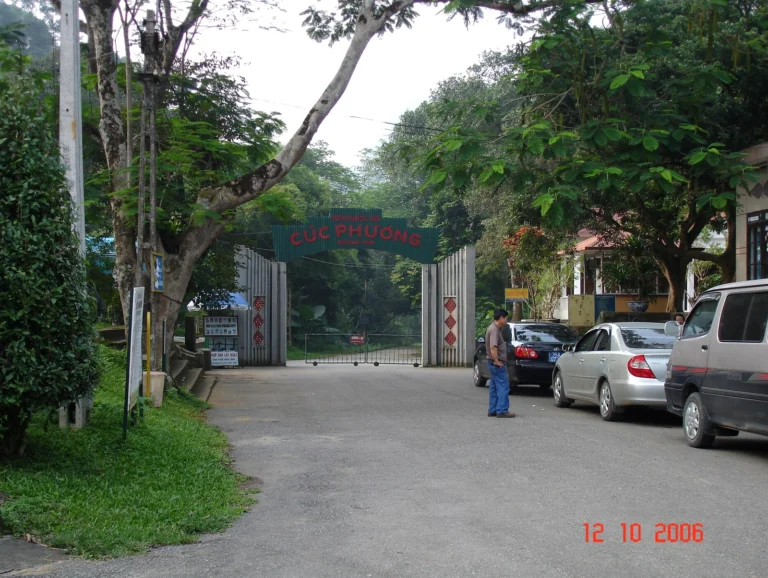
To reach the Bai Dinh scenic complex from central Ninh Binh City, the most convenient route follows Trang An Boulevard or the road toward the Ancient Capital of Hoa Lu, covering roughly 15 to 20 km. Travelers can drive a private car or motorbike for maximum flexibility, or take a taxi or local tourist bus. The wide paved road winds past rolling limestone peaks and expansive rice paddies, making the journey itself relaxed and scenic.
Because this is a revered spiritual sanctuary set on mountainous terrain with many steps, visitors to the Arhat Corridor should dress neatly and modestly in keeping with temple etiquette (such as sleeved tops and trousers or skirts extending below the knee). For footwear, walking through the long galleries and climbing slopes calls for comfortable, slip-resistant sneakers or flat shoes to protect your feet and make the walk effortless.
The best time of year to visit Bai Dinh is from the first to the third lunar month. This coincides with the vibrant spring festival season, when cool weather and fresh greenery create ideal conditions for combining pilgrimage festivities with sightseeing. Alternatively, travelers who prefer quiet solitude can visit during the remaining months of the year to enjoy a peaceful atmosphere and take in the architectural beauty and sacred spirit of this record-setting pagoda at a unhurried pace.
To enjoy a seamless getaway and take in the full beauty of the Bai Dinh Arhat Corridor without worrying about transportation, entry tickets, or itinerary planning, travelers can choose VDS Travel’s premium all-inclusive Ninh Binh tour packages. Every itinerary is thoughtfully timed for photo stops at the most scenic hours of the day, accompanied by knowledgeable local guides and top-tier hotel and dining standards.