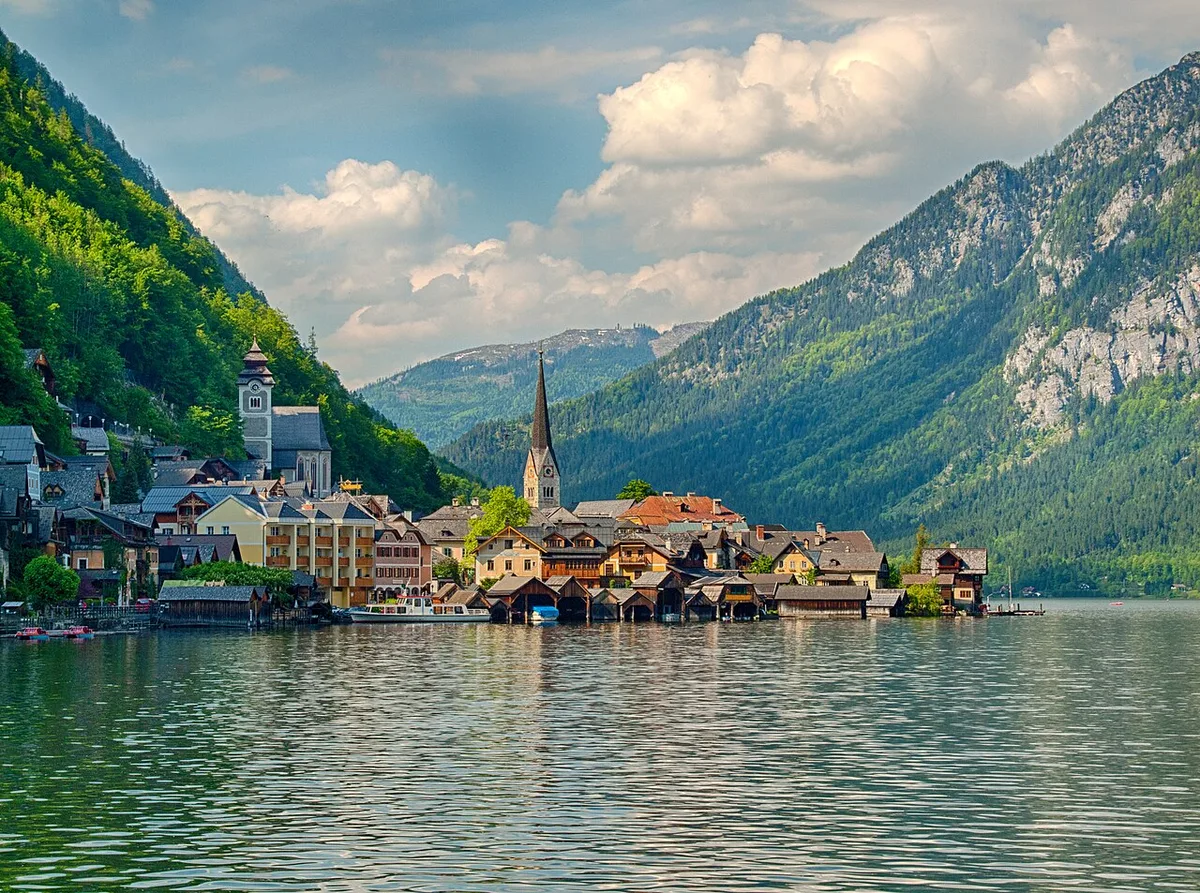
The Hallstatter See basin and its associated Hallstatt settlement are located in the Salzkammergut region of Upper Austria, situated at geographical coordinates of approximately 47 degrees 33 minutes north latitude and 13 degrees 38 minutes east longitude, featuring a lake surface elevation of roughly five hundred meters above sea level. The local terrain was shaped by complex tectonic movements from the ice age, creating a deep water basin enclosed by the Dachstein Alps with vertical limestone cliffs soaring past two thousand meters. Hallstatter See has a surface area of nearly eight square kilometers and a maximum depth reaching one hundred and twenty-five meters, forming a closed hydrological ecosystem that maintains close ties with the flowing Traun River. The extreme elevation difference between the lake surface and surrounding peaks creates a distinct microclimate with high humidity, dense fog during early autumn and winter mornings, and strictly limited human survival space. Due to the steep slopes of the Plassen ridge, flat land is virtually nonexistent here, forcing generations of residents over the centuries to level cliffs, construct tiered buildings clinging tightly to mountain slopes, and expand artificial platforms using sturdy stone retaining walls to sustain life.
Settlement history in this area dates back to the Early Bronze Age, but Hallstatt’s global archaeological significance was officially established through the Hallstatt culture, the early Iron Age period lasting from around 800 to 450 BC. Archaeological excavations beginning in the mid-19th century in the high-altitude salt mine valley brought to light thousands of ancient graves containing countless bronze, iron, ceramic, and amber artifacts, bearing witness to a distinctly class-stratified society and a trading network stretching across Europe from the Scandinavian peninsula to the Mediterranean basin. The Hallstatt salt mine is recognized as the world’s oldest operating underground salt mine, where prehistoric miners used bronze axes and torches to hew through ancient salt deposits formed millions of years ago when primeval seas dried up. Controlling this precious salt resource brought extraordinary economic prosperity to the local community, turning it into a regional powerhouse before its decline during the Roman conquest and the shift of continental trade routes.
Through medieval and modern eras, Hallstatt witnessed numerous turbulent fluctuations tied to the Habsburg monarchy’s salt monopoly policy and bloody religious wars in Central Europe. In the fourteenth century, control over the salt mine was completely transferred to the Austrian feudal state, turning the village into a vital link in the imperial economic system, where salt was transported via wooden brine flumes stretching dozens of kilometers connecting Hallstatt to the Ebensee region. The ancient village’s spatial structure also underwent large-scale reconstruction after the devastating fire of 1804, which consumed most medieval wooden architecture and shaped the current Neo-classical and Alpine architectural appearance featuring sloping-roof timber houses, geranium-adorned balconies, and narrow cobblestone walking paths. Until the late nineteenth century, Hallstatt remained a community completely isolated from the outside world, with no road connections and all trade and transportation activities entirely dependent on traditional Plätten wooden boats on the lake or treacherous mountain trails winding across cliffs.
Hallstatt’s national symbolic value was strongly reinforced when UNESCO officially recognized the Hallstatt-Dachstein/Salzkammergut Cultural Landscape as a World Heritage Site in 1997, celebrating the absolute harmony between a pristine natural wonder and a millennia-old human heritage. The village became a classic representative image of Austria’s tourism identity on the international stage, appearing on millions of global tourism promotional publications thanks to its unique landscape layout featuring the soaring spire of the Evangelical church reflecting in the jade-green waters of Hallstatter See. This recognition not only brought fame but also posed major challenges for heritage conservation against the pressures of mass tourism over-saturation in the twenty-first century, as millions of international visitors flock here annually to witness this specific architectural space firsthand. Local authorities and heritage management agencies have had to implement various strict control measures to balance economic benefits from the smokeless industry with the duty of maintaining the authenticity of the historical urban structure.
Hallstatt’s cultural influence extends far beyond Austria’s geographical borders, reaching globally by lending its name to a major archaeological period of humanity and becoming an urban planning model for various landscape regeneration projects in other countries. Major archaeological museums worldwide reserve solemn exhibition spaces for the Hallstatt culture, where researchers continue to decode secrets regarding the life, beliefs, and metallurgy techniques of the ancient Celts. In contemporary life, the landscape of this village and lake continually inspires filmmakers, architects, and visual artists, even serving as a model for exact replication in Guangdong Province, China—a testament to the powerful symbolic appeal of this space. Nonetheless, the original in Austria retains its unique value thanks to the organic connection between rugged natural terrain, dense historical strata spanning thousands of years, and the slow-paced life of the local community clinging to the shores of the ever-changing Hallstatter See.
Viewed holistically from the perspectives of historical research and cultural anthropology, Hallstatt and Hallstatter See are not merely ordinary geographical scenic spots but a human memory archive where nature and humanity have engaged in dialogue over millennia of survival struggle and creation. From primitive miners extracting salt in dark mountain interiors to medieval merchants and 19th-century explorers, each generation has left an indelible mark on this terrain and water surface. The symbolic status of this location is backed by solid historical-scientific values, international institutional recognition, and the enduring vitality of an indigenous culture overcoming all historical transformations. Amidst global modernization currents, Hallstatt stands firmly by the tranquil lakeshore as a living historical witness, telling the story of human wondrous adaptability against the harshness of terrain and time.
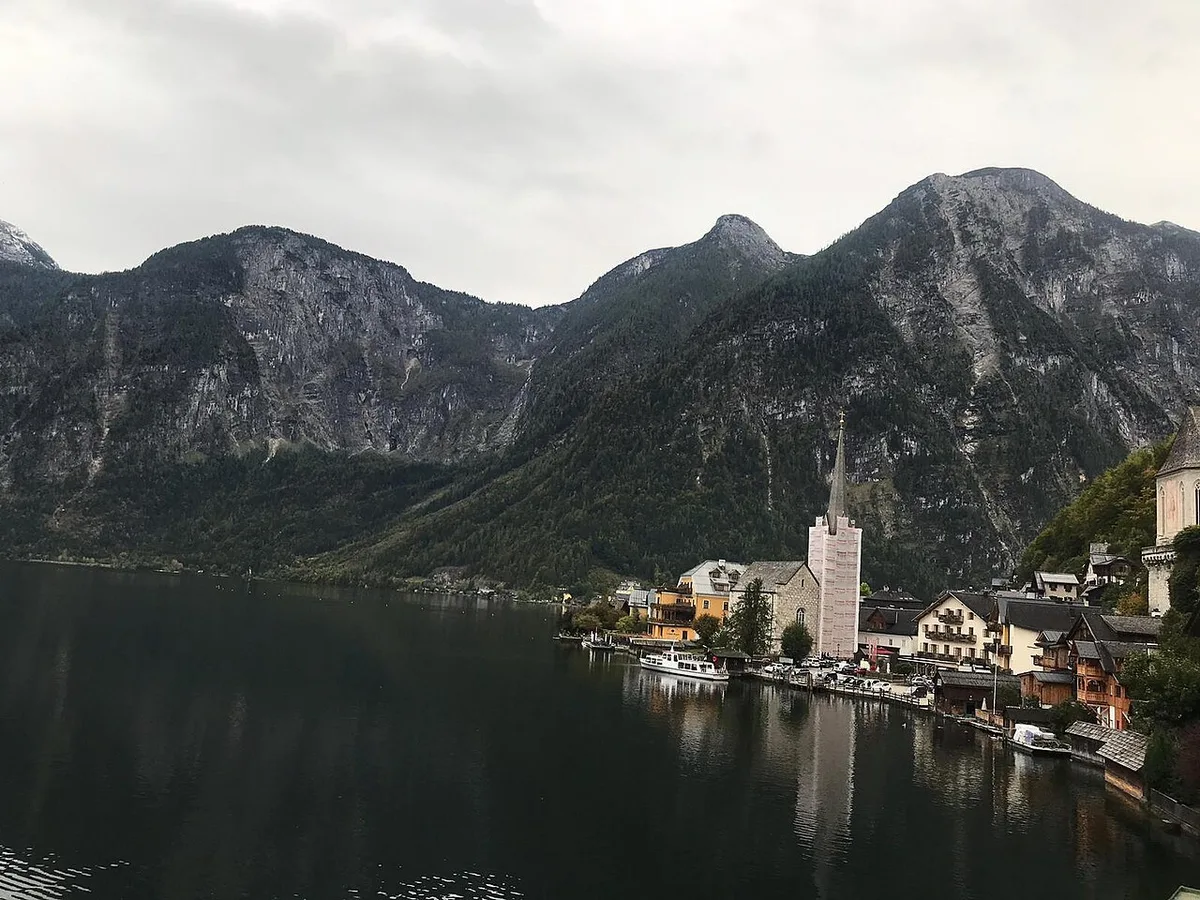
The Hallstatter See basin and the ancient Hallstatt settlement on the slopes of the Dachstein mountain formed through a geological tectonic process spanning millions of years, starting from the Triassic period when tectonic plate movements pushed ancient oceanic sediment layers upward, creating massive limestone mountain ranges enclosing a glacial basin. Melting glaciers at the end of the Quaternary period eroded and carved deep into the valley surface, leaving a deep water abyss with a surface area of about 8.55 square kilometers and a maximum depth reaching 125 meters, shaping an isolated yet magnificent geographical space in Austria’s Salzkammergut region. The presence of gigantic fossil salt deposits deep within the Salzberg mountain core constitutes the core ecological driving force governing the entire human historical process here, turning a rugged wasteland into a salt-mining center since the early Iron Age, laying the foundation for shaping a residential space that is primitive yet highly adaptable to extreme terrain conditions.
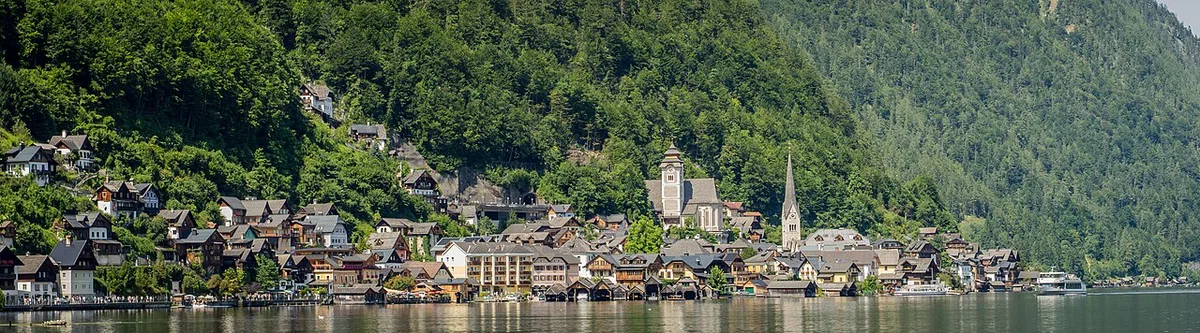
Urban spatial planning in Hallstatt adheres to a specific architectural order imposed by the pressure of the steep terrain of the Salzberg peak against the waters of Hallstatter See, where the width of flat land along the water’s edge is virtually negligible or completely absent in many sections. Due to strict physical space limitations, the ancient village’s structure develops vertically, clinging closely to the shoreline and climbing slopes via natural stone steps up the mountain, forcing generations of residents over centuries to invent unique construction methods to optimize scarce usable space. The urban zoning map is divided into distinct tiers consisting of the waterways transport route serving as a historical lifeline, the lakeside commercial and residential zone, an intermediate walking street hugging the slope, and a stepped housing system rising toward pine forests and ancient mine portals above. The core historical zone’s total area is strictly conserved at approximately sixty hectares, with building density tightly controlled to maintain a fragile ecological balance between artificial structures and the natural landscape of the Dachstein range.
Construction techniques and building materials here reflect a sustainable vernacular architectural philosophy, where high-altitude pine timber and local limestone form the two primary components constituting the village’s entire appearance. Due to the high slope of the ground foundation and risks of landslides from underground currents as well as lakeside erosion, ancient vernacular engineers applied stilt-house construction techniques extending right to the water’s edge, combined with deep-mud-soaked oak raft foundation systems to ensure structural solidity for primary load-bearing elements. Load-bearing walls were erected using thick logs fitted closely horizontally via the traditional Blockbau technique, externally plastered with white lime mortar or retaining the natural color of pine wood darkened over time by high-altitude climate impacts. Steep pitched roofs shingled with gray slate or hand-split timber boards withstand the weight of heavy winter snowstorms while allowing rainwater to drain rapidly into underground drainage ditches running along steep stepped alleyways.
The height and volumetric scale of architectural structures in Hallstatt are strictly controlled within limits of two to four floors to maintain harmonious proportions with the lake landscape and avoid disrupting the valley’s natural skyline. Houses clinging to mountain slopes typically feature stepped structures, where ground floors connect directly with rock faces or water surfaces, while upper floors project progressively forward via sturdy under-propped wooden sonsol beams, creating exquisitely carved wooden balconies looking directly down onto jade-green lake waters. Public buildings such as the Evangelical church with its soaring pointed bell tower serving as a massing focal point, or St. Mary’s Catholic church with its stepped cemetery hugging cliffs, all adhere to medieval urban planning golden ratio principles, acting as visual focal points orchestrating the settlement’s entire spatial layout.
The internal transportation system of the ancient village of Hallstatt is a marvel of steep-terrain planning, completely devoid of private motor vehicles due to the narrow width of walkways and intricate interlaced stone step systems between residential clusters. Main alleys less than two meters wide are paved with crushed stone and smooth boulders, winding softly along mountain slope curves and directly connecting the central Marktplatz square with residential corners and trails leading up to the Salzberg salt mine. Marktplatz square acts as the central public space, enclosed by historic buildings dating from the fifteenth to nineteenth centuries, featuring a stone fountain at its center and expansive overhanging eaves providing outdoor trading space for indigenous resident communities across generations.
Visitor carrying capacity and tourism load pressures on Hallstatt’s architectural ecosystem and urban space pose unprecedented management challenges for local authorities and resident communities numbering only around eight hundred people. During peak periods prior to the pandemic and in recent years, this village has welcomed international visitors exceeding one million arrivals annually, creating a difficult dilemma regarding spatial capacity, waste management, waterway traffic control, and the preservation of lakeside wooden foundation structures against vibration stress from millions of footsteps. Modern planning management measures have been deployed to limit daily tourist bus arrivals, establish one-way pedestrian routes in the historical core zone, and closely monitor humidity and structural loads of centuries-old wooden architecture to ensure the preservation of UNESCO-recognized world cultural heritage.
The bond between Hallstatter See’s natural geographical environment and Hallstatt ancient village’s artificial structure demonstrates human wisdom and remarkable adaptability before the harshness of natural conditions in the Austrian highlands. Every limestone block, every wooden bridge extending over water, every gray-shingled roof tells a story of an ancient culture tied to earth and water, where architectural planning is not merely erecting shelters but the art of shaping living spaces in absolute harmony with surrounding landscape ecosystems. Preserving these indigenous architectural values intact requires long-term strategic archaeological and urban planning vision to safeguard one of humanity’s most exemplary models of spatial adaptation in the heart of ancient Europe.
The Hallstatter See basin in Austria’s Salzkammergut region formed from a deep geological fault during the Quaternary period, where the towering Hoher Dachstein massif presses closely against cold glacial waters. This geographical isolation created a closed anthropological space where prehistoric humans were forced to adapt to rugged terrain by carving architecture bearing deep survival marks and unique aesthetic thinking into steep cliffs. Village history is tied to the world’s oldest salt mine in the Salzberg valley, where Iron Age tribes initiated a brilliant civilization named Hallstatt. Accumulated wealth from salt mining since the first millennium BC not only left priceless archaeological relics in high-altitude cemeteries but also shaped the village’s urban spatial structure, where land scarcity meant every inch of land had to be thoroughly utilized through some of medieval Europe’s most sophisticated terraced construction techniques.
Hallstatt ancient village’s planning structure reflects strict social order and deep understanding of architectural physics adapted to high slopes. Traditional Fachwerk-style timber houses were erected vertically, hugging the steep cliffs of the Dachstein mountain, forming overlapping spatial tiers calculatedly. House facades typically face Hallstatter See waters to optimize rare natural light sources among high mountain ranges, while catching lake breezes circulating through narrow gorge gaps. Internal village pathways appear as winding cobblestone staircases serving as blood vessels connecting residential tiers from the water’s edge up to high mountain slopes. Due to extremely narrow flat space, indigenous residents centuries ago invented wooden stilt houses extending out over the water, serving simultaneously as manual boat docks and living space expansions without obstructing freshwater ecological flows beneath the lake.
Wood carving artistry on architectural components in Hallstatt displays master craftsmanship of Alpine artisans across generations. Support pillars, old pine window frames, and balcony railings are meticulously carved with geometric motifs and stylized patterns of local flora like geraniums and conifers. Combining local slate materials at foundations with naturally dried timber on upper floors creates fascinating material contrasts while ensuring structural elasticity against minor geological shifts. Steep roofs shingled with timber planks or heavy slate tiles are specially designed to withstand colossal weights of thick winter snowstorms, preventing sudden snowslides threatening underlying structures. Colors of white-plastered walls or untouched somber timber tones weathering through time blend perfectly with the deep jade-green lake surface and silver-gray hues of surrounding primeval limestone cliff walls.
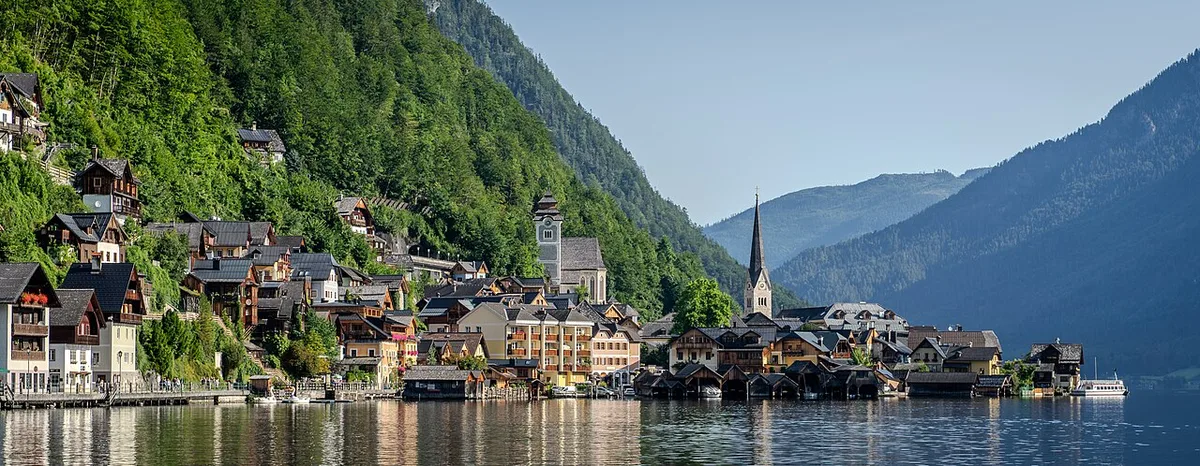
The spiritual and religious art center of the resident community centers around the Catholic Parish Church of Maria Himmelfahrt and the adjoining St. Michael’s Chapel, housing priceless treasures reflecting long-standing spiritual life. St. Michael’s Chapel, dating to the twelfth century, is globally renowned for its Beinhaus charnel house space hidden beneath the sanctuary, preserving over six hundred human skulls decorated elaborately with unique hand-painted art. The tradition of painting patterns on skulls began in the 12th century stemming from severe burial land shortages in cramped mountain-clinging cemeteries, forcing relatives after ten to fifteen years to exhume remains, dry them under sunlight, and paint sacred symbols like roses symbolizing love, laurel wreaths denoting victory over death, and crosses representing Christian faith. Each skull in the Beinhaus is not merely an anthropological remain but a deeply moving folk art piece, expressing calm, respectful, and highly humane attitudes toward mortality among generations of salt miners.
Stepping inside Maria Himmelfahrt church, visitors and art history researchers encounter a Late Gothic architectural masterpiece preserved nearly intact from the golden age of the salt trade. The central focal point of the sanctuary space is an open-wing altarpiece named the Hallstatt Altar, a multi-panel wood carving crafted in 1515 by an anonymous artisan from the Danubian school. Relief statues inside altar doors detail the lives of the Virgin Mary and Jesus with flowing lines of international Gothic style, combined with pure gold leaf gilding reflecting candlelight across centuries. Carving techniques on character robes show fluid, soft movements, breaking conventional pine rigidity, creating deep emotional resonance for worshippers. Stained glass on pointed arched windows brings mystical spectral light beams, dyeing sanctuary interior spaces in crimson, deep blue, and amber hues, recalling medieval religious worldviews.
Outside religious structures, the central Marktplatz square acts as a community and commercial activity nucleus from past centuries, where urban spatial structure achieves geometric proportional perfection. This square is enclosed by multi-story merchant houses featuring exquisite wrought-iron balconies showcasing Renaissance and Baroque local blacksmith craftsmanship. At the square’s center stands a white marble fountain carved with feudal and ecclesiastical power symbols, formerly serving as the primary drinking water source for the entire settlement before modern underground piping systems emerged. House facades here are often decorated with trompe-l’œil mural painting techniques, creating illusions of depth and simulated classical architectural details like Doric columns or elaborate carved windows, witnessing past wealthy salt-mining merchant class aspirations for luxury and grandeur.
The relationship between humanity and nature at Hallstatter See is clearly reflected through cultural landscape philosophy, where living spaces remain inseparable from geological terrain, blending into a unified biological entity. The village and lake do not merely exist as a settlement point but as a living archive of prehistoric mining engineering, where archaeological artifacts like bronze helmets, gold-inlaid iron swords, and salt leather pouches from the Iron Age prove a civilization with astonishing historical depth. Careful conservation of traditional structural values over centuries, despite time and modernization pressures, turned Hallstatt into an outdoor architectural museum with profound anthropological research value. Through every carving line on timber beams, through each meticulously patterned skull in cold crypts, and through houses clinging tightly to cliffs overlooking Hallstatter See’s deep waters, this heritage continues conveying eternal messages of human resilience against harsh nature.
The Hallstatter See basin in Austria’s Salzkammergut region formed from ancient glacial tectonic movements, creating a deep water lake enclosed by Dachstein limestone cliffs. Along this lake’s western shore, Hallstatt village evolved over millennia relying on prehistoric salt mining. Local community life rhythms linked closely with harsh yet mineral-resource-rich terrain conditions. Local residents’ living spaces were shaped by houses stacked along steep slopes, forcing generations to maintain survival methods closely adapted to nature. Experiencing this destination dynamically requires observers to grasp biological and cultural time sequences unfolding regularly daily, from initial water surface movements until night falls over ancient timber roofs.
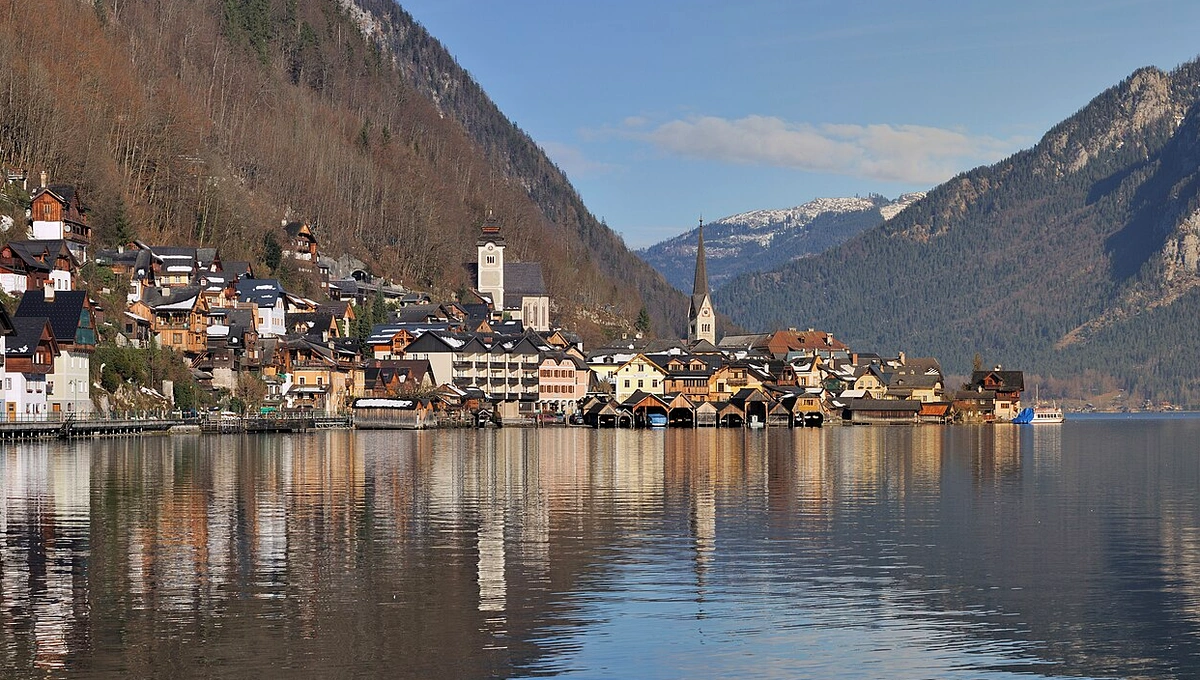
Sunrise moments at Hallstatter See begin when first sunrays cross the Plassen peak, shining through dense fog rising from mirror-flat lake surfaces. At this time, stillness envelops the entire space, broken only by Evangelical church bells echoing across gorges and traditional bakery owners knocking on doors. Local fishermen steering traditional Plätten wooden canoes onto the lake drop nets catching lake trout, repeating a livelihood method maintained since the Middle Ages. Early morning mist gradually melts under pale yellow sunlight, revealing crystal-clear waters reflecting Alpine-style timber houses with vibrant orchid-filled balconies. Narrow cobblestone alleys welcome first footsteps of workers moving up trails leading toward the world’s oldest salt mine, starting work shifts continuing long-standing mining traditions.
When the sun reaches its highest point in summer skies, village life transitions into bustling phases intersecting daily resident routines with moving sightseeing crowds. Stone steps leading down to the lake become gathering spots where residents chat, exchange local crafts, and vegetables grown on steep soil tiers. Aromas of baked bread and high-altitude cheeses from long-standing family eateries invite visitors to savor traditional cuisine lakeside. Passenger ferries move continuously between the railway station across the shore and the central village pier, forming vital water transport lifelines for community economic and social life. On narrow spaces in front of houses, carpenters and artisans diligently carve wood or craft mountain-life tools, demonstrating persistent vitality of traditional cultural values against modernization pressures.
Afternoons in Hallstatt bring distinct visual transformations as sunlight shifts westward, casting long Dachstein shadows across lake waters, shifting colors from jade-green to mysterious dark gray. This is ideal timing for seeking prized panoramic viewpoints, including perspectives from the World Heritage View in Hallstatt observation deck three hundred meters above sea level offering comprehensive views of the village’s peninsula structure. From here, Our Lady Catholic church with its characteristic spire rising among staggered ancient roofs creates perfect architectural focal points, embracing protruding promontories facing broad lake basins. Another classic viewpoint lies north of the village along the main road entering from Obertraun, where overall village scenery and mountains reflecting perfectly onto tranquil waters create classic visual symbols of global Austrian tourism.
As dusk falls, sky colors shift from brilliant orange to deep purple, and ancient street lamps running along lake shores and alleys light up, casting magical sparkling light trails onto water. Indigenous life rhythms slow down, shifting from public to cozy spaces inside traditional timber houses. Small eateries serve dishes prepared from freshwater fish caught directly from Hallstatter See, paired with white wines produced in neighboring valleys. During traditional festivals like Corpus Christi in June, local communities organize processions on flower-decorated boats gliding over lake surfaces, reenacting ancient religious rituals with residents wearing traditional Dirndl and Lederhosen attire.
Bright nights in Hallstatt lack urban noise, defined instead by deep high-mountain stillness combined with warm yellow light spilling from small windows. Moonlight illuminates vertical limestone cliffs, creating natural and artificial paintings blending through centuries of human labor and survival. Folk art performances occasionally occur in Marktplatz central square, where local choir groups sing traditional Alpine mountain songs echoing among ancient stone walls. Experiencing this space dynamically transcends ordinary sightseeing, becoming profound dialogues with geological history, labor traditions, and persistent lifestyle rhythms of communities tightly bound to world natural heritage.

The Hallstatter See basin and Hallstatt village in Austria’s Salzkammergut region are not only renowned in human history for the world’s oldest prehistoric salt mining heritage but also establish an independent culinary ecosystem shaped by rugged valley terrain, harsh Alpine climates, and pure freshwater fishery resources from deep glacial lakes. Traditional culinary systems reflect millennia-old biological and cultural adaptations of indigenous communities to demanding natural conditions. Rather than chasing modern cooking techniques, Hallstatter See’s culinary culture steadfastly preserves ancient food preservation methods, maximizing local products from Hallessen salt mines, mushroom- and berry-filled primeval forests, and endemic fish swimming in deep cold glacial lake waters. Every dish here carries stories of survival methods, respect for nature, and multi-generational secret recipe transmissions.
The center of Hallstatt’s culinary flavor map comprises freshwater fish growing in mineral-rich cold waters of Hallstatter See, notably lake trout (Saibling), whitefish (Reinanke), and sturgeon. Indigenous fishing techniques strictly follow ecological protection regulations dating from the Habsburg empire, ensuring sustainable aquatic ecosystem balances. Fresh fish pulled from lakeside rocks go straight into traditional kitchens for immediate preparation, preserving natural delicate flavors. One classic preparation method involves grilling over oak charcoal combined with wild garlic butter and Alpine herbs like thyme and rosemary. Additionally, dry-salting combined with pine sawdust cold-smoking creates firm fish fillets rich in pure Hallstatter See salt minerality and high-altitude wood smoke aromas. Such fish dishes are typically served with crushed boiled potatoes tossed in Styrian pumpkin seed oil, offering harmonious blends of richness, nuttiness, and freshwater product freshness.
Beyond lake products, Salzkammergut regional culinary culture bears deep influences from mountain agricultural heritage with dairy and livestock meat produced on high-altitude meadows. Traditional Alpine cheese, made from milk of cows grazing steep mountain slopes in summer and aged in cool stone cellars, offers rich, complex flavors with characteristic mineral salt touches. Hallstatt residents enjoy this cheese with wood-oven-baked rye bread featuring crispy crusts and dense crumbs, milled on water-powered millstones by streams. Game meat and poultry dishes like high-altitude lamb braised with white turnips or pan-seared venison with wild lingonberry sauce occupy prominent positions in traditional winter meals when white snow blankets valleys and temperatures drop below freezing.
Customs surrounding food and beverage enjoyment at Hallstatter See link with slow-paced living, respecting community rituals and historic architectural village spaces. Traditional inns, called Gasthofs, operating from the 16th century to present, maintain rustic pine interior setups with long tables where families gather after exhausting labor hours. Herbal teas harvested from surrounding mountain slopes—including wild chamomile, thyme, and mountain mint—serve as indispensable opening drinks on cold winter mornings. Such beverages provide bodily warmth and act as folk medicine purifying bodies and strengthening resilience against harsh Alpine mountain climates. In afternoons, traditional pastry enjoyment like crispy-shell Apfelstrudel apple strudel with cinnamon-raisin fillings, or Linzer Torte pastries topped with red currant jam, accompanies dark roasted coffee or rich hot chocolate brewed via ancient recipes.
Strolling along Hallstatt’s historic streets, especially Marktplatz and winding paths hugging mountain slopes like Seestraße, diners immerse spaces filled with aromas of roasted spices, artisanal fruit jams, and aged cheese from traditional shops. These streets avoid modern planning, retaining unpaved medieval cobblestone walking paths bordered by timber houses clinging to cliffs with vibrant summer geranium balconies. Small shops sell Hallstatter See salt processed into dozens of herbal salt varieties, from wild garlic to Alpine rose salt, serving culinary needs of locals and travelers wanting valley flavors. Family bakeries tucked beside ancient stone steps ignite ovens from dawn, baking hot rye bread filling misty air with steam.
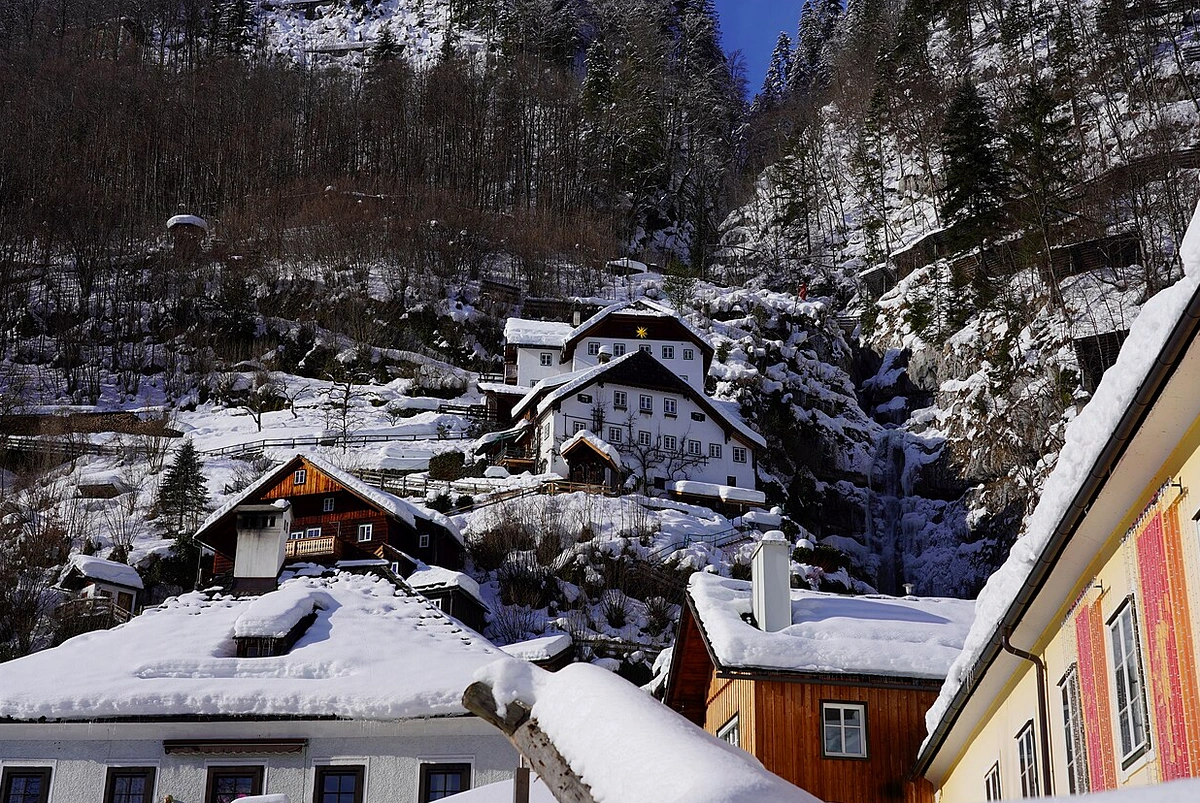
The bond between culinary art and traditional craft at Hallstatter See manifests clearly through fermented fruit liquor and craft beer production. Terraced orchards on sunny southern slopes provide rich ingredients—apples, pears, and plums—brewed into Obst schnaps fruit spirits rich in mountain fruit flavors. Distillation follows strict traditional formulas recorded in local monastery archives, distilled multiple times in artisanal copper pots for maximum purity. Enjoying schnaps after fish meals aids digestion, warms bodies, and connects human souls to generous yet challenging Austrian highland nature. This culinary panorama, from salt minerality to sweet lake fish and fruit liquor aromas, creates priceless intangible cultural heritage, shaping Hallstatt’s unique identity across centuries.
The Hallstatter See basin and Hallstatt human settlement in Austria’s Salzkammergut region represent one of Central Europe’s most complex geo-cultural spaces. Landscape formation links with millions of years of Alpine tectonic movements, creating deep glacial basins enclosed by vertical Dachstein limestone cliffs. Understanding natural rhythms and anthropological structures requires researchers and travelers to access climatic data systems, regional transport networks, and cultural behavioral standards shaped over centuries. Hallstatter See’s climate features distinct high-plateau continental temperate traits, with clear seasonal and diurnal temperature swings. Spring from March to May brings melting glacier runoff raising water levels and blanketing ancient streets in mystical morning mists, with mild temperatures between 10 and 15 degrees Celsius. Summer from June to August brings bright sunshine over deep waters, favoring outdoor terrain surveys, with daytime temperatures hitting 25-30 degrees Celsius before dropping sharply during sudden Dachstein thunderstorms. Autumn from September to November showcases dramatic temperate flora color changes, as maples and oaks turn bright orange-yellow against gray cliffs and jade waters, with temperatures dropping from 15 degrees Celsius to freezing by period end. Winter from December to February transforms spaces into monochrome white snowscapes, with sub-zero temperatures requiring strict survival gear and specialized transport.
Transport infrastructure connecting to Hallstatter See heritage clusters requires coordinating rail, water, and public road transit due to rugged lakeside terrain. Since historic towns strictly limit private car circulation and parking is scarce, ÖBB railways from Salzburg or Linz via Attnang-Puchheim transfer stations serve as strategic lifelines. When trains reach Hallstatt station on the lake’s opposite shore, passengers board the Stefanie ferry timed precisely with train schedules to cross two kilometers of water to the village core. For visitors taking bus 540 from Hallstatt Lahn or Bad Ischl, Postbus public transit operates stably through limestone mountain tunnels. In Hallstatt’s historic core, private cars and taxis face strict limits; outdoor parking lots sit south and north of residential zones with high hourly fees, requiring visitors to walk or use dedicated electric micro-buses. Grasping train and ferry schedules prevents missing final daily trips since public transit lacks overnight runs, and walking dark lakeside cliff paths carries safety risks.
Optimal daily hours for capturing Hallstatter See’s aesthetic value and quietude are early mornings before sunrays pass eastern cliff tops, or dusks when day-trippers leave via final ferries and buses. Early morning light diffused through lake mist creates deep visual fields, highlighting alpine-style timber house architecture with mossy stone steps and flowering vines. Conversely, peak hours from 10:00 AM to 4:00 PM see dense visitor crowds at Marktplatz square and classic viewpoints toward Evangelical church spires. Regarding attire, temperature variations from water levels up to Hallstatt Salt Mine or Dachstein Skywalk observation decks make layering essential. Even in summer, waterproof windbreakers and high-friction hiking shoes are mandatory for slippery stone steps and steep trails. In winter, thick insulated down jackets, thermal gloves, ear-warmers, and anti-slip shoe attachments are indispensable against snow-covered steep alleys.
Cultural behavioral standards and indigenous folk customs require absolute respect from international travelers to preserve delicate balances between daily resident life and mass tourism pressures. Hallstatt is not merely a scenic stop but a long-standing home for indigenous communities tied to forestry, salt mining, and traditional services. Therefore, entering private homes uninvited, photographing windows closely, or flying drones without special local permits constitutes serious privacy violations under Austrian privacy laws. Order and tranquility remain core community values; making loud noises or laughing loudly at night or early morning near lakeside residential areas draws strong local opposition. Religious sites like Maria am Berg Catholic church with cliffside historic cemeteries require modest attire, solemn attitudes, quiet voices, and no touching of skeletal remains in Beinhaus charnel houses. Waste management is strictly regulated; littering in Hallstatter See waters or surrounding forests incurs heavy police fines.
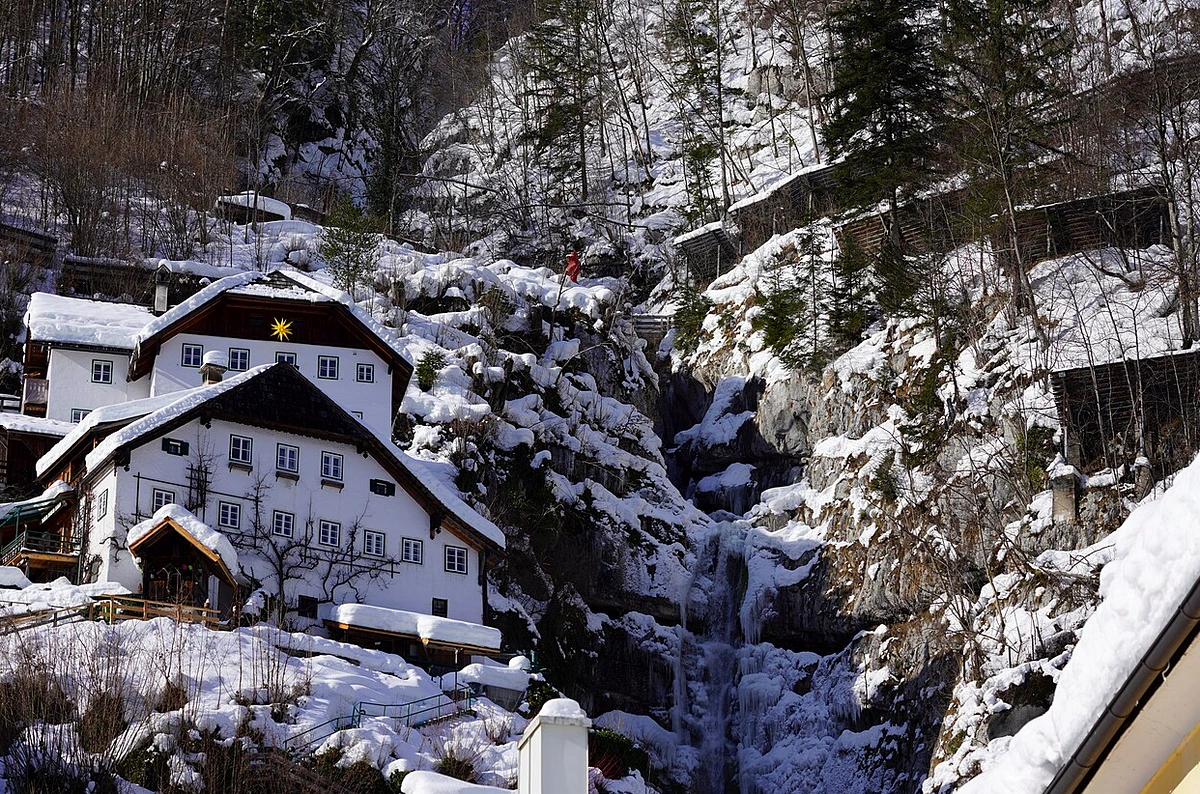
Ticket and advance reservation management dictates journey smoothness across heritage sites. Due to ecological carrying capacity and physical space limits, local authorities and heritage managers apply timed-entry electronic ticketing for key sites like Salzwelten Hallstatt salt mines, Hallstatt Skywalk, and Salzbergbahn cable cars. Booking online in advance via official portals saves weather-exposed queuing time while guaranteeing entry during peak summer and Christmas holiday periods when daily quotas are strictly capped. For village accommodation, bookings require 6 to 9 months advance notice since historic Gasthof inns and family guesthouses maintain minimal room counts. Visitors must also check cancellation terms and luggage fees, as dragging heavy wheeled suitcases over uneven cobblestones and wooden steps damages personal property and disturbs resident sleep. Through meticulous transit, apparel, climatic preparation, and deep respect for indigenous cultures, approaching Hallstatter See and Hallstatt village becomes a complete, accurate, and memorable historical-natural exploration.
To fully experience this journey with a local guide, you can refer to the 9-Day Germany – Austria – Hungary – Czech Republic Tour with a pre-arranged itinerary.