In the chronicles of modern artificial architecture and some of the 21st century’s most extraordinary urban development, Ferrari World Abu Dhabi emerges not merely as an ordinary entertainment venue, but also as a grand monument carrying a philosophical vision of speed, power, and the aspiration of the United Arab Emirates (UAE) to rise as a cultural and tourism powerhouse. Situated at one of the world’s strategic crossroads, the complex represents a seamless convergence between Italy’s legendary automotive craftsmanship and the vast resources and forward-looking vision of the Persian Gulf. Through an academic lens, analyzing the origins, geographic positioning, and symbolic value of Ferrari World Abu Dhabi opens up deep reflection on how a community transforms arid sand dunes into a global emblem of prosperity and relentless innovation.
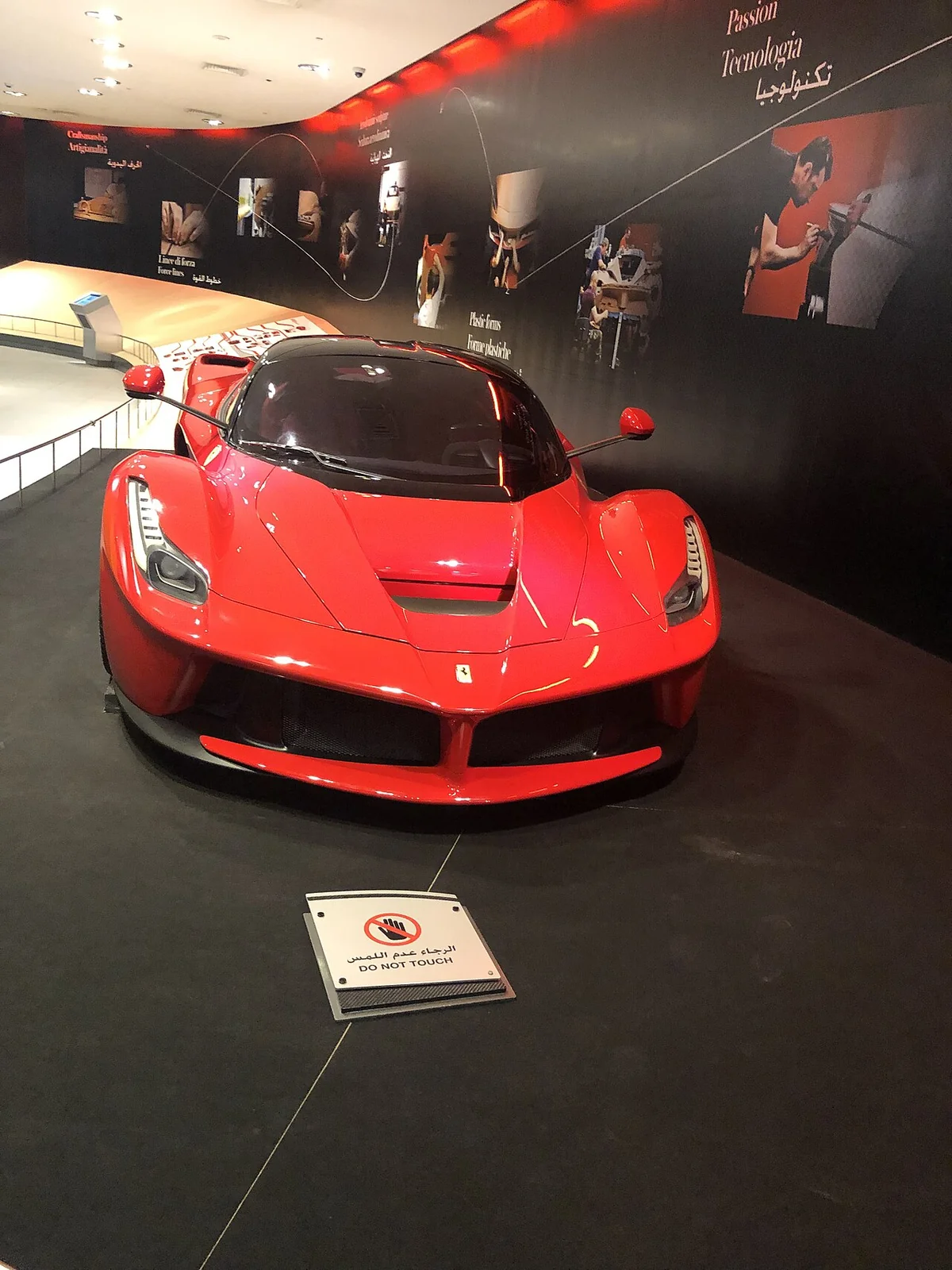
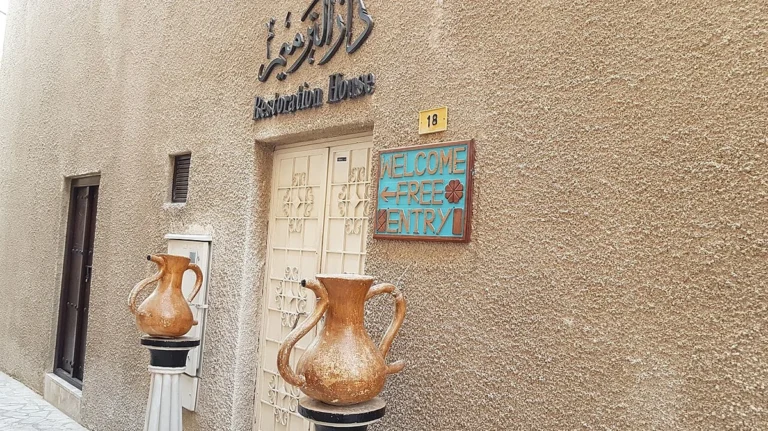
Striking scenery at Ferrari World Abu Dhabi Theme Park.
In terms of geographic coordinates, Ferrari World Abu Dhabi is positioned at the heart of Yas Island, a man-made island covering roughly twenty-five square kilometers northeast of the capital city of Abu Dhabi. The complex’s approximate coordinates sit around 24.48 degrees North latitude and 54.60 degrees East longitude—a strategic location bordering the Persian Gulf directly and lying right next to Abu Dhabi International Airport. Originally, the area consisted of coastal tidal mudflats and flat desert sand, yet through the skill and ingenuity of leading global engineers, it was completely remade via large-scale land reclamation and ground-improvement projects unprecedented in the civil engineering history of the Middle East. The site’s elevation above sea level is modest, blending organically into the flat coastal landscape to provide a sturdy anchor for a surreal structure rising amid the breezy expanse of the gulf.
The background behind this landmark is closely tied to Abu Dhabi’s macroeconomic diversification strategy at the dawn of the new millennium, when the emirate’s leadership clearly recognized the finite nature of oil resources and the need to build a post-oil economy centered on knowledge, tourism, and services. In 2006, real estate developer Aldar Properties signed a landmark agreement with renowned Italian automaker Scuderia Ferrari to realize the vision of building the world’s first and largest Ferrari-branded indoor theme park. Design and construction spanned four years, confronting countless harsh challenges from desert climate conditions where summer temperatures can exceed fifty degrees Celsius, demanding cutting-edge material technologies to protect the massive steel structure and ensure complete comfort for millions of visitors. On November 14, 2010, Ferrari World Abu Dhabi officially opened to the public, marking a brilliant milestone in the history of global entertainment urbanism.
Over more than a decade of existence and growth, Ferrari World Abu Dhabi has navigated shifting global tides while maintaining a steady trajectory of development thanks to strategic management vision and strong backing from the emirate’s government. In its early phase, the project faced skepticism over the feasibility of sustaining a massive entertainment destination in the middle of the desert, as well as the challenge of balancing traditional local culture with Western mass consumerism. Over time, however, the park has continually reinvented itself by adding new world records, exemplified by Formula Rossa—the fastest roller coaster on the planet, delivering a Formula 1 driving sensation at speeds up to two hundred forty kilometers per hour. Challenges from the global pandemic in the early 2020s were likewise overcome remarkably, proving the vitality and adaptability of a tourism landmark of national strategic importance.
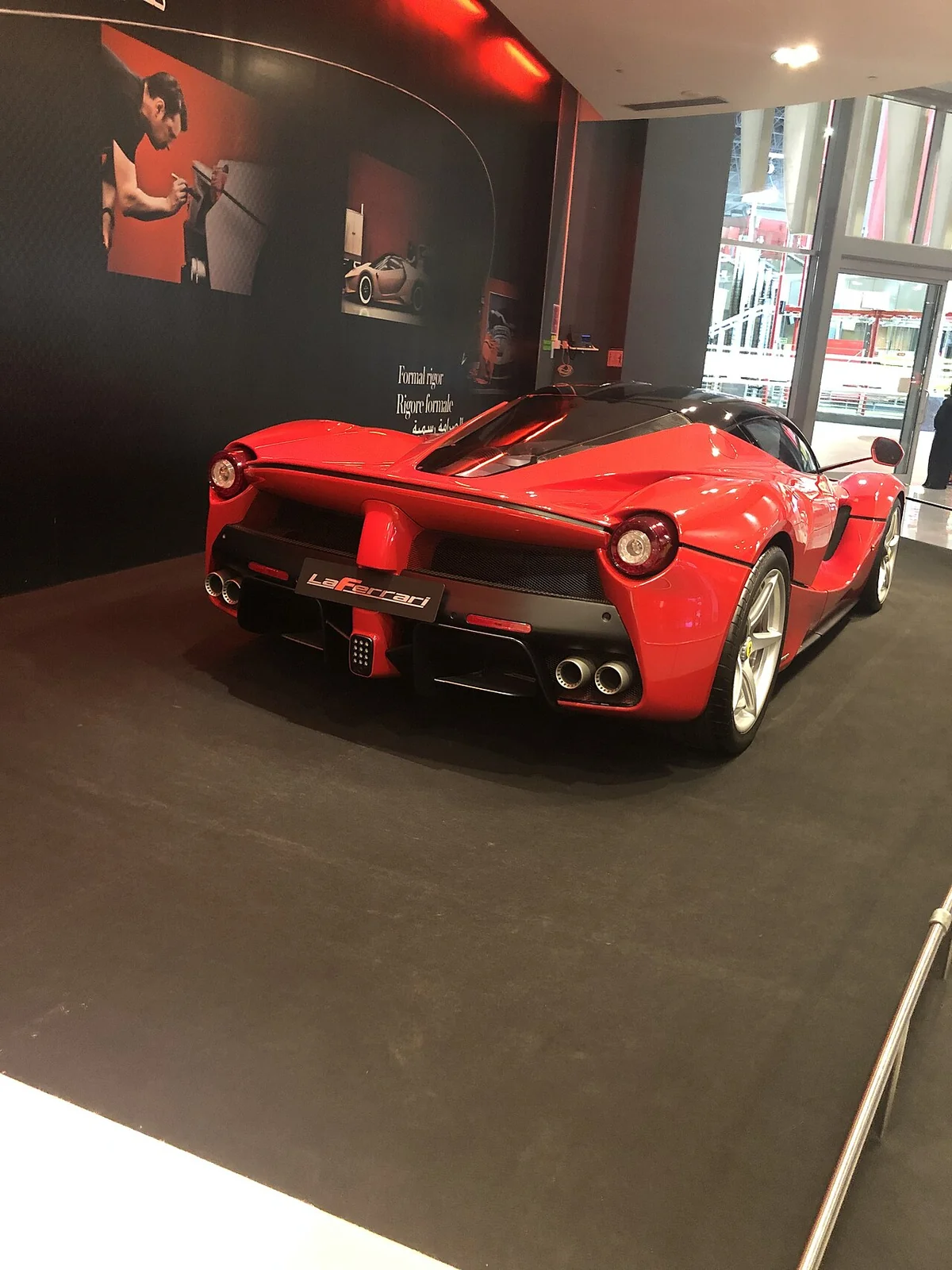
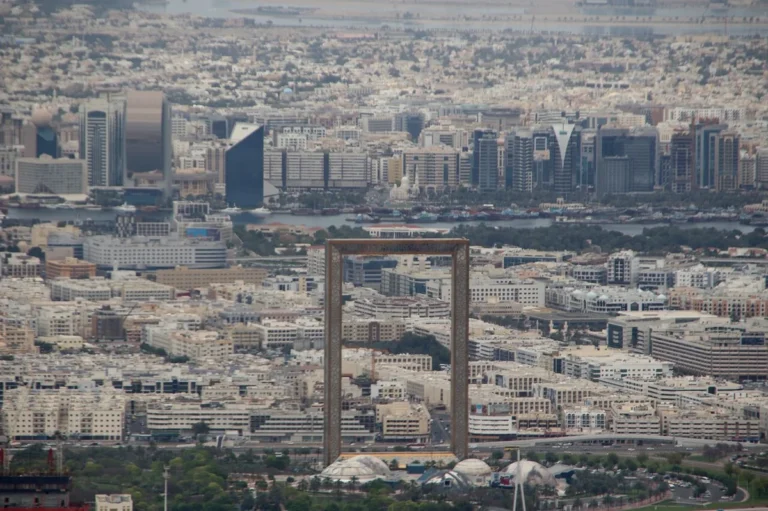
Architectural highlights and experience spaces at Ferrari World Abu Dhabi Theme Park.
As a symbol of national identity, Ferrari World Abu Dhabi rises above pure amusement to serve as a living testament to Abu Dhabi’s philosophy of “limitless ambition.” Designed by acclaimed architectural firm Benoy taking direct inspiration from the aerodynamic curves of the classic Ferrari GT, the roof spans up to two hundred thousand square meters and is crowned with the world’s largest Prancing Horse emblem, becoming a grand spatial landmark clearly visible even from space. Beyond timeless aesthetic appeal, this canopy acts as a smart ecological architecture solution that shields the interior from scorching desert sun and keeps indoor spaces cool, celebrating a harmonious union between contemporary technology and adaptation to extreme natural conditions.
Ferrari World Abu Dhabi’s global influence is firmly established through its reshaping of standards in the high-end entertainment industry, turning Abu Dhabi into a must-visit stop on the world travel map for affluence and speed enthusiasts alike. It set a new benchmark for cross-border brand collaboration, where Italian automotive excellence blends seamlessly with traditional Arabian hospitality and economic strength. By repeatedly winning prestigious honors such as Middle East’s Leading Theme Park from respected international travel awards, it continues to reinforce its singular standing and plays a vital role in drawing tens of millions of international visitors to the UAE capital each year—writing an inspiring chapter in global urban development and tourism culture.
Located at the center of Yas Island in the Emirate of Abu Dhabi, the United Arab Emirates, Ferrari World Abu Dhabi stands as a contemporary architectural marvel of global engineering significance. It is not merely the world’s largest indoor theme park, but also a powerful showcase of the intersection between high-performance race-car design philosophy and large-scale construction art. Initiated in the late first decade of the 21st century and officially inaugurated in November 2010, the project emerged from a strategic partnership between Ferrari and leading Gulf property developers to create a multi-dimensional experience celebrating speed heritage, Italian spirit, and futuristic technology amid the Arabian desert.
Under the skilled hand of renowned architecture practice Benoy, the exterior breaks away from conventional urban massing by directly echoing the aerodynamic lines of the iconic Ferrari GT—specifically the signature twin-ribbed side profile of the Ferrari F12 Berlinetta. The colossal roof encloses a vast footprint, stretching across an astonishing 86,000 square meters of fully covered floor area—equivalent in capacity to seven international-standard soccer pitches inside. Reaching a maximum height of 45 meters above ground, the structure creates a sharp, commanding artificial horizon that stands out across the arid coastal landscape of the Persian Gulf and catches the eye of travelers arriving at nearby Abu Dhabi International Airport.
To bring such an extraordinarily large and intricately curved roof structure to life, structural engineers applied some of the most advanced load-bearing techniques of the 21st century. At the core of the structural system is a vast space-frame network comprising thousands of tons of steel fabricated to millimeter precision, anchored firmly by a complex three-dimensional steel truss grid. This steel skeleton distributes the immense weight of the roof evenly down into reinforced concrete foundations while withstanding strong winds from desert sandstorms as well as sharp day-to-night temperature swings in a dry subtropical climate.
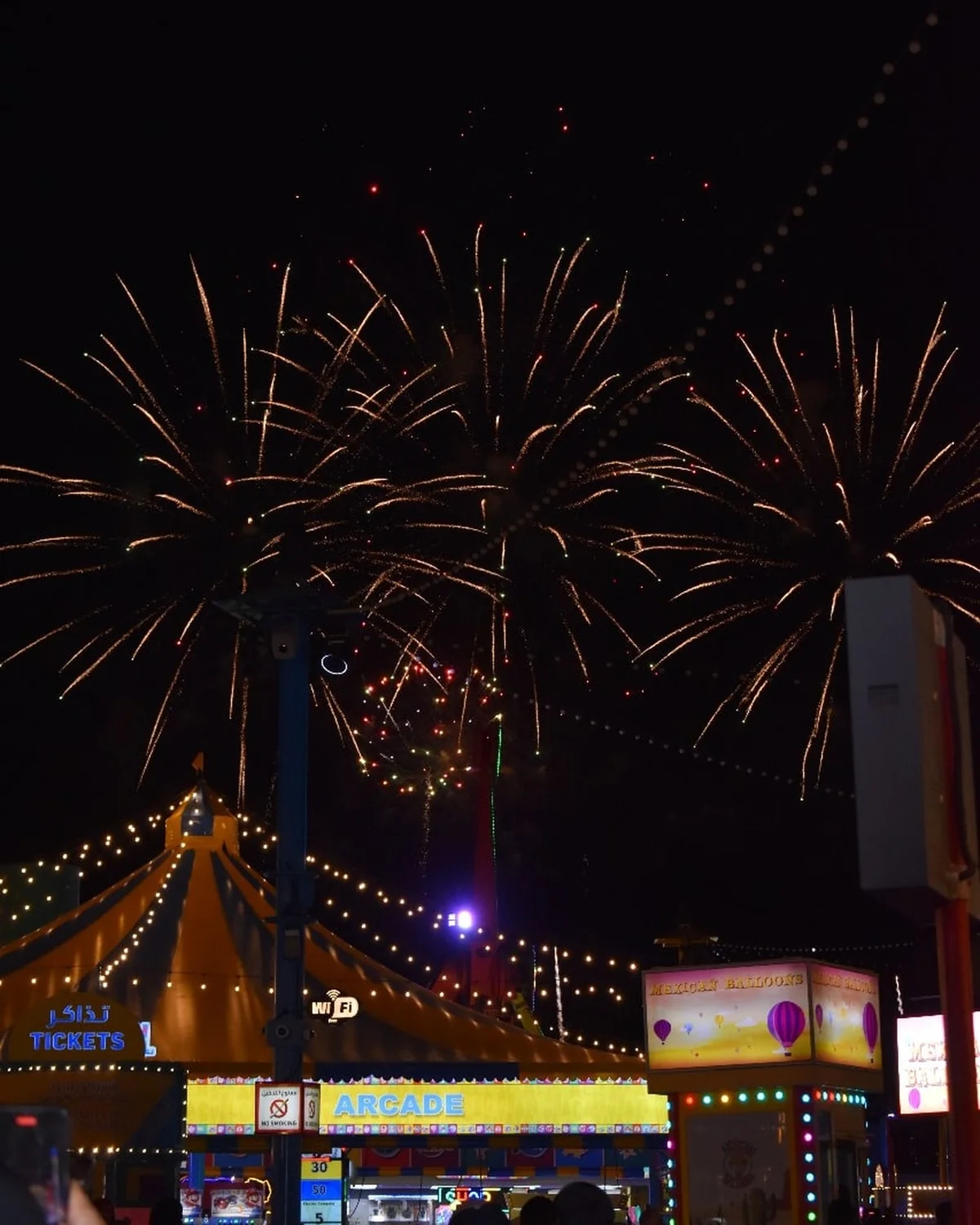
An exploration corner drawing large crowds at Ferrari World Abu Dhabi Theme Park.
Cladding the structural steel frame is a cutting-edge material system, highlighted by aluminum panels paired with high-performance insulated glazing. The roof surface is built from tens of thousands of aluminum panels finished in Ferrari’s signature red, specially engineered to resist marine salt corrosion and intense solar heat radiation in the desert. Beyond forming a protective shell that helps keep the vast climate-controlled interior cool and steady, this material choice creates a dazzling optical effect—making the entire building gleam like a giant ruby beneath the bright Arabian sun by day and shimmer with artistic lighting by night.
The park’s most iconic engineering centerpiece is the giant Prancing Horse emblem mounted at the center of the front roof facade. Measuring up to 65 meters long and covering an area comparable to a standard basketball court, it is recorded as the largest Ferrari emblem ever built in the brand’s history. Fabricating and installing this logo required rigorous aerodynamic and structural-strength calculations to ensure the suspended element withstands high wind loads dozens of meters above ground without compromising the overall architectural harmony.
Beneath this revolutionary roof lies an interior spatial layout planned with scientific rigor to optimize crowd flow while delivering cinematic spatial experiences. The park is organized into distinct themed zones—including family areas, adventure zones, high-thrill attractions, and automotive technology and history galleries. Each zone features its own visual language using lighting, carbon-look composites, tempered glass, and sweeping curves inspired by Formula 1 circuits, immersing visitors in a world of speed and precision mechanics.
The park’s internal technical infrastructure is equally a feat of environmental and mechatronic engineering. Given the desert climate where summer temperatures frequently top fifty degrees Celsius, high-capacity HVAC and ventilation systems run continuously with energy-saving technologies to hold comfortable temperatures around twenty-two to twenty-four degrees Celsius across a sprawling interior. In addition, the track systems for the park’s world-famous roller coasters—such as Formula Rossa at up to two hundred forty km/h or Flying Aces with the world’s tallest loop—are engineered with foundations completely independent from the main building structure to eliminate transmitted vibration and noise within the shared architectural space.
In terms of guest capacity and real-world operations, Ferrari World Abu Dhabi ranks among the top performers in the global entertainment industry, capable of welcoming millions of international visitors annually. Surrounding infrastructure is coordinated with multi-level and surface parking for thousands of vehicles, linking directly to modern expressways connecting Abu Dhabi and Dubai. This combination of visionary master planning, sculptural architecture, and specialized engineering makes the park an enduring cultural and entertainment landmark of the 21st century, underscoring Abu Dhabi’s ambition to lead in innovation and global tourism.
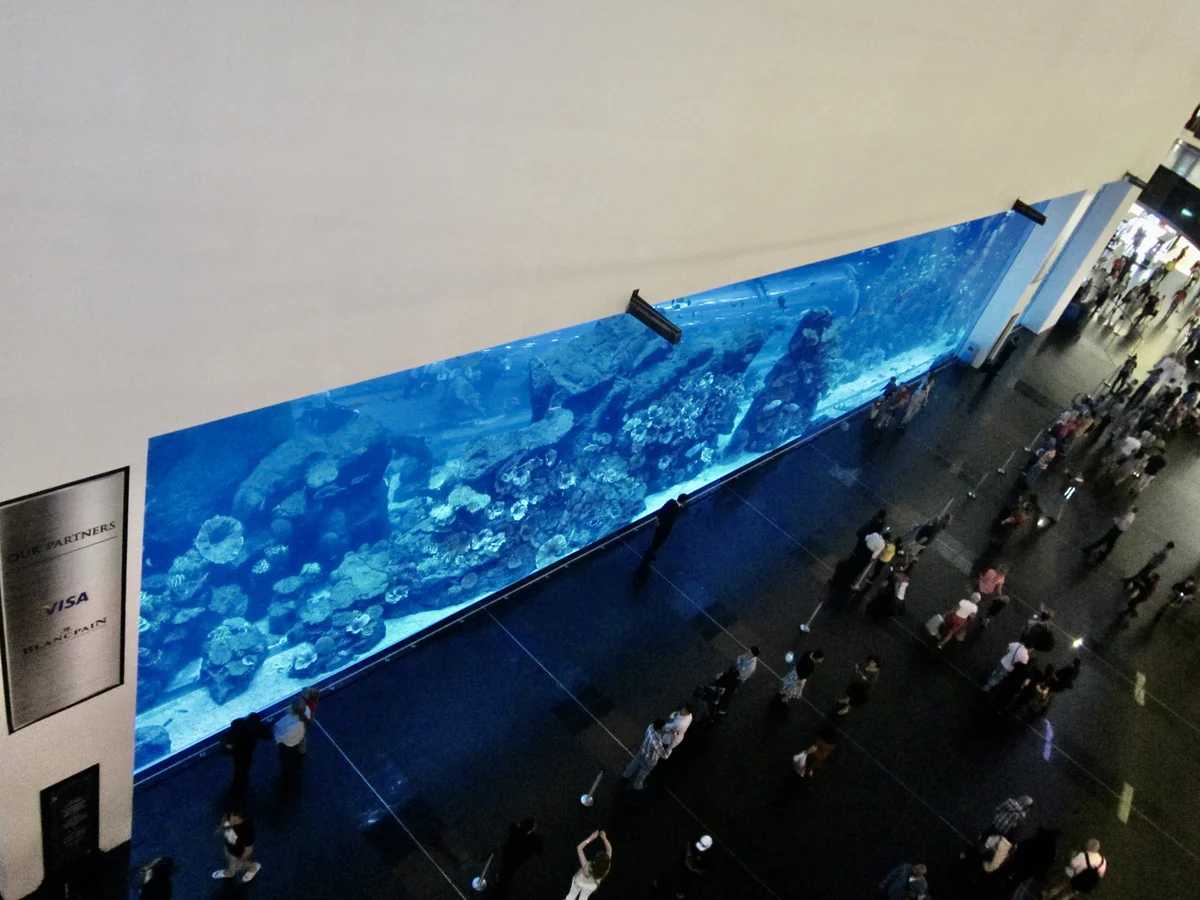
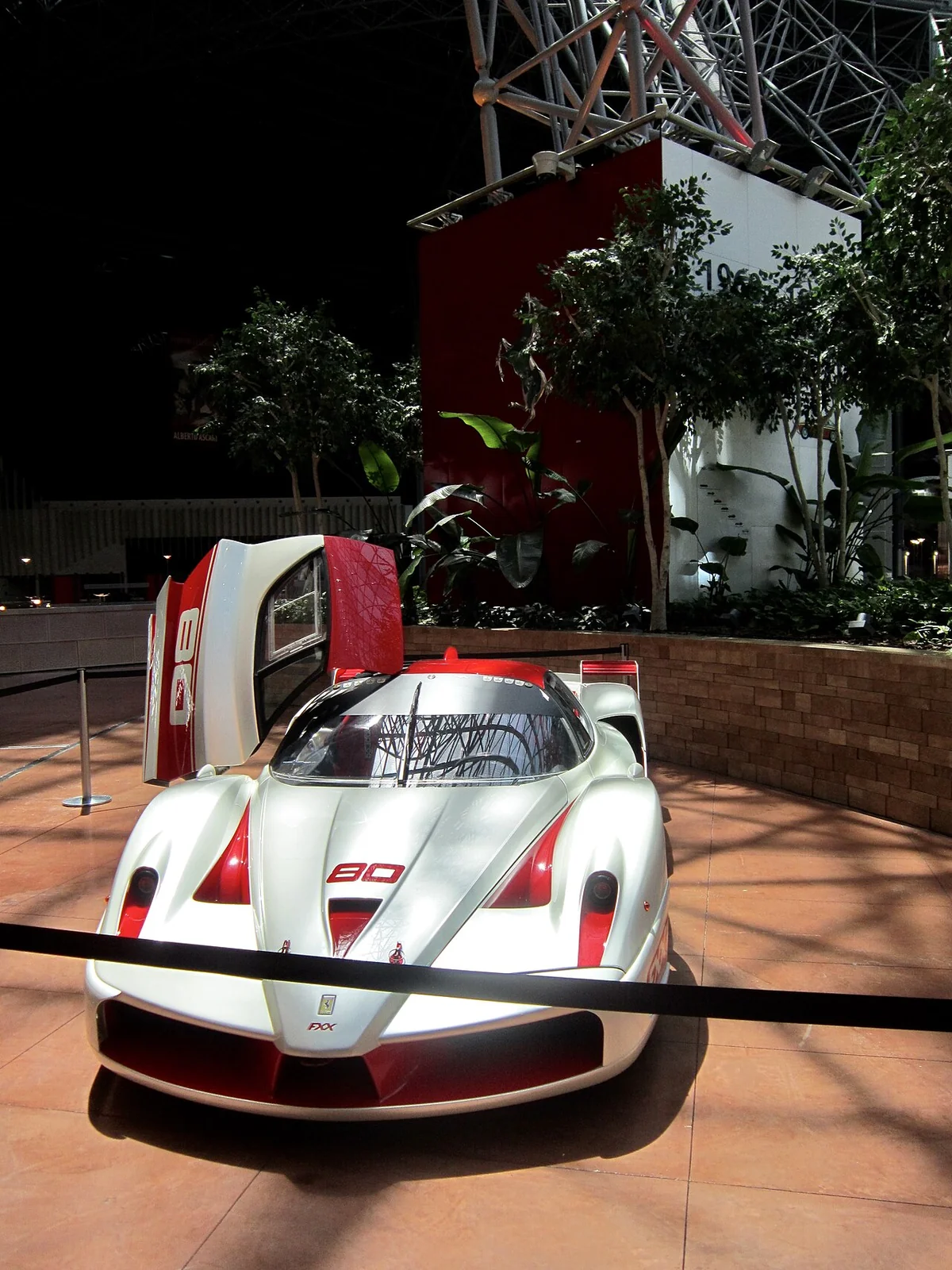
Close-up view of unique design details at Ferrari World Abu Dhabi Theme Park.
Amidst the golden Arabian desert, where scorching dunes meet the futuristic pulse of the twenty-first century, Ferrari World Abu Dhabi Theme Park stands as an emblem of glamour—a contemporary architectural wonder rich in sculptural artistry and futuristic spatial philosophy. Positioned not merely as a high-speed entertainment hub but also as a sanctuary honoring Italian mechanical heritage, it exemplifies expressive architecture where form, color, and light come together to tell the story of Maranello’s racing legend. Viewed from above, the park’s massive roof stretches like a monumental organic form sculpted onto Yas Island, inspired by the storied curves of a classic Ferrari GT body and glowing in signature Rosso Corsa red under the bright Gulf sun. Like a grand open-air sculpture, it departs from traditional Euclidean geometry with sweeping, evocative curves that reflect modern humanity’s drive to push past boundaries through mechanical power.
Stepping through the arched main entrance, Ferrari World’s interior opens into a distinct aesthetic dimension where industrial design philosophy meets large-scale spatial installation. The central space is crowned by a complex metallic space-grid dome—an engineering feat that lets natural daylight refract through smart solar-control glass, casting shifting spectrums across the space as the sun moves across Abu Dhabi’s sky. Craftsmanship and surface finishes are executed with exacting care, recalling Italy’s finest workshops as metallic lines and brushed aluminum cladding express aerodynamic philosophy and refined precision. The Prancing Horse emblem highlighted at the center in precious materials acts not just as a brand mark, but almost as a modern totem—an emblem of fierce competitive spirit, courage, and human aspiration toward higher peaks.
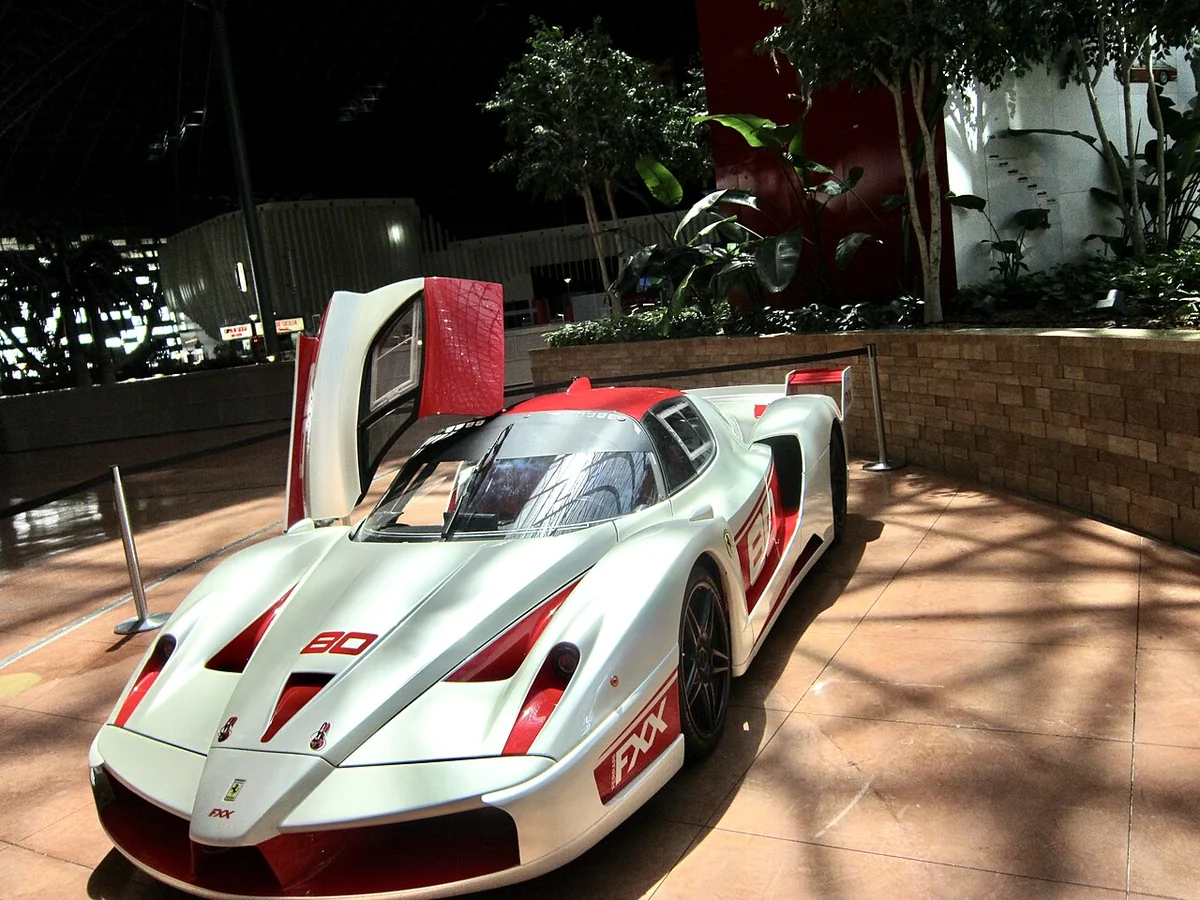
Exploring the artifact and heritage exhibition zones further, one easily sees a living museum preserving the soul of automotive history, where every machine and component carries stories of triumph and heartbreak across legendary circuits like Le Mans, Monza, and Monaco. Tempered-glass display cases showcase prized pieces such as original V12 engines from the 1950s, hand-built mechanical gearboxes machined to thousandths of a millimeter, and solid wooden steering wheels once gripped by racing legends through perilous corners. Lighting in these galleries is carefully calibrated with warm gold tones to bring out the patina of age on historic metals, creating a reflective, nostalgic mood that contrasts sharply with the high-energy thrill zones nearby. Large wall murals bring to life scenes from the Maranello factory under Enzo Ferrari, where master craftsmen breathed life into raw steel and turned it into moving works of art that captivated millions.
In terms of cultural and symbolic resonance, Ferrari World Abu Dhabi does not simply celebrate Italian culture; it also weaves into the cultural atmosphere of the United Arab Emirates, where reverence for tradition travels hand in hand with a forward-looking vision. Just as Arabs have long revered purebred desert horses as supreme symbols of pride, speed, and loyalty, Ferrari’s Prancing Horse finds a deep, resonant echo in local cultural consciousness. This interplay turns the park into a singular cross-cultural space where Western high-tech thrills meet Eastern hospitality and grand vision. Experience zones recreating old-world Italian streets—complete with outdoor cafes, finely detailed facades, and live contemporary performances—add multi-layered depth where time seems to pause and the line between reality and legend grows thin.
Every corner of the park holds urban legends surrounding the creation of its architectural and engineering feats, most notably the construction of the massive roof canopy spanning up to two hundred thousand square meters—a major test for leading structural engineers worldwide. To complete this iconic shell, thousands of tons of structural steel were hoisted and assembled with pinpoint accuracy under fierce desert heat, demanding resilience and spatial mastery akin to Italian master builders crafting championship race cars. Stories of visionary designers and chief engineers who devoted their careers to wind resistance and fluid dynamics are woven into the fabric of the complex, making it a true pilgrimage site for admirers of mechanical craft and sculptural detail.
Lively energy and visitor spaces at Ferrari World Abu Dhabi Theme Park.
The final highlight in the panorama of spatial excellence and artistry at Ferrari World is the philosophy of speed elevated into a kind of formal religion, where speed is not merely the rapid movement of an object through space, but a breakthrough of consciousness beyond the mundane limits of everyday life. Spatial experiences here—from high-speed roller coasters simulating the sensation of driving a Formula One car to multi-dimensional theaters carrying viewers soaring over majestic Italian mountain ranges—are designed as a cathartic spiritual journey. Visitors come not simply for entertainment, but to contemplate and experience the elevation of human intellect conquering the laws of physics, turning engine power into a supreme performing art. Through a seamless blend of expressive architecture, intricate carving art, priceless artifacts, and cultural-philosophical depth, Ferrari World Abu Dhabi affirms itself not merely as an ordinary tourist destination, but as an enduring cultural monument of our era, where the legend of speed is preserved and exalted forever amid the mysterious desert.
In the heart of sunny, breezy Yas Island in the Emirate of Abu Dhabi, where the boundary between golden desert and deep blue sea seems to merge, the presence of Ferrari World’s colossal roof in legendary Rosso Corsa red stands like a timeless space-age architectural icon. As the first dawn light of a new day pierces the crisp air of the Arabian Peninsula and awakens the fine sand layers outside, inside the dome shaped after the classic curves of a Ferrari GT, a distinct daily rhythm begins to stir. The space opens up not just as a mechanical amusement park, but as a contemporary cultural entity where the spirit of speed, refined Italian mechanical craftsmanship, and the generous pulse of the Persian Gulf intertwine wonderfully. Morning beams filter through the high-grade heat-insulating aluminum shell, casting long shafts of light across walls displaying racing history and creating a reverent, thrilling atmosphere for the very first travelers stepping into one of the world’s largest indoor spaces.
Mornings at Ferrari World Abu Dhabi carry the resonance of meticulous preparation and fresh, unspent energy. As the main doors swing wide to welcome crowds arriving from around the globe, the air quickly fills with the signature sounds of futuristic urban life mingled with joyful excitement. The roar of jet engines from the simulation testing zone, the rhythmic clink of metal from technical coaster-inspection stations, and footsteps briskly crossing polished granite floors create a lively industrial harmony. Under soft golden morning light, street performers in speed-inspired costumes begin their first interactions with guests. The prime vantage points at this hour look toward the central courtyard, where natural light floods through massive skylights to highlight original Formula One race cars that once dominated famed circuits worldwide. Here, visitors do more than observe visually—they are also stimulated by the subtle aroma of pure Italian coffee beans drifting from Mediterranean-style cafes, delicately blending with the scent of fine leather from displayed car interiors.
As the sun climbs high overhead and desert temperatures outside peak, the rhythm beneath the crimson dome shifts toward a new, passionate, sensory-rich crescendo. Indoor lighting is continuously fine-tuned to create an ideal contrast with the scorching sun outside, turning the venue into a cool, luxurious, vibrant oasis. The auditory experience reaches a peak when the roar of Formula Rossa—the fastest roller coaster on the planet—rends the air, carrying cheers of thrill from those daring to test their limits at speeds of up to 240 kilometers per hour. Right beside it, acrobatic shows and interactive magic performances unfold continuously on central stages, drawing hundreds of eyes to the fluid yet decisive movements of international artists. The interplay of multicolored laser lights, stage pyrotechnics, and symphonic-tinged electronic music creates a multi-dimensional experience where spectators feel swept into an endless adventure dimension, where the line between reality and illusion blurs under the heat of top-tier live performance.
Late afternoon brings a magical shift in mood as the Gulf sunset begins to tint the western horizon, casting final amber-gold rays through the park’s massive tempered glass. The pace slows slightly, giving way to experiences that are more reflective and appreciative than pure high-speed adrenaline. Visitors often head to traditional Italian-style dining spots or luxury lounges modeled after a miniature Maranello street, where they can savor artisanal gelato or fresh pasta prepared to Emilia-Romagna culinary standards. From elevated viewpoints near the dome structure, twilight reflecting off the bright red shell creates an enchanting scene, as if the entire architectural structure were glowing from within. This is the finest moment to observe the local rhythm of life among the staff and performers working here—people from more than fifty different nationalities living and working together under one multicultural roof, forming a community portrait filled with respect and harmony.
Vibrant real-life experiences for visitors at Ferrari World Abu Dhabi Theme Park.
When night falls completely over Yas Island, Ferrari World Abu Dhabi transforms into one of the most dazzling and mysterious landmarks among Middle Eastern entertainment destinations. Smart exterior lighting activates, turning the giant dome into a beacon of glowing red light against the deep desert night sky. Inside, the atmosphere immerses guests in cutting-edge digital light shows paired with 3D projection mapping across broad architectural surfaces. Stories of the Prancing Horse brand’s glorious history are told through the language of light, vivid surround sound, and spectacular mechanical-interactive dance routines, leaving viewers in awe of the elaborate investment and forward-looking artistic vision. The evening rhythm here carries the generosity of Gulf culture blended with European elegance and romance, creating an atmosphere that is at once lively and refined.
The closing moments of a day at this theme park often end in contemplative quiet as crowds gradually disperse toward neighboring areas beneath the twinkling streetlights of Yas Island. The finest night viewpoints at this hour are from open plazas facing the nearby Yas Marina Circuit, where lights from the race tracks and surrounding luxury hotels shimmer like a fallen Milky Way. The sensory impression lingering in a traveler’s mind is not only the rush of dizzying rides or the taste of a fine dinner, but the echo of a living cultural space where humanity’s drive to conquer new heights is celebrated in every moment—from dawn breaking over white sand to desert night draping everything in proud stillness.
Resting beneath the iconic red dome of Yas Island, Ferrari World Abu Dhabi Theme Park is not only a sanctuary of speed and cutting-edge mechanical engineering; intentionally or not, it also sits at the center of a richly varied culinary ecosystem where ancient Bedouin traditions meet modern-day luxury. Stepping off the tracks of the fastest roller coasters on Earth, visitors immediately enter a flavor landscape steeped in Gulf identity. The area around the park—expanding across Yas Island and reaching deep into the capital city of Abu Dhabi—forms a multicultural culinary blend where the art of cooking is elevated into a living heritage passed down across generations with strict family recipes and deep reverence for harsh yet generous desert ingredients.
The making of the region’s renowned local flavors traces back to nomadic history and life along the sandy shores of the Persian Gulf, where fresh seafood and trade spices from India, Persia, and East Africa converged. Traditional dishes here are more than combinations of ingredients; they are long stories of adaptation and refinement. The first signature dish to mention is Al Harees, a culinary masterpiece demanding absolute patience and family preparation craft preserved for centuries. Lamb or young chicken is slow-simmered with cracked wheat in a large copper cauldron for hours over a low flame until the mixture blends into a thick, smooth, velvety porridge, then drizzled with fragrant ghee and ground cinnamon. This continuous stirring—requiring strength and perseverance—turns Al Harees into the soul of major festivals, reflecting the deep communal bonds of the emirate’s people.
Alongside it, Machboos (or Majboos) represents an explosion of trade-spice flavors—a traditional spiced rice and meat dish carrying the unmistakable spirit of age-old maritime commerce. Long-grain basmati rice is cooked in rich broth simmered from lamb, chicken, or fresh sea fish caught directly in the Persian Gulf, infused with a signature bahoorat spice blend of cloves, cardamom, cinnamon, turmeric, dried lime, and black pepper. What makes Machboos famous is slow-steaming under cover so each grain fluffs up individually, fragrant with a hint of smoke and the natural sweetness of meat soaked deep into every grain. When served, it is typically garnished with crispy fried onions, golden raisins, and toasted nuts, accompanied by fiery daqoos sauce made from fresh tomatoes and chili, creating a rich flavor complex that awakens every sense of a visiting diner.
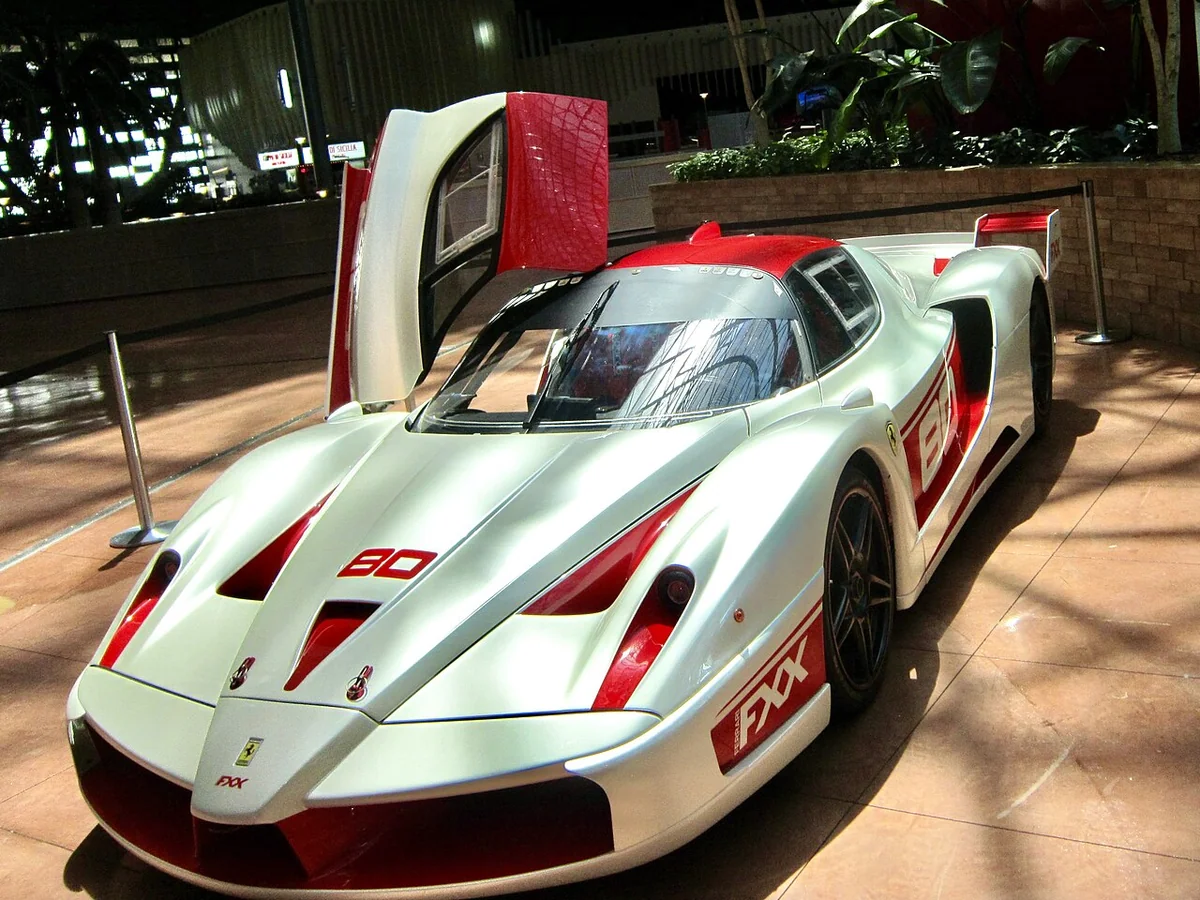
Expansive view capturing the modern appearance of Ferrari World Abu Dhabi Theme Park.
One cannot discuss cuisine around Ferrari World without mentioning the art of grilling meat and seafood, where fire and smoke become true artistic tools. Quzi—also known as Ouzi—is the pinnacle of hospitality in Emirati culture, often holding pride of place at royal banquets or grand family feasts. A whole lamb is carefully marinated with dozens of secret herbs, stuffed with fragrant rice mixed with mung beans, almonds, raisins, and boiled eggs, and slow-roasted in traditional underground clay ovens in the desert until the outer skin turns crisp while the meat inside stays remarkably juicy. This process requires complete mastery of heat by cooks who inherit fire-tending secrets from their ancestors to keep the meat from drying out or losing the distinct flavor of free-range lamb.
What makes the dining culture here truly unique is the ritualized manner of enjoyment and traditional philosophy of hospitality passed down strictly from generation to generation. Welcoming honored guests never begins with food; it always opens with the ritual of brewing and serving tea or coffee. Arabic coffee—known as Gahwa—is kept in a traditional pot called a dallah and poured into small handleless cups called finjan. Lightly roasted arabica beans with a touch of cardamom and cloves are brewed into a clear amber drink with a refined bitterness and a gently warming, spicy finish. By ancestral etiquette, the host always pours with the right hand, holding the dallah at a certain height to create a thin crema, and fills the cup only about halfway to show ongoing attentiveness to the guest. Once finished, a guest can gently flick the cup with a wrist motion to signal no more—a subtle, wordless cultural gesture full of weight.
Alongside coffee is the art of enjoying Karak tea and herbal tea infused with rose or saffron, often served with sweet dates
Towering prominently on the famed entertainment island of Yas in the Emirate of Abu Dhabi, Ferrari World Abu Dhabi Theme Park is not merely a global thrill center; at the same time, it is a grand contemporary architectural icon honoring the supreme speed heritage of the legendary Italian supercar marque. For any international traveler eager to set foot in this magnificent desert land, equipping oneself with a thorough, insightful, and comprehensive practical guide is key to unlocking all of the cultural, technical, and one-of-a-kind experiences found here. From understanding the Arabian Peninsula’s demanding climate rhythm and choosing optimal transport along modern highways to mastering Islamic etiquette and practical tips from seasoned explorers, every aspect calls for careful, thoughtful preparation to ensure a smooth, safe, and deeply fulfilling journey.
In terms of climate and ideal time of year, Abu Dhabi has a subtropical desert climate with wide day-to-night temperature swings and sweltering summers lasting from May through September, when outdoor temperatures frequently exceed 45 degrees Celsius alongside high humidity. Therefore, the best window for travelers to plan a visit to Ferrari World Abu Dhabi is from November through April of the following year, when weather shifts into a mild winter with daytime temperatures ranging from 20 to 30 degrees Celsius—very comfortable for outdoor movement paired with indoor exploration. Although the entire indoor park sits beneath a giant dome with highly optimized climate control, choosing winter still offers a major advantage when combining Ferrari World with nearby Yas Island attractions such as the Formula One Yas Marina Circuit or Yas Waterworld without being drained by harsh desert sun. In addition, visiting during winter months means travelers should keep in mind avoiding major Islamic observances such as Ramadan or international Lunar New Year holidays if they wish to reduce heavy tourist crowds that cause bottlenecks at signature rides.
Within a single day of sightseeing, pinpointing the golden hour to enter the park gates plays a decisive role in a visitor’s overall experience. Experienced travel specialists always recommend arriving right at the entrance when the park opens at 10:00 AM, when queues have not yet peaked and operations staff are at their freshest. Visitors should head straight to iconic high-thrill coasters with long wait times such as Formula Rossa—the fastest coaster on Earth, launching to 240 kilometers per hour in under five seconds—before tour groups flood the central zone. Making the most of the 10:00 AM to 12:00 PM window saves hours of tiring waiting, while the afternoon hours from 3:00 PM to 5:00 PM are ideal for enjoying historical car exhibitions, watching 4D space-simulation films, or catching acrobatic live shows inside the cool air of the crimson dome.
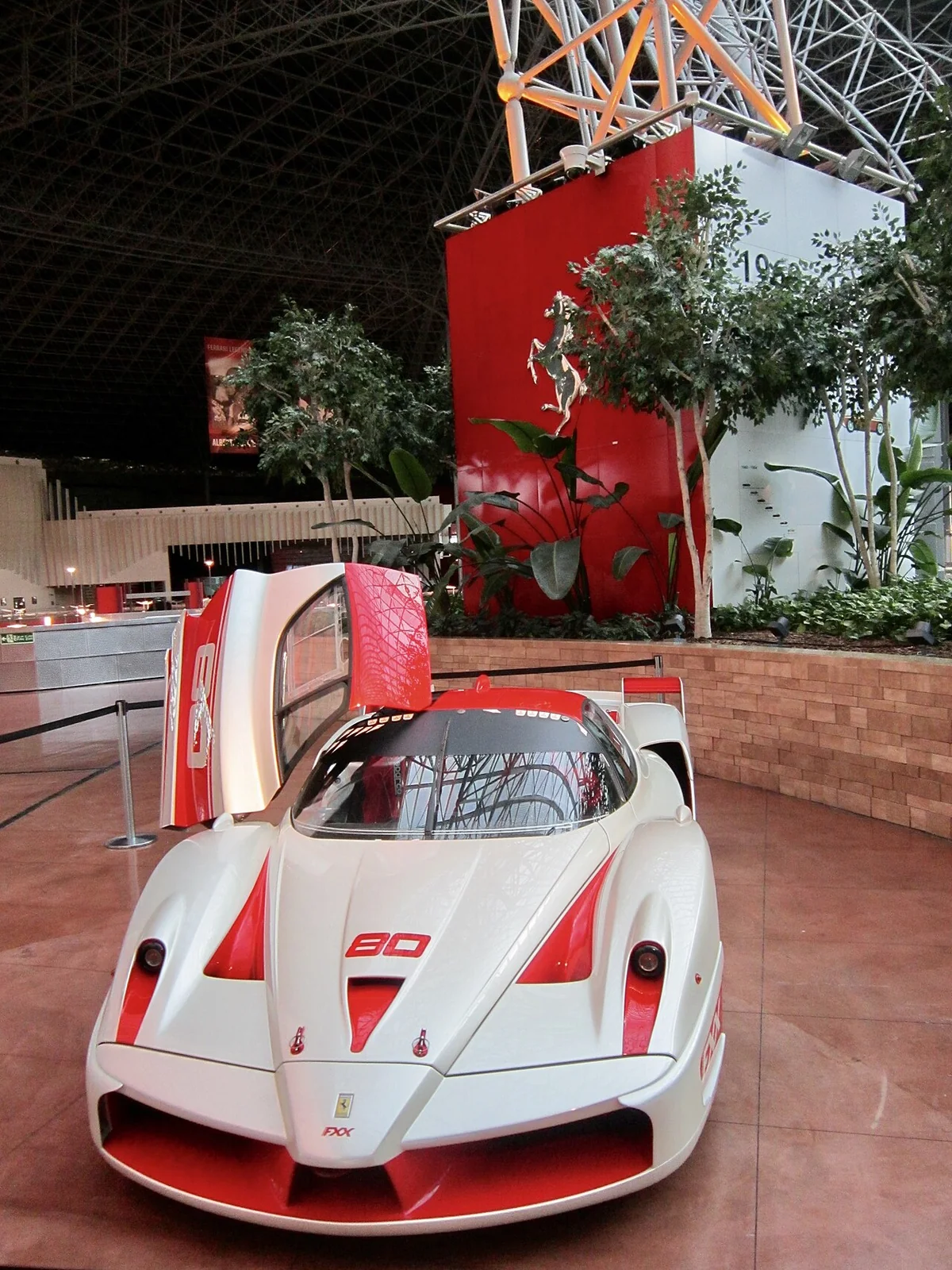
Actual destination setting and visitor reception infrastructure at Ferrari World Abu Dhabi Theme Park.
Transport infrastructure connecting to Yas Island and Ferrari World Abu Dhabi is modern, well-integrated, and offers flexible choices depending on budget and travel style. For guests staying in central Abu Dhabi, taking public transit buses running across the island is a cost-effective option, though it requires patience with schedules and station navigation. Dedicated tourist shuttle buses linking central Abu Dhabi or neighboring Dubai also run efficiently with spacious, air-conditioned seating, allowing travelers to watch desert landscapes transform into futuristic cityscapes through the window. Meanwhile, traditional taxis or popular ride-hailing apps in the United Arab Emirates offer maximum convenience with door-to-door pickup and quick transfer times—about 15 minutes from Abu Dhabi International Airport, or roughly 50 minutes from central Dubai along multi-lane highways straight and smooth as glass.
When considering budget and reference ticket pricing, travelers should understand the different ticket tiers to make an investment worthy of their experience. Standard one-day admission to Ferrari World Abu Dhabi typically ranges from 300 to 350 UAE dirhams, granting unlimited access to most thrill rides and indoor exhibition areas. However, for ardent speed fans looking to minimize wait times, upgrading to fast-track passes or multi-park passes covering two to three Yas Island parks over consecutive days delivers far better value than buying single-attraction tickets separately. Booking tickets online through official channels prior to departure not only spares visitors long lines under warm weather at on-site ticket counters, but can also unlock exclusive perks such as shopping vouchers or dining coupons inside the entertainment complex.
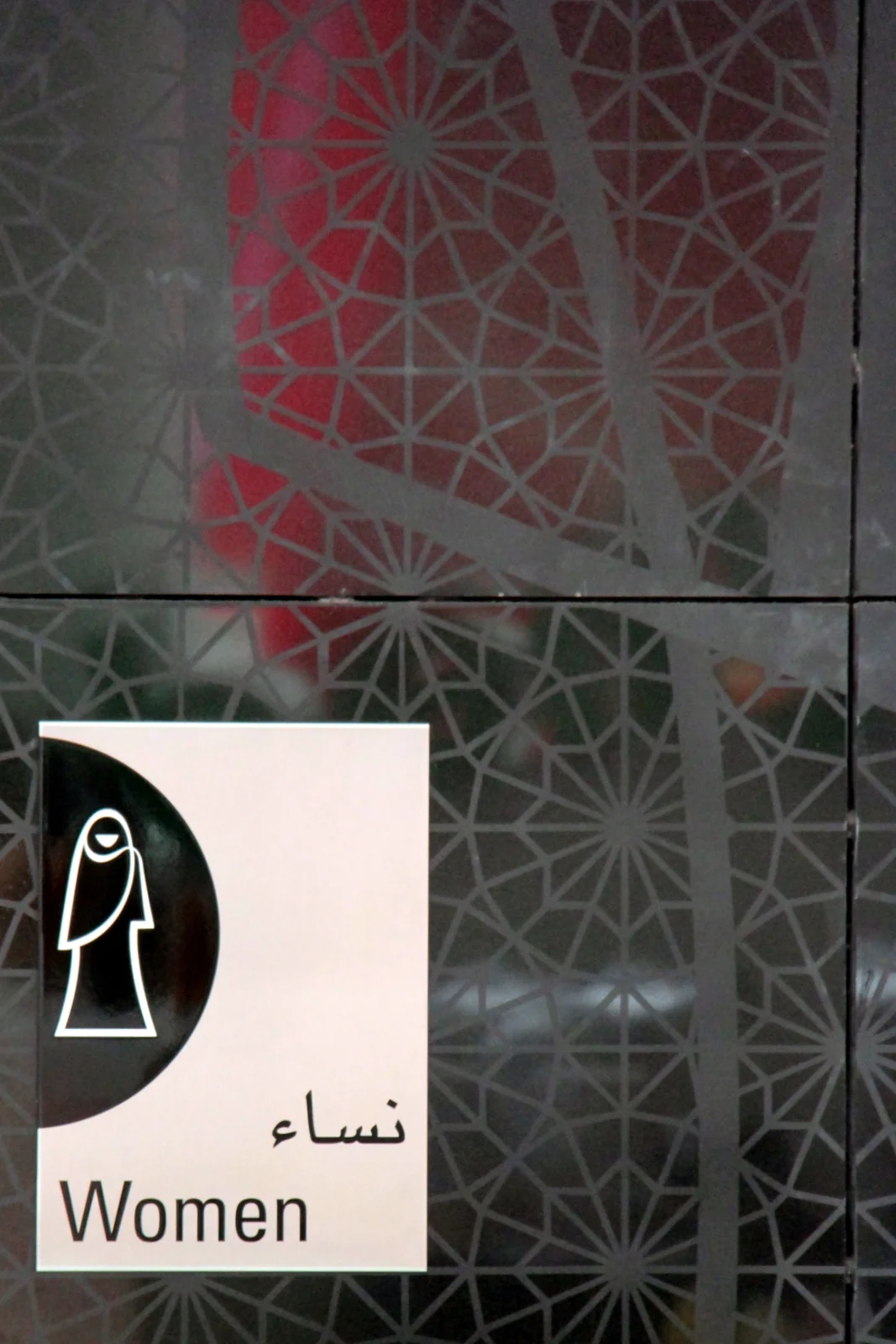
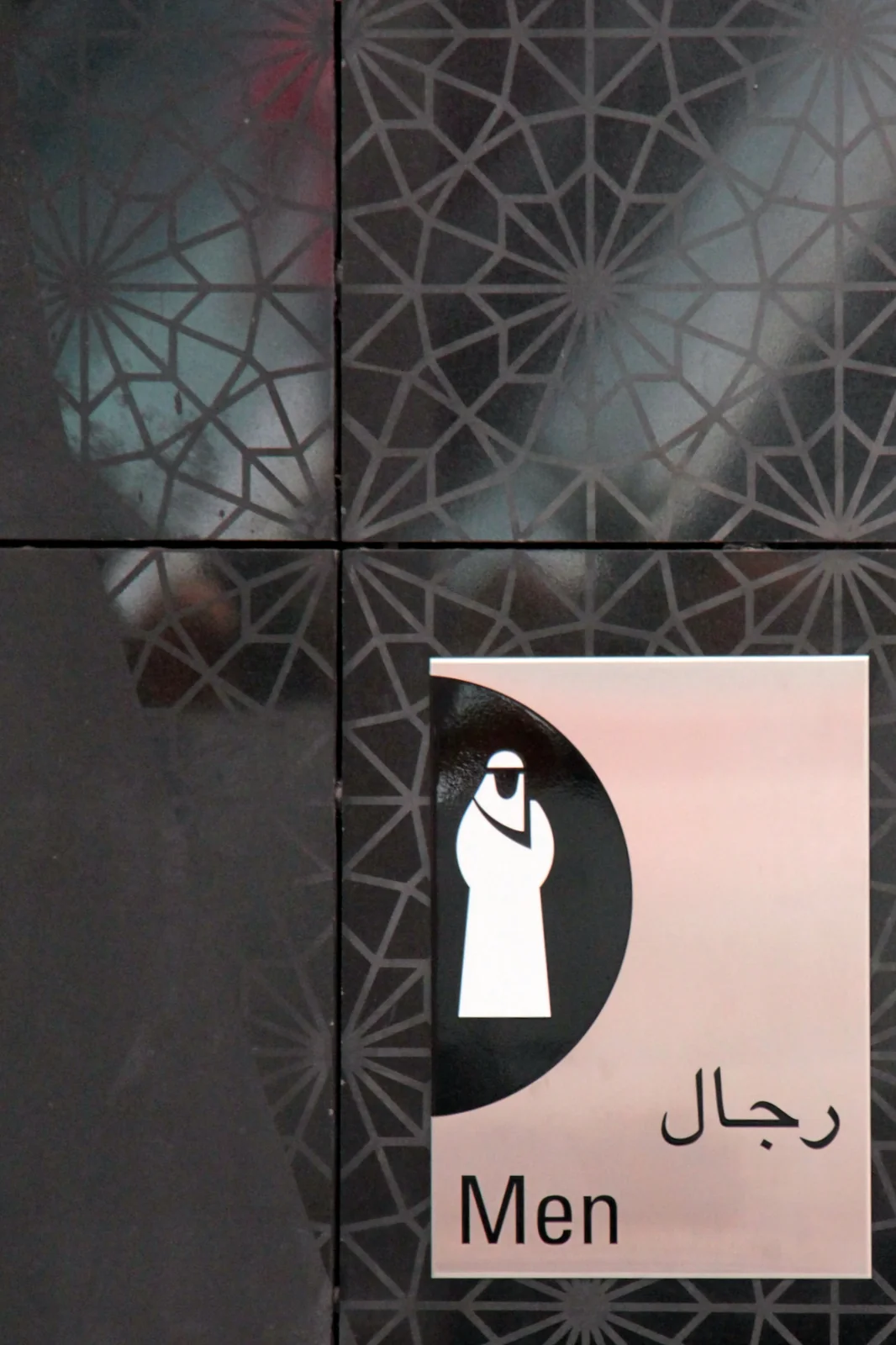
Alongside technical and logistics factors, strictly observing local cultural etiquette and traditional customs in Abu Dhabi is an important measure of international visitors’ respect for local culture. Although Ferrari World Abu Dhabi is an international entertainment complex with a Western feel, it still sits within an Islamic country with distinct moral norms and dress expectations that should be upheld. When entering the park, visitors should dress modestly and neatly—covering shoulders and knees for both men and women—and avoid overly revealing or sheer clothing, or prints and slogans that could offend local customs. Thrill rides require visitors to wear neat attire, sturdy athletic shoes, and remove loose accessories such as sunglasses, scarves, and sharp metal jewelry to ensure complete safety in accordance with the park management’s strict technical operating rules.
Public behavior also requires deep cultural sensitivity from visitors when taking part in crowded leisure and entertainment activities. Overly intimate public displays of affection between couples, such as passionate kissing or hugging in public, are strictly frowned upon under the laws and social etiquette of the United Arab Emirates and may draw warnings from security personnel or even severe administrative penalties. Personal photography and filming inside the park are warmly encouraged to capture memorable moments; however, guests are strictly prohibited from pointing cameras at local women or sensitive areas related to national security without prior consent. Showing courtesy toward service staff, local guides, and fellow travelers from around the world helps maintain a civilized, polite, and uplifting atmosphere throughout the entire entertainment complex.
Finally, to wrap up this comprehensive practical guide, a few insider tips from seasoned travelers will serve as the finishing touch to make your visit smoother and more unforgettable than ever. Because outside food and beverages are prohibited inside the park to maintain food safety and cleanliness, guests can take advantage of the wide variety of Italian and international restaurants scattered across the themed zones, offering everything from traditional wood-fired pizza to quick, convenient bites. Bringing a reusable personal water bottle to refill at complimentary public water stations is a smart way to save significantly over a full day of non-stop activity. Do not forget to pack a light jacket or shawl, as the air conditioning inside enclosed exhibition halls is often kept quite cool to offset the desert heat outside. Lastly, keep your mobile phone fully charged alongside a portable Wi-Fi hotspot or a high-data travel SIM card so you can easily navigate the interactive park map, check live ride wait times, and share thrilling moments of speed with friends and family back home.