Located at coordinates 25°11’59” North latitude and 55°16’47” East longitude, The Dubai Mall emerges in the heart of the Emirate of Dubai as a symbol of unparalleled prosperity—an architectural masterpiece blending traditional Arabian heritage with a timeless visionary future. Planned and developed by the renowned Emaar Properties, this complex is not merely a shopping mall serving consumer retail needs, but also serves as the focal point of Downtown Dubai—a multi-billion-dollar urban development dubbed the center of the new world. Geographically, this mega-structure occupies a strategic position right at the foot of the majestic Burj Khalifa tower, directly connecting to the city’s arterial transportation system via Sheikh Zayed Road, creating a closed urban ecosystem where global trade, culture, and tourism converge and flourish. Viewed through a human-geographic lens, The Dubai Mall is a living testament to the art of transforming arid desert lands into one of humanity’s most opulent oases, completely redefining the standards of public space, consumption, and entertainment in the modern era.
The genesis of The Dubai Mall is tied to the macro-strategy of shifting the UAE’s economy away from oil dependency, aiming to establish Dubai as a global commercial, tourism, and financial capital. Initiated in the first half of the 21st century and officially opening its doors to the first wave of visitors in the late period, the project is the result of an audacious planning vision where the world’s leading architects and finest engineers joined forces to build a space of unprecedented scale in the history of commercial architecture. Through continuous scale expansion phases, it has integrated numerous thematic zones such as Fashion Avenue, The Souk, and a series of world-class entertainment areas, raising total leasing floor space to over five hundred thousand square meters, making it one of the largest destinations by total area on the planet. The establishment of The Dubai Mall not only marks a golden milestone in Dubai’s urban development history but also sets a new benchmark in public architectural art, where physical scale matches cultural and economic stature.
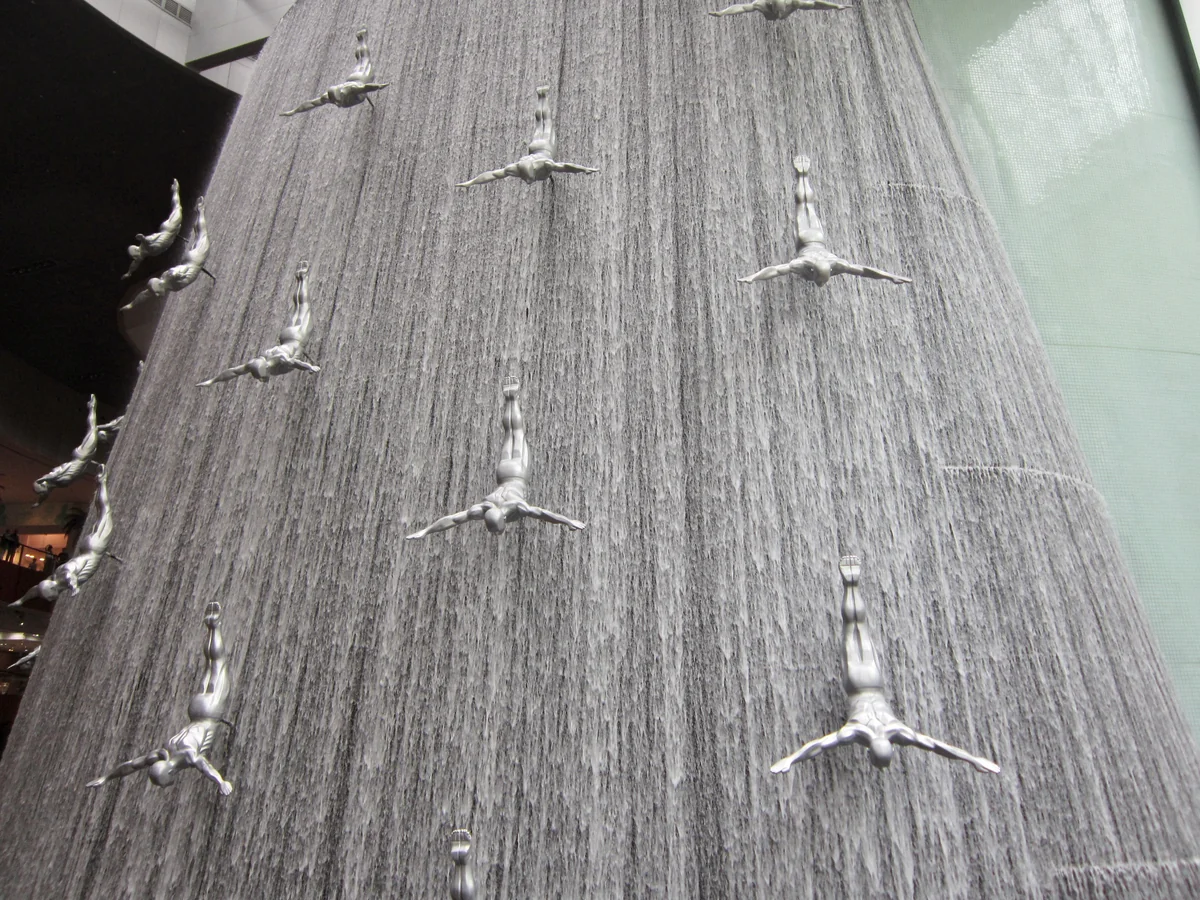
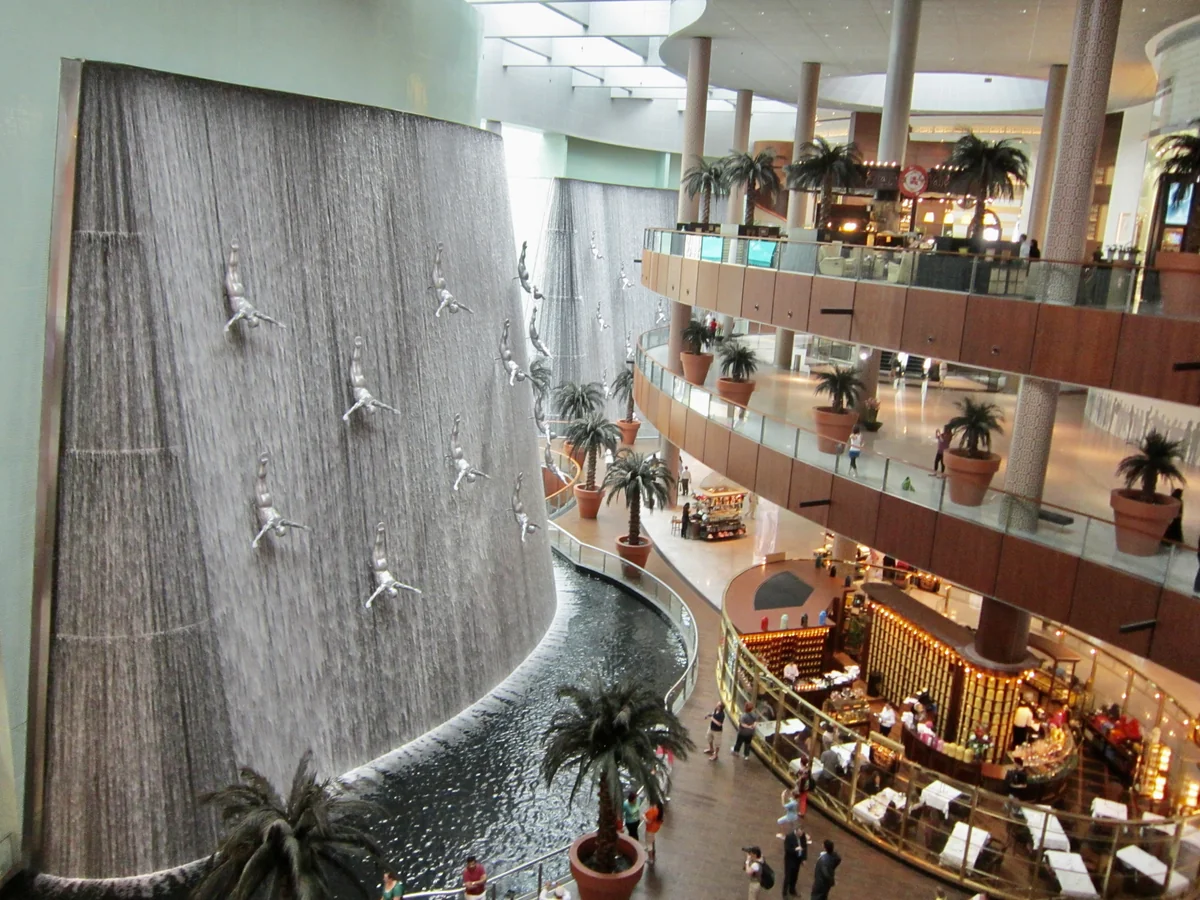
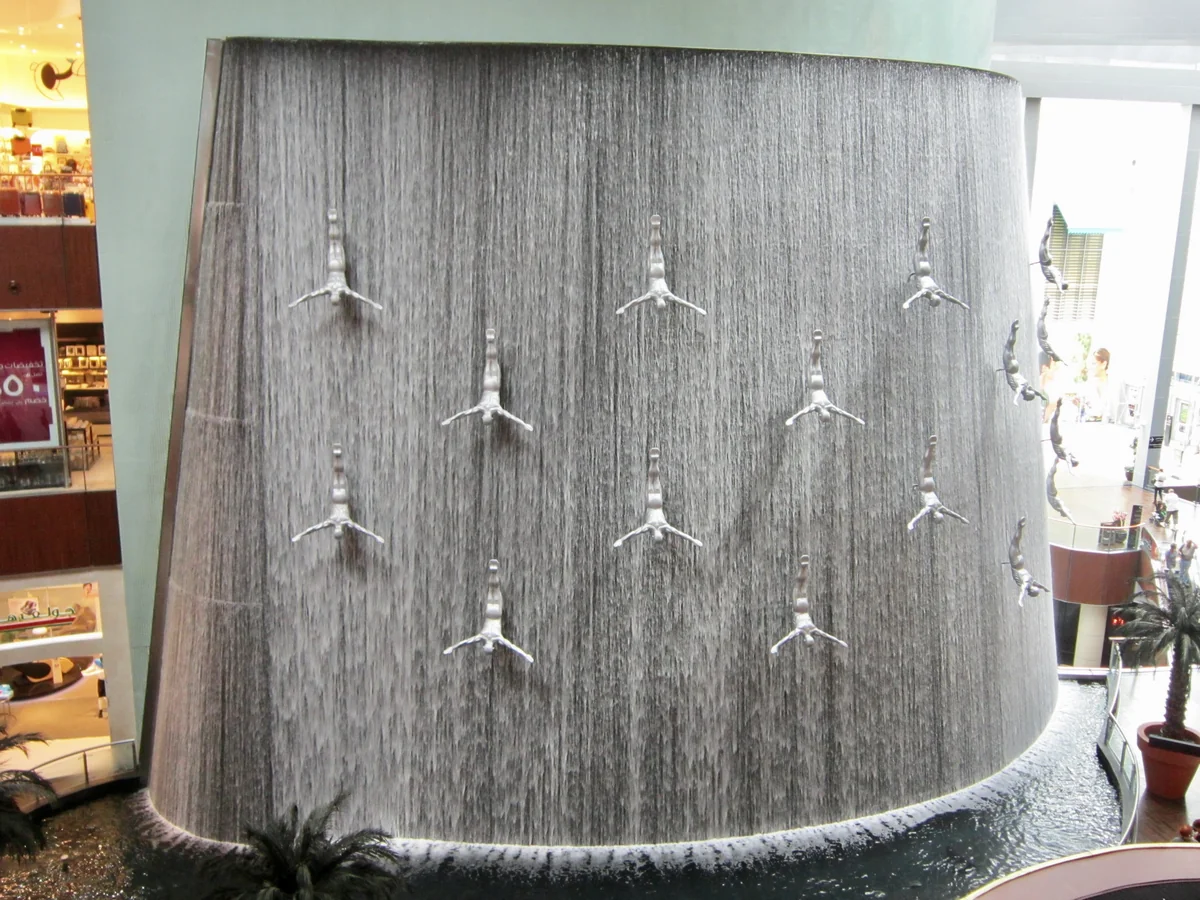
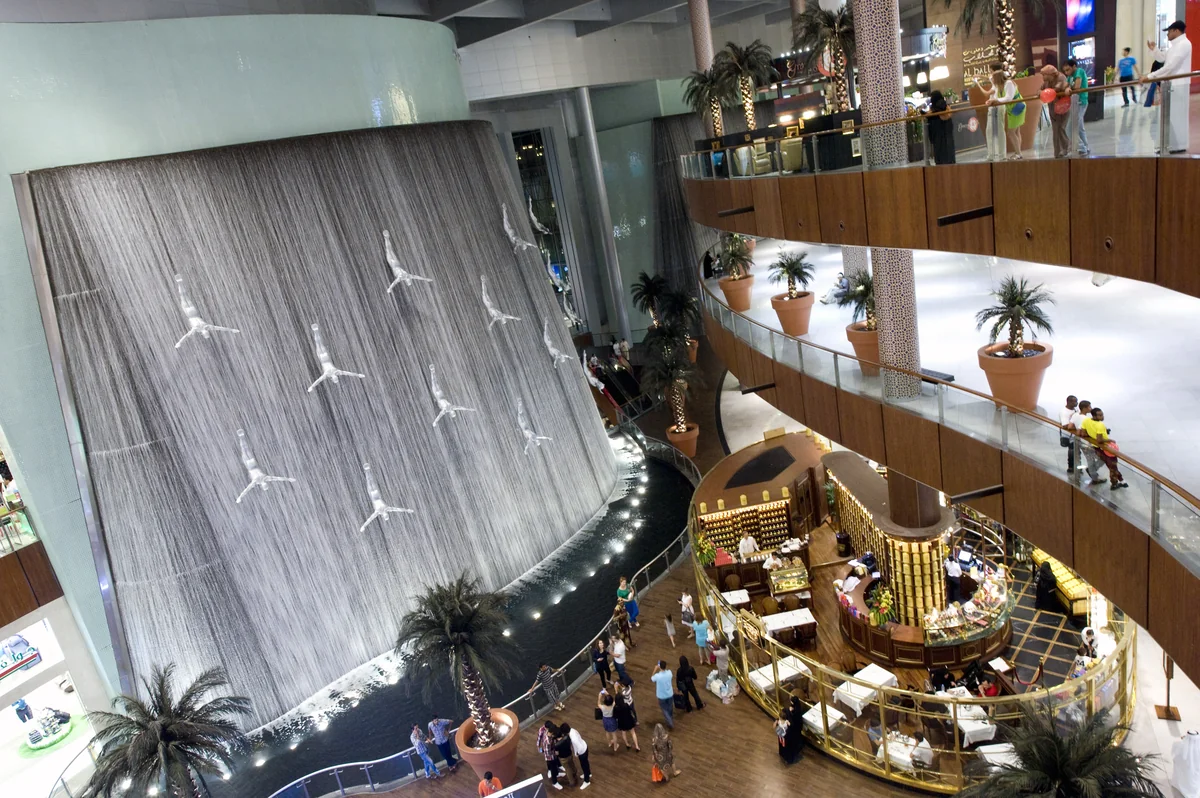
The magnificent 24-meter-tall Human Waterfalls sculpture inside The Dubai Mall
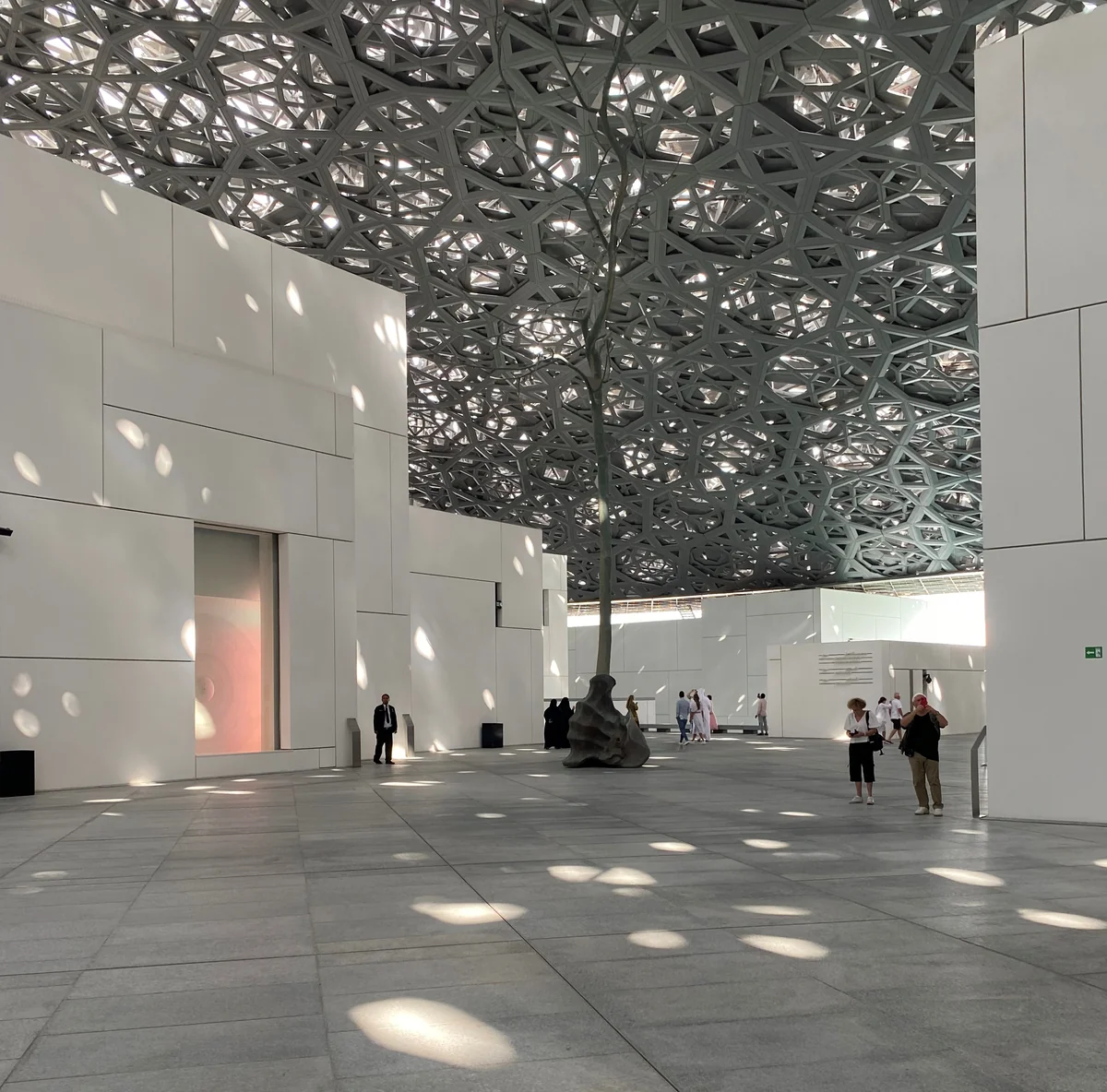
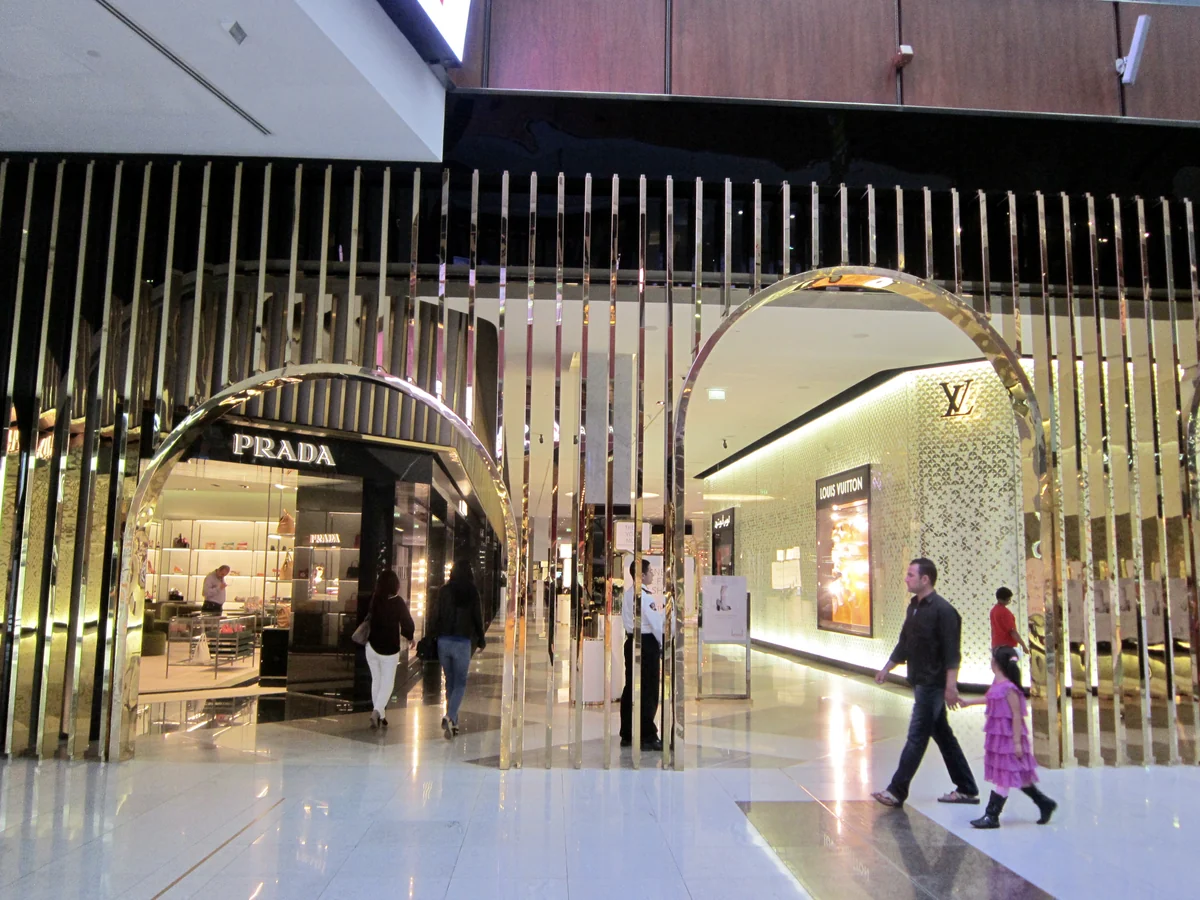
Stepping into The Dubai Mall is entering a pinnacle of architectural and artistic space, where the grandeur of contemporary construction engineering blends exquisitely with traditional aesthetic elements of Islamic culture. The facade of the complex makes a powerful impression with a gigantic tempered glass system reflecting the brilliant desert sky and the proud silhouette of the adjacent Burj Khalifa tower. The interior space is divided into various zones with distinct design styles, creating a multi-layered emotional journey for visitors. A prime example is Fashion Avenue, a zone dedicated to the world’s most luxurious brands, designed with smooth curves, sophisticated artistic lighting systems, and high-end Italian marble, reminiscent of the fashion capitals of Milan or Paris while retaining the regal touch characteristic of Middle Eastern palaces. Meanwhile, The Souk area brings a completely different atmosphere with traditional dome structures, intricate carvings on wood and plaster, recreating the bustling, mystical vibe of ancient bazaars along the Silk Road. The ingenious combination of natural light through gigantic skylights and smart artificial lighting creates an atmosphere that is always fresh, luxurious, and deeply philosophical in its spatial design.
Rising above the function of a conventional shopping mall, The Dubai Mall is a distinctive socio-cultural institution where profound interactions among civilizations across five continents take place. This is where millions of international visitors from diverse cultures, religions, and lifestyles gather, creating a miniature multi-ethnic social canvas of Dubai. The center acts as a crucial economic bridge, congregating thousands of retail brands from high-end to mass segments while serving as a launchpad for global design and fashion trends. Furthermore, The Dubai Mall is a symbol of integrated entertainment, bringing art, science, and nature closer to the public through world-record-breaking attractions housed within the building. The presence of large-scale entertainment zones has turned this place into a family cultural rendezvous, where generations find connection values through top-tier educational, recreational, and artistic experiences. Thus, The Dubai Mall reflects Dubai’s developmental philosophy: an open society oriented toward the future while cherishing profound humanistic values.
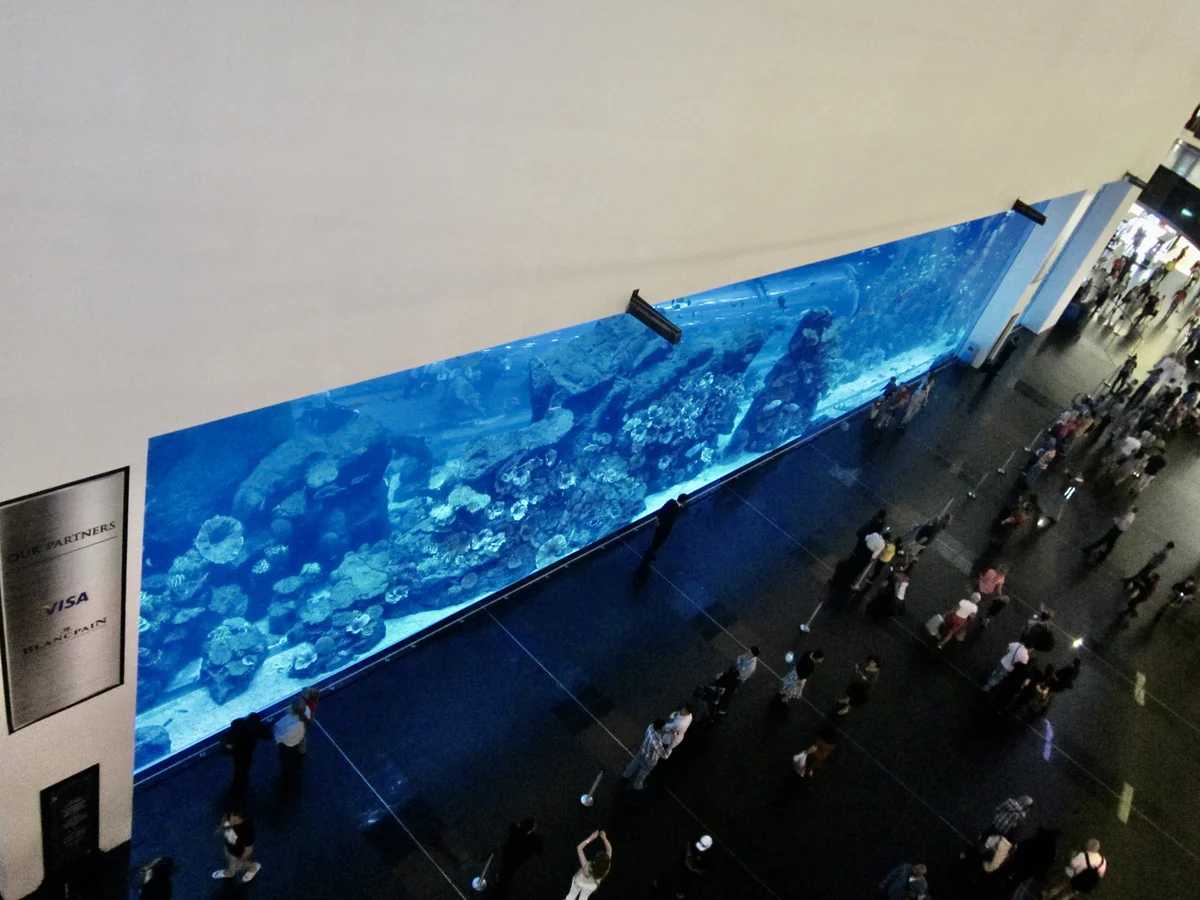
The gigantic Dubai Aquarium housing thousands of fascinating marine creatures
Inside this mega-structure lies a miniature universe of unprecedented entertainment experiences, beginning with The Dubai Aquarium and Underwater Zoo, one of the largest indoor aquariums in the world. With a massive acrylic panel containing millions of liters of water and thousands of marine species including sand tiger sharks and giant stingrays, it offers visitors the chance to walk through a transparent underwater tunnel to admire the mystical ocean world right in the middle of the desert. Right next to it is the Olympic-standard Dubai Ice Rink, an engineering wonder bringing professional figure skating and ice hockey experiences in a cool atmosphere that contrasts sharply with the heat outside. For those passionate about digital art and science, the Human Waterfall area featuring artistic sculptures of flowing water across floors creates a meditative and relaxing visual highlight. Not to be missed are world-class children’s educational entertainment zones and advanced cinemas, ensuring that all artistic appreciation and recreational needs of visitors of all ages are met to perfection.
Dome architecture and the opulent fashion avenue gathering the world’s leading fashion brands
Dining at The Dubai Mall is a gastronomic journey around the world, meticulously curated to cater to the refined tastes of the global elite. The restaurants and cafes here range from traditional street eateries of the Levant, fine dining Persian restaurants, to culinary brands associated with acclaimed Michelin-starred chefs. Visitors can enjoy signature UAE dishes like Machbos or luqaimat prepared in a modern fusion style, combined with rich desert spices. For those favoring elegance, luxurious afternoon tea lounges overlooking the Dubai Fountain offer the perfect choice to enjoy handcrafted artisanal pastries with premium teas. The artificial waterfall zones and indoor courtyards are also cleverly arranged into open-air dining spaces where diners can savor global cuisine while watching the bustling crowd in a regal and elegant atmosphere.
To fully understand the beauty and pulse of The Dubai Mall, choosing the right time to visit plays a vital role for every traveler. The ideal period of the year to explore this place is from November to March of the following year, when outdoor weather conditions become mild and pleasant, allowing visitors to easily combine sightseeing in outdoor areas like the Dubai Fountain or Burj Park. The perfect time of day to start the journey is mid-afternoon, when natural light filters through the glass domes creating artistic light and shadow plays inside the interior, before transitioning into a sparkling evening illuminated by lights and grand water fountain shows. Regarding iconic photo spots, the bridge connecting The Dubai Mall with the Souk Al Bahar complex at sunset opens up the most flawless angle covering the entire Burj Khalifa facade and artificial lake. Inside the mall, the Fashion Avenue corridor with its mirrored reflections and warm gold lighting provides an ideal backdrop for high-fashion and luxury-styled frames.
The Middle East’s most bustling shopping and entertainment space attracting millions of international visitors
Visiting a global icon located in the Islamic world requires international travelers to equip themselves with deep cultural etiquette understanding to show respect for local customs. Although Dubai is one of the most open and highly internationalized cities in the Middle East, selecting attire when visiting The Dubai Mall should still adhere to minimum polite principles—specifically, clothing should cover shoulders and knees to show respect for public spaces and local beliefs. Excessive public display of affection is discouraged according to UAE traditional cultural norms, and visitors should keep this in mind to maintain a civil and polite image. Furthermore, taking close-up photos of locals without prior consent constitutes a serious privacy violation under local laws. When interacting with service staff or locals, a polite and respectful attitude along with traditional Arabic greetings like Salam Alaykum will always win sympathy and warm hospitality, making the exploration of The Dubai Mall complete, meaningful, and rich in international cultural identity.
Panoramic view of The Dubai Mall sparkling next to the Burj Khalifa tower
Far exceeding the definition of a conventional shopping destination, The Dubai Mall is a magnificent world of entertainment and experience, converging the Human Waterfalls masterpiece, marine aquarium tunnels, and brilliant fountain viewpoints at the foot of the Burj Khalifa tower. It fully reflects the opulence and boundless creativity of the city in the desert.
Combine exploring The Dubai Mall and experiencing the Desert Safari in the Premium 6D5N Dubai Tour with Emirates programs.