Nestled quietly along the right bank of the surging Red River, Co Tan An Temple (also known as Co Be Tan An Temple) rises in Tan An Commune, Van Ban District, Lao Cai Province as a sacred landmark guarding the northwestern frontier. In terms of geography and feng shui, the temple commands a rare, prized position: backed by overlapping mountain ranges while facing a vital waterway—where heaven and earth converge with the ancient cultural lifeblood of highland ethnic minorities. For millennia, this stretch of river, renowned for its treacherous rapids, served as a crucial military chokepoint and a bustling trade route linking China’s Yunnan region with the Red River Delta. This “water-gathering, mountain-embracing” terrain bestows upon the temple grounds a majestic, solemn beauty that blends the untamed spirit of the mountains and forests with the profound spiritual heritage of Vietnamese cultural travel.
The temple’s historical origins are intertwined with centuries of dynastic change. According to historical research and oral traditions passed down by Tay elders in Van Ban, the temple began during the Tran and Early Le dynasties as a modest shrine made of thatch, bamboo, and rattan, dedicated to local earth and water deities. It served as an indispensable spiritual stopover for mountain residents and passing river merchants, who prayed sincerely for safe passage before braving the swift currents. During the Revival Le and Nguyen dynasties—particularly under Emperors Minh Mang and Tu Duc, as the imperial court intensified efforts to fortify the borderlands—the shrine received state attention for restoration and expansion. The fusion of indigenous beliefs and the national pantheon standardized the site into a sacred center for the Mother Goddess religion and revered female deities.
The living history of Co Tan An Temple endures through sacred chronicles and folk legends surrounding its principal deity, Co Be Tan An (the Young Lady of Tan An). Within the Four Palaces system of Holy Maidens in Vietnamese Mother Goddess worship, this supreme spiritual maiden is celebrated as the incarnation of a local heroine or a gifted female general who rendered great service to the Le court by quelling border rebellions, transporting military provisions, and reclaiming land to establish settlements. Legends of her—a highland maiden accomplished in martial arts, endowed with both talent and beauty, who gave her life heroically for the nation—have transcended oral folklore to become an enduring source of spiritual strength for the people of Van Ban. Over time, the cultural and geological heritage of this land has been recognized by authorities and the media alike, establishing Co Tan An Temple as an unmissable landmark on Vietnam’s map of spiritual tourism and heritage pilgrimages.
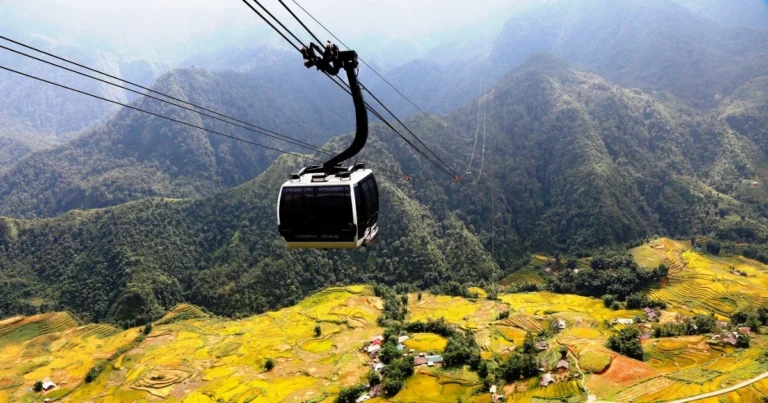
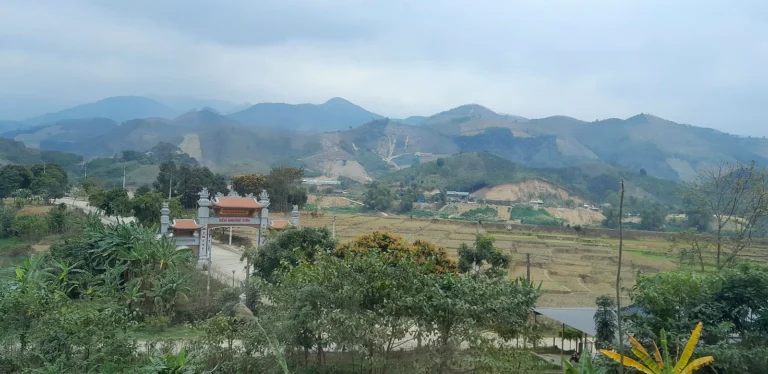
Standing majestically on the right bank of the rolling Red River, Co Tan An Temple (Van Ban, Lao Cai) emerges as a masterpiece harmonizing the sacred aura of the Northwest landscape with traditional spiritual architecture. Local elders and feng shui practitioners regard the temple’s setting as exceptionally auspicious—”backed by mountains, facing the water”—with its rear resting against rolling mountain ranges that cradle surrounding villages and its front opening onto the vast expanse of the river. For generations, this vantage point has carried not only strategic significance for trade and defense, but has also framed a picturesque mountain-and-river landscape where drifting clouds and emerald peaks blend with the timeless murmur of waves, enveloping visitors in serenity from the very first step onto the temple threshold.
Overall, the architecture of Co Tan An Temple embodies the classic style of Vietnamese temples and shrines with a sturdy Dinh-shaped layout that has preserved its antique charm despite multiple restorations. Passing through the imposing outer ceremonial gate, visitors are immediately captivated by the intricately carved roof system. The ridge beams and eaves feature finely sculpted reliefs of two dragons flanking the moon and the four mythical creatures, crafted from traditional mortar and finished in subdued glazes. Inside, the load-bearing frame is built primarily from precious timber, resting on monolithic stone plinths engraved with stylized leaf motifs. Gilded red-lacquered horizontal plaques and parallel couplets shimmer in the candlelight, while wooden panel doors carved with themes of pine, chrysanthemum, bamboo, and apricot blossom showcase the remarkable skill and artistry of folk carpenters across generations.
Beyond its profound architectural and historical value, Co Tan An Temple is also a paradise for travelers seeking breathtaking “million-view” photo spots. To capture artistic photographs steeped in the soul of the highlands, photographers and travel writers often recommend two prime angles. The first is taken from the main courtyard looking toward the three-arched gate and the Red River at dawn, when delicate mist still lingers over the water and morning sunbeams slant through ancient canopies to create ethereal rays of light, accentuating the moss-covered curves of the tiled roofs. The second is along the corridors of the left and right wings at sunset; as the sun dips behind the northwestern peaks, golden twilight bathes the grounds, reflecting off the crimson tiles and dark timber tones to evoke a nostalgic, sacred, and deeply tranquil atmosphere.
Arriving at Co Tan An Temple in the early morning, while gossamer mist still drifts lazily across the Red River, visitors are instantly drawn into a spiritual realm that is both mystical and poetic, quintessential to the Northwest. The experience begins by ascending moss-covered stone steps leading into the temple compound, shaded by centuries-old trees. The resonant toll of temple bells mingles with the gentle rush of swirling river waters below, creating a serene harmony that washes away the hustle and worries of everyday life.
The most rewarding highlight of the journey is combining spiritual worship with a boat ride along the historic Red River. Gliding across the water in a small boat, travelers do far more than take in a panoramic tapestry of rolling mountains cradling highland villages—they also feel the heroic pulse of a storied frontier past. Initial awe at the grandeur of the mountains and river gradually gives way to quiet reflection while listening to local boatmen recount legends of the revered national heroine.
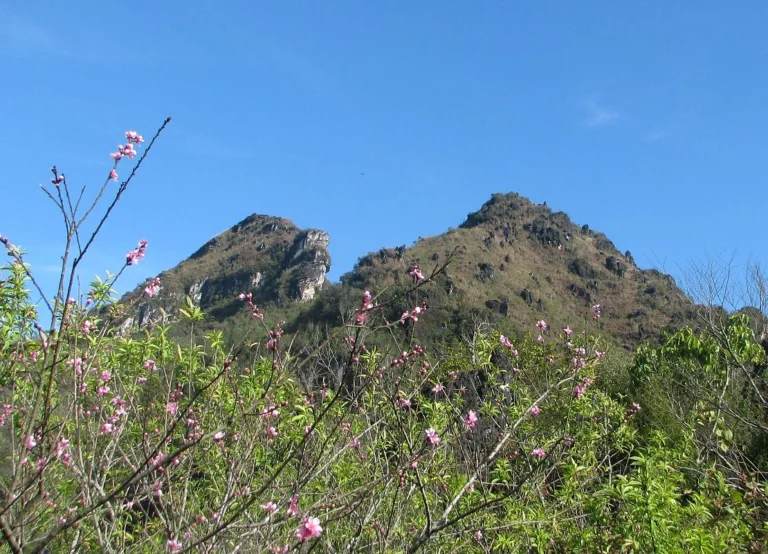
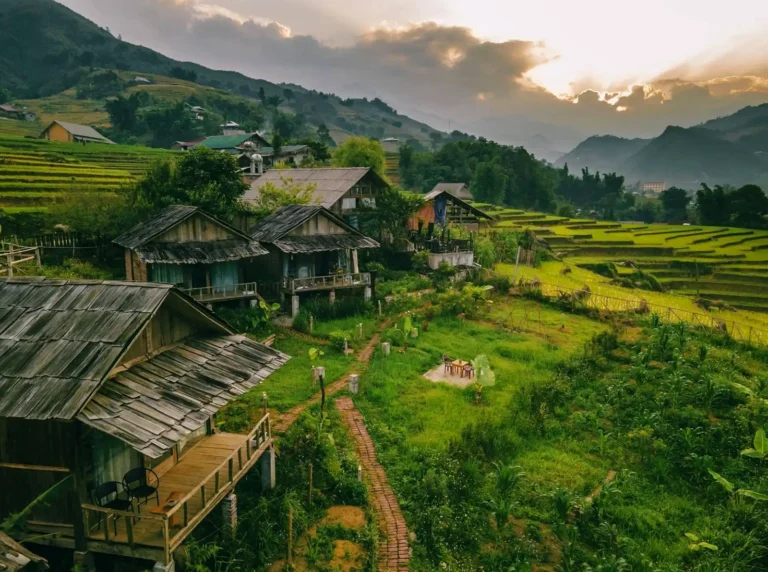
Stepping ashore to hike up the surrounding peaks around the temple rewards visitors with sweeping panoramas of the Tan An region. Each uphill step tests one’s endurance, culminating at the summit where an expansive vista unfolds: lush green valleys, stilt-house roofs peeking through wisps of evening cooking smoke, and the majestic river winding below like a soft silk ribbon, inspiring a profound sense of pride and emotion.
Rounding out this moving journey of discovery is the rich, distinctive local culinary culture surrounding the destination. Right at the foot of the temple and in neighboring villages, visitors can savor celebrated specialties infused with the flavors of the northwestern mountains and forests, such as fragrant upland sticky rice, charcoal-grilled Red River fish seasoned with aromatic mac khen pepper, firm free-range hill pork, and wild bamboo shoots dipped in sesame salt. Every flavor carries the sincerity and warm hospitality of the local Tay, Dao, and Nung communities, leaving an unforgettable impression on everyone who visits.

Situated along the right bank of the Red River in Tan An Commune, Van Ban District, Lao Cai Province, Co Tan An Temple is a revered spiritual destination that attracts crowds of pilgrims and travelers coming to pay respects and pray for peace. To ensure a smooth, fulfilling, and respectful journey to this frontier sanctuary, keeping practical travel tips in mind is essential.
Regarding opening hours, the temple welcomes visitors daily throughout the week, typically from early morning around 6:00 AM until 6:00 PM, allowing locals and travelers ample time to offer incense. Notably, admission to the historic site for sightseeing and worship is completely free, with no ticket fees charged at the gate.
The best time of year to visit Co Tan An Temple is in spring, particularly from the first to the third lunar month, when traditional festivals rich in highland cultural identity take place. Additionally, the annual Co Feast (usually held in the seventh lunar month) draws large numbers of devotees. Those seeking a quieter, more contemplative atmosphere can visit during the summer or autumn months, when drier weather makes travel especially convenient.
For transportation and routes, travelers can reach Van Ban District from central Lao Cai City or Sa Pa Town by car, motorbike, or intercity bus along the main national highway. Conveniently positioned right beside a major thoroughfare connecting neighboring provinces, the temple is easy and safe to access by both private vehicles and tour buses.
When visiting this sacred site, guests should dress neatly, modestly, and respectfully in keeping with traditional customs and the solemnity of a place of worship. Because northern mountainous terrain can vary with the seasons, wearing flat, comfortable shoes will make walking around the temple grounds and strolling along the Red River banks far easier and safer.

To enjoy a seamless getaway and take in the full beauty of Co Tan An Temple without worrying about transportation, sightseeing arrangements, or itinerary planning, travelers can choose VDS Travel’s premium all-inclusive Van Ban, Lao Cai tour packages. Every itinerary is thoughtfully timed to capture photo spots at their most radiant, accompanied by knowledgeable local guides and top-tier hotel and dining standards.