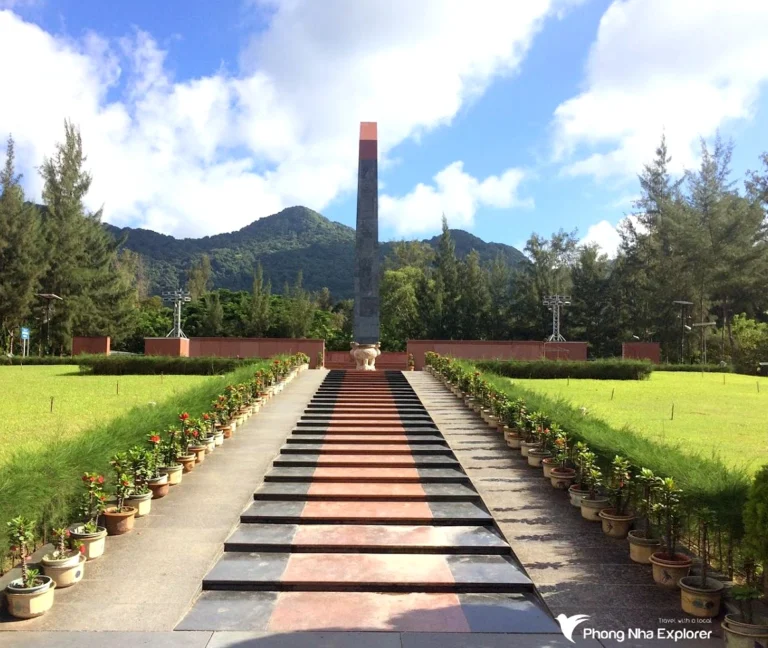
Amid the vast southern seas, the Con Lon archipelago—today known as Con Dao—rises like a proud frontier bastion of Vietnam, occupying an isolated yet deeply imposing geographical position. Over centuries of historical storms, this island has been blessed not only with dramatic feng shui topography—where rolling mountain ranges shelter tranquil, wind-protected bays—but also with deep cultural sediments and the tragic yet heroic memories of the nation. Set against a backdrop of unspoiled nature, jade waters, clear skies, and the eternal rhythm of ocean waves lies a painful yet indomitable scar of human history known as the “Tiger Cages” solitary confinement complex—the ultimate symbol of iron will and unshakable resilience. The origin of the name “Tiger Cages”—also documented in historical archives under its original French name, *Bagne de Poulo Condore*—is tied to a dark and brutal chapter of colonialism. Historical records and site chronicles confirm that this ruthless prison complex was begun in 1940 and completed in 1942 under French colonial rule. The sinister goal behind building this solitary confinement system was to break the spirit of steadfast revolutionary fighters and elite communist party members captured after the historic Southern Uprising (Khởi nghĩa Nam Kỳ). Later, during the era of American intervention and the Saigon regime (1954–1975), the system was expanded and adapted into the “American Tiger Cages,” designed to crush both the bodies and minds of generations of patriotic political prisoners. Paradoxically, however, the very place engineered to bury human life became an eternal monument to human dignity and courage. It once imprisoned and forged many prominent figures of Vietnam’s revolutionary history, including President Ton Duc Thang, the late Prime Minister Pham Van Dong, General Secretary Le Duan, and tens of thousands of other unwavering fighters. The cold stone walls, damp iron-barred ceilings, and intricate hidden walkways of the past have now become priceless historical relics—eloquent testimony to a fiery era of struggle. From the perspective of heritage researchers and contemporary journalists, the architecture of the Tiger Cages is not merely an extraordinary archaeological record of colonial incarceration, but also a sacred space where a painful past is transformed into the soaring spirit of patriotism. Stepping foot into this remarkable relic today is more than a sightseeing trip through the breathtaking landscapes of an island hailed as a resort paradise; it is a pilgrimage back through time to the cultural and historical roots of the nation. In the quiet stillness of the island, where the distant bells of Nui Mot Pagoda blend with the endless murmur of the sea, the Con Dao Tiger Cages historical site stands as a silent witness to history, reminding future generations of the value of independence, freedom, and the noble sacrifices of their forebears. Forever engraved in the Vietnamese consciousness, this landmark—where sorrow and glory intertwine—remains a singular coordinates of national pride and gratitude toward those who came before.
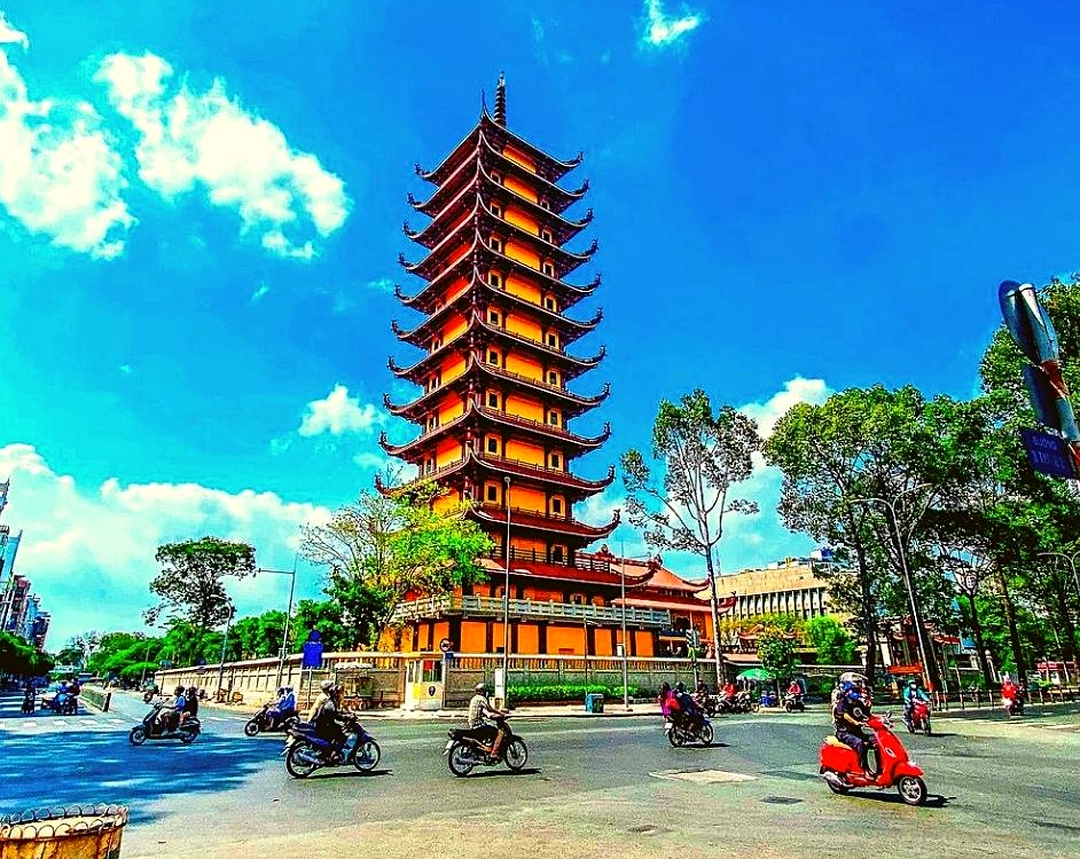
Stepping inside the Con Dao Tiger Cages historical site, visitors are struck not only by its solemn, time-worn atmosphere, but also by a chillingly calculated masterpiece of oppressive architecture that nonetheless holds extraordinary historical significance and spatial composition. Surrounded on all sides by the deep blue waters of Con Dao, where rolling mountain ranges embrace the open sea and pristine wilderness, the solitary confinement compound emerges as a somber yet powerful testament to unyielding willpower. The entire complex was laid out in an enclosed, inward-facing design, completely cut off from the outside world to block out every ray of sunlight and natural breeze.
Examining the original architectural details up close, the French-built “Tiger Cages” system constructed in 1940 leaves a profound impression with its thick, fortified stone walls, freezing cement floors, and the cruel iron-bar “tiger cage” grid installed directly overhead across the cell ceilings. Rather than conventional doorways, the ceilings were built open with densely woven iron bars, allowing guards to monitor and inspect prisoners from above while also serving as openings through which boiling water was poured and quicklime powder was scattered to torture revolutionary fighters. Although built to serve the brutal mission of colonialism, from an architectural archaeology standpoint, its spatial layout demonstrates a bone-chilling precision in lighting, acoustics, and artificial ventilation engineered to maximize total isolation. Flanking the rows of cells are narrow walkways, faded whitewashed walls covered in moss and time, and shafts of natural daylight filtering down through the overhead iron grates, creating stark, haunting contrasts between light and shadow.
To capture photographs that evoke both solemn remembrance and the profound historical depth of the site, photographers and travel writers often recommend a few particularly striking angles. The first must-see photo spot is the central corridor looking straight down the row of French-era cells. The ideal lighting occurs between 9:00 AM and 10:30 AM or from 3:00 PM to 4:30 PM, when golden coastal sunlight streams through the iron-barred ceiling grates, casting sharp geometric patterns across the floor and creating a dramatic visual contrast between rays of hope and the darkness of imprisonment.
A second compelling angle is looking upward toward the ceiling inside the central solitary confinement block, where the crisscrossing iron grid stands out sharply against the deep blue sky or drifting white clouds above the remote island. At sunset, when the amber and crimson hues of the Con Dao sky wash over the moss-covered walls, the atmosphere grows profoundly quiet and sacred—reminding today’s generation of a heroic era when the indomitable spirit of their ancestors transcended dungeons and chains to endure alongside the nation.
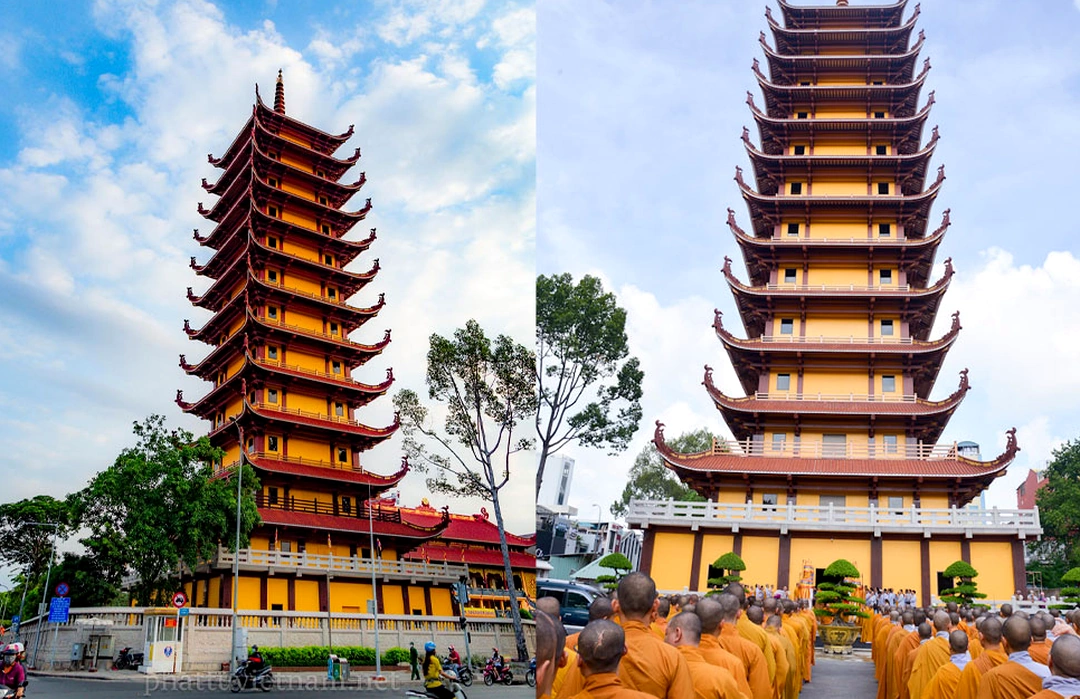
Visiting the Con Dao Tiger Cages historical site invites every traveler not only to reconnect with national roots, but also to embark on a deeply moving journey where a heroic yet painful past blends seamlessly with the serene, untamed beauty of the island today. Beyond its poignant chapters of history, exploring Con Dao reveals a vibrant tapestry of sacred heritage, rich local culture, and untouched natural wonders.
Early mornings in Con Dao often begin with a deeply spiritual visit to Hang Duong Cemetery and revered shrines and pagodas such as Con Dao Temple or Nui Mot Pagoda. The resonant tolling of temple bells echoing across quiet forested hills and open waters brings an extraordinary sense of peace. Standing on the grounds of Nui Mot Pagoda and gazing out into the distance, visitors can take in panoramic views of Con Dao town curving around an emerald bay, where gentle waves lap the shore like an eternal hymn honoring the fallen heroes who gave their lives for the nation’s independence and freedom.
After paying respects at these sacred sites, the journey continues to beckon nature lovers with hiking and trekking trails winding through shaded primary forests toward secluded, pristine beaches such as Bai Nhat and Dat Doc. A boat excursion around Con Son Bay—complete with snorkeling over vibrant coral reefs at Hon Cau or Hon Bay Canh—offers an awe-inspiring glimpse into one of Southeast Asia’s richest and best-preserved marine ecosystems. Swaying gently on the waves, breathing in the crisp, salty sea air, and watching the sunset paint the horizon crimson leave an unforgettable impression on every traveler.
Beyond its scenery and history, Con Dao’s local culture also captivates visitors through its distinctive coastal cuisine bursting with the fresh flavors of the ocean. After hours of deeply moving exploration, sampling renowned island specialties—such as steamed red grouper with soy sauce, grilled breast-shaped sea snails (ốc vú nàng) with scallion oil, shark salad (gỏi cá nhám), or crunchy, rich candied tropical almond seeds (mứt hạt bàng) at seaside eateries—awakens all the senses. Savoring fresh seafood while listening to heartfelt stories from local fishermen about life at sea deepens every visitor’s affection for this remarkable island and its people.
At the close of a journey through the Tiger Cages and Con Dao, what lingers in the heart is not only awe before the painful remnants of war and the majesty of nature, but above all a profound sense of pride and inner stillness. Experiencing this sacred land firsthand builds a living bridge between a heroic past and a peaceful present, ensuring that every traveler departs with a silent promise to return to Con Dao with deep reverence and genuine affection.
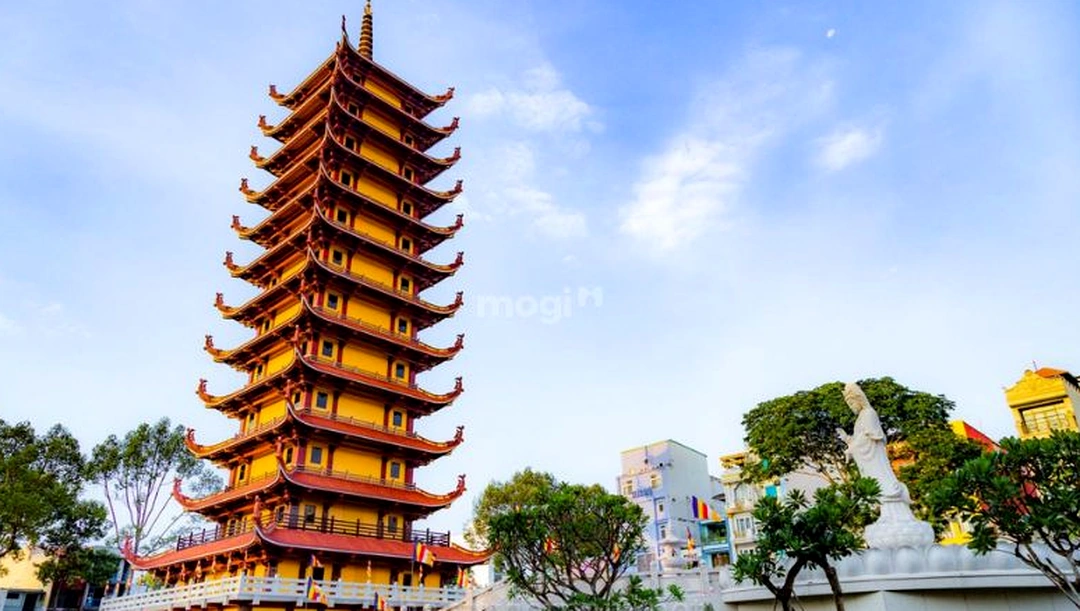
To make the most of your heritage pilgrimage and visit to the Con Dao Tiger Cages historical site, keeping a few practical travel tips in mind is essential. Part of the Con Dao Prison National Special Relic complex, the Tiger Cages site welcomes both domestic and international visitors year-round to learn about history and pay tribute to fallen heroes. Opening hours run daily throughout the week, from 7:30 AM to 11:30 AM in the morning and from 1:30 PM to 5:00 PM in the afternoon. Planning your visit ahead allows you to experience the site in a calm, unhurried atmosphere as you reflect on its powerful and sobering history.
Regarding admission fees, the Heritage Management Board currently offers a combined ticket covering the entire prison camp system and exhibition halls in Con Dao at a very modest price, typically around 50,000 VND per adult per visit (rates may vary slightly according to local regulations and are always clearly posted at the ticket counter). Proceeds go directly toward restoration, conservation, and preserving the site’s original historical integrity for future generations.
Getting to the Tiger Cages complex (located within the former Phu Hai – Phu Tuong Prison compound) from central Con Dao town is straightforward by rented motorbike, electric buggy, or car. The route follows smooth, tree-lined paved roads; from the town center, simply head northwest along Ton Duc Thang Street or Nguyen Hue Street for a few kilometers until you reach the site. Renting a self-ride motorbike is especially popular among younger travelers who appreciate the flexibility to enjoy refreshing ocean views and stop for scenic photos along the way.
In addition to planning your route, choosing appropriate attire when visiting the Con Dao Tiger Cages requires special respect and decorum. Because this is a sacred memorial ground honoring the sacrifice of tens of thousands of revolutionary fighters, visitors should dress modestly and respectfully—wearing sleeved tops and pants or skirts that cover the knees, while avoiding overly short or revealing clothing. Moreover, since the prison complex combines open-air courtyards with warm, enclosed cell blocks, be sure to bring a hat, sun umbrella, sunscreen, and comfortable sneakers or flat walking shoes for exploring on foot.
The best time of year to visit Con Dao in general—and the Tiger Cages historical site in particular—is from March to September. During these months, the seas are calm and the weather is dry with bright sunshine, creating ideal conditions for outdoor sightseeing alongside a relaxing island getaway. Whenever you choose to visit, preparing with historical background, a respectful mindset, and these practical tips will ensure a deeply meaningful, memorable, and fulfilling journey.

To enjoy a seamless getaway and experience the full depth of the Con Dao Tiger Cages without worrying about transportation, admission tickets, or itinerary logistics, travelers can choose VDS Travel’s premium all-inclusive Con Dao tour packages. Each itinerary is thoughtfully timed for optimal sightseeing and photography, accompanied by knowledgeable local guides well-versed in the island’s heritage alongside top-tier hotel accommodations and dining standards.