Located roughly 97 nautical miles off the mainland coast of Vung Tau City and nearly 45 nautical miles from the Hau River estuary, the Con Dao archipelago rises from the southern open sea as an isolated outpost shaped by wind, waves, and the vast expanse of the East Sea. Geographically, this archipelago comprises 16 large and small islands covering a total natural area of over 75 square kilometers, with Con Son (Hon Con Lon) serving as its centerpiece. In terms of natural topography and feng shui, Con Dao resembles a formidable fortress sculpted by nature: undulating granite mountain ranges embrace narrow valleys, sheltering tranquil bays from the wind year-round. The landscape embodies the classic “backing onto mountains, facing the sea” configuration, where majestic Thanh Gia Peak stands tall against ocean breezes while protecting pristine white-sand beaches such as Bai Canh, Dam Trau, and Co Ong. This remarkable harmony of endemic primeval forests, vibrant coral shelves, and sheer cliffs creates an extraordinary geological landscape—at once untamed, majestic, and deeply solemn—praised by geologists and international media alike as one of Southeast Asia’s most unique marine and island ecological wonders.
Throughout the ebbs and flows of history, the name of this land has carried the imprint of shifting powers and epic maritime voyages. Today’s name, Con Dao, originates from “Con Lon” in ancient chronicles, while early Western explorers charted it under the historic maritime name Poulo Condor. Official historical records indicate human presence here dating back to the late pre-Sa Huynh period millennia ago, when ancient seafarers used the islands as a stopover along Southeast Asian trade routes. In 1704, Lord Nguyen Phuc Chu officially established sovereignty, incorporating Con Lon onto the territorial map of Dai Viet. Beyond being a strategic maritime frontier, the archipelago’s rugged terrain once drew the expansionist ambitions of foreign powers—most notably an attempt by the British East India Company to establish a fortress in the late 18th century before being driven out by local forces and the royal court. In the 19th century, under the Nguyen Dynasty—particularly in the 21st year of Emperor Minh Mang’s reign (1840)—the court further consolidated sovereignty by dispatching naval patrols and erecting boundary markers, affirming Vietnam’s inviolable legal jurisdiction in the East Sea.
Yet Con Dao’s destiny took a tragic yet profoundly heroic turn on February 1, 1862, when French colonialists chose the island to establish an infamous prison system. Under both French colonial rule and American intervention, the name Con Dao became synonymous with “hell on earth,” bearing witness to a fierce confrontation between colonial brutality and the unyielding willpower of Vietnam’s finest sons and daughters. Every inch of soil, every rocky crevice, and every solitary cell or “tiger cage” here is steeped in the sweat, tears, and blood of generations of revolutionary fighters, patriotic scholars, and steadfast compatriots. From early 20th-century pioneers of the patriotic movement to resilient communist revolutionaries during the resistance wars, they transformed a dark penitentiary into a grand school of patriotism—a shining symbol of iron resolve and the Vietnamese moral tradition of remembering one’s roots.
Amid the boundless ocean, the Con Dao Prison National Special Relic Complex stands as an enduring monument to resilience, interwoven with a breathtaking, untamed natural tapestry. In stark contrast to its painful past as “hell on earth,” the island today wears a serene, poetic beauty, where rolling mountain ranges cradle turquoise waters and white sands in an imposing mountain-backed, ocean-facing setting.
Stepping inside the historic complex, visitors are struck by the stark architecture of colonial imprisonment. Thick, fortified stone walls, gloomy underground solitary cells, and especially the notorious “tiger cages” laced with tangled barbed wire all testify to extreme oppression while underscoring the indomitable spirit of revolutionary prisoners. Sunlight filters through rusted iron bars, casting long, quiet shafts of light across moss-covered courtyards and creating a spatial depth that feels both melancholic and sacred, stirring deep emotion in every traveler.
To capture meaningful photographs that convey the soul of this heritage site, photographers and travel journalists frequently recommend several unmissable vantage points. The first iconic photo spot is the exterior corridor lining the historic cell blocks at Phu Hai Camp. The best time to shoot here is early morning (from 7:00 AM to 8:30 AM), when angled morning sunlight streams through small window frames, creating dramatic chiaroscuro contrast between light and shadow that highlights the sturdy stonework and centuries-old patina of moss.
A second favored spot among photography enthusiasts is the outer grounds and seaside watchtowers of the complex. Sunset, between 4:30 PM and 5:30 PM, offers the ultimate golden hour. During this window, the Con Dao sky shifts into surreal shades of burnt orange and rose, bathing the weathered prison walls in warm gold and shimmering across the distant sea. Shooting from a low angle looking up toward the historic watchtower against a fiery sky yields a frame that feels epic, poignant, yet filled with hope.
Exploring Con Dao Prison is not merely a journey back into a heroic chapter of history; it is also an opportunity to admire a striking interplay between architecture and natural landscape. Every corner holds layered stories waiting for travelers who appreciate raw, contemplative beauty to experience, honor, and preserve through evocative photographs.
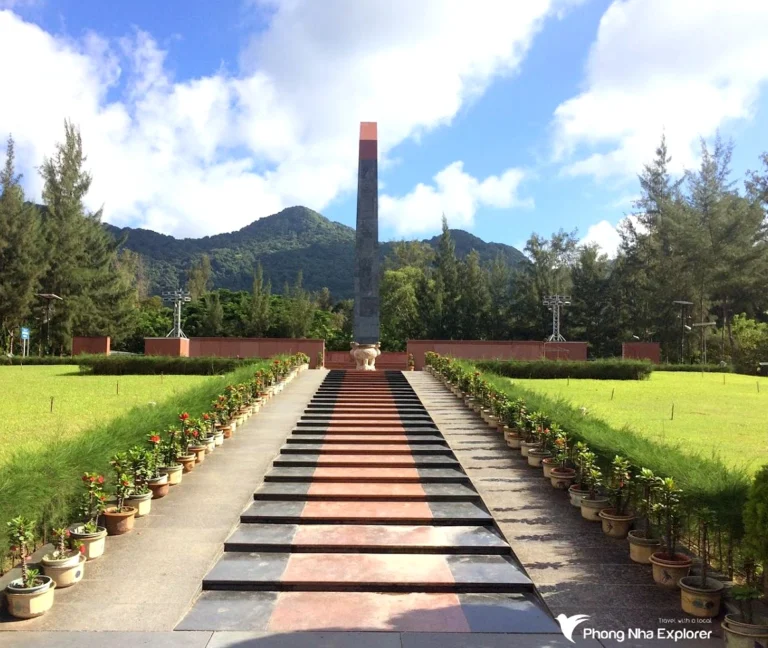
Arriving in Con Dao today, beyond the historical imprint of its former “hell on earth,” visitors encounter deeply moving, unforgettable experiences. Exploring the island is far more than a conventional vacation—it is a quiet, reflective pause for the soul as you come face-to-face with the nation’s heroic yet tragic history. Initial awe quickly gives way to profound emotion when standing before preserved sites such as Phu Hai Prison, the Tiger Cages, and the Hang Duong Memorial. As dusk falls and temple bells echo across Hang Duong Cemetery—the final resting place of tens of thousands of revolutionary fighters—visitors are filled with reverence, solemnity, and boundless gratitude for the sacrifices made for today’s independence and freedom.
Stepping away from those poignant chapters of history, Con Dao’s natural world opens into a vast, pristine wilderness that awakens every sense. Boat excursions skimming across the waves to nearby islets like Hon Tai, Hon Tre, or Bai Canh offer pure relaxation, revealing crystal-clear waters teeming with vibrant, multicolored coral reefs. For travelers who love physical adventure, trekking through shaded primeval forests to the sound of birdsong and ocean winds sweeping across granite cliffs offers a poetic challenge. From high mountain peaks, panoramic views unfold across the entire archipelago, where ribbons of powdery white sand curve gracefully around the deep blue sea.
Local island culture also radiates a quiet vitality, captivating visitors through its spiritual traditions and rich coastal cuisine. A deeply meaningful experience is paying respects and lighting incense at the grave of People’s Armed Forces Heroine Vo Thi Sau at midnight—a cherished spiritual ritual believed to bring peace and steadfast faith in good fortune. After a full day of exploration, Con Dao’s culinary specialties are sure to delight any discerning palate: sweet, freshly caught deep-sea seafood, the island’s renowned steamed red grouper, and the rich, nutty aroma of candied tropical almond seeds (mut hat bang)—a rustic local delicacy infused with the authentic essence of the pearl island. Whether touching living history, taking in sweeping landscapes, or savoring local flavors, every moment in Con Dao weaves together into an unforgettable journey.
Visiting the Con Dao Prison National Special Relic Complex is both a journey into a heroic past and a deeply spiritual pilgrimage honoring national heroes. To ensure a smooth and meaningful visit, knowing practical details regarding timing, admission fees, transportation, and site etiquette is essential.
As for the best time of year to visit, Con Dao has two distinct monsoon seasons. The dry season, from October to April, offers ideal travel conditions with calm seas and golden sunshine, making it best for boat trips and outdoor sightseeing. Conversely, from May to September, despite occasional brief rain showers, the sheltered bays remain remarkably calm, lending the island a tranquil, contemplative charm of its own.
The Con Dao Prison complex encompasses several key sites, including Phu Hai Camp, Phu Tuong Camp (Tiger Cages), Pier 914, and Hang Duong Cemetery. Most museum and prison sites welcome visitors daily during set hours from morning to late afternoon (typically 7:30 AM to 11:30 AM and 1:30 PM to 5:00 PM). Hang Duong Cemetery, however, remains open around the clock so visitors and local citizens can offer incense and pay tribute to fallen heroes at any hour of the day or night.
Regarding admission fees, the site management board sets very affordable ticket prices for the prison sites (around 40,000 to 50,000 VND per person). Visitors should purchase a combined pass or keep their ticket stubs when moving between different sub-sites within the complex. Entry to Hang Duong Cemetery and the memorial areas is completely free, though visitors are advised to prepare offerings and incense in advance from the town center for a more solemn tribute.
Getting to the historical sites from Con Dao town center is straightforward and convenient. You can rent a motorbike to explore the scenic coastal roads at your own pace, or opt for an electric buggy or taxi if traveling in a larger group or with older family members. The short routes, lined with lush trees and opening onto sweeping ocean views, make every mile a pleasure.
Finally, when entering these sacred grounds, visitors must observe strict dress codes: wear modest, respectful attire with long trousers or knee-length skirts to show reverence. Comfortable sneakers or flat shoes are recommended, as the complex spans a wide area with numerous steps and narrow walkways. Please maintain cleanliness, speak softly, and uphold a respectful demeanor, honoring the fact that every inch of Con Dao bears the sacrifice of past generations.
To enjoy a seamless getaway and fully experience the beauty of Con Dao Prison without worrying about arranging transportation, admission tickets, or itineraries, travelers can choose VDS Travel’s premium all-inclusive Con Dao tour packages. Every itinerary is thoughtfully timed so you can capture iconic photo spots at their most radiant, accompanied by knowledgeable local guides and top-tier hotel and dining standards.