Set within the poignant and sacred coordinates of the Con Dao archipelago, Hang Duong Cemetery stands tall as an enduring testament to the indomitable will of the Vietnamese people. Geographically, the Con Lon archipelago rises out of the East Sea like an outpost fortress, where surging ocean currents meet the winds and waves of the open sea. Amid that vast and rugged expanse, the Hang Duong historical site sits on a gently sloping strip of sandy, marine-alluvial land, backed by towering ancient granite mountains that shield it from the wind and facing out toward the boundless ocean. This “mountain-backed, sea-facing” terrain—deeply rooted in Eastern feng shui philosophy—not only creates a tranquil, sacred landscape, but also embraces the heroic spirits of tens of thousands of revolutionary fighters who fell inside imperial prisons. The origin of the name “Hang Duong” (Rows of Casuarina Trees) is closely tied to the area’s natural ecology and the turbulent history of land reclamation and imprisonment. In the early days, when French colonialists officially imposed their rule on Con Dao in 1862 and turned the island into a “hell on earth,” burying political prisoners who died from hard labor, torture, and disease became an urgent issue for the authorities. A stretch of coastal land blanketed in wild rows of storm-hardy casuarina trees (phi lao) was chosen as the burial ground for the fallen fighters. Beneath the canopy that whispered a mournful ocean song year-round, tens of thousands of graves began as unmarked mass burial pits under the strict grip of the Prison Warden’s Office. Through the sweep of history—from the feudal era and the resistance against French colonialism to the American imperial period and the Republic of Vietnam regime—this site transformed from a dumping ground of atrocities into Con Dao’s largest national cemetery, preserving the integrity and heroic spirit of generations of forebears. The earth and sky of Hang Duong are steeped in the blood, bones, and proud sacrifice of iconic predecessors alongside tens of thousands of Vietnam’s finest sons and daughters from every corner of the nation. It is the eternal resting place of Comrade Le Hong Phong, General Secretary of the Central Committee of the Indochinese Communist Party; the eminent patriot Nguyen An Ninh; the steadfast revolutionary Ho Van Nga; and countless fighters from the Can Vuong movement, the Tonkin Free School (Dong Kinh Nghia Thuc), and the Vietnamese Nationalist Party (Viet Nam Quoc Dan Dang) to the National Liberation Front of South Vietnam. Every inch of soil here is a living page of history written in flesh and blood, bearing witness to a spiritual strength that triumphed over the enemy’s most brutal tortures. From the perspectives of heritage studies and human geography, monument management agencies as well as domestic and international journalists and archaeologists recognize Hang Duong as a one-of-a-kind “living museum.” Its geology blends ancient marine sand deposits with a primeval casuarina forest ecosystem, creating a distinctive microclimate: imbued with the briny tang of the sea alongside the solemn stillness of sacred ground. Today, transcending its role as a memorial space, Hang Duong has become one of Vietnam’s premier spiritual and cultural heritage pilgrimage destinations. It not only educates future generations in patriotic traditions, but also radiates noble humanitarian beauty, affirming the resilient vitality of the nation’s sacred spirit amid the windswept ocean.
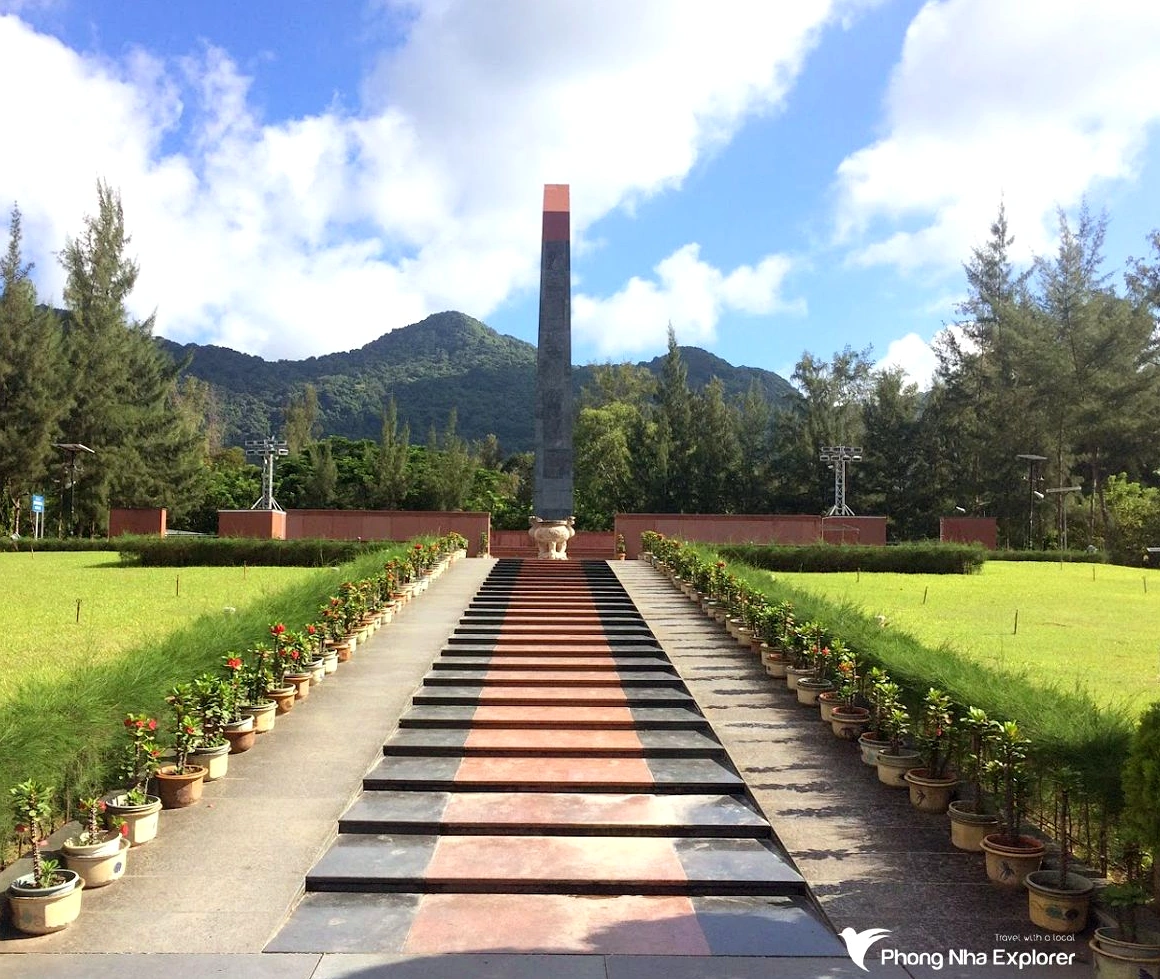
Nestled in the heart of the windswept Con Dao archipelago, Hang Duong Cemetery is more than a sacred historical landmark preserving the nation’s heroic memories; today, it also emerges as a landscape masterpiece harmoniously blending wide-open nature with monumental memorial architecture. Spanning dozens of hectares, the grounds are thoughtfully laid out while retaining their inherent solemnity and quietude. From the very first step through the gate, visitors immediately feel the singular communion of Con Dao’s earth and sky through ancient casuarina trees standing guard against the waves, their leaves rustling year-round like an immortal epic honoring past generations.
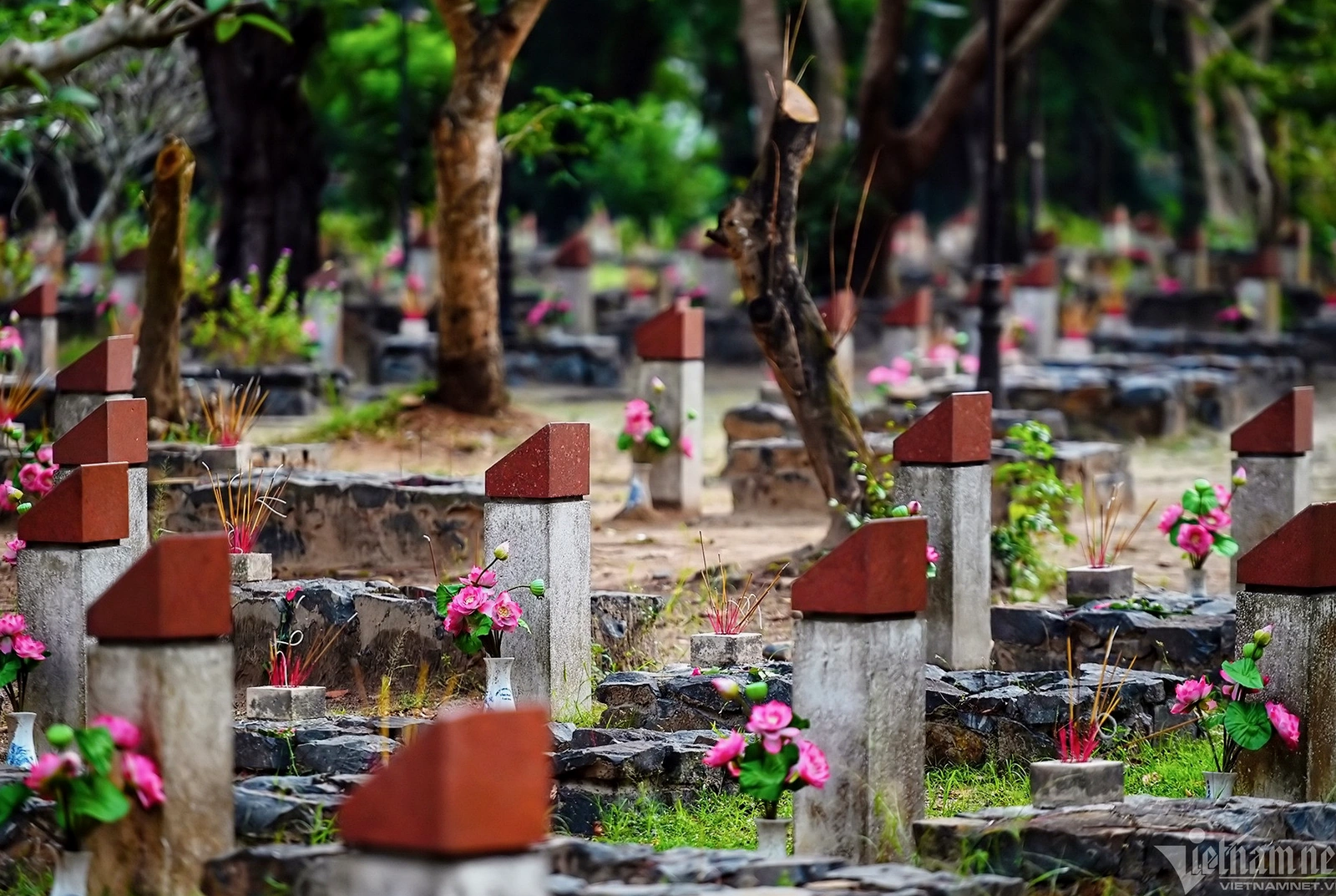
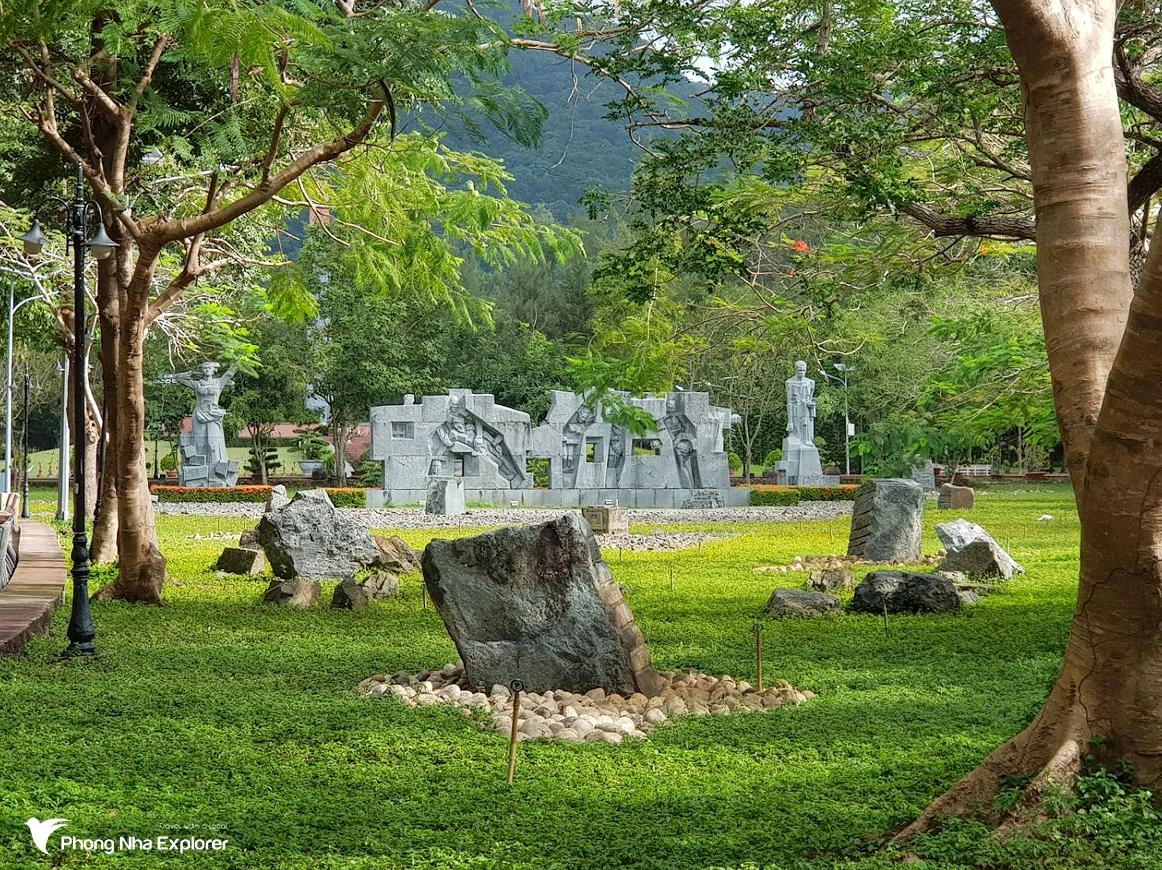
Venturing deeper inside, the architecture and sculpture at Hang Duong Cemetery showcase remarkable refinement through design lines rich in historical symbolism. The central area is anchored by the main memorial monument—a towering, majestic structure defined by crisp angular lines softened by intricate bas-relief carvings that recount the resilient struggle of revolutionary fighters. Tens of thousands of graves are arranged in neat, uniform plots that never feel cold, thanks to the meticulous care of the caretakers who tend the site. Carefully selected granite and marble headstones—inscribed either with names or the deeply moving words “Vo danh” (Unknown)—peek out beneath the lush green canopy of rich tropical flora, forming a unique geomantic setting that gathers vital energy and faces the sea to welcome the sacred essence of heaven and earth.
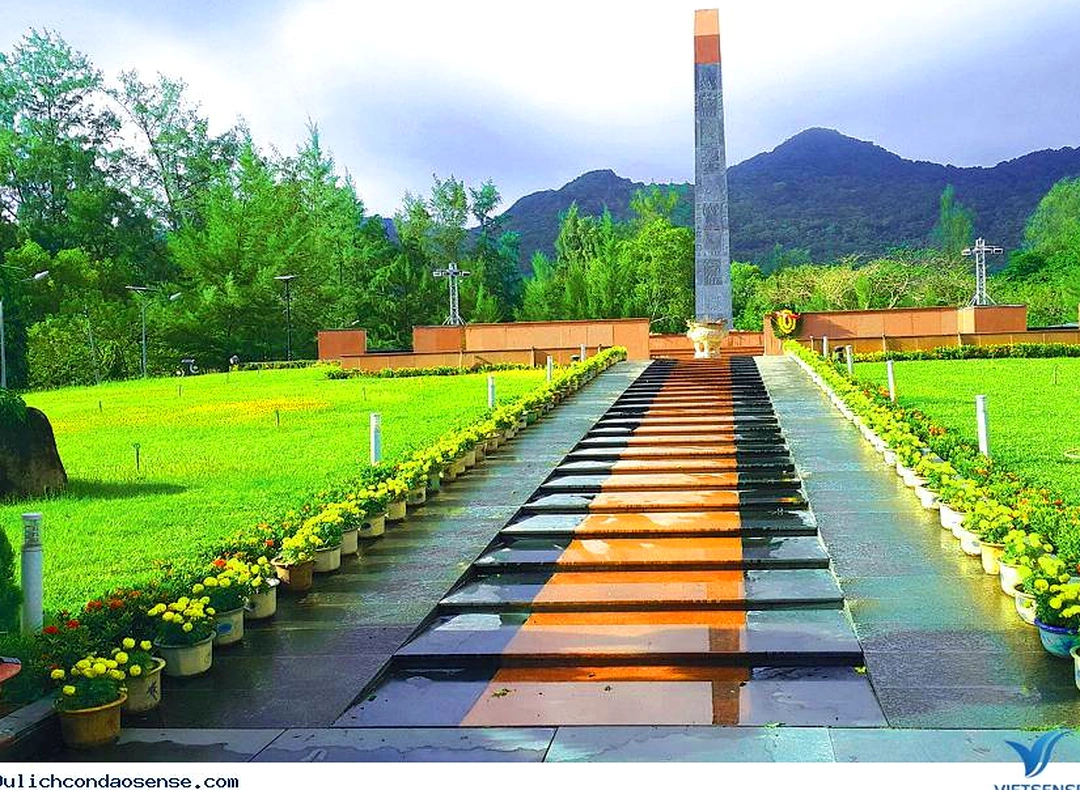
For photographers and travelers drawn to contemplative beauty, Hang Duong Cemetery offers breathtaking photo spots of rare aesthetic and emotional depth. The first vantage point, highly prized by professional photographers, lies along the main avenue leading to the tombs of late General Secretary Le Hong Phong and patriot Nguyen An Ninh. The ideal time to capture this frame is early morning, when the first rays of dawn filter through the branches of ancient casuarinas, creating an ethereal play of light and shadow as a delicate mist drapes the rows of headstones in absolute peace and reverence.
The second photo spot is situated around the central memorial monument, framed by sweeping views of the surrounding greenery. Sunset is the “golden” hour for photographers seeking images with rich artistic depth. As the sun dips below the horizon, Con Dao’s sky ignites in vivid shades of orange and rose, casting long shadows of tree canopies and the monument across the ground to compose a nostalgic tableau that is both poignant and poetic. These angles not only yield striking architectural and landscape photographs, but also convey the unbroken historical current and undying spirit of a Special National Monument.
Arriving in Con Dao, exploring Hang Duong Cemetery is far more than an ordinary sightseeing trip—it is a deeply moving, sacred pilgrimage to the nation’s roots. Before stepping into the hushed grounds of the cemetery, travelers often journey along the archipelago’s remarkable natural routes. Small boats glide across jade-green waters, carrying you over the waves to take in the untamed, majestic beauty of Vietnam’s southern sea and sky. On certain mornings, testing yourself along gentle hillside trails beneath the cool shade of primeval forest canopies brings an invigorating sense of renewal, immersing you completely in the crisp, open air of the homeland’s islands.
Yet the most overwhelming and profound emotions truly wash over you the moment you step inside Hang Duong Cemetery as night falls or in the quiet hush of dawn. Amid the vast expanse swept by sea breezes, tens of thousands of graves rest silently beneath whispering casuarinas singing an immortal anthem across time. The flickering, ethereal glow of candles rising from the tombs deepens the sense of sanctity and mystery. Standing before the imposing memorial monument, lighting fragrant sticks of incense for the fallen heroes and steadfast patriots—such as late General Secretary Le Hong Phong, cultural figure Nguyen An Ninh, and the heroic daughter of the Red Earth, Vo Thi Sau—a wave of choked emotion swells in the chest. The gentle murmur of ocean waves mingling with the resonant toll of temple bells creates a deeply spiritual harmony that cleanses the soul and deepens one’s appreciation for the true cost of today’s independence, freedom, and peace.
Concluding this reflective pilgrimage, visitors can balance their emotions through vibrant, authentic local cultural experiences right in Con Dao town. From admiring panoramic views of the peaceful town from above to strolling through the lively local market filled with warm chatter, you will feel the genuine, unpretentious, yet resilient rhythm of island life. Be sure to sample renowned local specialties that define Con Dao’s culinary identity, such as freshly caught mackerel grilled with chili salt bursting with ocean flavor, crisp and intriguing shark salad, or steamed moon snails with fragrant lemongrass and natural sweetness. Every local dish and everyday moment blends seamlessly with the sacred aura of Hang Duong, weaving a multidimensional experience etched forever into the memory of anyone who visits this historic land.
Hang Duong Cemetery is a uniquely sacred spiritual site that draws countless Vietnamese citizens and visitors from across the country whenever they set foot on the Con Dao archipelago. To ensure your tribute to the fallen heroes is meaningful, respectful, and seamless, knowing practical details regarding visiting hours, transportation, and etiquette is essential.
Regarding opening hours, Hang Duong Cemetery welcomes visitors and incense offerings every day of the week, including public holidays and Tet (Lunar New Year). A distinctive feature of this historical site is that it stays open both day and night, becoming especially bustling from dusk until midnight, when visitors traditionally come to pay respects at the grave of Vo Thi Sau and the heroic martyrs. Currently, the site’s management board charges no admission fee and requires no entrance tickets, making it accessible for everyone wishing to express their reverence.
To reach Con Dao, travelers can fly from major cities or take a high-speed ferry departing from mainland ports such as Soc Trang or Vung Tau. Once in the center of Con Dao town, getting to Hang Duong Cemetery is effortless, as it is only a few kilometers away. The most convenient way to explore on your own schedule is to rent a motorbike or electric bicycle to ride around town, though taxis are also readily available if you are traveling in a larger group or with elderly family members.
The best time of year to visit Con Dao in general—and Hang Duong in particular—is from March to September. This is the dry season, characterized by calmer seas and sunny weather ideal for sea crossings and outdoor exploration. However, if you prefer quieter surroundings and want to experience the crisp, cool night air during an evening cemetery visit, the final months of the year are also a rewarding choice.
Because it is a sacred national site of reverence, visitors to Hang Duong Cemetery must strictly observe dress code guidelines. Wear modest, respectful clothing that covers the knees, avoiding anything overly short or revealing. For footwear, opt for flat, comfortable shoes, as the cemetery grounds are expansive and involve considerable walking. Visitors should also keep the premises clean, speak softly, silence mobile phones, and refrain from moving any ritual items placed on or around the graves.
To enjoy a seamless getaway and experience the full beauty of Hang Duong Cemetery without worrying about transportation, tickets, or itinerary planning, travelers can choose VDS Travel’s premium all-inclusive Con Dao tour packages. Each itinerary is thoughtfully timed for visits when the scenery is at its most captivating, accompanied by knowledgeable guides well-versed in local culture alongside top-tier hotel and dining standards.