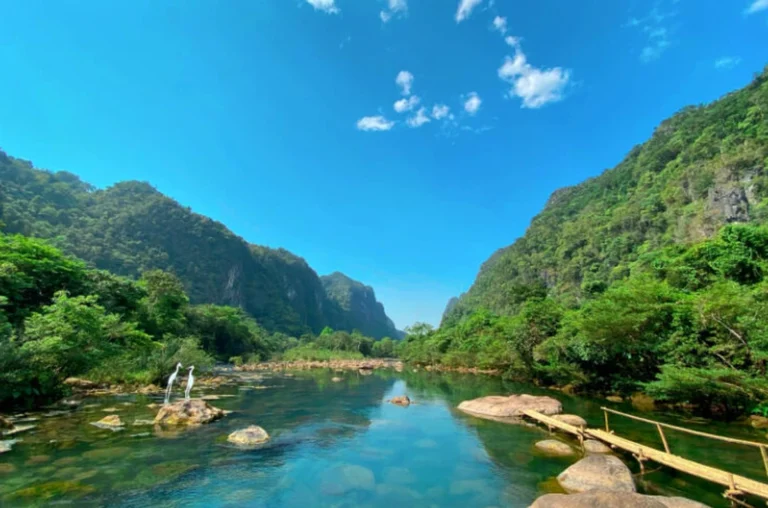
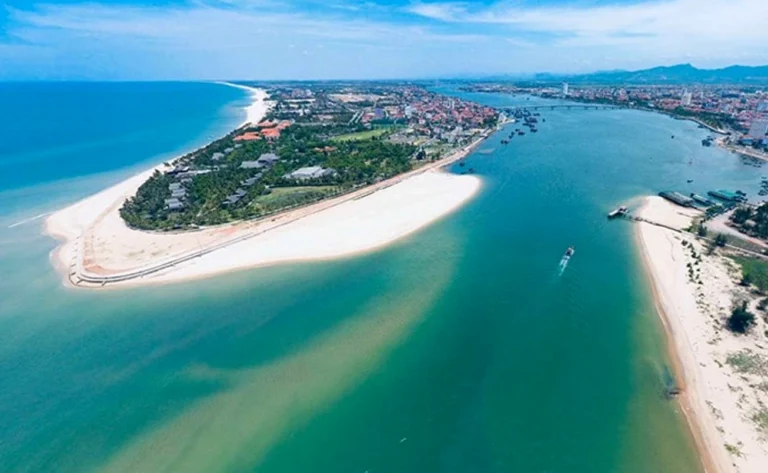
Nestled deep within the majestic Ke Bang limestone massif in Bo Trach District, Quang Binh Province, Phong Nha Cave stands as an unparalleled natural wonder where globally significant geological and geomorphological values converge with the rich layers of Vietnamese history and culture. Boasting unique geographical coordinates and the oldest karst structure in Asia—formed hundreds of millions of years ago—this scenic landmark is far more than a magnificent river cave; it is a living natural museum preserving primordial imprints of the Earth. Viewed through the lens of traditional feng shui, the landscape resembles a classic ink-wash painting of mountains and waters, where the emerald Son River winds gracefully through overlapping mountain ranges to embrace the cave entrance, creating a sacred, mystical, and deeply poetic setting.
Looking into the origin of its name and historical depth, “Phong Nha” carries remarkable visual and semantic beauty. According to Sino-Nom records and ancient geographical treatises, its original Chinese character name was recorded as “Phong Nha Dong,” symbolizing the image of “wind blowing through teeth”—a poetic description of the whispering breeze passing through stalagmites and stalactites arranged like giant natural teeth. Across the sweeping tides of national history—from prehistoric times with traces of early human habitation belonging to the Hoa Binh – Bac Son culture, through the Ly, Tran, and Le dynasties, down to the Nguyen Dynasty—Phong Nha Cave has consistently held a vital place in the Vietnamese consciousness. It once served as a strategic frontier and a silent witness to the rise and fall of Dang Trong (Inner Realm) and Dai Viet.
The historical significance of Phong Nha Cave was further cemented through official chronicles and recognition by feudal royal courts. As early as the 16th century, renowned cultural scholar Duong Van An, in his famous work O Chau Can Luc (1553), pioneered vivid descriptions of the terrain, the grandeur of the Ke Bang mountains and forests, and the cave systems of Quang Binh. By the 19th century, under the Nguyen Dynasty, the site’s prestige was elevated to that of a national treasure when Emperor Minh Mang ordered the image and name of Phong Nha Cave engraved onto Cao Dinh—one of the Nine Sacred Dynastic Urns placed at The Mieu Temple inside the Hue Imperial Citadel in 1835. This historic milestone stands as compelling proof that Phong Nha has long been revered as an iconic landscape and an enduring symbol of Dai Nam’s magnificent territory.
Entering the modern era, the legendary realm of Phong Nha became intertwined once more with heroic chapters of national history, notably the late-19th-century Can Vuong movement led by Ton That Thuyet and the young emperor. The seamless fusion of nature’s awe-inspiring artistry and human resilience across centuries has transformed Phong Nha into a dual-heritage space, where world-class geological and geomorphological value is enriched and elevated by Vietnam’s cultural and historical depth. Today, through the eyes of international researchers and travel journalists, Phong Nha retains its pristine, majestic, and contemplative beauty, standing proud in the heart of central Vietnam’s heritage belt as an enduring testament to time.
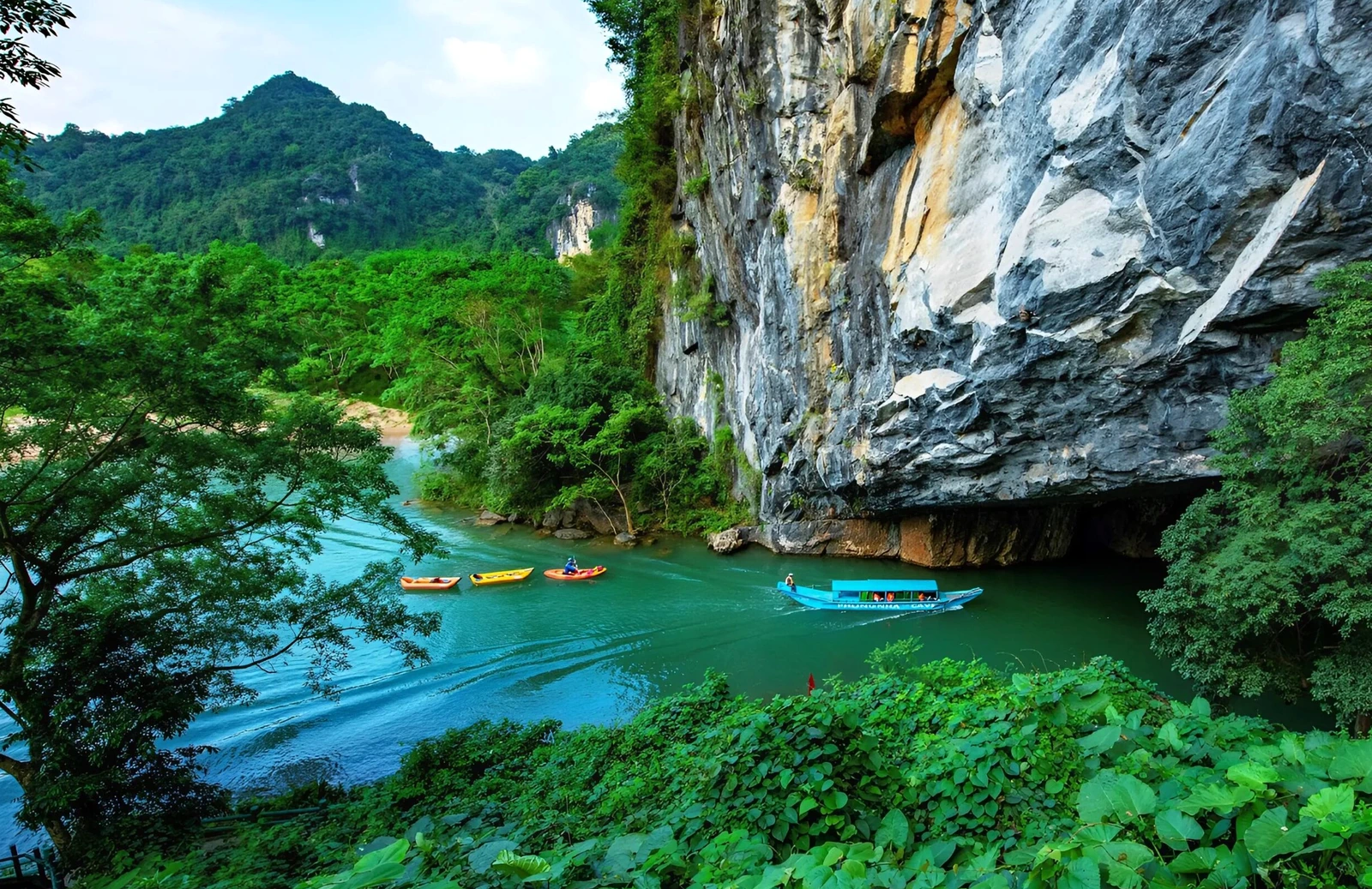
Dubbed “Thien Nam De Nhat Dong” (The First Cave of the Southern Sky), Phong Nha Cave emerges as a breathtaking aquatic cave marvel bestowed by nature upon central Vietnam. Over millions of years of tectonic and geological evolution, the Phong Nha – Ke Bang limestone massif has sculpted a colossal subterranean realm where an underground river snakes straight through the heart of the mountains amid countless intricate rock formations. Stepping into the cave mouth, visitors immediately feel an abrupt shift in space and time; cool, misty air drifts out from the cavern depths as if washing away worldly dust, opening the portal to a realm entirely detached from the outside world. The scenery captivates not merely by its monumental scale, but also through the astonishing precision of every architectural detail chiseled by natural geological forces.
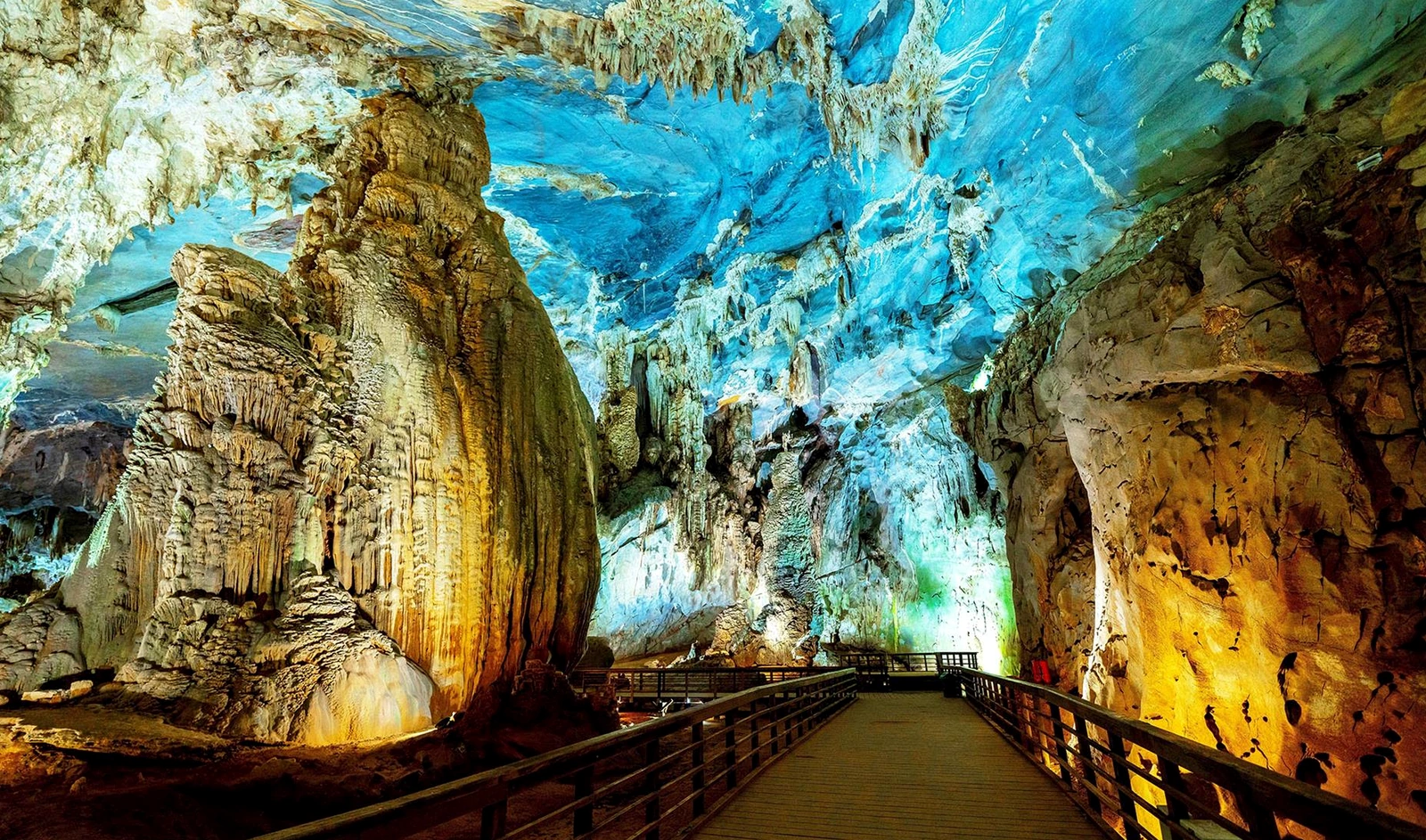
The speleothem system inside Phong Nha Cave represents the pinnacle of natural sculpture, divided into dry caverns and wet passages, each displaying distinct architectural characteristics. Inside Co Tien (Fairy) Grotto and Cung Dinh (Royal Court) Grotto, shimmering silver-hued stalactites hang from soaring vaulted ceilings, resembling gigantic stone bells or the tiered pagodas of an opulent underground palace. When illuminated, tens of thousands of calcium carbonate crystals refract light like scattered diamonds, creating an enchanting visual spectacle. Meanwhile, the subterranean river glides silently for kilometers through the cave’s interior like a deep-jade silk ribbon, mirroring the undulating stone arches overhead to compose a dramatic and awe-inspiring natural tableau.
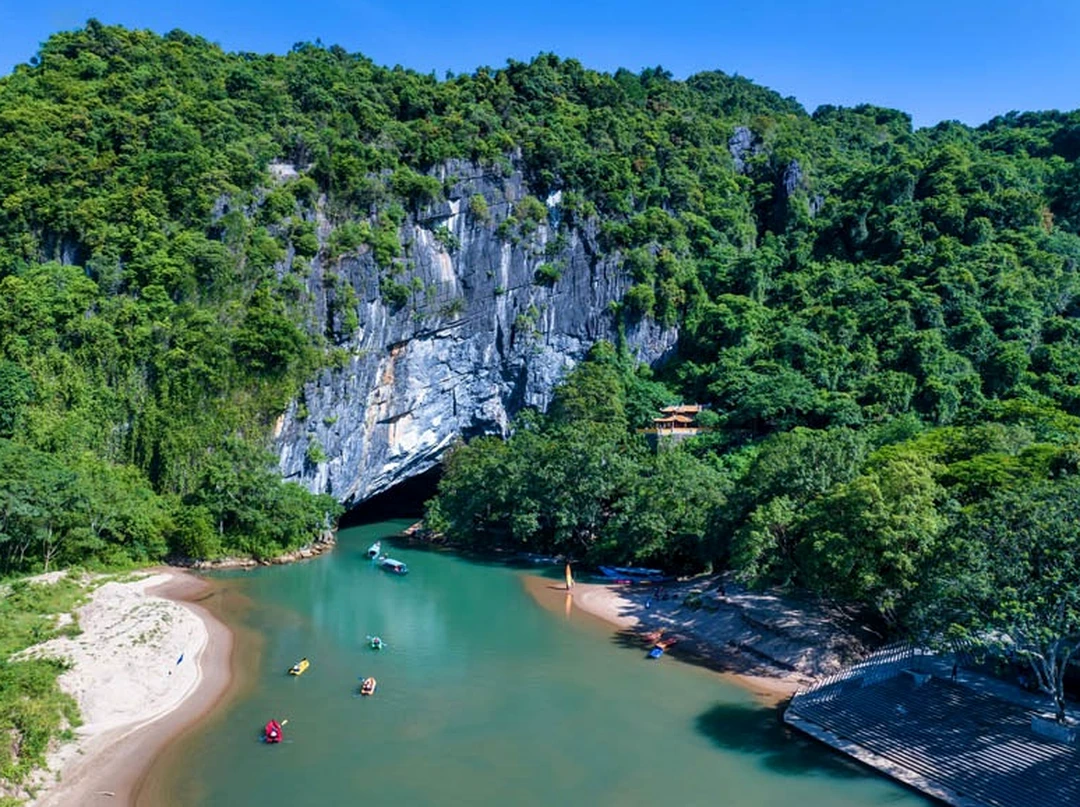
To capture the most prized photographs at this natural wonder, professional photographers and travel journalists frequently recommend two unmissable “million-view” vantage points. The first is located right at the entrance of the water cave, where natural daylight blends seamlessly with the mysterious shadows of the cavern interior. The ideal window for photography here is between 9:00 AM and 10:00 AM, when slanting sunbeams pierce through the cave arch directly onto the crystal-clear water, illuminating the graceful silhouettes of traditional wooden boats drifting below and the ancient, moss-draped rock archways. The second spot lies deep inside Bi Kich Grotto or the central dry cave chamber, where massive stalactite formations pair with artistic lighting to accentuate spatial depth. As dusk falls outside, the cave interior grows even more serene and ethereal, lending profound emotional depth to dramatic, mystical fine-art photographs.
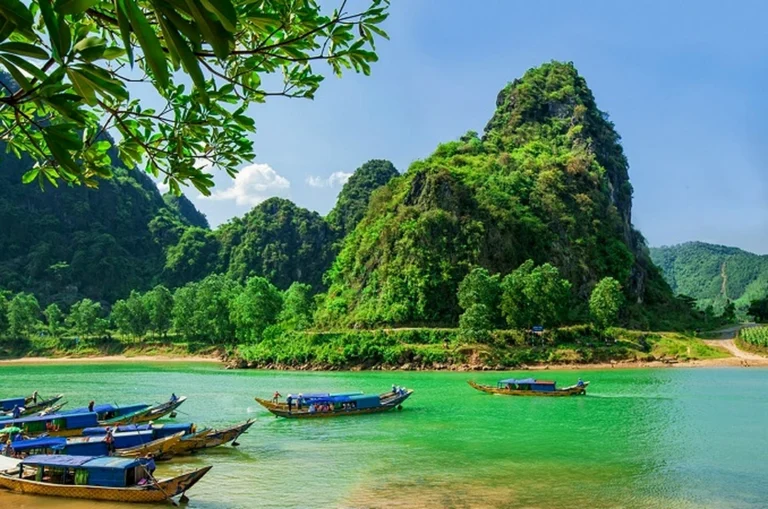
Stepping into Phong Nha Cave takes every traveler on a remarkable emotional arc, evolving from initial excitement to sheer awe before a World Natural Wonder. The journey begins at the traditional boat pier along the jade-green Son River. Seated aboard a wooden sampan or motorboat gliding upstream, visitors feel everyday worries melt away, leaving behind the hustle and bustle of urban life. Both riverbanks unfold like an idyllic landscape painting dotted with peaceful villages and lush bamboo groves peeking out beneath undulating, dragon-shaped limestone peaks. The rhythmic dip of oars, the rustle of mountain breezes through foliage, and the crisp highland air instill a rare sense of tranquility and peace.
As the boat draws close to the cave entrance, an entirely different universe unfolds, marking a dramatic transition from brilliant sunlight into a hushed, mystical, and enigmatic sanctuary. The very first sensation enveloping travelers is a rush of cool air exhaled from the cave depths, instantly dispelling the central Vietnamese heat. As the boat drifts slowly deeper inside, reflected lights bring a kaleidoscopic array of stalactites and stalagmites to life. Shaped painstakingly by nature over millions of years, these mineral formations cascade downward like strands of diamonds. Visitors cannot help but marvel at natural masterpieces such as Bi Ky Grotto, Tien Grotto, and Cung Dinh Grotto, featuring towering stone pillars and fluid, delicate contours carved as if by divine hands. The profound silence of the cavern, broken only by the steady echo of dripping water, leaves one feeling humble yet deeply reverent before the power of creation.
Beyond its visual grandeur, the Phong Nha experience touches deep spiritual and indigenous cultural roots through the contemplation of historical relics. Pausing at Bi Ky Grotto, which preserves ancient Cham inscriptions dating back centuries, travelers feel as though they are touching a thousand-year stream of history. This intersection between sacred ancient heritage and geological marvel creates a moment of quiet introspection, reminding every visitor of the enduring value of heritage conservation.
Emerging from the cool cave interior, the adventure continues to soar with trekking trails winding through the primeval Ke Bang forest, where travelers can gaze out over endless emerald canopies from above, breathe in pure mountain air, and listen to the symphony of forest birds. Rounding out an energizing day of discovery is the chance to gather and savor the renowned culinary specialties of Quang Binh. The rich, sweet flavor of Son River grass carp prepared into savory regional delicacies pairs wonderfully with steaming bowls of banh canh (thick noodle soup), sweet sun-dried sweet potatoes (khoai deo), and crispy brown-rice banh xeo dipped in bold, authentic fish sauce. Together, these flavors leave a lasting impression of a Phong Nha that is not only majestic and sacred, but also deeply hospitable and rich in human warmth.
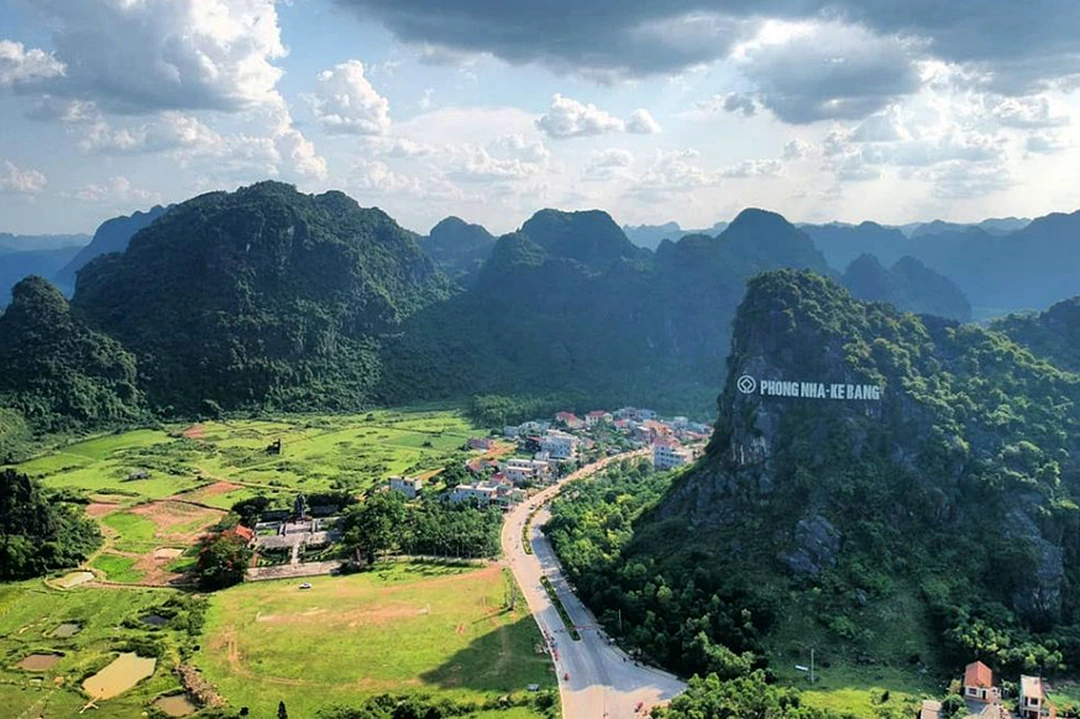
When visiting Phong Nha Cave on a journey to explore this World Natural Heritage site, travelers should keep essential details regarding opening hours, costs, and transportation routes in mind to ensure a smooth and fulfilling trip. This spectacular cave officially welcomes visitors daily from 7:30 AM to 4:30 PM throughout the week, including public holidays and Tet. The best time of year to visit Phong Nha is from March to August, when central Vietnam enjoys dry weather and bright golden sunshine, and the Son River maintains a calm, crystal-clear water level ideal for gliding by boat past shimmering formations inside the cavern.
Regarding transportation, departing from downtown Dong Hoi City, travelers can travel by motorbike, self-drive car, public bus, or private tourist transfer to reach the Phong Nha – Ke Bang Tourism Center (located in Phong Nha Town, Bo Trach District), approximately 45 kilometers to the northwest. The most scenic and convenient routes follow National Highway 1A before turning onto the Eastern Ho Chi Minh Trail, or traveling directly along National Highway 16. Both routes are newly upgraded with smooth asphalt, winding past tranquil countryside villages and lush green cornfields along the banks of the Son River—offering a visual feast for road-trippers and nature lovers alike.
The latest official admission ticket price for Phong Nha Cave is 150,000 VND per adult, while children under 1.3 meters tall enter completely free of charge. However, because accessing the cave requires traveling upstream along the Son River by traditional wooden boat or motorboat, visitors must also rent a passenger boat at the listed rate of approximately 550,000 VND per trip (carrying a maximum of 12 to 14 passengers, with the option to share a boat with other travelers to split costs). Overall, the total expense for exploring the cave remains remarkably reasonable and accessible for both domestic and international travelers.
When choosing attire for exploring Phong Nha Cave, opt for neat, breathable, sweat-wicking clothing paired with athletic shoes or hiking shoes with strong traction, as the stone walkways inside the cavern are often damp and slippery from moisture. Furthermore, because this natural wonder carries significant cultural, historical, and spiritual resonance, visitors should dress respectfully and modestly, avoiding overly short outfits when entering sacred areas. Bringing along a light jacket—as temperatures inside the cave typically sit 3 to 5 degrees Celsius cooler than outside—along with a small flashlight will make your exploration of Vietnam’s premier cave both seamless and safe.
To enjoy a worry-free getaway and experience the full splendor of Phong Nha Cave without the hassle of arranging transportation, booking entrance tickets, or planning itineraries, travelers can choose from VDS Travel’s premium all-inclusive Quang Binh tour packages. Every itinerary is thoughtfully timed to capture the scenery at its most radiant, accompanied by knowledgeable local guides and top-tier hotel accommodations and dining standards.