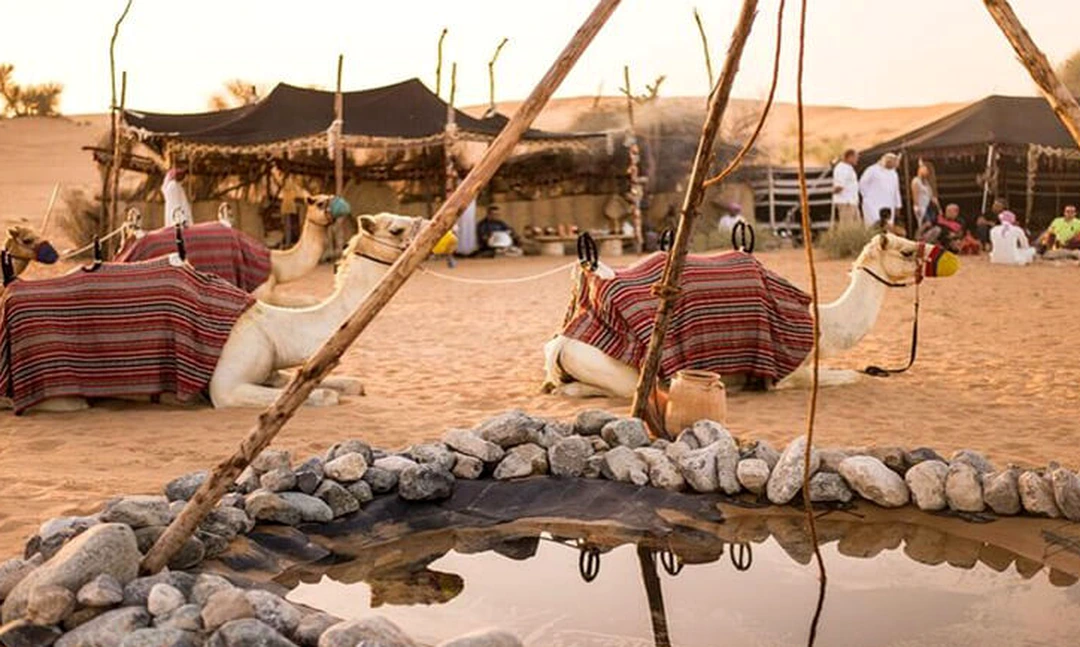
Before rising to become the ultimate emblem of luxury and futuristic architecture, the barren stretch of land along the Persian Gulf was a scorching expanse of sand where survival was bound to the arduous migrations of the Bedouin people. The historical identity of Abu Dhabi—the prosperous capital emirate—traces its roots to a poetic desert legend. In classical Arabic, the name Abu Dhabi literally translates to “Father of the Gazelle,” stemming from folklore recounting how hunters of the Bani Yas tribal confederation pursued a graceful Arabian gazelle across arid sand dunes. The miraculous trail of this creature led them to a precious freshwater spring hidden on a coastal island in 1761. Under the astute leadership of the Al Nahyan family, that life-giving well swiftly became a permanent settlement, beginning with a humble coastal coral watchtower that later evolved into the legendary Qasr Al Hosn fort, sheltering resilient fishermen and pearl divers through countless monsoon seasons.
Meanwhile, to the north, Dubai forged its core identity from the natural pulse of the Khor Dubai creek. Linguists and scholars of ancient Arabian history surmise that the name Dubai derives from “Daba,” evoking young locusts emerging from the desert sands after rainfall, or from a variation of “Dabba,” symbolizing gentle waters winding through a coastal inlet. While Abu Dhabi bore the character of an inland desert dynasty deeply rooted in the earth, the fateful turning point that propelled Dubai onto the stage of world history occurred in 1833. At that time, roughly eight hundred members of the Al Bu Falasah branch of the Bani Yas tribe, under the visionary leadership of the Al Maktoum family, left the Liwa Oasis to migrate toward the creek’s mouth. This historic split was far more than a shift in grazing grounds; it gave birth to a bold merchant dynasty where maritime outwardness and diplomatic ambition rapidly became core philosophies of survival.
That spirit of autonomy quickly transformed Dubai into a bustling entrepôt wholly distinct from the rest of the Arabian Peninsula. Rather than retreating under foreign protectorates or relying solely on the perilous fortunes of pearl diving, the ruling Al Maktoum family boldly enacted a “Free Port” policy, abolishing nearly all commercial tariffs and safeguarding harbor access for international merchant vessels. This forward-thinking open-door decree drew tens of thousands of Persian, Indian, and East African merchants across the sea aboard traditional teakwood dhow boats, turning both banks of Dubai Creek into a thriving hub for silk, spices, and precious stones. Even during periods when the natural pearl industry suffered severe collapse following the global emergence of cultured pearls, the liberal ethos of a maritime transshipment hub quietly tempered this land’s enduring resilience.
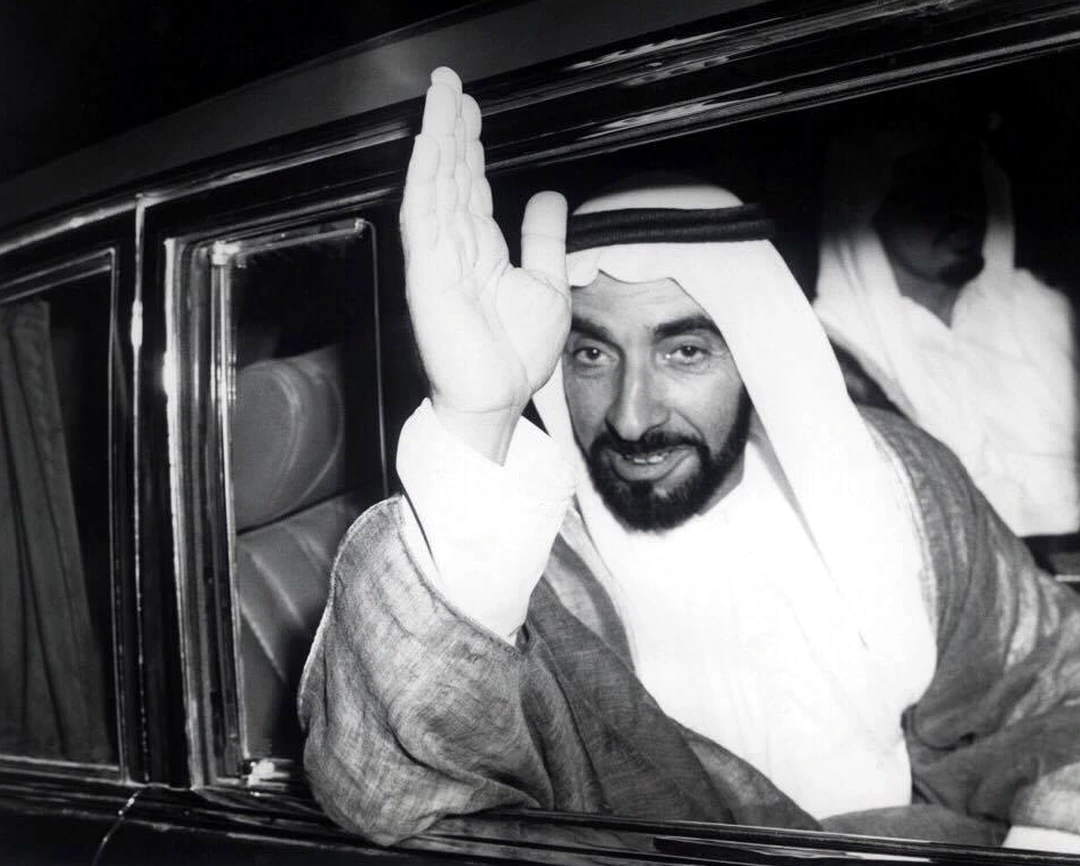
The winds of change truly erupted when vast oil reserves were discovered beneath the seabed and arid geological strata in the mid-twentieth century, upending the economic destiny of the Gulf region. Yet rather than fracturing their strength through local rivalries, the histories of these two lands converged at a pinnacle of statecraft and desert brotherhood. In 1971, guided by the grand vision and magnanimity of the late Sheikh Zayed bin Sultan Al Nahyan—supreme ruler of Abu Dhabi and Founding Father of the nation—alongside the steadfast consensus of Dubai’s Sheikh Rashid bin Saeed Al Maktoum, the emirates formally signed a historic treaty of union. The birth of the United Arab Emirates on December 2 of that year not only closed an era of sandy hardship, but ushered in one of the most miraculous transformations in human history, laying an unshakable foundation for the twin ascent of powerhouse capital Abu Dhabi and cosmopolitan metropolis Dubai today.
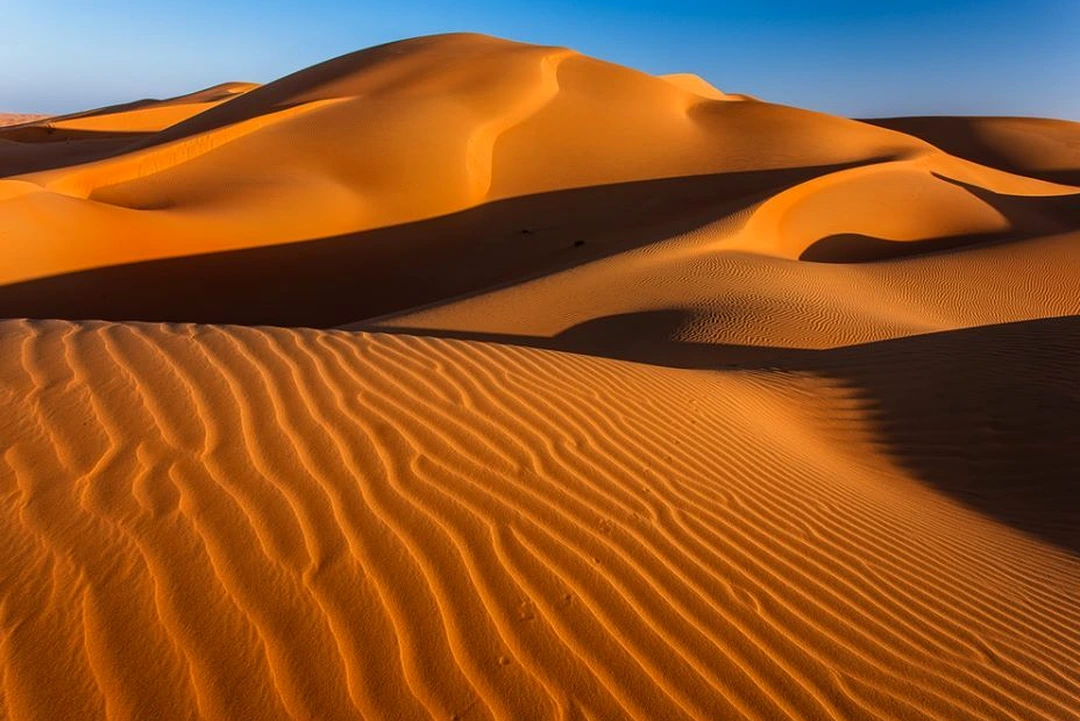
Situated on the northeastern edge of the Arabian Peninsula, the geography of Dubai and Abu Dhabi commands a dramatic natural setting where the boundary between the endless waters of the Persian Gulf and the vast Rub’ al Khali sand desert dissolves. Geomorphologically, the region is a complex interplay of coastal tidal flats blanketed in fine white quartz sand, low-lying mineral-rich salt plains known as sabkha formed over millennia of evaporation, and colossal red sand dunes rising hundreds of meters high in the interior desert. Viewed through the ancient geomantic lens of the Bedouin desert dwellers, this land rests against the boundless “Empty Quarter” for deep-seated protection while opening a sweeping frontage onto a sheltered gulf to welcome the vital energy of maritime trade. However, the harshness of an arid subtropical microclimate—where annual rainfall rarely exceeds 100mm—made this region one of the most grueling survival challenges humanity has ever faced.
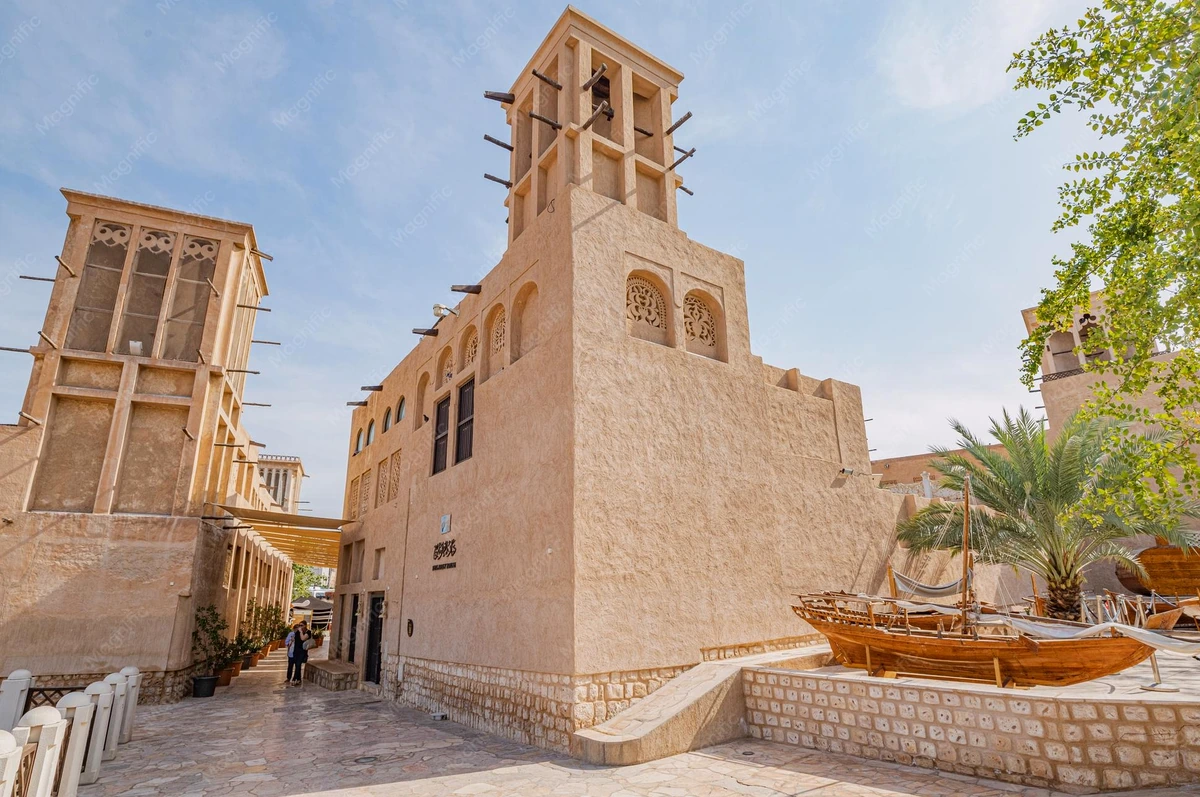
To conquer the scorching heat and thick coastal humidity of the summer solstice months, indigenous ancestors conceived a celebrated microclimatic heritage known as the Barjeel. These slender, geometric wind towers rise above the roofs of historic residences built from haswah coral stone, natural gypsum, and wild palm trunks in the Al Fahidi Historical Neighbourhood and along Dubai Creek. Operating as a pure passive air-conditioning system, the Barjeel features four hollow recesses open to the four cardinal directions, deftly capturing cool upper-level breezes and channeling them straight down into central living spaces through thermal convection. Stagnant hot air inside is forced upward and expelled by pressure differentials, lowering indoor temperatures by six to eight degrees Celsius without consuming a single drop of energy. This pinnacle of vernacular engineering stands not only as proof of ingenious adaptation, but also laid the philosophical groundwork for modern biomimetic architecture.
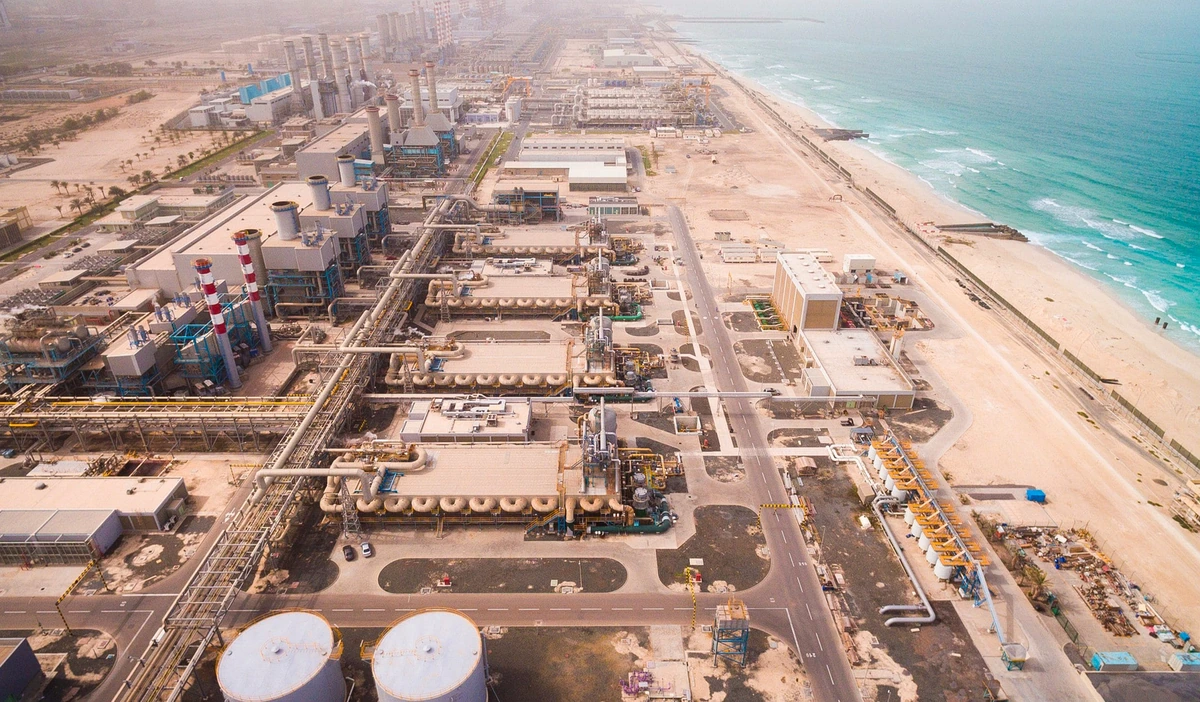
Entering the modern era, the rise of the metropolises of Dubai and Abu Dhabi from barren desert is an extraordinary epic of hydraulic engineering and global-scale geological intervention. As fossil groundwater aquifers beneath the earth steadily depleted, the very survival of the emirates was entrusted to mega-complexes for seawater desalination such as the Jebel Ali and Taweelah plants. Employing Multi-Stage Flash distillation (MSF) paired with high-pressure Seawater Reverse Osmosis (SWRO) membrane filtration, millions of cubic meters of briny seawater are converted daily into pure freshwater, sustaining millions of residents and powering iconic fountain displays. This water also serves as the lifeblood of high-tech desert agriculture, where automated subsurface drip irrigation and humidity-controlled greenhouse farming enable the intensive cultivation of high-grade produce atop saline sands and gravel.
The signature landscape planning of both emirates represents a daring union of artificial land sculpting and sustained ecological greening. Hundreds of millions of cubic meters of seabed sand were dredged using differential satellite positioning technology to construct monumental artificial archipelagos such as Palm Jumeirah, permanently reshaping the Middle Eastern coastline. Alongside these opulent island jewels, the governments of Abu Dhabi and Dubai launched massive afforestation campaigns, planting millions of deep-rooted, drought-tolerant Ghaf trees and fruit-laden date palms to anchor shifting dunes and curb desertification. Notably, Abu Dhabi’s Jubail Mangrove Park—with its lush ecosystem of green mangroves rising above turquoise waters—forms a miraculous biological filtration buffer, harmonizing the crisp edges of surreal architecture with the vibrant vitality of tropical nature.
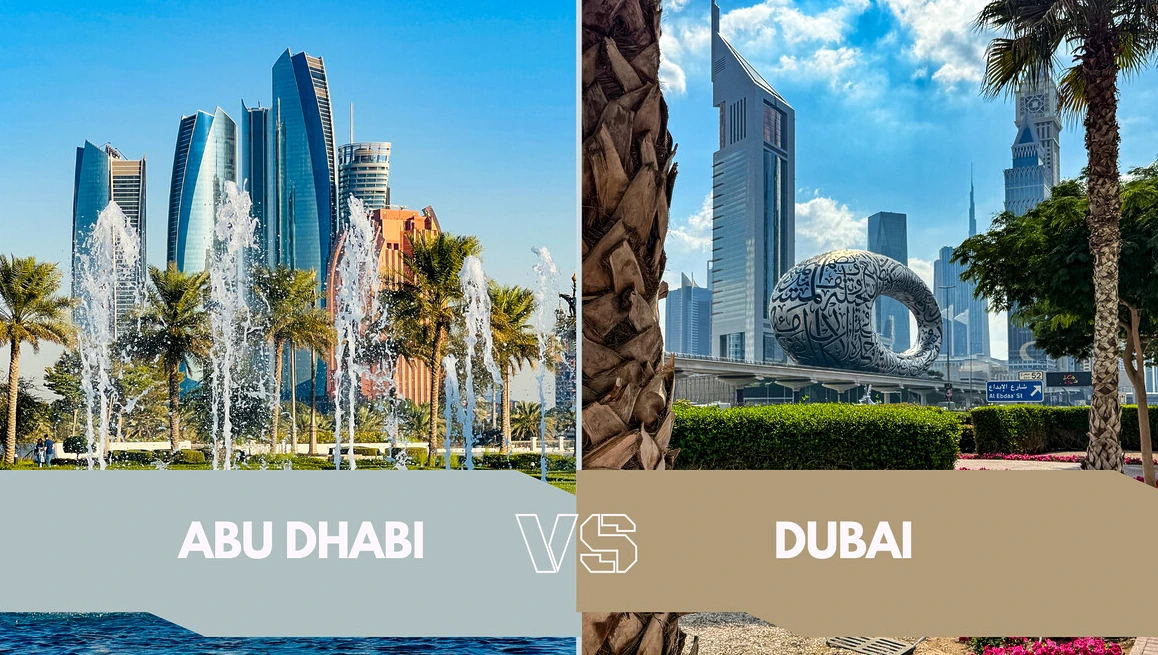
The United Arab Emirates inspires endless awe through its visual revolutions, where arid desert has been transformed into a grand boulevard of geometric wonders. While Dubai showcases humanity’s boundless ambition defying the laws of gravity, Abu Dhabi chooses to anchor the timeless majesty of Islamic civilization in standards of craftsmanship so intricate they verge on the surreal.
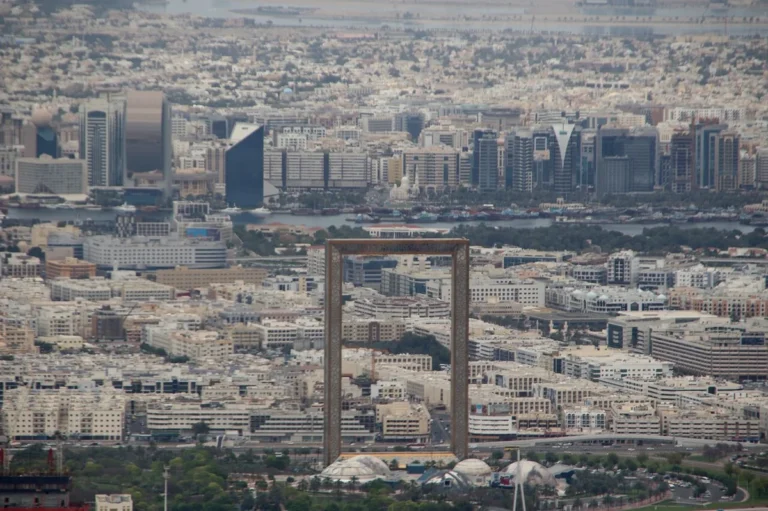
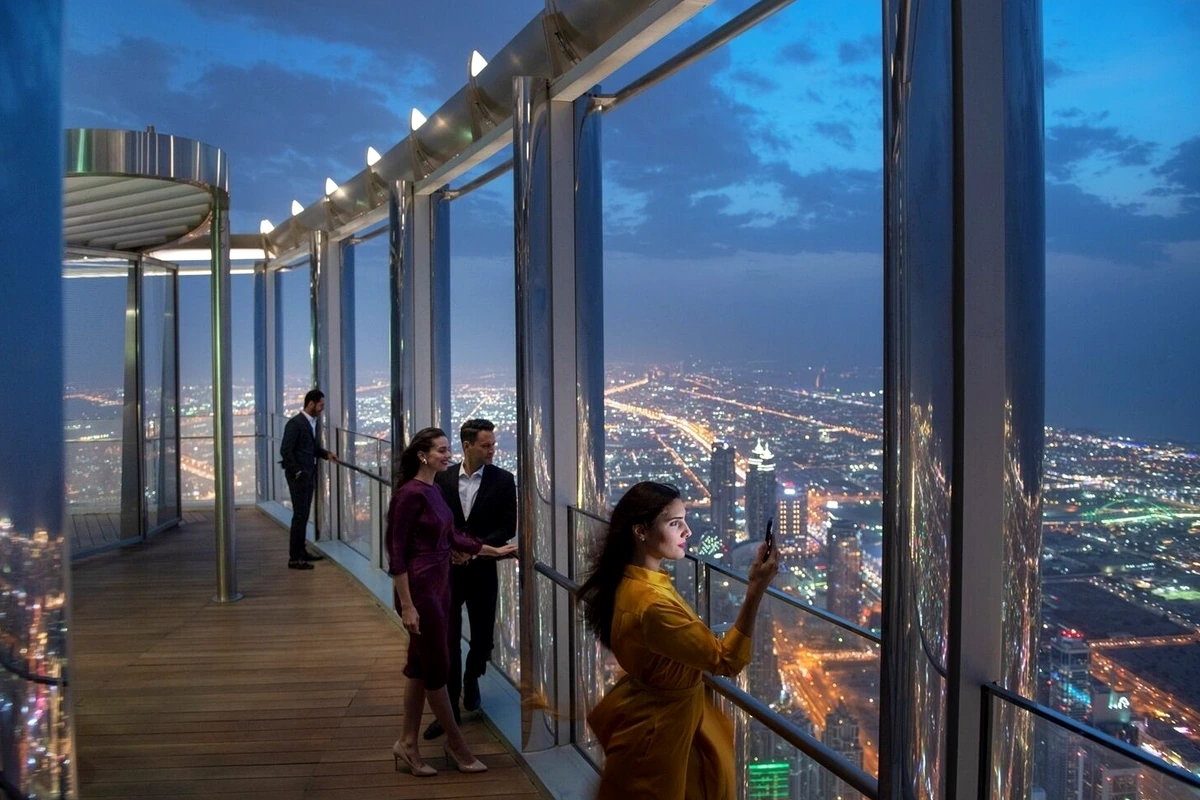
The zenith of futuristic engineering in Dubai is captured in the soaring silhouette of the Burj Khalifa. Crafted by renowned architect Adrian Smith of Skidmore, Owings & Merrill, the tower is far more than an inanimate monolith of metal and glass rising 828 meters across 163 floors. The building’s morphology draws inspiration from the desert flower Hymenocallis, commonly known as the native spider lily, featuring a symmetrical three-lobed layout arranged around a central axis. To bring this $1.5 billion design to life, engineers pioneered the groundbreaking “Buttressed Core” structural system in world construction history. The three extending wings act as mutually supporting buttresses, spiraling upward in stepped setbacks at varying heights to dissipate fierce desert stratospheric wind vortices. Its exterior skin is clad in more than twenty-six thousand heat-treated reflective glass panels capable of shifting hues with every passing moment of light—from radiant gold at dawn to mystical violet as night falls.
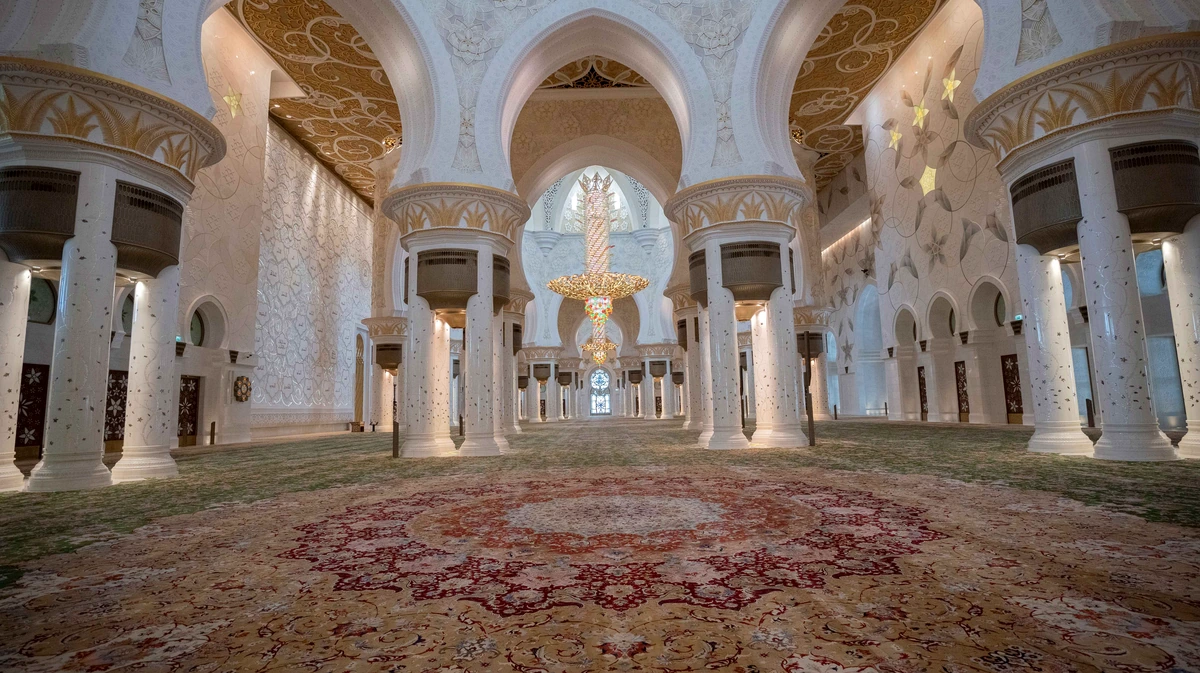
Traveling south to the capital of Abu Dhabi, admirers step into a realm of profound serenity and overwhelming grandeur at the Sheikh Zayed Grand Mosque. In contrast to Dubai’s kinetic rhythm, this monument is a flawless synthesis of three classical Islamic artistic traditions: the stately structure of the Mamluk dynasty, the graceful lines of Ottoman architecture, and the aesthetic carving artistry of the Fatimid era. The entire complex is clad in the purest Sivec white marble quarried from ancient mines in North Macedonia, keeping the mosque’s surfaces cool to the touch and perpetually luminous beneath the blazing Middle Eastern sun. Punctuating the skyline are 82 magnificent domes of varying sizes, creating a gentle undulating rhythm reminiscent of desert sand dunes.
Crossing the expansive courtyard paved with intricate Pietra Dura floral marble mosaics, the main prayer hall reveals an unprecedented marvel of artisanal craftsmanship. Beneath visitors’ feet lies the largest hand-knotted carpet on the planet, spanning an astonishing 5,700 square meters. Designed by artist Ali Khaliqi and woven by 1,200 master Persian artisans over two full years, this masterpiece required 38 tons of premium New Zealand wool blended with natural cotton. Every stitch binds billions of precise knots into an exquisite paradisiacal floral tapestry, cradling the footsteps of tens of thousands of worshippers during sacred hours of prayer. The pairing of Burj Khalifa’s colossal scale with Sheikh Zayed’s scholarly artisanal depth creates a dual architectural portrait defining this region’s extraordinary power and wealth on the world map.
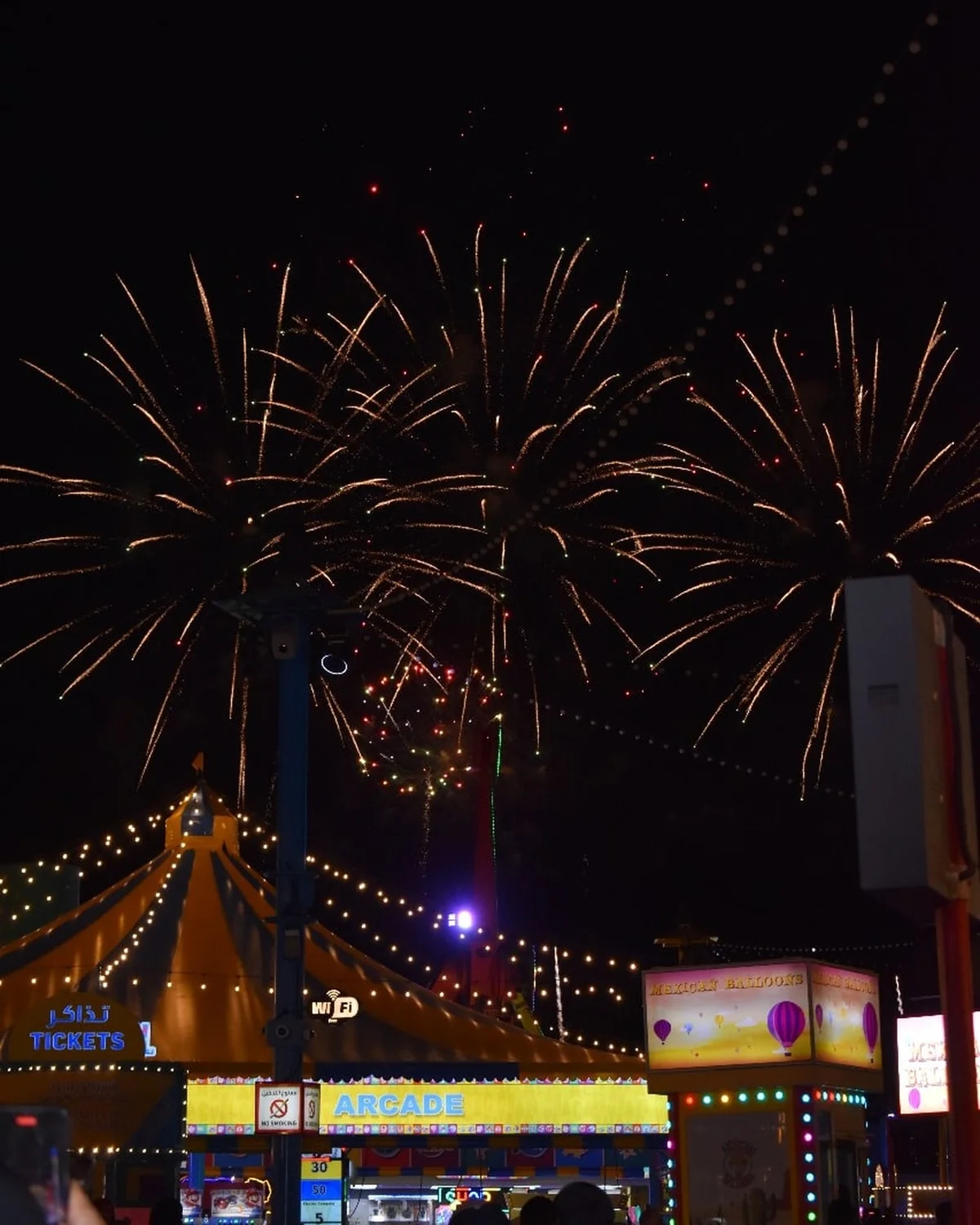
Once the sunset fades behind the desert dunes, the two grand metropolises of the United Arab Emirates awaken into a dazzling realm of sound, architecture, and visual artistry. Dubai’s nocturnal experience opens in supreme splendor at the 12-hectare man-made lake nestled right at the foot of the Burj Khalifa. Created by the acclaimed engineers of WET Design, the Dubai Fountain operates using 6,600 high-intensity lights and 25 color projectors that weave mesmerizing ribbons of illumination. High-pressure water jets propel tens of thousands of liters of water up to 152 meters into the air—equivalent to the height of a 50-story building—swaying gracefully to the classical Arabic melody “Lamma Bada Yatathanna” as well as timeless Western symphonies. This symphony of water, light, and music transforms the Downtown lake into one of the grandest open-air performance stages on Earth.
Right beside the shimmering lake, Dubai Opera rises proudly in a silhouette modeled after a traditional dhow sailing vessel—a heartfelt tribute to the pearl-diving heritage that once served as the economic lifeblood of Arabian Gulf tribes in the pre-oil era. The venue houses a 2,000-seat auditorium engineered with impeccable acoustics and an intricate mechanical wall system allowing seamless transformation between a classical opera house, a concert hall, and an opulent banquet floor. After nightfall, it becomes a gathering place for cultural connoisseurs, where guests immerse themselves in classic West End musicals, world-renowned ballet companies, or oud recitals by Middle Eastern maestros beneath sparkling crystal chandeliers.
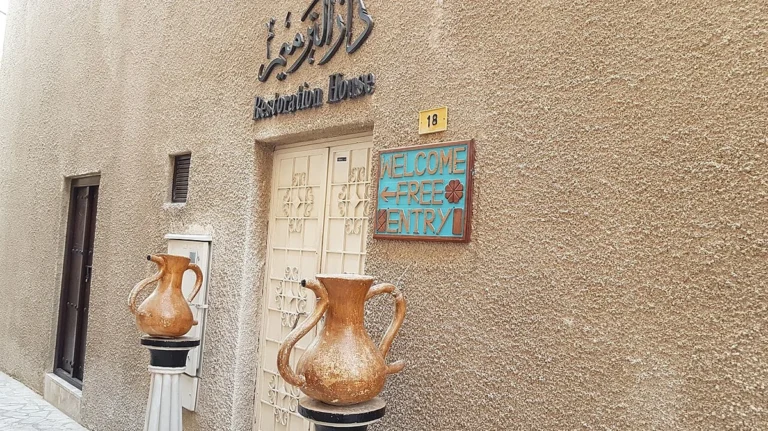
In complete contrast to the glamour of the modern urban core, nightlife in the Al Fahidi Historical Neighbourhood transports the traveler’s soul back to the nostalgic stillness of the nineteenth century. Warm amber lanterns cast a gentle glow over walls built from coral stone and gypsum plaster, crowned by slender barjeel wind towers—the ingenious architectural invention that allowed Bedouins to capture cool desert breezes. Strolling through winding stone-paved alleys, the subtle aroma of bakhoor incense guides visitors into shaded inner courtyards of heritage homes, where they can sip cardamom-infused gahwa coffee alongside sweet dates while listening to storytellers recite poetic verses accompanied by rustic stringed instruments.
When night descends upon Abu Dhabi, the Louvre Abu Dhabi on Saadiyat Island emerges like a floating marvel upon the sea. Crafted by Pritzker Prize-winning architect Jean Nouvel, the museum is sheltered beneath a colossal dome measuring 180 meters in diameter and weighing 7,500 tons. This canopy is intricately woven from 7,850 metal stars of varying sizes and angles, layered across eight complex tiers inspired by traditional Islamic geometric patterns. Once darkness falls and architectural lighting illuminates the dome, the legendary “Rain of Light” effect cascades across the stark white gallery buildings and the tranquil waters of the Persian Gulf, conjuring a surreal scene both mystical and reverent that illuminates masterpieces of human creativity spanning millennia.
Saadiyat Island’s nocturnal arts district is further enriched by the nearby Manarat Al Saadiyat cultural center. Unlike the quiet contemplation of classical museums, this hub stays brightly lit late into the night to welcome the public to independent arthouse film screenings, interactive visual exhibitions, and scholarly symposia. It functions as a living laboratory of ideas where contemporary Gulf and international artists present multimedia light installations, offering a nuanced, multidimensional perspective on the ongoing dialogue between nomadic heritage roots and the emirates’ cosmic ambitions.
Contrary to assumptions of monotony in an arid desert realm, the traditional culinary artistry of Dubai and Abu Dhabi is a vibrant living chronicle reflecting centuries as a bustling maritime crossroads linking the Persian Gulf and the Indian Ocean. Positioned along vital sea lanes connecting the Indian subcontinent, Mesopotamia, and the East African coast, indigenous Emiratis early on absorbed and blended rare ingredients carried aboard ancient wooden dhow merchant ships into their rustic Bedouin culinary foundation. Every dish laid upon the dining mat exists not merely to satisfy hunger amid scorching sands, but embodies a philosophy of tight-knit community solidarity and profound reverence for the sacred gifts bestowed by nature.
The crowning expression of this mercantile cultural fusion is Majboos—also known as Al Machboos—the celebrated spiced rice dish regarded as the soul of every traditional feast across the emirates. To craft a sublime pot of Majboos, premium long-grain basmati rice from Punjab is simmered directly in rich lamb or chicken broth infused with an heirloom Bezar spice blend of coriander seeds, cumin, cinnamon, star anise, radiant saffron, and above all, Gulf dried black lime known as Loomi. The bright tang, aromatic zest, and subtle smokiness of crushed dried lime mingling with fall-off-the-bone meat not only balances richness, but awakens every sense, transporting diners back in time to when Persian and Arab merchants kindled cooking fires beside wooden merchant vessels.
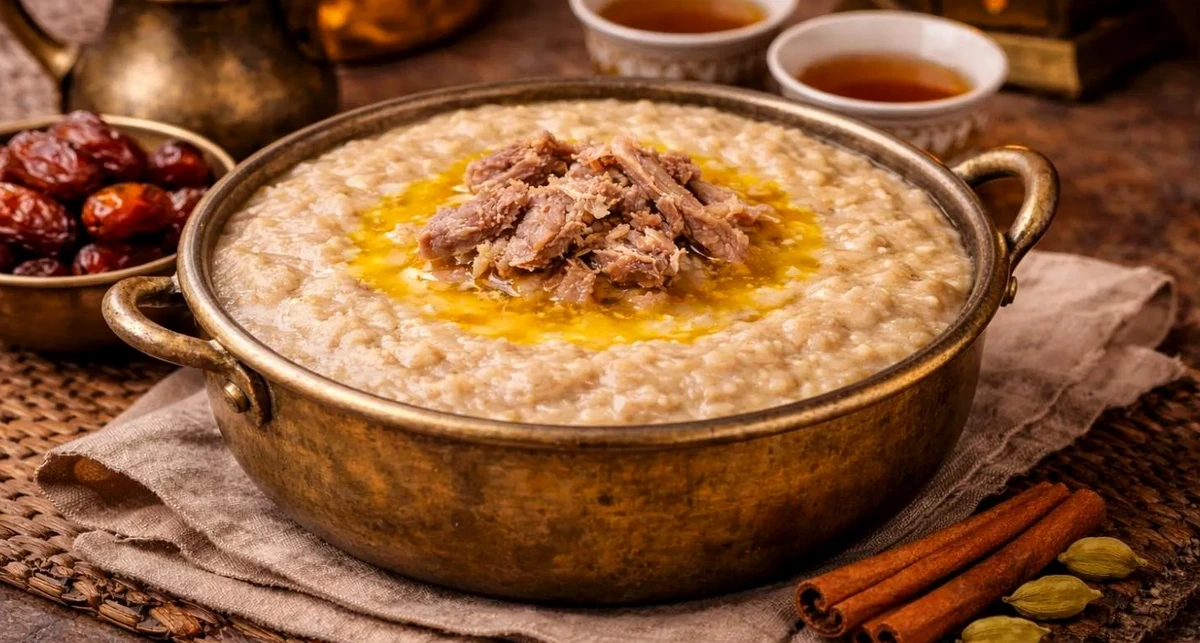
If Majboos represents the intricate cosmopolitanism of a trading port, Harees stands as the primal emblem of perseverance and sharing across thousands of years of nomadic life. This ancestral dish possesses a velvety porridge-like consistency made from soaked whole wheat berries slow-cooked with shredded lamb or beef inside clay pots or heavy iron cauldrons buried in glowing ember pits overnight. Once the ingredients have fully melded, the cook uses a flat wooden paddle called a Midrab to vigorously beat and mash the mixture with pure samn clarified butter until it achieves its signature elastic smoothness. Gracing tables during major Eid celebrations, the holy month of Ramadan, and aristocratic weddings, Harees provides both rich nourishment and a ritual of communal generosity, as Emirati families traditionally share warm bowls with neighbors as a blessing of peace.
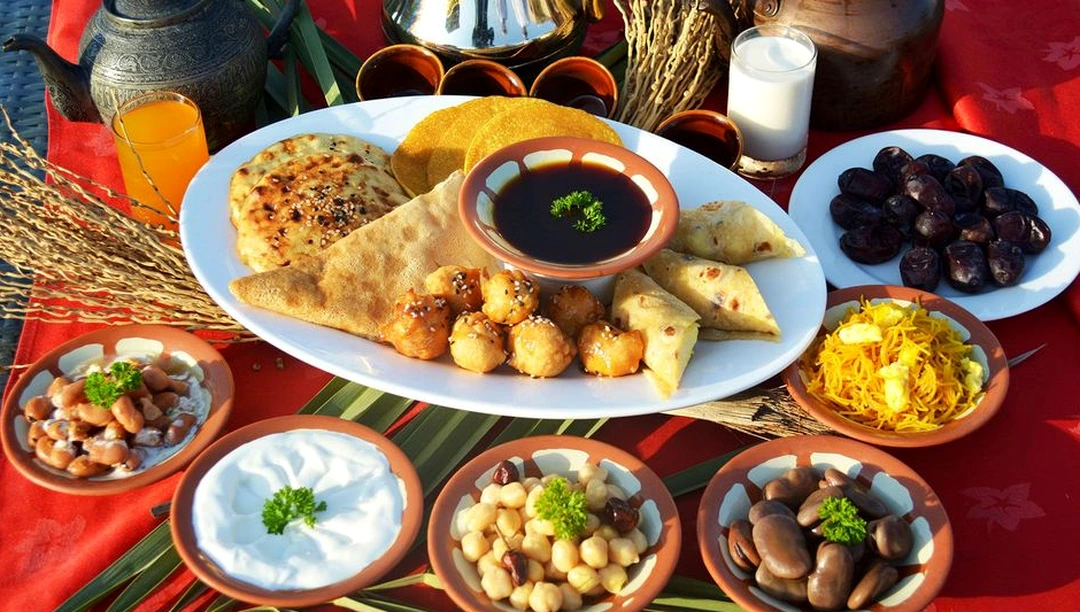
Luqaimat dumplings are a beloved dessert woven into the childhood memories of countless generations across the Arabian Peninsula, prized for their crisp golden exterior and airy, sweet interior. Leavened dough balls scented with saffron and ground cardamom are dropped deftly into gently bubbling oil, puffing into uniform golden spheres before being drizzled generously with dark, concentrated date syrup called Dibs and sprinkled with fragrant toasted sesame seeds. The warm, deep sweetness of date syrup paired with crisp pastry creates an irresistible finish, paying homage to the date palm—the great tree of survival that has sustained life across this unforgiving land through millennia of storms.
Above all, the gastronomic culture of Dubai and Abu Dhabi would be incomplete without the ritual of Gahwa, the art of preparing and serving Arabic coffee inscribed by UNESCO on the Representative List of the Intangible Cultural Heritage of Humanity. Far more than a beverage, Gahwa is the gold standard of sincere hospitality, brewed from lightly roasted coffee beans simmered with green cardamom and saffron threads inside a proud, curved-beak brass pot known as a Dallah. The host always holds the pot in the left hand while pouring the amber-gold brew with the right hand into a small handleless ceramic cup called a Finjan, offering it to guests alongside plump, fresh dates. Guests accept the cup with their right hand, sip the subtly bitter, herbal-scented infusion, and simply give the cup a gentle wrist shake from side to side when signaling they have had enough—concluding an etiquette of refined grace steeped in the nobility of desert chivalry.
This land of wonders along the Persian Gulf rewards a deep appreciation of both natural rhythms and local social order, where the stark desert climate of the Rub’ al Khali meets the breath of the sea. The months from November through March mark the Gulf’s gentlest winter season. During this window, bright yet mild sunshine with ideal temperatures ranging between 20 and 28 degrees Celsius completely replaces summer’s scorching heat exceeding 45 degrees Celsius, creating ideal conditions for strolling through historic quarters or marveling at sweeping desert vistas at sunset.
Despite wearing a dazzling futuristic exterior, both Dubai and Abu Dhabi operate upon deep-rooted foundations of Arab culture and Islamic tradition. Public etiquette is essential for visitors to observe in order to honor the dignity of the country. When walking through shopping malls or public civic spaces, attire should remain respectful, keeping shoulders covered and hemlines extending past the knees. When visiting sacred sites such as the Sheikh Zayed Grand Mosque in Abu Dhabi or Jumeirah Mosque in Dubai, dress codes become even stricter: women must cover their hair with a Shayla headscarf and wear a full-length, ankle-covering Abaya robe, while men must strictly avoid sleeveless tops or shorts. Photography also carries invisible boundaries; pointing a camera without permission at local Muslim women or at government buildings, military installations, and royal palaces of the Al Maktoum or Al Nahyan families is strictly prohibited and can lead to serious legal consequences.
The transport infrastructure linking the two emirates is a harmonious interplay of cutting-edge technology and living historical relics. In Dubai, the fully automated, driverless Dubai Metro—once recognized with a Guinness World Record for the longest driverless urban rail network—is the fastest and most economical way to travel along the bustling Sheikh Zayed Road corridor using a convenient Nol Card. To touch the soul of a bygone pre-oil era, for a symbolic fare of just 1 dirham, travelers can step aboard traditional wooden Abra boats and listen to the rhythmic putt-putt of engines parting the waters of Dubai Creek between Deira and Bur Dubai. Meanwhile, in the capital of Abu Dhabi—whose urban layout spans natural and man-made islands—the smart-metered taxi fleet regulated by TransAD and inter-island public bus routes provide the most efficient connections between art-filled Saadiyat Island and vibrant Yas Island.
To optimize both budget and time, advance itinerary planning is decisive. Iconic attractions drawing massive crowds—such as the At the Top observation deck atop the Burj Khalifa or the Louvre Abu Dhabi beneath its “Rain of Light” dome—enforce timed online ticket reservations. Visitors should book well in advance to secure preferential rates and avoid waiting in line for hours, particularly during the coveted transition from late afternoon into night. Additionally, keep in mind that traditional marketplaces such as the Gold Souk and Spice Souk typically quiet down during the midday lull from 1:00 PM to 4:00 PM before coming alive until midnight. On Fridays—the sacred day of Jumu’ah congregational prayer for the Muslim community—certain museums, attractions, and public transit services may open later than usual.
Mastering local etiquette, choosing smart transit options, and timing your visits wisely will ensure an effortless and enriching journey to the two brightest jewels of the Persian Gulf. To experience this seamless blend of royal luxury and deep cultural heritage without worrying about logistics, travelers can consider a thoughtfully curated and professionally organized all-inclusive Dubai – Abu Dhabi tour package.