Viewed from space, the Palm Jumeirah archipelago emerges like a colossal palm frond stretching proudly across the Persian Gulf—a surreal testament to humanity’s ambition to conquer nature in the Arabian Peninsula. The origins of this man-made wonder are deeply rooted in the far-reaching strategic vision of Sheikh Mohammed bin Rashid Al Maktoum, Vice President and Prime Minister of the United Arab Emirates (UAE) and Ruler of Dubai. In the late 1990s, when scientific projections indicated that the emirate’s “black gold” oil reserves would gradually deplete in the foreseeable future, Dubai’s leadership resolved to execute an unprecedented economic transformation. This bold blueprint focused on positioning Dubai as an international financial capital, a haven for luxury real estate, and the premier high-end tourism sanctuary on the planet. To overcome the natural bottleneck of Dubai’s original coastline—which spanned a mere 72 kilometers—century-defining land reclamation megaprojects were approved, aiming to expand the open-sea coastline to over 1,500 kilometers and fling open the doors to a wave of global investment.
The journey to turn an audacious blueprint into reality officially commenced in June 2001 under the sponsorship and execution of state-owned real estate developer Nakheel Properties. Employing rigorous seabed sand-dredging and rock-breakwater engineering techniques, millions of cubic meters of rock quarried from the Hajar Mountains alongside pure marine sand were positioned with pinpoint accuracy using Global Positioning System (GPS) satellites to sculpt the Trunk, 16 Palm Fronds, and an 11-kilometer crescent-shaped breakwater. By 2004, the megaproject resort Atlantis, The Palm began taking shape at the apex of the Crescent, defining the ultimate entertainment heart of the entire island. In April 2007, the world’s first affluent residents officially moved into their magnificent beachfront villas along the Fronds. May 2008 marked a brilliant milestone in transit technology with the inauguration of the Palm Monorail—the Middle East’s very first elevated monorail system—unlocking a one-of-a-kind aerial sightseeing experience. Shortly thereafter, on September 24, 2008, the grand opening celebration of Atlantis, The Palm stunned international media with a pyrotechnic spectacle several times the scale of the Beijing Olympics opening ceremony. Although the global financial crisis shook the world immediately afterward between 2009 and 2010, Palm Jumeirah stood resilient thanks to backing from Abu Dhabi and extraordinary internal restructuring, ascending to new heights with the unveiling of The View at The Palm observation deck on Level 52 of The Palm Tower in November 2021.
Running parallel to the transformation of this land-reclamation marvel is the distinct evolution of Vietnam’s outbound travel market across successive eras of access. During the nascent stage of the early 2000s, Dubai in general—and Palm Jumeirah in particular—remained an unfamiliar concept, appearing almost mythically through geographic documentaries or international cinema, accessible only via grueling itineraries involving multiple costly connecting flights. Vietnamese travelers during that period consisted primarily of trade promotion delegations or ultra-high-net-worth individuals eager to witness the mechanized architectural wonders of the Arab world firsthand.
A dramatic turning point occurred when daily direct flights connecting Hanoi and Ho Chi Minh City to Dubai were established, triggering a boom in high-end travel demand. Vietnam’s outbound tour market swiftly elevated Palm Jumeirah and the Palm Monorail from a peripheral sightseeing option into a cornerstone centerpiece essential to every modern heritage itinerary. Today’s Vietnamese travelers are no longer content merely admiring the palm-shaped island from afar via a marina; boarding a panoramic, edge-to-edge glass monorail carriage to glide effortlessly down the Trunk, taking in sweeping views of elite multimillion-dollar villas, and disembarking directly at the grand plaza of Atlantis, The Palm has become the gold standard defining a complete, world-class Middle Eastern voyage.
Seen from orbit, the Palm Jumeirah archipelago rises majestically amid the turquoise waters of the Persian Gulf like a monumental architectural emblem off the coast of Dubai. To transform an offshore artificial structure into one of the most prosperous resort urban centers on earth, the United Arab Emirates engineered a seamless transportation network where the boundary between precision mechanical engineering and spatial aesthetics virtually dissolves. The primary spine linking this entire island ecosystem to the mainland is the renowned Sheikh Zayed Road (E11), an arterial highway allowing travelers departing from Dubai International Airport to reach the gateway of Palm Jumeirah in a leisurely thirty-minute drive. From this strategic interchange, The Main Access Bridge—spanning 300 meters solidly over the sea—channels road traffic directly onto the Trunk, unlocking the entrance to an exclusive realm of opulence.
A standout triumph in the island’s tourism transit infrastructure is the Palm Monorail, a feat of fully automated, driverless urban rail engineering developed by Hitachi Rail STS. Stretching across a 5.4-kilometer elevated track suspended above the island, this monorail system boasts an impressive capacity of up to 4,500 passengers per hour in each direction. The route begins at Palm Gateway Station at the base of the island, glides smoothly past the lush greenery of Al Ittihad Park Station, cuts through the bustling retail hub at Nakheel Mall Station, and culminates in a breathtaking arrival at Atlantis Aquaventure Station. Seated inside carriages fitted with expansive panoramic windows, passengers feel as though they are floating along an aerial ribbon, admiring sweeping vistas of the palm fronds fanning out over crystalline gulf waters and catching glimpses of glamorous waterfront villas passing below.
To seamlessly connect the Trunk with the outer protective arc of The Crescent without disrupting the architectural landscape or obstructing maritime navigation channels, Dubai’s civil engineers realized a daring subterranean solution known as The Subsea Tunnel. Measuring 1.4 kilometers in length and accommodating six modern lanes of vehicular traffic, this tunnel running beneath the seabed of the Persian Gulf ensures effortless continuity for road transportation. Meanwhile, the outer Crescent—curving gracefully across 11 kilometers—serves not merely as a massive breakwater shielding the calm inner waters for the sixteen interior fronds, but has also been master-planned into an ultra-luxury resort boulevard lined with world-renowned five-star integrated resorts.
The harmonious interplay between the elevated Palm Monorail, the subsea tunnel, and the mainland causeway network maps out a flawless routing system for every sightseeing journey. Visitor movement flows naturally and uninterruptedly from bustling shopping centers along the Trunk to the pinnacle entertainment paradise crowning the outer Crescent. By mastering the harsh hydrological conditions of a coastal desert environment, Palm Jumeirah’s transit infrastructure not only solves high-volume mobility challenges completely, but transforms itself into a singular sightseeing attraction—elevating the entire palm archipelago into a masterpiece of contemporary marine urban planning.
Dubai’s miraculous leap from a modest pearl-diving trading port along the Persian Gulf into a global capital of luxury hospitality is inextricably tied to the birth of Palm Jumeirah. From a geo-economic perspective, the exponential growth engine of this megastructure is rooted first and foremost in its sheer mechanical scale and an unprecedented triumph over nature in modern construction history. The entire foundation of the artificial island uses not a single steel reinforcement bar or concrete slab for its submerged base; instead, engineers mobilized a staggering seven million cubic meters of rock quarried directly from the rugged Hajar Mountains and 120 million cubic meters of fine sand dredged from the Persian Gulf floor. Utilizing vibro-compaction technology paired with specialized dredgers guided with pinpoint accuracy by remote-sensing GPS satellites, the silhouette of a proud central Trunk, sixteen lush Fronds, and an eleven-kilometer crescent breakwater took flawless shape in the open sea—adding more than seventy kilometers of prized coastline to the desert emirate.
The emergence of this monumental geometric structure—clearly visible from orbital space—generated an unmatched gravitational pull for international travelers, establishing steady, compounding growth across every phase of operation. The traditional concept of a leisure holiday swiftly evolved into an architectural expedition, drawing millions of annual visitors eager to witness the outer limits of human ingenuity firsthand. This visitor momentum is reflected not only in surging cruise ship arrivals and corporate delegations, but also in the sustained occupancy of the global elite. Secluded living spaces along each frond combined with a sun-drenched subtropical climate have turned the island into a magnet for travel capital, fueling a thriving ecosystem of ancillary services—from private yachts and water sports to haute cuisine—throughout every season of the year.
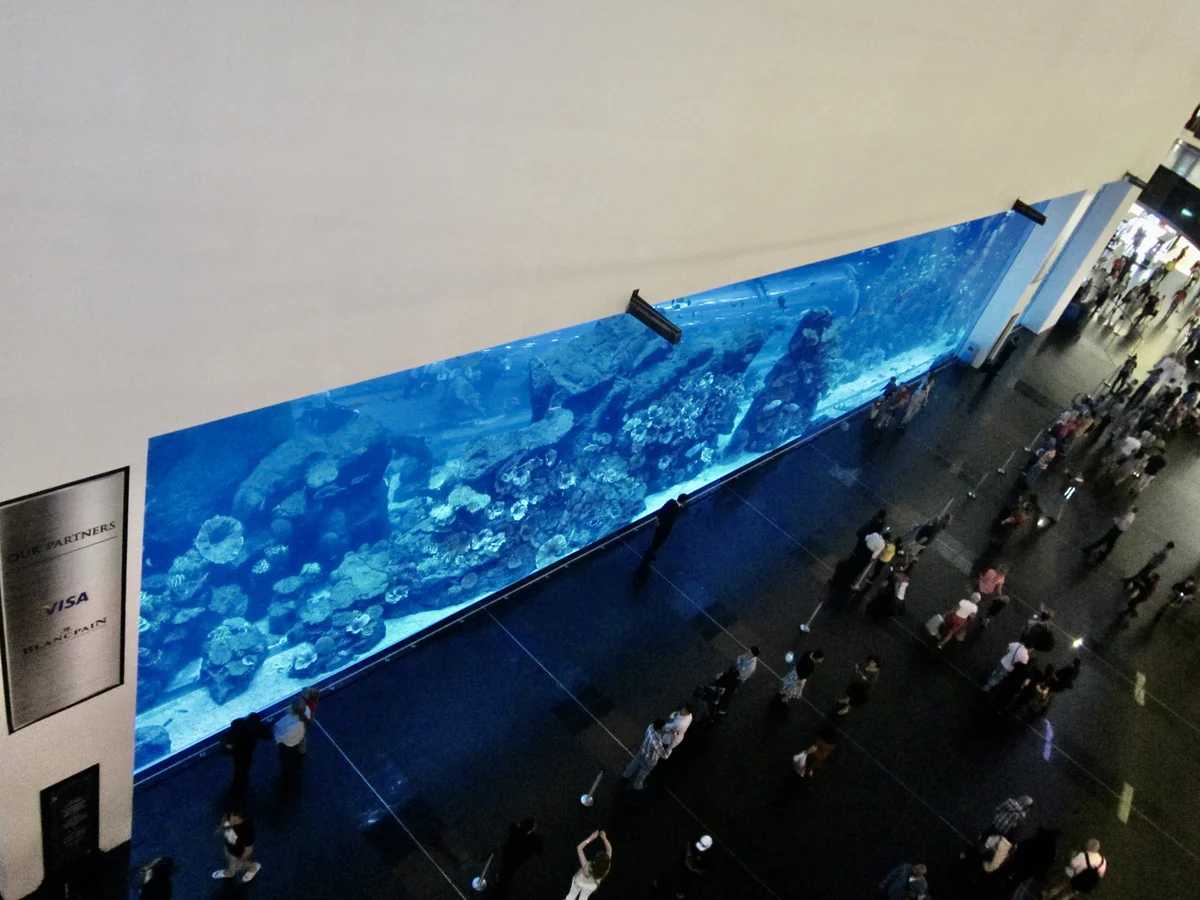
At the focal point of the outer protective Crescent, the Atlantis, The Palm resort rises like a beacon shaping traveler tastes and energizing the entire coastal entertainment ecosystem. The landmark bears a distinctive artistic fusion, seamlessly blending mystical Arabian palace motifs with sweeping, ocean-inspired contours. Much of its singular allure drawing international guests stems from its underwater suites, where visitors gaze into an aquatic realm through specialized 26-centimeter-thick acrylic glass walls. These transparent panels open directly onto an artificial marine habitat housing 65,000 sea creatures gliding freely amidst ruins modeled after the lost continent of Atlantis. This one-of-a-kind visual spectacle has not only sparked viral acclaim across global travel forums, but also sustains extraordinarily high occupancy rates, contributing a massive share to the emirate’s overall tourism revenue.
Underpinning this immense flow of visitors is intelligent transit connectivity, epitomized by the driverless Palm Monorail gliding smoothly down the island’s central spine. This arterial line seamlessly links major entertainment landmarks from the mainland through the vibrant Nakheel Mall, The Pointe waterfront dining complex, and international-standard observation decks, allowing travelers to take in sweeping bird’s-eye views of the palm island. Integrating green public transit with multi-layered experiential stops effectively solves traffic density management, ensuring tens of thousands of daily visitors can be welcomed without compromising the tranquil, refined atmosphere of the eco-luxury resorts. The synergy between engineering marvels, master-planned infrastructure, and surreal hospitality experiences cements Palm Jumeirah’s enduring status as an unstoppable economic engine for tourism.
As sunset descends over the Persian Gulf, Palm Jumeirah sheds its daytime majesty as an engineering marvel to don a dazzling evening gown, marking a pronounced shift in traveler behavior and spending psychology. Multi-tiered architectural lighting blankets the crescent breakwater and The Palm Tower soaring skyward, transforming the entire artificial archipelago into a grand, opulent amphitheater. International visitor preferences here reveal a clear segmentation: one group seeks pure visual and cultural contemplation in serene surroundings, while the majority gravitates toward high-energy luxury nightlife at prestigious beach clubs and breezy hotel terraces overlooking the dark ocean gilded with city lights.
The epicenter of nighttime activity converges along The Pointe waterfront promenade, where guests immerse themselves in grand fountain light-and-music shows reflecting the monumental silhouette of Atlantis, The Palm across the channel. In terms of sightseeing transit, the Palm Monorail operates tirelessly late into the night, completely transforming its role from a pure infrastructure corridor into a kinetic aerial observation deck. Seated inside carriages gliding smoothly through the night air, passengers enjoy an unrivaled panoramic perspective where the glowing skyline of mainland Dubai merges with strings of multimillion-dollar villas sparkling like jewels along the fronds—delivering visual value far exceeding the cost of a transit ticket.
Looking at real-world spending patterns, mainstream and mid-range travelers typically set a budget ranging from 100 to 300 UAE Dirhams (roughly a few dozen US dollars) for an essential day visit. This budget covers a round-trip ticket on the Palm Monorail from Palm Gateway Station to Atlantis Aquaventure Station, paired with a casual meal at a waterfront eatery and admission to The View at The Palm observation deck on Level 52 of the central tower. This segment prioritizes cost optimization while ensuring they capture every iconic visual touchpoint—spending most of their time strolling, filming panoramic bay vistas, and admiring landmark architecture without necessarily staying overnight at secluded resorts.
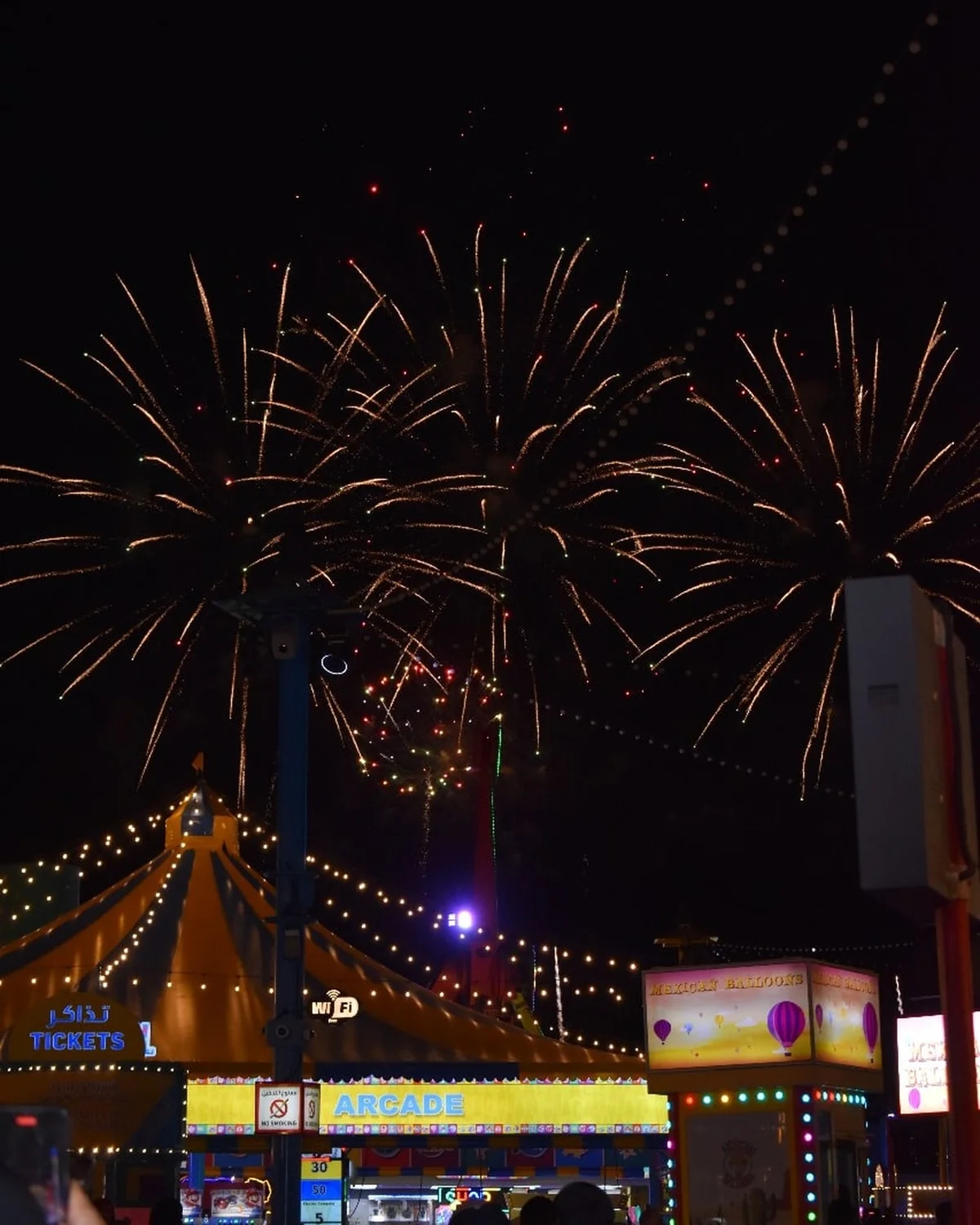
In stark contrast, ultra-high-net-worth travelers and the global elite operate within a virtually limitless spending matrix, turning Palm Jumeirah into the Middle East’s premier luxury destination where nightly expenditures easily reach thousands to tens of thousands of Dirhams. Their desires center entirely on absolute privacy and the highest art of indulgence—from fine-dining tables at the gold-accented underwater restaurant Ossiano and acclaimed Michelin-starred establishments to booking the legendary Royal Bridge Suite spanning the two towers of Atlantis. Elite guests readily pay astronomical sums for private yachts anchored offshore to watch fireworks, authentic Arabian royal spa rituals, and bespoke culinary creations—affirming that Palm Jumeirah is not merely an architectural landmark, but the ultimate symbol of the ultra-luxury lifestyle economy.
The rise of elevated travel standards on Palm Jumeirah marks a decisive turning point in breaking away entirely from conventional commercialized tourism models. Rather than squandering travelers’ precious time on forced shopping stops, this revolution in pure experiential itineraries restores full mental space for visitors to connect with the deepest layers of local culture. Along this palm-shaped peninsula reaching into the Persian Gulf, a shopping-free travel philosophy unlocks a premier culinary voyage where the gastronomic map is far more than a place to dine—it is an artistic stage seamlessly bridging ancient Levantine soul with avant-garde contemporary molecular gastronomy.
This journey awakening local flavors begins with the purest culinary heritage of the Arabian Peninsula at Al Mashrooof, a venue preserving time-honored Emirati spice traditions passed down across generations. Travelers are ushered into a ceremonial dining experience centered around legendary Machboos spiced rice, where premium basmati grains are slow-simmered with tender young lamb or succulent chicken, infused with the regal golden hue of saffron threads, the subtle earthy tang of dried desert lime (loomi), and warm aromatics of cardamom, cinnamon, and cloves. Alongside it, iconic Al Harees—crafted from cracked wheat slow-cooked with meat for hours in clay pots until reaching a velvety, melt-in-the-mouth consistency—embodies the generous hospitality and rustic spirit of historic Bedouin tribes right in the heart of a thriving metropolis.
Stepping away from the earthy notes of the desert interior, travelers head toward the breezy waterfront at The Pointe, where seafood gastronomy reflects a sublime harmony between free-spirited Mediterranean flair and the abundant bounty of the Gulf. Leading the oceanic menu here is prized Hammour grouper, an iconic fish deeply tied to traditional Arabian fisheries. Thick, snow-white fillets of Hammour are lightly marinated in extra-virgin olive oil, coarse sea salt, and local herbs before being seared over glowing charcoal embers—yielding a crisp, lightly charred skin while locking in the pure, sweet moisture of the sea for an unadorned yet profoundly refined culinary experience.
The pinnacle of service professionalism crystallizes the moment guests step inside Ossiano, nestled deep beneath Atlantis, The Palm. Honored with a prestigious Michelin star, this subterranean culinary sanctuary shatters every convention by turning fine dining into an enchanting underwater expedition. Seated beside floor-to-ceiling glass walls gazing directly into the depths of the Ambassador Lagoon—where thousands of marine creatures, giant stingrays, and sharks glide serenely past—diners savor a curated eight- to ten-course tasting menu. Every plate is an imaginative work of molecular gastronomy in which world-class chefs deconstruct and reimagine the flavor profiles of seaweed, caviar, and fresh butter, orchestrating multi-layered taste harmonies that captivate even the most discerning palates.
Concluding this shopping-free culinary odyssey on a note of pure elegance, travelers experience a regal dessert ritual featuring organic gourmet dates from the renowned house of Bateel. Plump Kholas and Sokari dates, harvested from fertile oases in the Al Ghat region, are artfully filled with creamy macadamia nuts or roasted almonds and enrobed in fine dark chocolate. Their natural honeyed sweetness melting slowly on the palate alongside a sip of cardamom-scented Arabic coffee provides not only the ideal finale to an unforgettable day of exploration, but living proof of a benchmark standard of hospitality—where every sense is cherished and immersed in Dubai’s most authentic luxury.
The evolution of Palm Jumeirah does not stop at being a static architectural icon; it continues to advance as one of the smartest and most sustainable marine urban ecosystems in the Middle East. Within the emirate’s long-term urban master plan, this palm-shaped landmass serves as a cornerstone of its green economy strategy, optimizing seawater circulation technologies and reducing energy emissions across its luxury resort districts. Public transit networks—most notably the Palm Monorail—are deeply integrated into digital infrastructure to serve millions of international visitors annually, transforming sightseeing into a seamless technological experience. The stature of Atlantis, The Palm alongside emerging developments continues to reinforce Dubai’s authority as a global epicenter of luxury, where human feats of geographic engineering blend effortlessly with the natural rhythm of the Persian Gulf.
To capture the true visual soul of this man-made wonder, seasoned travelers know that the most coveted golden hour falls between 4:30 PM and 5:30 PM, when the late afternoon sun begins dipping toward the tranquil sea. Savvy visitors intentionally board the very first carriage of the Palm Monorail at Palm Gateway Station, facing forward toward the majestic archway of Atlantis, The Palm. From this unobstructed vantage point, the expansive front windshield frames the sweeping curve of the elevated track running down the Trunk and unveils a breathtaking sunset panorama as the Persian Gulf shifts from turquoise to burnished gold. The smooth, effortless glide of the elevated train creates a floating sensation ideal for capturing landscape photography and video of the highest artistic caliber.
Alongside the aerial rail journey, The View at The Palm observation deck—perched dramatically on Level 52 of The Palm Tower at a height of 240 meters—is an unmissable stop for appreciating the island’s full geometric symmetry. The optimal time to ascend the deck is roughly 45 minutes prior to sunset. This magical transitional window allows visitors to witness an extraordinary visual contrast: first, an unobstructed daylight panorama of the seventeen palm fronds stretching across the ocean, followed moments later by thousands of architectural lights illuminating the central boulevard as night falls. Securing e-tickets in advance through reputable travel providers is the key to bypassing peak-hour queues, preserving both your relaxed pace and sense of wonder.
Respecting local customs is the golden rule when visiting an Islamic nation with deeply rooted cultural traditions like the United Arab Emirates. Although Dubai is remarkably open and cosmopolitan, visitors should maintain modest, respectful attire—keeping shoulders and knees tastefully covered—when strolling through public spaces such as Nakheel Mall or Palm Monorail station concourses. Beachwear such as bikinis and two-piece swimsuits is permitted strictly within the pool areas and private beaches of five-star resorts. To maximize your sightseeing time and steer clear of low-cost commercial tourist traps that cut into genuine cultural immersion, choosing a pure, shopping-free itinerary with zero mandatory retail stops is the smartest and most rewarding approach. To savor every awe-inspiring moment from elevated monorail tracks to grand mosques, travelers can consider booking an all-inclusive Dubai – Abu Dhabi tour package for a seamless, world-class journey.