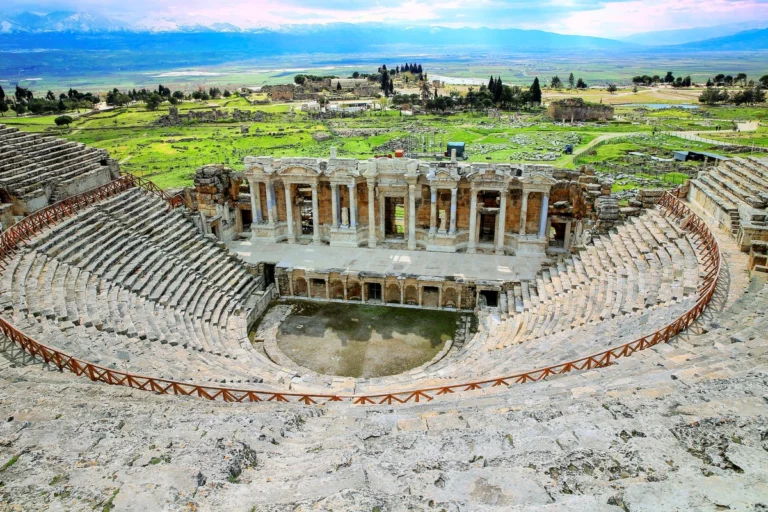
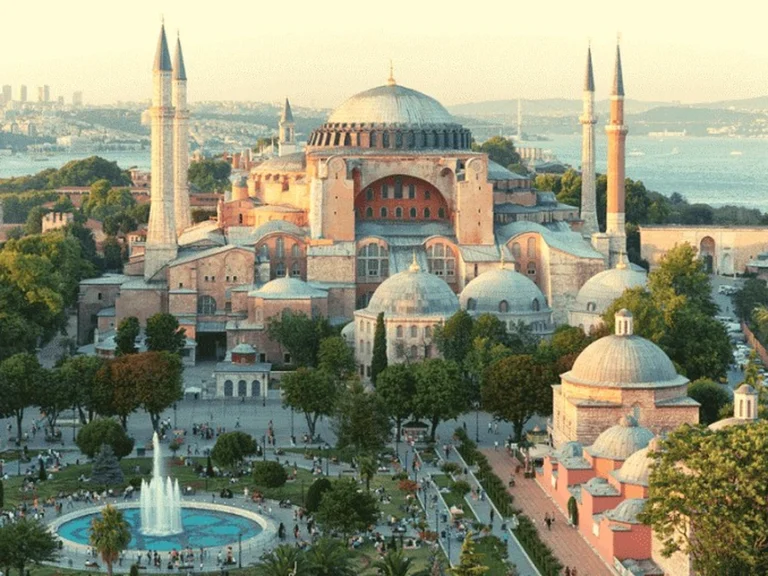
Nestling along gentle slopes on the Anatolian coast in modern-day İzmir Province, the ancient city of Ephesus (known in Turkish as Efes) rises like a monumental chronicle carved in marble across more than nine millennia of shifting fortunes. The earliest traces of settlement in this fertile land date back to the Neolithic period (Cilalı Taş Devri) around the sixth millennium BCE, when early clans found shelter beside a rich river mouth. Archaeologists trace the city’s ancient name to the Luwian root “Apasa”—the glittering capital of the Kingdom of Arzawa, inscribed with honor on clay cuneiform tablets of the mighty Hittite Empire. Through the twists and turns of the Archaic and Classical eras, Ephesus entered a sweeping new chapter in the Hellenistic period. Lysimachus, the brilliant commander who once stood shoulder to shoulder with Alexander the Great, recognized the site’s strategic promise and relocated the entire population to a commanding new location between Mount Panayır Dağı and Mount Bülbül Dağı, shaping one of the most splendid urban layouts in the Aegean world.
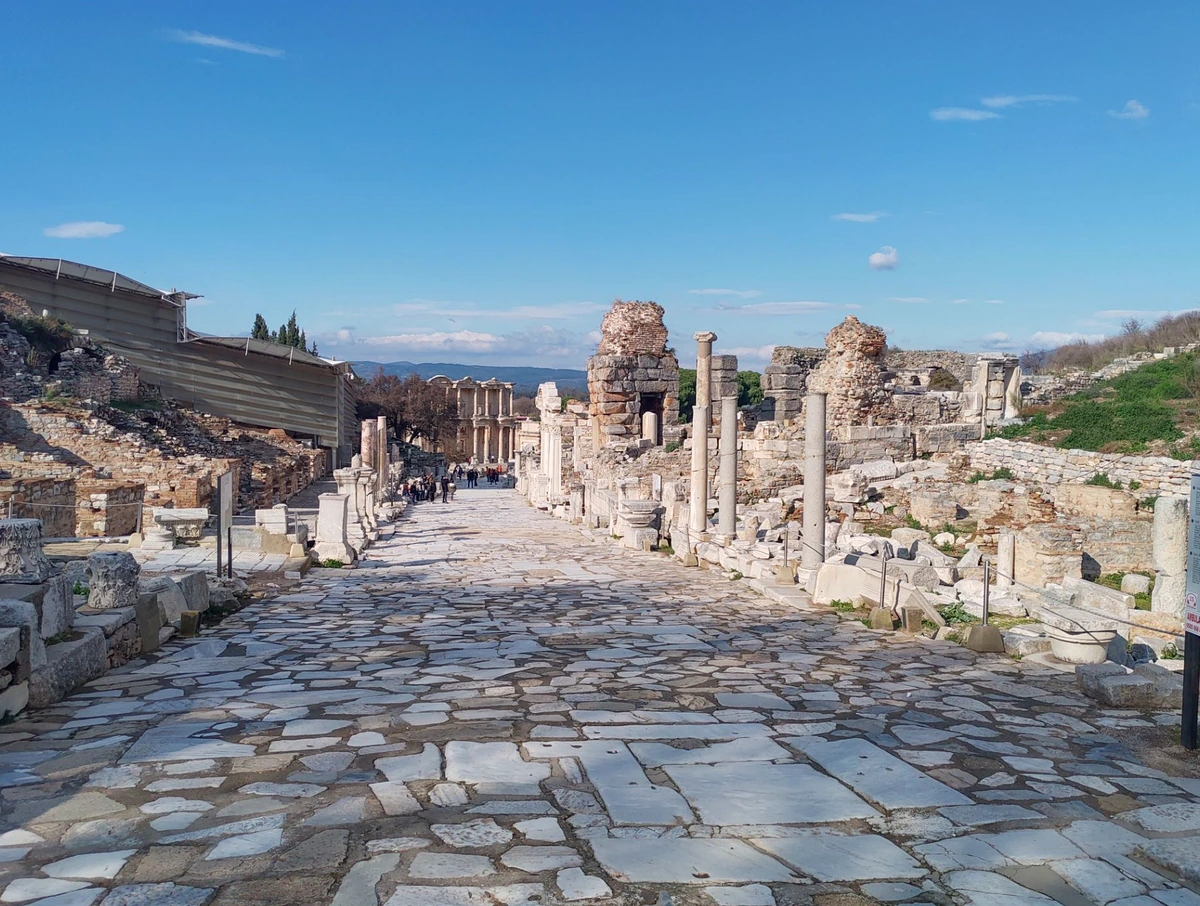
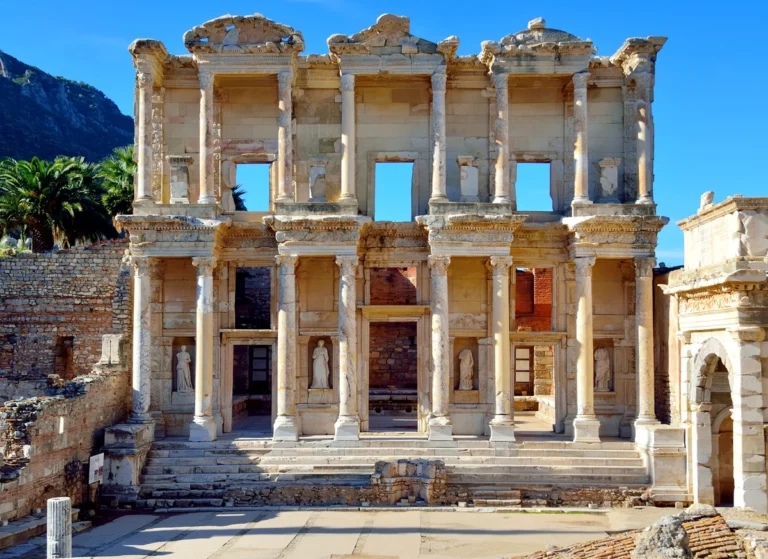
Ephesus’s most dazzling golden age began when the city came under Roman rule as capital of the province of Asia in 133 BCE, with its governance formally consolidated in 129 BCE. Under the umbrella of the Pax Romana, Ephesus flourished into one of the Eastern Mediterranean’s wealthiest metropolises, with an estimated population surpassing two hundred thousand. Its spaces bear the unmistakable mark of eminent historical figures, notably the distinguished Roman governor Tiberius Iulius Celsus Polemaeanus. After his passing, his devoted son, consul Gaius Iulius Aquila, poured his heart into building the magnificent Library of Celsus—serving both as an eternal resting place for his father in an underground marble sarcophagus and as a temple of knowledge housing more than twelve thousand priceless scrolls of antiquity.
Beyond being a hub of political authority and bustling maritime trade, Ephesus was also a sacred crossroads of faith that reshaped global religion. It was here that St. Paul spent three full years during his missionary journeys, speaking from the Great Theatre to urge crowds to turn away from idol worship and stirring fierce unrest among the silversmiths who crafted shrines for the goddess Artemis. The city is also linked to the moving tradition of the quiet final years of the Virgin Mary (Meryem Ana), who is believed to have accompanied St. John the Apostle to a modest stone house amid pine woods atop Mount Bülbül Dağı, turning the site into an enduring pilgrimage sanctuary for generations to come.
Yet the laws of nature and history spared none of Anatolia’s signature heritage. Day and night, the Küçük Menderes River—the fabled Cayster of ancient poetry—carried millions of tons of silt down into the bay, gradually silting up the vital seaway. Once a lively harbor, the inlet turned into a brackish marsh breeding disease, pushing the actual shoreline nautical miles away from the city and choking its economic lifeblood. Entering the Byzantine era, the settlement slowly declined and contracted around the Ayasuluk fortress. Waves of Turkish Islamic rule—first under the Menteşeoğulları and then the Aydınoğulları Beyliği—made Ayasuluk (modern-day Selçuk) a new Islamic cultural center. Finally, in 1390 under Sultan Yıldırım Bayezid and firmly consolidated under Sultan Murad II, the entire region became permanently part of the Ottoman Empire.
After centuries buried beneath alluvial layers and forgotten dust, this unmatched archaeological treasure truly awakened when British engineer and archaeologist John Turtle Wood (J. T. Wood) led the first large-scale excavations in the second half of the nineteenth century under the patronage of the British Museum. Gleaming white marble slabs, finely wrought Corinthian colonnades, and millennia-old paved avenues gradually emerged beneath the bright Anatolian sun. The proud survival of this ruin complex stands as powerful proof of ancient architectural mastery, formally inscribed as a UNESCO World Heritage Site in 2015 and affirming its place among the greatest and most intact archaeological sites ever preserved on Earth.
Situated in the lower valley of the Küçük Menderes River—celebrated by ancient Greek poets as the Cayster—the ancient city of Ephesus commands a geologically complex and rugged landscape in today’s Selçuk district of İzmir Province. Tectonically, the entire heritage zone sits within a deep graben fault system between the Gediz and Küçük Menderes fault zones. Two towering karstic limestone massifs shelter and frame the city: Panayır Dağı, known as Mount Pion in classical texts, and Bülbül Dağı, Mount Koressos rising boldly to the south. Interbedded fractured limestone layers and Quaternary deposits form a dramatic stepped basin descending from steep rocky slopes into a fertile alluvial plain stretching toward the Aegean Sea.
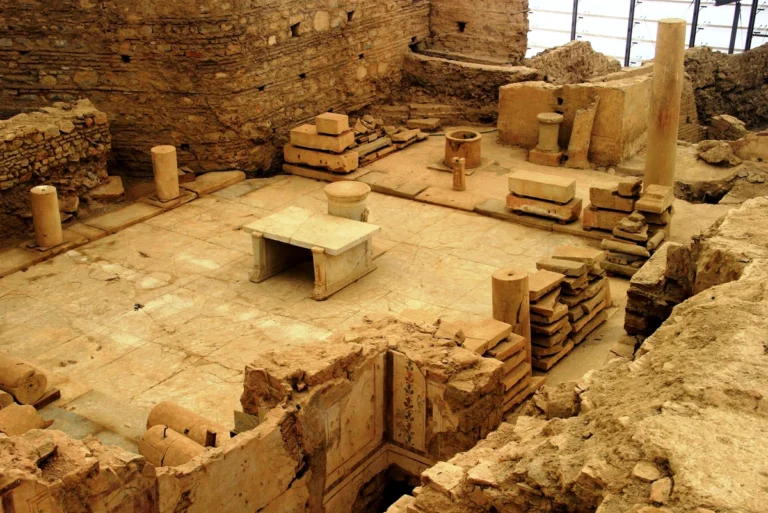
To tame this challenging terrain and turn it into a seat of power along the Anatolian coast, Hellenistic and Roman architects applied classic Hippodamian grid planning while adapting it deftly to the natural grade. Rather than leveling the ground, builders carried out major hill-cutting and raised artificial terraces with sturdy cyclopean stone retaining walls along the northern slope of Mount Koressos. This engineering formed the foundation for the grand terraced residences known as Yamaç Evler, allowing Roman elites to catch cool sea breezes while avoiding landslides. Hidden beneath the marble paving of broad avenues ran an intricate branching subterranean drainage network of high-fired terracotta pipes and cast-lead clamps, capable of discharging torrential floodwaters rushing from karstic cavities on Mount Panayır Dağı whenever Mediterranean rains swept through.
Ephesus’s spatial scenery reached an aesthetic peak along the straight visual axis running from the Great Theatre carved into Mount Pion down the Arcadian Way toward the ancient harbor of Panormos. Lit each night by hundreds of olive-oil torches, this wide white-stone thoroughfare created a shimmering corridor of light linking sea and city. The setting blended Corinthian and Ionic marble columns quarried locally with the quiet gray of limestone cliffs, punctuated by deep green carob pines and ancient olive trees rooted along Koressos—producing an urban landscape both majestic and refined.
Even so, the very hydrology that brought supreme prosperity also sowed the seeds of irreversible decline. The Küçük Menderes River and the wild Marnas stream, eroding inland valleys, continuously carried vast loads of sediment downstream. Across centuries, deposited mud and sand choked the deep channel, silted up the naval anchorage of Panormos, and pushed the Aegean coastline more than 6 km back from its original line. A busy port welcoming ships from afar turned into a stagnant, foul-smelling marsh and a severe malaria hotspot. Natural geomorphology, after granting Ephesus the status of Asia Minor’s premier maritime trade hub, permanently drained the city’s vitality, leaving gleaming marble monuments as solitary witnesses in a quiet alluvial valley.
Stepping into the Ephesus archaeological complex, the pinnacle of High Roman building craft shines through in how fine Prokonnesian marble from the Marmara island region pairs with disciplined spatial design. The masterpiece defining the city’s visual soul is the Library of Celsus, begun by consul Gaius Iulius Aquila between roughly 110 and 135 CE to honor his father, Governor Tiberius Iulius Celsus Polemaeanus. Rising on a nine-stepped stone podium, its two-story facade is supported by four pairs of ornate Corinthian columns showcasing stone carving at its finest. Even more remarkable is the ancient Roman architects’ mastery of theatrical optical illusion: central columns were carved slightly shorter and more slender than those at the outer edges, while ceiling beams curved gently to trick the viewer’s eye, making the building appear far grander, taller, and deeper than its true dimensions.
Behind the splendid facade lies an advanced microclimate structure built specifically to protect more than fourteen thousand precious parchment scrolls from time’s toll. The reading hall is enclosed by double walls with a one-meter air cavity between them to insulate against heat, block moisture carried by Aegean breezes, and keep room temperatures steady year-round. Directly beneath the reading hall floor, a finely carved marble burial chamber (lahd) was constructed to hold Celsus’s remains, making it one of the rare ceremonial interments inside a civic building within the city center. In four semicircular niches on the lower facade, ancient sculptors carved four exquisite marble statues representing the four cardinal virtues of Roman public service: Sophia for deep Wisdom, Arete for complete Virtue, Ennoia for discerning Intellect, and Episteme for empirical Knowledge.
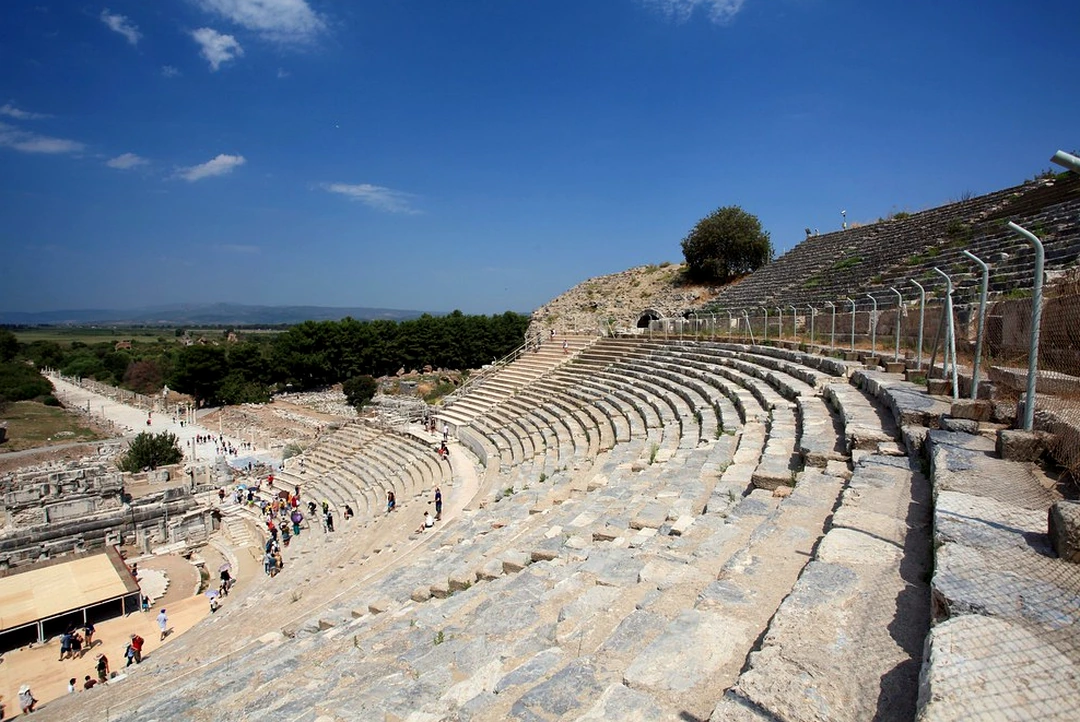
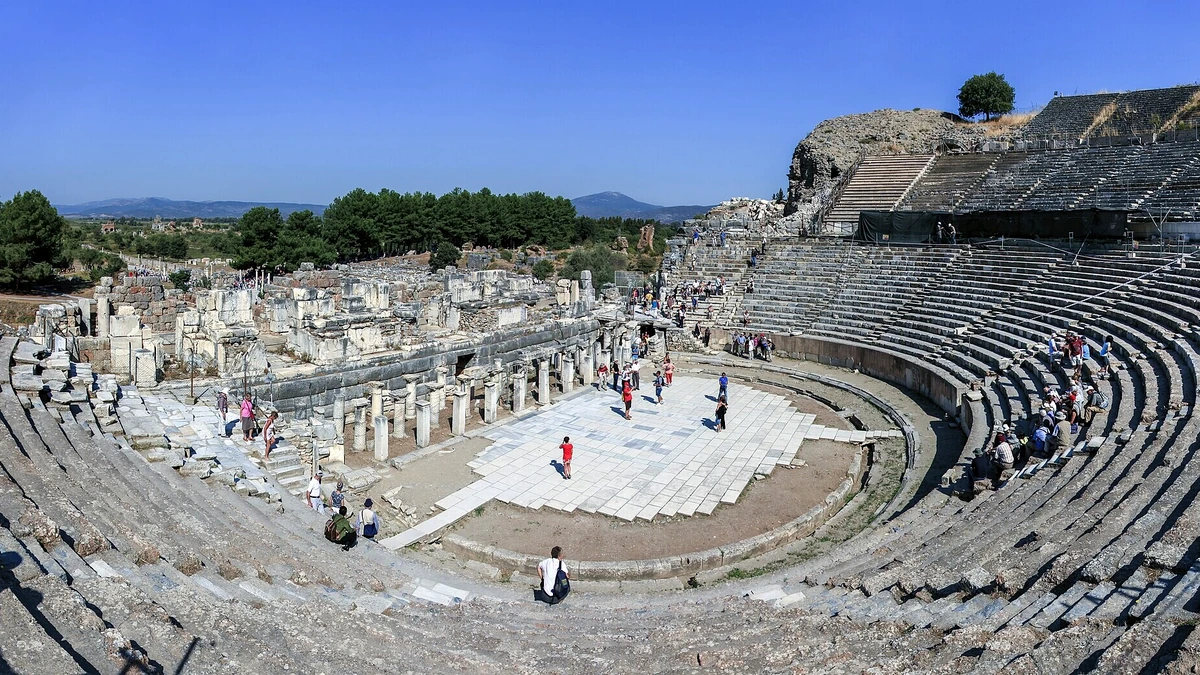
Following the white marble street northward, space opens wide before the towering presence of the Great Theatre of Ephesus, a feat of topography braced against the natural slope of Mount Panayır Dağı. Begun between the third and first centuries BCE in the Hellenistic period, this vast structure was expanded and completed over decades under Roman emperors Domitian and Trajan. Holding roughly twenty-four to twenty-five thousand spectators, the Great Theatre was not only Asia Minor’s largest performance venue of its day, but also living proof of the population scale and economic weight of a major Roman metropolis.
Its layout was arranged with scientific precision: a semicircular cavea of three steep seating tiers divided by wide diazoma walkways so tens of thousands could enter and exit swiftly. A towering three-story scaenae frons stage wall was once clad in multicolored marble, richly adorned with niches for mythological statues, engaged columns, and intricate Roman baroque moldings. The bowl-like design set against the hillside created remarkably accurate natural acoustics, carrying spoken lines or music from the orchestra clearly to the highest seats on the slope. In the late Roman period, protective barrier walls were added around the performance floor to fit new uses, shifting it from a sanctuary of classical drama to an arena for gladiator combat and beast hunts.
As twilight settles over the Cayster valley, the pulse of the ancient Anatolian city does not fade; it shifts into a mystical realm of night and memory. During peak Hellenistic and Roman times, nighttime lighting in Efes relied on “lumen”—pine-resin torches and thousands of ceramic lamps fueled by pure olive oil—lined along key commercial avenues. Along Curetes Street (Curetes Caddesi) in particular, warm flames danced and reflected sharply off white marble worn smooth by millions of footsteps, creating a silvery shimmer called “gümüşi” in the local tongue. Beneath the starry dome of ancient Ionia, scholars, Stoic philosophers, and citizens often gathered on cool Corinthian column steps to debate philosophy and recite Homer, blending with soft strains of cithara and double aulos drifting from hillside homes.
At the heart of ancient performance life stood the Great Theatre (Büyük Tiyatro), its grand semicircular form set into Mount Panayır Dağı with room for up to twenty-five thousand viewers. Under a full moon reflecting off the old Aegean bay, classic tragedies by Sophocles and Aeschylus or hymns honoring Artemis rang out across the quiet air. Thanks to extraordinary acoustic shaping and precisely graded steps, whispers or sighs from the orchestra reached the top stone rows without any mechanical amplification. Nighttime Ephesus was thus a living museum of sound and natural light, where lines between myth and humanity seemed to blur beneath Mediterranean skies.
In the modern era, night visits to the archaeological site must follow strict heritage and ecological rules set by the Ministry of Culture and Tourism of Turkey to minimize thermal and optical radiation stress on marble standing for over two millennia. Night viewing is therefore not routine, appearing only during special cultural festivals or curated heritage lighting showcases. When narrow-spectrum smart LEDs illuminate the site, the two-story facade of the Library of Celsus and the bowl of the Büyük Tiyatro glow in deep, regal amber. Warm amber against the dark Anatolian night highlights cornices, arches, and the four statues of the Virtues—Sophia, Arete, Ennoia, and Episteme—creating a striking, nostalgic spectacle.
After taking in the ruins under calm night lighting, the evening flow often draws travelers to nearby Selçuk town or the hillside village of Şirince set amid sprawling olive groves. Anatolian nights open into a relaxed rhythm shaped by local Aegean food culture. In stone courtyards beneath old grapevines, guests enjoy delicate cold-pressed olive-oil meze, fragrant grilled sea fish, and regional wines crafted from pomegranate or mulberry. Simple notes of the bağlama mingle with lively talk over çay tea or sand-brewed Turkish coffee, bringing a rich close to a night among ancient stones.
Resting beside the fertile alluvial banks of the lower Küçük Menderes—the legendary Cayster of Greek lore—the lands around Ephesus hold more than grand marble ruins; they preserve a priceless culinary treasury. It is a rare meeting point of ancient Hittite habits, coastal Ionian kitchens, Roman and Byzantine dining traditions, and centuries of Turco-Islamic culinary artistry. Through thousands of years of change, local meals have stayed true to Aegean roots: aromatic cold-pressed olive oil, crisp massa barley bread that once sustained expeditions, sea bream and sea bass from coastal brackish lagoons, and plump figs sun-ripened under bright Mediterranean rays.
Exploring Ephesus’s flavor map often begins with the wisp of smoke from Selçuk’s famed Çöp Şiş, a charcoal-grilling tradition rooted in the old villages of Meryemana and Gökçealan. Quite unlike large kebabs of southeastern Anatolia, Çöp Şiş calls for meticulous artisan care: tender young lamb is diced to fingertip size and threaded alternately with rich lamb tail fat onto wooden skewers or wild bay-leaf stems. Over glowing oak charcoal, melting lamb fat bastes every bite while bay essential oil marries with natural wood smoke. Served neatly atop flatbread brushed with bright red paprika sauce, it comes with blistered tomatoes, sumac-dusted onions, and fiery green peppers that wash away a walker’s fatigue.
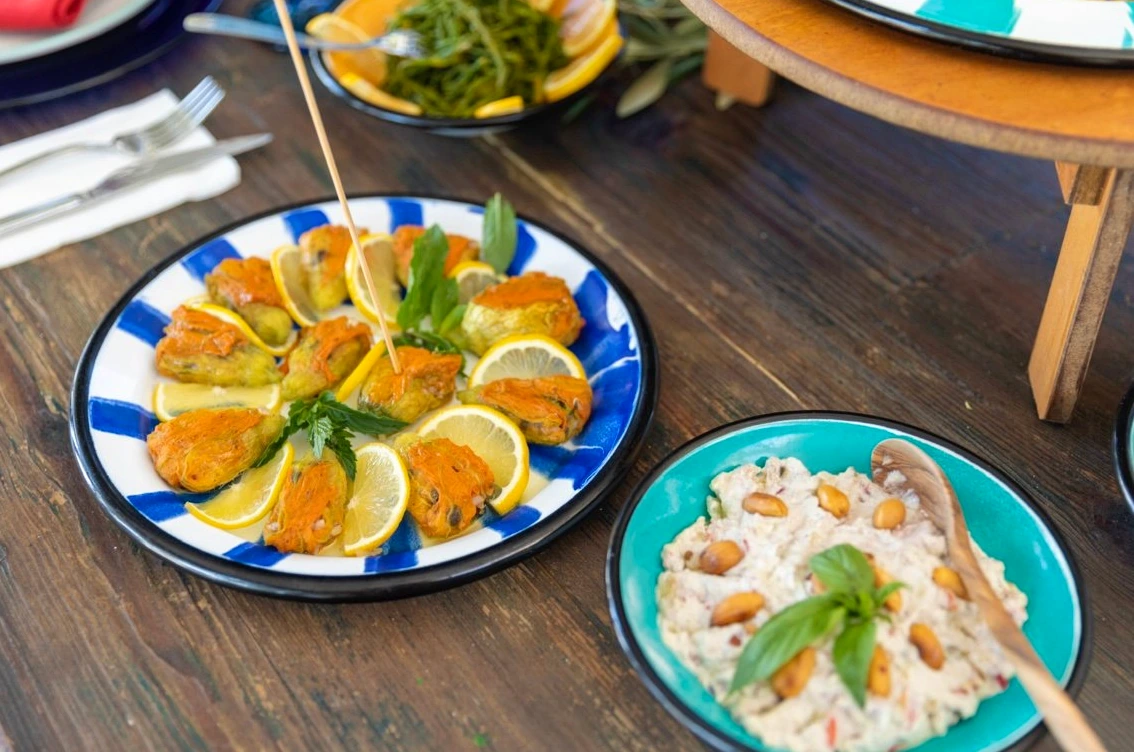
Alongside skilled meat cookery, the enduring soul of Aegean coastal cuisine lives in wild greens, crystallized in two signature herb dishes: Şevketi Bostan and Arapsaçı. Şevketi Bostan—a yellow-flowered thistle growing wild on limestone slopes around the Temple of Artemis—is gathered early in the morning, carefully de-spined for its pale root and tender leaves, and slow-simmered with young lamb and fine olive oil. Meanwhile, Arapsaçı—a wild fennel herb rich with anise fragrance—is braised with onion and fresh lemon juice into a silky terbiye sauce, offering a clean, mildly bitter start that opens into deep natural sweetness, reflecting the longevity-minded food philosophy of western Anatolia.
A heritage tasting would feel incomplete without a glass of Efes Şarabı, wine made and revived in keeping with ancient Ionian records. Family cellars in valleys near the ruins still ferment grapes in large terracotta amphorae, pairing dark, structured Boğazkere with sun-sweetened Sultaniye. To echo old offerings once poured for Bacchus, local winemakers blend fragrant pine-forest honey with a touch of mastic resin and dried Aegean herbs, yielding an amber pour rich with botanicals and subtle mineral notes from ancient earth.
Rounding out the sensory journey in the old Roman city are rich Ottoman-inflected sweets such as Mürdüm Eriği ve İncir Tatlısı. The Menderes valley is renowned for some of the world’s finest figs; thin-skinned dried figs with honey-red interiors are softened in orange-blossom water, stuffed carefully with nutty walnuts, and simmered gently in pekmez—unrefined grape and fruit syrup made without cane sugar. Plated with a few tart-sweet stewed purple Mürdüm plums and crowned with a spoonful of snowy, creamy water-buffalo kaymak, it balances richness, sweetness, and bright acidity into a lasting memory near the old sanctuary gates.
Exploring the ancient city-state of Ephesus rewards thoughtful on-the-ground planning so you can take in the full grandeur of the Aegean heritage site. The archaeological park follows seasonal hours shaped by Anatolia’s weather. During summer from April through October, as Mediterranean dusk lingers over Corinthian columns, gates open from eight in the morning to seven in the evening. During cooler winter months from November through March, hours run from eight in the morning to five in the afternoon for visitor safety before darkness falls over the limestone valleys.
For admission and payment, international visitors can use a Müze Pass Turkey card or buy a combined ticket at the main ticket office. That combined ticket covers the main archaeological complex—including the famed Library of Celsus and the Great Theatre—along with the special excavation zone Yamaç Evler, the Terrace Houses of Roman elites. Set beneath a modern protective canopy on the southern slope of Curetes Street, Yamaç Evler requires a separate add-on ticket well worth the cost, letting visitors see original frescoes, finely detailed mosaic floors, and traces of one of antiquity’s most advanced hypocaust underfloor heating systems. Also worth a stop is the Ephesus Archaeological Museum in nearby Selçuk town center, home to two original white-marble statues of the fertility goddess Artemis.
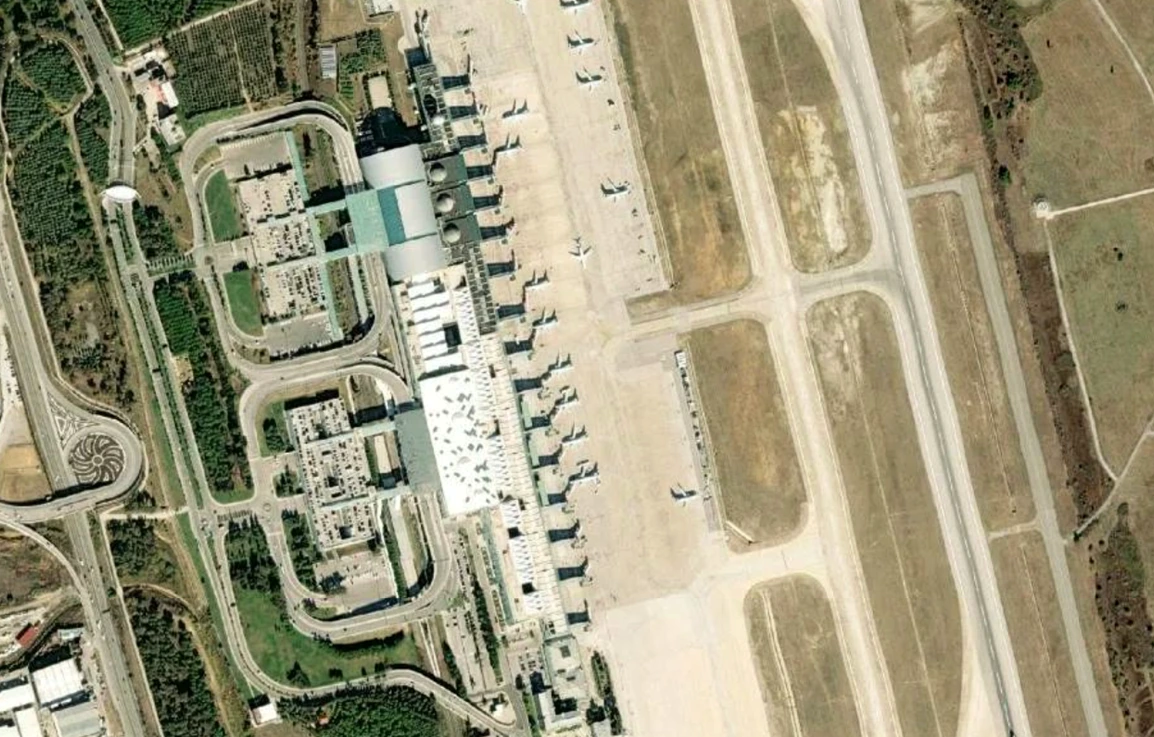
The easiest and most common way to reach this cradle of civilization is flying into İzmir Adnan Menderes International Airport (ADB). Right from the airport terminal, travelers can hop on the İZBAN suburban rail line heading south straight to Selçuk station in under an hour through olive groves and fig orchards. From central Selçuk station, traditional dolmuş minibuses or local taxis wait ready for the three-kilometer ride, reaching the grand heritage complex in just five to seven minutes.
One of the most valuable field tips at Ephesus is planning your walking direction to conserve energy. Start early—ideally around eight-thirty in the morning before large cruise groups arrive. A smart route enters from the north and walks gently downhill southward toward the Library of Celsus and the Agora, sparing you a steep uphill climb when summer temperatures can reach forty degrees Celsius. Bright sun reflecting off white marble along Curetes Street and the Arcadian Way can cause glare and fatigue without polarized sunglasses, a wide-brimmed hat, and plenty of electrolyte-replenishing water on hand.
Choosing the right footwear is equally vital for a safe visit. Marble paving stones worn smooth over millennia by Roman, Byzantine, and modern footsteps can be slick, especially on dewy mornings or after sudden showers. Athletic or trail shoes with deep-tread rubber soles are essential. To delve deeper into the historical layers of one of the Seven Churches of Revelation, renting a multilingual audio guide or walking with a guide licensed by Turkey’s Ministry of Culture and Tourism turns silent stones into vivid witnesses of time. With practical preparation like this, and for a smooth trip combining service and local insight from start to finish, travelers can also look into all-inclusive Turkey tour itineraries crafted to make the most of every moment on the ground.