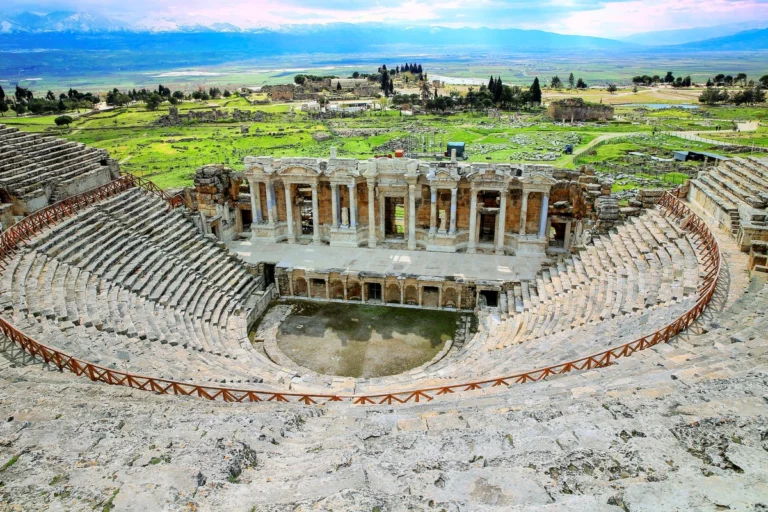
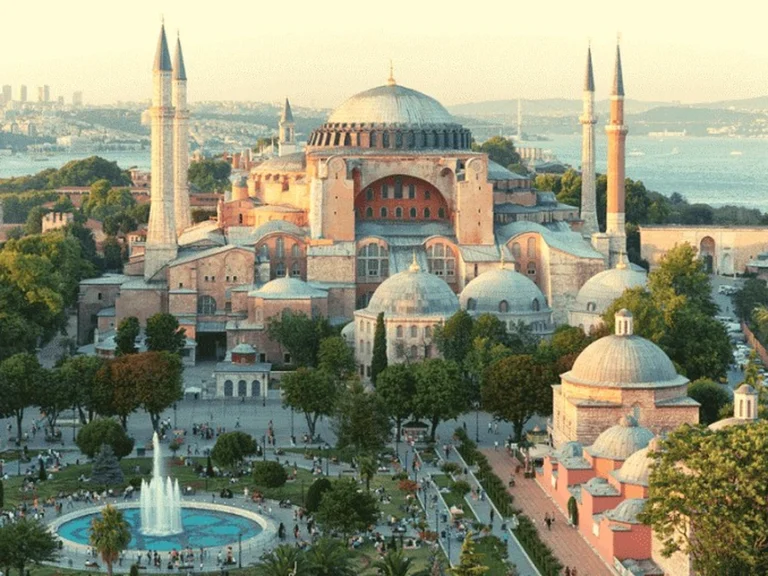
Set in the heart of the Anatolian plateau, Cappadocia is more than a geological wonder; it is a living epic where strata of time have layered over one another across millennia. The region’s ancient name was Katpatuka, which in the old Hittite language carried the proud meaning of “Land of Fine Horses.” From around 2000 BCE, during the golden age of the Hittite Empire, this land began to be shaped by human hands. Yet the deepest imprints of survival and human ingenuity lie far beneath the earth at Kaymaklı—once known by the ancient name Enegüp—and across the soft volcanic rock cliffs of Göreme.
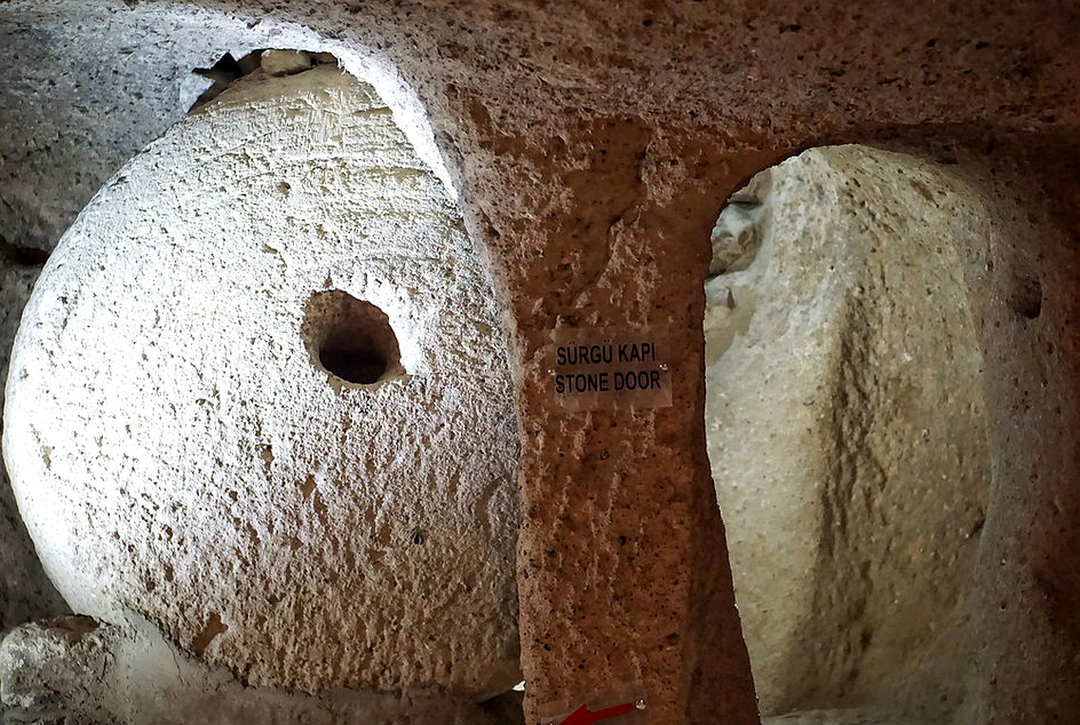
In the second and third centuries CE, as the Roman Empire stood at the height of its power and enforced severe persecution against early Christians, Cappadocia became an ideal refuge. Communities of believers found a natural fortress in the region’s soft volcanic rock. They did not merely carve simple chapels; they dug deep underground to create intricate labyrinths like Kaymaklı. These were far more than temporary hiding spots—they were subterranean cities complete with ventilation shafts, food storage rooms, stables, and narrow passages that could be sealed against intruders using massive round stone doors rolled from within. Their perseverance turned dim caverns into sanctuaries of faith, where every carving on the rock wall was a silent prayer within Mother Earth.
The most decisive historical turning point shaping Göreme’s artistic character was the Iconoclasm movement of the eighth century. During this turbulent era, when religious icons were banned and destroyed across the Byzantine Empire, artists and monks in Cappadocia preserved their faith through geometric motifs, abstract symbols, and deeply metaphorical murals. That visual constraint inadvertently gave rise to a distinctive artistic style in which intricate geometric lines took the place of human figures, creating a captivating visual language that visitors can still admire today inside the rock-cut churches of Göreme Open-Air Museum.
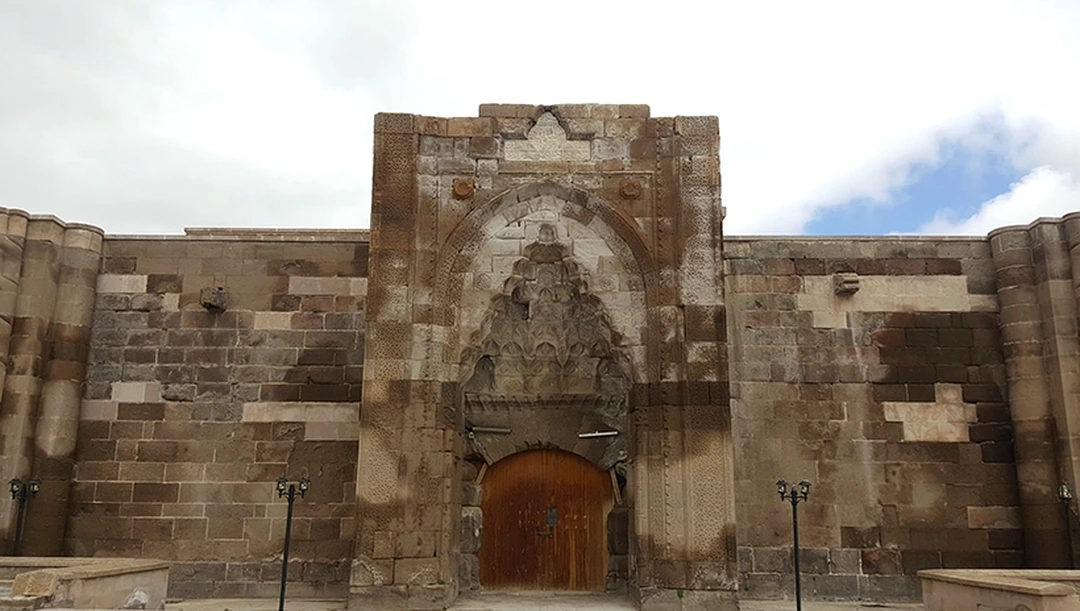
As the wheel of history kept turning, the region witnessed a shift of power from the Byzantine Empire to the rise of the Seljuks in the eleventh century. Under Seljuk rule, Cappadocia was not erased; instead, it blended with a vibrant Islamic culture, and caravanserais—waystations for merchants—began rising along the Silk Road. This cultural interplay was further reinforced under the Ottoman Empire, when local traditions, cuisine, and everyday ways of life took clear shape. Time-honored dishes such as Testi Kebab—meat slow-cooked in a clay pot over charcoal embers—reflect the region’s long-standing pottery craft and culinary heritage, where people learned to live in harmony with cliffs and subterranean spaces across thousands of years of changing times.
Today, when stepping into Kaymaklı or wandering through the valleys of Göreme, travelers are not merely viewing tangible heritage; they are touching layers of history’s sediment. From Hittite riders on the plateau and Christians hiding in the shadows to Iconoclastic artists and Silk Road merchants, all have woven together the resilient cultural tapestry of Cappadocia. It stands as proof of human willpower, where harsh natural conditions and historical pressures could not extinguish the drive to survive and create.
Cappadocia is not just a place; it is a geological masterpiece sculpted by the passage of time and the fury of nature. The foundation for the remarkable architecture at Kaymaklı and Göreme began millions of years ago with violent eruptions from Mount Erciyes, Mount Hasan, and Mount Melendiz. Thick layers of volcanic ash compacted into tuff—a soft, porous sedimentary stone that holds structural weight well yet can be carved and shaped with relative ease. This unique physical property became the ideal “raw material” for ancient builders to turn silent stone masses into enduring architecture, where the boundary between nature and human hands nearly disappears.
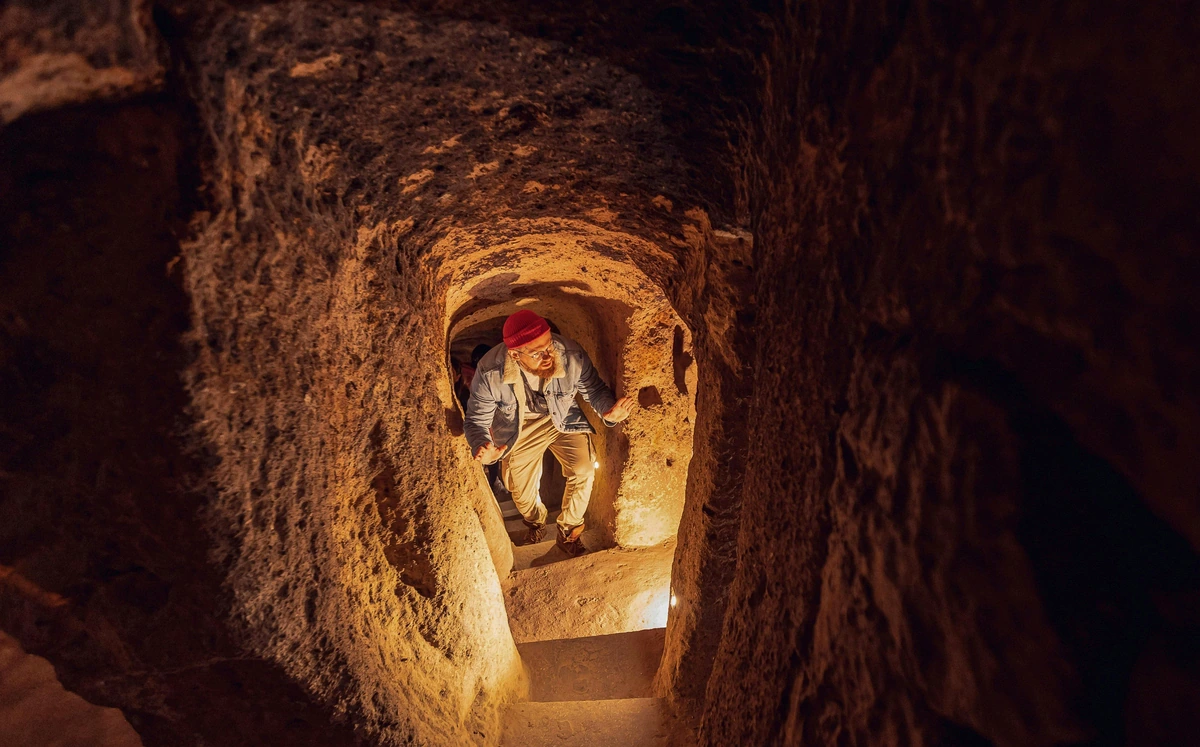
In terms of terrain planning, Kaymaklı is often compared to a “hidden metropolis” guided by astute site awareness and defensive engineering. The complex extends across eight underground levels, four of which are currently excavated and open to visitors. Unlike strictly vertical shafts, Kaymaklı expands horizontally into a winding maze of narrow, sloping tunnels and thoughtfully arranged functional chambers. Ancient engineers calculated airflow carefully through vertical ventilation shafts, ensuring oxygen circulation for thousands of sheltered residents during emergencies. Massive round stone slabs weighing tons, designed as blocking doors operated from the inside, served not only as physical barriers but also as evidence of sharp military foresight, turning the site into an impregnable stronghold against surface attacks.
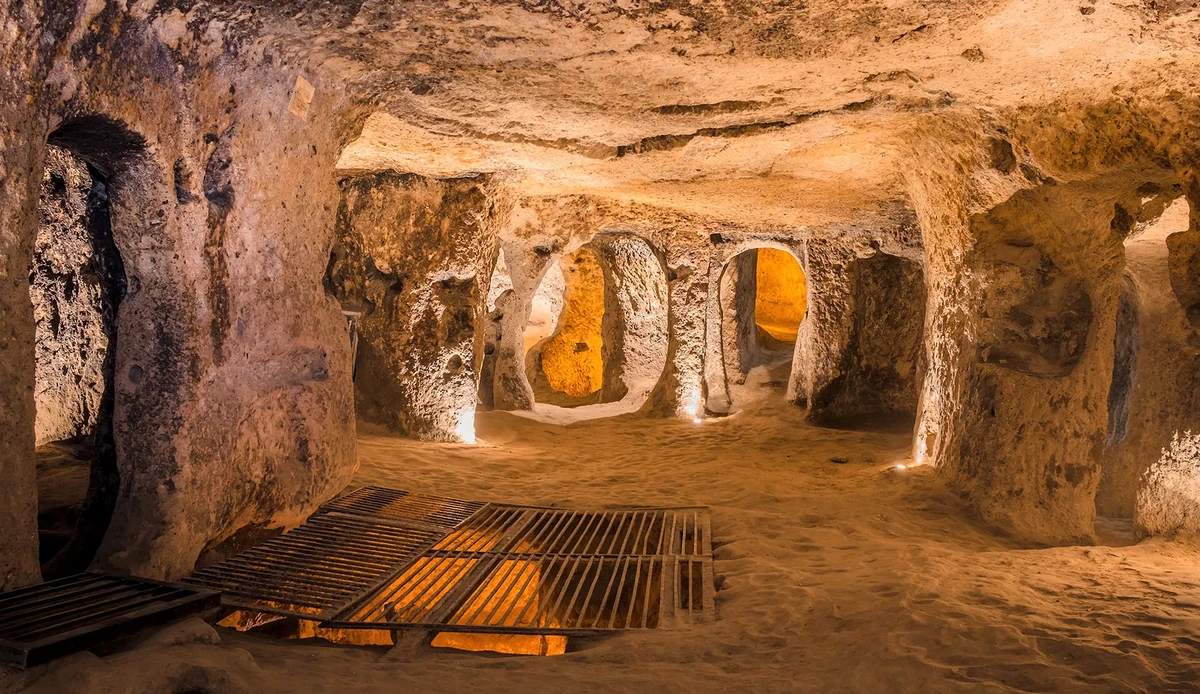
In contrast to the quiet, inward-looking character of Kaymaklı, Göreme Open-Air Museum emerges like a natural amphitheater, where rugged topography was put to full use to safeguard spiritual culture. Göreme’s landscape combines deep valleys with towering mushroom-shaped rock formations known as fairy chimneys, creating a surreal setting. Ancient builders hollowed into these rock masses to form cave churches, monasteries, and communal spaces. Planning the churches relied not only on practicality but also on strict principles of light and sacred space. Vivid Byzantine frescoes inside the caves retain their color after centuries thanks to tuff’s excellent thermal insulation, which keeps indoor temperatures steady year-round and shields artworks from harsh outdoor weather.
Carving these spaces required patience and a deep grasp of geological structure. Early inhabitants used simple hand tools to excavate, starting with air shafts and gradually expanding into living quarters, food storerooms, livestock stables, and wine cellars—an essential part of Cappadocian food culture. Spatial organization at Kaymaklı and Göreme reflects a highly structured society where every level and room served a distinct purpose, from storing clean water to managing waste, revealing an urban planning sophistication remarkable even against modern standards.
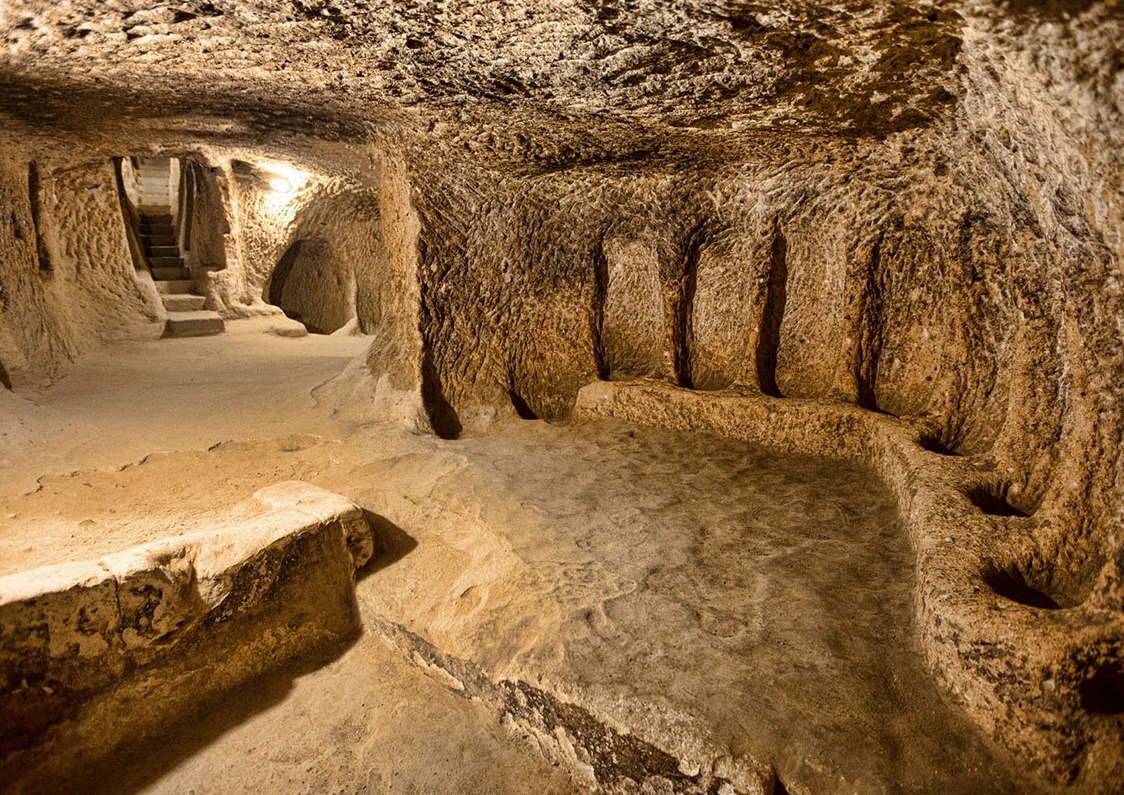
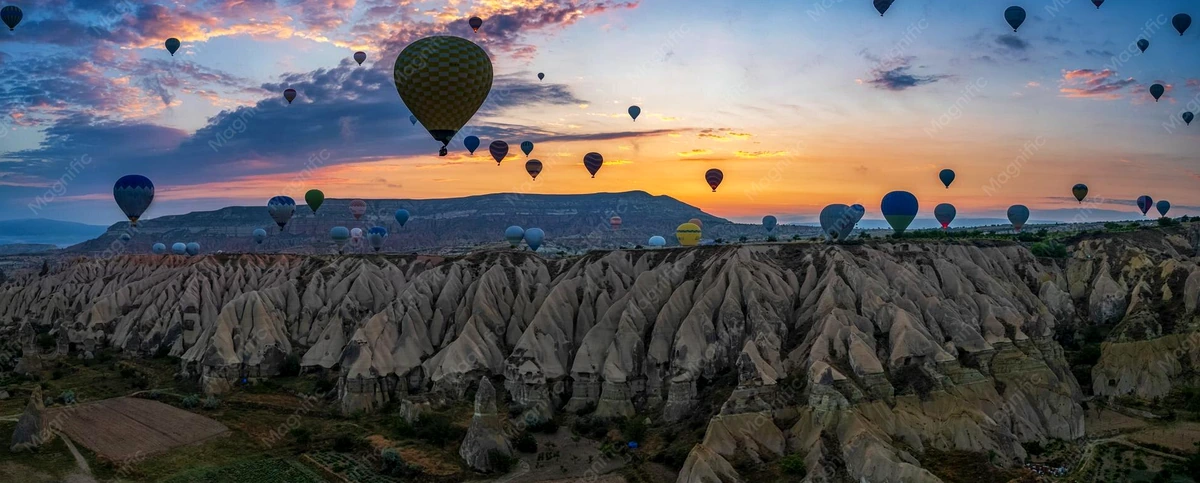
The region’s signature scenery blends the soft contours of tuff eroded by wind and rain with the crisp angles of human-carved walkways and steps. As sunset settles, the entire landscape turns a glowing golden-orange, accentuating the unusual shapes of the rock pillars and the hush of ancient caves. This is more than architectural heritage; it is a lesson in human adaptation to nature, where every patch of ground and every cliff face tells a story of survival, faith, and resilience rising from the earth.
Stepping down into Kaymakli, travelers do not merely enter a maze; they step into a feat of human engineering where architectural thinking is defined by a “subtractive” method—sculpting inward from living rock. Rather than building upward from a foundation, Cappadocia’s ancient residents steadily carved and hollowed out soft Anatolian tuff to build a complete subterranean ecosystem. The refinement of Kaymakli’s spatial layout lies in how it maximizes tight quarters. Spanning eight geological levels, the city could shelter thousands of people along with livestock during history’s most perilous moments. Each level forms a logical link, with wine cellars (şırahane) placed strategically to benefit from steady temperatures, alongside food storage rooms designed with natural ventilation to keep provisions from spoiling or turning damp through months of hiding.
The most astonishing engineering feature at Kaymakli is its rolling stone doors (sürgü taşı). These massive circular slabs of stone, weighing tons, functioned like sophisticated mechanical bolts. When danger struck, residents needed only a push from inside to roll a slab across a passage, sealing out attackers from beyond and turning the city into an impregnable fortress. Ventilation shafts running from the deepest level up to the surface served not only as air channels but also as an acoustic network, keeping fresh air circulating to sustain thousands of people in enclosed quarters. The ancient builders’ grasp of physics and geology shows a deep command of rock mechanics, using tuff’s strength to form load-bearing ceilings that kept upper levels from collapsing.
If Kaymakli exemplifies pragmatic survival, Göreme Open-Air Museum represents the peak of spiritual art and religious aesthetics. Here, giant mushroom-shaped rocks became more than shelter—they were transformed into richly adorned sanctuaries. Standouts include Tokalı Church, Karanlık Church, and Elmalı Church, where every square meter of stone wall is covered with vivid frescoes. What makes art historians admire them most is the pigment craft: artisans drew on local mineral pigments bound with egg white and organic mediums to produce colors that endure. The deep blue in Karanlık Church—derived from rare lapis lazuli—still holds its depth and mystery after centuries despite the semi-arid climate.
Spatial design at Göreme does not follow conventional masonry rules; instead, it adapts to the natural forms of fairy chimneys. Churches were carved with soaring vaults and faux columns sculpted directly from bedrock, creating worship spaces that feel both solemn and close to nature. The contrast between rough, gray volcanic stone outside and vibrant, detailed frescoes within captures a Cappadocian philosophy: finding sacred beauty amid harsh conditions. Every brushstroke and chisel mark here expresses faith and human ingenuity, turning raw rock into lasting cultural heritage.
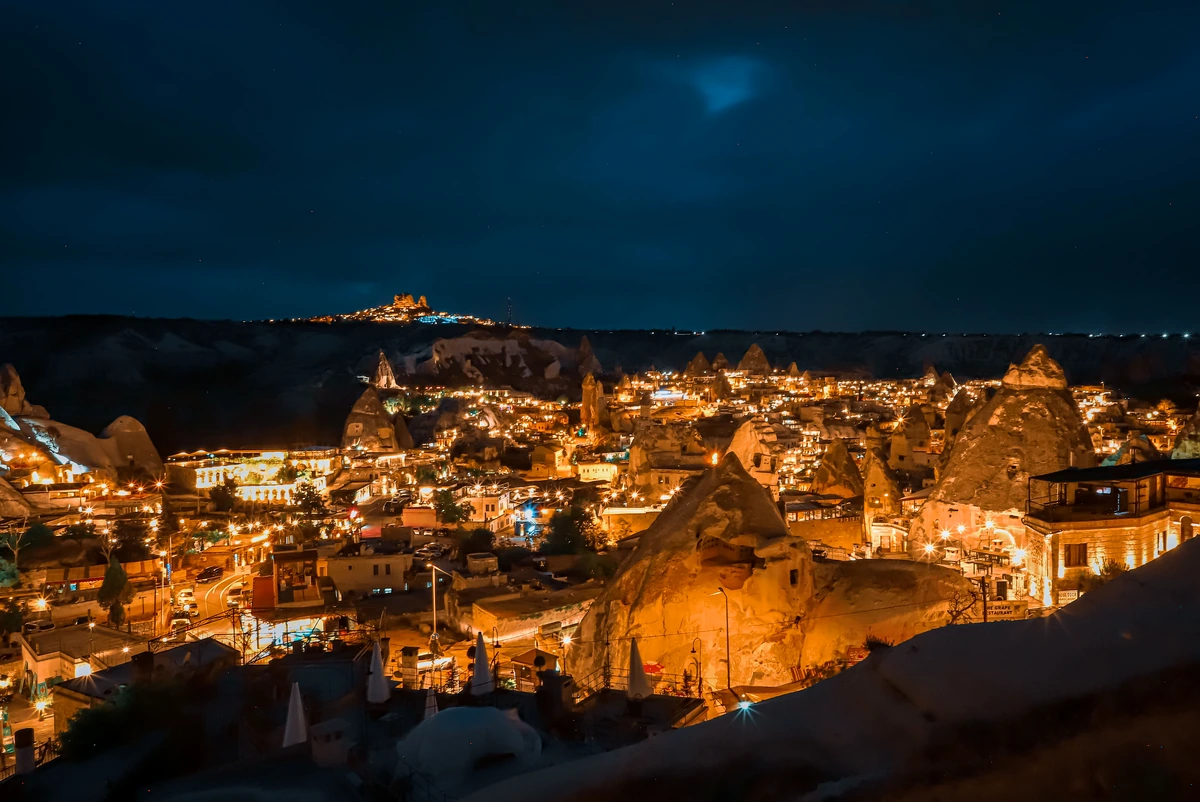
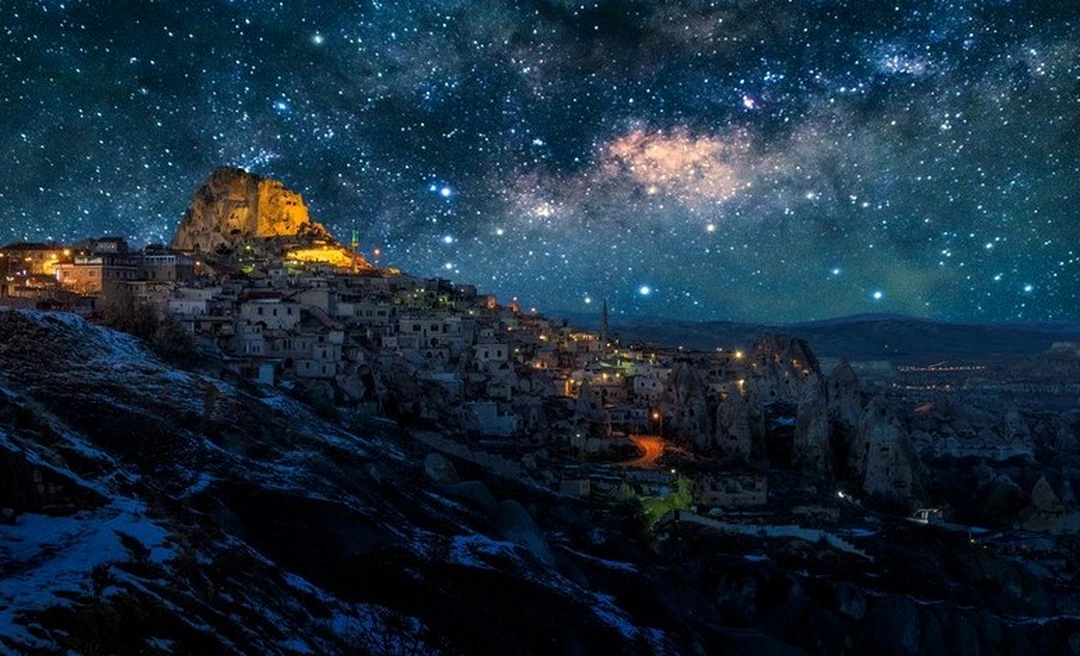
When night falls across Cappadocia, the peribacası rock formations—already majestic in daylight—put on a mysterious cloak, shifting from quiet monuments into alive presences within a landscape of light. Nightlife here is not the bustle of a modern city, but an “aesthetics of stillness,” where every cliff and cave becomes a captivating natural stage. Warm golden lights placed with care trace crisp striations across the volcanic rock, creating the impression that the mountains themselves are breathing and recounting millions of years of geology alongside human migrations since the Neolithic era.
An unforgettable spiritual and artistic highlight of a Cappadocian night is the Sema ceremony, a Sufi tradition associated with Mevlana Rumi. Rather than taking place in a standard hall, experiencing Sema inside an ancient cave offers a distinctive acoustic setting. The plaintive notes of the ney flute and steady beat of the kudüm drum echo through limestone vaults, creating a resonant atmosphere that feels suspended between dream and reality. Whirling dervishes in flowing white robes spin continuously as a symbol of union between earth and heaven, self and the eternal cosmos. Within the intimate cave setting, each turn becomes a meditative journey, heightened by lighting that frames graceful motion like a living tableau.
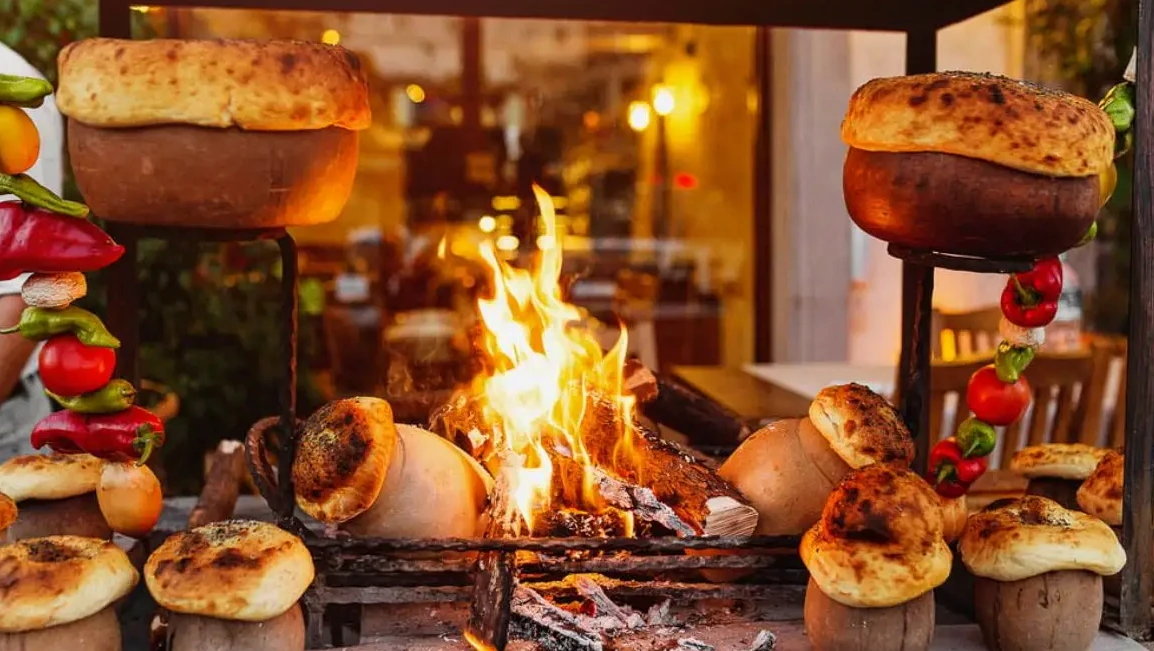
After quiet moments with the arts, Cappadocia’s evening rhythm leads visitors to Anatolian dining spaces. Restaurants tucked deep inside rock—once Byzantine wine cellars or storerooms—are now lit by soft candlelight. Guests can enjoy Testi Kebab, meat slow-cooked in a traditional sealed clay pot and cracked open right at the table to release the rich aroma of lamb, tomatoes, and local spices. Warmth from stone ovens, bold Cappadocian wine grown in volcanic soil, and soft light reflecting off rock walls come together in a dining setting found nowhere else on earth.
Once underground and cave experiences wind down, Cappadocia’s night sky offers a final gift from nature. High elevation and minimal light pollution turn the sky above into a natural observatory. From the terraces of cave hotels, visitors can easily spot the Milky Way arching across jagged rock peaks. In the deep quiet of the highland night, stargazing is more than a pastime—it is a quiet bond with ancient inhabitants of underground cities like Kaymakli, who looked up at the same sky to find direction and faith. Subtle lighting, the turning Sema ritual, and the raw beauty of the cosmos make a night in Cappadocia an unforgettable chapter in the story of this legendary land.
If Kaymakli’s underground passages show human survival instinct against adversity, Cappadocia’s cuisine is a refined harmony between demanding volcanic soil and centuries-old winter preservation traditions. Where tufa stone shapes daily life, cooking goes beyond sustenance to become a cultural ritual, with every dish carrying traces of past generations who sought shelter within the earth.
A centerpiece of local flavor is Testi Kebabı, or clay-pot stew. It pairs the renowned pottery craft of Avanos with wholesome ingredients from the rocky plateau. Diced lamb or beef is marinated with local herbs, tomatoes, garlic, and chili, sealed inside a handmade clay pot with dough, and slow-baked over glowing embers for hours. At the table, a server taps the neck of the pot with a small hammer—a crisp, dramatic sound before the savory aroma of the stew rises. As the clay breaks open, diners taste the spirit of Cappadocia, where patience and traditional technique are honored.
Local menus also hold pre-industrial nourishment, notably Düğü soup. Made from cracked wheat (bulgur) paired with legumes and seasonal vegetables, it provided vital energy through snowy winters on the Anatolian plateau. Cappadocian culinary finesse also shines in Ayva Dolması, or stuffed quince. Unlike typical Mediterranean dolmas, Ayva Dolması brings together sweet quince, savory minced meat, and warm dried spices. Often served at family gatherings, it reflects care and patience as home cooks hollow out the fruit, fill it, and simmer it slowly for a balanced interplay of savory and sweet, tradition and creativity.
No account of Cappadocia is complete without its wine heritage, as mineral-rich volcanic soil favors indigenous grape varieties. Grapes like Emir—a crisp, delicate white—and Öküzgözü—a bold red with firm tannins and rich fruit notes—are the pride of long-standing cellars. Aging wine inside natural caves with steady year-round temperatures is a family tradition, with oak barrels resting deep in rock as the land’s essence matures. Local winemakers continue to practice organic viticulture, respecting natural cycles just as ancestors did for millennia.
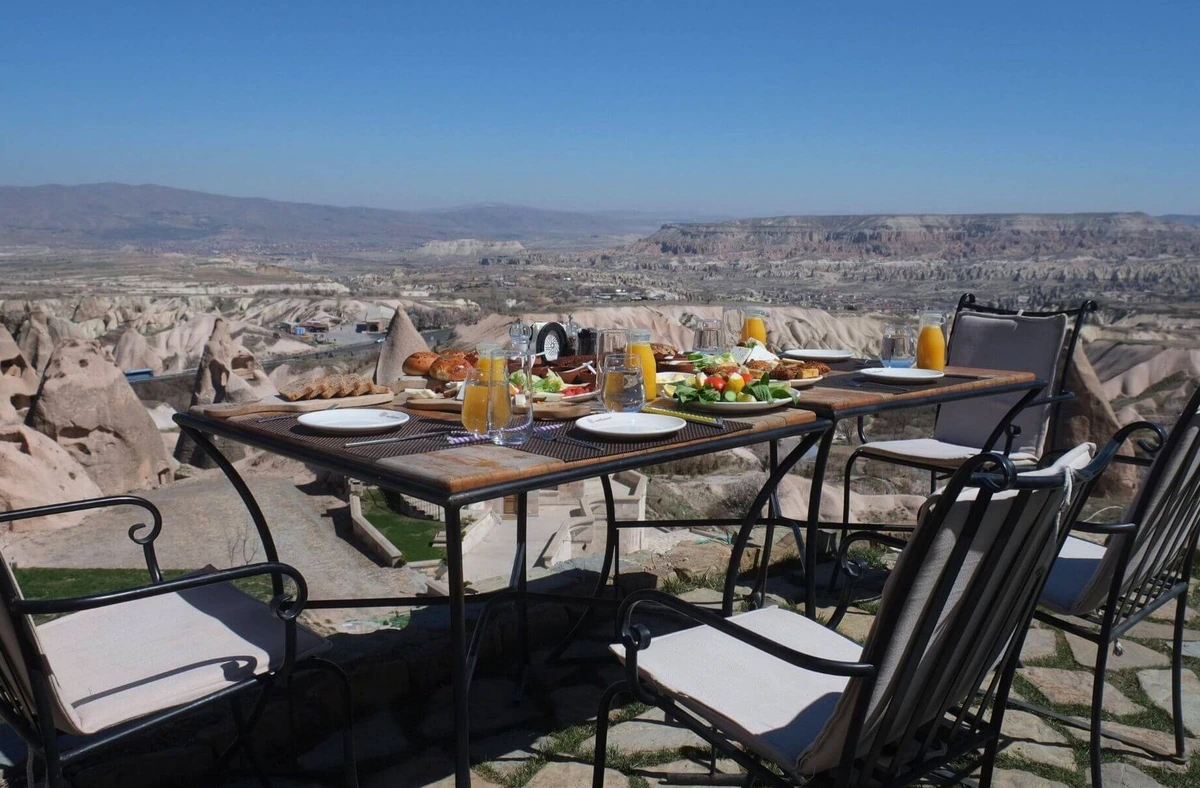
Dining culture in Cappadocia is closely tied to traditional breakfasts (kahvaltı) beside stone valleys. In the calm of early morning, as hot air balloons begin to dot the sky, guests enjoy wood-fired bread with wildflower honey, sheep’s milk cheese, and fruit preserves made from valley orchards. Every dish, from ingredient selection to preparation, reflects a way of life that values what the land provides and passes down family traditions across generations. In Cappadocia, food is more than appetite—it is a dialogue among people, history, and volcanic terrain.
Knowing the operating guidelines at Cappadocia’s World Heritage sites is essential for making the most of your visit. For Kaymakli Underground City and Göreme Open-Air Museum, standard hours typically begin around 08:00 AM and run until 07:00 PM during peak season. Even so, Anatolian plateau weather and heavy visitor numbers reward thoughtful timing. Ideal hours to explore rock-cut churches or subterranean passages are around 08:30 AM right after opening, or after 04:00 PM. Light is softer then, revealing Göreme’s Byzantine frescoes clearly while helping you avoid the crowds that can make Kaymakli’s narrow tunnels feel cramped.
One key requirement every traveler should keep in mind is getting a MüzeKart. It not only helps manage admission costs across sites, but also serves as a pass for many national heritage locations in Turkey. Buying online or at official ticket counters saves significant time in line. For your budget, it helps to set aside funds for a local guide, since stories of Kaymakli’s ventilation shafts and round stone doors come alive best when shared by someone well versed in the region’s history.
Visitors planning to explore deep underground should consider their personal health. Kaymakli Underground City features tunnels descending through multiple geological layers where spaces can become quite tight and humidity is high. Anyone with claustrophobia or respiratory concerns should weigh carefully before heading down to the lowest levels. Personal safety always comes first when exploring historic sites. Also, inside the quiet rock-cut churches of Göreme—home to frescoes dating from the ninth to eleventh centuries—visitors must strictly avoid flash photography. Bright flash light harms natural mineral pigments on rock walls and can cause lasting damage to this heritage.
After time spent among ancient spaces, be sure to enjoy local food in nearby towns. Testi Kebab, or clay-pot stew, is a must-try. Lamb or beef is slow-cooked with vegetables in a sealed earthenware pot and cracked open at the table for a lively ritual and rich, memorable flavor. If you want to enjoy these cultural experiences without worrying about logistics or long transfers between sights, you can explore our all-inclusive Turkey tour package for a thoughtfully paced itinerary designed for comfort and peace of mind throughout the trip.