Standing proudly atop Hisarlık Hill in present-day Çanakkale, ancient Troy—known in Turkish as Truva, in Greek as Troía (Τροία), and in Latin as Troia—has long stood at the crossroads between grand legend and rugged historical reality. For centuries, tales of the Trojan War celebrated in Homer’s Iliad were viewed largely as mythopoetic literature. According to that classic epic, conflict between Achaean forces and the kingdom of Troy broke out around the late twelfth century BCE, leaving lasting stories across antiquity. Yet combining classical texts with archaeological excavations near the Dardanelles Strait gradually shed light on real Bronze Age settlements behind the legend of the wooden horse.
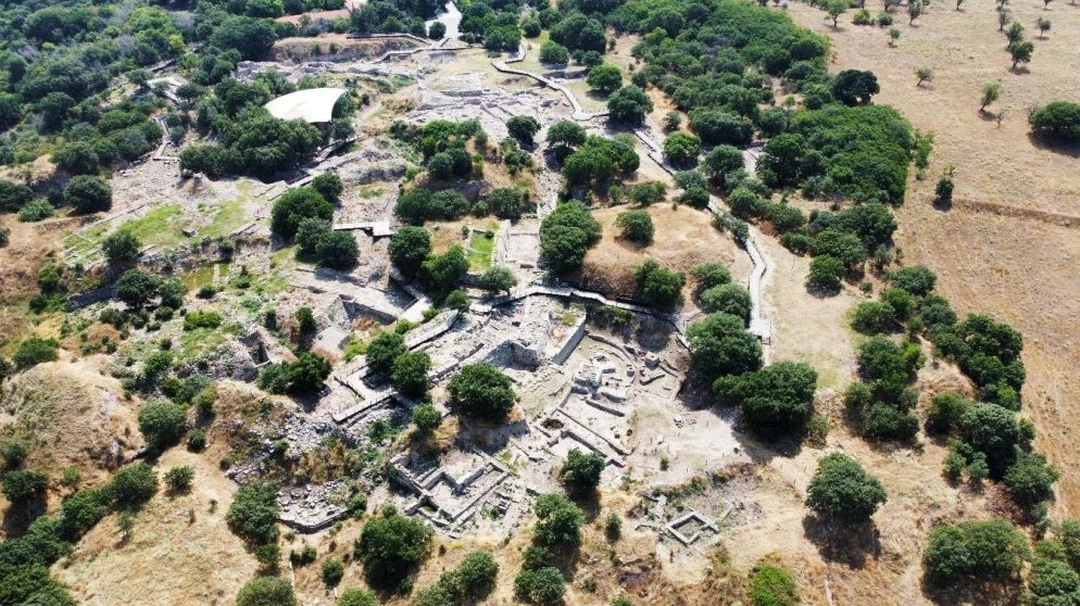
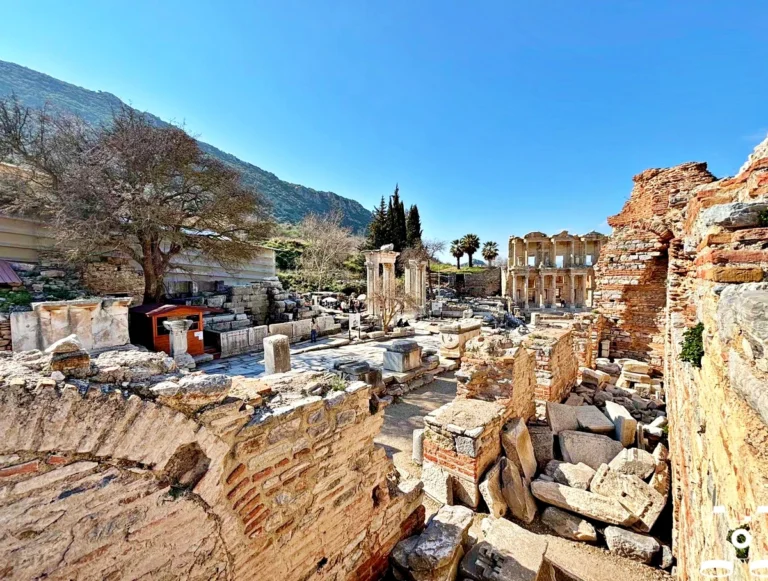
Geological and archaeological surveys at Hisarlık Hill revealed multiple superimposed settlement layers—traditionally grouped into nine main phases (Troy I through Troy IX) spanning from the third millennium BCE into Roman and Byzantine times. Among these layers, researchers often associate Troy VI and Troy VIIa—roughly spanning the late Bronze Age around the thirteenth to twelfth centuries BCE—with the fortified settlement behind Homer’s accounts. Excavations at Troy VIIa uncovered sturdy stone fortifications alongside numerous large storage jars (“pithoi”) sunk into floors to hold provisions and olive oil during prolonged sieges.
Legends of Troy center on figures bridging epic poetry and ancient lore: King Priam, ruler of Troy; Prince Hector, famed in epic tradition for bravery and duty; and Paris and Helen, whose story anchors the ten-year war narrative. Beyond poetry, these tales echo real Bronze Age rivalries among Aegean coastal communities and regional powers, with the wooden-horse stratagem remaining one of antiquity’s most enduring stories of war and cunning.
Bringing Troy into modern archaeological inquiry owed much to nineteenth-century German excavator Heinrich Schliemann, who dug at Hisarlık guided by Homeric accounts. Later excavators—including Wilhelm Dörpfeld and Carl Blegen—refined stratigraphic classification across Troy’s building phases. Further context came from Hittite cuneiform tablets mentioning “Wilusa,” widely linked by many scholars to Ilios (Troy), connecting Bronze Age Anatolia with broader Mediterranean history.
Situated in northwestern Anatolia within today’s Çanakkale Province, the archaeological site of Troy sits on Hisarlık Hill around 39°57′ north latitude and 26°14′ east longitude. Its setting guards the southern approach to the Dardanelles Strait—known in antiquity as the Hellespont—where Aegean waters meet the Sea of Marmara along a key maritime route linking the Mediterranean with the Black Sea.
Topographically and hydrologically, the site reflects gradual landscape change over millennia. In antiquity, the Scamander and Simois rivers met near the base of the hill before emptying into a coastal bay. Alluvial sediment carried by rivers and coastal processes shifted the shoreline westward by several kilometers over time, leaving the fertile Troad plain where a coastal harbor once lay amid Mediterranean sunshine.
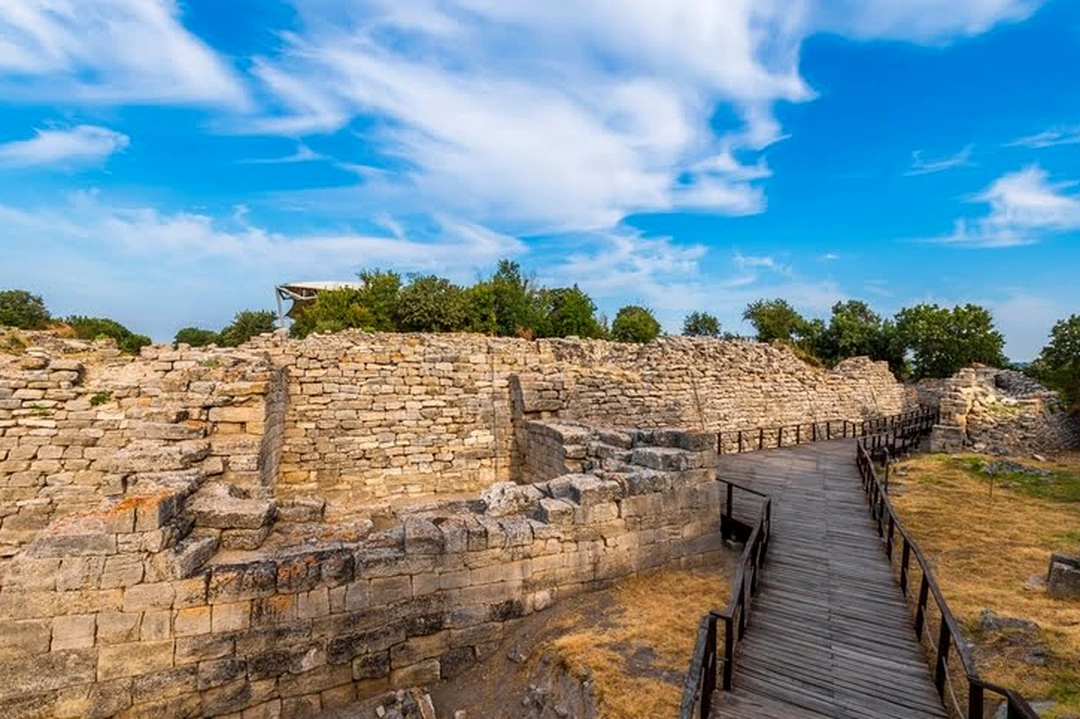
Hisarlık Hill itself rises roughly 15 to 30 meters above surrounding plain levels. That elevated position helped early inhabitants avoid seasonal valley flooding along the Scamander and Simois rivers while giving clear sightlines over surrounding plains and toward the Aegean horizon—a practical choice for defense and overlooking nearby waterways.
Mild Mediterranean weather and stepped hill slopes shaped defensive building at Troy. Builders used the natural slope of Hisarlık Hill to tier stone walls up toward higher citadel ground, pairing stone fortifications and natural relief with wide views toward the Dardanelles Strait.
To understand why siege craft loomed so large in Trojan lore, architectural historians look to Troy VI and Troy VII fortifications from the Bronze Age. Lower walls feature massive stone blocks fitted without mortar in a bold, heavy style, while upper walls combined masonry with timber framing that offered resilience against siege impacts and seismic tremors common in western Anatolia.
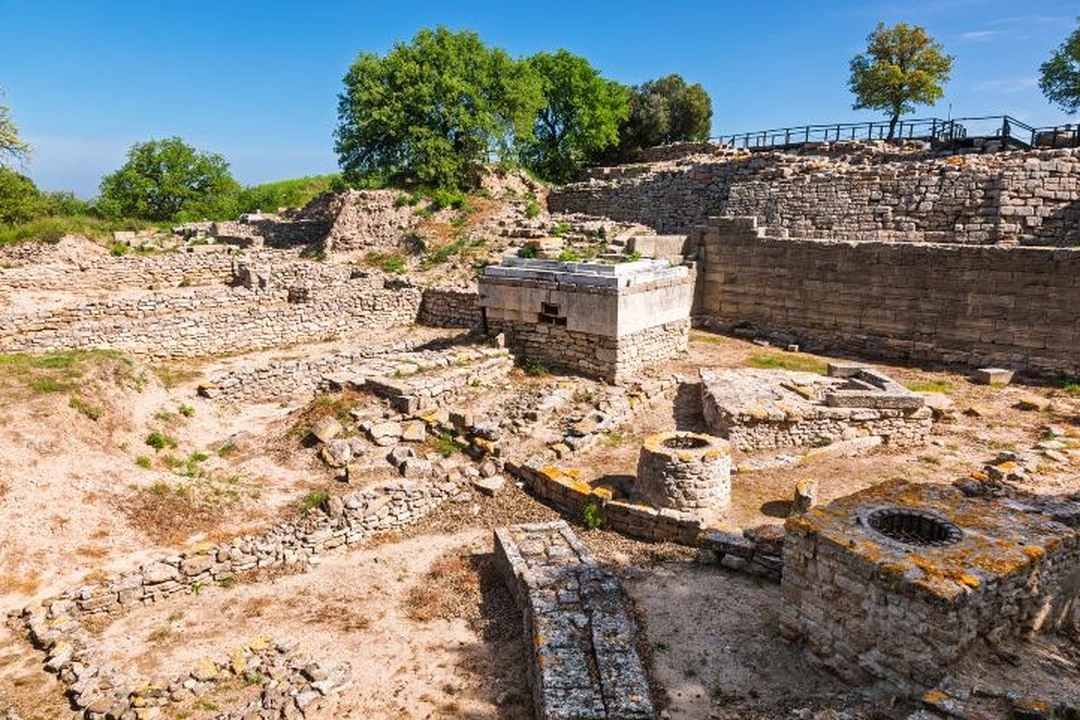
Sloped stone embankments (“glacis”) and narrow gate approaches flanked by towers made direct assault difficult against well-built Bronze Age walls. In epic lore, that stout defense set the stage for Odysseus’s wooden-horse ruse to bypass stronghold walls after a long standoff.
Echoing that famous story today is a large wooden horse structure standing at the site in Çanakkale. Built on a prominent scale—roughly 12.5 meters tall, 9 meters long, and 3.5 meters wide—it uses local Anatolian timber treated against coastal weather and salt air off the Dardanelles, with weathered wood siding giving a rustic, aged finish.
Visitors can climb inside via an interior wooden staircase leading through hollow timber levels and viewing openings. Looking out through openings along the sides and head offers views over the Troad plain and Dardanelles Strait, turning a sculptural landmark into an interactive viewpoint linking Homeric legend with the surrounding landscape.
As sunset settles over the Dardanelles Strait, Çanakkale takes on a calm evening atmosphere supported by heritage lighting initiatives backed by the Ministry of Culture and Tourism of Türkiye and local authorities. Warm-toned architectural lights (around 2700K–3000K) highlight timber grain and stone textures without harsh glare, giving evening walks a quiet, evocative mood.
Around coastal parks and site approaches in Çanakkale, subtle lighting and evening displays draw attention to maritime history and Trojan themes along the strait, letting visitors experience the area’s coastal setting after dark.
During warmer summer months, seasonal cultural events and outdoor performances—such as “Troy Night” programs—bring together theater, dance, and Turkish cultural elements inspired by classical stories and regional traditions.
Evening energy in Çanakkale is also felt during the annual International Troy Festival in August, featuring traditional oil wrestling, Turkish folk music along the waterfront, and parades. Relaxing at a seaside café or fish restaurant with a glass of Rize tea or raki while taking in evening festivities captures the coastal town’s lively spirit.
Where the Aegean Sea meets the Sea of Marmara, Çanakkale’s food culture reflects coastal waters and fertile plains around ancient Troy. Currents flowing through the Dardanelles support fresh seafood alongside produce and dairy from surrounding farmland and hills.
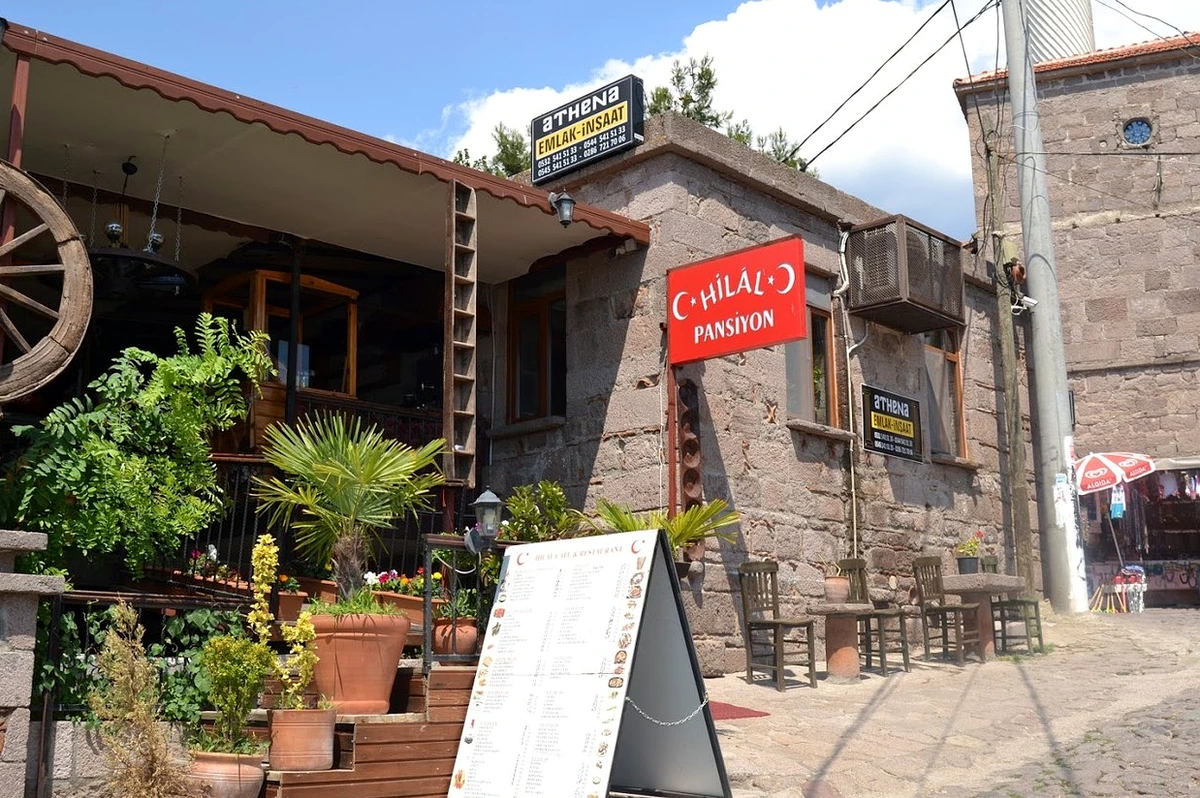
Seafood is a highlight around Çanakkale, with bluefish, sardines, and octopus prized for freshness. Sardines (“sardalya”) grilled simply over charcoal with coarse salt and octopus slow-cooked with herbs showcase straightforward Aegean coastal cooking.
Local farmland also produces Ezine cheese (“Ezine Peyniri”), made traditionally from a blend of sheep, goat, and cow milk from the region and brined for rich, balanced flavor. Paired with local olive oil, crusty “simit” bread, and wild herb salads, it reflects everyday Mediterranean eating in the Troad region.
A classic regional sweet is Peynir Helvası, a traditional dessert made by gently cooking unsalted fresh cheese with flour, sugar, and butter/oil until golden and fragrant. Served warm—often alongside a scoop of ice cream or cheese—it offers a comforting sweet finish.
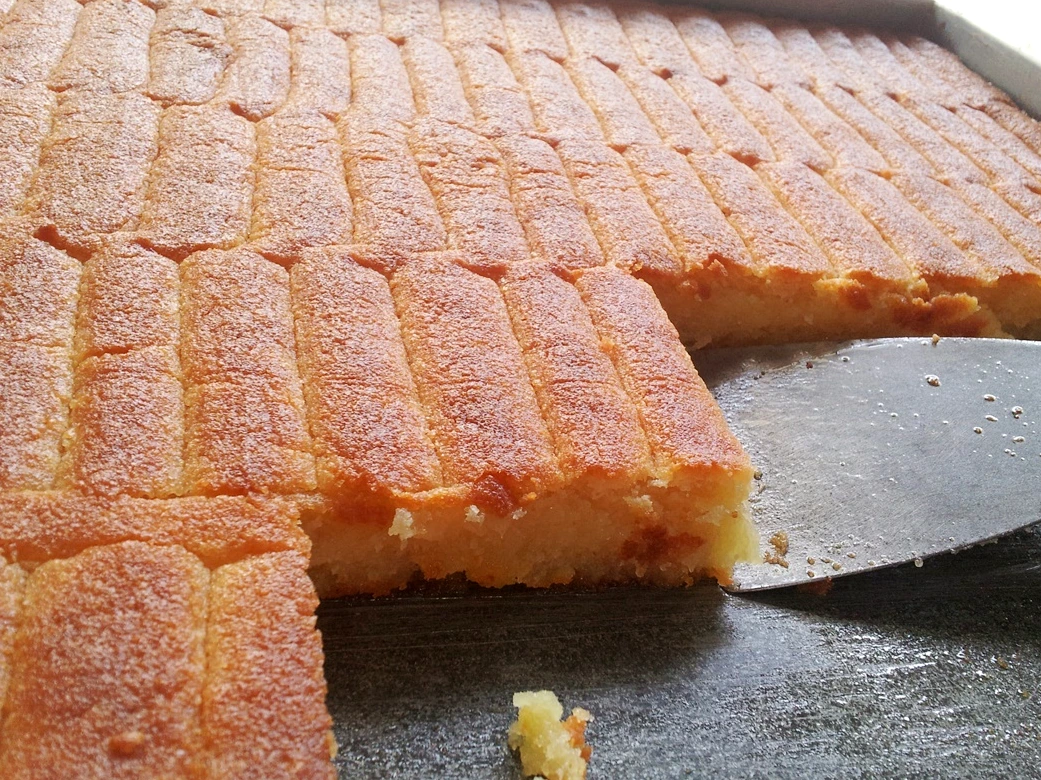
Sitting down at a waterfront restaurant in Çanakkale to enjoy grilled fish, Ezine cheese, and warm Peynir Helvası rounds out a day of archaeology and coastal scenery with local flavors rooted in northwestern Türkiye.
Timing a visit to Troy helps ensure a smooth day. Summer hours (roughly April through October) typically run from 08:30 AM to 07:00 PM, while winter hours (roughly November through March) generally close earlier around 05:30 PM as daylight fades earlier. Holding a MuseumPass Türkiye can also simplify entry across archaeological sites and museums.
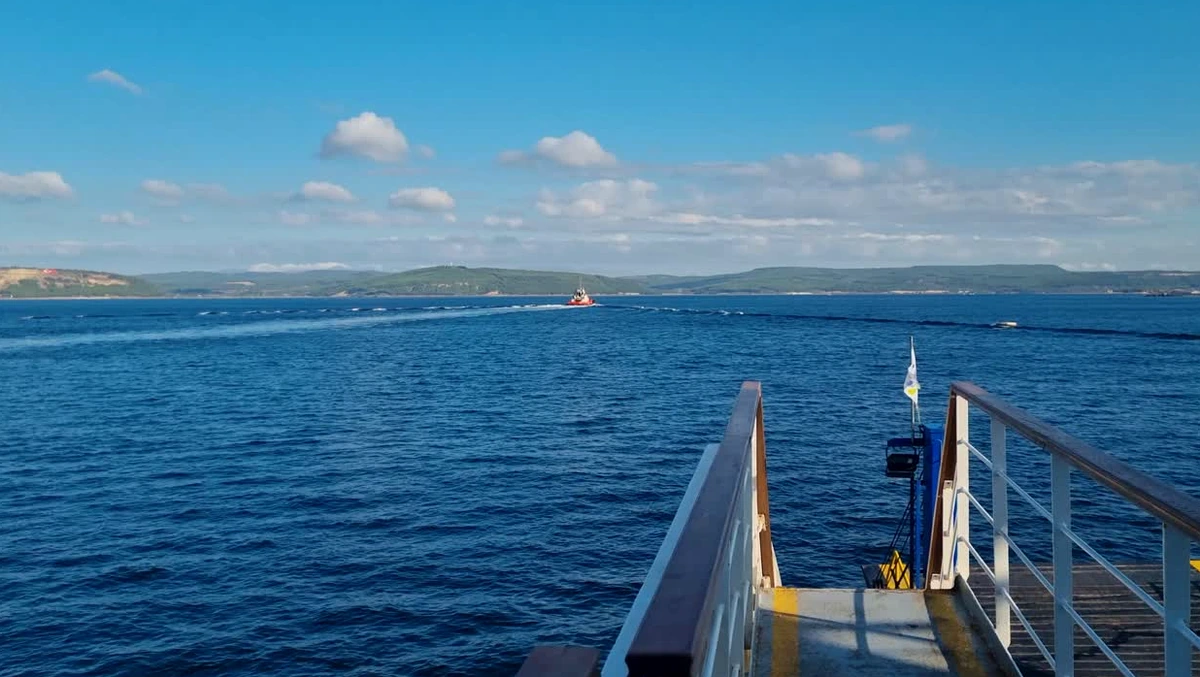
Reaching Çanakkale from Istanbul is straightforward by intercity coach (roughly 5 to 6 hours) or short domestic flight to Çanakkale Airport (CKZ). From the Gallipoli side, ferries cross the Dardanelles in about 25 minutes, and local minibuses (“dolmuş”) run from central Çanakkale out to Hisarlık Hill in roughly 30 minutes.
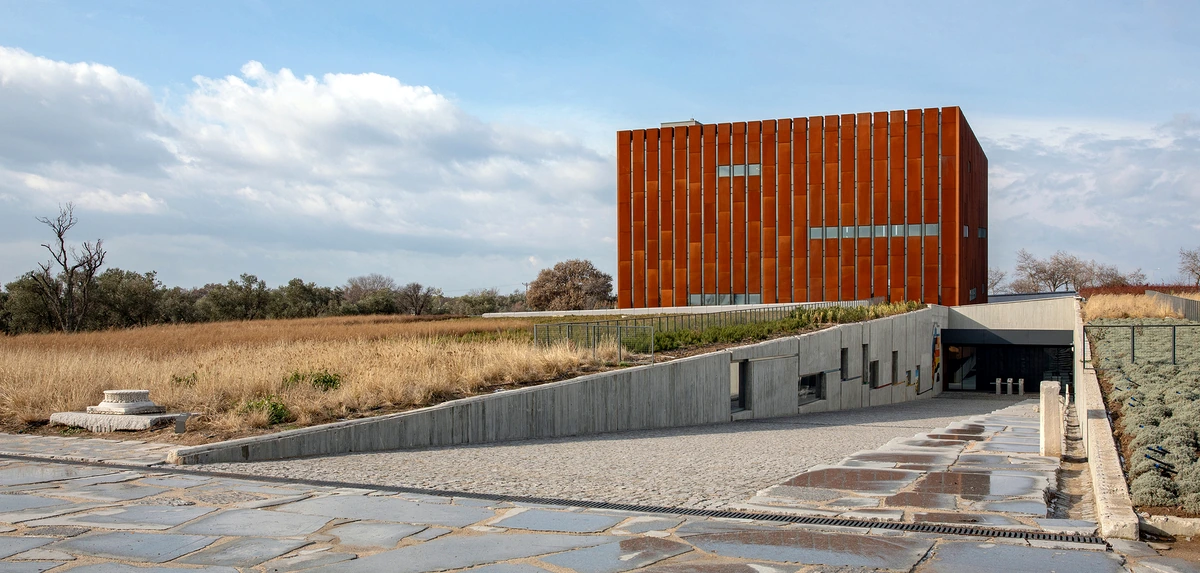
A sensible visit starts inside the nearby Troy Museum—with its sunken entrance and displays covering Bronze Age finds and Trojan stories—before walking out across the open archaeological ruins and wooden horse structure across Troy’s layered remains.
Because Hisarlık Hill features uneven stone paths, earth trails, and slopes, wear sturdy, non-slip walking shoes and skip high heels for comfort and safety. Also remember Turkish heritage rules: never buy or pick up ancient coins or pottery shards from unofficial sellers, as removing antiquities without proper authorization is strictly illegal.
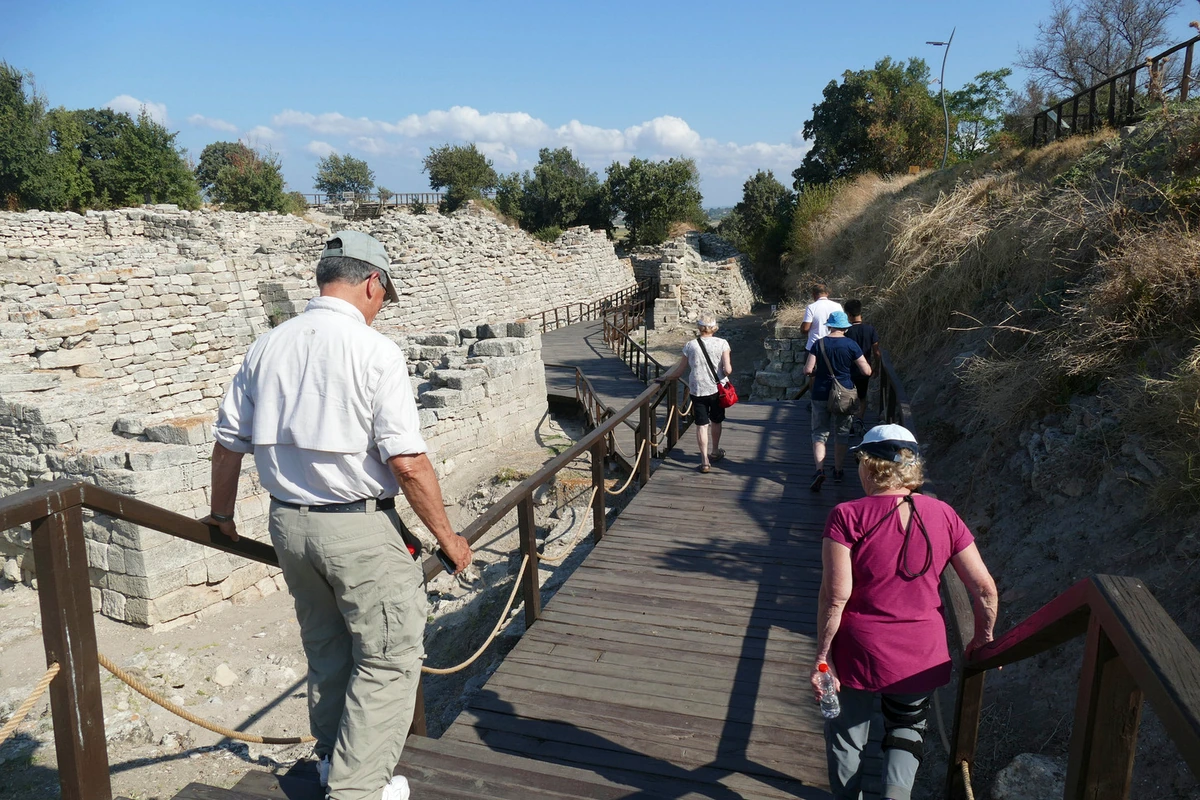
Hiring a licensed guide (such as a TUREB-badged guide) adds helpful historical depth when exploring the ruins. If you are planning an itinerary with organized transport and cultural guidance, you can explore our all-inclusive Türkiye tour packages for a smooth, well-paced trip.