Tucked away amid the fertile coastal plains of the town of Lisse in the province of South Holland, Keukenhof’s glorious history stems from the profound transformations of the fifteenth-century Middle Ages. Originally, this land was a vast expanse of oak forest interspersed with untamed sand dunes (duingebied), falling under the jurisdiction of the ancient Teylingen Castle (Slot Teylingen). The central figure tied to the birthplace of this landmark was Countess Jacoba van Beieren (also known as Jacqueline of Bavaria, who reigned from 1401 to 1436)—a heroine with one of the most tragic fates in the Hook and Cod Wars (Hoekse en Kabeljauwse twisten). During her days residing at Teylingen, she chose this lush woodland for horseback hunting and, most notably, established a farm specializing in pure herbs and vegetables to supply top-quality ingredients for the royal banquet table. From that humble role serving culinary logistics, the name “Keukenhof”—etymologically meaning “Kitchen Garden” in Old Dutch—was officially born, laying the very first cornerstone for a timeless visual legend.
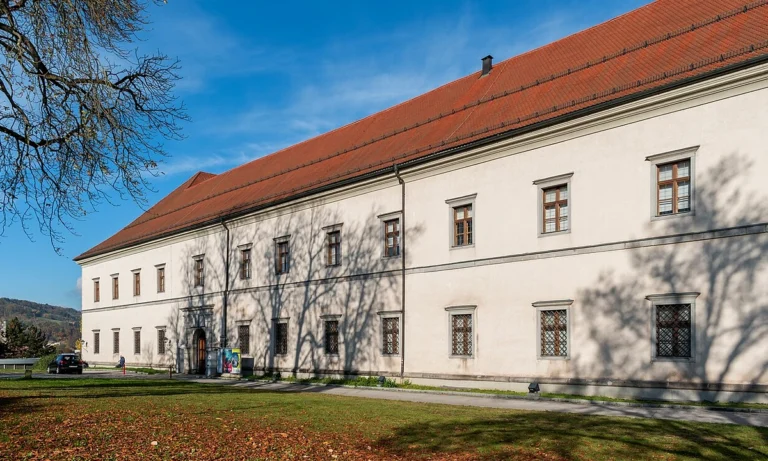
Entering the seventeenth century, as the Dutch Republic stepped into its dazzling Golden Age marked by global maritime trade expansion, the face of Keukenhof began transforming from a feudal subsistence garden into an aristocratic architectural masterpiece. In 1641, Adriaen Maertensz. Block—a naval commander and high-ranking official of the illustrious Dutch East India Company (Vereenigde Oostindische Compagnie – VOC)—decided to purchase this estate and build a magnificent manor house. Under the creative direction of the emerging elite, the property was clad in the classical Baroque architectural language (barokke classicistische) featuring strict proportional standards, symmetrical landscape axes, and an elegant canal system, turning it into a sumptuous estate reflecting the immense wealth of the merchant magnates of that era.
Across centuries of vicissitudes and English romantic-style landscape redesigns by the Zocher family of architects in the nineteenth century, the soil value of the sandy strip behind the Lisse coastal dunes gradually revealed its unmatched natural gift. Mineral-rich humic sandy soil combined with a stable groundwater table and a temperate coastal climate transformed the Bollenstreek region surrounding Keukenhof into the ideal cradle for the tulip—the flower that once took the European economy by storm. Nevertheless, the estate retained its exclusive private character until after the devastating years of World War II, when the continent entered a phase of reconstruction and searched for symbols of rebirth.
The modern historical turning point that shaped its status as the largest flower park on the planet occurred in 1949. Faced with the need for economic revival and expanding the fresh flower market globally, the then-Mayor of Lisse, W.J.H. Lambooy, joined forces with a syndicate of leading flower bulb breeders and exporters to transform the Keukenhof estate into an unprecedented open-air botanical exhibition space. The exhibition opened its doors to the public for the first time in the spring of 1950 and immediately sparked a cultural sensation, attracting 236,000 visitors in its inaugural season alone. From that extraordinary milestone, the humble kitchen grounds of Countess Jacoba van Beieren officially ascended to the pinnacle of glory, becoming an immortal spring sanctuary showcasing the supreme floricultural mastery of the land of windmills.
Viewed from the geographic expanse of the lower Rhine delta, the radiant fertility of Keukenhof and the Bollenstreek strip is no mere accident of human hands, but is deeply rooted in a geomorphological structure forged over millennia. Gently nestled between the two historic cities of The Hague (Den Haag) and Haarlem, the entire flower park rests atop ancient beach ridges (strandwallen) interwoven with younger sand dunes running along the North Sea coast. Marine and wind-blown sediments accumulated steadily throughout the Holocene epoch endowed this land with a layer of lime-rich sand (kalkrijk zand) containing an extraordinarily abundant concentration of crushed seashell calcium. That distinctive mineral composition establishes the ideal pH level for the nutrient metabolism of bulbous plants (Geophyta, or bolgewassen in the local vernacular). The sandy soil here possesses optimal porosity, creating an instantaneous drainage mechanism after heavy North Sea downpours while rapidly absorbing solar thermal radiation from the very first chilly days of early spring, stimulating the flower bulbs to awaken from their winter dormancy.
Going hand in hand with this heaven-sent soil is a hydrological marvel tied to the Dutch civilization of dike-building and land reclamation. Keukenhof Gardens sits within a closed polder system, where groundwater levels are kept in absolute equilibrium through an interlocking network of canals and rigorously operated pumping stations. Hidden beneath the porous sand is a natural freshwater lens floating serenely atop deeper layers of saline water. Ingenious hydraulic engineering keeps the water table consistently poised right beneath the root tips of the bulbs without ever touching the bulb bodies themselves. This centimeter-by-centimeter precision completely eliminates the risk of basal waterlogging—the root cause of Botrytis tulipae (tulip fire), a destructive fungal blight that was once a terrifying nightmare capable of incinerating entire tulip fields after a single damp night.
Upon that solid geological foundation, the 32-hectare layout of Keukenhof today is the sublimated achievement of the romantic landscape master plan drafted by the father-and-son architectural duo Jan David Zocher and Louis Paul Zocher in the nineteenth century. Rejecting the rigidity of symmetrical geometric blocks favored by the French classical school, the Zochers transformed the former hunting grounds and herb gardens of Countess Jacoba van Beieren into a poetic English-style landscape park. The terrain was artfully sculpted with undulating man-made hillocks and tranquil ponds mirroring centuries-old beech and oak groves. Winding gravel footpaths guide the visitor’s gaze through ever-shifting visual crescendos, where blossoms are never boxed into stiff beds, but overflow and meander like rivers of color cascading beneath the airy forest canopy.
Concealed behind that free-spirited natural beauty is a manual cultivation process refined to the precision of botanical microsurgery. To sustain a seamless symphony of blooms across eight full weeks of spring without a single barren gap of faded petals, the master gardeners of Lisse employ an exclusive multi-tiered planting technique known as the “sandwich” or “lasagne” method. All seven million flower bulbs are painstakingly planted by hand in the autumn before frost blankets the ground. In the deepest layer beneath the sandy earth, gardeners bury late-blooming tulip bulbs; the middle tier houses early-blooming tulip varieties interspersed with proud golden daffodils; and the topmost layer, just beneath the surface, is the domain of deep-violet hyacinths and diminutive crocuses. As spring warmth spreads, the species awaken in strict sequence—just as one tier begins to fade and yield space, the next tier immediately surges upward into full bloom, turning Keukenhof into a living canvas whose palette evolves day by day.
Spanning 32 hectares in the heart of the flower capital of Lisse, Keukenhof holds the distinction of being the largest operational spring bulb garden in the world. The spatial blueprint of this landscape masterpiece began taking clear shape in 1857, when Baroness Van Pallandt commissioned the renowned father-and-son landscape architects Jan David Zocher Jr. and Louis Paul Zocher—the masterminds behind the famed Vondelpark in Amsterdam—to redesign the entire historic manor grounds. Breaking away from the strict geometric symmetry of French Baroque garden art prevalent at the time, the Zochers adopted the English romantic landscape style (Engelse landschapsstijl) as their guiding compass. They skillfully reshaped the gently rolling dune terrain into an expansive natural tableau featuring gracefully curving walkways, sweeping lawns, mirror-like ponds reflecting sky and clouds, and century-old heritage trees acting as verdant pillars sheltering the flower beds below.
Keukenhof’s overall spatial layout is rhythmically orchestrated between vast open-air gardens and a series of modern glasshouse pavilions named after members of the Dutch Royal Family. Among them, the Oranje Nassau Pavilion serves as the focal point for dynamic floral arrangement displays that shift according to distinct cultural themes each opening season. The Willem-Alexander Pavilion, the largest indoor pavilion in the park, spans thousands of square meters equipped with precision microclimate controls, bringing together hundreds of thousands of tulips alongside rare lilies, chrysanthemums, and carnations blooming in full splendor regardless of outdoor weather conditions. Meanwhile, the Beatrix Pavilion nestles gracefully like a crystal palace dedicated exclusively to noble tropical orchids and proud anthuriums, offering a refined, tranquil counterpoint that balances the dazzling sea of color across the outdoor floral carpets.
Behind the breathtaking beauty of millions of petals lies the pinnacle of manual horticultural artistry and an agricultural secret known as the “lasagne-methode” (a multi-layered planting technique modeled after traditional baked lasagne). This elaborate stratification process requires horticultural specialists to dig deep into the soil and plant bulbs in three distinct layers calibrated to each species’ growth cycle and mature height. The deepest subterranean tier is reserved for tall, sturdy late-blooming varieties such as Darwin Hybrids; the middle tier holds mid-season Triumph Tulips boasting an endless color spectrum; and the topmost tier, just a few centimeters below the soil surface, shelters tiny Crocus bulbs and fragrant hyacinths. When spring arrives, each floral tier stirs and unfurls in seamless succession, ensuring that not a single patch of earth lies bare as the gardens continuously morph through magnificent hues from March straight through May.
The sheer craftsmanship of Keukenhof is further etched through pure human labor. Every year, as autumn sets in from mid-September to November, a team of skilled master gardeners begins the monumental task of hand-planting more than 7 million flower bulbs completely without heavy machinery, safeguarding the delicate living shoots from any mechanical damage. This entire repository of elite bulb stock is contributed by a network of over 100 of the most prestigious growers in the De Bollenstreek region—dynasties that have guarded bulb-breeding secrets for centuries. Every square meter and every winding path of Keukenhof is therefore far more than a tourist attraction; it is a living work of landscape architecture, an open-air stage celebrating the extraordinary floricultural genius of the Dutch people before the entire world.
As the late afternoon twilight of the northern European lowlands gently descends and the bustling daytime crowds gradually disperse, Keukenhof sheds its lively daytime bustle to drape itself in an enchanting veil of stillness. The dusk hour transforms the entire thirty-two-hectare grounds into a grand open-air theater of nature, where fiery sunset rays gild every gentle ripple across the winding ponds. Shaped in the nineteenth century by the gifted hands of father-and-son landscape architects Jan David Zocher and Louis Paul Zocher in the natural English garden style, the waterways and lakes here do more than divide space—they serve as colossal reflecting mirrors. The calm water blends the blazing oranges and deep purples of the evening sky with countless ribbons of shoreline blossoms, directly evoking the silvery, atmospheric lighting mastery of the Hague School (Haagse School) painters while echoing the airy, impressionistic brushstrokes of the French Impressionists beside flowers swaying softly in the brisk breeze.
Experiencing Keukenhof at day’s end extends far beyond sight into a subtle symphony of scent and touch. The distinctive sandy-clay dune soil of the Dutch coastal plain, known as geestgronden, begins releasing a rich, damp coolness after absorbing solar warmth all day long. That rising moisture immediately diffuses the sweet, honey-thick fragrance of millions of deep-violet and pure-white hyacinths, mingling seamlessly with the crisp, lightly spiced herbal notes drifting from classic tulip varieties such as Rembrandt and Triumph. Standing amid velvety lawns beside centuries-old beeches and oaks, visitors can hear water lapping softly against stone banks and white swans preening beside clusters of golden daffodils, feeling the primal, soulful pulse of the legendary land of Lisse.
Notably, the twilight atmosphere also elevates the park’s outdoor installations and sculpture exhibitions, turning the spring garden into an open-air museum of contemporary art amid living flora. Scattered along winding footpaths or nestled beside vibrant floral clusters are prized sculptures finely crafted from bronze, weathered Corten steel, and granite by acclaimed artists from across Europe. Under the slanting beams of the day’s final sunlight, sleek curving metal forms cast dramatic, ethereal shadows across carpets of tulips, sparking a poetic philosophical dialogue between the permanence of human-made materials and the fragile, ephemeral beauty of seasonal blossoms.
Before nightfall completely blankets the gardens, the grounds surrounding the pavilions named after Dutch monarchs such as Willem-Alexander and Oranje Nassau become ideal sanctuaries for quiet contemplation. Beneath the soft golden glow of lanterns freshly lit along traditional wooden verandas, sipping a steaming cup of tea or savoring a warm, caramel-scented stroopwafel creates a moment of pure poetic stillness. Free of noisy artificial digital light shows or blaring music, Keukenhof’s “nightlife” is a tribute to the majesty of unspoiled nature—an ultimate open-air spectacle where natural twilight, supreme sculptural artistry, and botanical fragrance unite to bring a spring day to a sublime close.
The unique terroir of the Bollenstreek flower belt, where ancient coastal sand dunes merge with fertile delta silt, not only creates a sanctuary for millions of blooming flowers but also shapes an exquisitely refined spring culinary heritage. As soon as the weather warms in mid-April, local family dining tables across Lisse immediately welcome the arrival of white asparagus, an ingredient honored with the proud moniker Het Witte Goud—the “White Gold” of the earth. Carefully tended entirely beneath dark sandy soil mounds to prevent photosynthesis, these plump, succulent, delicately sweet spears are harvested by hand under a strict seasonal cycle running right up until St. John’s Day on June 24. In classic Dutch home cooking, Het Witte Goud is always prepared in its purest traditional form: boiled just until tender in lightly salted water, generously drizzled with rich melted butter sauce, topped with crumbled soft-boiled eggs, and accented with slices of smoked ham and a pinch of fragrant nutmeg.
The Keukenhof countryside is also deeply intertwined with the rustic charm of traditional dairy farms that have preserved artisanal boerenkaas (farmer’s cheese) recipes across generations. Completely distinct from industrial factory cheeses, boerenkaas from Bollenstreek estates is crafted from raw, unpasteurized cow’s milk and aged patiently on untreated pinewood planks so a natural rind forms, imparting a rich, creamy flavor laced with hints of wild meadow grasses and the briny tang of North Sea breezes. Occasionally, cheesemakers fold in cumin seeds to create the deeply aromatic komijnekaas variety. Right along the footpaths leading into the flower park, the mouthwatering aroma of freshly baked stroopwafels awakens the sweetest memories of the land of windmills. Thin rounds of dough are pressed on scorching cast-iron griddles, then deftly sliced horizontally while still steaming to spread a gooey layer of brown-sugar caramel syrup rich with cinnamon and butter in the center—creating a crisp exterior that gives way to a chewy, melt-in-your-mouth sweetness.
Yet the deepest, most poignant chapter in the region’s culinary chronicles is tied to the dark period known as the Hunger Winter (Hongerwinter) of 1944–1945. Under the brutal World War II blockade, when food supply lines were completely severed and bone-chilling frost gripped the western Netherlands, tulip bulbs from the Bollenstreek fields became a lifesaving source of starch for tens of thousands of people. Despite their bitter taste and mild toxicity if the inner sprout core was not meticulously removed, seed bulbs stockpiled for future harvests were ground into coarse meal by resilient homemakers to boil into porridge or bake into dense, dark loaves of bread to survive starvation and freezing cold. That tragic memory permanently etched a profound sense of gratitude toward their iconic flower into the Dutch psyche, transforming the tulip from a purely ornamental bloom into a sacred emblem of unyielding resilience.
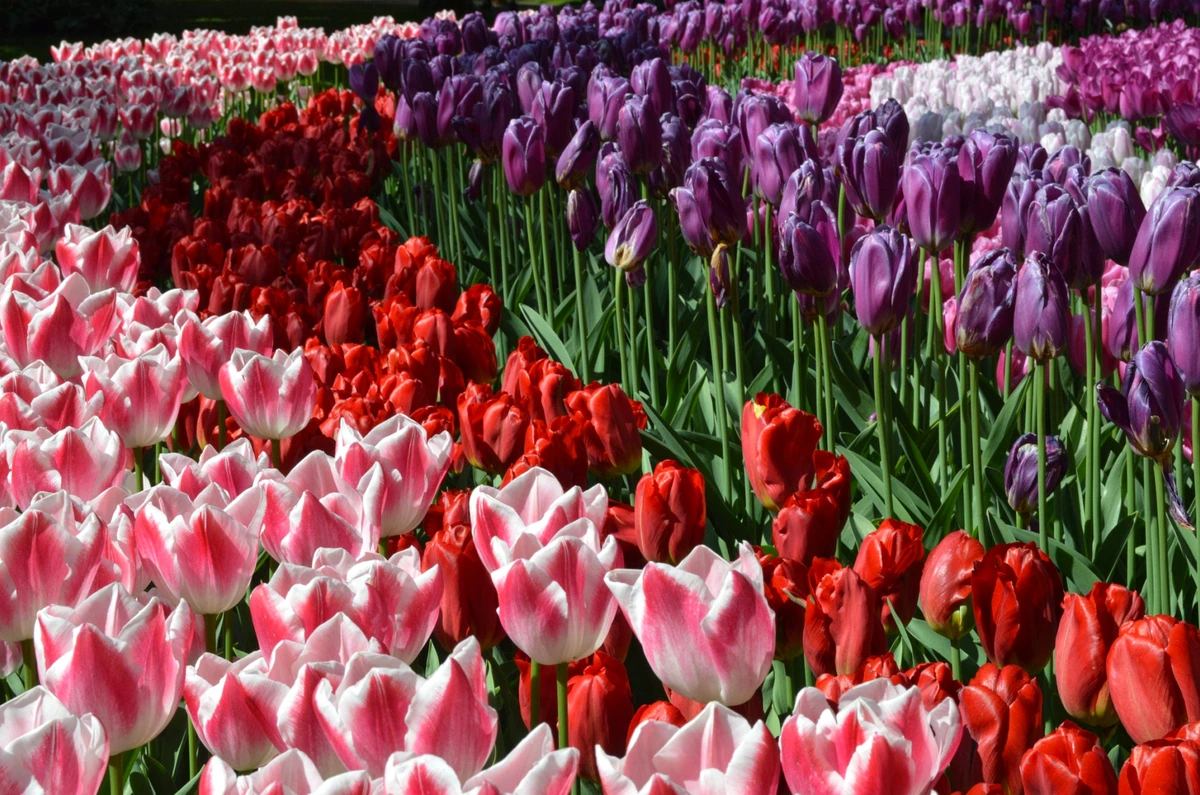
Entering the modern era, the haute-cuisine scene of the Bollenstreek region has elevated this iconic blossom to an entirely new artistic plane—both as an homage to the past and a celebration of spring splendor. Top chefs at acclaimed restaurants around Lisse have pioneered the use of organic tulip petals, cultivated under strictly chemical-free standards, across their seasonal spring menus. Boasting a crisp texture akin to young endive lettuce and a mild sweetness balanced by an elegant peppery kick, vibrant red, yellow, and deep-purple petals serve as far more than artistic garnishes on appetizer plates—they are stuffed with creamy goat cheese, dipped in batter and fried into crispy tempura, or pickled sweet-and-sour to cut through the richness of prime roasted meats.
This symphony of spring flavors reaches a fitting finale with a glass of the one-of-a-kind craft brew Tulpenbier. Brewed from premium barley and grains grown directly in the coastal sandy soils of Bollenstreek, this beer undergoes slow fermentation alongside local herbs and select floral essences. Glowing with a golden hue like spring sunshine, topped with a velvety white foam releasing delicate floral aromas and finishing with a crisp, gentle bitterness, an ice-cold glass of Tulpenbier is the ultimate high note—distilling the essence of earth, sky, and the generous spirit of Lisse’s flower country into an unforgettable tasting experience.
Unlike most world-famous gardens that remain open year-round, Keukenhof embodies the fleeting, ethereal beauty of a seasonal marvel, revealing its full vitality for just eight short weeks each spring, stretching from mid-March to mid-May. Within its daily operating hours from 08:00 AM to 19:30 PM, the golden windows to capture the fresh radiance of seven million blooms are right when the gates open at 08:00 AM or after 16:30 PM in the late afternoon. During these hours, the natural light turns softest—morning dewdrops glistening like pearls on velvety petals or slanting sunset rays casting long reflections across the swan ponds create ideal backdrops for artistic photography while allowing travelers to sidestep the heavy midday crowds.
To protect ecological carrying capacity and preserve a serene visitor experience, park management enforces strict crowd-control measures, requiring all guests to book e-tickets with fixed entry time slots in advance via the official portal. In terms of transportation, the Netherlands’ seamless infrastructure makes reaching the town of Lisse remarkably effortless. Dedicated Keukenhof Express bus lines run continuously from major transit hubs including Schiphol International Airport, Leiden Centraal railway station, and the historic city center of Haarlem, delivering visitors straight to the main entrance of the floral sanctuary. For travelers driving along the A4 or A44 motorway corridors linking Amsterdam and The Hague, simply pre-booking a digital parking pass alongside admission tickets ensures smooth, hassle-free arrival.
To experience the beauty of the Bollenstreek flower region to its fullest, your excursion shouldn’t stop inside the garden fences. Right at the parking area outside the main gate, visitors can rent classic Dutch bicycles to follow clearly signposted scenic routes weaving past boundless bulb fields (bollenvelden) stretching all the way to the horizon. Cultural exploration trails also invite wanderers to visit Keukenhof Castle (Kasteel Keukenhof), steeped in seventeenth-century architectural heritage and housing antique aristocratic interiors, or stop by Museum De Zwarte Tulp in the heart of Lisse to admire vivid historical exhibits chronicling the Tulip Mania frenzy that once shook European finance during the Dutch Golden Age.

Practical field tips worth keeping in mind include dressing in breathable layers paired with a windproof jacket—since northern European spring weather shifts rapidly between brisk breezes and bright sunshine—along with comfortable walking shoes to conquer more than fifteen kilometers of gravel pathways. Total excursion costs covering admission tickets, round-trip express bus transfers, and bicycle rentals remain quite reasonable by Western European travel standards, yet the emotional and visual rewards surpass every expectation. For travelers seeking to immerse themselves in this floral paradise effortlessly without worrying about itinerary logistics, choosing all-inclusive European tour packages offers an ideal solution to connect Keukenhof with iconic cultural landmarks across the continent.