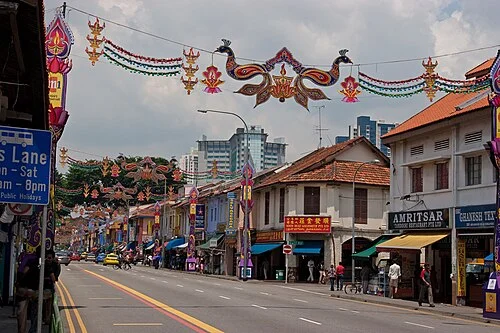
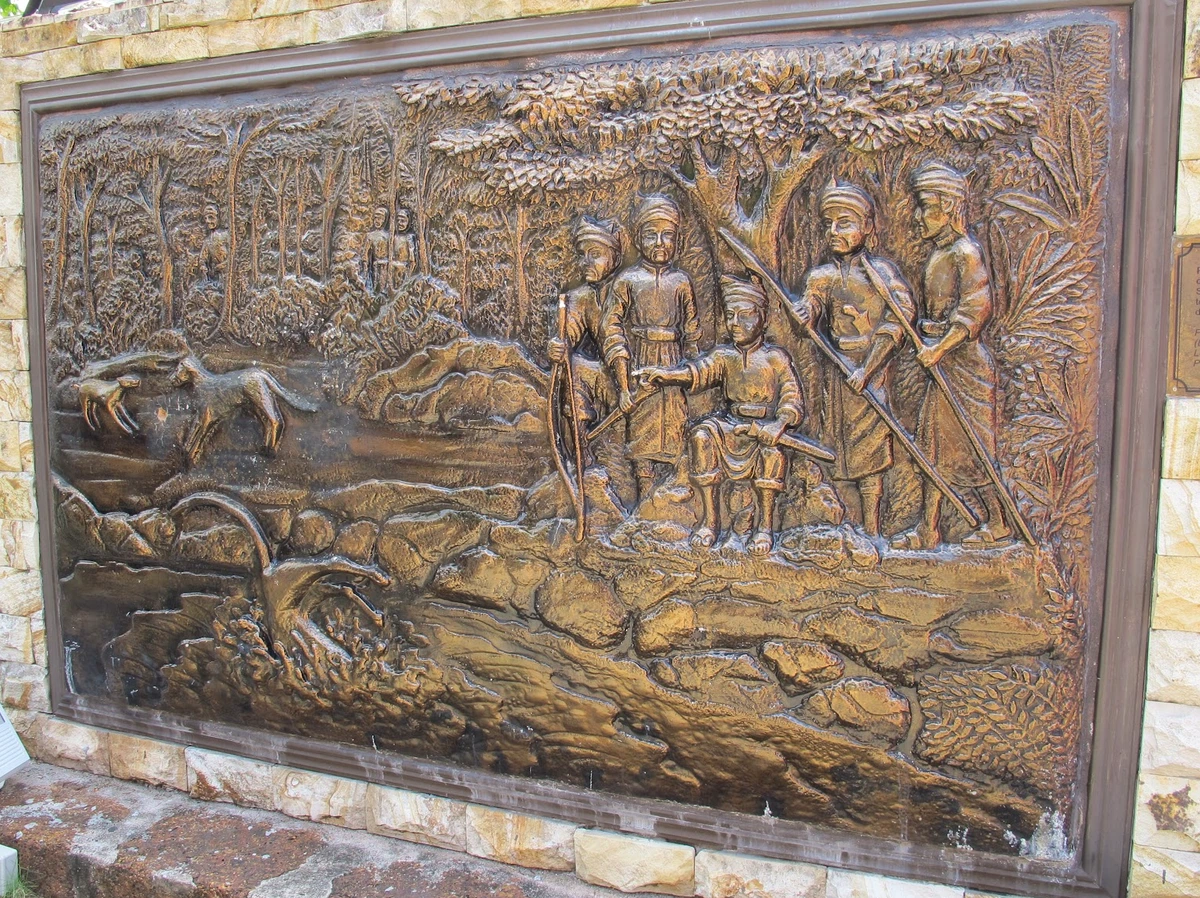
The history of Malacca began with a fateful flight around 1400 CE. Prince Parameswara—a descendant of the illustrious Srivijaya dynasty of Sumatra and former ruler of the small kingdom of Temasek (modern-day Singapore)—was forced to flee up the western coast of the Malay Peninsula in search of refuge following turbulent succession struggles. According to tradition, while resting at midday beneath the shade of a native Indian gooseberry tree known locally as *Melaka* (scientific name *Phyllanthus emblica*), the exiled prince witnessed an extraordinary sight: his fierce hunting hound was cornered by a tiny mouse deer (*pelanduk*), which summoned the courage to kick back fiercely, knocking the predator straight into the rushing Bertam River. Recognizing a divine omen of resilience and defiance, Parameswara immediately ordered the land cleared to establish his capital, naming the new kingdom after the *Melaka* tree itself. Around the same era, Muslim merchants arriving from the west referred to the port as *Malakat* in Arabic, signifying a thriving gathering place of maritime traders.
To consolidate his authority against persistent threats from the Siamese kingdom of Ayutthaya, Parameswara made masterful diplomatic moves. In 1414, he embraced Islam, adopting the revered title Sultan Megat Iskandar Shah and ushering in a golden age of prosperity for the Malacca Sultanate. Recognizing its strategic chokepoint position between the Indian Ocean and the South China Sea, the sultanate proactively forged diplomatic ties with the Ming imperial court to the north through the celebrated expeditions of Admiral Zheng He. The portrait of this formidable maritime empire (*thalassocracy*), governed by a rigorous code of commercial and maritime law known as the *Undang-Undang Laut Melaka*, was vividly recorded in Ma Huan’s classic chronicle *Yingya Shenglan* (*The Overall Survey of the Ocean’s Shores*) as well as the official *Ming Shi* (*History of Ming*). At this bustling entrepôt, hundreds of vessels from Persia, Arabia, India, China, and the Malay Archipelago turned Malacca into a treasure house overflowing with spices, silks, and fine porcelain.
Yet that very splendor soon made the Strait of Malacca an irresistible prize for Western colonial empires during the Age of Discovery. A dramatic historical turning point struck on August 24, 1511, when a battle-hardened Portuguese naval fleet commanded directly by Viceroy Afonso de Albuquerque bombarded the capital, deposing its final ruler, Sultan Mahmud Shah, after fierce, bloody fighting. The fall of this independent sultanate was poignantly chronicled by local historians in the classic *Sulalatus Salatin* (*Malay Annals*) and the heroic epic *Hikayat Hang Tuah*, while also vividly documented by traveler Tomé Pires in his *Suma Oriental* as a watershed event that reshaped the geopolitical landscape of Southeast Asia.
From that fateful moment onward, Malacca became a fiercely contested arena for more than four centuries as foreign powers rose and fell. The Portuguese ruled the territory for 130 years (1511 to 1641), constructing the formidable A Famosa fortress to enforce a maritime trade monopoly. In 1641, following a grueling, months-long siege, the Dutch East India Company (VOC) ousted the Portuguese and established a rule lasting until 1824, leaving behind its signature northern red-brick architecture. Subsequently, under the Anglo-Dutch Treaty of 1824, Malacca was formally ceded to the British Empire, becoming part of the Straits Settlements crown colony until Malaya achieved independence in 1957—interrupted only by the dark years of Japanese military occupation from 1942 to 1945. All of these overlapping layers of history earned global recognition on July 7, 2008, when UNESCO officially inscribed Malacca alongside George Town on Penang Island as a World Heritage Site, affirming the exceptional value of a living museum where world civilizations converged.
Viewed through the lens of traditional geomancy and ancient maritime commerce, Malacca occupies a strategic natural coastal strip on the southwestern flank of the Malay Peninsula, fronting one of the busiest shipping lanes in human history. From the earliest days of settlement, its topography combined a rocky headland jutting toward the sea as a natural watchtower, primeval mangrove swamps, and a low alluvial plain built up over millennia. Defining the entire historic urban layout is the Malacca River (*Sungai Melaka*), a freshwater artery bisecting the town before emptying into the breezy strait. In classic tropical harbor planning, this setting offered an ideal haven for merchant fleets: the headland and high hill shielded vessels from fierce storms, while the deep river mouth provided calm, sheltered anchorage—creating an auspicious natural configuration for a thriving entrepôt capital.
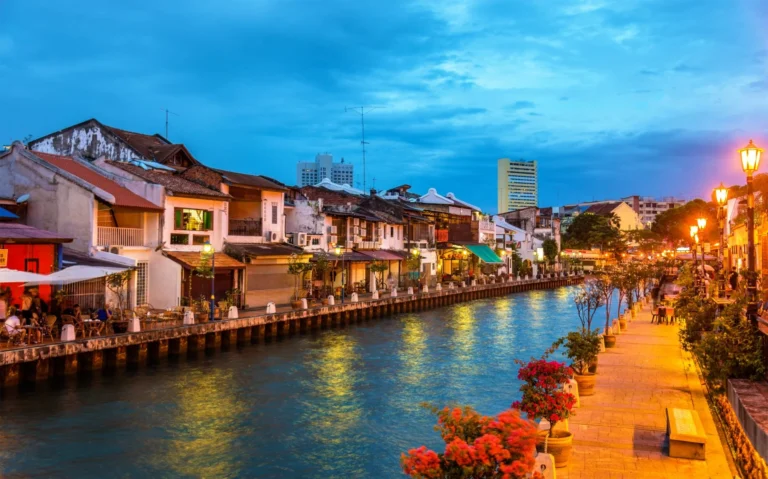
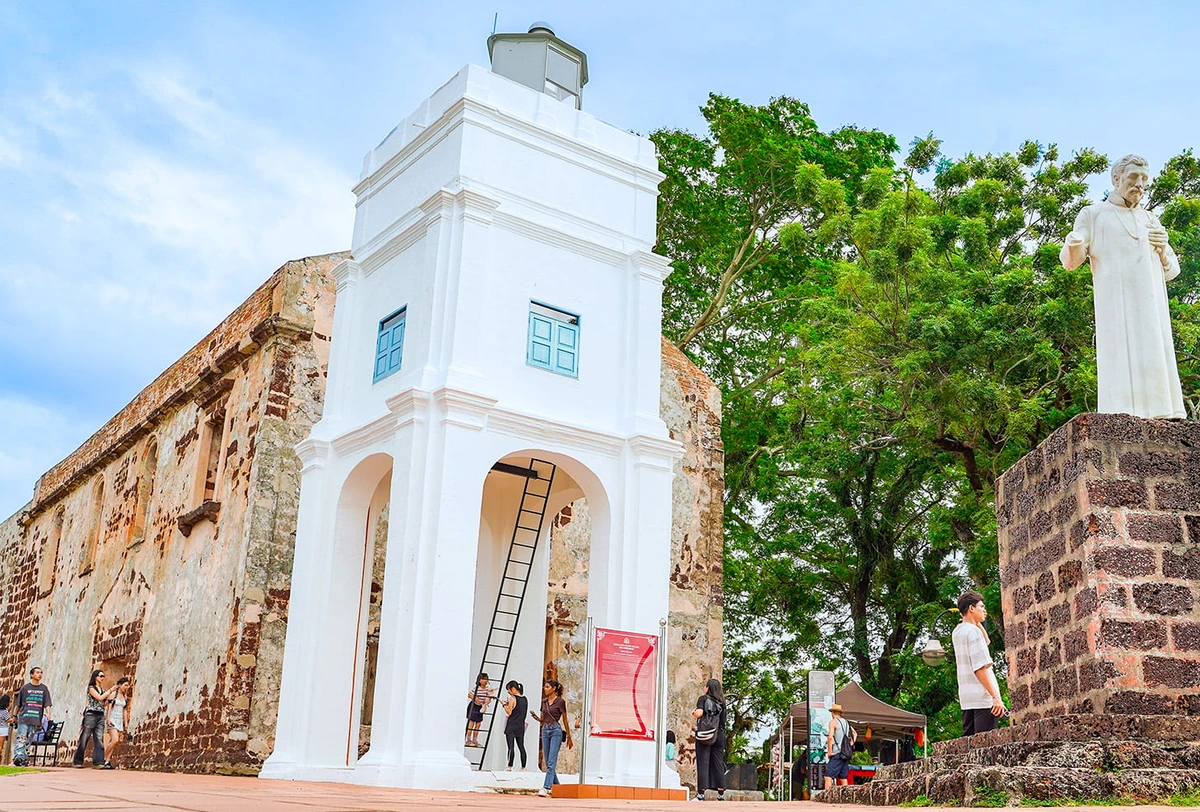
Malacca’s spatial layout follows a clear dualistic division, using the *Sungai Melaka* as a natural boundary separating two distinct spheres of power and daily life. On the left bank, dominated by St. Paul’s Hill (*Bukit St. Paul*), European powers laid out military fortifications, administrative headquarters, and major religious centers. Here, the Portuguese laterite fortress of A Famosa and the imposing Dutch Stadthuys town hall stood commandingly on high ground, providing clear lines of fire over the harbor entrance. Directly across the river, the right bank unfolded as a densely populated mercantile quarter belonging to local traders, Chinese merchants, and the Baba Nyonya community. This neighborhood was organized around a flexible grid anchored by major thoroughfares such as Jonker Street (*Jalan Hang Jebat*), *Jalan Tokong*, and Heeren Street (*Jalan Tun Tan Cheng Lock*). Plots on the right bank were divided into narrow street frontages extending dozens of meters deep, backing directly onto river wharves to streamline moving cargo into private enclosed warehouses (*gudang*).
Confronting a demanding tropical monsoon climate—alternating between the drier Southwest Monsoon from May to September and the rain-laden Northeast Monsoon from November to March—local builders adapted ingeniously to create comfortable microclimates indoors. Rows of townhouses built by wealthy Nyonya families typically sat atop raised stone foundations to block ground moisture from marshy soil and protect against tidal surges at the river mouth. Along the front of each building, deep overhanging eaves formed continuous shaded walkways that shielded pedestrians from harsh equatorial sun and driving tropical downpours alike. Most remarkably, passive temperature control reached peak sophistication through open-to-the-sky interior airwells. Acting as natural mechanical lungs, these airwells harnessed stack-effect convection to draw stagnant warm air up toward the roof while pulling cool, moisture-laden breezes from the Malacca River across granite-tiled corridors, keeping entire residences dry and airy.
While the natural shoreline of this historic port has evolved across colonial eras and modern development, its core topographical character remains thoughtfully preserved. Primeval mangrove ecosystems gradually gave way to sturdy stone embankments, and large-scale offshore land reclamation projects—such as Melaka Island—steadily pushed the physical coastline farther seaward. Even so, the entire *Sungai Melaka* estuary and its surrounding streetscapes remain carefully safeguarded within a protected heritage core. This interplay of commanding military high ground, flexible riverine transport, and climate-responsive architecture makes Malacca a one-of-a-kind waterfront heritage city, reflecting a harmonious balance between human urban planning and the rhythms of the sea.
The historic heritage space of Malacca reads like a chronicle in stone and lime mortar, where cultural layers overlap across a strictly conserved 48.9-hectare core zone encircled by a 105.6-hectare historical and ecological buffer zone. Spanning more than five centuries along a strategic maritime strait, the cityscape traces a remarkable progression from Portuguese military fortifications to methodical Dutch colonial civic planning, seamlessly woven into local domestic traditions through the artistry of the Peranakan community. Every structure, floor tile, and timber beam encodes distinctive building techniques and aesthetic sensibilities born where East and West converged.
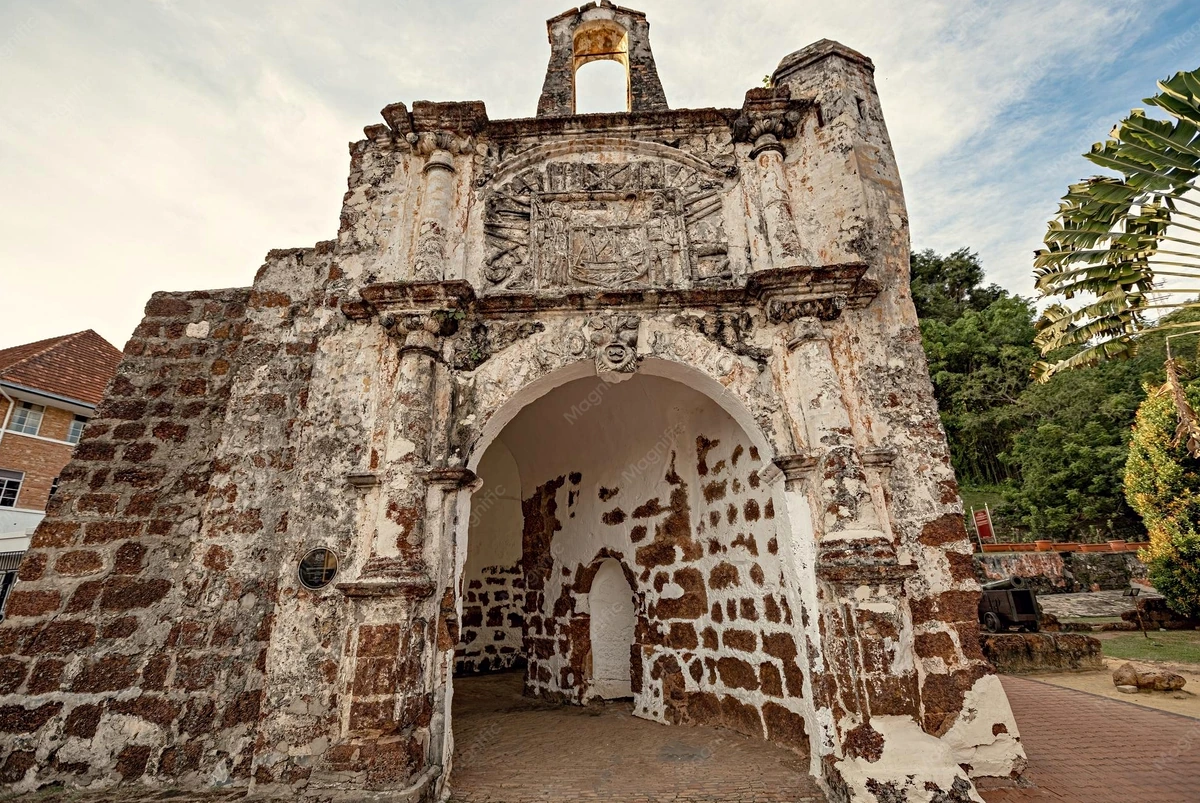
The earliest surviving architectural remains date from the Portuguese era (1511–1641), prioritizing pragmatic military defense over decorative display. Emblematic of this period are the ruins of A Famosa and its sturdy *Porta de Santiago* gatehouse, constructed from coarse, iron-rich reddish-brown local laterite stone. Builders of the era paired squared laterite blocks with mortar made from finely crushed seashell lime and volcanic tuff ash, creating thick defensive walls capable of absorbing cannon fire and enduring centuries of demanding tropical monsoon weather.
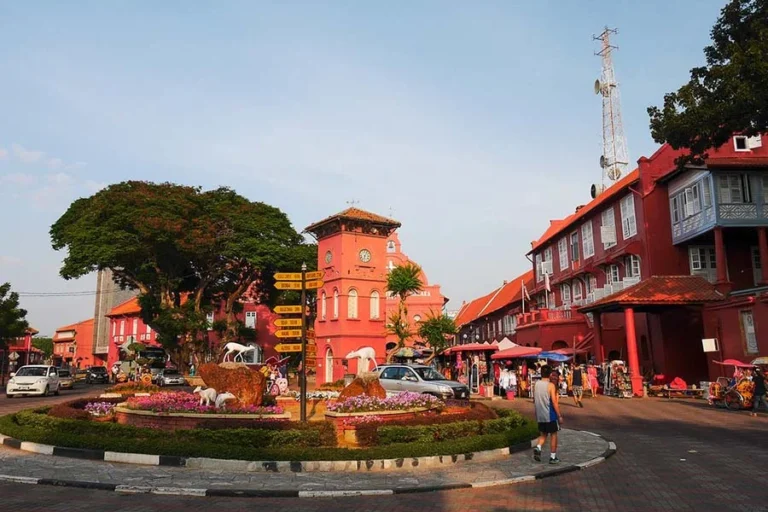
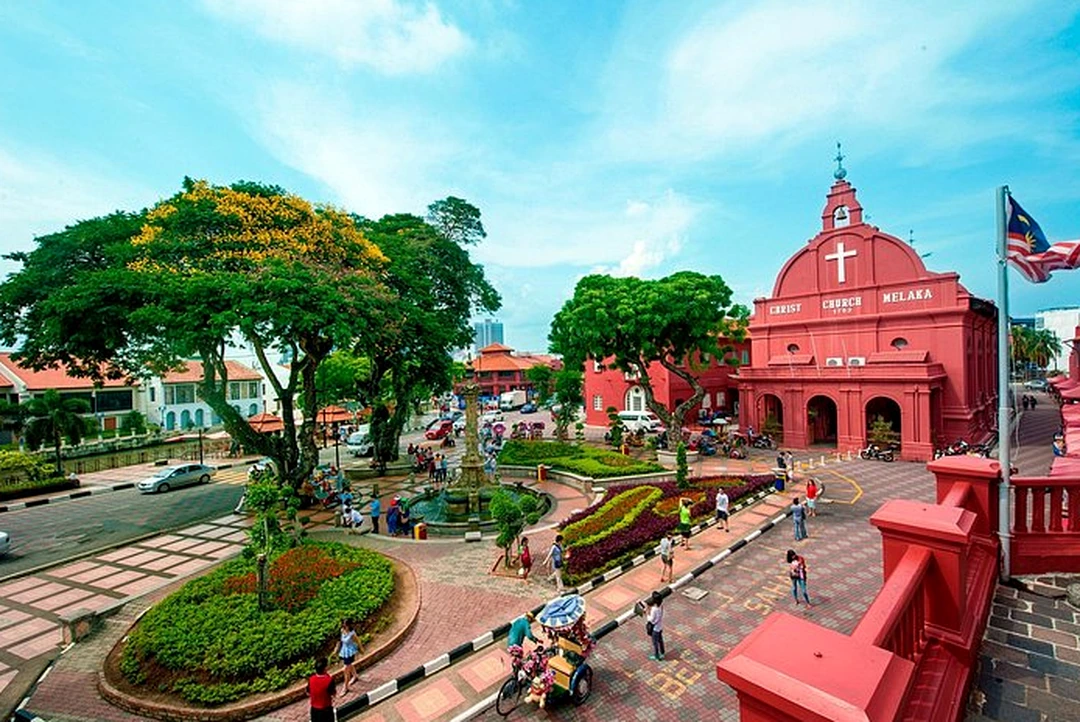
Entering the period of Dutch rule from 1641 to 1824, the architectural character of the port city of Malacca shifted dramatically toward classic Northern European norms marked by symmetrical facades, boxy proportions, and thick, fortified brick walls. Built between 1650 and 1660 across a site spanning more than 3,000 square meters, The Stadthuys stands proudly as the oldest surviving Dutch colonial administrative building in the East. The mansion makes a striking visual impression with its signature salmon-terracotta limewash, sheltering a massive interior structural frame crafted entirely from rare tropical hardwoods such as Chengal and Balau—dense timbers prized for their tight grain and natural resistance to termites. Dutch engineering ingenuity is equally evident in the wooden louvered shutters fitted with hand-forged iron grilles, paired harmoniously with thick red terracotta floor tiles shipped across the oceans from the Netherlands.
Alongside public administrative mansions, Malacca’s residential architecture blossomed brilliantly along Heeren and Jonker Streets, embodying the Straits Chinese Vernacular style. These rows of townhouses mirror the extraordinary wealth of the nineteenth-century Baba merchant class, who amassed fortunes from tin mining and tapioca plantations. Because colonial authorities taxed buildings according to street frontage, each shophouse featured a modest width of just 20 to 30 feet while stretching deep into the rear for 100 to 200 feet, giving rise to the distinctive “longhouse” layout. Despite their remarkable depth, these interiors never felt gloomy thanks to ingeniously placed open-air courtyards known as chanchu, which functioned as microclimatic lungs—drawing in natural daylight and channeling rainwater in harmony with traditional geomantic principles.
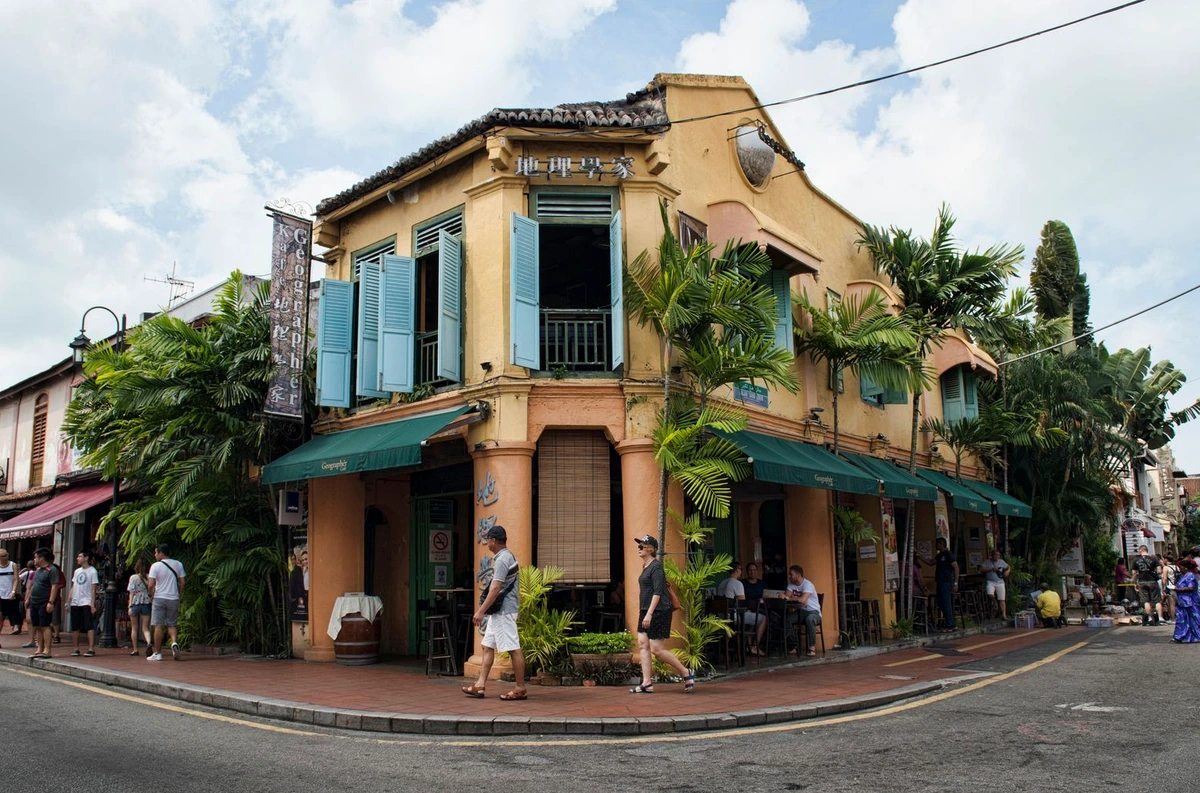
The exterior and interior ornamentation of these Peranakan residences seamlessly unites traditional Hokkien woodcarving with Western artistic motifs of the era. Facades are frequently adorned with intricate lime-plaster reliefs depicting auspicious mythical creatures, flowers, birds, and classical allegories, framed by sturdy Greco-Roman Doric and Corinthian pilasters. In front of heavy ironwood main doors stand intricately pierced half-height swing gates known as pintu pagar, allowing cool river breezes to circulate through the front hall while preserving household privacy. Accenting the steps and walls are vibrant polychrome majolica tiles imported from England, Belgium, and Japan, paired with mother-of-pearl inlaid furniture and gilded calligraphy plaques to create an opulent, refined living environment unique on the world heritage map.
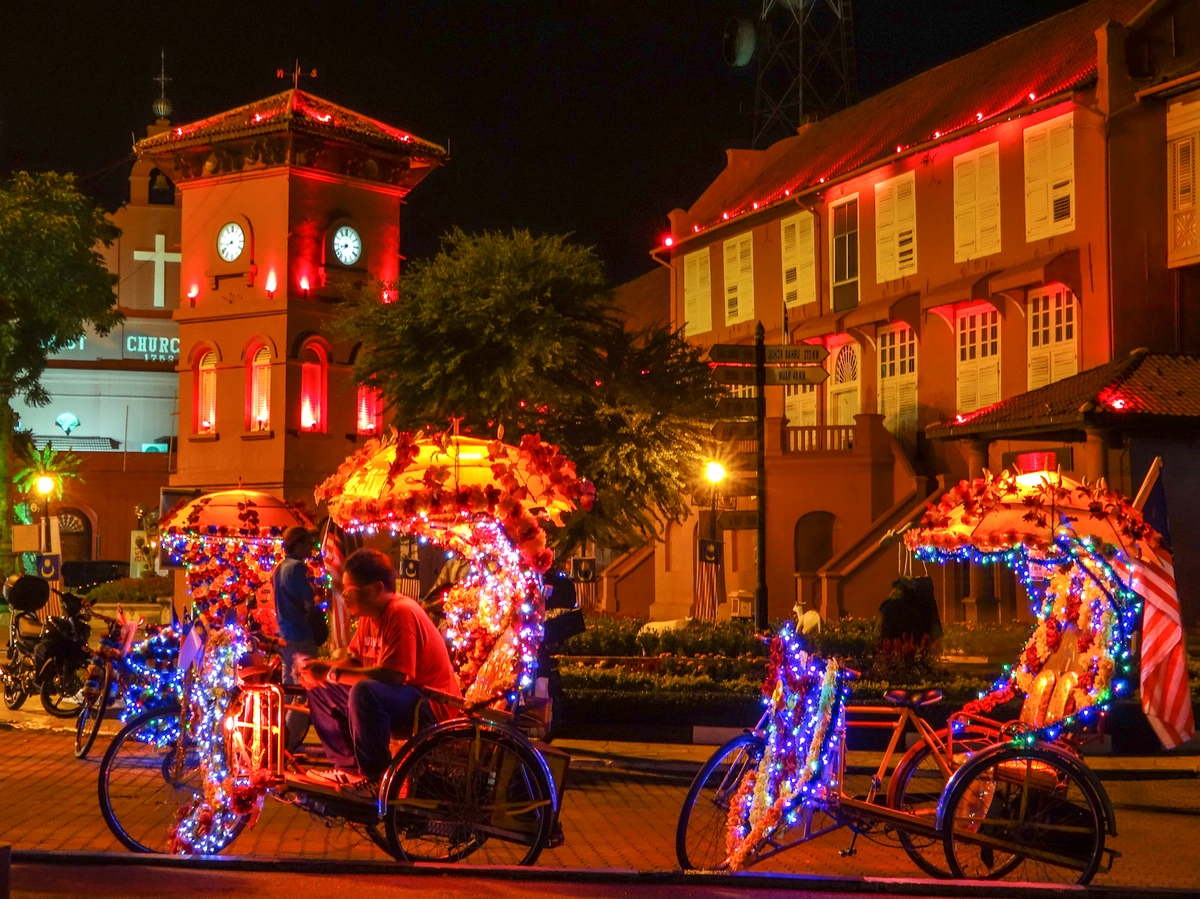
As twilight fades over the Strait of Malacca, the historic quarter sheds its quiet daytime nostalgia and steps into a dazzling transformation illuminated by contemporary architectural lighting. This enchanting metamorphosis begins at Dutch Square, where the Red Square ensemble glows vividly in its hallmark salmon-pink and deep terracotta hues. Enhanced by carefully angled high-output spotlights, The Stadthuys—once the administrative seat of the Dutch East India Company—stands in stately dialogue with Christ Church Melaka, built in 1753. At the center of the square, the finely carved granite Queen Victoria’s Fountain from 1901 shimmers beneath warm amber lights, recalling the height of the British Commonwealth era and forming a visual stage that is both grand and steeped in history.
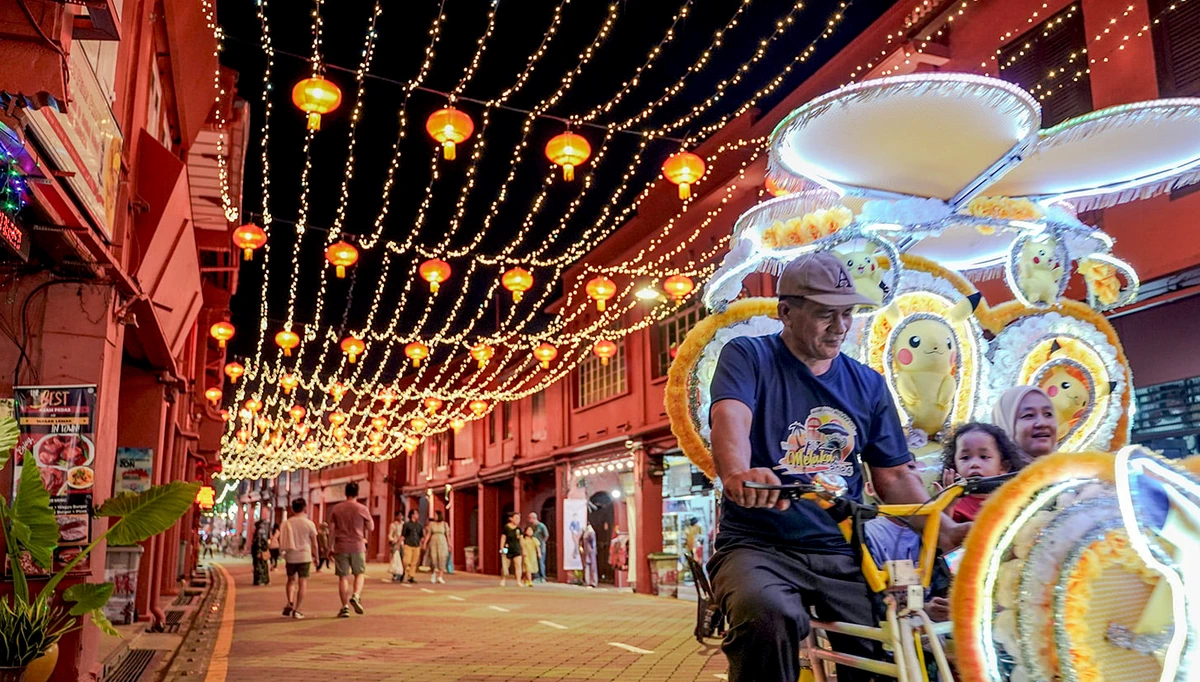
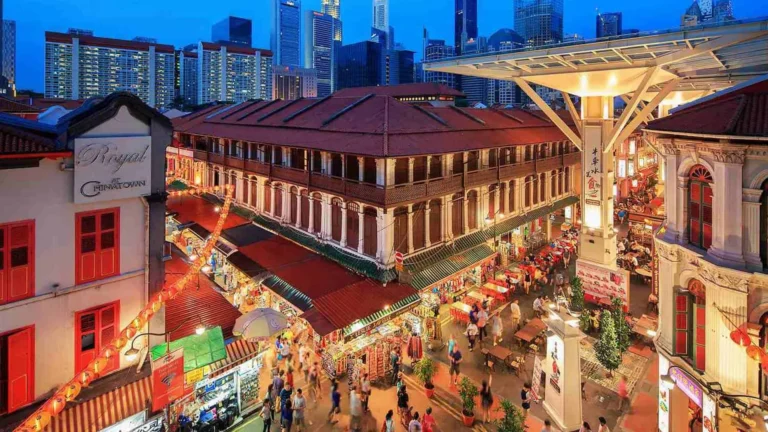
Crossing the stone bridge over the historic river, the pulse of the old town reaches its peak at the Jonker Walk Night Market—a heritage street bazaar held every Friday, Saturday, and Sunday evening from 6:00 PM until midnight. Beneath a canopy woven from tens of thousands of crimson lanterns strung tightly between seventeenth- and eighteenth-century shophouses, the street feels transported back to the golden age of Nanyang merchant guilds. Warm lantern light falls across gilded signboards, traditional Chinese herbal tea shops, and clouds of fragrant steam rising from sizzling woks of chai tow kway (fried radish cake), spicy char siu buns, and countless signature Baba Nyonya street snacks, captivating travelers in search of authentic old-world atmosphere.
Beyond a feast of color and flavor, evenings in the old town also serve as a living stage for priceless folk traditions. Inside Chinese clan-association courtyards or along cobblestone corners, visitors can often hear local performers singing Dondang Sayang—a lyrical repartee tradition inscribed on UNESCO’s Representative List of the Intangible Cultural Heritage of Humanity. Accompanied skillfully by a Western violin, Malay gendang drums, and a tetawak gong, four-line poetic verses rich in metaphors of romance and life philosophy are sung in classical Malay blended with Baba patois, creating an enchanting fusion of courtly and popular music in the heart of the old quarter.
Malacca’s nightlife broadens its expressive flair with fleets of famous three-wheeled trishaws known as beca. Elaborately decked out in silk flowers, flashing multicolored LED strips, and compact speakers playing nostalgic 1980s pop hits, each beca glides through mossy lanes like a moving light sculpture. To round off the evening, a cruise along the Melaka River carries travelers gently past brightly illuminated murals painted along the waterfront walls. Each brushstroke chronicles the epic sweep of the fifteenth-century Malacca Sultanate, fierce Portuguese battles, Dutch urban planning, and waves of overseas Chinese settlement, reflecting across the shimmering water a timeless Malacca enduring across the centuries.
Malacca’s cuisine is far more than a pleasing blend of flavors; it is a living chronicle of encounters between maritime civilizations. Originating in the fifteenth century—when Hokkien Chinese merchants sailed south with the monsoon winds to settle in the thriving port and married local Malay women—the Peranakan community emerged, giving birth to the one-of-a-kind Baba Nyonya culinary tradition. Shaped over centuries by Portuguese and Dutch rule as well as close exchanges with South Indian traders, Nyonya family kitchens distilled the finest elements of each culture into an exacting culinary art. At the heart of every Peranakan dish lies the laborious preparation of “rempah” spice paste, requiring cooks to pound fresh lemongrass, mature turmeric, galangal, dried chilies, and fermented shrimp paste (belacan) by hand in a heavy granite mortar and pestle. The rhythmic thud of pestle against stone each morning inside traditional tiled courtyard homes was once regarded as a measure of a young Nyonya woman’s domestic grace and readiness for marriage.
The pinnacle of this spice-blending mastery shines clearly in a bowl of Nyonya Laksa, also known as Laksa Lemak. Distinct from the tangy tamarind-based version found further north in Penang, Malacca’s laksa broth is rich, golden with turmeric, and velvety with fresh coconut milk pressed by hand from mature coastal coconuts. Ladled generously over white rice noodles, the steaming bowl releases complex aromas of finely shredded wild ginger flower (bunga kantan), bruised kaffir lime leaves, and the deep umami of toasted shrimp paste. Topped with fresh sea prawns, plump blood cockles, springy fish cakes, and half a soft-boiled egg, it delivers a vibrant harmony of fiery warmth on the palate and lingering sweetness on the finish. Alongside it, Nyonya Pai Tee showcases remarkable craftsmanship in presentation: traditional brass molds are dipped into rice batter and deep-fried in bubbling oil to form crisp pastry cups shaped like inverted top hats, then filled with julienned jicama and carrots braised in sweet shrimp stock and garnished with shredded omelet, poached shrimp, and a drop of tangy chili-calamansi sauce (limau kasturi) for an instant burst of crunch and brightness.
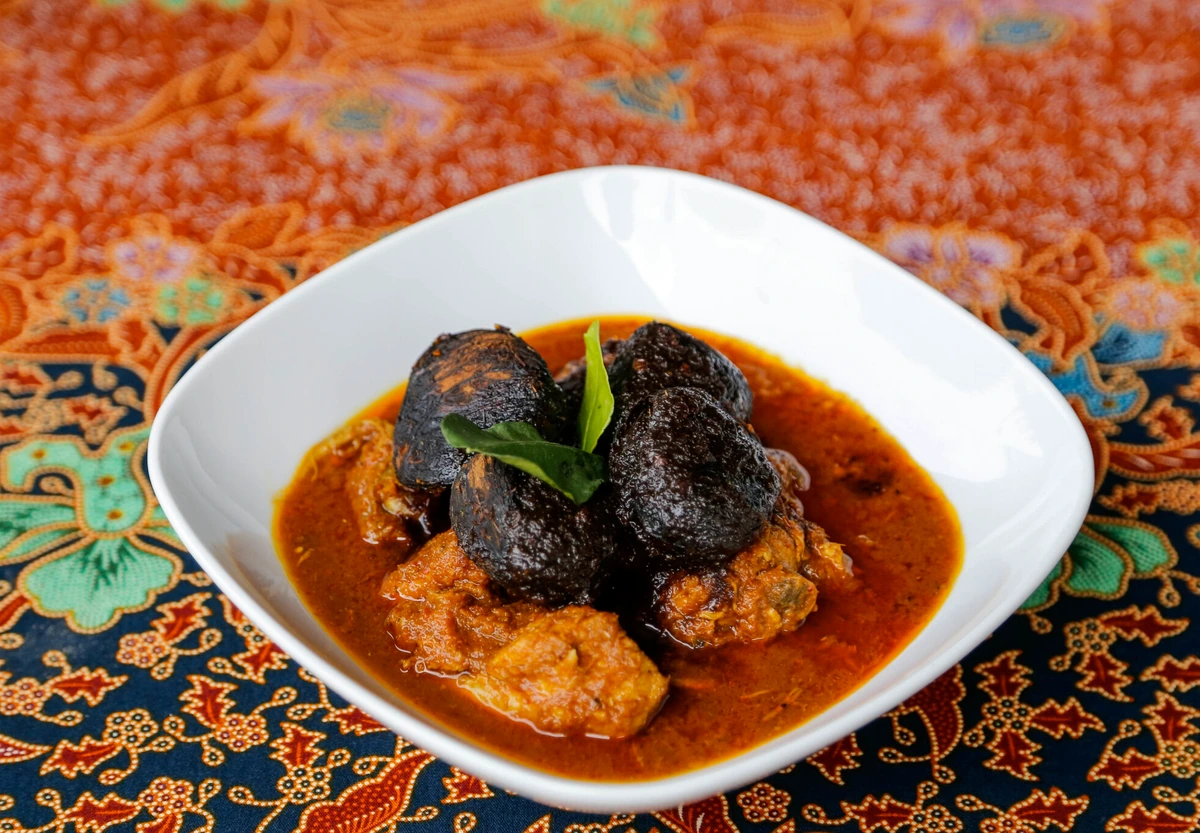
Yet to truly grasp the philosophical depth and extraordinary patience behind Peranakan cooking, discerning travelers must seek out Ayam Buah Keluak. Harvested from the Pangium edule tree deep within Malay mangrove forests, buah keluak nuts contain potent natural toxins that require an elaborate ancestral detoxification process—soaking in fresh water for days, boiling thoroughly, and burying the nuts in wood ash until their shells turn glossy black. Once cracked open, the velvety black kernel—possessing an earthy richness reminiscent of Eastern black truffles—is carefully scooped out, pounded with minced pork, prawns, and fiery rempah, and stuffed back into each shell before being slow-simmered with free-range chicken and tangy tamarind juice. Every piece of chicken absorbs the glossy dark gravy, radiating an earthy aroma balanced by an addictive, subtle bitterness. Equally beloved is Pongteh—pork belly or chicken braised with fermented soybean paste (tauchu), shiitake mushrooms, and potatoes until the fat melts like jelly, infused with the balanced sweet-savory warmth characteristic of the south thanks to pure palm sugar.
A culinary journey through heritage Malacca is only truly complete when concluded with a chilled bowl of Cendol along a shaded veranda off Jonker Street. The soul of this dessert lies in drizzles of famed Gula Melaka palm sugar syrup, traditionally boiled down for hours in massive copper woks in surrounding villages to produce a thick amber elixir with deep, smoky caramel notes. Finely shaved ice is drenched in rich coconut milk and crowned with emerald-green cendol rice-flour jellies scented with fresh pandan leaves alongside tender stewed red beans. The clean, earthy tropical sweetness of Gula Melaka cuts effortlessly through the humid coastal heat, leaving a lingering impression of a golden cultural legacy still preserved intact inside every family kitchen.
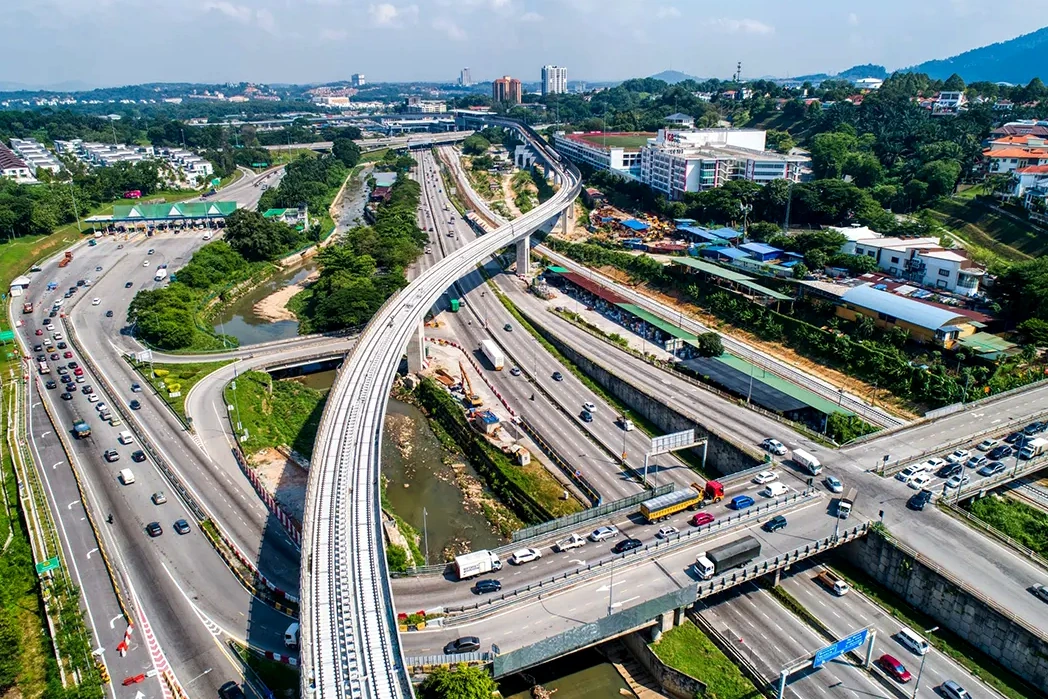
Exploring the historic port city of Malacca offers rich cultural layers, and knowing local transport and daily rhythms helps make the visit smooth. Located roughly 150 kilometers south of Kuala Lumpur along the North–South Expressway (PLUS Expressways), Malacca is about a 1.5- to 2-hour drive or coach ride away, while traveling from Singapore via Johor border crossings typically takes around 3 hours past oil-palm landscapes. Intercity coaches arrive at Melaka Sentral bus terminal with local connections into the heritage core, while KTM rail services reach Pulau Sebang (Tampin) station roughly 30 kilometers away with onward taxi or bus options into town.
Within the UNESCO-listed historic core, walking along the Melaka River and heritage lanes is one of the easiest ways to take in shophouses and street details. Decorated trishaws (“beca”)—often adorned with flowers, plush toys, and speakers—are a distinctive local sight around town, while ride-hailing apps like Grab are convenient for longer hops or outlying stops.
Checking site schedules ahead helps avoid missed visits. The Stadthuys and state museums managed under PERZIM generally open around 09:00 AM to 05:00 PM on weekdays and until around 07:00 PM on weekends, with tickets available on-site or through state heritage channels. By contrast, the Baba & Nyonya Heritage Museum on Heeren Street (Jalan Tun Tan Cheng Lock) requires advance booking/timed entry to manage visitor flow and protect historic timber floors, ceramics, and inlay furnishings, whereas A Famosa ruins and St. Paul’s Hill remain open outdoors around the clock.
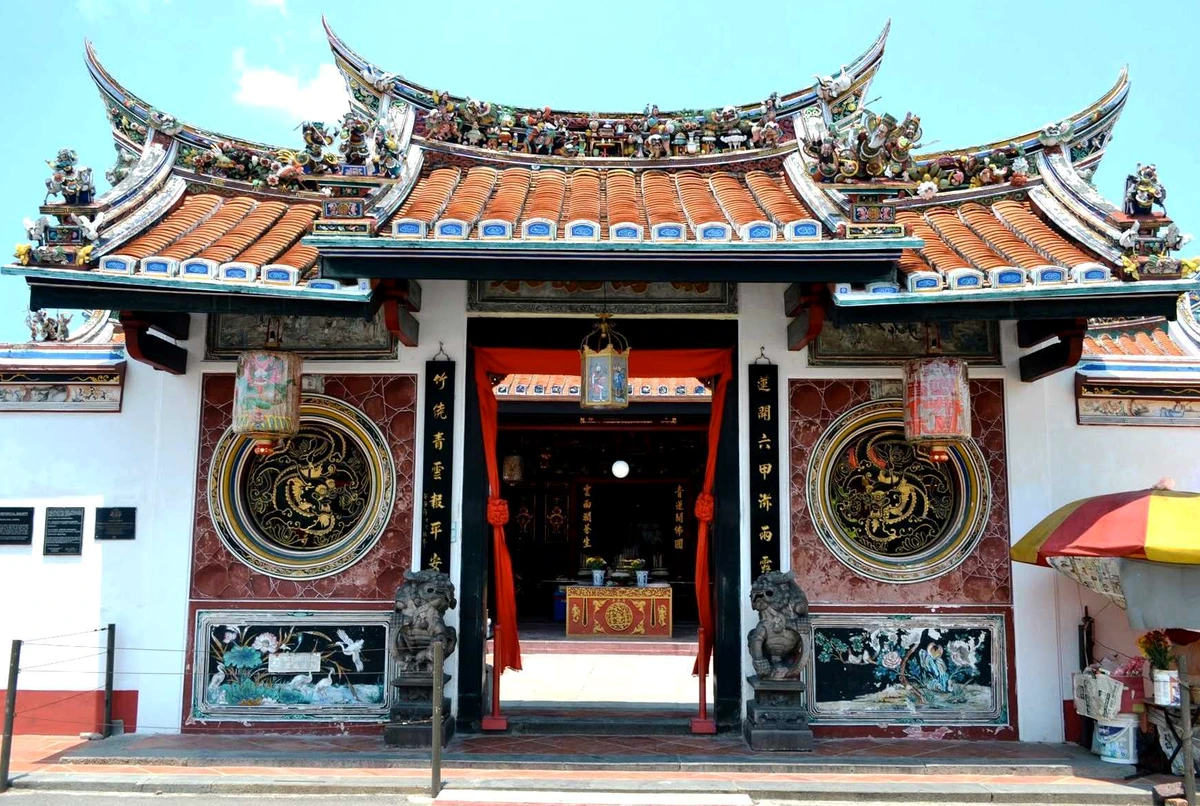
Respecting dress customs is essential at religious landmarks: at Cheng Hoon Teng Temple—a historic Chinese temple in Malaysia dating to the seventeenth century—and nearby Kampung Kling Mosque, wear modest attire covering shoulders and knees and remove footwear before entering prayer or shrine spaces.
Because Malacca has a warm, humid equatorial climate year-round, breathable clothing, sun protection, and a compact umbrella for sudden passing showers are practical essentials. Visiting Jonker Street early in the morning before around 08:30 AM offers a quieter look at heritage lanes before bustling stalls open—ideal for a traditional “kopitiam” breakfast of soft-boiled eggs with pepper, toast with “kaya” coconut jam, and black “kopi O” before continuing a 5-day 4-night Singapore – Malaysia – Malacca – Genting tour.