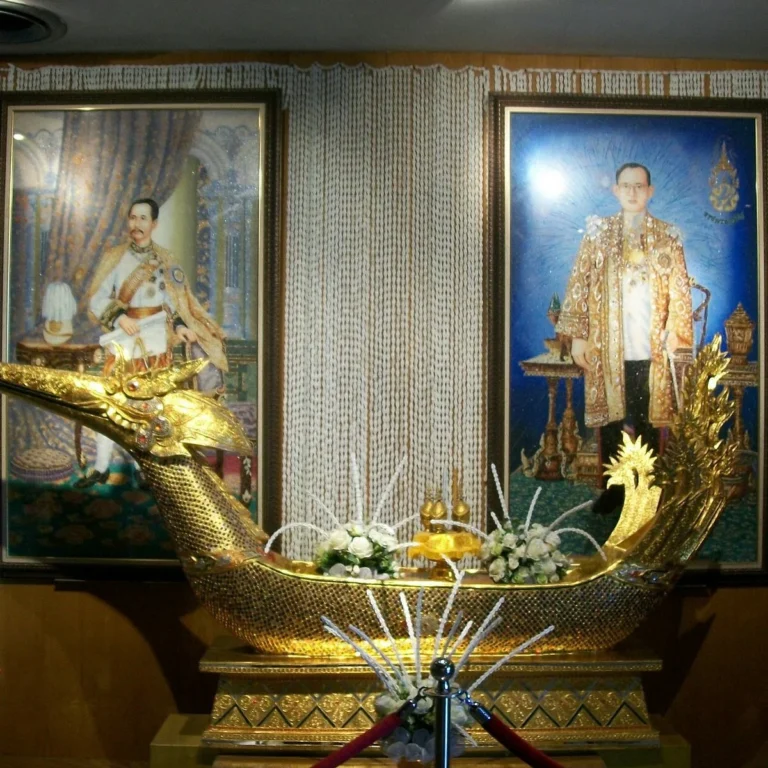
In the Thai consciousness across generations, the Chao Phraya River is far more than a mere geographical entity; it is revered as Mae Nam Chao Phraya—meaning “The Royal Mother River” or “The Mother of Waters.” Originating at the confluence of four northern tributaries—the Ping, Wang, Yom, and Nan—in the central plains of Nakhon Sawan, the river winds like a soft Oriental silk ribbon through the heart of the kingdom before emptying into the Gulf of Thailand. From the 14th to the 18th century, during the prosperous Ayutthaya Kingdom, these waters served as Asia’s busiest diplomatic and international trade artery. Oceangoing merchant fleets from Portugal, vessels of the Dutch East India Company, trade missions from the Qing imperial court, and exiled samurai from Tokugawa-era Japan anchored densely along both banks, transforming the river basin into a bustling port metropolis wide open to global commerce.
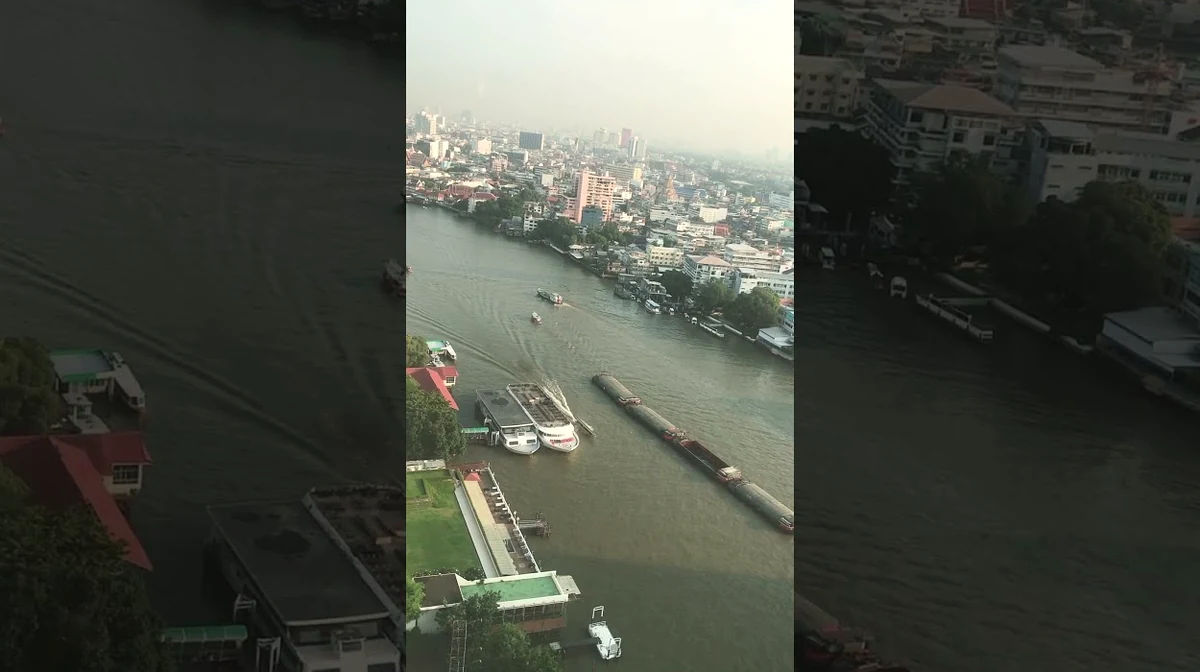
A grim historical turning point struck in 1767 when the capital of Ayutthaya fell following a fierce siege by Burmese forces. Amid the smoldering ruins, King Taksin the Great rallied his surviving troops, led his subjects downstream, and resolved to relocate the capital to Thonburi, establishing the western bank of the Chao Phraya as the new seat of power from 1767 to 1782. In this strategic position, the river acted as a colossal natural moat, shielding the newly restored stronghold against surprise assaults from both sea and land. Wrapping around Thonburi Palace and the ancient temple of Wat Chaeng—the precursor to today’s dazzling Wat Arun—the river stood as an enduring witness to the Siamese dynasty’s indomitable will to rebuild the nation through years of war and turmoil.
The pivotal chapter that shaped the river’s contemporary identity began in 1782, when King Phra Phutthayotfa Chulalok, known as Rama I, ascended the throne and ushered in the illustrious Chakri Dynasty. Recognizing the superior geomantic layout and stronger military defensibility of the eastern bank, he relocated the royal palace across the water, officially founding the Rattanakosin capital—the direct ancestor of modern-day Bangkok. Under the decrees of successive Chakri monarchs, monumental hydraulic engineering projects were launched to dredge and expand an intricate network of canals such as Khlong Rop Krung, Khlong Ong Ang, and Khlong Phadung Krung Kasem. This interlocking web of waterways not only served defensive and agricultural irrigation purposes, but also transformed the royal capital into an iconic amphibious city, prompting visiting Western envoys and merchants to marvel at it as the Venice of the East.
Entering the second half of the 19th century, during the celebrated reign of King Chulalongkorn, or Rama V, from 1868 to 1910, the Chao Phraya River once again stood at the forefront of an epoch-making transformation. Guided by a reformist vision designed to ward off Western colonial encroachment, Rama V comprehensively modernized riverine transport—constructing reinforced concrete locks, shipyards, and piers, importing modern steamships to replace traditional wooden sampans, and planning waterfront customs warehouses linked directly to the nascent railway network. During this era, both banks of the Chao Phraya showcased a resplendent fusion of classical Siamese royal architecture alongside Baroque- and Renaissance-inspired mansions built by Western diplomats and merchants.
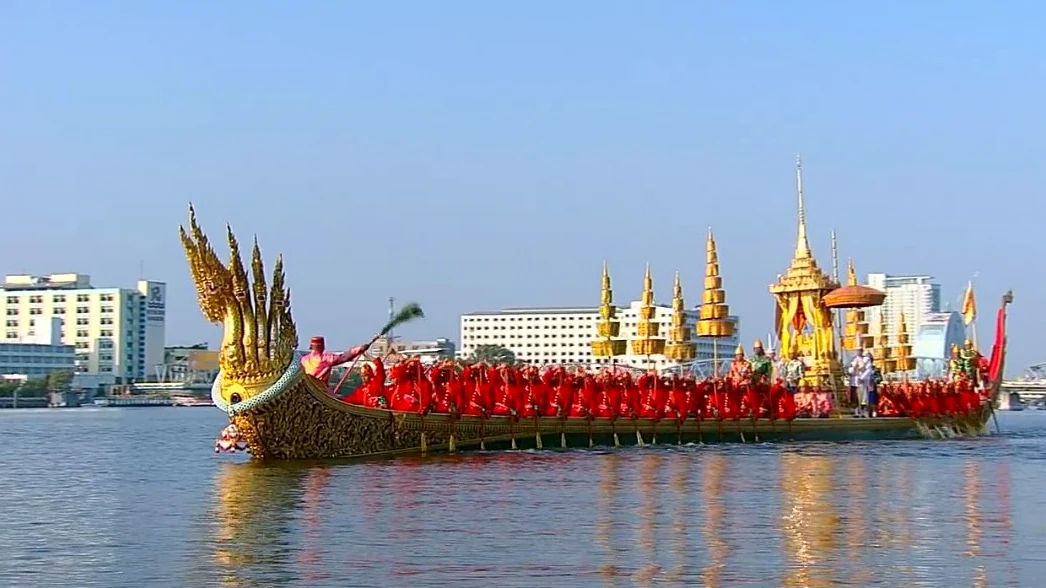
Weathering the vicissitudes of the 20th century and evolving rapidly in the 21st, the Chao Phraya corridor has transcended its purely defensive and cargo-hauling origins to emerge as an upscale axis of culture, heritage, and luxury sightseeing. Beginning in the 1990s, the river witnessed the rise of five-star resorts, opulent heritage hotels, and international-standard piers. Gliding aboard a river cruise at sunset to admire Bangkok illuminated by night has become a refined emblem of the art of living. As the fading dusk gilds the soaring spires of the Grand Palace and the shimmering stupa of Wat Arun reflects upon the water, travelers feel as though they are drifting down the stream of time, listening to an endless symphony bridging a millennium of heroic history with the proud modern pulse of the Land of Smiles.
Viewed through the lens of traditional Eastern geomancy, the Chao Phraya is not merely a physical waterway, but a prosperous dragon vein that has safeguarded the Chakri Dynasty across centuries of rise and fall. In 1782, when deciding to move the capital from the western shore of Thonburi to the fertile eastern bank, King Rama I astutely recognized the auspicious “golden turtle drinking water” landform nestled within the Mother River’s horseshoe bend. This sweeping aquatic arc naturally formed a formidable defensive moat to the west and southwest, completely shielding the royal core from external invasion. Carrying rich alluvial silt from the confluence of the four northern rivers—Ping, Wang, Yom, and Nan—across more than three hundred kilometers of delta plains before flowing into the Gulf of Thailand, the river functioned as a vital economic lifeline that opened thriving trade routes with Western merchant fleets and overseas Chinese traders of the era.
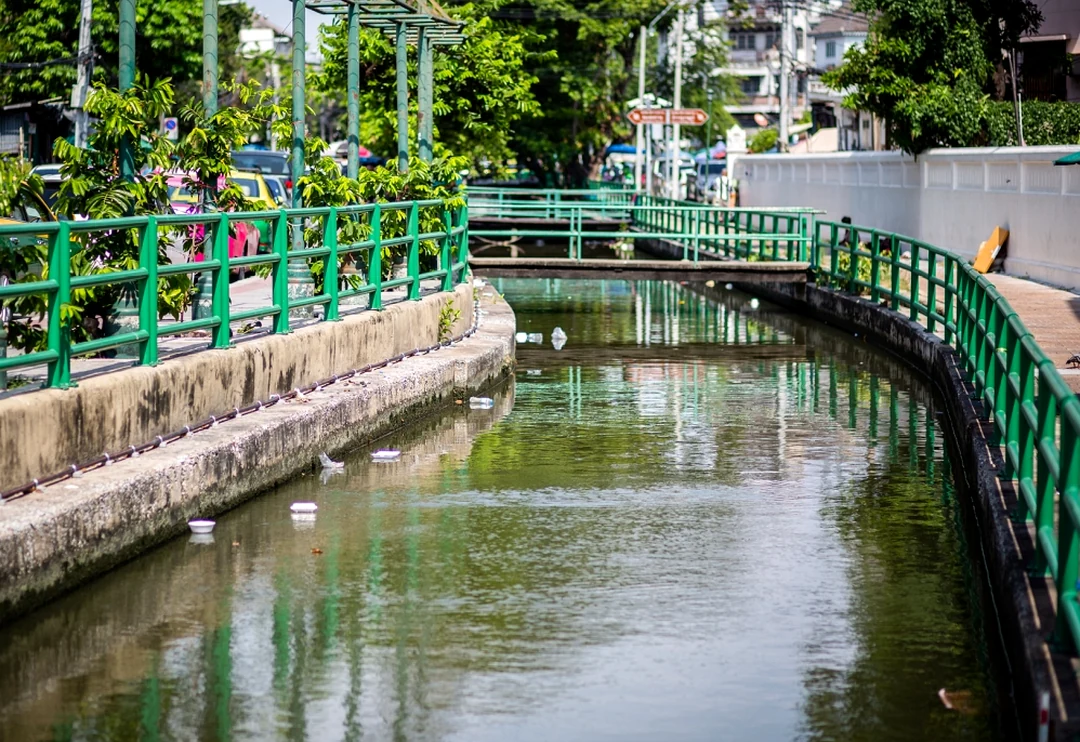
Under the master planning of early monarchs, Bangkok’s topography was ingeniously reshaped through the art of river diversion and man-made canal excavation. To complete the defensive isolation of historic Rattanakosin Island, the royal court mobilized tens of thousands of laborers to dig strategic waterways such as Khlong Lot and Khlong Rop Krung, turning the capital into a jeweled island surrounded by freshwater moats. This cobweb-like network of canals not only regulated floodwaters during the southwest monsoon season, but also established the famed waterborne urban fabric celebrated as the Venice of the East. Every narrow canal functioned like a capillary drawing water from the Chao Phraya into the intimate corners of civic life, where rustic teakwood stilt houses cast their reflections onto the water beside moss-draped ancient temples.
The hydrographic characteristics of the Chao Phraya channel demand remarkably precise and rigorous cruise navigation protocols. Because the river is directly influenced by the semi-diurnal tidal regime of the Gulf of Thailand, it experiences a substantial tidal range, with water levels fluctuating between one and a half to over two meters within a single day. Large multi-deck dinner cruises operating at dusk must carefully calculate static draft and vertical air-draft clearance beneath historic spans, most notably the Phra Phutta Yodfa Memorial Bridge and the modern cable-stayed Rama VIII Bridge. Beneath the surface, shifting layers of silt and sandbanks move continuously with every tide, requiring hydroacoustic navigation systems and seasoned local captains at the helm to thread deftly around natural shoals—ensuring the vessel glides effortlessly over the ripples without disturbing the sacred tranquility of the riverside temple complexes.
The signature riverside panorama along both banks of the Chao Phraya stages a breathtaking dialogue between layered historical heritage and vibrant contemporary energy. As the sun dips behind the gilded domes of the Grand Palace and the sky-piercing central prang of Wat Arun, the russet, silt-rich water abruptly transforms into a luminescent ribbon brushed in amber and deep violet. On the western shore, the 18th-century Santa Cruz Church stands quietly amid the historic Portuguese quarter, while directly across the water, the sleek glass-and-steel towers of the Iconsiam complex blaze brilliantly under multi-dimensional architectural lighting. This interplay between stillness and motion—between the sacred resonance of Theravada Buddhist culture and metropolitan opulence—creates a multi-tiered visual realm that elevates a river cruise into an unforgettable multi-sensory cultural journey.
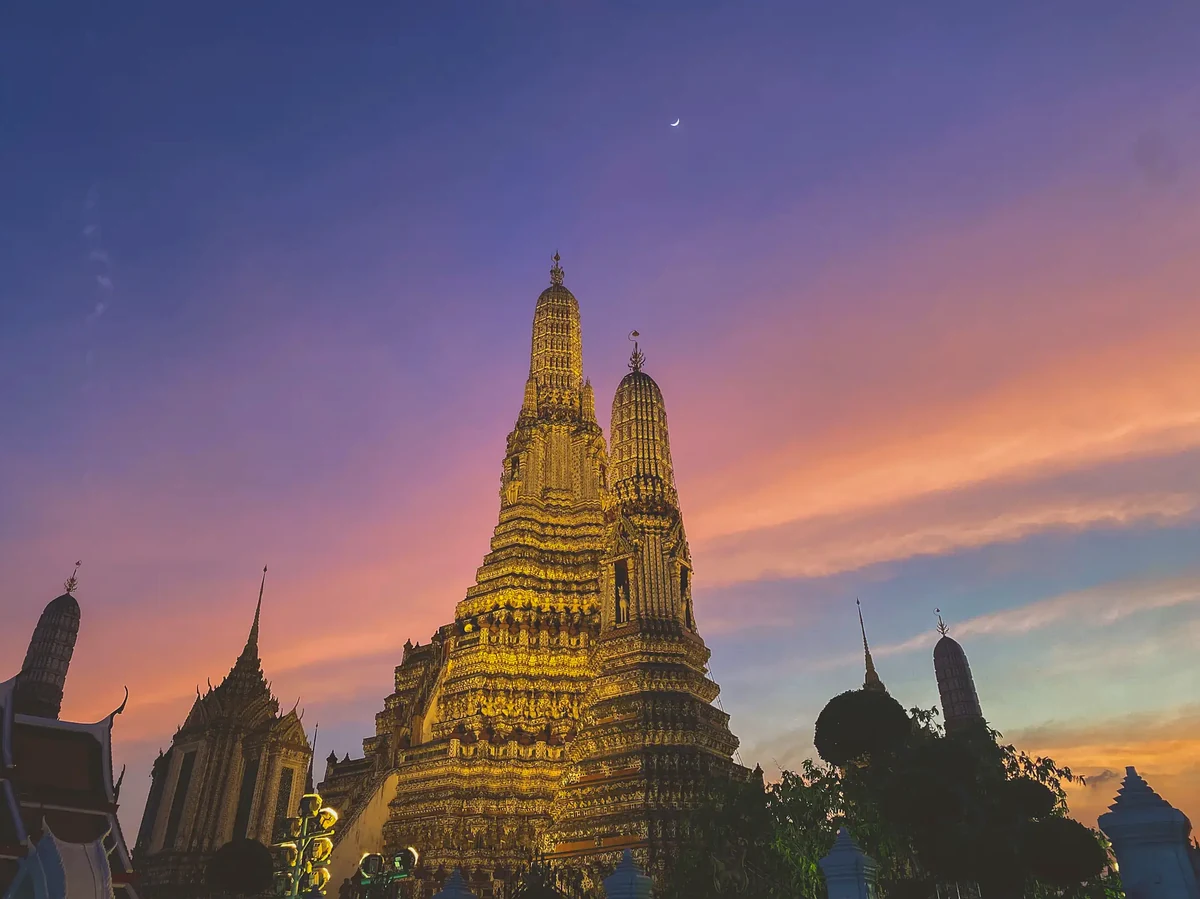
From an urban planning and visual landscape perspective, a sightseeing cruise along the Chao Phraya unfolds like an epic, continuous reel spanning multiple strata of time, where Thailand’s most iconic architectural landmarks line both shores. The crowning centerpiece of this heritage tableau is the Wat Arun complex, widely known as the Temple of Dawn, rising majestically on the western Thonburi bank. Its central prang tower soars more than 80 meters high, built in classical Khmer style yet refined into graceful proportions during the reigns of Kings Rama II and Rama III. The pinnacle symbolizes sacred Mount Meru in Buddhist and Hindu cosmology, flanked by four satellite towers representing the four oceans. The true artistic triumph of Wat Arun lies in its intricate handcrafted mosaic exterior, fashioned from millions of shards of broken porcelain and Chinese blue-and-white ceramics that once served as ballast in the holds of ocean-going trading junks. Royal artisans painstakingly cut and inlaid each glazed fragment into delicate chrysanthemums and lotus blossoms set into white lime plaster; as twilight fades and specialized floodlights ignite, the tower radiates an antique golden-jade luminescence that shimmers across the rising tide.
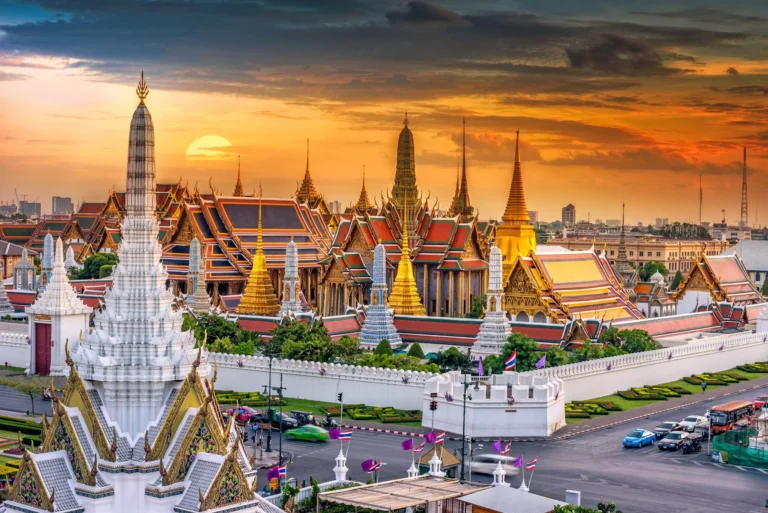
Directly across the riverbend on the eastern shore stands the monumental complex of the Grand Palace paired with the royal temple of Wat Phra Kaew, representing the pinnacle of early Rattanakosin architecture founded in 1782 under King Rama I. Its spatial layout is organized into solemn, hierarchical courtyards crowned by multi-tiered glazed tile roofs in emerald green and saffron orange trimmed with gold—symbolizing the dual protection of royal sovereignty and the Buddhist Dharma. Sweeping chofah roof finials sculpted in the likeness of the mythical Garuda bird cleave proudly into the sky, while octagonal pillars encrusted with sparkling colored glass and gilded bas-reliefs radiate sheer regal splendor. When night falls, architectural spotlights illuminate the undulating golden spires of the Phra Maha Monthien hall and the pure gold-leaf-clad Phra Sri Rattana Chedi, turning the riverbend beside the palace into an enchanting ribbon of liquid gold.
Continuing the southward flow of history is a spectacular intersection of local spirit and Western influences embodied by the heritage building of the Mandarin Oriental Hotel. Completed in the late 19th century during the reign of King Rama V, the structure represents Colonial architectural style with elegant ivory-white tones, wide airy verandas welcoming river breezes, teakwood louvered shutters designed to withstand the tropical climate, and graceful semi-circular archways evoking European neoclassical echoes. Right next to it, modernity rises powerfully with the ICONSIAM super-complex impressively gracing the western bank. The structure features a fluidly curved steel and tempered glass facade, replicating the layered folds of the traditional krathong floral vessel during festive celebrations. Its interior spatial design also dedicates vast areas to create SookSiam, a floating market that fully recreates the culture of Thailand’s four regions complete with artificial canals, teakwood traditional houses, and vivid folk craft vignettes.
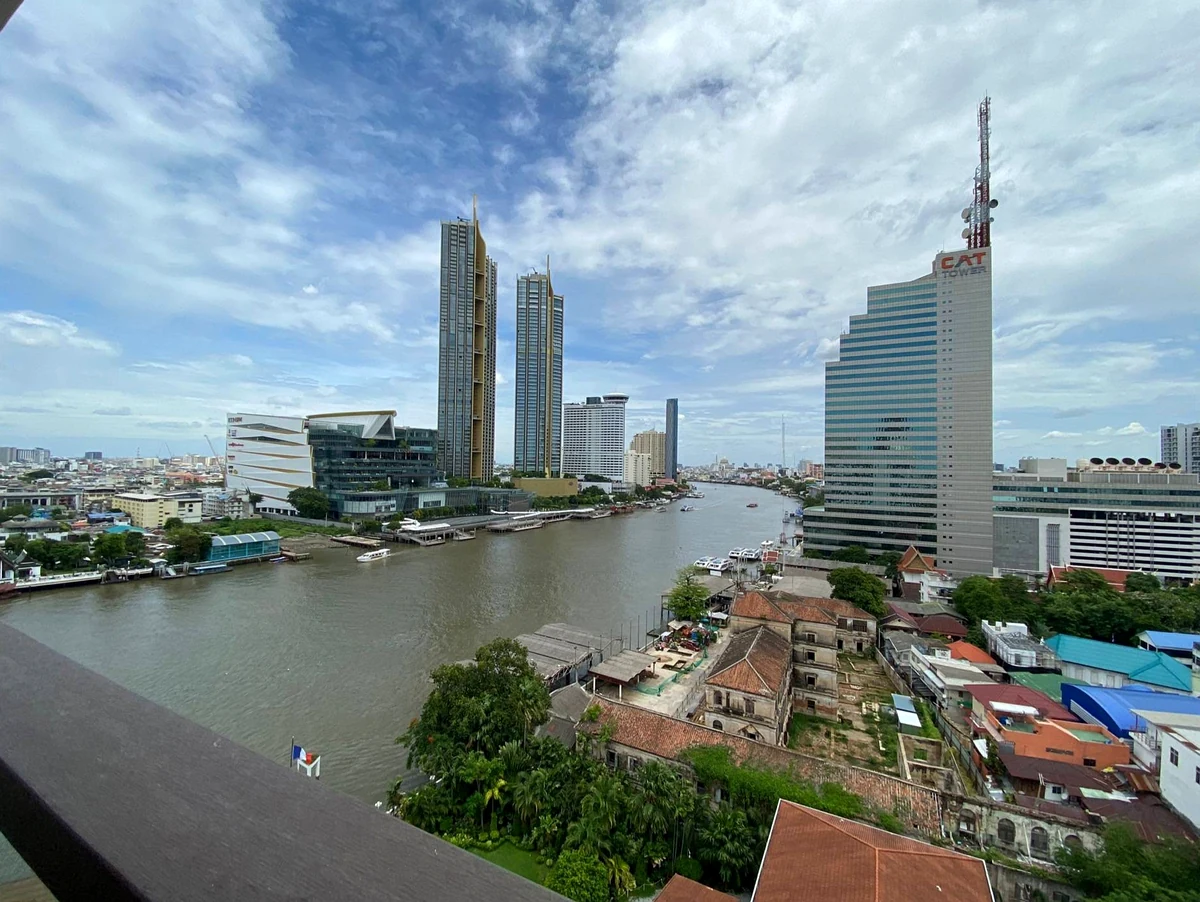
The perfection of the scenery on both banks cannot be separated from modern port and pier infrastructure, which serves as vital pick-up and drop-off hubs for generations of night cruises. ICONSIAM Pier boasts a large-scale high-capacity floating pontoon pier system, integrating a water music square hundreds of meters long featuring Southeast Asia’s most advanced lighting technology. Downstream is Sathorn Pier, acting as a crucial multimodal transportation link that seamlessly connects the BTS Silom elevated metro line with the urban waterway network. Meanwhile, River City Bangkok Pier in the historic Charoen Krung neighborhood serves as an arts and antiques center as well as the traditional departure port for most luxury cruises. The reasonable distribution of these three key ports creates a perfect coordination triangular axis, accommodating the continuous operation of dozens of large and small tourist boats gliding through the heart of the heritage every night.
As dusk casts its shadows over the Chao Phraya River basin, the maritime current tied to the turbulent destiny of the Chakri dynasty begins to transform into one of the most magnificent visual moments of the day. During the Golden Hour lasting from 17:00 to 18:30, Bangkok’s sky performs a spectacular natural variation, where bands of clouds bearing vibrant pink-orange hues gradually recede to make way for majestic and aristocratic deep purple tones. From the open-air observation deck of cruise ships leisurely cutting through waves toward the south, travelers can take in the wondrous intersection of nature and urban architecture. The surface of the Mother River—a sacred title stemming from the words “Mae Nam”—resembles a giant mirror reflecting unfathomably changing light spectra, preparing for a delicate artistic light performance and the lavish nightlife in the southern capital of the Land of Smiles.
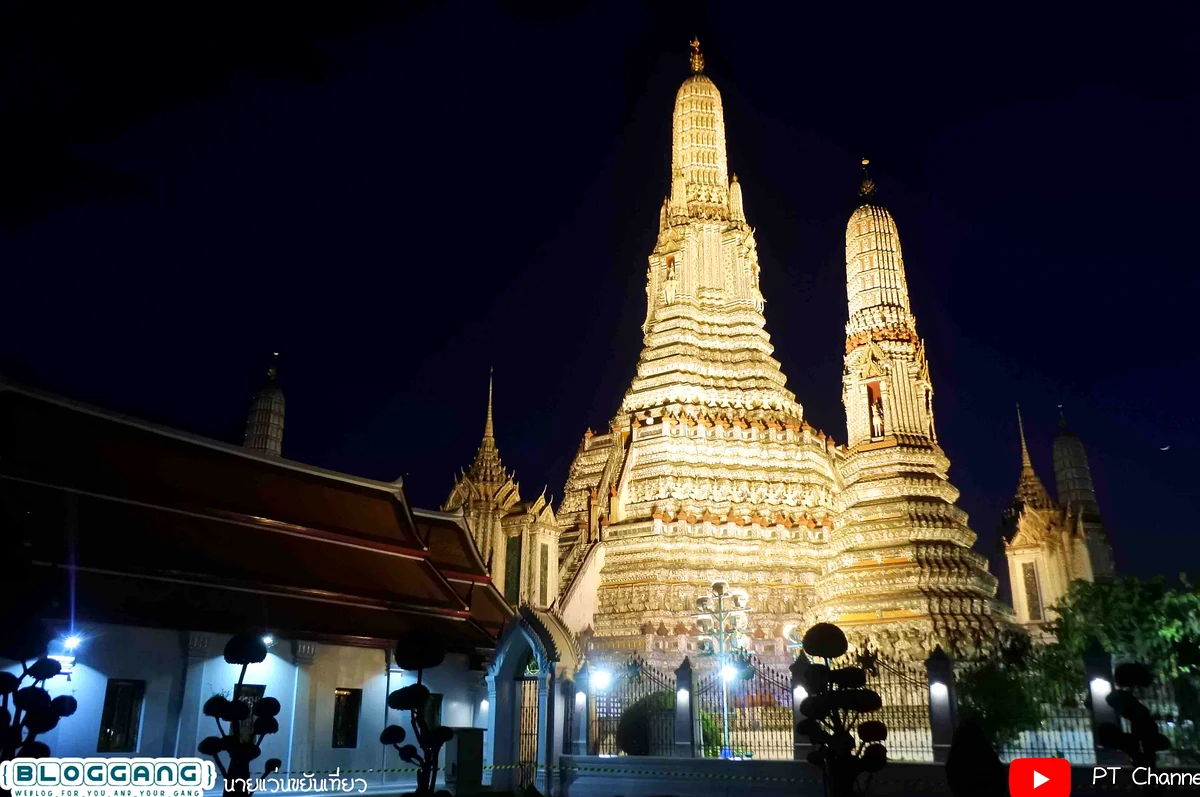
The brightest highlight of this sublime natural scenery as night falls is the temple complex of Wat Arun (Wat Arun Ratchawararam Ratchawaramahawihan), nestled peacefully amidst majesty on the West bank within the ancient Thonburi region. Elaborately reconstructed during the reigns of King Rama II and King Rama III, the over-70-meter-tall Phra Prang grand stupa was inlaid with millions of colored ceramic porcelain pieces and exquisite seashells sparkling under sunlight. Yet, when the high-tech artistic lighting system is simultaneously activated at twilight, the ancient temple instantly transforms into a pure gold tower radiating brightly against the dark sky. The silhouette of the soaring spire reflects deep down into the water, conversing with the royal golden light emanating from the Grand Palace and the magnificent stupas of the Temple of the Emerald Buddha (Wat Phra Kaew) on the Eastern bank. Further upstream, the Rama VIII cable-stayed bridge stretches its golden cables like a giant harp illuminating an entire horizon, creating a mesmerizing and solemn luminous heritage corridor.
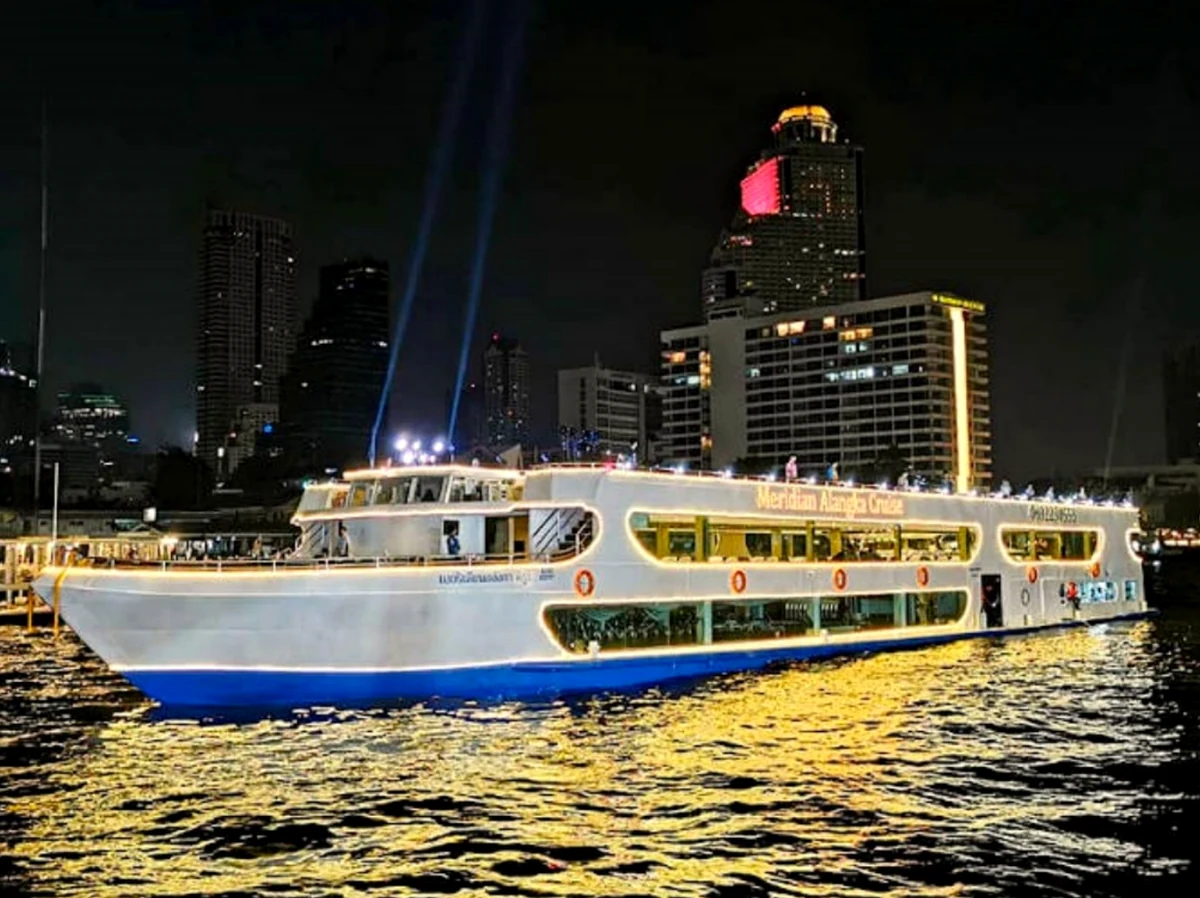
On the upper decks, the dining space is meticulously designed to fully awaken all travelers’ senses through vivid live performances. As the boat glides smoothly past historic sediment turns, the crisp sounds of the Ranat ek (Traditional Thai xylophone) resonate, blending with modern saxophone or violin melodies, setting the stage for royal dancers in opulent gold-thread-woven Chakkri costumes to recreate excerpts from immortal Ramakien epics or the graceful Manohra dance. Accompanying the artistic melody is a lavish nightly culinary journey, crystallized from royal Thai culinary techniques featuring Tom Yum Goong soup rich with giant river prawns, Massaman Nua curry imbued with noble herbs, and sweet mango sticky rice, intertwined with a five-star international seafood buffet. The scent of local herbs drifts on the pure river breeze, resonating with a glass of shimmering sparkling wine, pampering diners’ emotions amidst a floating banquet setting.
After 19:30, the nightlife on the Chao Phraya River reaches its absolute zenith as both banks awaken in a dazzling blend of light. The river now transforms into a gorgeous floating arena where dozens of luxury cruises—from modern multi-deck steel-hulled ships with energetic dance floors to classic sailboats made of solid teakwood like the Apsara or Manohra lines carrying deep Siamese regal flair—smoothly glide across waves past centuries-old icons. Opposite mossy ramparts stands the futuristic beauty of the ICONSIAM complex with multi-sensory water fountain shows and massive LED systems glowing brightly on the west bank, adjacent to warm golden light strips reflecting from long-standing famous hotels like The Peninsula or Mandarin Oriental. The skillful intertwining of a thousand-year-old traditional heritage and the prosperous pulse of the modern era creates an extraordinarily romantic, vibrant, and classy nighttime experiential space, deeply engraving the eternal charm of Bangkok into travelers’ hearts.
Under the fading twilight draping over the legendary Chao Phraya River, the culinary feast on the cruise ship is not merely a tasting experience, but truly a pilgrimage to the culinary heritage realm of ancient Siam. Through hundreds of years of cultivation from the golden Ayutthaya period to the brilliant Rattanakosin dynasty, the Mother River is not only a waterway trade lifeline but also a convergence point of culinary essences from fertile regions. Amidst the breezy atmosphere and gentle traditional music, the local banquet table is elaborately arranged, fully recreating the balance philosophy of five yin-yang flavors including sour, spicy, salty, sweet, and mild bitterness, leading refined guests into a mesmerizing flavor journey.
Unveiling this flavorful blend is Tom Yum Goong, the hot and sour prawn soup honored as the soul of Thai culinary art. The steaming pot radiates a rich aroma from the supportive combination of sliced young galangal, bruised fresh lemongrass, gently rubbed kaffir lime leaves, and fiery red bird’s eye chilies. The valuable highlight of the dish lies in live Chao Phraya river prawns featuring firm flesh with a natural deep sweetness blending with creamy prawn roe turning the broth red. The elegant sourness from fresh lime juice blends with the tongue-numbing spiciness while leaving a profound, sweet aftertaste, stimulating every taste cell of diners right as the boat drifts past the silhouette of Wat Arun glowing in the twilight.
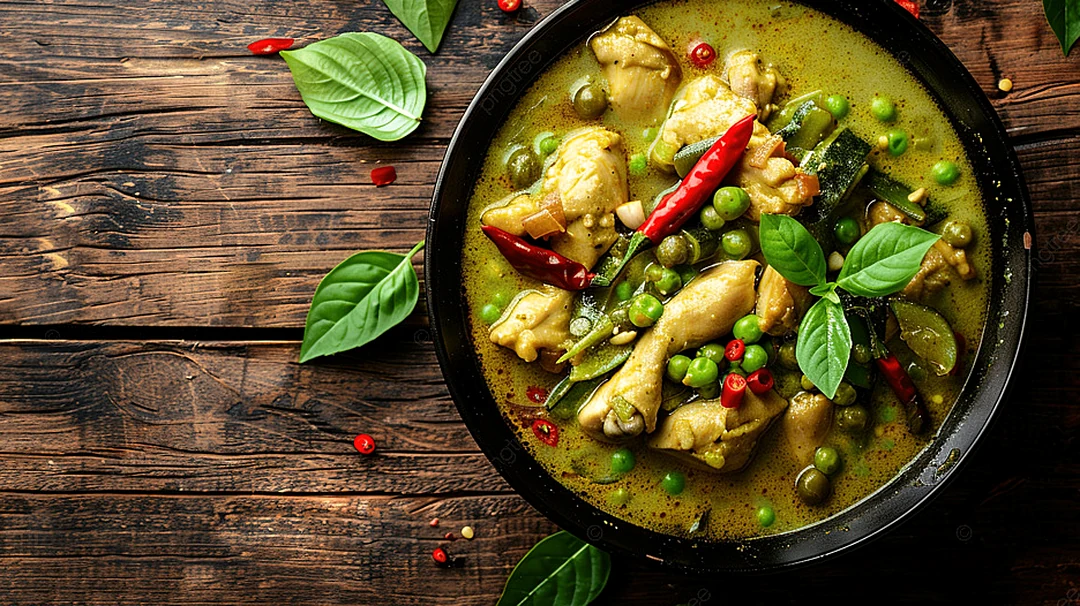
Continuing the journey is the presence of Gaeng Keow Wan Gai, green curry chicken imbued with Thai royal style featuring a smooth texture and complex flavor layers. Unlike the vibrant red color of Indian curry or the sharp spiciness of South Asian cuisine, Siamese green curry is hand-pounded from fresh green bird’s eye chilies, cilantro, cumin, and shallots, then slow-cooked with freshly squeezed coconut milk prepared meticulously on the same day. Each tender, juicy piece of chicken is soaked in rich, creamy sauce, intertwined with the crisp sweetness of round Thai eggplant and the pure, noble aroma of sweet basil leaves, creating a gentle, warm totality amidst the cool night river breeze.
On the deck overflowing with opulent light, the steaming plate of Pad Thai Goong Sod brings the bustling breath of street food culture elevated to national heritage status. Chewy, soft rice noodles are stir-fried evenly in a hot iron skillet with fresh baby shrimp, rich eggs, and golden tofu. The secret behind the dish’s fame lies in its thick, traditional palm sugar tamarind sauce, providing a smooth, hard-to-replicate sweet-and-sour taste. The dish is served with crushed roasted peanuts, fine chili powder, and refreshing bean sprouts, creating a pleasant crunch with every chopstick touch.
Concluding the sumptuous banquet as the cruise ship gently cuts through waves past the majestic Rama VIII bridge is the classic dessert Khao Niew Mamuang, also known as mango sticky rice. The talented chef has skillfully selected premium goose sticky rice grains from the fertile Chiang Rai valley, steaming them just right so that the grains are plump, chewy, and fragrant without being mushy, then drizzling them with rich coconut milk mixed with a hint of pure sea salt. Placed next to the warm sticky rice are slices of Nam Dok Mai mango bright yellow, sweet as honey, and juicy, accented with a few crispy roasted mung beans on top. The artistic contrast between chewy sticky rice, juicy mango, and rich coconut leaves an endless sweet aftertaste, engraving the memory of a regal night banquet on the historical river.
To fully enjoy the voyage gliding through the heart of the capital Bangkok, understanding the rhythm of time on the Chao Phraya River plays a pivotal role for a perfect excursion. Sightseeing schedules on the river are usually divided into two classic timeframes with distinct contrasting shades. The sunset timeframe, usually departing from five o’clock to six-thirty, is a golden moment for souls captivated by dreamy beauty, when the deep red sun gradually disappears behind the magnificent prang tower of Wat Arun, casting a magical bronze-orange hue over the water surface. Meanwhile, evening dinner cruises departing from nineteen-thirty open up a magnificent visual feast, carrying travelers drifting through an aristocratic Bangkok under the brilliant lights of the Grand Palace and the imposing Rama VIII cable-stayed bridge spanning the delta’s night.
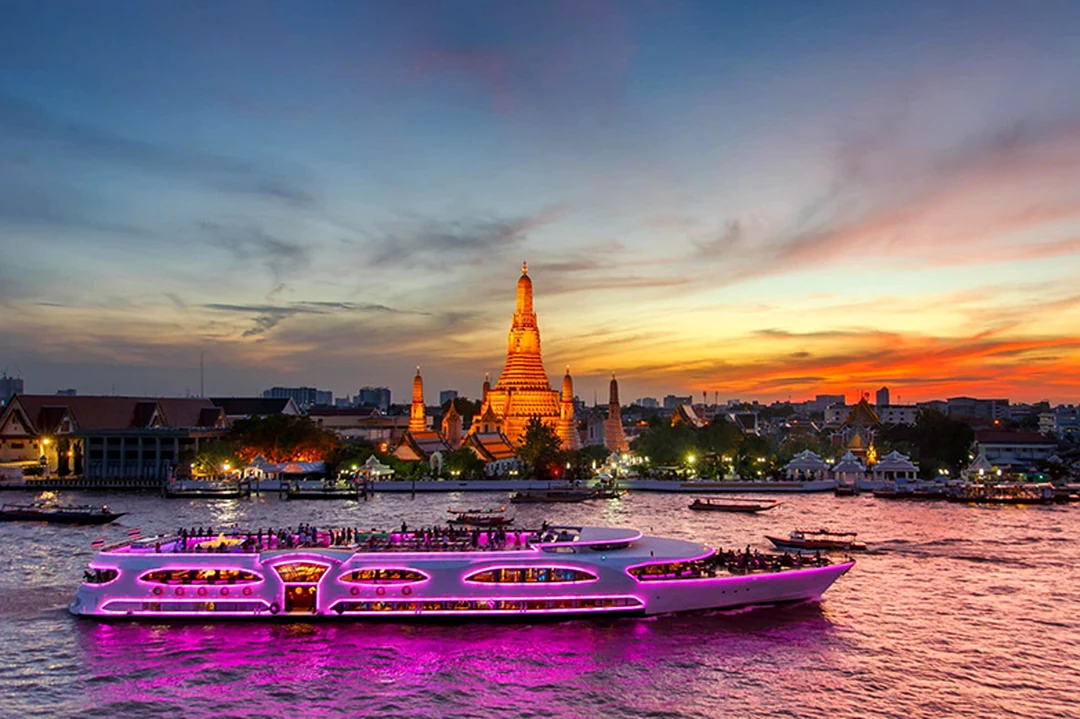
Getting to central piers requires smart planning to bypass Bangkok’s signature rush-hour gridlock. Taking the BTS Skytrain Silom Line is the most convenient option; simply ride to Saphan Taksin Station and take Exit 2 to step right onto Sathorn Pier. From this bustling waterway hub, complimentary shuttle boats and dedicated transfer vessels carry passengers toward major boarding points. Alternatively, the massive West Bank ICONSIAM complex—featuring modern Piers 1, 2, and 4—serves as the departure hub for most luxury cruises. Travelers can also opt for the MRT Blue Line, getting off at Sanam Chai or Charoen Krung station and strolling through atmospheric old streets before stepping aboard.
Cruising along the River of Kings is far more than ordinary sightseeing—it is a high-level culinary and cultural experience. That is why cruise operators strongly recommend a Smart Casual dress code. Neat, breathable, yet polished outfits not only help you capture stunning photos against historic architecture, but also show deep respect for the sacred religious landmarks lining both banks. Avoid overly casual attire such as tank tops, very short athletic shorts, or worn-out flip-flops, and bring a light shawl or cardigan to stay comfortable against brisk river breezes after dark.
Pricing for a dining cruise on the Chao Phraya varies widely depending on the vessel class, dining style, and onboard entertainment. Large two- to three-deck party boats offering international buffets, fresh seafood, and lively live bands usually come at a more budget-friendly price point, whereas restored antique rice barges or intimate boutique cruisers serving royal Thai fine dining provide a quieter, more exclusive atmosphere at a higher cost. Given how crowded the travel market can be, practical experience shows it is wise to look for well-vetted itineraries with a strict No Shopping policy. This helps travelers avoid disguised bargain traps where river sightseeing time is cut short or turned into high-pressure sales pitches.
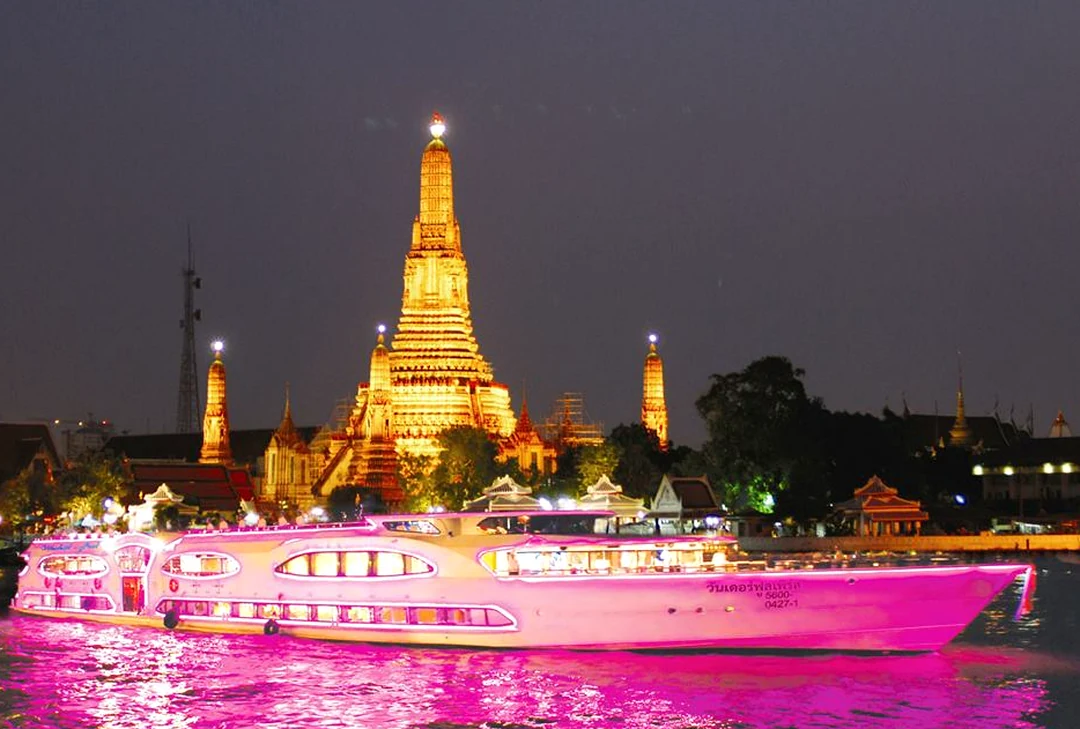
The blend of refined culinary craftsmanship, traditional Thai melodies, and cool night air drifting past historic bends creates an unforgettable travel memory. To relax and savor every graceful moment over a glass of wine without worrying about pier logistics or peak-season booking hurdles, consider choosing a thoughtfully planned, transparent all-inclusive tour package that takes care of everything from transfers to onboard service.