Nestled within the rugged Shogawa River valley of the majestic Hida Mountains, the origins of Shirakawa-go are intertwined with some of the most dramatic turning points in medieval Japanese history. According to ancient chronicles and local legend, the earliest clear traces of settlement emerged between the Kamakura and Muromachi periods, spanning the twelfth to sixteenth centuries. Following the devastating defeat of the illustrious Taira clan by their Minamoto rivals in the historic Battle of Dan-no-ura, surviving warriors and members of the defeated Heike clan led their families through dense primeval forests, fleeing relentless pursuit by the fledgling shogunate. The isolated basin terrain of the Hida region, sealed off on all sides by white snow, inadvertently became an ideal natural fortress, sheltering displaced souls as they pitched shelters, cleared land, and planted seeds of a secluded life completely removed from the turmoil of the outside world.
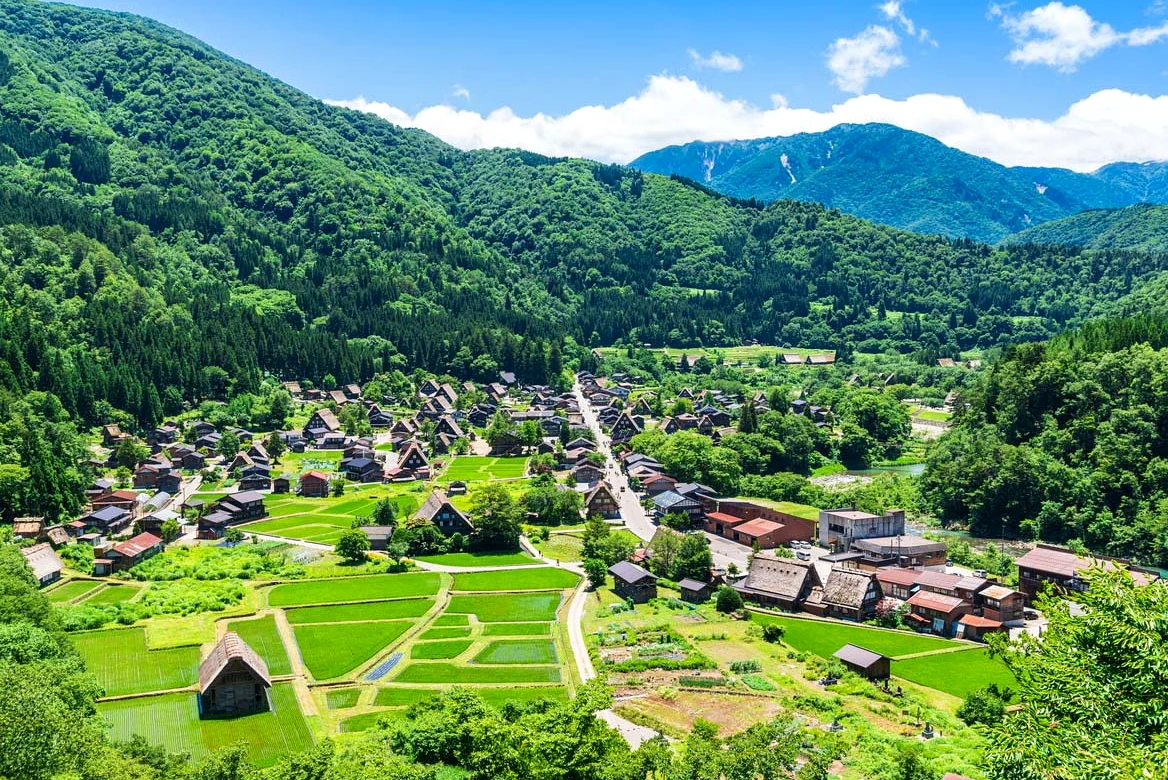
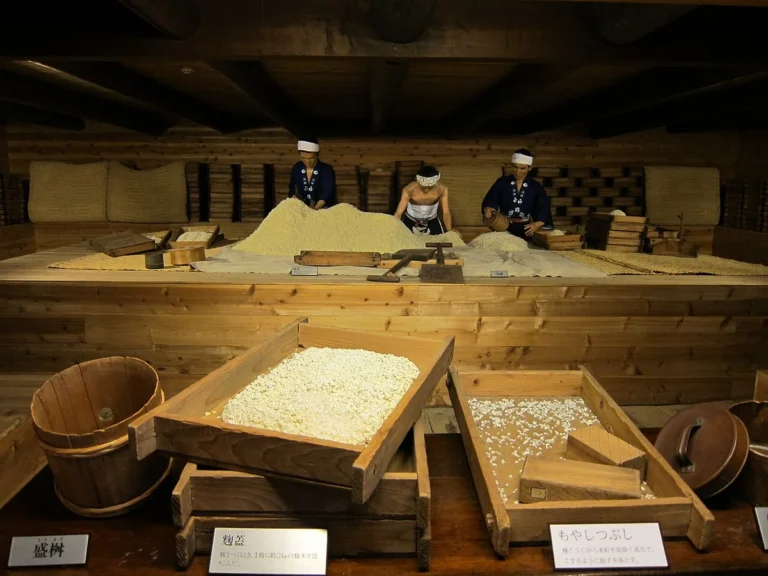
Entering the Edo period under the authoritarian rule of the Tokugawa shogunate, Shirakawa-go endured more than two centuries of harsh isolation caused by fractured terrain and snowstorms lasting up to half the year. This very geographic blockade spurred a distinctive self-sufficient economy, giving rise to two pivotal crafts that determined the fate of the entire region: sericulture (mulberry cultivation and silkworm farming) and saltpeter production. To optimize living space and adapt to the severe climate, locals ingeniously created warm, multi-tiered attic levels to raise silkworms and weave coarse cloth for daily life. Alongside this, beneath thick wooden floorboards, saltpeter making—a top-secret raw material used to manufacture gunpowder for feudal domains—operated quietly in the dark through the fermentation of humus soil, charcoal ash, and livestock urine, providing a clandestine financial lifeline that sustained the entire valley for centuries.
From these very survival demands of productive function and the crushing weight of snow two to three meters deep each winter, the Gassho-zukuri architectural style gradually took shape and defined Shirakawa-go’s enduring identity. The term Gassho carries deep symbolic meaning, evoking hands pressed respectfully together at the chest in Buddhist prayer—expressing human wishes for peace before fierce nature while serving as a structural masterpiece whose sixty-degree thatched roof pitch lets snow slide naturally to the ground. The unique value of this structure only truly stepped into the world’s spotlight in 1935, when renowned German architect Bruno Taut visited the valley. In his insightful writings, Bruno Taut marveled that Gassho-zukuri architecture was the pinnacle of rational thinking and traditional functionalism, an extraordinary architectural jewel unlike anything else on earth.
When waves of industrialization and post-World War II hydroelectric dam projects threatened to wipe out many traditional villages along the Shogawa River, a strong sense of pride and community mutual aid known as Yui surged forward. Facing the danger of ancestral heritage fading away, in 1971 the entire population of Ogimachi village united to launch a historic preservation movement built on three steadfast principles: not selling, not leasing, and not destroying any historic house. That resilient civic pledge preserved the complete soul of thousand-year-old thatched dwellings, laying the groundwork for December 9, 1995, when Shirakawa-go and its neighbor Gokayama were officially inscribed as a UNESCO World Heritage Site, permanently affirming the value of a symbol of human adaptation amidst snowy wilderness.
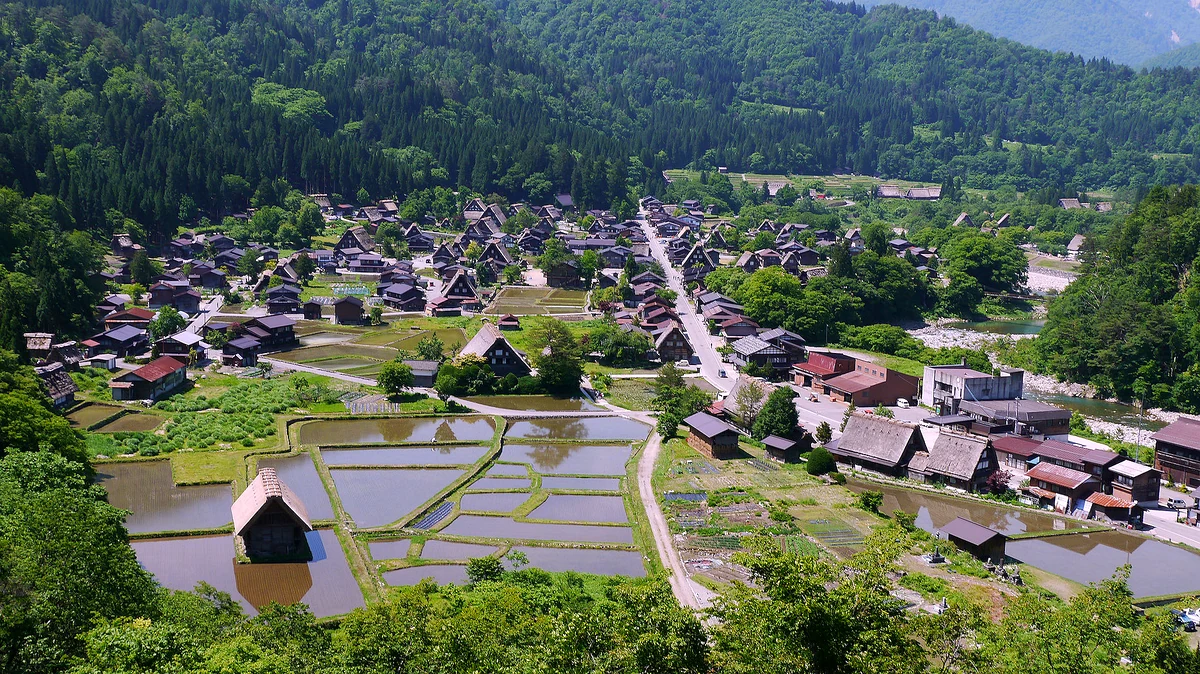
Tucked deep inside the rugged Shogawa River valley of the Hida Alps in Gifu Prefecture, Shirakawa-go possesses a geomantic setting rarely seen across the Japanese archipelago. Surrounded on all sides by towering peaks of the Northern Alps, this land resembles a closed basin, shielded from external upheavals yet simultaneously exposed to nature’s utmost severity. It sits within one of the world’s heaviest snowfall belts, where relentless blizzards transform the entire mountain expanse into a frozen plain, with measured snow accumulation regularly reaching 3 to 4 meters throughout winter. That isolated topography served both as a natural rampart sustaining self-reliant living for centuries and as the cradle for the indigenous inhabitants’ singular settlement layout.
The village’s ground plan reflects remarkable adaptation to harsh weather and valley wind directions. Most thatched houses are aligned uniformly along a north-south axis. This orientation not only minimizes the surface area directly exposed to biting northeast winds funneling through the narrow Shogawa gorge, but also maximizes solar thermal radiation hitting the two vast pitched roof slopes to speed up snowmelt and prevent roof collapse from heavy ice loads. Alongside the lay of the land, an ancient irrigation system skillfully channels water from the upper Shogawa River, branching into countless crystal-clear channels winding past the threshold of each home. This network of waterways irrigates wet-rice paddies, supports carp farming, and plays a vital role as a distributed firefighting system standing guard day and night to protect the timber-and-thatch structures.
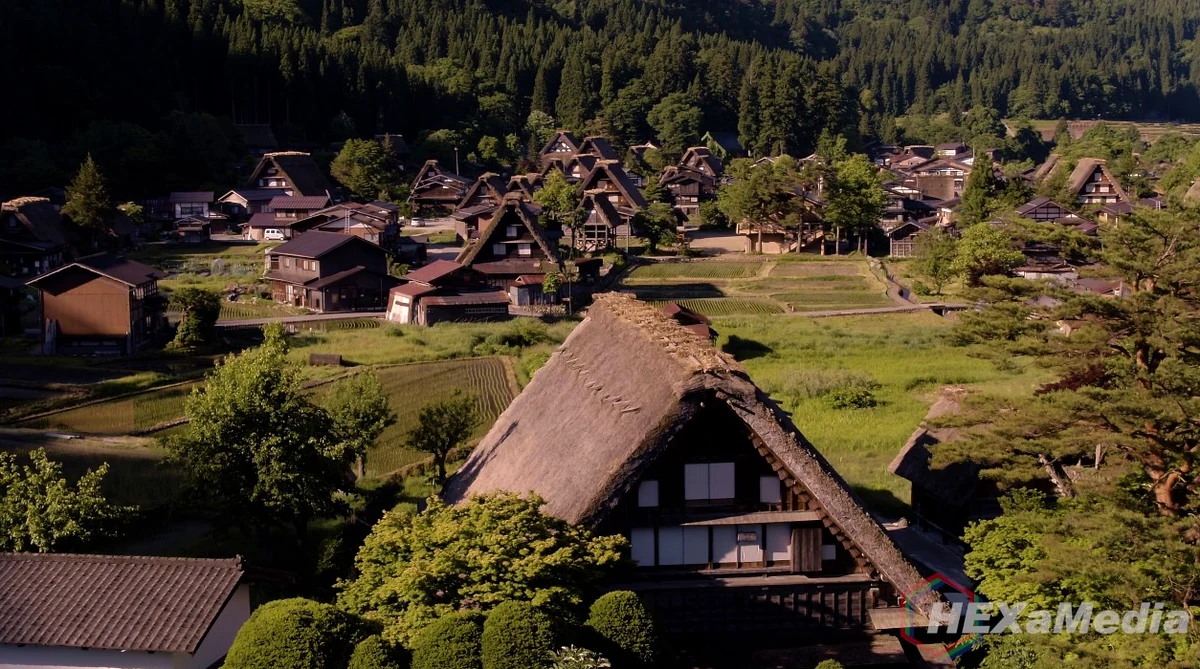
Once a place difficult to enter or leave every winter, Shirakawa-go is now smoothly integrated into modern Japan’s top-tier transport network without losing its mossy, historic charm. From Tokyo, travelers can glide aboard the Hokuriku Shinkansen bullet train toward the Sea of Japan to reach Kanazawa Station, before transferring to Nohi Bus express coaches running through dramatic gorges. From the opposite direction, journeys from southern cities open up via the Tokaido Shinkansen paired with the Limited Express Hida scenic train connecting through historic Takayama Station. In particular, the arrival of the Tokai-Hokuriku Expressway and the engineering feat of the nearly 11-kilometer Hida Tunnel bored through granite mountains have officially linked this secluded valley with the bustling pulse outside.
Seamless infrastructure has turned the village into a shining link on the travel map of central Honshu’s mountain interior. It holds a central place along the famed Alps Heritage Triangle route, smoothly connecting modern Nagoya, ancient hot-spring retreat Gero Onsen, samurai timber streets in Takayama, historic Shirakawa-go, craft town Kanazawa, and port city Toyama. At the same time, the village is the soul of the White Snow & Sea of Japan journey, where travelers can admire the grandeur of high-mountain snowscapes while feeling the full aesthetic contrast between fierce nature and resilient human survival across hundreds of snowy winters.
Gazing upon the Gassho-zukuri houses standing tall in a snow-covered valley, researchers of ancient East Asian architecture cannot help but marvel at the pinnacle of folk building craft without iron nails (Zero Nails Structural Engineering). Each monumental structure—shaped like hands joined in prayer—is supported by columns and rafters made entirely from ancient red pine and snow-pine trunks, carefully harvested and seasoned from the primeval forests of Hida. Instead of relying on metal, which easily rusts and fractures under persistent moisture and freezing cold, Edo-period master carpenters made full use of intricate mortise-and-tenon joinery paired with sturdy lashings of rope braided from supple Neso bark. After special soaking and smoking, this natural rope flexes subtly with seasonal shifts, creating a “living frame” that sways gently to dissipate seismic tremors and bear hundreds of tons of packed snow through harsh winter months.
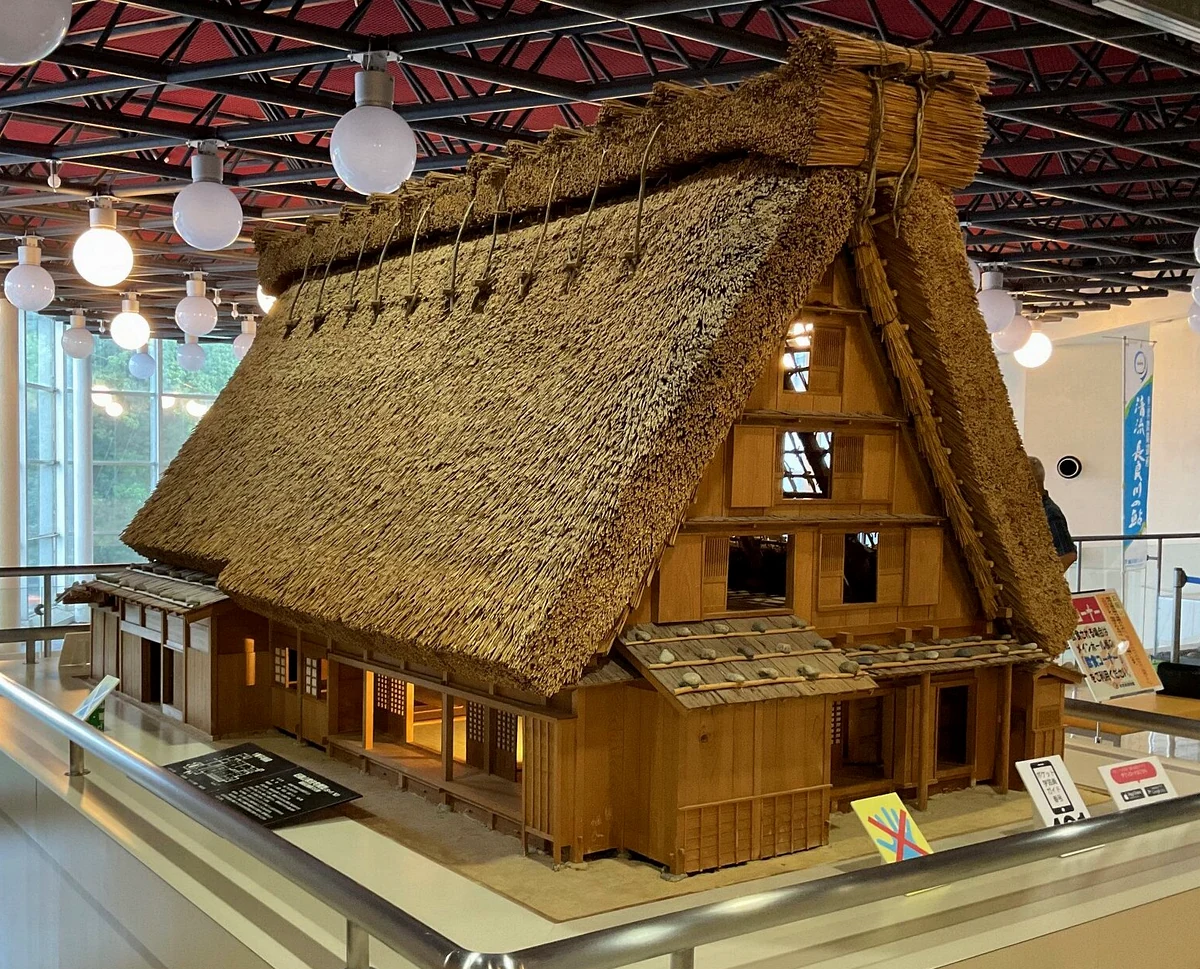
The most striking hallmark of Gassho-zukuri construction lies in its roof pitch sloping between 45 and 60 degrees—an exact geometric ratio calculated across generations to withstand record snowfalls along the Sea of Japan climate belt. With this steep incline, fluffy winter snow can only accumulate up to a limiting weight before sliding naturally down onto open ground on either side, eliminating the risk of roof collapse from excess load. The massive outer thatched blanket measures an astonishing 50 centimeters to a full 1 meter thick, hand-bundled from tens of thousands of sheaves of dried Susuki miscanthus grass. This botanical layer forms a thermal cloak that keeps piercing winter cold out while keeping interiors cool and airy when summer arrives. Every few decades, as the thatch weathers over time, the communal re-thatching event known as Yui is activated, bringing together hundreds of skilled craftspeople and villagers to strip old thatch and lay new layers on a house in just a few days—reflecting the tight-knit spirit of mutual support that has kept this heritage alive for centuries.
The interior layout of each Gassho-zukuri home is a stellar testament to vertical space optimization for survival, typically spanning three to four levels with generous floor areas. The ground floor is designed entirely as the everyday living space of a multi-generational extended family, anchored by a sunken Irori hearth burning charcoal day and night. The eternal flame of the Irori does more than cook food and provide warmth; rising billows of hearth smoke play a vital role in preserving the entire building, as soot and warm air drift upward to season timber beams, ward off mold and wood-boring insects, and extend the lifespan of the Susuki thatch across generations.
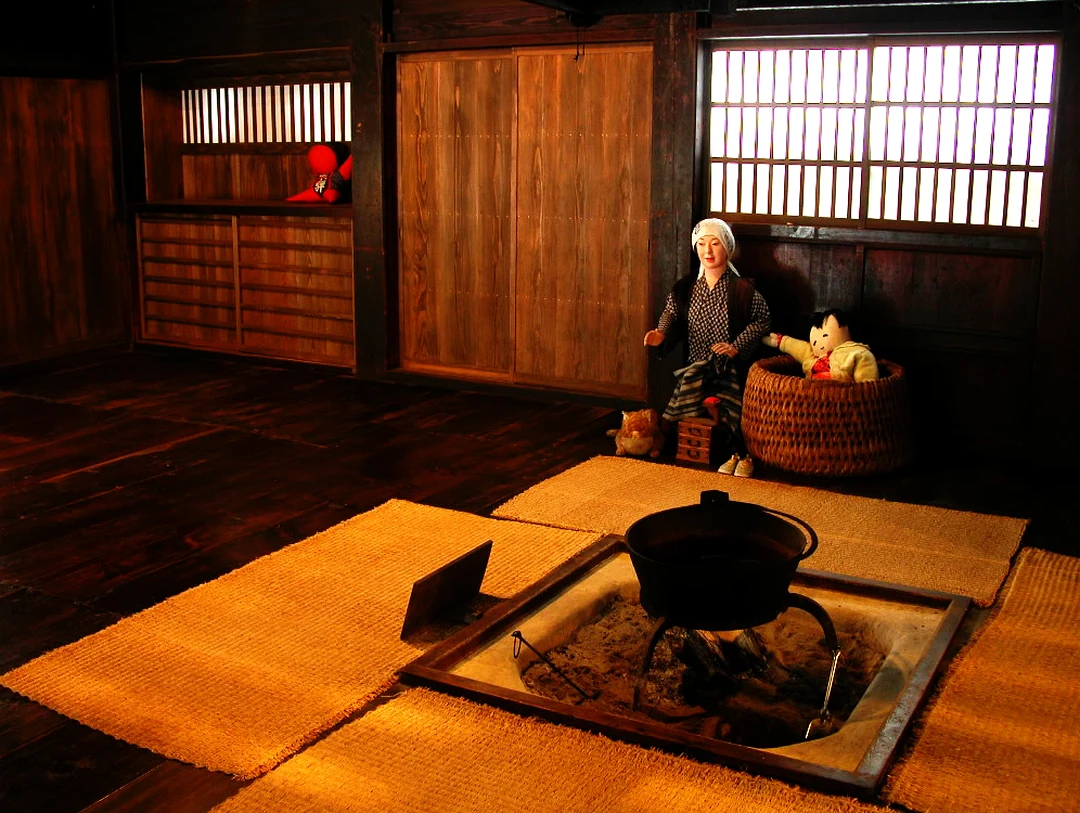
Moving up into the upper attic floors, space opens up with slatted wooden flooring designed to draw up warm air and disinfecting smoke from the hearth below. Since olden times, the second and third floors were laid out as large-scale silkworm and silk-reeling workshops—the vital cottage industry that gave Shirakawa-go residents a steady income during months when blizzards completely cut off transport. Natural heat rising from the floor slats creates an ideal warm microclimate for silkworms to grow evenly, while triangular gable windows at both ends of the roof let in natural light and regulate breezes smoothly. The topmost attic, driest and best ventilated, served as a food storehouse for sacks of seed rice, buckwheat grain, and farming tools, completing a self-sufficient life cycle standing resolute amidst snow-covered mountains.
As winter dusk slips behind the rolling Hida peaks, the Ogimachi valley sinks into deep indigo twilight, opening one of the mountain region’s most enchanting spectacles. Shirakawa-go’s winter Light-up Event is neither a noisy fireworks show nor a flashy festival, but a quiet symphony of light where artistic installation merges seamlessly with nature’s sculpted forms. Beneath carefully angled, low-wattage art lighting, snow more than a meter thick across sixty-degree thatched roofs reflects warm illumination, bringing the prayer-like Gassho silhouettes to life against the vast night. Viewed from Shiroyama Observatory—site of a medieval Ogimachi fortress—the entire village appears like a living sumi-e ink-and-wash woodblock print, with warm amber light glowing from traditional washi-paper windows through mist rising off the icy Shogawa River.
To safeguard the pure spirit of the World Heritage site and protect residents’ everyday lives, local authorities and the preservation association enforce strict overtourism controls. Tightly regulating visitor numbers through a lottery and advance reservation system permits only a limited number of guests, vehicles, and overnight visitors on select winter nights. This decision not only prevents traffic congestion or disruption in an isolated valley, but also restores Shirakawa-go’s inherent aesthetic depth: a contemplative space of light art free from honking horns, litter, and commercial clamor. Thanks to these conscientious boundaries, those fortunate enough to visit on a light-up night feel the sacred value of a living heritage cherished with deep pride by its people.
Once day-trippers depart before curfew, the true night rhythm of the snow valley settles into a mysterious, tranquil calm. Staying at a traditional Minshuku guesthouse— housed inside historic Gassho-zukuri homes from the Edo and Meiji eras cared for by generations of local families—offers an immersive cultural experience. Against biting cold outside that can drop to minus ten degrees Celsius, the main room comes alive with warmth around the sunken Irori fire. An ancient carp-shaped wooden hook suspends a gently bubbling kettle, while bamboo skewers of Iwana mountain stream fish stand angled around glowing oak charcoal, releasing an inviting smoky aroma that mingles with centuries of cedar resin soaked into smoked timber beams.
Evening meals prepared by Minshuku hosts feel like a pure local culinary ritual, capturing the flavors of the snowy Hida mountains. Guests savor slices of renowned marbled Hida beef grilled over dried Hoba magnolia leaves with sweetish Miso paste, accented by pickled Sansai mountain vegetables gathered in summer and firm stone-pressed Tofu. The highland night feast is made complete with a sip of unrefined, milky-white Doburoku rice wine—a sacred brew tied to Shirakawa-go’s harvest thanksgiving festivals. Late at night, when the Irori fire leaves only glowing embers, absolute stillness blankets the valley. Beneath thick cotton futons in a tatami room faintly scented with dry grass, travelers hear only snow rustling gently on steep thatch and the soft slide of a heavy snowdrift slipping onto the eaves—capturing the timeless peace of a snowy fairytale world.
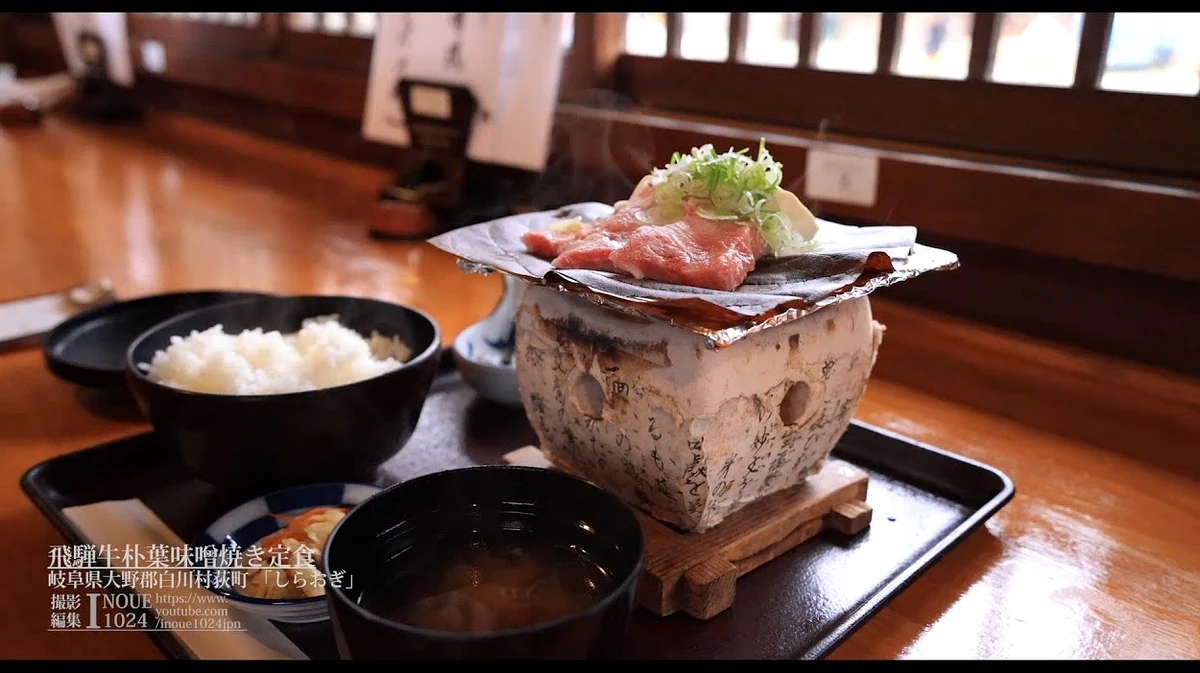
Tucked within encircling mountain ranges and snowy winters, Shirakawa-go’s culinary map is the culmination of resilient adaptation and folk gastronomy nurtured across generations. Topping the list of delicacies from historic Hida is prime Hida beef (飛騨牛 – Hida-gyu) meeting top A5 quality standards. Selected from purebred Kuroge Washu black cattle, nourished by pure underground mineral spring water from the Japanese Alps and sweet valley grasses, each cut of Hida beef features fine, even marbling (sashi) like snowflakes. When eaten, the soft fat melts at human body temperature, delivering a refined richness that never feels heavy. Along the winding stone lanes of the historic village, visitors easily spot family-run stalls steaming with fragrant bites, such as golden Hida beef croquettes with crisp crusts hugging juicy, sweet filling, or charcoal-grilled beef skewers lightly dusted with sea salt to warm travelers in the chill.
The most iconic and family-rooted culinary experience beside an Irori hearth inside a Gassho-zukuri thatched home is Hoba Miso (朴葉味噌). This distinctive cooking method originated in winter routines when deep snow isolated the village. Locals gather large wild magnolia leaves (Hoba) in late autumn, salt-brine them, and sun-dry them to serve as a pure “grilling pan” set directly over glowing charcoal. Spread across the textured leaf is hand-fermented aged soybean miso mixed with diced forest shiitake mushrooms, shredded leek, and topped with prime marbled Hida beef slices. Over gentle oak-charcoal heat, natural essential oils in the magnolia leaf release a subtle forest-wood fragrance that infuses the bubbling, caramelizing miso and clings to tender beef, creating a deeply savory, unforgettable flavor.
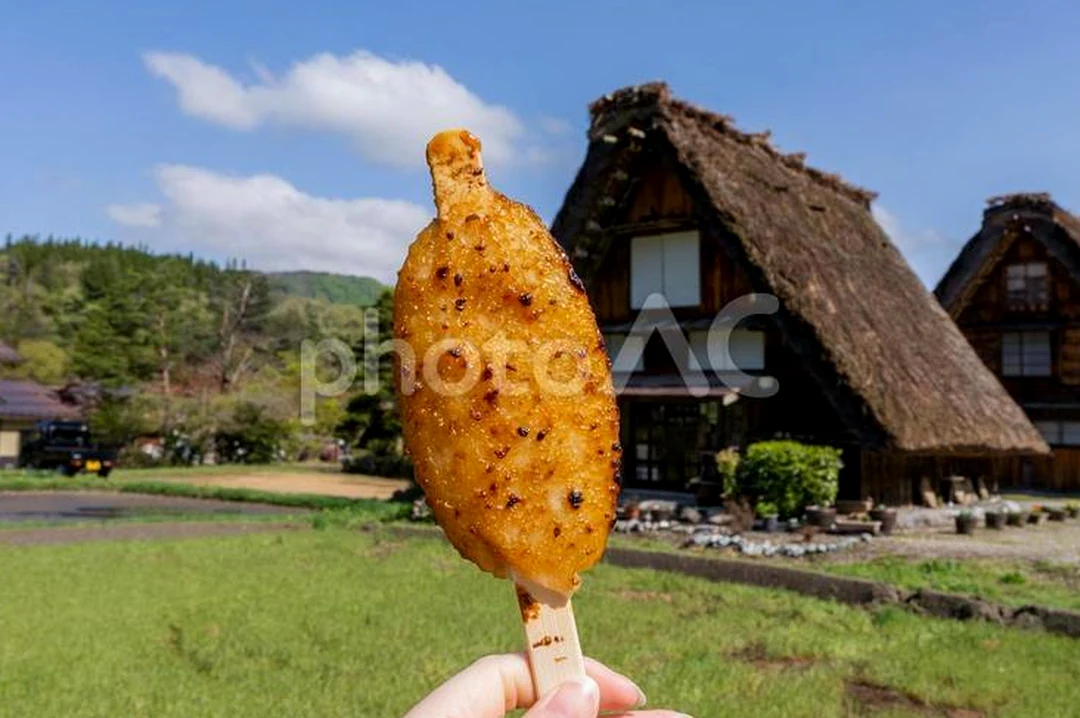
Alongside famous beef, the bounty of the valley’s earth is celebrated through Goheimochi (五平餅). Closely tied to harvest thanksgiving festivals since the Edo period, Goheimochi is chewy glutinous rice pounded coarsely in a wooden mortar so grains keep a natural texture, then shaped flat around flat bamboo sticks resembling traditional wooden fans. It is lightly grilled over charcoal before being coated in a rich family sauce of miso, cane sugar, ground walnuts, forest chestnuts, and toasted black sesame. Touched by flame a second time, the glaze caramelizes into a thin, crisp, nutty, and savory crust. Pairing well with Goheimochi are bowls of handmade Soba noodles crafted from buckwheat grown on sloping valley fields with wide day-night temperature swings. The pale-brown buckwheat noodles are hand-kneaded and rinsed in pure snowmelt spring water flowing from sacred Mount Hakusan, offering a rustic chew that preserves the clean taste of the land.
The heritage village’s winter culinary harmony would be incomplete without cups of snow-aged Sake (Yukimuro Sake). Taking advantage of meter-deep snowfalls each winter, traditional brewers built natural underground snow-storage cellars called Yukimuro. Inside a hushed space holding a steady temperature around 0 degrees Celsius and near-total humidity, casks of fine Sake enter a months-long “hibernation.” This steady natural cold—free from mechanical temperature swings—helps alcohol and water molecules meld harmoniously, softening initial harshness and leaving a silky texture as clear as morning mist with delicate fruity notes. Sipping warm snow-aged Sake from a rustic ceramic cup while listening to snow fall softly outside historic eaves is the height of mountain culinary refinement.
Journeying to the Ogimachi valley calls for thoughtful preparation to embrace the otherworldly beauty hidden deep among the Hida Mountains. Shirakawa-go welcomes visitors year-round with no admission fee for general public areas, though most heritage house museums and traditional eateries operate during daytime hours from nine in the morning to five in the afternoon. Given the isolated basin terrain, the best way to arrive is via dedicated highway buses such as Nohi Bus or Hokutetsu Bus departing from Takayama Station, Kanazawa, or Toyama, crossing modern mountain tunnels to reach Shirakawa-go Bus Terminal in roughly fifty to eighty-five minutes.
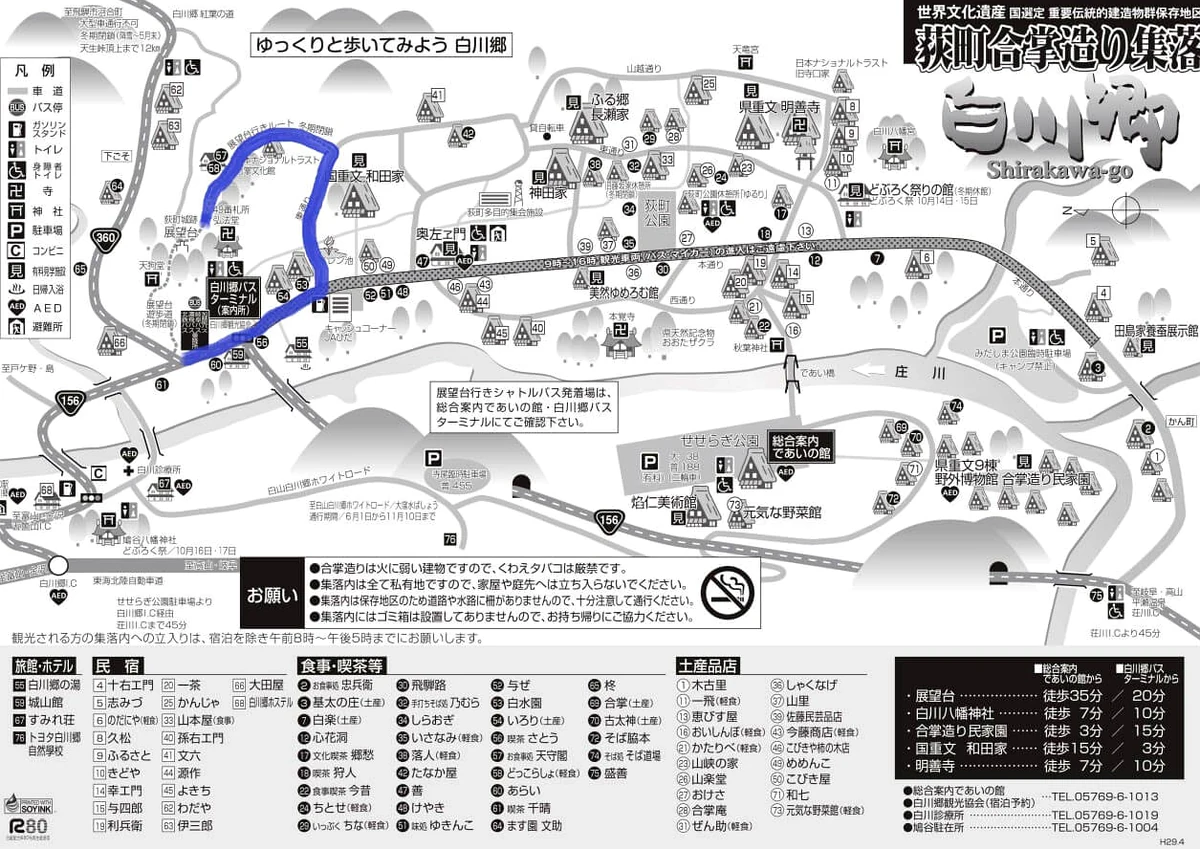
The spot offering the most dramatic and iconic vantage point is Shiroyama Viewpoint, situated on the ruins of medieval Ogimachi Castle. From here, the entire valley and dozens of Gassho-zukuri thatched homes nestled beside the winding Shogawa come into view like a priceless natural landscape. Visitors can take an unhurried fifteen-minute uphill walk along a conifer-shaded hillside path, or hop on the frequent shuttle bus running from the village center for a modest fare of two hundred yen per ride.
To grasp the architectural depth and inner life of mountain residents, travelers should not miss three signature historic estates open to visitors for a modest heritage-maintenance fee of around three hundred to four hundred yen each. Wada House (Wada-ke), the largest house in the village, built around the mid-Edo period, belonged to a family that once oversaw a border checkpoint and saltpeter trade, showcasing sturdy beamwork alongside a refined garden. Kanda House (Kanda-ke) impresses with its complex four-story timber frame and an Irori hearth sending smoke and warmth up to silkworm racks in the loft. Meanwhile, Nagase House (Nagase-ke)—home to five generations of physicians serving the Maeda lords of Kaga domain—preserves a collection of feudal medical instruments along with hundreds of traditional farm tools reflecting resilient self-sufficiency.
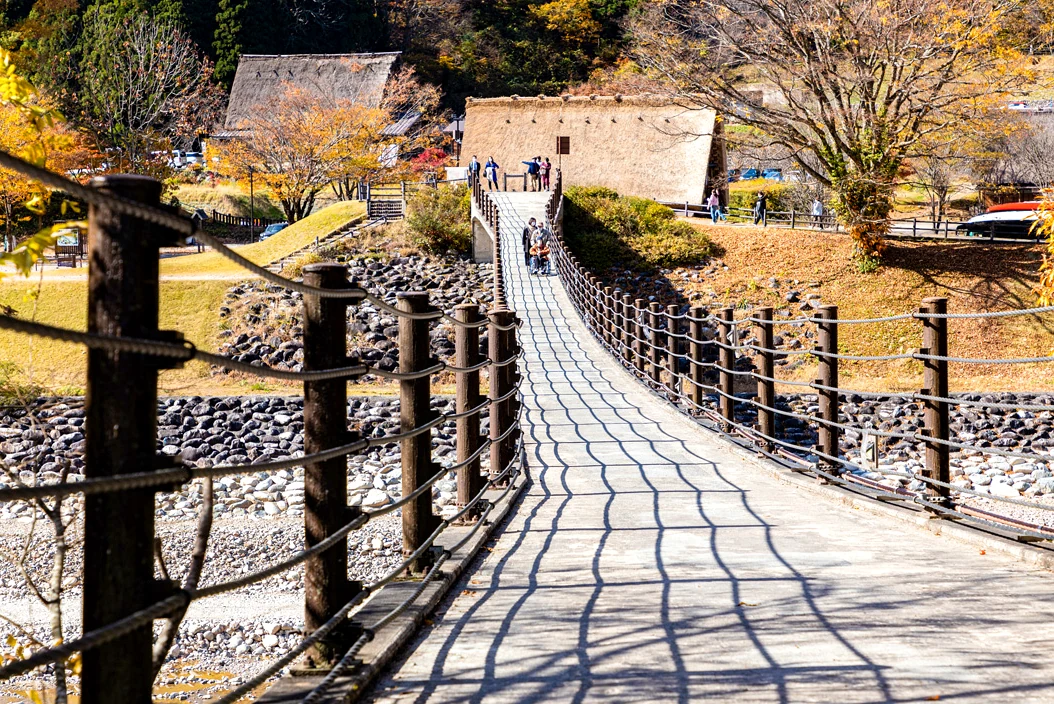
A cardinal rule to keep firmly in mind when crossing Deai-bashi suspension bridge is respect for the real living spaces of the local community. Unlike theme parks or artificial museums, Shirakawa-go is a living heritage where residents still go about daily life, cultivate rice paddies, and care for ancestral homes. Visitors must never open doors or step into private residences without visitor signage, nor trample young rice seedlings or private fences while chasing photos. Because fire is a constant dread for dry kaya thatch roofs, strict rules against open flames and smoking outside designated enclosed booths are rigorously enforced. Paired with the absence of public trash bins to preserve pristine scenery, everyone is expected to carry all of their trash out of the valley quietly.
Practicing pure, sustainable travel with no designated shopping stops is key to preserving precious time for meaningful dialogue with local culture and nature. Clear itineraries and curated depth create lasting memories—something travelers can confidently experience when joining a professional all-inclusive tour package exploring the golden route of the Land of the Rising Sun.