Hidden beneath its sleek silhouette—resembling a silver blade slicing through the heart of the Japanese archipelago—lies a nearly century-long technocratic epic born from towering ambitions in the pre-war era. As early as the 1930s during the Showa period, engineers at Japan’s Imperial Ministry of Railways conceived the “Bullet Train” (Dangan Ressha) project, aiming to construct a high-speed, standard-gauge railway connecting Tokyo to Shimonoseki, and even reaching the East Asian mainland via an undersea tunnel. Although the storm of war stifled the project in 1943 as resources were drained for the Pacific theater, the partially excavated tunnels bored through Mount Nihonzaka and Mount Tanna became subterranean arteries of history, quietly awaiting revival amid the post-war ashes.
The Shinkansen miracle only truly came to light thanks to a fateful partnership between two brilliant minds: Shinji Sogo, the resolute fourth President of Japanese National Railways (JNR), and chief engineer Hideo Shima. Facing fierce skepticism from Japanese politicians and Western transport experts alike—who believed the railway era had been rendered obsolete by aviation and expressways—Shinji Sogo steadfastly staked his entire political career on the venture. He even deftly secured an $80 million loan from the World Bank by underreporting the total estimated budget, forcing Parliament to continue funding the project once it reached a point of no return. Standing behind him, Hideo Shima spearheaded a brilliant engineering revolution in 1957 by phasing out the traditional 1,067 mm narrow gauge in favor of the 1,435 mm standard gauge, while adopting distributed electric multiple-unit (EMU) propulsion rather than conventional centralized locomotives—laying the foundation for absolute aerodynamic stability at extraordinary speeds.
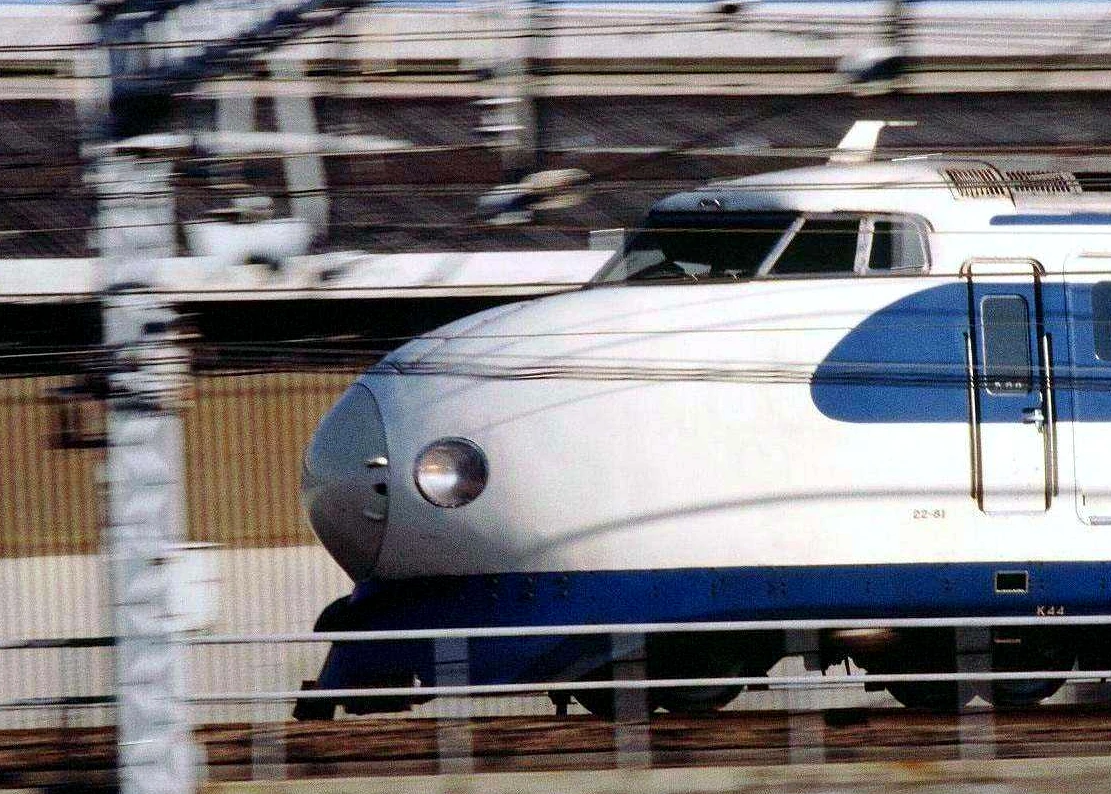
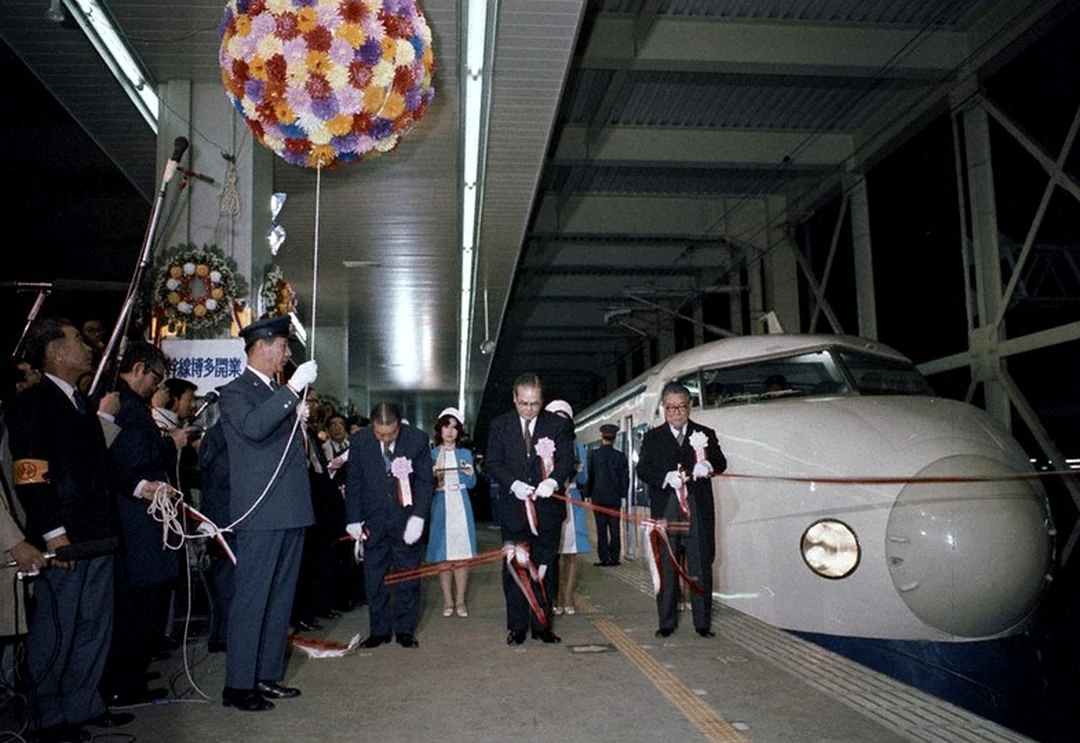
At precisely 6:00 AM on October 1, 1964, the Series 0 Shinkansen train, featuring an elegant blue-and-white rounded nose, officially rolled out of Tokyo Station bound for Shin-Osaka Station along the 515.4-kilometer Tokaido Shinkansen line. Taking place just nine days before the opening ceremony of the 1964 Tokyo Summer Olympics, this historic milestone not only slashed travel time between Japan’s two primary economic hubs from six and a half hours to four, but also broadcast a bold declaration to the international community of a peaceful, modern Japan rising miraculously from the ruins.
Far from remaining merely a symbol of Showa-era recovery, the Shinkansen network continued expanding vigorously alongside Japan’s economic evolution. The Sanyo Shinkansen reached Hakata on Kyushu Island in 1975, forging new arteries through rugged mountain ranges. By 1982, the Tohoku and Joetsu Shinkansen lines opened simultaneously, bringing industrial vitality to warm the snow-blanketed regions of northeastern Honshu. A profound institutional turning point arrived in 1987, when JNR, burdened by massive debt, underwent comprehensive privatization and split into the regional private railway companies of the JR Group, injecting sharp market competitiveness into corporate governance and passenger service.
Entering the new century, this infrastructure marvel continued to set milestones that astonished global geological engineering. The Hokkaido Shinkansen officially commenced service in 2016, sending bullet trains beneath the Tsugaru Strait through the monumental Seikan Tunnel deep under the ocean floor to reach the snow-covered northern frontier. Building on that legacy, the N700S (short for “Supreme”) generation launched in 2020 not only marked a leap forward in energy-saving silicon carbide semiconductors, but also introduced an emergency lithium-ion battery system capable of self-propelling the train to safety during an earthquake. From an unfinished wartime dream to a vital network binding ten thousand miles of mountains and rivers, the Shinkansen has transcended the definition of a mere mechanical vehicle to become the embodiment of Japan’s indomitable will, iron discipline, and pinnacle of mechanical aesthetics.
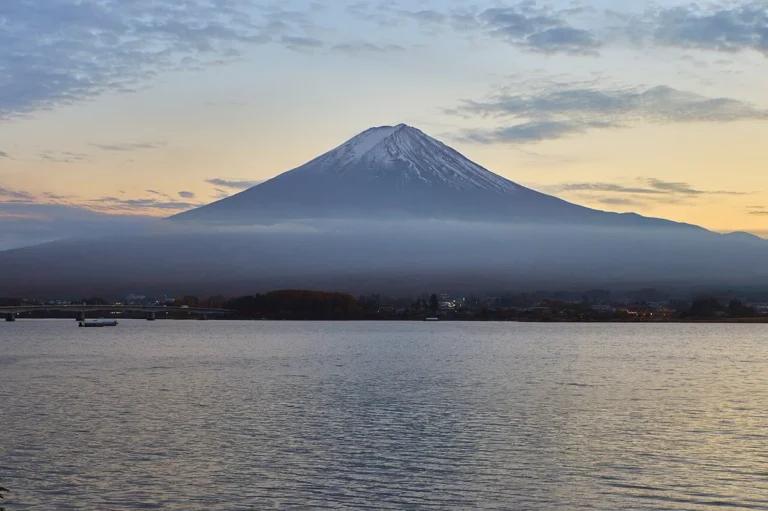
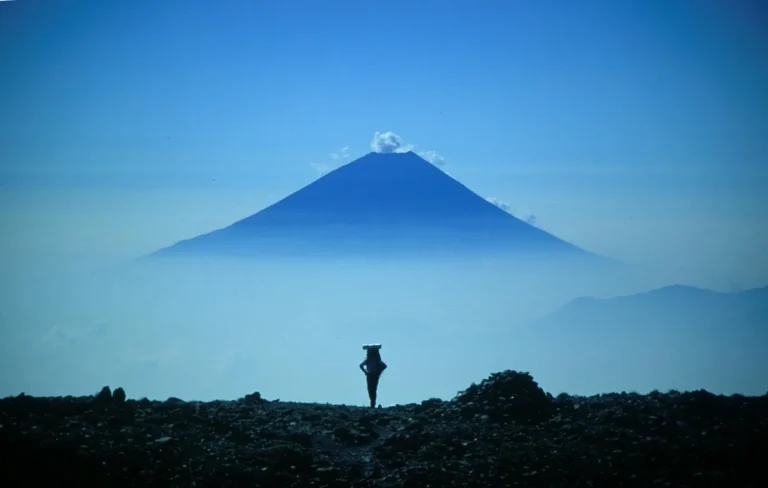
Running along the spine of an arc-shaped archipelago where steep mountains cover more than seven-tenths of the landmass, the Shinkansen high-speed rail network was born not just as a technological triumph, but as an exemplary model of working in harmony with natural topography to build commercial lifelines. Inheriting the storied Tokaido route of the Tokugawa Shogunate—the great highway once trodden by feudal retinues during the Sankin-kotai alternate attendance system—today’s Tokaido Shinkansen stands as the busiest high-speed rail corridor on Earth, operating at commercial speeds of 285 km/h. This rail artery deftly links Japan’s most fertile plains, sweeping from the vast Kanto Plain across the rich Nobi Plain and deep into the cultural cradle of Kansai. Passing the majestic scenery at the foot of snow-capped Mount Fuji—the sacred peak imbued with the millennia-old spiritual essence of Japan—the train glides effortlessly past the emerald green tea fields of Shizuoka and the murmuring blue Pacific Ocean, painting a breathtaking landscape that seamlessly unites contemporary industrial mastery with deep indigenous spirituality.
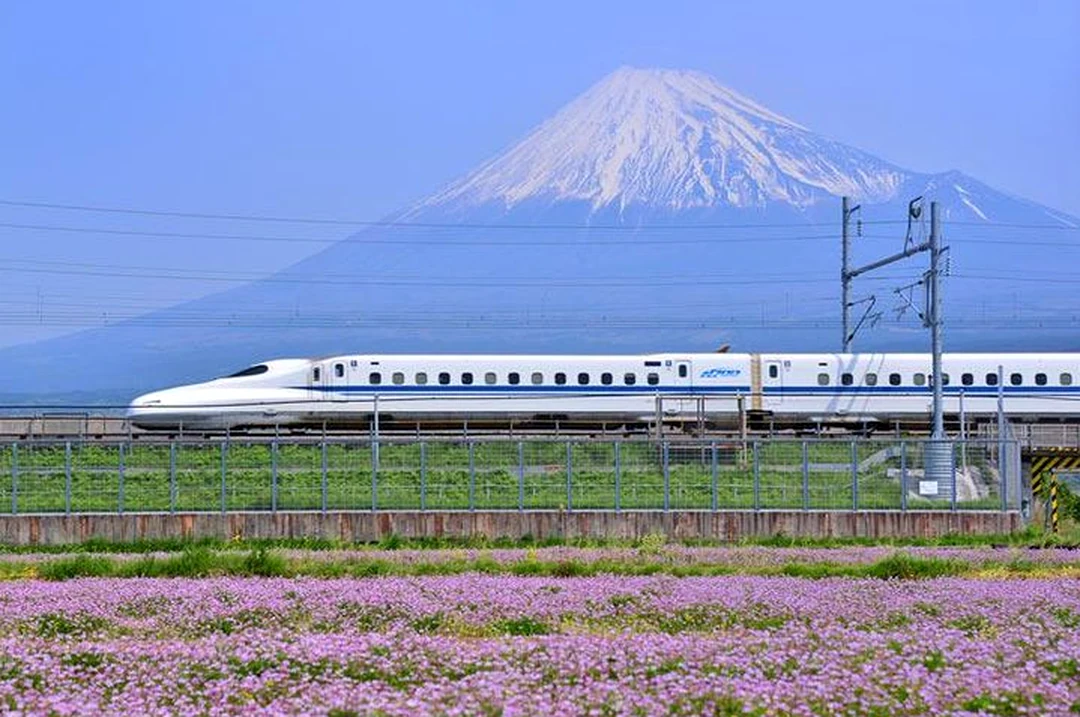
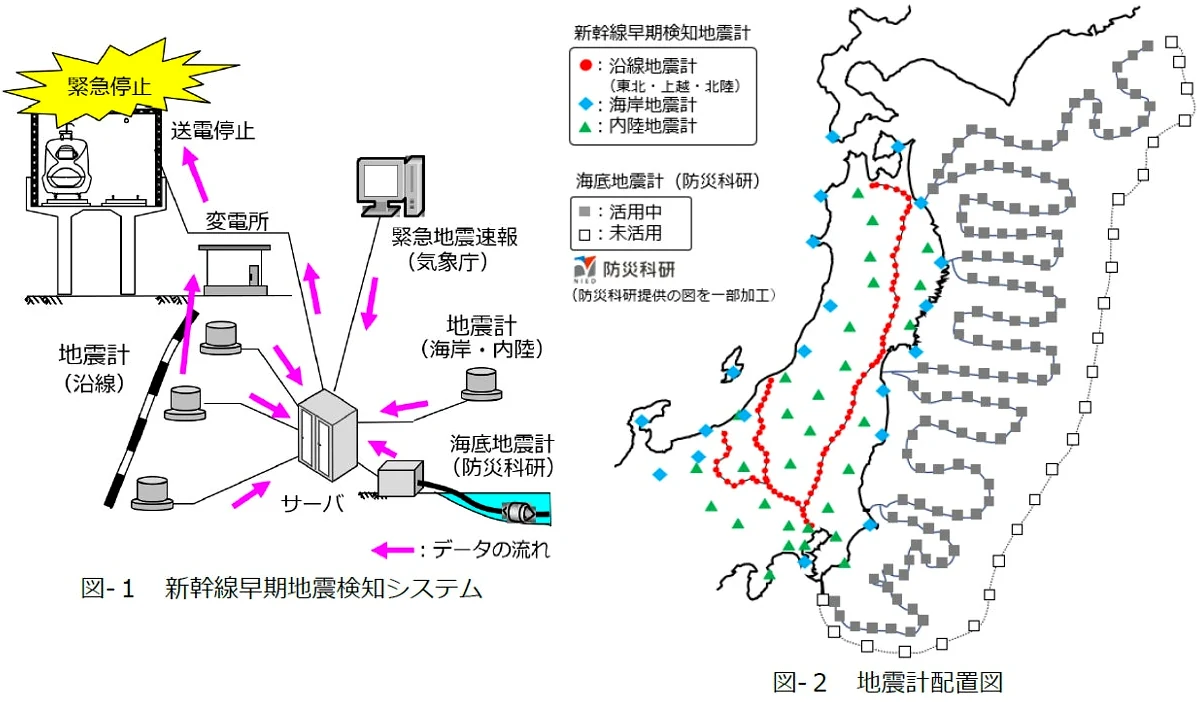
Extending this momentum westward and northward are feats of engineering that pierce mountains and cleave through solid rock. The Sanyo Shinkansen stretches from Shin-Osaka to Hakata at a design speed of 300 km/h, traversing the complex geological fault lines of the Chugoku region and the Seto Inland Sea through heavily reinforced tunnels. In the opposite direction, the Tohoku Shinkansen reaches 674 kilometers into the snowy north of Michinoku at a top operating speed of 320 km/h, complemented by the Hokuriku Shinkansen winding through the mist-shrouded, snow-draped Japanese Alps. The engineering behind every journey represents the zenith of Takumi artisanal precision: completely dedicated 1,435 mm standard-gauge tracks that eliminate all level crossings, paired with biomimetic nose aerodynamics inspired by the kingfisher’s beak to neutralize micro-pressure waves that otherwise cause sonic booms when trains burst out of narrow tunnels. Seamless synchronization between Automatic Train Control (ATC) and the Urgent Earthquake Detection and Alarm System (UrEDAS) enables the train to brake safely within fractions of a second before the first subterranean tremors even reach the rails.
Shinkansen infrastructure goes far beyond the tracks, redefining urban geography through multimodal connectivity at colossal central hubs such as Tokyo, Shin-Osaka, Kyoto, and Hakata. Beneath these mega-stations lies a monumental multi-level subterranean world where the boundary between station and city dissolves inside Ekinaka and Ecute retail complexes. Here, the flow of millions of passengers is channeled with scientific precision, linking directly into dense urban subway networks and strategic airport express lines like the Narita Express and Kansai Airport Rapid Service. The station concourse transforms into a miniature culinary universe where travelers can explore the art of Ekiben—hundreds of regional specialty bento boxes prepared fresh from every territory the train traverses, turning every departure into a cherished gastronomic ritual.
This vital network directly forged and shaped the legendary “Golden Route,” the premier cultural and economic corridor stringing together Tokyo, Hakone, Nagoya, Kyoto, Osaka, and Hiroshima, which today attracts three-quarters of all international visitors to the Land of the Rising Sun. Gliding along this corridor, travelers witness a mesmerizing spatial metamorphosis: from the gleaming metallic skyscrapers of Tokyo to the serene tranquility of pine forests reflected in Lake Ashi, sweeping past the bustling industrial powerhouse of Nagoya, pausing before the timeless thousand-year-old temple roofs of Kyoto, immersing in the vibrant energy of Osaka, and finally reflecting beside the historic Ota River in Hiroshima. With second-by-second precision and flawless master planning, the Shinkansen has not merely shortened vast distances—it has become the geographical red thread weaving together layers of history, elevating travel into a living art of spatial appreciation.
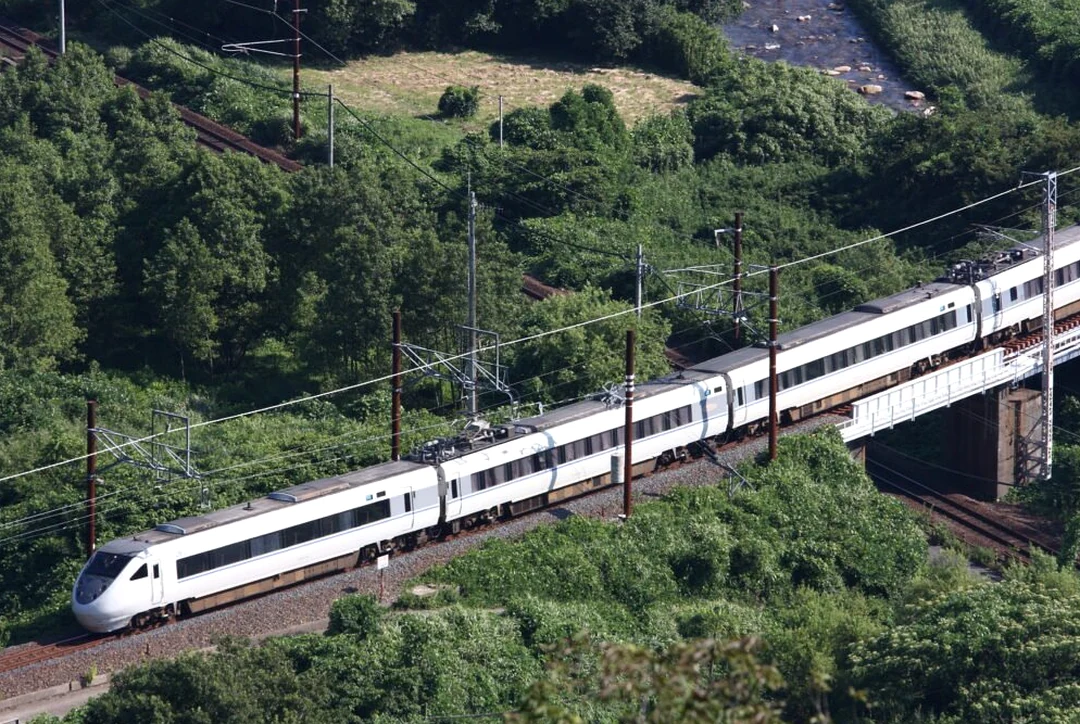
Viewed from the exterior, every Shinkansen train stands like a contemporary sculpture of precision mechanical engineering, where aerodynamic language harmonizes seamlessly with unique biomimetic philosophy. Behind the elongated, streamlined nose cones of the Series 500 and N700S lies meticulous anatomical study modeled on the pointed beak of the kingfisher. When a massive metal body hurtles forward at speeds exceeding 300 kilometers per hour, sudden air pressure changes upon entering rugged mountain tunnels trigger intense acoustic shockwaves—booming like cannon fire into the air and rattling nearby residential neighborhoods. By faithfully replicating the slender geometry of a kingfisher’s beak slicing cleanly into water without creating ripples, Japanese engineers eliminated this troublesome tunnel boom, allowing the train to slip silently through towering mountain ranges without leaving a trace of mechanical shock.
The Shinkansen’s structural safety system is nothing short of an impregnable fortress against the volatile nature of the Pacific Ring of Fire. At the heart of this defense mechanism is the UrEDAS urgent earthquake early warning network, wired directly into electrical substations and traffic control centers. The instant primary seismic P-waves begin propagating rapidly beneath the earth’s crust, the system calculates the epicenter, automatically cuts power to the overhead lines, and triggers emergency brakes—clamping the train firmly to the tracks within mere seconds before destructive secondary S-waves arrive. Through algorithms calibrated to the millisecond and superior rail steel tempering techniques, the Shinkansen has upheld an unprecedented safety record: since the inaugural Tokaido run in 1964, across billions of passenger journeys nationwide, there has never been a single passenger fatality caused by a derailment or technical collision.
Stepping through the carriage doors, passengers enter a tranquil sanctuary styled with minimalist aesthetics yet brimming with the boundless thoughtfulness of Omotenashi hospitality. The airy cabin interior is optimized through master-class ergonomics, offering seat pitch far more generous than standard international airline business cabins. A clever highlight of the cabin layout is the seating mechanism that rotates a full 180 degrees with the light press of a foot pedal, allowing groups of travelers to easily face one another throughout the journey. The entire train shell is insulated with multi-layered vibration-damping materials and specialized acoustic glass that completely shuts out the rush of wind and metallic rail friction outside, transforming the cabin into a quiet study for reading or admiring serene landscapes gliding past the window. Even the onboard restrooms are miniature marvels of convenience, outfitted with high-tech TOTO Washlet bidets featuring heated seats, instant deodorizers, and touchless sensors—demonstrating meticulous care down to the most private details.
Unwilling to rest on conventional steel rails, Shinkansen engineering is breaking its own boundaries with the monumental Linear Chuo Shinkansen magnetic levitation project. Utilizing superconducting magnets to levitate the entire train body roughly ten millimeters above the guideway, Maglev technology completely eliminates mechanical friction between wheel and rail, paving the way for commercial operating speeds reaching 505 kilometers per hour. Once operational, the hundreds of miles separating modern Tokyo from the bustling cities of Kansai will shrink to the blink of an eye. It is far more than a leap in velocity—it is an enduring testament to human ingenuity’s quest to conquer space and time.
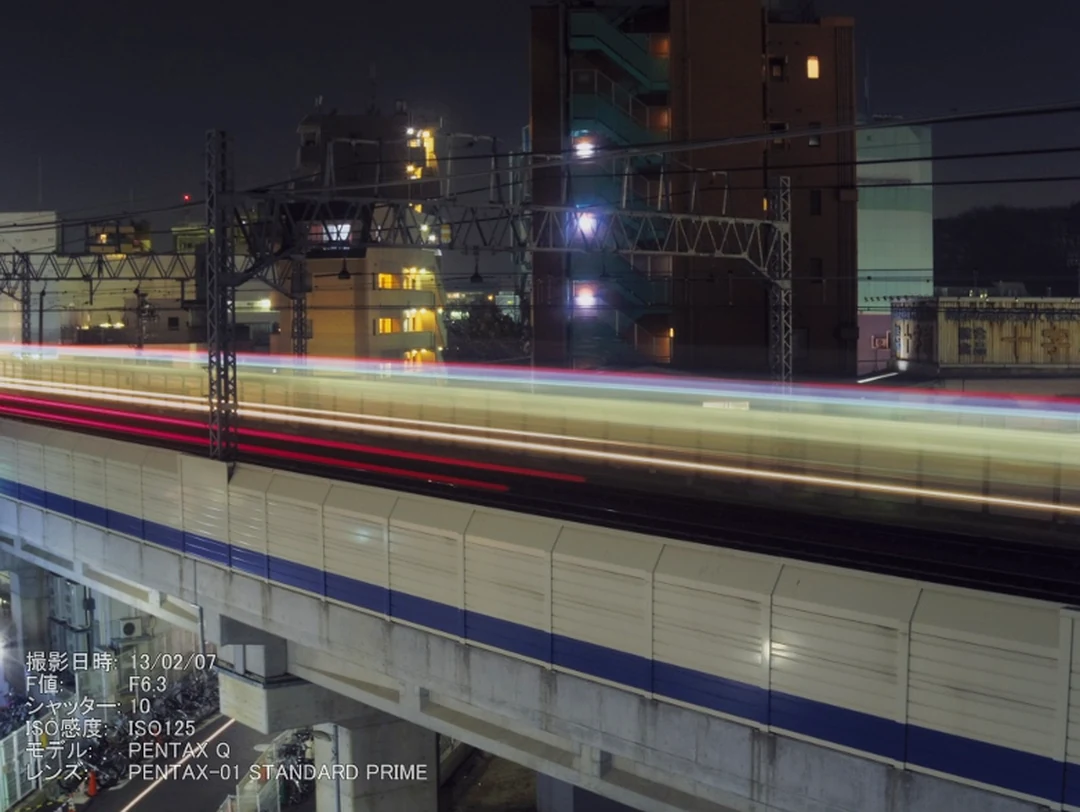
When night falls across the Japanese archipelago, Shinkansen tracks never slumber; instead, they transform into a magical stage of light and speed. Viewed from above, bullet trains pierce the darkness at over 300 kilometers per hour, drawing brilliant laser-like streaks of light linking mega-cities from Tokyo and Nagoya to Kyoto and Osaka. This is no mere passenger commute, but a live grand ballet of precision mechanics and iron discipline. Inside major terminals like Tokyo Eki and Shinagawa, the subterranean realms of Eki-naka and Gransta glow with neon brilliance, unveiling a vibrant, sleepless nightlife. Thousands of brisk footsteps weave through underground labyrinths lined with traditional wagashi confectioneries, renowned artisanal ekiben kitchens, and standing bars serving warm sake, harmonizing with the cheerful chimes announcing train departures.
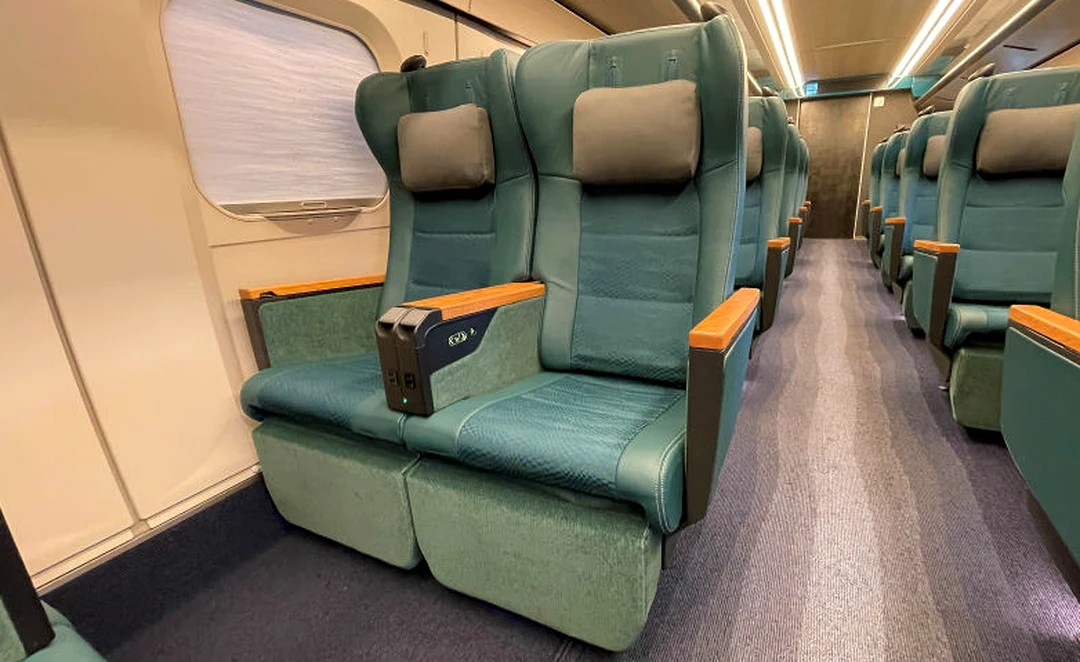
The ultimate pinnacle of luxury in this mobile lounge converges in the Green Car and reaches its zenith in Gran Class—the rail equivalent of five-star international airline first class. Stepping into Gran Class aboard the E5 or W7 series trains, the clamor of modern life instantly gives way to the serene hush of an ultra-modern tea ceremony room. Featuring an exclusive layout of just eighteen leather seats precision-engineered by Recaro, each seat reclines effortlessly to a 45-degree angle at the touch of an electronic button, cradling the body in complete relaxation. Under the soft golden glow of sleek personal reading lamps, attentive attendants in immaculate uniforms present seasonal miniature kaiseki meal boxes paired harmoniously with chilled premium Junmai Daiginjo sake or celebrated Koshu white wine, turning a nocturnal journey into a regal gastronomic feast.
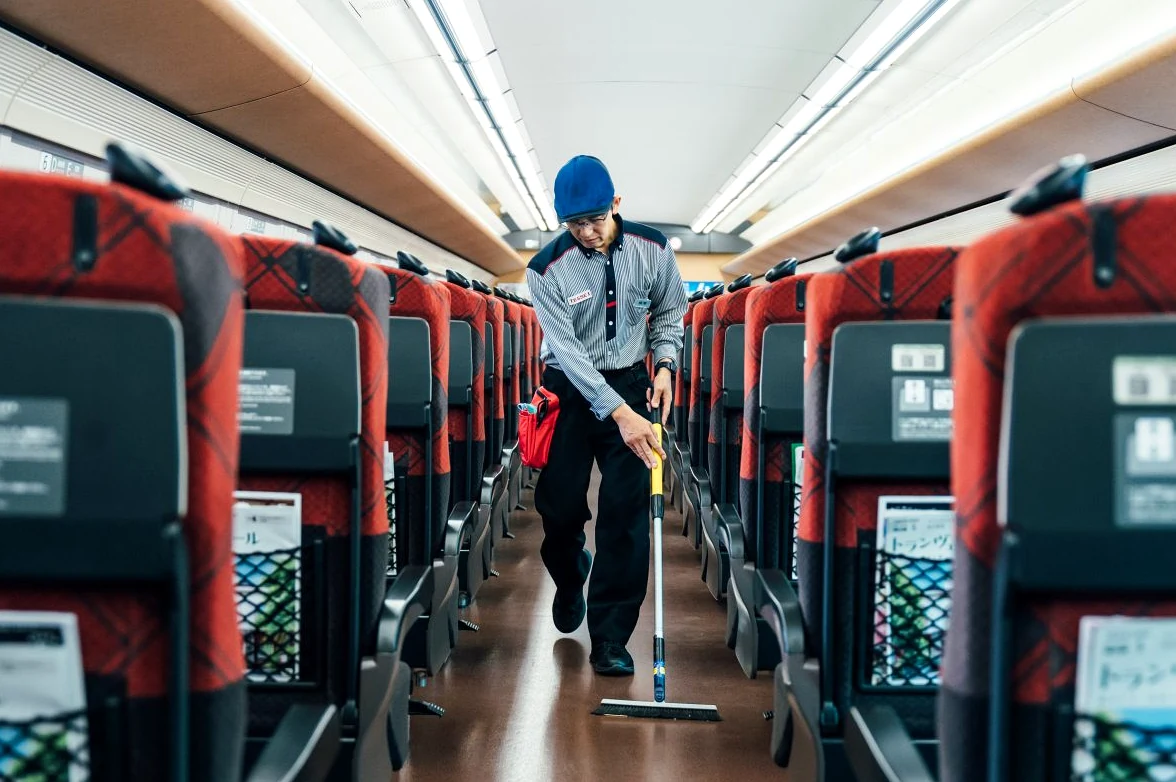
Another breathtaking spectacle unfolds with heart-stopping precision right on the platform: the choreographed race against time known as the “Seven-Minute Miracle.” The moment a train comes to a halt, a team of uniformed cleaning specialists bows politely to disembarking passengers before boarding the cars in astonishing synchronization: within just seven minutes, every seat is rotated 180 degrees to face the new direction of travel, carpets are swept, tray tables are sanitized, and all refuse vanishes without a trace. At intermediate stations, dwell times for boarding and alighting last a mere sixty seconds to two minutes. There are no blaring warning bells—only the gentle strains of the departure melody (Hassha Melody) accompanied by platform floor indicator lights marking door positions down to the exact millimeter. Passengers board with crisp, poised efficiency, creating seamless harmony between human and machine that turns every night Shinkansen journey into a living work of art from the Land of Cherry Blossoms.
As the Shinkansen glides smoothly past emerald rice paddies and mist-draped mountain ranges, a journey along the Tokaido corridor is far more than a showcase of advanced engineering—it unfolds a one-of-a-kind culinary epic centered around Ekiben culture. Originating during the Meiji era at Utsunomiya Station in 1885, these station lunch boxes have evolved far beyond simple long-distance sustenance into miniature gastronomic maps distilling the finest regional specialties of every territory the train traverses. Every station along the Golden Route boasts its own celebrated signature Ekiben, from cedar-wood bento boxes fragrant with Shizuoka seafood to prime wagyu beef meals featuring ingenious self-heating mechanisms activated by quicklime and water. The crisp snap of lifting a wooden lid to release rich savory aromas, accompanied by the gentle rush of wind outside the window, creates a poetic dining ritual that transforms a high-speed train carriage into a moving banquet hall.
The starting point in Tokyo introduces travelers to the roots of refined Edomae sushi, where pristine seafood landed daily at traditional Tsukiji or modern Toyosu markets is treated like precious gems by master Shokunin artisans. Born in the Edo period to serve the fast-paced life of the capital, Tokyo-style Nigirizushi achieves sublime balance between tender rice seasoned with red Akasu vinegar brewed from sake lees and slices of fresh fish scored with micro-surgical knife work to unlock pure, unadulterated umami. Providing a lively contrast to such aristocratic elegance is Monjayaki, the beloved street-food staple of historic Tsukishima. Around smoky cast-iron teppan griddles, diners use tiny Hagashi spatulas to scrape up crispy, savory layers of batter mixed with cabbage and seafood, evoking the warm, convivial spirit of Shitamachi townsfolk across generations.
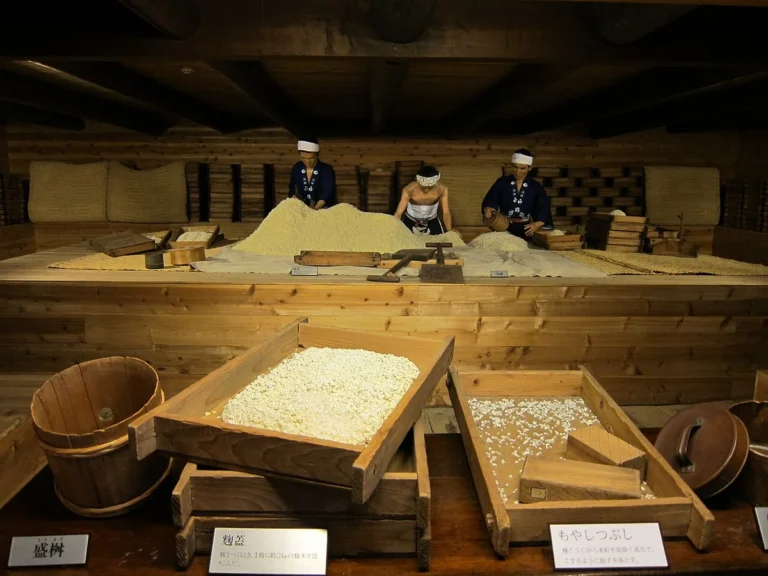
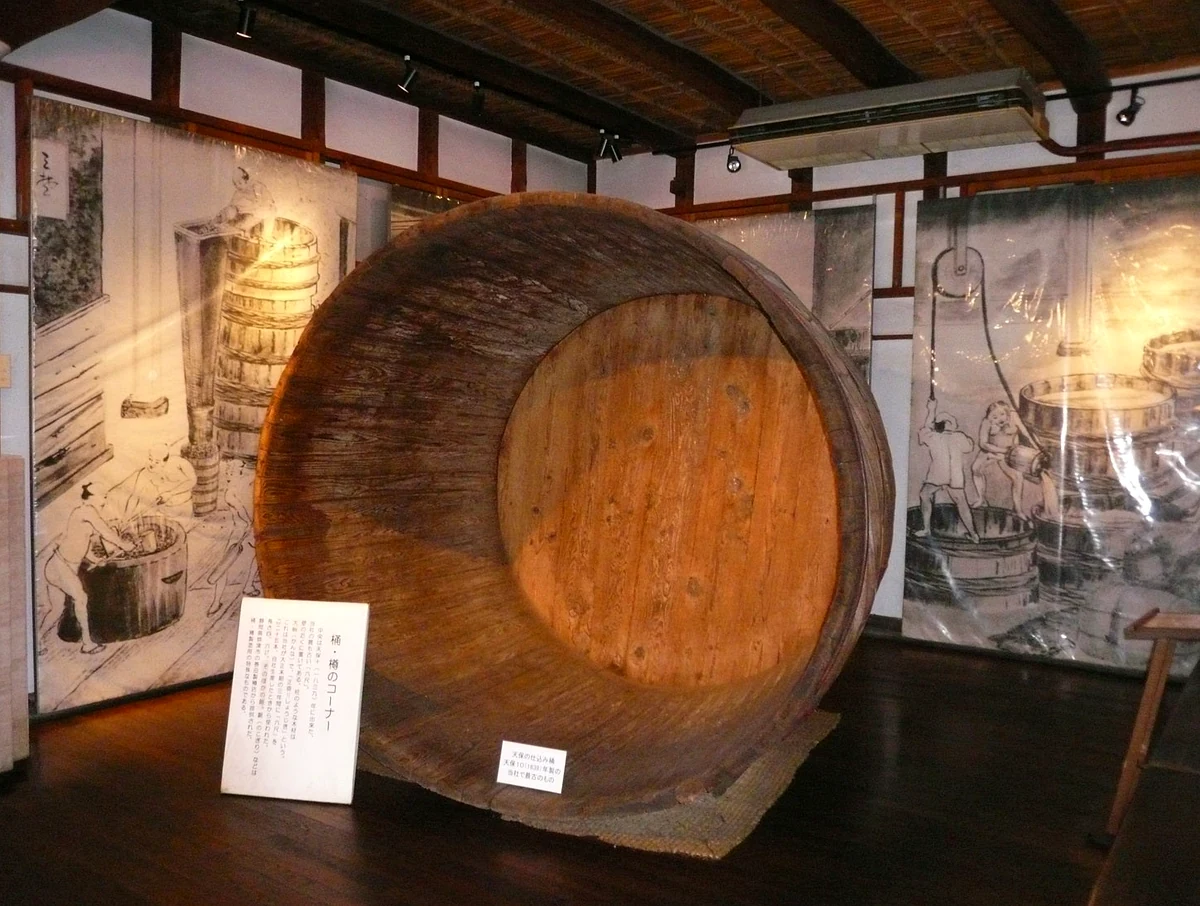
Leaving the capital as the Shinkansen accelerates into the Nobi Plain toward Nagoya, the flavor palette shifts dramatically to the bold, earthy richness of the samurai heartland of Owari. This central culinary kingdom is ruled by Hatcho Miso, an obsidian-black soybean paste naturally fermented for two full winters inside massive cedar vats weighted down by tons of river stones. That dark, deeply fermented sauce coats golden, crispy pork cutlets in Miso Katsu, delivering an unmistakable burst of savory depth. Nagoya’s pinnacle of hospitality, however, is embodied in Hitsumabushi—charcoal-grilled eel roasted over Binchotan embers and served inside a traditional wooden Ohitsu tub. Savoring Hitsumabushi follows an elaborate three-stage ritual: first, tasting the crisp-skinned, tender eel unadulterated with heirloom Tare sauce; second, mixing it with finely sliced scallions, pungent wasabi, and shredded kizami nori seaweed; and finally, pouring steaming dashi broth over the remaining rice to create a comforting, aromatic bowl of Ochazuke.
Heading further south, the train glides gently into Kyoto, where cuisine sheds all worldly pretense to ascend into an art form reflecting a millennium of imperial court culture. The crowning jewel of the ancient capital is Kaiseki Ryori, a refined multi-course feast born from the tea ceremony philosophy of 16th-century grand master Sen no Rikyu, in which every dish is a minimalist painting showcasing the harmony of “five flavors, five colors, and five cooking methods” attuned to the shifting seasons. Beneath the rustling bamboo groves of scenic Arashiyama, pots of Yudofu simmer gently on quiet wooden tables—silky cubes of tofu crafted from Kyoto’s pure spring water steeping in delicate kombu kelp broth for a taste of transcendent purity. A culinary pilgrimage in Kyoto is only complete after sipping velvety Uji Matcha, prized green tea harvested from centuries-old shaded plantations that leaves a gentle bitterness followed by a lingering, sweet finish.
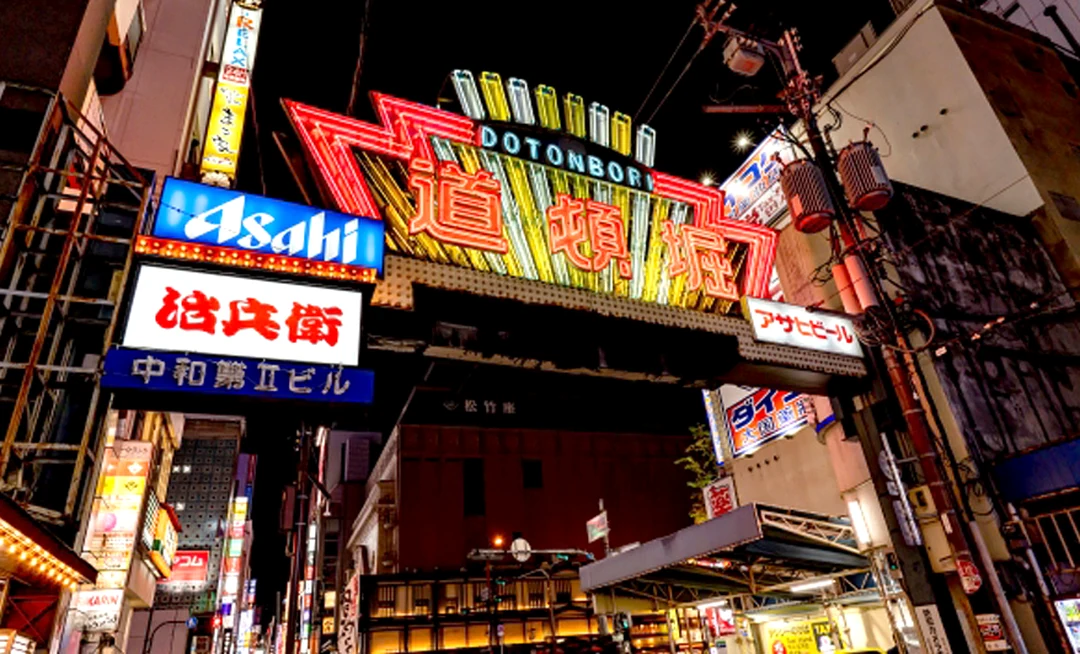
The final stop greets travelers with the irrepressible pulse of Osaka, celebrated as “The Nation’s Kitchen” (Tenka no Daidokoro) and driven by the passionate ethos of Kuidaore—eating and drinking oneself to ruinous delight. Beneath dazzling neon billboards lining the Dotonbori canal, fragrant steam rises from Takoyaki stalls where cooks deftly turn spheres of batter—crisp outside and molten within around tender chunks of octopus, crowned with paper-thin Katsuobushi bonito flakes dancing in the heat. Mingling with the sizzle of savory Okonomiyaki pancakes brushed generously with rich sauce on iron griddles, the culinary journey along the Shinkansen reaches its sublime climax with prized Wagyu and Kobe beef, whose exquisite shimofuri marbling melts at body temperature to leave an unforgettable, buttery sweetness.
The Shinkansen bullet train system operates with clockwork mechanical precision, starting with the earliest departures at 6:00 AM and concluding daily service just before midnight to allow for rigorous overnight track maintenance. At major hubs like Tokyo, Shinagawa, and Shin-Osaka, trains pause at the platform for a fleeting one to two minutes. Passengers are advised to stand at their designated car boarding markers at least five minutes prior to departure, strictly observing the orderly queuing etiquette behind the yellow safety line. Boarding must be swift and decisive: the very second the clock strikes departure time, automatic doors slide shut and the train glides away silently without waiting for anyone—bringing to life the philosophy of absolute punctuality that has become Japan’s cultural calling card.
Regarding luggage, major corridors including the Tokaido, Sanyo, and Kyushu lines enforce strict onboard space regulations. Suitcases with total linear dimensions (length + width + height) between 160 centimeters and 250 centimeters require advance seat reservations tied to the final row of the carriage, granting access to the dedicated oversized luggage area behind those seats. Any baggage exceeding 250 centimeters is strictly prohibited onboard under national railway safety rules. Passengers who board with oversized luggage without a prior reservation face an onboard penalty fee and risk having staff relocate their bags to a separate storage compartment, disrupting a relaxed journey. Smaller carry-on suitcases under 160 centimeters can still be stored neatly on the overhead racks above the seats.
Shinkansen ticket fares are clearly tiered by service class and travel distance. Ordinary Cars offer comfortable amenities with legroom far exceeding standard airline seats, while luxurious Green Cars elevate the ride with plush carpeting, ergonomic reclining seats, and serene quietude. Exclusively on northeastern Tohoku and Hokuriku routes, ultra-luxurious Gran Class cabins—featuring limited seating, dedicated attendants, fine wines, and miniature Kaiseki meals—represent the pinnacle of rail travel. To enrich the journey, travelers should not miss sampling regional Ekiben station lunch boxes, or selecting window seats in row E when traveling from Tokyo to Kyoto for sweeping views of Mount Fuji‘s majestic peak through the mist.
To experience the true essence of the Shinkansen without unexpected hassles, savvy travelers should stay alert to budget tour traps that often cut short rail travel time in favor of forced stops at commissioned shopping outlets. A standard, shopping-free itinerary with transparent pricing and guidance from specialists deeply versed in Japanese culture ensures you preserve every precious moment to savor both the technological marvel of the Shinkansen and millennia-old cultural heritage. Those planning a refined, seamless journey rich in authentic Japanese flavor can explore detailed itineraries through a specially curated all-inclusive tour package.