Across the shifting currents of southern history, the Tuojiang River winding around Fenghuang Ancient Town in the rugged mountains of Xiangxi and the Zuojiang River embracing Taiping Ancient Town on the frontier of Chongzuo have together shaped an ancient water lantern ritual—one that reflects the profound cosmology and philosophy of life held by indigenous communities. The origins of this custom of illuminating flowing waters can be traced back to the Tang and Song dynasties, when these borderlands were governed by local Tusi chieftains under the autonomous jimi (“loose rein”) system. Over centuries of shifting diplomatic ties and frontier conflicts, this initially rustic rite gradually absorbed strands of Confucian, Buddhist, and Taoist thought, ascending step by step from a primal spiritual act into a grand, refined cultural symbol of the peoples dwelling along both riverbanks.
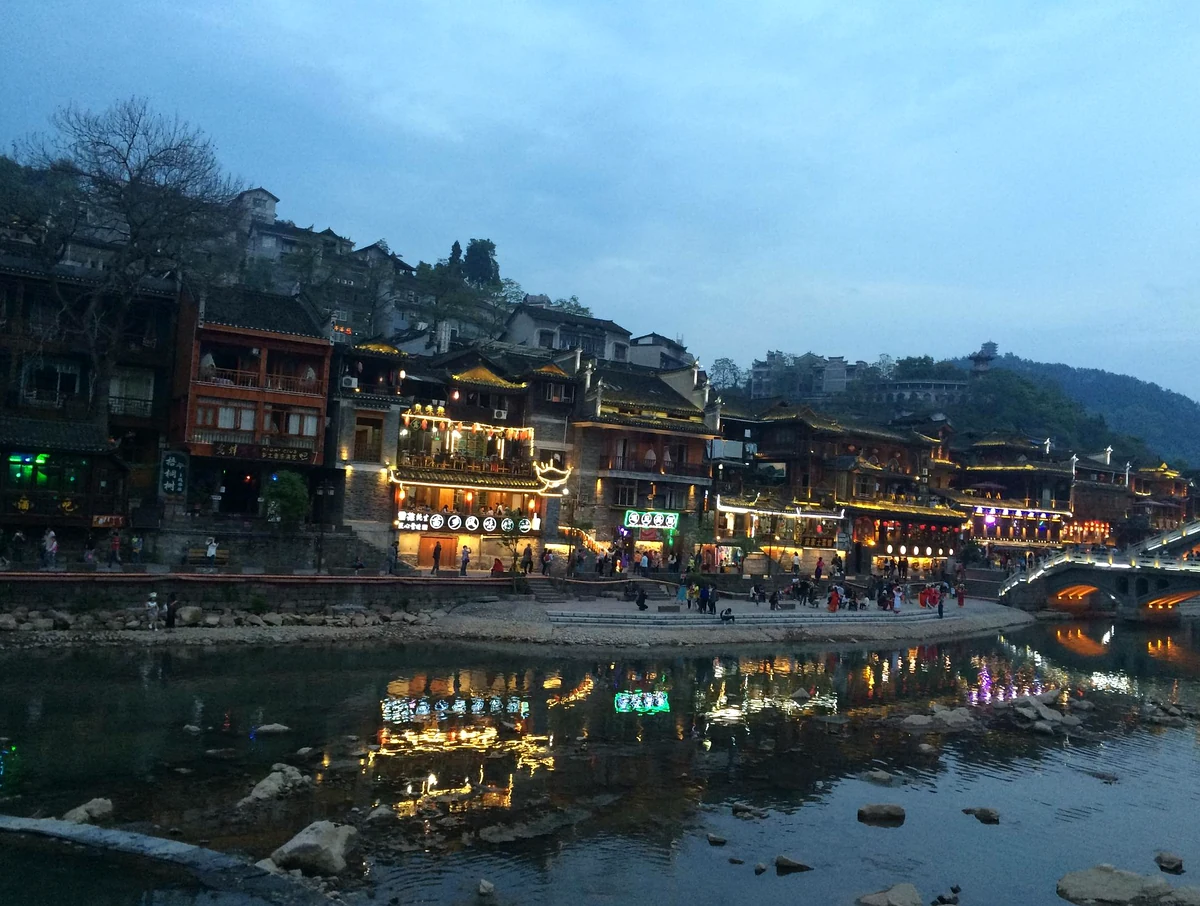
In Fenghuang Ancient Town in western Hunan Province, the custom of releasing river lanterns on the Tuojiang River began taking formal shape and reached strict ritual codification during the Jiajing reign of the Ming Dynasty (1522–1566). This was an era when the central imperial court reinforced military defenses and built sturdy fortresses to pacify prolonged ethnic conflicts. Amid the smoke and turmoil of warfare, a lantern set adrift upon the emerald current carried far more than prayers for peace—it served first and foremost as a ceremony to summon and guide the souls of tens of thousands of fallen soldiers as well as victims who perished tragically in the treacherous rapids. Entering the Qing Dynasty, particularly during the prosperous reigns of Emperors Kangxi and Qianlong, the scale of the lantern festival expanded as never before, becoming closely intertwined with the grand Zhongyuan Festival (Hungry Ghost Festival) held annually on the fifteenth day of the seventh lunar month. Papier-mâché lanterns lit with crimson beeswax candles were crafted into lotus blossoms and released sequentially from the foot of Hongqiao (Rainbow Bridge) past ancient city walls, creating a hauntingly ethereal spectacle at once tragic and transcendent, washing away the melancholy of the frontier.
The cultural soul of the lantern-releasing ritual upon the waters of the Tuojiang was further immortalized through the timeless prose of literary master Shen Congwen. In his masterpiece Border Town, his gifted pen painted a portrait of Xiangxi’s landscape in all its raw, unvarnished beauty, heavy with philosophical reflection. The flickering glow of river lanterns drifting aimlessly across the tranquil current not only illuminated the vicissitudes of human existence and pure romantic love, but also formed a bridge linking the mortal world with the spirit realm—mirroring humanity’s age-old yearning for peace and absolute harmony between nature and tribal spirituality.
Turning southward toward the borderlands of Guangxi, the water lantern ritual on the Zuojiang River in Taiping Ancient Town, Chongzuo County, carries a distinctly different spiritual lineage and ethnic identity. This region was once the cradle of the brilliant ancient Lac Viet cultural stratum, where indigenous Zhuang communities have maintained river-god worship and the ritual of “sending off water spirits” since time immemorial. The ancients believed that while the Zuojiang River bestowed abundant life, it also harbored malevolent forces and unpredictable perils; therefore, crafting lantern boats from banana sheaths and colored paper, lighting them, and setting them adrift downstream constituted an act of dispatching misfortune, driving away evil spirits, and praying for favorable wind and rain for the harvest.
A pivotal historical milestone that transformed the stature of Taiping Ancient Town occurred during the Hongwu reign of the Ming Dynasty (1368–1398), when Emperor Zhu Yuanzhang issued an imperial decree officially establishing Taiping Prefecture, turning this confluence along the Zuojiang into one of the frontier’s foremost military outposts and commercial hubs. Close interaction between stationed Han garrison soldiers and indigenous Lac Viet inhabitants blended the folk “sending off water spirits” rite with Taoist thanksgiving ceremonies to deities and Buddhist rituals appeasing river spirits. Through the vicissitudes of successive eras, the lantern glow reflecting off the ancient stone walls from the Hongwu period not only preserves the memory of a resilient prefectural capital, but has today evolved into a priceless heritage asset establishing Taiping Ancient Town as a flagship cultural tourism town of China’s Southwest.
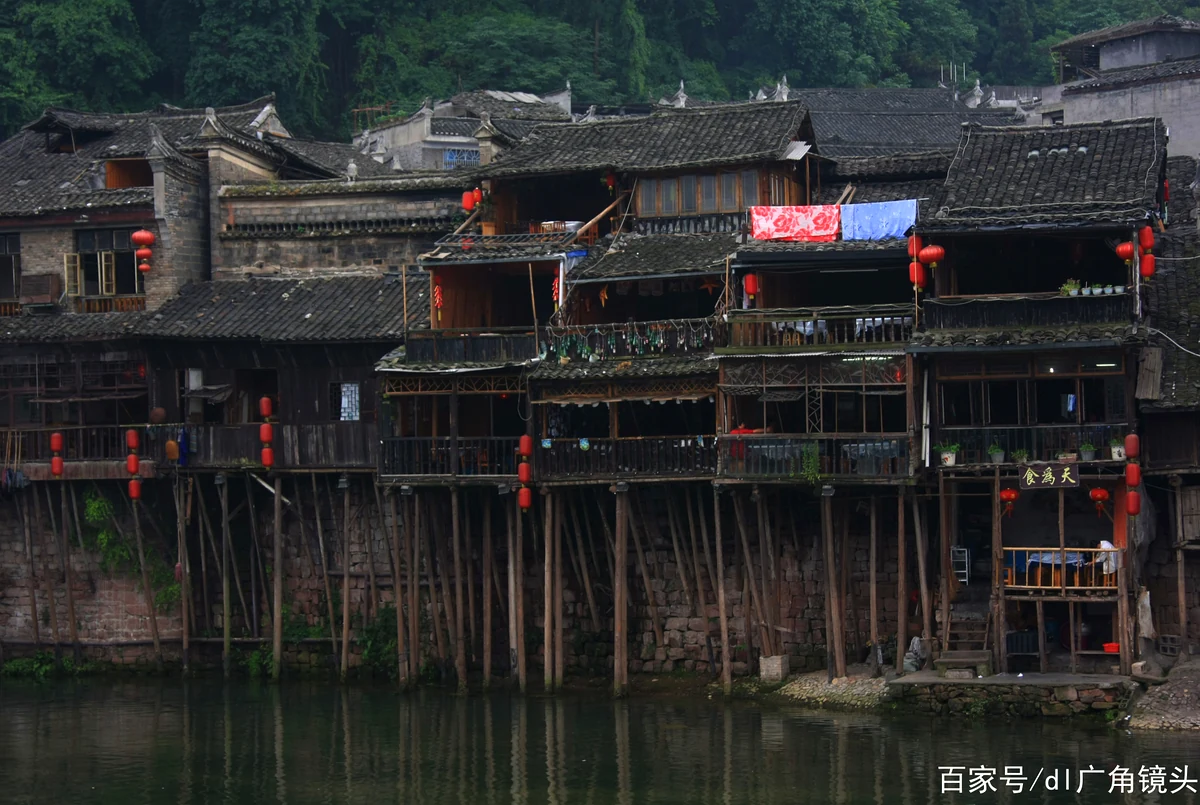
Originating from deep subterranean springs in the rugged mountains of Xiangxi, the Tuojiang River winds like a ribbon of emerald silk around Fenghuang Ancient Town, forming an ideal feng shui configuration backed by mountains and facing water. In terms of human geography, this narrow valley basin is shielded by towering layers of limestone peaks and dense primeval forests, which served as a vital military defensive artery along the Miao Frontier Wall throughout the Ming and Qing dynasties. The terrain here forms a bend where vital energy converges, slowing the river’s current before it plunges into treacherous rapids downstream. Following the natural slope of the riverbanks, the Tujia and Miao peoples constructed the Diaojiaolou stilt-house complex from sturdy fir timber, extending slender rows of pillars out to the water’s edge. Stepped bluestone stairways descending directly from the ancient town gates to the waterline serve both daily domestic needs and as natural amphitheaters where people commune with the mystical flow of the river.
Contrasting yet running parallel to the secluded mystique of Xiangxi is the majestic expanse of the Zuojiang River basin in southwestern Guangxi, where the river threads through the heart of Chongzuo’s classic Lingnan karst landscape. Situated at the intersection of basin valleys and towering thousand-foot peak forests, the Zuojiang served as a strategic waterway connecting ancient border trade while safeguarding the monumental prehistoric Huashan rock art heritage of the Lac Viet people. Along the riverbanks, gently sloping alluvial flats combine with sheer limestone cliffs to form a classic “coiling dragon and crouching tiger” posture sheltering Taiping Ancient Town. The ancient wharf here is laid out along a broad horizontal axis, welcoming natural breezes funneling through mountain gorges along the river surface to create a calm, deep expanse of water that mirrors towering limestone pillars—natural screens warding off ill winds and preserving the sacred aura of this thousand-year-old frontier.
The feng shui character and flow dynamics of both river basins shaped an extraordinarily rigorous and intricate lantern-making craft. Along the Tuojiang, traditional water lanterns typically take the form of a blooming lotus, built on a frame of thinly shaved mature bamboo strips soaked in brine to enhance flexibility and stability against small eddies. Petals are crafted from mulberry-bark paper dyed with natural pigments extracted from tree roots and mineral stones, then coated on the outside with a thin layer of wild beeswax or pine resin for complete waterproofing against damp night mist. The wick is made of tightly braided cotton thread set inside a wax base rendered from camellia seed oil or vegetable tallow, ensuring a steady flame that resists gusty valley winds.
Meanwhile, the ritual on the Zuojiang River inherits a more rustic craft utilizing local botanical materials; alongside five-colored paper lanterns, local residents skillfully hollow out dew-cured pomelo rinds, line them with tung-oil paper, and place red wax candles inside, creating resilient floating vessels that glide effortlessly across the broad expanse of the great river.
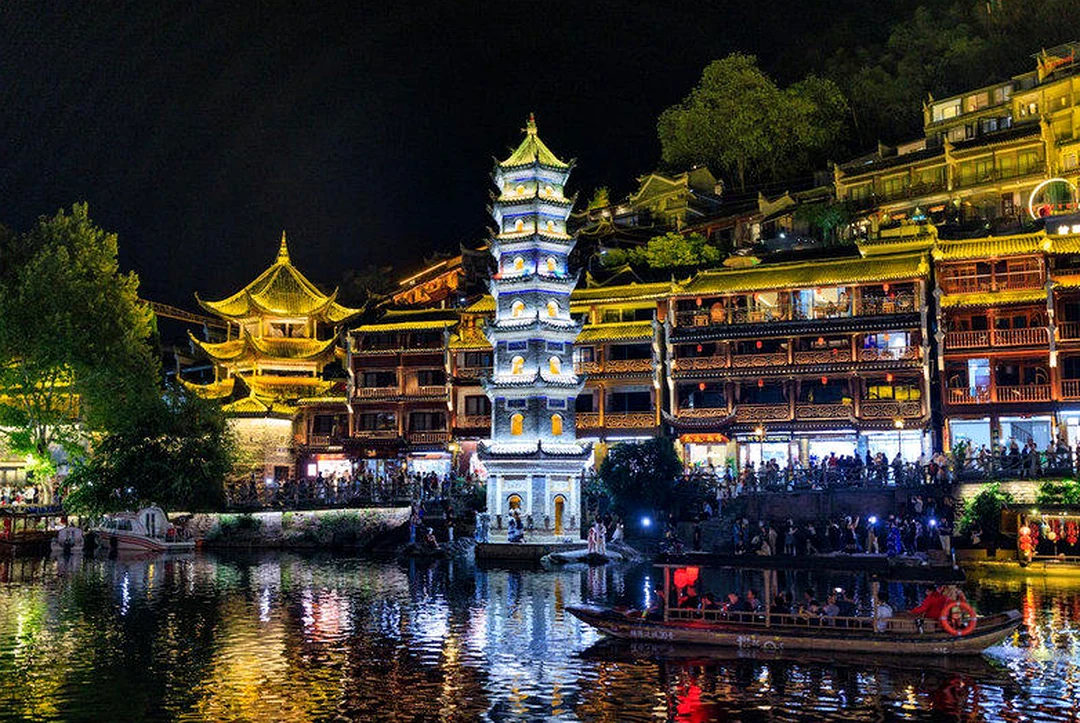
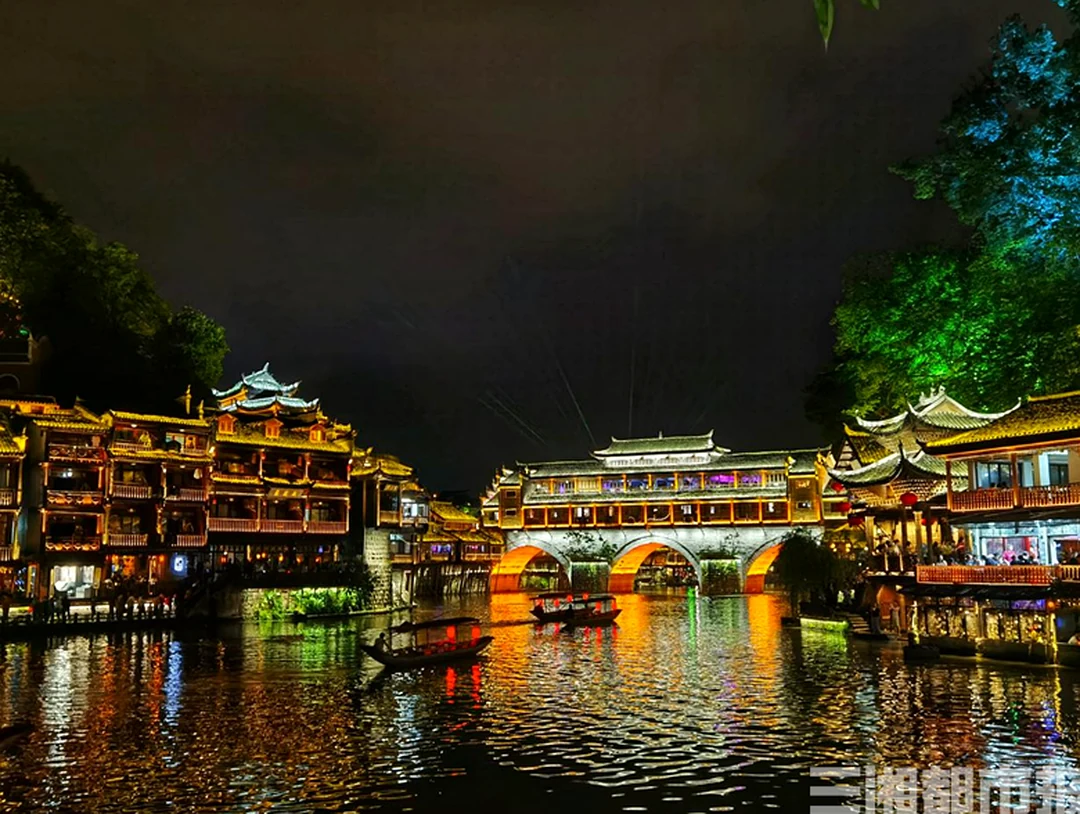
At the hour the ritual is performed, the interplay of natural topography and architectural space produces a visual tableau both magnificent and otherworldly. Beneath the foot of ancient Hongqiao Bridge and the Tuojiang Tiaoyan stepping stones, tens of thousands of flickering flames drift in serene procession between twin rows of Diaojiaolou stilt houses veiled in wispy mist, turning the river into a luminous Milky Way reflecting moss-grown yin-yang tiled roofs. Conversely, across the expansive waters of the Zuojiang, twinkling floral lanterns float unhurriedly past towering indigo-hued limestone peaks, illuminating the weathered walls of Taiping Ancient Town. The natural current carries wishes for peace and remembrances of ancestors and frontier soldiers downstream, transforming the entire riverside landscape into a living museum of light, spirituality, and millennia-old memory.
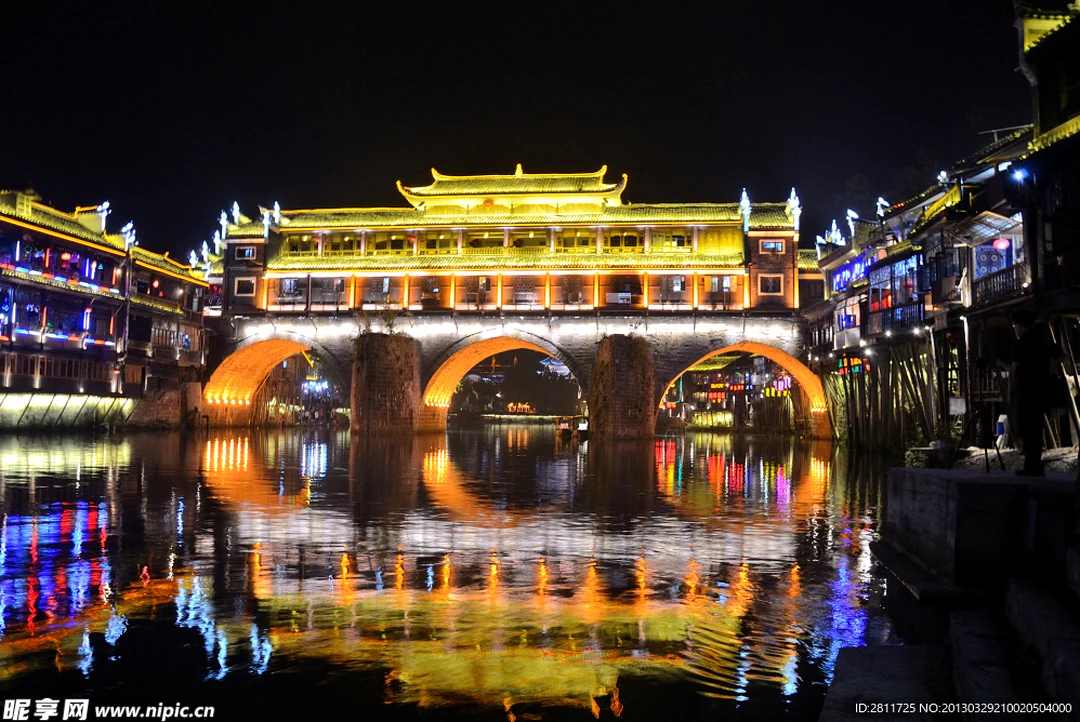
The ceremonial setting of the water lantern ritual on the Tuojiang River is defined by a remarkable symbiosis between rugged natural terrain and the indigenous architectural ingenuity of the Tujia and Miao peoples. At the heart of this scenic composition stands Hongqiao, a resplendent wind-and-rain bridge originally built during the Qing Dynasty with a sturdy two-story red-timber gallery spanning the calmest bend of the river. Under the shade of its monolithic limestone arches, the Tuojiang lies as smooth as a mirror, serving as an exquisite optical stage welcoming thousands of floating lights. Continuing from the historic bridge is an undulating ribbon of Diaojiaolou stilt houses clinging to sheer cliffs, where fir-wood stilts plunge deep into submerged bedrock to suspend entire wooden dwellings above the water. Cutting across the current is a line of square-hewn Tiaoyan stepping stones carved during the Qianlong reign, forming a dual stone causeway rising above the ripples that both regulates natural water flow and provides a unique multi-tiered foreground allowing visitors to step right down to the water’s edge to release their lanterns.
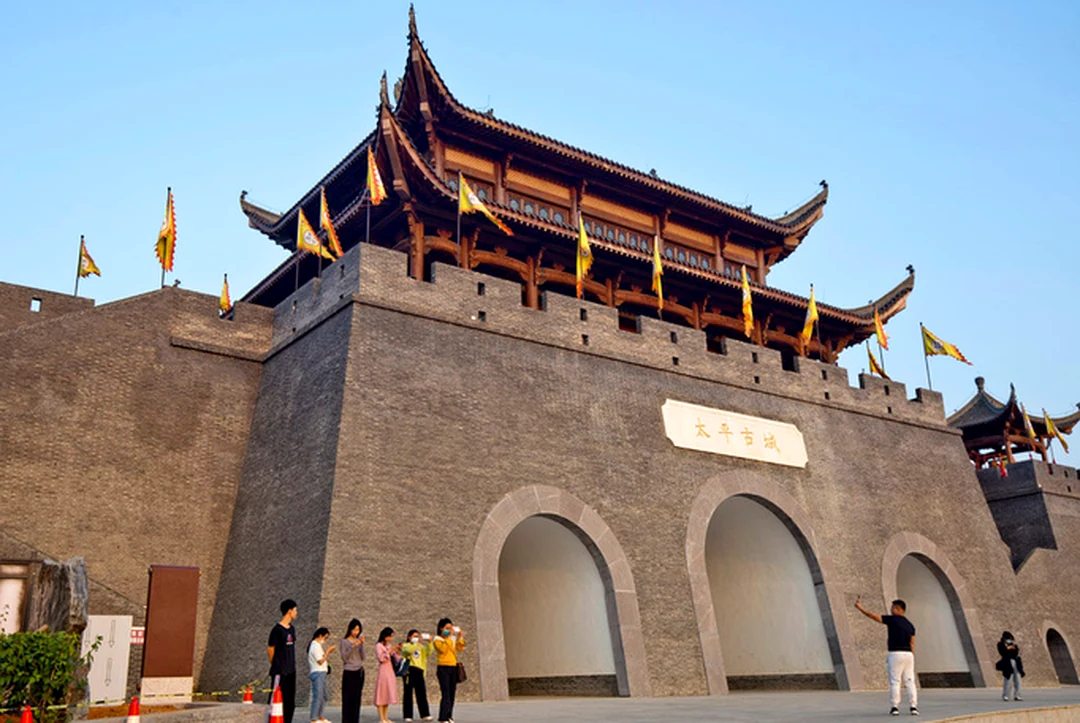
In contrast to the airy grace of western Xiangxi’s mountain architecture, the lantern-releasing space at Taiping Ancient Town along the Zuojiang basin exudes the imposing character of a meticulously restored Ming–Qing Lingnan military outpost. The town’s spatial layout is firmly enclosed by defensive walls built from distinctive brownish-gray laterite stone—a local material impervious to wind and rain with superior resistance to erosion. The town’s vital centerpiece is the grand Water Gate (Shuichengmen), which opens passage for man-made canals winding around residential quarters before converging directly into the broad Zuojiang River. As night falls, the stately silhouettes of gate towers and ancient watchtowers cast reflections onto the narrow stone-lined canal, creating an ideal wind-channeled funnel that guides streams of water lanterns smoothly downstream in orderly procession, evoking the solemn atmosphere of an ancient frontier river port.
The craft of making water lanterns along these two waterways reflects deep folk mastery of hydrodynamics and local aesthetics. Lantern frames are hand-whittled from pliable young bamboo strips, bent into multi-tiered blooming lotus petals or modeled after traditional wooden skiffs. The outer shell is wrapped in gossamer-thin yet remarkably tear-resistant mulberry paper, naturally dyed with forest roots and wildflower petals to repel water throughout its floating journey. Rather than industrial candles, the core uses wax dishes rendered from camellia seed oil or pure wild beeswax paired with tightly twisted cotton wicks, producing a rich golden flame that burns steadily against brisk river breezes without flickering out or igniting the paper frame.
The actual scale of each lantern-releasing season embodies a delicate harmony between preserving vernacular timber-and-earth architecture and contemporary landscape planning. Stone lantern-launching docks are engineered with gentle gradients along the Tiaoyan stepping stones and the Zuojiang embankments, dispersing crowd pressure while maintaining the solemnity of the rite. At peak moments, tens of thousands of glowing lotus lanterns weave a luminous ribbon stretching for kilometers, threading past Diaojiaolou pilings before converging beneath laterite fortress walls. The interplay of flickering flames upon the water and rows of crimson lanterns hung beneath ancient eaves weaves a surreal visual tapestry—affirming the enduring vitality of tangible architectural heritage moving in lockstep with an unbroken stream of spiritual ritual.
As dusk settles and night officially descends between roughly 7:30 PM and 10:30 PM, the banks of the Tuojiang River in Xiangxi and the Zuojiang River on the Guangxi frontier simultaneously enter a dazzling choreography of light—yet each unfolds a starkly contrasting aquatic and terrestrial aesthetic. Along the Tuojiang basin in Fenghuang Ancient Town, nightfall is illuminated by ten thousand household lights radiating from tiers of fir-wood Diaojiaolou stilt houses perched precariously along rocky slopes. Beneath the shadow of ancient Hongqiao Bridge and the Tiaoyan stepping stones resting atop rushing currents, the warm crimson glow of thousands of silk lanterns mingles with thin mist rising from the chilly water, weaving a tranquil atmosphere steeped in Ming–Qing nostalgia.
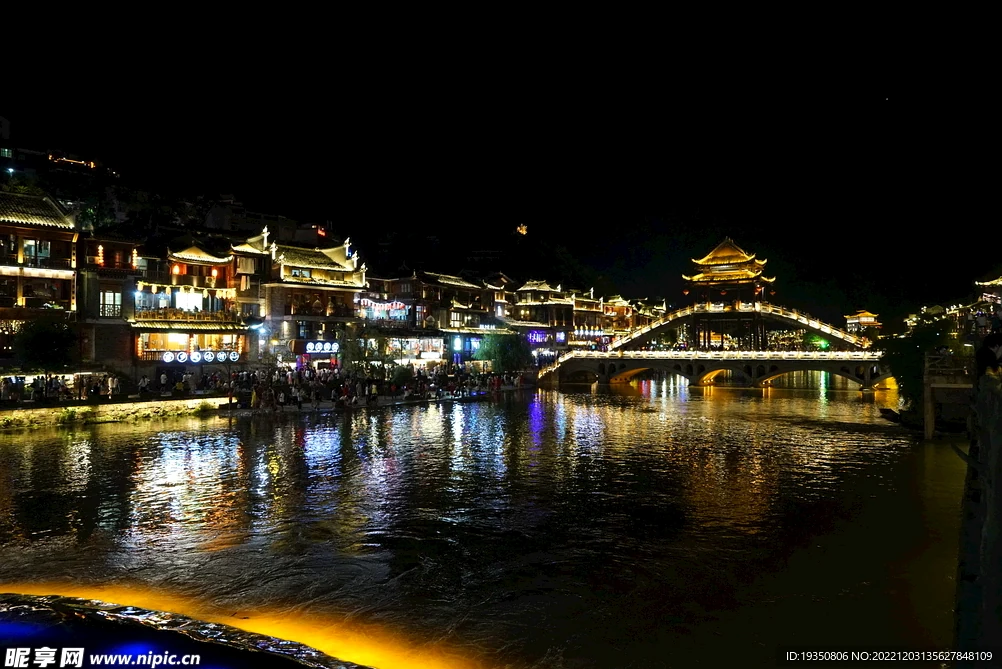
Nightlife along the Tuojiang remains intimately tied to the unassuming rhythms of age-old local traditions. Along damp stone embankments, Miao grandmothers dressed in indigo attire intricately embroidered with brocade motifs quietly sell handmade lanterns folded from mulberry-fiber paper or biodegradable plant materials, upholding reverence and protection for the sacred mother river. Visitors step slowly down to the water’s edge right beside the stepping-stone bridge, light the beeswax-dipped wick, and gently place their paper lotus upon the brisk current. Carrying wishes for peace, each lantern merges into the swirling flow, drifting beneath storied covered bridges and twinkling through wispy mist alongside black-canopied wupeng wooden boats. Free of noisy amplified speakers, the atmosphere is filled only with water lapping softly against wooden hulls, the rhythmic splash of oars, and candlelight glittering like fallen stars inside a canyon—faithfully recreating the contemplative poetic spirit that once suffused Shen Congwen’s pages.
Southward along the Zuojiang River embracing Taiping Ancient Town in Chongzuo, visitors are treated to an avant-garde visual spectacle of breathtaking scale. Leveraging the topography of a fortified river town dating back to the Song Dynasty, the Zuojiang has been curated as a colossal live-action aquatic stage powering the nighttime economy. Rather than absolute stillness, the river becomes a mirror reflecting technological artistry—featuring multi-dimensional laser projections and 3D water-screen mapping that bring to life legends of sacred dragons and the history of guarding the frontier along sturdy battlements.
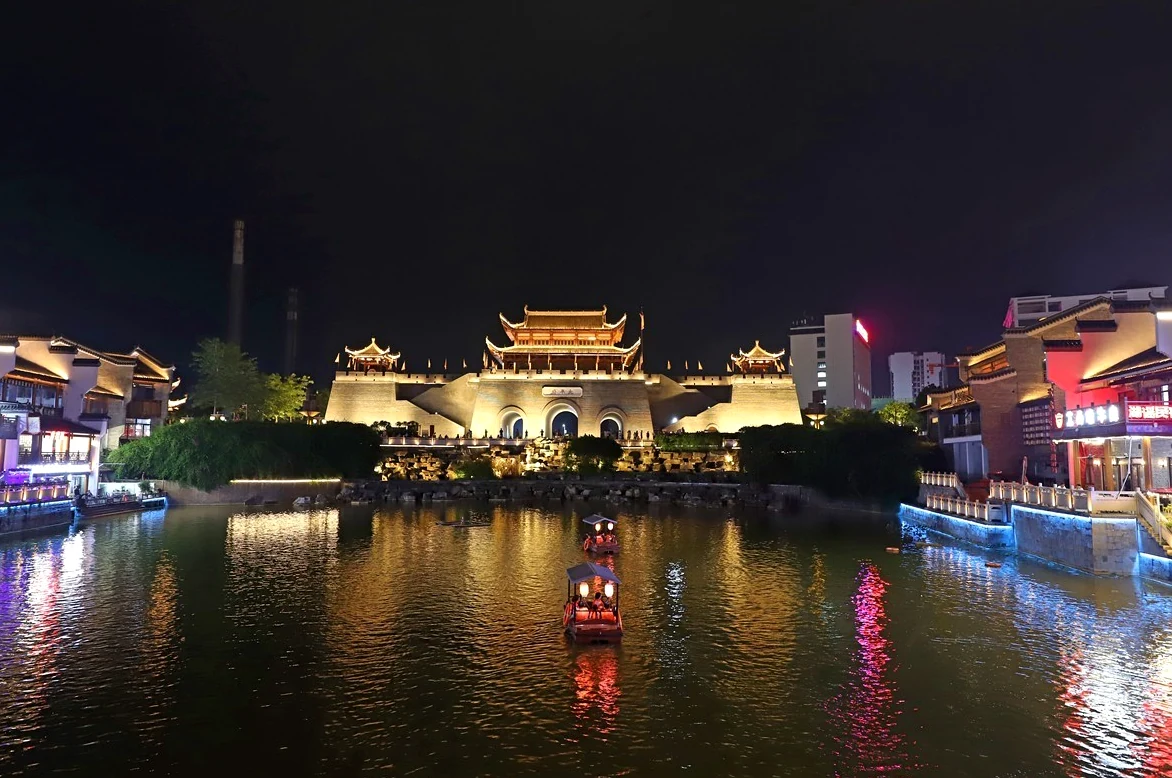
Beyond contemporary visual artistry, the Zuojiang captivates travelers with the intangible cultural depth of the indigenous Zhuang community. Melodious Then folk singing rises from ornate dragon boats accompanied by the lilting pluck of the tianqin lute, guiding thousands of vibrant lanterns drifting in procession down the wide river channel. Visitors can sip mildly spicy star-anise tea inside riverside pavilions reflected in the water while taking in the magnificent intersection of ancient fortress architecture and modern light performance. This rhythmic dialogue between the serene, untouched simplicity of the Tuojiang and the lively splendor of the Zuojiang vividly captures the enduring vitality of the water lantern tradition across diverse cultural landscapes.
When twilight descends upon these two sacred waterways and glowing lanterns begin to sway across emerald ripples, the traveler’s cultural journey extends beyond sight into taste through the centuries-old culinary map of local communities. The Tuojiang winding past breezy Xiangxi stilt houses and the Zuojiang gliding calmly past Taiping Ancient Town on the Lingnan border represent two completely distinct flavor traditions united by a single philosophy: making full use of river bounty and wild flora to forge heirloom recipes that have endured across historical upheavals.
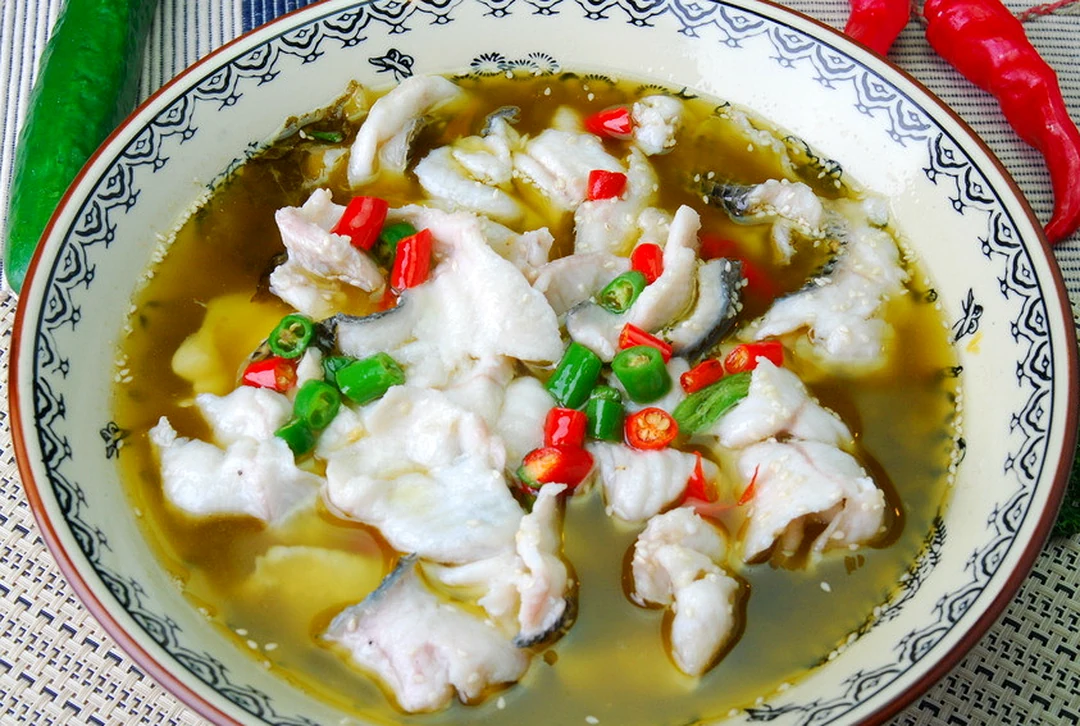
Wandering deep into the sandstone-paved alleys of Fenghuang Ancient Town, wisps of kitchen smoke drifting from rustic wooden windows carry the signature fiery aroma of misty Xiangxi. The centerpiece of any Miao feast is the celebrated sour fish soup: freshly netted river fish pulled straight from the Tuojiang are simmered with wild tomatoes naturally fermented in antique earthenware jars, infused with cool, aromatic mountain litsea berries (litsea cubeba) and crushed frost-cured red chilies, producing a broth that awakens every sense after an evening stroll along the river. Right beside it, blood duck (xueyaba) showcases the most intricate heirloom culinary technique of the highlands: fragrant upland glutinous rice is steeped in fresh duck blood, steamed into chewy rice-blood cakes, diced and pan-fried until golden and crisp, then braised until tender with free-range duck and fiery bird’s-eye chilies. At riverside pavilions beside Hongqiao Bridge, tiny thin-shelled Tuojiang river shrimp are flash-fried in bubbling oil and tossed with salt, pepper, and fragrant scallions—an ideal accompaniment to jugs of local purple glutinous rice wine. As night deepens, the rhythmic thud of wooden mallets on chopping blocks echoes through the old town as artisans craft handmade ginger candy; ribbons of glossy brown cane sugar infused with aged ginger juice are stretched repeatedly over wooden hooks and snipped into crisp, melt-in-your-mouth sweets, sealing in comforting warmth to ward off the night chill after releasing lanterns.
Heading south to the Zuojiang River basin in Chongzuo, the palate is refreshed by the bright, tangy flavors suited to the tropical monsoon climate of the Zhuang people. Chongzuo sour rice noodles (suanfen) have long been a beloved cooling delicacy featuring silky handmade rice noodle sheets bathed in a gently fermented sweet-and-sour vinegar-sugar dressing, topped with savory char siu pork, crunchy pickled papaya, and crushed roasted peanuts. Another variation crafted from delicate rice batter is the famed roast duck rice roll, where tissue-thin steamed rice sheets wrap tightly around crispy-skinned roast duck marinated in fragrant frontier star anise and black cardamom. On lantern festival nights along the Zuojiang wharves, traditional Zhuang banquets invariably feature five-colored sticky rice—a culinary work of art embodying the philosophy of the Five Elements, dyed entirely with natural extracts from maple leaves, yellow gardenia blossoms, purple grass roots, and glutinous rice straw ash. To crown an evening river excursion, nothing rivals gathering around a hotpot of wild forest mushrooms paired with Zuojiang river fish; its pure broth steeped with rare mushrooms foraged from limestone cliffs melds with the delicate sweetness of hemibagrus catfish and river eel caught straight from the riverbed, leaving an unforgettable, deeply nuanced finish.
These heirloom dishes along the Tuojiang and Zuojiang rivers are far more than sustenance—they are living epics of terroir, agricultural custom, and the sacred bond between people and the rivers that nourish them. Savoring a steaming bowl of sour fish soup on a stilt-house veranda overlooking a glowing stream of lanterns, or lingering over fragrant sticky rice in the cool breeze off the Zuojiang, immerses travelers in the enduring pulse of local heritage, where gastronomy and spirituality speak together with the timeless voice of the mountains and rivers.
To experience the full enchantment of the water lantern ritual on both the Tuojiang and Zuojiang rivers, travelers should align their visit with local rhythms and timing. The most transcendent expression of this spiritual ceremony typically occurs during the Zhongyuan Festival on the fifteenth day of the seventh lunar month, or during major traditional holidays just as night falls. Locals recommend the golden window between 7:30 PM and 9:30 PM—the exact hours when tens of thousands of lanterns along Fenghuang’s Diaojiaolou stilt houses and Taiping Ancient Town’s fortress walls light up simultaneously, creating a dazzling symphony of illumination mirrored in clear waters and turning the river into a glittering Milky Way drifting serenely through the mortal realm.
Modern transportation infrastructure has made reaching both heritage regions remarkably smooth and convenient. For Taiping Ancient Town along the Zuojiang River in Chongzuo City, travelers departing from Vietnam can easily clear immigration at the Huu Nghi Quan International Border Gate in Lang Son before continuing swiftly overland into Guangxi. Departing from Nanning, the Nanning–Chongzuo high-speed railway delivers passengers in just 52 minutes as the train glides past dramatic karst scenery. Meanwhile, to journey to the poetic Tuojiang River in Xiangxi, travelers can utilize China’s high-speed rail network with a direct stop at Fenghuanggucheng Station, followed by a short transfer via dedicated tourist shuttle bus or taxi straight into the thousand-year-old heritage core.
In terms of cost and participation, the water lantern ritual remains wonderfully accessible and rooted in everyday folk life. At stepped stone docks along the Tuojiang near the North Gate (Beimen) or the foot of Hongqiao Bridge, young Miao and Tujia women sell hand-folded papier-mâché lotus lanterns priced around 10 to 20 RMB for a set of three small lanterns. At Taiping Ancient Town along the Zuojiang, more elaborate five-colored lotus lanterns or feng shui dragon-boat lanterns typically cost around 15 to 30 RMB each, complete with a candle wick and a bamboo wish tag for inscribing prayers for peace and prosperity. Visitors simply light the candle, offer a quiet wish, and use a long-handled bamboo scoop to gently lower the lantern onto the current so it may drift safely downstream.
To preserve the solemnity and humane spirit of this cherished custom, travelers should actively practice eco-conscious tourism and respect the natural environment. Strictly avoid lanterns reinforced with plastic frames, Styrofoam bases, or non-biodegradable metal wires; instead, choose lanterns crafted entirely from raw paper pulp and natural soy-wax candles to minimize impact on aquatic ecosystems. Equally important is staying discerning around aggressive street touts or unusually cheap sightseeing packages; a rewarding cultural journey prioritizes authentic heritage immersion completely free from forced commercial shopping stops so your experience remains pure. Those drawn to the contemplative beauty of Xiangxi’s mountains and waters can explore a dedicated all-inclusive tour package, where age-old traditions and timeless riverside rituals are thoughtfully cherished throughout every step of the journey.