Welcome, dear readers, to a journey across time, where emerald waterways and ancient stone bridges are far more than scenic backdrops—they are living pages of history. As a leading international travel chronicler and cultural history specialist, I am delighted to guide you through the Grand Canal and the Bridge of Sighs—two immortal icons where every brick and every ripple tells a story of the miraculous rise and dramatic turns of legendary Venice.
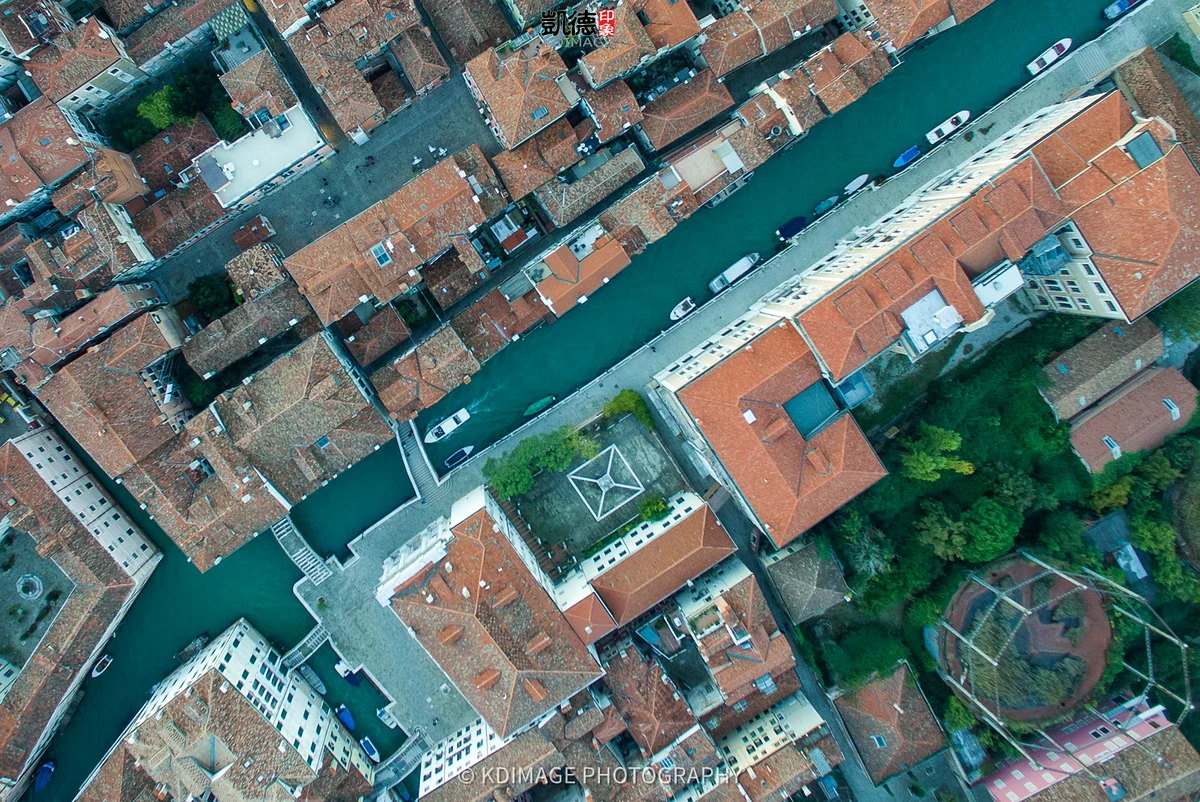
The story of the Grand Canal, affectionately known to locals as the *Canalazzo*, did not begin with grand architectural ambitions, but with sheer survival. In the 5th century, natural streams winding into the Venetian Lagoon formed a primeval network of waterways. A monumental historical upheaval soon shaped the destiny of this land: devastating invasions by the Lombards between the 5th and 6th centuries forced mainland Italians to flee their homes and seek refuge on the untamed islands of the lagoon. Right here, they began reshaping nature—dredging those natural channels and transforming them into a strategic maritime transit system, laying the foundation for the magnificent canal we know today.
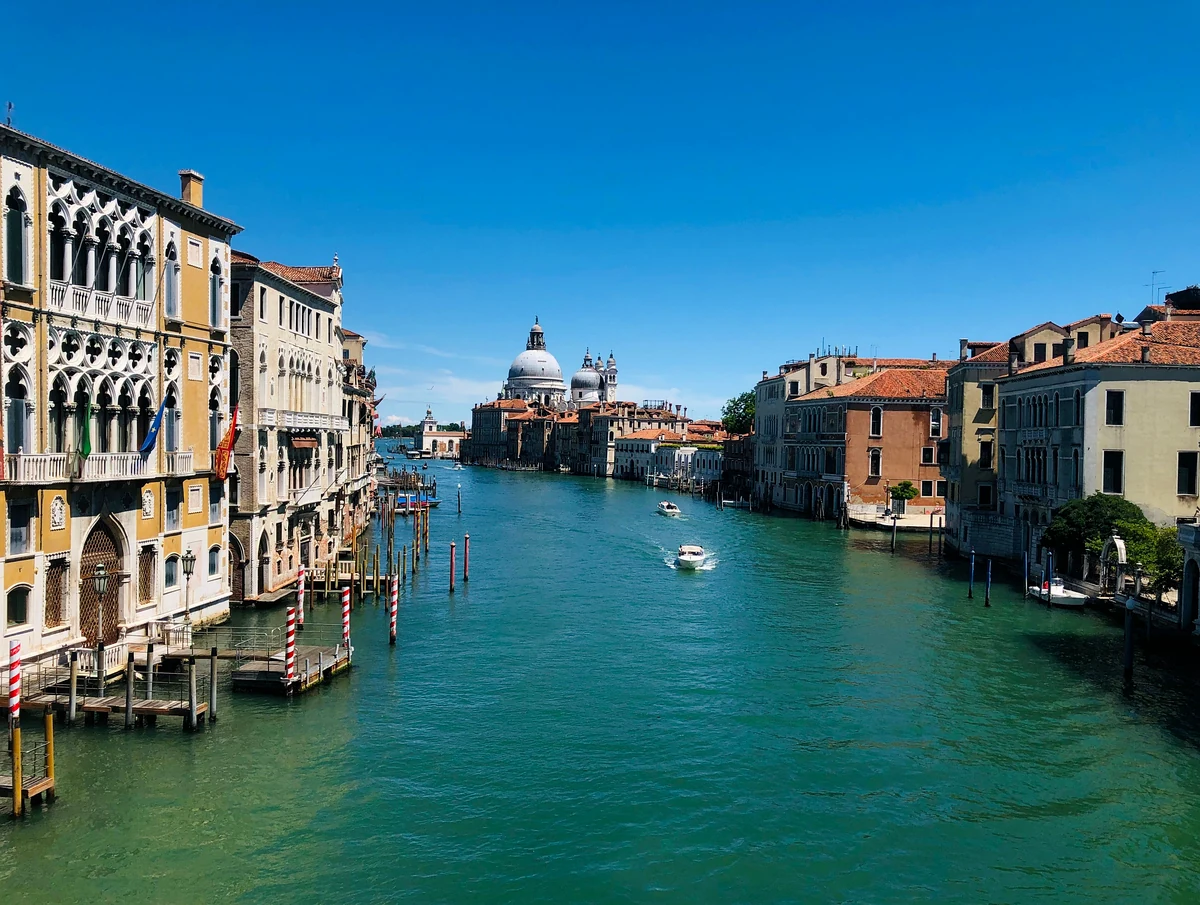
From those earliest days, the Grand Canal swiftly became the indispensable lifeblood of the Maritime Republic of Venice (La Serenissima). For nearly a millennium, from the 9th to the 18th century, this sweeping, reverse-S-shaped waterway—measuring roughly 3.8 km in length, 30 to 90 meters in width, and an average of 5 meters in depth—not only divided the city into two halves, but also served as a vital trade artery linking bustling Mediterranean ports with the heart of Europe. It witnessed extraordinary prosperity, welcoming precious cargo from the East, staging lavish pageants, and standing as proof of Venice’s unmatched naval supremacy. Yet no empire lasts forever; the fall of the Republic in 1797 beneath the boots of Napoleon Bonaparte plunged Venice into a brief decline before this great canal reclaimed its splendor—experiencing a powerful renaissance through modern tourism from the 19th century onward to become an essential emblem of one of the world’s most captivating destinations.
If the Grand Canal is the current of life and prosperity, the Bridge of Sighs (Ponte dei Sospiri) is a more somber icon, steeped in poignant tales of human fate. Contrary to the popular myth of a romantic lovers’ bridge, its name has nothing to do with whispered vows of affection. This remarkable structure was designed by the gifted architect Antonio Contin, nephew of Antonio da Ponte—creator of the famed Rialto Bridge. Built and completed in 1600, it marked an important milestone in Venetian architectural history, though its true meaning lies hidden within its solid walls of white Istrian limestone.
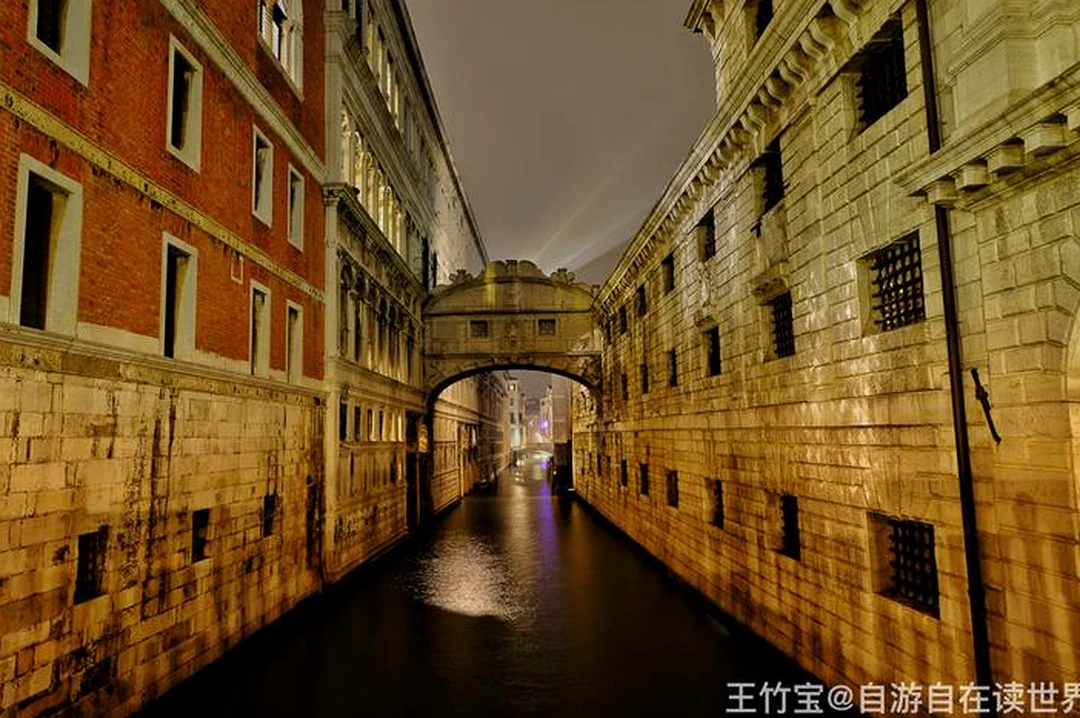
The Bridge of Sighs is an enclosed corridor spanning the narrow Rio di Palazzo canal, connecting the Doge’s Palace (Palazzo Ducale)—which housed the courts and interrogation chambers—with the New Prison (Prigioni Nuove) directly across the water. Its Italian name, *Ponte dei Sospiri*, actually dates back to the 17th century, when condemned prisoners walked across the bridge following their sentencing. Looking out through intricate, lattice-like carved stone windows (*trattice di pietra*) crafted in a Late Renaissance and early Baroque style, they caught one final glimpse of the free world and breathed in the open air before facing harsh imprisonment or execution. It was from those heartbreaking moments of farewell that heavy sighs and laments echoed through the corridor, giving the bridge its haunting name. In the 19th century, the Romantic poet Lord Byron helped popularize the moniker through his verse, etching this bridge of destinies into the world’s imagination.
From a natural stream engineered into a commercial artery to a bridge that bore witness to the final moments of freedom, the Grand Canal and the Bridge of Sighs are far more than architectural landmarks—they are historical witnesses recounting the tale of a resilient, resplendent, and deeply poignant Venice. Here, we do more than simply admire their outward beauty; together, we turn every page of history to truly appreciate the origins and enduring cultural heritage embodied by these two icons.
Following the turbulent historical currents of an illustrious maritime empire, let us dive deeper into the architectural heart of Venice, where every brick and sculpted detail speaks of boundless ingenuity and supreme aesthetic vision. The Grand Canal and the Bridge of Sighs are not merely geographic landmarks; they are architectural masterpieces and eloquent testaments to extraordinary human talent, blending function and artistry to forge a city unlike anywhere else on Earth.
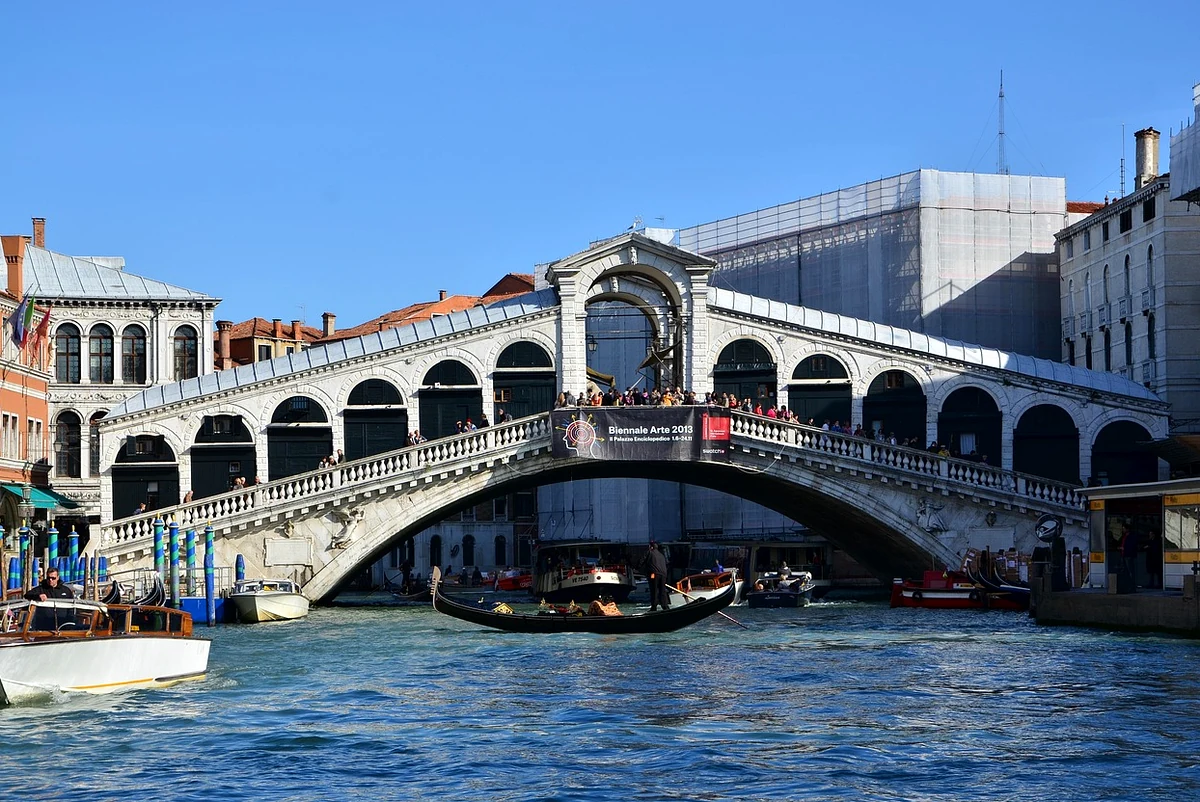
The Grand Canal, or Canalazzo, is far more than a waterway; it is a living architectural museum stretching nearly 3.8 km, ranging from 30 to 90 meters wide with an average depth of 5 meters. Its sweeping reverse-“S” curve is not just a geographic feature, but an artistic flourish that embraces and showcases more than 170 magnificent palaces (palazzi) lining both banks. Each palace represents a distinct chapter of architectural history—from the ancient Byzantine touches of the 13th century and the airy refinement of Venetian Gothic to the stately symmetry of the Renaissance and the dramatic grandeur of the Baroque. Visitors can marvel at Ca’ d’Oro with its shimmering gilded facade, Ca’ Pesaro in all its monumental Baroque glory, or the Basilica of Santa Maria della Salute crowned by its majestic dome—all reflecting the wealth, power, and timeless taste of Venice’s noble families.
These palaces are not only visually stunning; they also conceal ingenious engineering techniques. Built atop millions of oak and pine pilings driven deep into the marshy lagoon bed, they defy the relentless toll of saltwater. Their primary building materials are brick and Istrian stone—a signature white limestone from the Adriatic coast renowned for its resistance to sea salt and the passage of time. Every detail, from intricately carved stone balconies and pointed Gothic arched windows to symmetrical Renaissance bas-reliefs, was executed with absolute precision, transforming the Grand Canal into an open-air exhibition of Europe’s greatest architectural movements.
Stepping away from the grandeur of the Grand Canal, we arrive at another masterpiece—smaller in scale, yet no less iconic: the Bridge of Sighs (Ponte dei Sospiri). Designed by the accomplished architect Antonio Contin and completed in 1600, this bridge stands as a testament to the fusion of utility and artistry amid a dramatic historical backdrop. Constructed entirely of white Istrian limestone—the very stone that gave enduring beauty to so many Venetian landmarks—it is a unique enclosed arched bridge that serves not merely as a walkway, but as a sophisticated architectural passage.
Inside the Bridge of Sighs run two parallel corridors, engineered to separate incoming and outgoing prisoners so they would never cross paths—a subtle technical detail reflecting the meticulous foresight of its creator. The bridge’s artistic allure lies in its delicate perforated stone lattice windows (trattice di pietra), richly styled in Late Renaissance and Baroque craftsmanship. Beyond providing ventilation, these openings served as the final frames through which prisoners could look out upon the free world before meeting their grim fate. It is precisely this contrast between the bridge’s graceful, almost romantic exterior and the tragic stories locked within that creates its irresistible allure, cementing its status as a timeless symbol of Venice.
The Grand Canal and the Bridge of Sighs, though vastly different in scale and purpose, both represent pinnacles of architectural artistry and aesthetic value. They are not merely physical structures, but the very soul of Venice—where every contour and material is steeped in history, culture, and human creativity. Exploring these masterpieces in depth opens a doorway to the eternal beauty and deeply moving stories of the City of Canals.
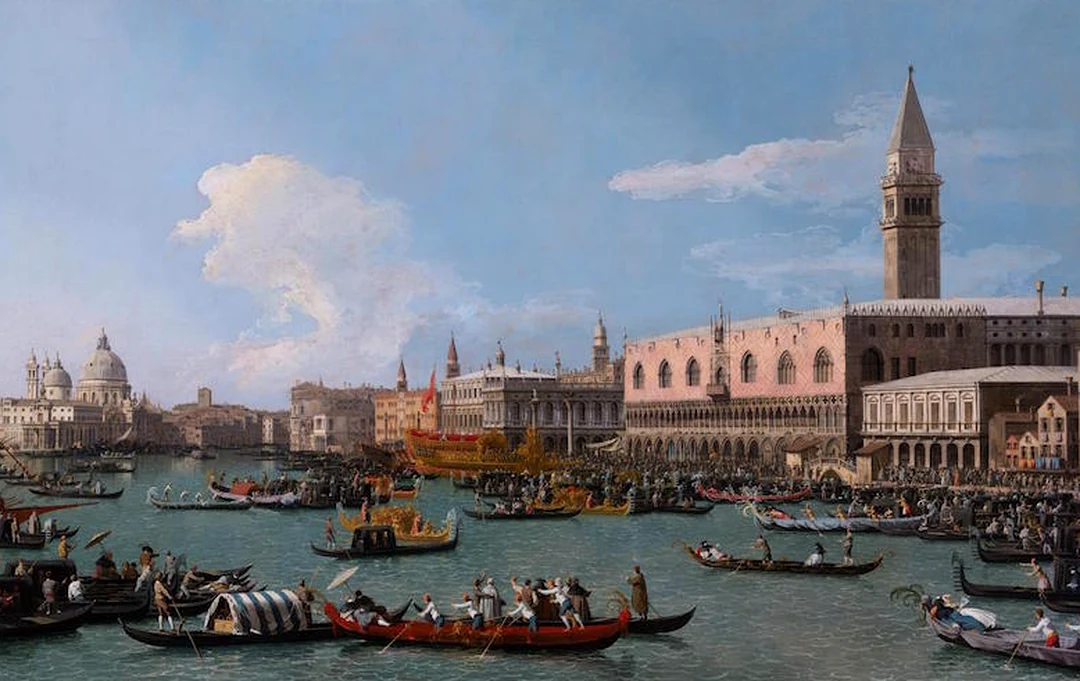
When the first rays of dawn scatter gold across shimmering waters, or as dusk settles in to paint ancient tiled rooftops crimson, Venice ceases to be a mere city and becomes a living canvas—a seamless blend of history and art. In the heart of the “City of Water,” the most priceless experiences are not measured in material terms, but in emotional depth and an intangible connection to the flow of time that only curious, open-hearted travelers can fully embrace. These are carefully curated moments designed so that every step you take becomes more than a trip—it becomes a voyage into the very essence and soul of Venice.
To truly immerse yourself in the pulse of the Grand Canal, Venice’s main artery, nothing rivals taking a seat at the bow of Vaporetto Line 1 during the transitional hours of the day. At daybreak or twilight, this nearly 3.8 km reverse-“S” waterway transforms into a breathtaking architectural stage. From this vantage point, you will enjoy close-up views of more than 170 historic palaces (palazzi), each a masterpiece representing 13th-century Byzantine, Venetian Gothic, Renaissance, and Baroque styles. The soft morning glow or warm amber hues of late afternoon illuminate every intricate carving, arched window, and stone balcony, whispering tales of the supreme prosperity of the Maritime Republic of Venice. It is an unforgettable visual experience—a floating, living museum of architecture where every palace holds its own secrets and historical anecdotes.
However, to reach the most romantic and intimate depths of Venice, nothing compares to a Private Gondola Ride. Unlike the bustling Vaporetto, a traditional Gondola glides you through narrow, tranquil side canals (canali) where time seems to stand still. Under the skilled rowing of a gondolier, you will discover poetic hidden corners, quaint stone bridges, and centuries-old houses reflected in the emerald water. The moment the Gondola gently turns out onto the Grand Canal, beneath the foot of the legendary Rialto Bridge, brings a rush of pure wonder, as if stepping straight out of a fairy-tale dream. Although reference prices can range from €80 – €100 for 30 minutes during the day, and higher at night, the value of this unique experience—of absolute privacy and romance—is entirely worth it, making it one of the most “precious” experiences in both the literal and figurative sense.
And then, no journey of discovery is complete without a haunting icon: the Bridge of Sighs (Ponte dei Sospiri). For the most picture-perfect angle, we recommend standing on the Canonica Bridge (Ponte della Canonica) or the Paglia Bridge (Ponte della Paglia), right beside St. Mark’s Square. From here, you can capture the full frame of this unique enclosed arched bridge, built entirely of white Istrian stone—the signature salt-resistant limestone of the Adriatic region. The late Renaissance meets Baroque architectural beauty of the bridge, featuring intricate stone lattice windows (trattice di pietra), appears utterly mesmerizing. Yet behind that beauty lies a tragic story: this enclosed corridor connected the Doge’s Palace (Palazzo Ducale) to the New Prison (Prigioni Nuove), where convicted prisoners would walk across to catch one final glimpse of the light of freedom.
Yet the truly most “invaluable” and profound experience at the Bridge of Sighs is not merely admiring it from the outside, but walking directly through the interior of the bridge itself. This is only possible when you take a tour of the Doge’s Palace (Palazzo Ducale). As you pass through the two parallel corridors inside the bridge, you can feel the somber, heavy weight of history. Through those narrow stone windows, prisoners of old breathed their final sighs (sospiri) before facing their grim fate. Standing in that very spot, gazing out at the magnificent Venetian lagoon through historic stone latticework, is a quiet, deeply reflective moment. It is far more than a photo stop; it is a silent dialogue with the past and the fates that once passed through here—an experience immortalized in verse by the poet Lord Byron in the 19th century.
These experiences, from the grandeur of the Grand Canal to the poignant tragedy of the Bridge of Sighs, are far more than ordinary tourist attractions. They are doorways into the soul of Venice, where every brick and every ripple of water tells a story. We take pride in bringing you not merely a trip, but an emotional journey where every moment becomes a priceless memory etched into your heart, redefining the true meaning of authentic travel.
After being captivated by the magnificent architecture and profound historical tales of the Grand Canal and the Bridge of Sighs, our exploration of Venice turns to a new chapter—an enchanting map of flavors and sensations: A Map of Local Gastronomy & Culinary Culture. For Venice is not merely a living museum of stone and water, but also a sumptuous feast of culinary artistry, where every dish tells a story of the sea, maritime trade history, and the free-spirited soul of the Veneto people.
As the final rays of daylight settle over the shimmering canals, or while morning mist still lingers upon ancient terracotta roofs, the narrow alleyways around the Grand Canal and San Marco begin to waft enticing aromas from traditional taverns affectionately called Bacaro by Venetians. These are not ordinary restaurants, but the beating heart of local culinary culture, where locals gather, converse, and savor distinctive small bites. Unlike formal sit-down meals, a Bacaro offers a warm, intimate atmosphere where patrons can stand and sip a glass of local wine while enjoying bite-sized appetizers bursting with the flavors of the sea.
Opening this culinary map, one cannot fail to mention Cicchetti—Venetian-style tapas that stand as an emblem of refinement and variety. Each small slice of bread is topped with a miniature masterpiece of flavor: perhaps baccalà mantecato—creamed codfish whipped to a velvety smoothness that melts in the mouth, carrying the briny essence of the sea and an unforgettable richness; or sarde in saor—crispy fried sardines marinated in a sweet-and-sour blend of onions and raisins, an unexpected harmony of tangy, sweet, and savory notes that vividly reflects Venice’s historic spice trade. Sometimes, something as simple as a paper-thin, savory slice of prosciutto draped artfully over crusty bread is enough to awaken every sense. Enjoying Cicchetti is not just about eating; it is a social ritual, a way to immerse yourself in the unhurried, easygoing rhythm of local life.
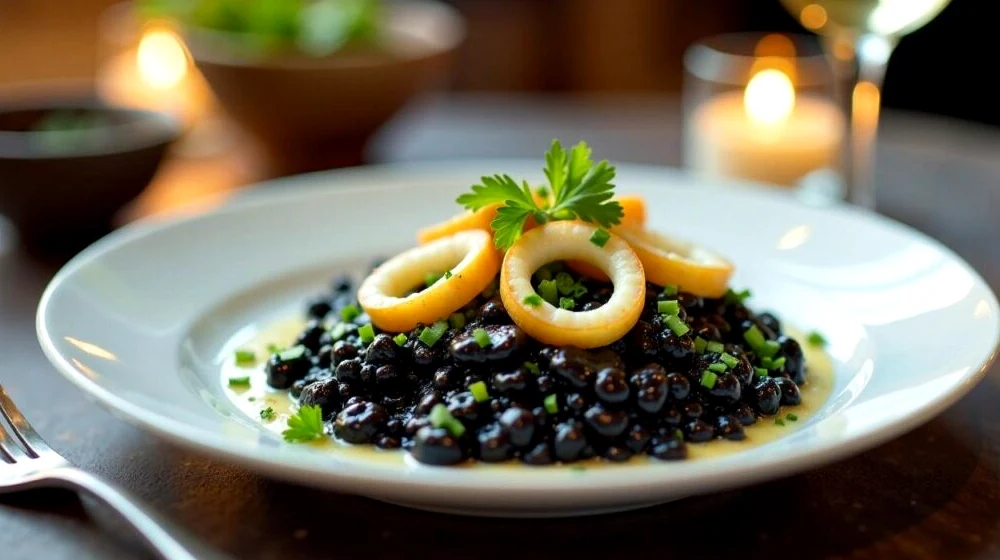
Continuing our gastronomic journey, we explore main courses brimming with regional identity. Risotto al Nero di Seppia is a compelling testament to the creativity of Venetian cuisine. This traditional squid-ink risotto impresses not only with its mysterious jet-black hue, but also with the deep, rich flavor of fresh cuttlefish melded into tender, creamy Arborio rice. Every grain is infused with the essence of the sea, carrying a delicate salinity, subtle sweetness, and lingering finish like a whisper from the depths of the Adriatic. Alongside it, Fegato alla Veneziana offers a quintessentially classic flavor profile, showcasing culinary mastery in transforming seemingly humble ingredients. Thinly sliced calf’s liver is swiftly sautéed with julienned onions, yielding a mildly sweet, tender, never-heavy dish of remarkable delicacy. It is a recipe tied to Venetian noble households for centuries, carrying an entire culinary heritage within it.
And it would be a major oversight not to mention the iconic aperitifs born right here in the city of canals. A glass of **Aperol Spritz**, with its vibrant orange glow, gentle herbal bitterness, and crisp effervescence, is the ideal choice to kick off a romantic evening by the water. Or a **Bellini**—a cocktail crafted from Prosecco and white peach purée, boasting a soft blush hue and delicately sweet, refreshing notes reminiscent of romantic Renaissance paintings. Few pleasures rival sipping a Spritz or Bellini at a cozy waterside café, especially around the bustling Rialto Market, watching gondolas glide gracefully across the water and soaking in Venice’s lively yet poetic pulse. It is more than having a drink; it is savoring the moment to the fullest and embracing Italy’s signature “aperitivo” culture.
We firmly believe that gastronomy is an inseparable part of the travel experience, a gateway to deeper insight into local culture and people. In Venice, every dish and every glass tells a story—a heritage preserved and passed down through generations. From humble Bacari to fine-dining establishments, from the briny bounty of the sea to the natural sweetness of local produce, Venetian cuisine is a symphony for the senses that invites travelers to explore and indulge. It is an essential part of the authentic values we wish to bring you—going far beyond mere sightseeing to touch the deeper layers of culture and spirit.
After journeying back in time to uncover the quiet layers of history and admiring the architectural splendor of the Grand Canal and the Bridge of Sighs, now, as your trusted travel companion, I would like to share the most valuable tips to make your Venetian journey seamless and unforgettable. A truly fulfilling trip goes beyond sightseeing; it lies in thoughtful preparation, from timing your arrival to mindful details regarding safety and respectful travel etiquette. This is your indispensable pocket guide for exploring the Floating City deeply and safely.
Choosing the right time to visit Venice plays a decisive role in the quality of your experience. Based on our experience and that of travel specialists, the two golden windows you should consider are from April to June and from September to October. During these months, Venice enjoys mild weather with warm, gentle sunshine—ideal for strolling through narrow alleyways or drifting along the canals on a gondola. In spring, the city bursts into bloom with vibrant flowers, while autumn brings a romantic, contemplative beauty as late afternoon sunlight bathes ancient palaces in gold. More importantly, visiting during these shoulder seasons helps you avoid the stifling summer heat of July and August—peak tourist season, when overwhelming crowds can diminish the poetic charm of every experience. You will also steer clear of the *Acqua Alta* high-tide season, which frequently occurs from November through March, when many areas of the city can flood, creating significant inconvenience for getting around and exploring.
To truly blend into the rhythm of Venice and thoroughly explore the Grand Canal and the Bridge of Sighs, understanding your ticketing and transport options is essential. Along the Grand Canal, the most popular and efficient public transit is the Vaporetto—water buses that ply the length of the waterway. Line 1 is an outstanding choice for taking in the entire scenic route, with single-journey tickets priced around €7.50, alongside multi-hour or multi-day passes that offer great savings if you plan to travel frequently. However, for a more romantic and private experience, nothing matches a traditional Gondola Ride. Rates for a 30-minute daytime gondola ride range from €80 to €100, rising to €100 or more at night, accommodating up to five passengers. It is a worthwhile investment to weave through narrow, quiet back canals, listen to the rhythmic dip of the oar, and feel the ancient heartbeat of Venice.
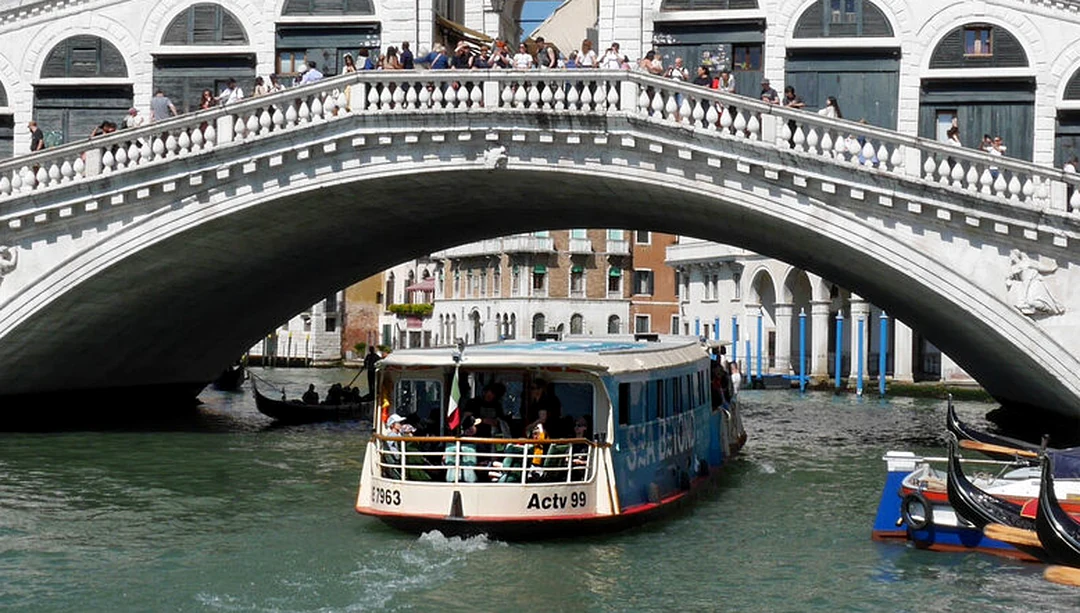
As for the Bridge of Sighs specifically, if you wish not only to admire it from the outside but also to walk directly across this historic passageway, you will need to purchase an admission ticket for the Doge’s Palace (Palazzo Ducale). General adult admission to the Doge’s Palace is typically around €25, which includes interior access to the Bridge of Sighs, allowing you to gaze upon the very last view prisoners once saw through its narrow, carved stone windows. It is an experience rich in historical resonance and emotion, giving you a far deeper appreciation of the poignant legend behind the name “Bridge of Sighs.”
Venice, breathtaking as it may be, is not immune to the common challenges found in crowded tourist destinations. Warnings about pickpocketing are always emphasized. High-traffic areas such as the Rialto Bridge, St. Mark’s Square, and especially when boarding or disembarking Vaporetto water buses, are places where opportunistic thieves often take advantage of the crowds. Always keep a close eye on your personal belongings, wear backpacks on your front, and avoid keeping wallets or phones in your back pockets. Alongside this, respecting local culture and regulations is key to a civilized trip. When visiting sacred religious sites such as St. Mark’s Basilica (Basilica di San Marco) or other historic churches along the canals, you are strictly required to follow a modest dress code: shoulders and knees must be covered. Be sure to bring a shawl or a light jacket for convenience.
The city of Venice is also very strict about maintaining Decoro Urbano – urban decorum. Behaviors such as sitting on the steps of monuments to eat or drink, littering, or feeding pigeons in St. Mark’s Square are all prohibited and can result in hefty fines. Always seek out designated dining areas, use public trash bins, and help keep shared spaces clean. Walking is the best way to explore Venice, so always pay attention to street signs and avoid wandering into overly deserted alleyways at night. A pair of comfortable, slip-resistant shoes will be your ideal companion along the city’s historic and occasionally slippery cobblestone streets.
With these pocket tips in hand, you will be well-equipped to confidently explore Venice—not just with admiring eyes, but with deep understanding and a sense of responsibility. Let every footstep across the stone bridges, every oar stroke along the Grand Canal, and every glance through the windows of the Bridge of Sighs become an unforgettable memory, woven from thoughtful preparation and a genuine appreciation for the timeless beauty of the Floating City.
Having journeyed through golden pages of history, glided across the turquoise waters of the Grand Canal, and listened to the sighs echoing from the Bridge of Sighs, we have come to feel the undying soul of Venice. Yet to truly immerse yourself in the cultural flow—to not merely admire, but deeply understand every brick, every carved detail, and every hidden story—requires a refined guide and an itinerary crafted with devotion. We believe that travel is not simply setting foot in a destination, but opening the doors of the soul to embrace historical, artistic, and human values. That is why every tour, especially our journey exploring Venice, is designed like a work of art, where every detail is meticulously curated to deliver a profound and unforgettable experience.
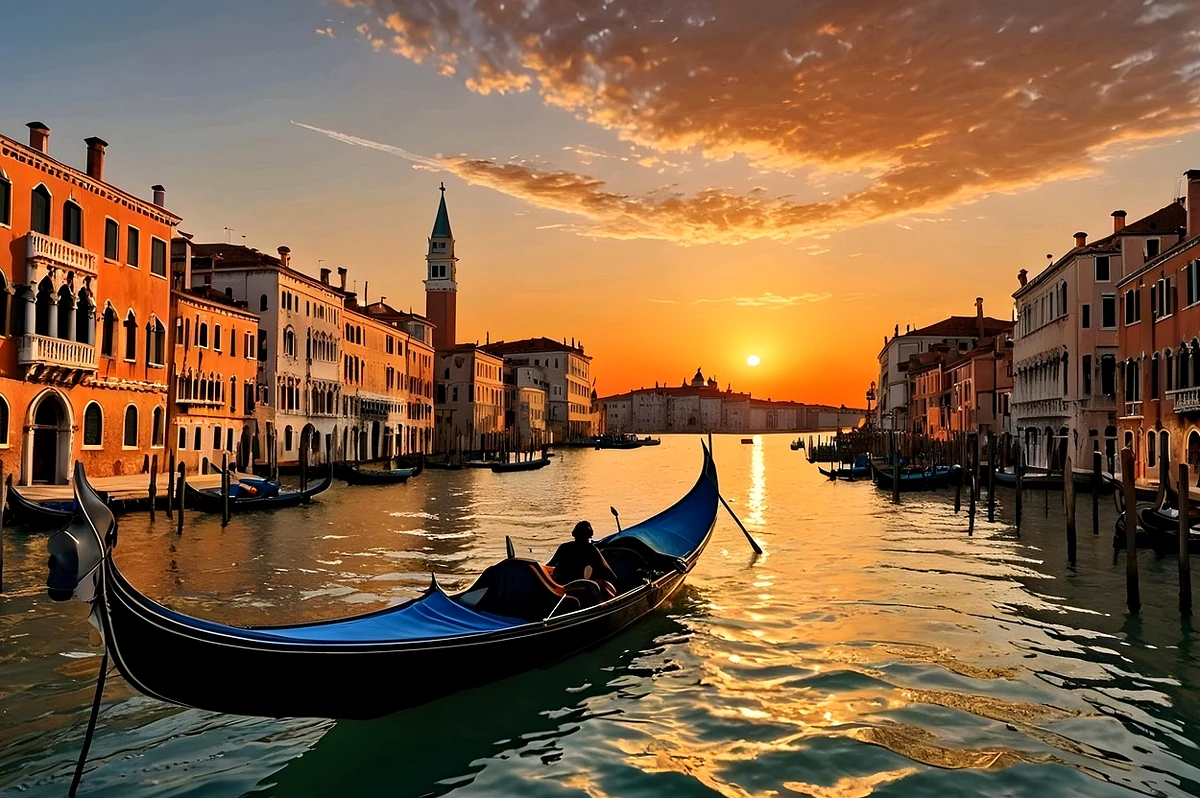
Venice, with its sweeping, reverse-S-shaped Grand Canal stretching roughly 3.8 km and the contemplative Bridge of Sighs, is not merely a standalone destination, but an indispensable link in Italy’s string of pearls. In crafting our travel itineraries, Venice is seamlessly integrated into the classic Italian route—a magnificent harmony connecting legendary cities such as Milan, the capital of fashion and Gothic architecture; Florence, the cradle of Renaissance art; and Rome, the heart of the mighty Roman Empire. This connection not only offers an in-depth exploration of Venice’s maritime history and Renaissance artistry, but also broadens travelers’ horizons across the colorful cultural tapestry of the entire Italian peninsula. Every step on this journey is an adventure through time, where past and present converge to create indelible memories.
What sets this experience apart is our Service Privilege, clearly demonstrated through our team of Expert Tour Leaders. They are not ordinary guides, but erudite specialists in history, culture, and art—thoroughly trained and deeply passionate about each destination. Equipped with modern thematic audio headset systems, travelers will listen to vivid stories and insightful architectural analyses of the more than 170 palaces (palazzi) lining the Grand Canal, from the 13th-century Byzantine style of Ca’ d’Oro to the Renaissance beauty of Ca’ Pesaro, and the grandeur of the Basilica of Santa Maria della Salute. Each palace ceases to be a lifeless stone structure and instead becomes an open page of history, recounting the supreme prosperity of the Maritime Republic of Venice (La Serenissima) from the 9th to the 18th century and the powerful families that shaped the city’s skyline.
This journey also helps travelers decode royal anecdotes, secrets hidden behind ancient stone walls, and above all, the haunting yet deeply authentic story of the Bridge of Sighs. Moving beyond romantic misconceptions, you gain a true understanding of the final walk taken by condemned prisoners as they crossed the enclosed arched bridge—completed in 1600 by the talented architect Antonio Contin—to catch one last glimpse of the free world through narrow, carved stone lattice windows known as *trattice di pietra*. Connecting the Doge’s Palace (Palazzo Ducale) to the New Prison (Prigioni Nuove), every step across this white Istrian limestone bridge carries the weight of history, a sigh echoing down from the 17th century. Our dedicated team helps you experience these deeper cultural layers and touch the true heart of Venice rather than merely skimming the surface, offering a unique and authentic perspective on one of the world’s most iconic architectural landmarks.
Beyond architectural and historical heritage, the itinerary also guides travelers through the local culinary map—an essential part of understanding Venetian culture. After hours of soaking in the beauty of the Grand Canal and the Bridge of Sighs, you will savor exquisite Cicchetti at traditional Bacari wine bars, sipping on an Aperol Spritz or a Bellini, the iconic aperitifs born right here in the city. You will also receive practical guidance on avoiding tourist traps and respecting Venice’s strict Decoro Urbano regulations—from refraining from sitting on monument steps to eat or drink, to maintaining public cleanliness—ensuring a civilized and respectful travel experience. The ideal travel seasons, from April to June or September to October, are carefully advised to help you avoid the sweltering summer heat as well as the *Acqua Alta* high-tide flooding season from November to March, ensuring your trip remains smooth and fulfilling.
With us, a trip to Venice is not merely a vacation, but an enlightening journey—a personalized experience designed so you can fully absorb the beauty and depth of this remarkable city. We are committed to delivering the highest caliber of service, from meticulous planning to dedicated support throughout your journey, ensuring that every moment becomes truly memorable. If you are ready to write your own story in Venice, to step across the Bridge of Sighs and glide down the Grand Canal with a completely fresh perspective, let us be your trusted companion. Do not miss the chance to discover not only Venice, but also the wonders of France, Switzerland, and Italy on a one-of-a-kind itinerary crafted to exceed every expectation. Connect with us and book your spot today to embark on the adventure of a lifetime. Full details of the all-inclusive itinerary, including exclusive experiences in Venice, await you at All-Inclusive Tour Package .