Nestled quietly at the foot of towering sacred Mount Fuji, Oshino Hakkai (忍野八海 — “Eight Seas of Oshino”) is far more than a quaint feudal farming village as many assume; it is in fact a sacred geological sanctuary sculpted over thousands of years of natural upheaval. The origins of this land are inextricably bound to violent shifts in the Earth’s crust during antiquity, when the valley formed the bed of a vast ancient lake called Utsu-ko (宇津湖), once regarded alongside the Fuji Five Lakes as the sixth lake encircling the mountain’s base. That primeval lakebed was transformed forever by cataclysmic volcanic events, leaving behind a tranquil haven where earthly spiritual energy harmonizes with centuries-old Japanese faith.
Seen in person, Oshino Hakkai unfolds as a serene heritage enclave of traditional thick-thatched timber farmhouses casting crisp reflections onto mirror-still ponds. The spring-fed waters are so extraordinarily clear that you can see straight down to the sandy bed, where emerald aquatic plants sway rhythmically in ceaseless subterranean currents. Rustic wooden footbridges arching across crystal channels, paired with weathered timber fences and deep evergreen foliage, compose a picturesque landscape that exudes both the quiet dignity of a mountain hermitage and the solemn sanctity of a legendary sacred spring site.
The defining historical turning point that shaped Oshino Hakkai occurred in the early Heian period during the reign of Emperor Saga. Between 800 and 802 AD during the Enryaku era, Mount Fuji underwent one of the most violent volcanic eruptions in its geological history. Fiery lava flows poured down into the valley, severing vast ancient Lake Utsu-ko into two separate bodies of water: Lake Oshino and Lake Shibire. Over subsequent centuries of geological shifting, most of Lake Oshino gradually drained away, leaving behind a fertile basin. Yet nature did not leave the land barren—bestowing eight natural artesian springs fed by eternal snowmelt from Mount Fuji’s summit, percolating slowly through dense layers of porous basalt lava for over eighty years before emerging as eight crystal-clear emerald ponds.
Beyond its extraordinary geology, the Oshino basin quickly evolved during the medieval era into an important spiritual sanctuary for Shugendo—an ascetic mountain-worship tradition blending native Shinto beliefs with Esoteric Buddhism. Pilgrims and mountain ascetics embarking on the arduous ascent of Mount Fuji paused here first to perform *Misogi* purification rituals in the icy snowmelt waters. Revered as the pure nectar of Mother Nature, the waters of the eight ponds were believed to wash away worldly defilement and purify body and mind before stepping into the realm of the deities.
Completing a sacred terrestrial mandala, the eight ponds correspond to eight guardian deities and Buddhist emanations protecting humanity: Deguchi-ike is associated with Samantabhadra Bodhisattva (Fugen); Okama-ike embodies the wisdom light of Mahavairocana Buddha (Dainichi Nyorai); Soko-ike channels the obstacle-subduing might of Acala (Fudo Myoo); Choji-ike symbolizes the wisdom of Manjushri Bodhisattva (Monju); Waku-ike overflows with the boundless compassion of Thousand-Armed Avalokiteshvara (Senju Kannon); Nigori-ike and Kagami-ike jointly honor the healing power of Bhaisajyaguru Buddha (Yakushi Nyorai); and Shobu-ike represents the infinite treasury of merit of Akasagarbha Bodhisattva (Kokuzo). This transformation from volcanic upheaval to revered spiritual sanctuary has made Oshino Hakkai an unrivaled historical treasure at the foot of Japan’s sacred peak.
Situated in a peaceful buffer valley separating Lake Kawaguchiko and Lake Yamanakako in Yamanashi Prefecture, Oshino Hakkai sits tucked within a low-lying natural basin. Through the lens of traditional East Asian geomancy, the site embodies the classic ideal of “sheltering wind and gathering vital energy,” backed firmly by the majestic northern slopes of Mount Fuji while opening outward toward a broad plain. This basin topography, intersecting ancient geological fault lines, makes the village a natural convergence point for subterranean aquifers fed by pure snowmelt flowing down from the mountain’s eternal ice cap. Over centuries, human settlement never sprawled recklessly, nestling humbly along natural waterways to form a seamless balance between human order and nature’s grand design.

At the heart of this enchanting ecosystem lies groundwater born from snow melting high atop Mount Fuji. Seeping deep underground, the water undergoes a multi-decade natural filtration cycle through dozens of porous volcanic basalt strata before bubbling up into Oshino Hakkai’s spring basins. Thanks to natural subterranean geothermal regulation, all eight ponds maintain a remarkably steady year-round water temperature between 10°C and 12°C. Even during Yamanashi’s coldest winter days when hoarfrost blankets every branch, the ponds never freeze over—instead exhaling delicate veils of mist across the water. Among the natural springs, Soko-ike stands out with an impressive depth of 8 meters; thanks to pure mineral clarity, its still surface acts like a giant optical lens revealing the bottom, where rainbow trout and carp glide gracefully over lush beds of aquatic greenery.
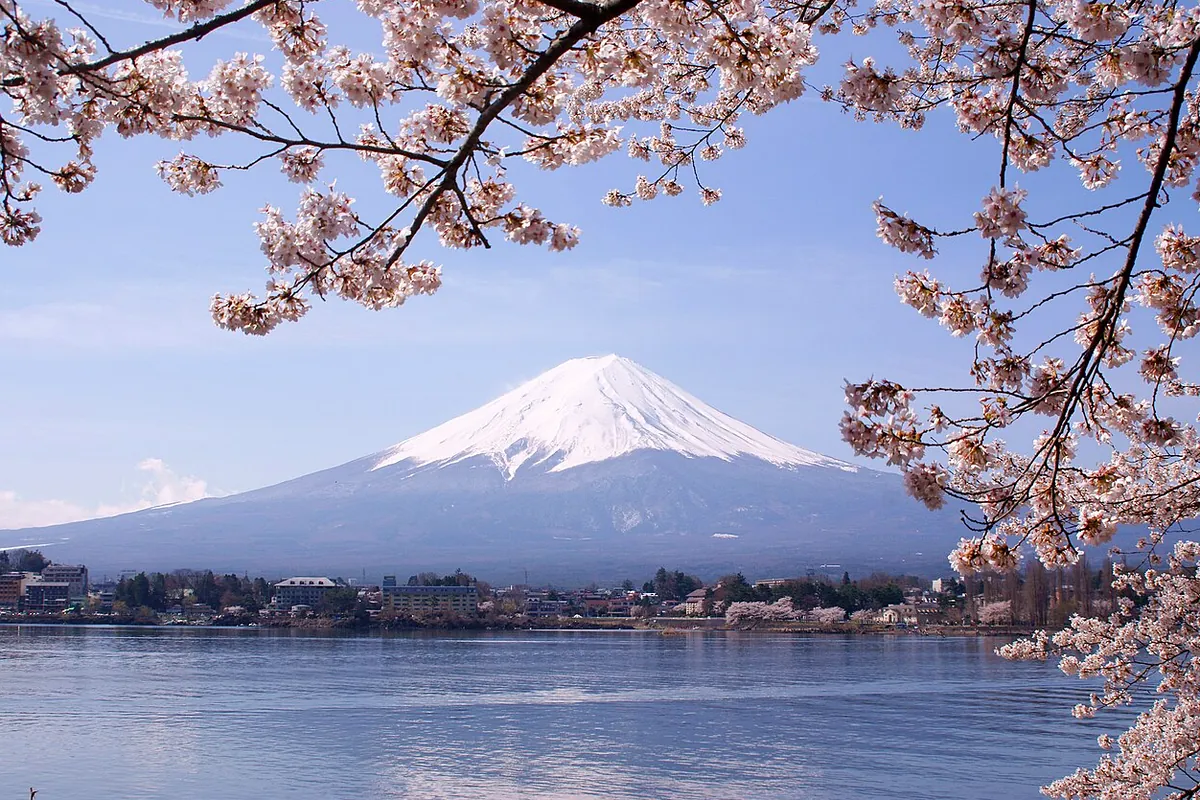
Oshino Hakkai’s spatial layout strictly honors the traditional Japanese philosophy of reverence for nature in the Land of the Rising Sun. Generations of villagers carefully lined water edges with dark volcanic lava stones, built moss-covered wooden waterwheels, and laid simple timber footbridges linking pondside pathways. Around the crystal-clear banks, traditional straw-thatched *Minka* farmhouses peek out beneath ancient pines and weeping willows, mirroring their silhouettes in the water alongside Mount Fuji’s symmetrical snow-capped cone on the horizon. This living landscape shifts effortlessly with the four seasons: soft pink cherry blossoms in spring, lush emerald foliage in summer, fiery crimson maples in autumn, and serene monochrome snowscapes in winter—creating an atmosphere both refreshing and deeply meditative.
Despite its secluded valley setting, Oshino Hakkai enjoys effortless connectivity to the greater Kanto plain. From bustling central Tokyo, the Chuo Expressway winds swiftly through mountain passes straight toward the foothills of Mount Fuji. For travelers preferring scenic rail journeys, the limited express Fuji Excursion train departs Shinjuku Station directly for Kawaguchiko Station with no transfers required. From there, a 25-to-30-minute ride on a local Fujikyu Bus drops visitors right at the Oshino Hakkai Iriguchi stop—where urban clamor immediately yields to the gentle murmur of millennial springs.
Stepping across the threshold of modern life into Oshino Hakkai, travelers are immediately captivated by a classical Edo-period rural layout where natural topography and human habitation interweave harmoniously. Unlike artificially constructed tourist villages or overly commercialized complexes, Oshino Hakkai preserves the authentic scale of an indigenous agricultural hamlet resting at the foot of Mount Fuji. Village pathways curve organically around the eight sacred springs in a living hydrological web: still ponds mirror dark timber facades, winding cobblestone paths trace clear-running streams, and narrow irrigation channels carry spring water into terraced fields and kitchen gardens—testament to an urban-rural philosophy rooted in respect for local climate and natural cycles.
The architectural soul defining the village’s unmistakable visual identity is traditional *Minka* vernacular housing, a classic building style reflecting centuries of ingenuity in adapting to Yamanashi’s harsh highland climate. Its most striking feature is the massive thatched roof known as *Kayabuki-yane*. Master thatchers harvested and dried wild *susuki* pampas grass, binding bundles tightly into dense roofs nearly half a meter thick pitched at steep angles exceeding 45 degrees. This steep pitch prevents heavy winter snowfall from Mount Fuji from accumulating and crushing the timber frame while providing natural insulation—keeping interiors cozy through freezing winters and pleasantly cool in summer.
Examining their structural engineering, Oshino Hakkai’s historic farmhouses serve as living museums of Japan’s famed *Kigumi* traditional joinery. Massive frameworks of Japanese cypress (*hinoki*) and cedar (*sugi*) are precision-carved and interlocked entirely through complex wooden mortise-and-tenon joints and wooden pegs without a single iron nail. The flexible yet resilient nature of *Kigumi* joinery enables structures to absorb and dissipate seismic shocks from frequent earthquakes. Stepping across the *engawa* wooden veranda into the interior, daily life centers around the sunken square *Irori* hearth set into the *tatami*-matted floor. Glowing charcoal embers inside the *Irori* not only warmed family gatherings, boiled kettle water for tea, and grilled sweet *ayu* river fish—its rising smoke continuously cured and dried the overhead *Kayabuki* thatch, preventing rot and repelling wood-boring insects year-round.
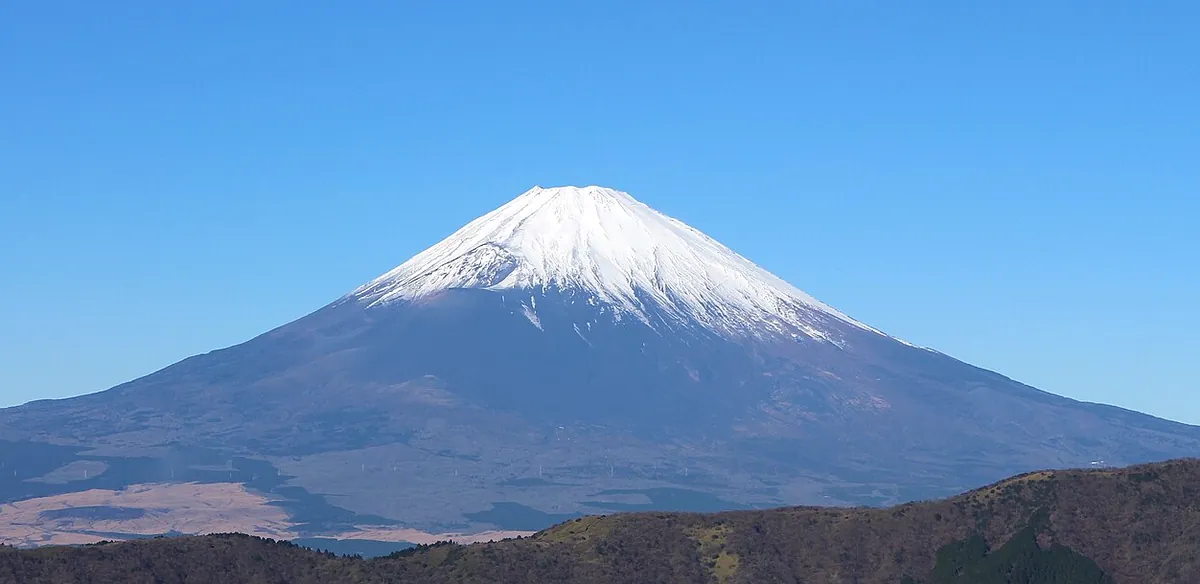
Oshino Hakkai’s overall layout is further enriched by auxiliary structures reflecting local geomancy and spiritual devotion. Rustic wooden bridges span crystal channels where trout dart among swaying emerald moss. Along the water’s edge, moss-draped wooden *Suiguruma* waterwheels turn steadily with the rhythm of time, recalling the village’s heritage of milling buckwheat for soba noodles. Tucked into quiet courtyard corners stand miniature *hokora* wayside shrines shaded by ancient cedars, alongside simple timber stalls offering charcoal-grilled mugwort *kusa mochi* rice cakes and heirloom pickled daikon. This seamless synthesis of sustainable vernacular architecture, sacred hydrology, and unspoiled ecology turns Oshino Hakkai into a living spatial masterpiece preserving centuries of nostalgic beauty untouched by modern distortion.
Worlds apart from flashy neon resort towns or large-scale artificial stage spectacles, Oshino Hakkai eschews intrusive mechanical projection technology to preserve an organic “living performance” choreographed solely by nature and history. The valley’s quiet symphony of shadow, stillness, and light begins at dusk: once daytime visitors depart, traditional shops and craft stalls slide shut their wooden *kuruma-do* shutters at sunset, returning the eight ponds to the sacred solitude they have known for centuries.
As twilight fades completely, Oshino Hakkai’s nocturnal illumination embodies a quintessential Japanese aesthetic: the subtle beauty of deep shadow and absolute minimalism. Nestled inside a high mountain valley free from urban light pollution, the night sky grows clear enough to reveal the Milky Way arching directly above Mount Fuji’s snow-crowned cone. Tranquil lanes are punctuated only by the warm amber glow of *washi* paper lanterns suspended beneath thick *kayabuki* thatched eaves. In the crisp mountain breeze, gentle lantern light shimmers across the crystal waters of Waku-ike and Nigori-ike, accompanied by the soothing murmur of subterranean spring water surging continuously through ancient basalt lava beds formed during the early Heian Enryaku eruption.
Nighttime in Oshino Hakkai offers a deeply meditative atmosphere recalling the spiritual pilgrimages of *Fuji-ko* devotees who flourished during the Tokugawa Shogunate. Centuries ago, after sharing a humble evening meal of hearty *Hōtō* vegetable noodle stew or salt-grilled river fish over glowing charcoal, pilgrims donned white *shirozoku* robes, carried bamboo torches, and performed *Misogi* water purification beside the sacred ponds beneath bright moonlight. Though large-scale nightly rituals no longer take place today, that same serene reverence lingers in every breath of mountain air, offering total detachment from the bustle beyond the valley.
Nature’s nocturnal cycle transitions into its most breathtaking spectacle at dawn, roughly between 7:30 AM and 9:00 AM. As the first rays of morning sunlight pierce drifting mist rising off Deguchi-ike Pond and dispel the valley chill, the entire landscape awakens in pristine clarity. Mirror-still Kagami-ike Pond acts like an optical glass lens reflecting the symmetrical silhouette of sacred Mount Fuji—a revered phenomenon known in Japanese as *Sakasa-Fuji* (Upside-Down Fuji). Pairing deep emerald snowmelt waters filtered through eighty years of volcanic rock with crisp azure skies creates a priceless visual masterpiece no modern lighting show could ever rival.
Traditional cuisine in Oshino Hakkai has remained intimately bound for generations to the endless snowmelt springs of sacred Mount Fuji. Valley soil and pure mineral water filtered through layers of basalt lava over decades shape not only the serene landscape, but also a culinary philosophy that is rustic, pure, and quietly refined. Strolling along winding stone paths beside clear streams, visitors are irresistibly drawn by fragrant woodsmoke drifting from historic kitchens where straw and charcoal fires still preserve the heirloom flavors of misty Yamanashi.
At the heart of local gastronomy reigns *Hōtō* noodle stew, holding an unrivaled place in both local heritage and culinary acclaim. Dating back to the Warring States (Sengoku) period and linked by legend to warlord Takeda Shingen—who served it as nourishing field rations to sustain his troops—Hōtō showcases the agricultural bounty of ancient Kai Province. Broad, flat wheat noodles, hand-kneaded without leavening, are simmered directly in a heavy cast-iron pot alongside golden-fleshed *kabocha* pumpkin, fragrant shiitake mushrooms, tender potatoes, and thin slices of pork. The soul of the dish lies in its rich miso broth: as the pumpkin slowly breaks down into the soup, it creates a velvety, golden consistency that warms body and palate against the crisp highland air.
Along wooden bridges spanning crystal-clear streams, glowing charcoal braziers lined with skewers of salt-grilled *Iwana* (char) and *Yamame* (landlocked masu salmon) offer an irresistible culinary sight. Both cold-water species thrive exclusively in ultra-pure mountain headwaters maintaining steady temperatures below 13°C like Oshino Hakkai. Skilled grill masters thread bamboo skewers through each fish in a graceful S-curve—mimicking the motion of swimming upstream—and dust the skin with coarse sea salt, applying extra salt to the fins and tail so they crisp without charring. Slowly roasted upright beside glowing embers, natural fats sizzle to crisp the skin golden-brown while keeping the delicate white flesh moist, sweet, and completely clean-tasting.
Alongside savory specialties, Oshino’s pastoral flavors shine in charcoal-grilled *Kusa-mochi* and fresh tofu crafted from Mount Fuji spring water. *Kusa-mochi* blends pounded glutinous rice with wild mountain mugwort (*yomogi*) gathered fresh from nearby hillsides, wrapped around a subtly sweet *anko* red bean paste center. Grilled directly over hot embers on an iron grate, the exterior puffs and blisters lightly, releasing a poetic, faintly herbal aroma. Nearby, blocks of fresh snow-white tofu submerged in cold rushing spring troughs testify directly to the purity of local water: made from whole soybeans simmered in mineral-rich spring water, Oshino tofu achieves a silky custard-like texture that melts on the tongue with a clean, creamy finish needing nothing more than a touch of soy sauce and freshly grated wasabi.
To conclude this distinctive culinary experience, no visit is complete without tasting the sacred spring water directly at Waku-ike Pond. Having completed its eighty-year natural filtration journey through volcanic basalt bedrock, the crystal water flows briskly from ornate bronze dragon spouts at a refreshing 10°C to 12°C. Crisp, faintly sweet, and invigorating, a sip washes away travel fatigue while revealing the secret behind a thousand years of pure, refined gastronomy at the foot of Mount Fuji.
To experience Oshino Hakkai’s otherworldly beauty in its most unspoiled state, timing your arrival makes all the difference. The ideal golden window for a tranquil waterside walk is between 7:30 AM and 9:00 AM, just as morning mist lifts from thick thatched roofs and early sunlight illuminates Mount Fuji’s snow-capped peak—casting a crisp reflection across mirror-still Kagami-ike Pond. Arriving early spares you from midday tour crowds while granting absolute stillness to hear ancient springs bubbling up through volcanic rock. Because the highland basin catches cool breezes descending from Mount Fuji, temperatures here typically run three to five degrees Celsius cooler than central Tokyo, making a windproof jacket, layered thermal wear, and supportive, slip-resistant walking shoes essential for navigating uneven cobblestone pond paths comfortably.
Reaching this eight-spring sanctuary from Tokyo is remarkably straightforward thanks to modern, versatile transit options. The most convenient public rail route is the direct limited express *Fuji Excursion* train departing Shinjuku Station for Fujisan or Kawaguchiko Station in under two hours, followed by a quick transfer onto a local Fujikyu sightseeing bus straight to the Oshino Hakkai stop. For families or small groups seeking total privacy and schedule flexibility, chartering a dedicated private vehicle—such as a 7-seat Toyota Alphard or 10-seat Toyota Hiace Commuter—allows effortless travel along the Chuo Expressway, making it easy to pair your visit with nearby Lake Yamanaka or Kitaguchi Hongu Fuji Sengen Shrine without watching a bus timetable.
A truly rewarding visit to Oshino Hakkai calls for at least two to two-and-a-half unhurried hours so you can explore all eight sacred ponds rather than snapping hasty photos around the busy central pools. Amid growing commercial tourism, savvy travelers should watch out for rushed itineraries that cut sightseeing short in order to funnel guests into roadside “duty-free” outlets selling overpriced health supplements. Choosing reputable, shopping-free itineraries preserves your precious time to savor hot ember-grilled *Kusa-mochi* mugwort cakes, enjoy a bowl of soba noodles cooked in pure spring water, or watch rainbow trout glide through crystal-clear Waku-ike Pond.
More than a scenic attraction, Oshino Hakkai remains a living sacred sanctuary guarding the lifeblood of Mount Fuji, so every visit should be accompanied by deep respect for local customs. Never toss coins into the ponds out of misguided wishes for luck—oxidizing metals directly harm delicate aquatic moss ecosystems and compromise the millennial purity of the snowmelt water. Always stay behind protective cedar railings along pond edges and carry out all personal litter to keep the historic village pristine. For an effortless journey guided by deep cultural insight and seamless logistics from visa arrangements to private transfers, consider booking an in-depth all-inclusive Japan tour package—opening the door to experience the authentic soul of Japanese heritage with grace and ease.