Nestled quietly beside the poetic Zuojiang River in Fusui County, Chongzuo City, Guangxi Zhuang Autonomous Region, the Nandong Scenic Area (南洞风景区) rises like an open-air geological and historical museum amid the skies of Lingnan. The genesis of this majestic complex dates back to intense tectonic movements of the Earth’s crust during the Devonian and Carboniferous periods, roughly 300 to 350 million years ago. Across hundreds of millions of years of marine regression and patient erosion by water and time, thorough karstification hollowed out the limestone massif to sculpt a colossal cavern network adorned with fantastical stalactites and stalagmites. Far beyond a purely natural wonder, its vast, rugged subterranean chambers and abundant underground streams prepared an ideal stage to receive humanity’s earliest footsteps.
Rewinding the chronicles to the Qin and Han dynasties, as political upheavals from the north began surging southward, the Fusui region in general—and Nandong Cave in particular—became a vital sanctuary sheltering indigenous communities. Within the vast shadows of these limestone vaults, ancient Baiyue peoples—notably the Xi’ou and Luoyue branches—leveraged the rugged terrain to build dwellings, store provisions, and sustain daily life. At that time, the cavern functioned as an impregnable natural fortress, helping early inhabitants withstand harsh, miasmic mountain climates as well as the advancing cavalry of early imperial expeditions establishing the commanderies of Jiaozhi and Jiuzhen.
Entering the Tang and Song eras, Nandong Cave transformed once again into a stronghold amid regional political turbulence and local autonomy. This was the era when indigenous Zhuang tusi chieftains rose to prominence along the Zuojiang River basin. Confronted with strict central imperial oversight and assimilation policies, local chieftains turned Nandong’s labyrinthine network of winding galleries into a hidden sanctuary for stockpiling supplies and organizing resistance. Its strategic layout—”ideal for launching offenses when advancing, impregnable when defending”—made the cavern an unyielding subterranean bastion, inscribing poignant chapters of indomitable resilience to safeguard Zhuang cultural autonomy and ancestral customs through prolonged frontier campaigns.
Once the smoke of warfare cleared during the Ming and Qing dynasties, Nandong Cave donned the refined mantle of a premier scenic retreat. Situated close to busy riverine trade routes along the Zuojiang River, the cavern’s serene, secluded beauty acted as a magnet drawing poets, scholars, and imperial officials to moor their boats and explore on foot. Awed by stalactite formations worthy of an immortal paradise, many literati left their mark through eloquent prose and poetry carved directly into the cliff walls. Ancient cliff inscriptions (moya stone carvings) executed in regular, seal, and cursive calligraphy scripts survive intact today, bearing witness to a golden era uniting breathtaking natural scenery with the scholarly spiritual life of classical intellectuals.
During the turbulent modern era of wars of national defense, history once again entrusted Nandong Cave with a vital mission. Protected by thick natural limestone ceilings capable of shielding against aerial bombardment alongside natural ventilation shafts, the cavern was requisitioned as a strategic grain depot and secure air-raid shelter for soldiers and local villagers alike. Spanning over three hundred million years of geological formation and millennia of human cultural sediment, Nandong Cave today stands not only as Chongzuo’s iconic landmark, but as a living stone epic chronicling the enduring bond between humanity and nature across every tide of history.
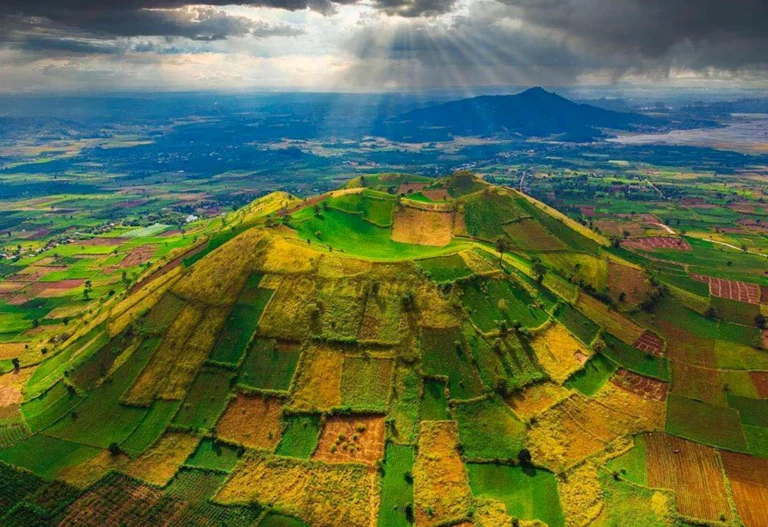
Nestled within the southwestern basin of Guangxi, the Nandong Scenic Area is sculpted from ancient limestone strata—the legacy of tectonic uplift and karstification unfolding over millions of millennia. Viewed from afar, the entire landscape unfolds like a serene ink-wash painting of sheer limestone karst peaks rising in undulating ranks amid drifting white clouds. Its topography exemplifies a pristine tropical karst ecosystem, where weathered gray rock faces sculpted over countless seasons by wind and rain assume monumental, rugged contours imbued with the solemn stillness of primeval creation.
The lifeblood nourishing this singular ecosystem springs from an extraordinary ancient hydrological network tied to millennia-old subterranean streams of the Zuojiang River (左江) basin. Headwaters filter through countless fissures in the limestone bedrock, gathering silently into a dramatic underground river network before emerging on the cavern floor. There, subterranean currents open into mirror-still jade pools so crystal-clear that visitors can see straight to the bottom, where smooth river pebbles rest undisturbed and shimmering stalactites reflect in magical symmetry. Continuous underground circulation keeps the water perpetually pure while moderating the interior microclimate year-round, maintaining a refreshingly cool atmosphere completely insulated from the heat outside.
Viewed through classical geomantic geography, Nandong Cave commands a rare terrain celebrated by the ancients: “narrow at the entrance, expansive within, blessed with a freshwater subterranean spring.” The cavern mouth narrows like the neck of a calabash gourd, forming a natural screen that retains vital energy and shuts out worldly clamor. Yet the deeper one ventures into the mountain, the more dramatically the space opens up, gathering abundant auspicious energy from southwestern mountain veins. The vaulted chamber acts like a jade treasure basin where converging water generates vitality, fed by an inexhaustible underground spring—embodying the classic ideal of sheltering wind and gathering energy to bestow protection, harmony, and completeness upon this sacred landscape.
Cloaking this geological masterpiece is lush primary tropical vegetation draped like an emerald mantle across jagged karst slopes. Clinging tenaciously to sheer rock walls where only bare stone seems possible, ancient ferns tracing lineage back to prehistoric eras spread vibrant green fronds to drink in cool mist rising from the cavern mouth. Woven among thick carpets of moss, graceful wild Solomon’s seal vines drape over stone arches—adding wild, mystical beauty while providing prized medicinal herbs nurtured by heaven and earth. Together, primeval flora, ancient mineral formations, and crystal-clear subterranean waters weave an isolated, pristine ecosystem untouched since dawn of time.
Approaching Nandong Cave from outside, any seasoned traveler is immediately awed by the monumental scale of its natural Triple-Arch Gate—a rare geological marvel. Not chiseled by human masons, this gateway is a colossal monolithic limestone arch soaring over 30 meters high, standing sentinel amid the forest like a surreal portal leading into a fairy realm. Tapering gracefully toward both flanks in near-golden aesthetic proportions, the stone arch opens like a giant velvet curtain framing millions of years of weathering hidden inside the ancient karst massif.
Venturing deeper inside, Nandong’s interior reveals an intricate, ever-shifting natural architecture. The entire complex forms an interconnected cavern labyrinth linking hundreds of chambers large and small via dramatic winding rock corridors. Each gallery varies in ceiling height and floor expanse, generating continuous visual surprises—from intimate, mysterious narrow passages to vast subterranean halls rivaling underground cathedrals. This multi-tiered cave structure not only records multi-stage geological evolution, but creates distinct microclimatic zones where circulating underground breezes carry crisp, refreshing moisture year-round.
The crowning highlight inside the cavern lies in its one-of-a-kind stalactite formations, showcased through state-of-the-art artistic illumination. Scenic area management demonstrated thoughtful ecological stewardship by eliminating high-wattage heat-generating floodlights that harm native cave microflora. Instead, thousands of low-heat, color-changing recessed LED fixtures are concealed discreetly behind natural rock ledges. Soft, carefully calibrated light spectra filter through fissures to illuminate the Southern Sky Pillar—a monumental stone column rising as though propping up the southern heavens in solemn majesty. Nearby, the Fairy Mirror Pool gleams like polished jade as pure mineral droplets fall steadily onto its glass-still surface, scattering silver reflections. Deeper still, the Dragon Palace unfolds with cascading curtains of stalactites draped like embroidered brocade, their sparkling calcium carbonate crystals conjuring the illusion of an imperial underwater palace.
Beyond aesthetic splendor, investment at Nandong Cave reflects international standards of sustainable ecological conservation. Rather than leveling cavern floors or intruding heavily upon sedimentary strata, engineers built an elevated suspended walkway system. The visitor trail winds gracefully along cliff walls via corrosion-resistant stainless-steel boardwalks paired with load-bearing transparent glass skywalks jutting out into space. This elevated support design keeps every footstep safely separated from the original geological floor—giving visitors the exhilarating sensation of floating through midair inside the cavern while completely preventing mechanical damage to fragile young stalactites still growing drop by mineral drop.
As sunset fades and dusk blankets the undulating limestone peaks surrounding Nandong Scenic Area, an entirely different persona of this geological marvel awakens. Unlike its quiet daytime poise, nightfall unveils a dazzling visual spectacle inside the subterranean chambers, where artistic illumination merges delicately with million-year-old mineral formations. The silent cavern becomes a grand live-action stage as colored light beams weave across stalactites, awakening monumental silhouettes hidden in darkness for millennia.
At the heart of Nandong’s nocturnal experience is its sophisticated multi-hue recessed lighting system tucked subtly into natural crevices and along winding stone paths. Precision LED arrays cast carefully tuned color temperatures across soaring vaults, accentuating every layered contour of stalagmites and limestone draperies. The most breathtaking visual moment occurs where light reflects off crystal-clear subterranean pools as still as giant mirrors—capturing rich shades of sapphire, emerald, and warm amber to create illusions of boundless depth, vividly evoking a royal Dragon Palace beneath deep waters or Fairy Pools from Eastern mythology.
Going beyond pure visual spectacle, evening cave exploration immerses visitors in a multisensory journey through spatial-audio guides integrated with Augmented Reality (AR) and Virtual Reality (VR). Wearing personalized smart headsets, travelers trigger rich surround-soundscapes automatically as they enter each chamber—recreating the chime of mineral droplets echoing across millennia alongside resonant narration recounting geological genesis and local legends tied to Nandong’s mountain veins. Digital overlays blend seamlessly into real-world sightlines, animating the passage of geological time from primeval seas to cavern formation and turning an evening stroll into an unforgettable living history lesson.
Outside the cavern mouth, the nocturnal atmosphere takes on a tranquil, deeply poetic character. After concluding their underground exploration, visitors can stroll leisurely along mountain footpaths where rustling forest breezes mingle with evening cicadas in peaceful rural rhythm. The mystical allure of night paired with refined lighting transforms Nandong Cave from a static wonder into a living entity, leaving an indelible impression on all who cherish the harmony of majestic nature and contemporary technology.
Exploring Nandong Cave inspires awe at soaring stalactite vaults and murmuring underground streams piercing limestone mountains, while simultaneously opening a window into authentic regional cuisine rooted in Fusui County of Chongzuo. Local culinary culture represents a seamless marriage between the bounty of rugged karst ecosystems and millennia-old folk wisdom of the indigenous Zhuang people. Every rustic dish served at the foot of the mountains carries the breath of deep forests, the timeless flow of the Zuojiang River, and multi-generational family recipes—crafting a flavor map at once earthy, pure, and deeply memorable.
Right from the opening course of a traditional feast, diners are introduced to the delicate elegance of celebrated Chongzuo Steamed Chicken with Wild Lime Leaves. Indigenous free-range hill chickens spend their days foraging across craggy limestone outcrops for wild grass seeds and insects, developing firm, lean meat, crisp skin, and a deep natural sweetness unmatched by commercial poultry. Fusui cooks prepare the dish with utmost restraint to honor natural purity: cleaned chicken is seasoned lightly with coarse sea salt and crushed aged ginger, resting atop a bed of young wild lime leaves gathered from cliffside trees before steaming over boiling water. As fragrant steam rises, bright citrus oils from the wild lime leaves infuse every glossy morsel, awakening the senses after a long walk through cool caverns.
Looking down from limestone heights toward the winding Zuojiang River, mineral-rich waters flowing out of Nandong’s underground springs nourish thriving populations of wild stream fish. Crispy Fried Zuojiang Stream Fish is revered as a delicacy distilling the very soul of borderland rivers. Local fishermen cast hand nets at dawn to select finger-sized stream fish with plump bodies and gleaming silver scales. Lightly seasoned only with crushed wild mountain pepper and sea salt, the fish are flash-fried in bubbling oil until their scales turn golden and shatteringly crisp while keeping the interior moist and sweet. Served piping hot alongside fresh wild betel leaves foraged near the cavern entrance, wrapping and chewing each bite slowly releases a harmonious burst of nutty richness, numbing mountain pepper warmth, and aromatic wild herbs.
No local culinary portrait would be complete without the vibrant colors and spiritual symbolism of traditional Zhuang Five-Color Sticky Rice—an emblem of good fortune, abundance, and five-element harmony. Plump upland glutinous rice grains are steeped painstakingly in natural botanical infusions: mystical violet from magenta plant leaves, jade green from fragrant pandan leaves, bright gold from simmered turmeric and wild roots, and rich crimson from ripe gac fruit pulp. Steamed slowly in wooden barrels over gentle wood fires, the rice turns glossy, chewy, and fragrant with countryside aromas. It is traditionally paired with heirloom smoked pork—free-range pork belly cured with forest spices and hung over pine-wood hearth smoke for months to achieve deep savory-sweet richness that complements the fragrant sticky rice to perfection.
To conclude the meal and chase away the lingering damp chill of underground stalactite caverns, nothing warms body and spirit quite like a bubbling Guangxi-style Sour Bamboo Shoot Duck Hotpot. Locals select free-range river ducks raised along grassy riverbanks—prized for tender, aromatic meat without excess fat—chopped into bite-sized pieces and seared briskly with garlic, shallots, and bird’s-eye chilies. The soul of the broth lies in artisan fermented bamboo shoots cured according to highland village tradition: tender wild bamboo shoots thinly sliced and fermented in earthenware crocks with natural rice-washing water for weeks until developing a bright, clean tang with a deep sweet finish. As the hotpot bubbles vigorously at the table, aromatic steam carries invigorating sweet-sour heat paired with tender simmered duck, leaving an unforgettable impression of a landscape both grand in scenery and rich in human warmth.
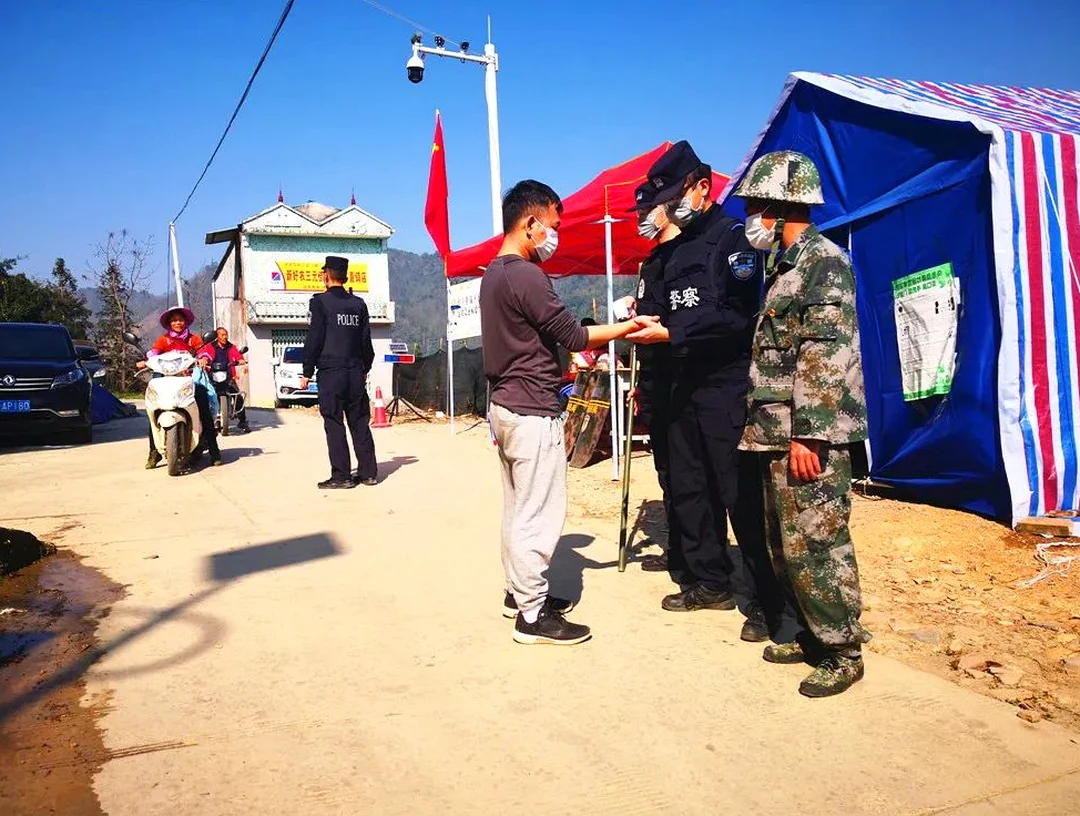
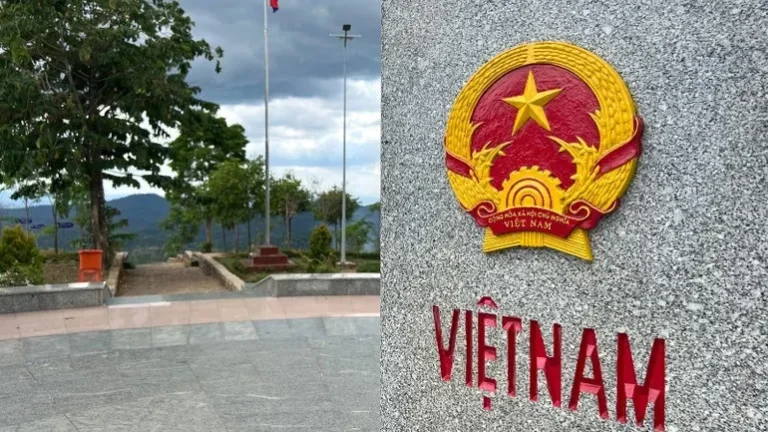
Regarding border formalities and travel preparation, visiting Nandong Cave offers remarkably convenient access thanks to its location just across the northern frontier belt. For Vietnamese travelers departing neighboring provinces, crossing via Huu Nghi Quan International Border Gate in Lang Son serves as a classic commercial and cultural corridor steeped in centuries of cross-border exchange. Rather than navigating lengthy consular visa procedures, eligible travelers can use a Border Entry-Exit Travel Permit to clear immigration smoothly within minutes at Pingxiang checkpoint—opening the gateway straight into Chongzuo and Fusui County, where Nandong’s pristine karst wonders await.
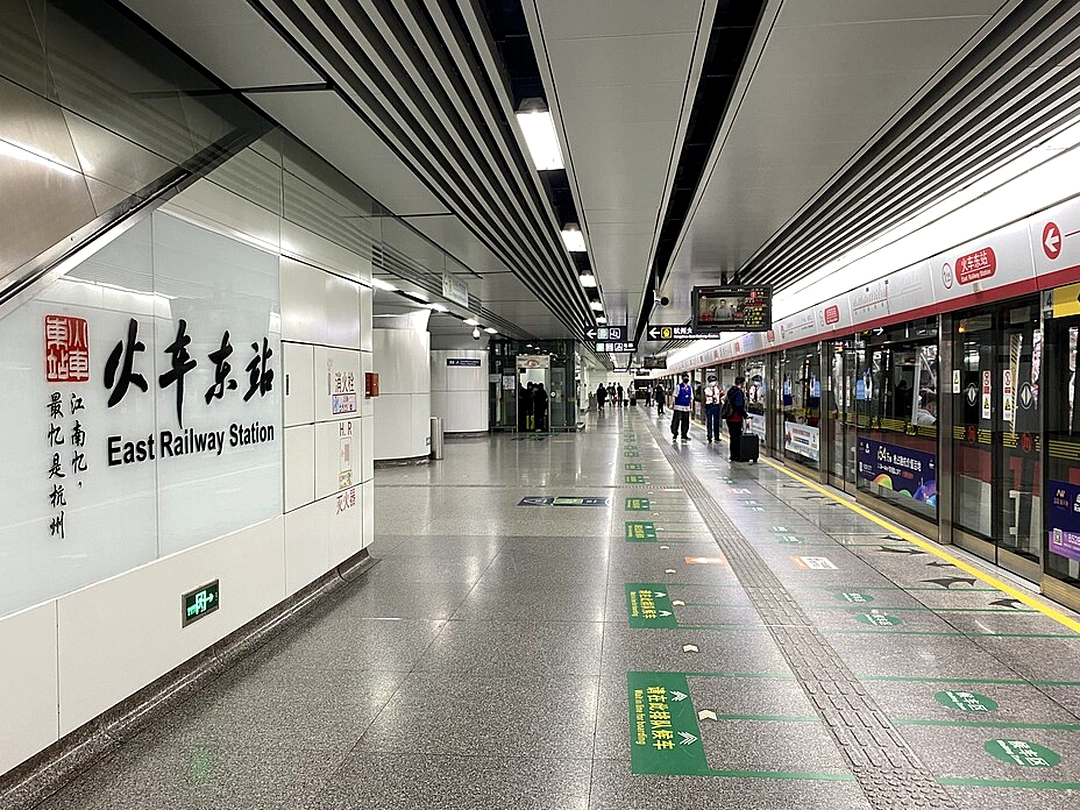
From major urban hubs across Guangxi Zhuang Autonomous Region, modern transportation networks ensure punctual, effortless connections. The smoothest and most relaxing option is boarding a high-speed train from Nanning Station southward to Fusui South Station, gliding past dramatic limestone valleys in just 25 to 30 minutes. Upon stepping off at Fusui South Station, dedicated tourist shuttles or local taxis wind past peaceful Zhuang villages for roughly 30 to 45 minutes straight to the scenic area’s main gate. Typically, the scenic area welcomes visitors daily from 8:30 AM to 5:30 PM—ideal hours when bright outdoor daylight contrasts vividly against the enchanting artistic lighting deep inside the cavern.
The cavern interior forms a self-contained microclimate sustained by millennia of moisture condensing through Paleozoic limestone fissures. Ambient temperatures inside consistently stay 3 to 5 degrees Celsius cooler than outdoors, delivering an immediate refreshing chill the moment you step beneath the natural stone archway. Continuous evaporation from underground streams and stalactites coats stone steps in a thin, slick film of moisture, making supportive athletic shoes with high-traction rubber soles indispensable for safe footing. Packing a light windbreaker also helps keep you comfortable when pausing to admire thousand-year-old stalactite columns. For photography enthusiasts, given the dramatic contrast between brightly lit stalactite alcoves and deep vaulted ceilings, bringing a capable camera or smartphone with Night Mode and a wide-angle lens captures the full majesty and shimmering mineral textures witnessed by the naked eye.
To absorb Nandong Cave’s mystical beauty without rushing, dedicate a full half-day to strolling unhurriedly, listening to the rhythmic chime of falling water droplets, and contemplating the geological heritage of this borderland. Choosing a pure sightseeing itinerary—free from mandatory commercial shopping stops that mar bargain group tours—is essential to preserving your energy and peace of mind. A truly rewarding journey lies not only in the destination, but in unhurried elegance and thoughtful care for every visual and cultural moment. For a seamlessly organized trip covering border clearance, comfortable transfers, and in-depth exploration, explore our all-inclusive China tour packages crafted to deliver a refined and memorable journey.