Along the millennial course of the Yongjiang River, Nanning—capital of the Guangxi Zhuang Autonomous Region—was long known as a tranquil Lingnan frontier outpost whose history intertwined with the Song, Yuan, Ming, and Qing dynasties. Yet as the wheel of time turned into the new century, the face of this borderland city underwent a strategic historic transformation. Rather than emerging from moss-draped tiled roofs or ancient ramparts, The MixC Nanning (南宁万象城) rose as a standout monument to an era of modernization and deep international integration. This colossal commercial and exhibition complex acts as an observatory reflecting Nanning’s ascent from a frontier town into Southwest China’s premier international trade hub.
Viewed in person, The MixC Nanning rises like a monumental contemporary sculpture in the heart of a thriving metropolis. Its facade is clad in expansive panels of high-grade tempered glass interwoven with fluidly curving metal framing, mirroring the shifting light of passing clouds and energetic street life below. Multi-story sky-lit atriums flood the interior with natural daylight, carving out sweeping geometric lines and creating an extraordinary sense of openness across international exhibition halls, luxury retail galleries, and conference venues.
The origins of this urban icon are closely bound to early twenty-first-century geopolitical shifts. In October 2006, the Nanning Municipal Government officially approved the master plan for the ASEAN Business District—a strategic move to build world-class infrastructure supporting the China–ASEAN Free Trade Area (CAFTA) and the annual China–ASEAN Expo (CAEXPO). Redeveloping the rolling hills on the city’s eastern flank not only expanded urban administrative space, but also laid the foundation for a commercial heart worthy of Nanning’s role as a maritime gateway and overland crossroads linking mainland China with Southeast Asia.
Guided by that macro vision, China Resources Land (华润置地)—one of China’s premier urban real estate and infrastructure developers—committed substantial resources to turn the master plan into reality. After years of dedicated construction, the center officially opened its doors to its first visitors on September 1, 2012. This landmark debut reshaped Guangxi’s high-end retail landscape and cultural-economic event space, turning The MixC into a magnet drawing multinational corporations and travelers from near and far.
Building on its initial success, a major expansion and spatial upgrade between 2018 and 2020 further elevated the complex. Driven by the completion of regional high-speed rail networks that dramatically shortened travel times between major cities and fueled cross-border tourism, this continuous evolution of both floor area and functionality cemented The MixC’s enduring vitality at the forefront of a new economic era.
Examining the broader geomancy of the ancient Lingnan region, Nanning has long been blessed with the lush ecological mantle of China’s “Green City,” where auspicious landforms converge along both banks of the silt-rich Yongjiang River. Within the urban layout of this historic Baiyue heartland, Qingxiu District shines like a jewel in the southeast, inheriting vital energy flowing down from the majestic Shiwandashan mountain range toward the sea. Located at No. 136 at the prominent intersection of Minzu Avenue and Qingxiu Road, The MixC Nanning commands a prime strategic focal point within the ASEAN Financial District—poised like a drawn bow at the center of a dynamic economic basin opening to the world.
From a traditional landscape perspective, the site enjoys the protective embrace of Mount Qingxiu—ancient Yongzhou’s millennial geomantic emblem of ninety-nine undulating hills resembling a flock of alighting phoenixes. A solid mountain backdrop paired with an open, expansive foreground facing major arterial boulevards creates a classic wind-sheltering, energy-gathering configuration. Though the Yongjiang River does not flow directly past the complex’s doorstep, its presence acts as a nourishing hydrological artery carrying cooling moisture inland from the Gulf of Tonkin to temper the warmth of dense urban architecture. In modern urban geomancy, the crisp orthogonal intersection of wide boulevards framing the complex forms a “Four Waters Converging” pattern that channels commerce and prosperity straight toward the exhibition center.
Achieving today’s proud, cosmopolitan skyline required a remarkable transformation in human geography. Just a few decades ago, the Yongjiang basin outside Nanning’s old city walls consisted largely of weathered red-soil hills and seasonal wetlands suited mainly to wet-rice cultivation, local crops, and small-scale seasonal border trade. Historic opportunity transformed that quiet agricultural belt into the beating heart of the ASEAN International Business District—turning rolling hills into a thriving financial and diplomatic hub welcoming major capital inflows, trade delegations, and M.I.C.E. travelers from across Southeast Asia.
Surrounding landscape design reflects deep respect for native topography, turning rolling terrain into a distinctive multi-tiered visual asset. Rather than mechanically flattening the land, architects followed natural slopes to step entrance plazas, lower concourses, and open-air squares in graceful, undulating rhythms. Signature tropical flora of Guangxi—including clusters of date palms, oil palms, and vibrant hibiscus—is woven thoughtfully into streetscapes to create a lush green buffer sheltering visitors from urban heat, transforming the complex into an ecological oasis uniting open nature with architectural brilliance.
Stepping onto the grounds of The MixC Nanning (南宁万象城), visitors are immediately struck by the sheer scale of one of Southern China’s largest commercial and entertainment complexes. Spanning a gross floor area ranging from 120,000 to over 270,000 square meters, the landmark functions as a self-contained urban microcosm that has redefined the spatial identity of Guangxi’s capital. Built upon a seamless synthesis of contemporary aesthetics and multi-level spatial engineering, it blurs the boundaries between retail commerce, public art appreciation, and community life—standing as vivid proof of the investment power anchoring the Beibu Gulf economic zone.
The overarching architectural language embraces Modern Minimalism. Avoiding fussy ornamentation, architects distilled clean geometric volumes softened by sweeping, aerodynamic curves wrapping the exterior perimeter to lighten the visual mass of the structure. The defining visual statement lies in its expansive curtain wall of oversized tempered glass panels enveloping the building like a giant crystal ribbon. This intelligent thermal-insulating and reflective glass maximizes natural daylight inside while mirroring the vibrant city skyline outside; once night falls, programmable architectural lighting transforms the entire facade into a radiant light sculpture shifting smoothly through luminous color spectra.
Venturing inside, the layout unfolds as a seamless circulatory world anchored by soaring multi-story atriums aligned along the primary pedestrian axis. Reaching straight up to sky-lit roofs, these dramatic voids act like light funnels distributing daylight evenly across every level. From upper-level balconies, visitors look out over sweeping panoramas of lower concourses where pedestrian flows weave gracefully like the lively arteries of a city within a city. Any sense of enclosure vanishes thanks to generous ceiling heights paired with a refined neutral palette of pearl white, silver gray, and warm wood accents—harmonizing matte-polished natural stone floors with sleek curved metal balustrades to guide guests effortlessly from space to space.
The transition between opulent interiors and outdoor ecological landscapes flows smoothly through the central open-air plaza. Here, refreshing pockets of tropical greenery meet contemporary sculptural form through thoughtfully curated abstract art installations that invite curiosity and lend cultural depth to pedestrian promenades. Anchoring the heart of the outdoor square is a choreographed musical fountain—the true soul of the exterior landscape—where soaring water jets, sweeping symphonic scores, and submerged underwater lighting turn every evening into a multi-sensory feast of sight and sound.
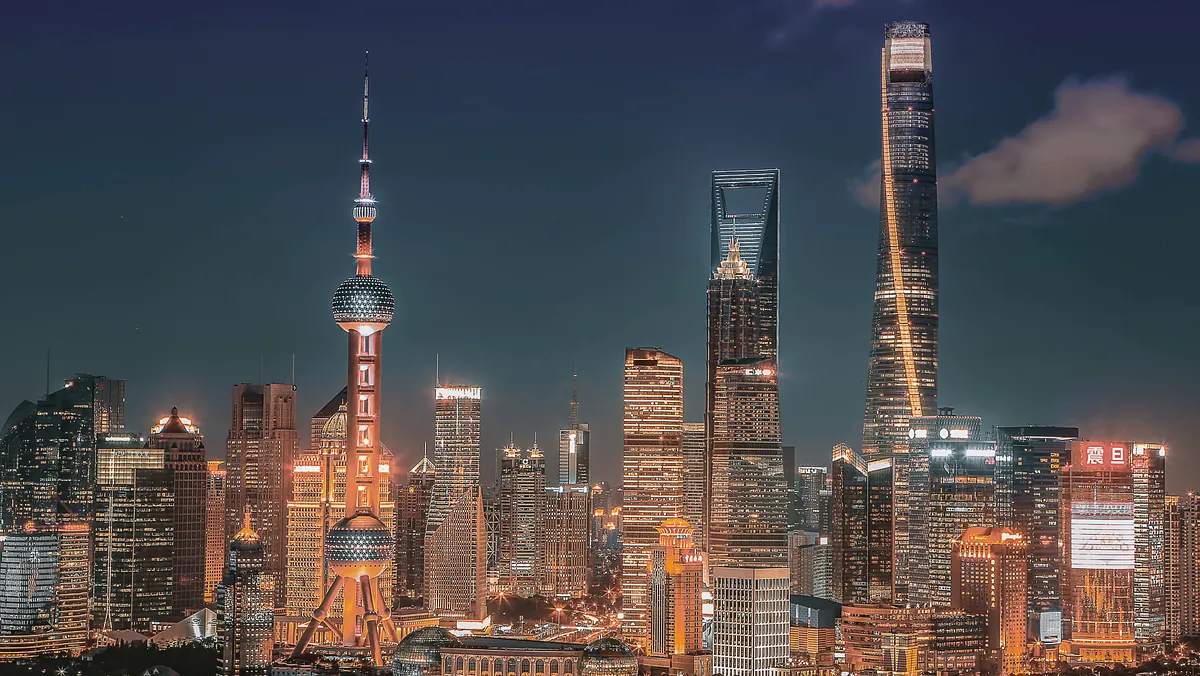
As twilight settles over Minzu Avenue in Qingxiu District, The MixC Nanning sheds its poised daytime elegance to enter an enchanting metamorphosis of light and music. Synchronized exterior architectural lighting awakens, transforming the colossal ocean-liner-like silhouette into a giant optical sculpture in the heart of the city. Matrix LED strips trace the aerodynamic curves of the glass-and-alloy facade, sending gentle waves of light rippling across terraced plazas below in an ambitious contemporary visual showcase worthy of Guangxi’s premier lifestyle destination.
Drawing crowds after dark is the outdoor musical fountain plaza, where precision hydraulic engineering meets multi-layered laser light choreography. High-pressure water columns surge skyward—swirling energetically to dramatic symphonic crescendos before softening into gossamer ribbons drifting through fine mist generated by micro-nozzles. Beneath the water’s surface, hundreds of color-shifting submerged spotlights weave kaleidoscopic patterns, turning the basin into a shimmering canvas while visitors feel the deep pulse of bass notes and cool mist on their skin.
Directly adjacent to the dazzling fountain stage lies a European-inspired pedestrian promenade where evening energy adopts a romantic, unhurried charm. Along natural stone walkways, neoclassical lampposts cast warm golden pools of light that contrast gracefully with sleek glass storefronts showcasing international luxury houses. Cultural observers regard the window from 2:00 PM to 9:00 PM as the golden hours to experience this rhythmic shift—beginning as slanting afternoon sunlight warms outdoor bistro cafés and transitioning into cool evening breezes inviting leisurely strolls past open-air contemporary sculptures and interactive light installations.
After-dark vitality at The MixC captures the essence of Lingnan’s thriving “night economy,” where vibrant social life truly awakens once the sun dips behind the Qingxiu hills. Al fresco dining terraces fill with the aromas of artisanal desserts and fine Asian and European cuisine alongside lively conversation among local trendsetters and visitors—fusing high-tech fountain spectacle, public sculpture, and cosmopolitan energy into an unforgettable nocturnal atmosphere in Nanning by night.
Exploring the culinary scene at The MixC Nanning offers a multi-layered gastronomic journey where Guangxi’s bold regional flavors harmonize with classic Lingnan Cantonese traditions and contemporary international dining. Tucked throughout the bustling complex, dining zones function as far more than rest stops—serving as a living culinary archive reflecting local eating habits, nostalgic flavors, and southern borderland hospitality from sizzling open kitchens to refined upper-floor dining rooms.
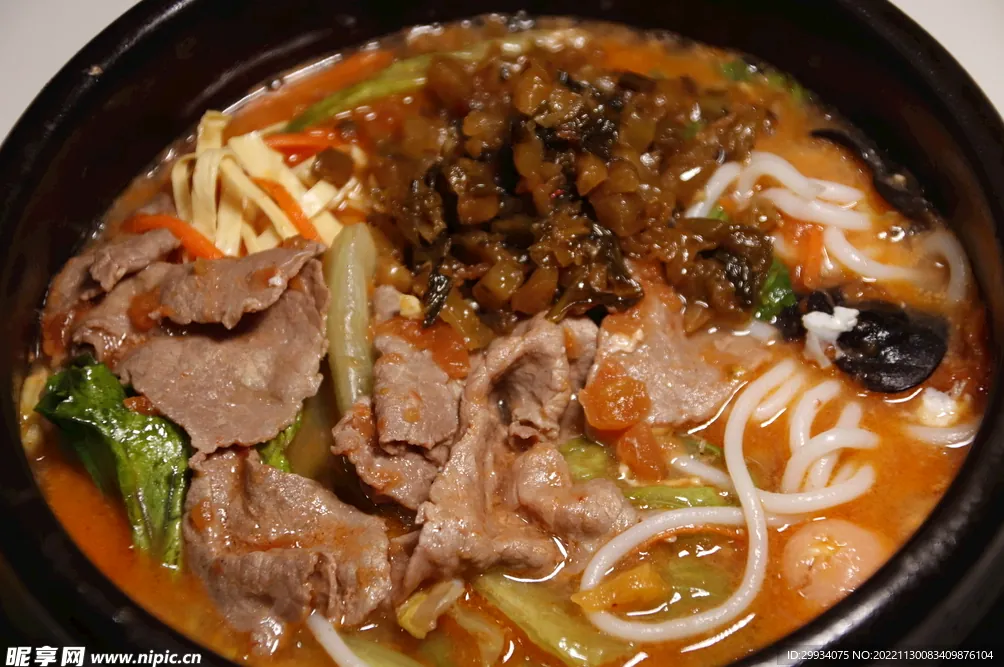
Holding pride of place on the local culinary map is Liuzhou River Snail Rice Noodles (Luosifen / 柳州螺蛳粉), an iconic specialty that has transcended regional boundaries to become a celebrated culinary treasure of Guangxi. Within The MixC, spotless modern eateries preserve every authentic detail of this beloved street classic: broth simmered for hours from fresh river snails and pork marrow bones infused with cloves, black cardamom, star anise, and cassia bark yields deep, savory sweetness, crowned by the unmistakable pungent crunch of earthenware-fermented pickled bamboo shoots (suansun), fiery chili oil, crisp roasted peanuts, shredded wood-ear mushrooms, and golden fried tofu skin. Pairing springy rice noodles with bold, spicy broth delivers an exhilarating taste of southern river-town life.
Alongside aromatic snail noodles, Nanning barbecue (Shaokao) tells another vivid story of nocturnal street-food culture in ancient Yongcheng. Distinct from cumin-heavy northwestern skewers or sweet eastern glazes, barbecue at The MixC reflects southwestern terroir through tangy-sweet plum sauce and local chili powder. Skewers of tender beef, chicken wings, crunchy pork tendons, and whole grilled fish seasoned with Sichuan pepper and cumin sizzle over glowing coals, brushed with tart purple plum glaze that imparts an irresistible sheen and balances smoky richness.
Ascending to the airy upper levels of the complex, dining shifts toward the refined elegance of Cantonese dim sum and fine Lingnan cuisine. Geographic proximity and centuries of migration along the Xijiang River basin closely link Nanning’s palate to classic Cantonese gastronomy. Here, traditional Yum Cha tea service unfolds amid steaming bamboo baskets filled with translucent crystal shrimp dumplings (har gow) revealing sweet, snappy whole prawns, fluffy barbecue pork buns brimming with rich ruby glaze, and tender steamed spare ribs with fermented black beans—complemented by banquet classics like oyster-sauce braised abalone and crisp-skinned roast duck.
Completing the flavor journey is China’s contemporary craft tea culture, anchored by flagship boutiques from leading brands such as Chagee (霸王茶姬), Heytea (喜茶), and Nayuki (奈雪的茶). Designed like sleek modern art galleries, these tea salons pair single-origin leaves from Yunnan and Fujian or high-mountain oolongs with fresh pasteurized milk and ripe tropical fruit. Sipping jasmine-scented milk tea or crisp snow-mountain green tea connects millennia-old tea heritage with the cosmopolitan pulse of Nanning’s premier lifestyle hub.
Located along bustling Minzu Avenue in Qingxiu District, The MixC Nanning (南宁万象城) enjoys seamless connectivity via the city’s modern transit network. The complex connects directly to Nanning Metro Line 1: passengers simply alight at MixC Station (万象城站) and follow Exits C or D straight into the B1 concourse without stepping outdoors, avoiding sudden rain showers or summer heat. For travelers arriving by high-speed rail at Nanning East Railway Station (南宁东站), the complex is just a ten-minute taxi ride or three short metro stops away. Retail galleries and exhibition spaces welcome guests daily from 10:00 AM to 10:00 PM, extending to 10:30 PM on weekends and traditional holidays for evening light shows and dining.
Embracing Asia’s cashless digital urban lifestyle, visitors should note that physical cash and foreign swipe cards are rarely used at checkout counters inside The MixC. Installing and verifying domestic mobile payment apps such as WeChat Pay or Alipay linked to an international Visa or Mastercard ahead of time is essential for effortless QR-code payments across restaurants, artisan tea salons, and luxury boutiques. Carrying an active international roaming plan or travel eSIM also ensures smooth access to the complex’s digital floor directories as well as instant translation and navigation tools.
International shoppers at The MixC should also take full advantage of China’s Value-Added Tax (VAT) Refund policy. For same-day purchases totaling at least 500 RMB at participating Tax-Free stores, present your original passport and receipts at the Customer Service Center on Level 1 to complete tax-refund validation. After processing fees, net refunds typically range from 9% to 11%, offering substantial savings on fashion, cosmetics, and fine crafts; be sure to keep purchased items sealed alongside original receipts for customs inspection upon departure at Nanning Wuxu International Airport or Friendship Pass (Youyiguan) border checkpoint.
In stark contrast to mass-market tours bogged down by mandatory stops at overpriced commercial outlets, exploring The MixC Nanning embodies modern, transparent, self-directed travel. Embracing a strict “No Shopping Tour” philosophy gives travelers complete freedom over their time and budget in a landmark uniting contemporary architecture and vibrant urban culture. To experience the lush beauty of Nanning alongside world-class shopping without worrying about border formalities or transit logistics, consider booking a thoughtfully curated all-inclusive China tour package tailored to every detail.