In the endless flow of urbanization and cultural exchange, the concept of the department store has transcended the framework of a mere shopping stop to become a mirror reflecting the ups and downs of socio-economic history. Rooted deeply in the traditional markets of prosperous trading ports for millennia and having navigated through volatile commercial transitions, the general department store model has gradually shaped the urban landscape. From the early days when small merchant guilds gathered to trade countless goods to the emergence of grand, imposing commercial establishments, this space has always preserved the vibrant pulse and consumer memories of countless generations of city dwellers.
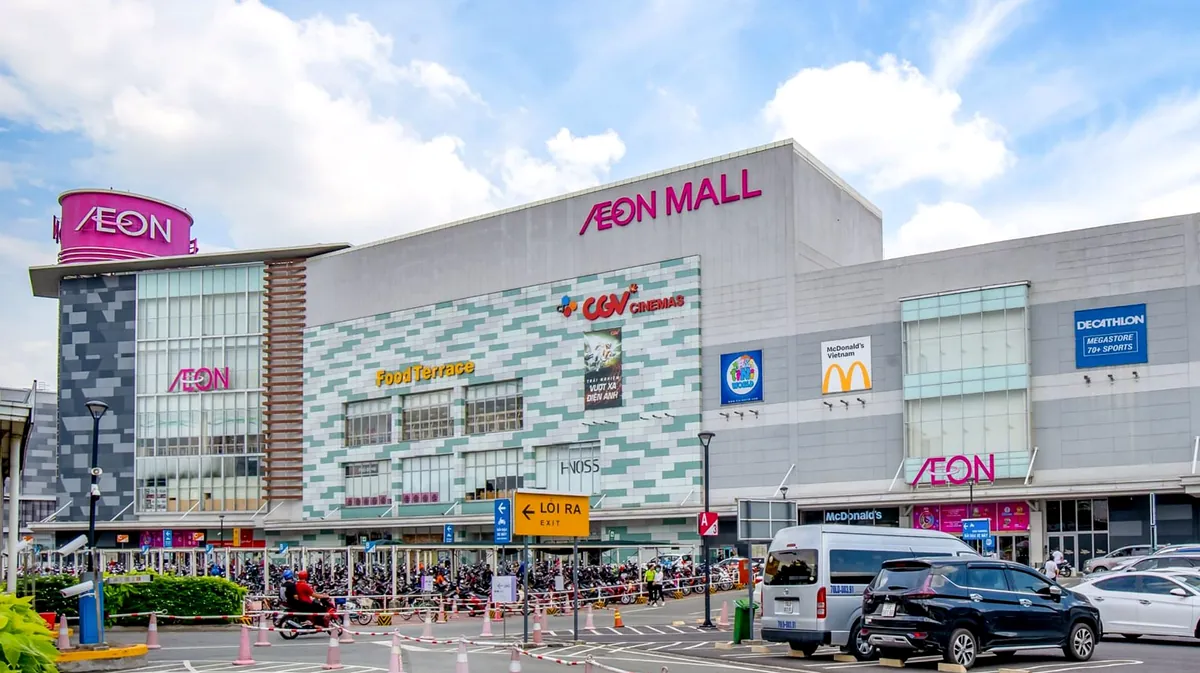
The contemporary appearance of today’s department store space is vividly displayed through the massive facade of the AEON MALL, a hub that converges modern international complex architectural standards. The building stands out with large glass panels and sleek geometric blocks, topped with prominent global signage such as CGV Cinemas, the McDonald’s food chain, and the sports brand Decathlon. Right in front of the lobby, a vast motorcycle parking area with thousands of vehicles neatly lined up paints a bustling scene, truly reflecting the dynamic pace of life and the two-wheeled commuting habits of tens of thousands of citizens every day.
Looking back at historical timelines, the term “department store” (bách hóa) originated from Sino-Vietnamese, meaning a place containing a hundred types of essential goods to serve human life. During the modern era, as Western commercial winds blew in alongside the formation of the bourgeoisie and urban classes, the first general department stores appeared along the arterial roads of major cities. During the turbulent historical period of the last century, this model gradually transformed into a state-run trade network, where commodity catalogs, ration stamps, and supply counters became synonymous with the daily lives of every family through many arduous decades.
A major historical turning point occurred when the economy opened up, witnessing the inevitable decline of the old trade system to make way for a modern retail revolution. Pioneers in the domestic market along with multinational retail corporations from Japan and the West launched large-scale investments into the market. The concept of the department store was completely redefined by integrating daily necessity shopping with entertainment, dining, and cinema services across tens of thousands of square meters of floor space, comprehensively meeting all life needs under one roof.
Generational shifts and changing times have turned department stores into special cultural witnesses, connecting a rustic past with a brilliantly convenient present. This place not only marks the ups and downs of economic policy and the prosperity of material life but also preserves the collective memory of weekend strolls and warm family gatherings in the heart of the bustling metropolis.
Viewed through the lens of human geography and urban commercial feng shui, retail department stores always prioritize locations adjacent to arterial traffic routes, where the continuous flow of local residents converges. In traditional feng shui, roads represent the “water energy” (thuy khi) in motion; the flow of people and vehicles is the current carrying fortune and prosperity. Therefore, choosing flat terrain at intersections with square plots and facades facing open spaces is considered an optimal method to activate wealth. This space not only serves to welcome fresh breezes from major traffic directions but also neutralizes architectural conflicts, creating a stable, harmonious energy field conducive to daily commercial exchange.
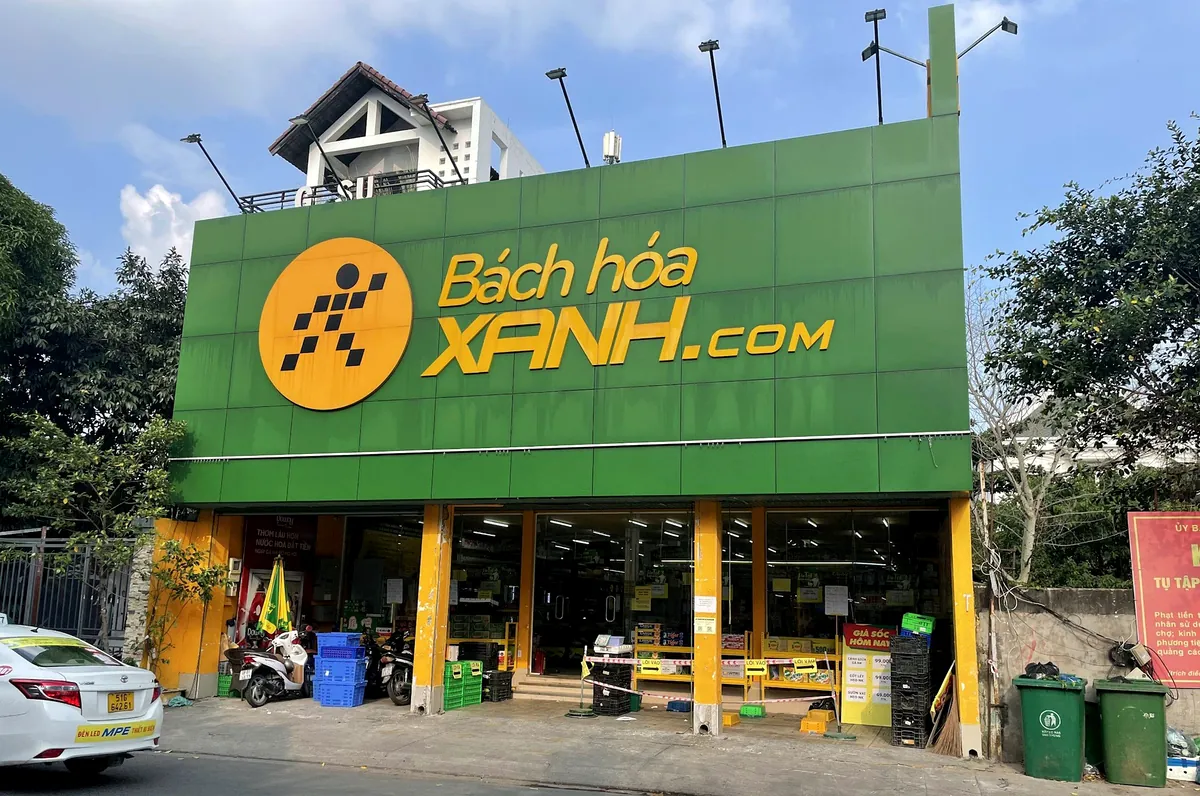
Observing from an architectural exterior perspective, the facade of the department store appears remarkably prominent in the heart of the city with its signature green signage, accented by a warm gold-plated stylized human logo. The pillar system, covered in vibrant yellow paint, not only creates a solid foundation for the overall structure but also enhances visual recognition from afar. In front of the spacious porch, rows of customer motorcycles are neatly parked next to specialized plastic crates and bins containing fresh produce just delivered, reflecting a daily commercial life that is both vibrant and intimate.
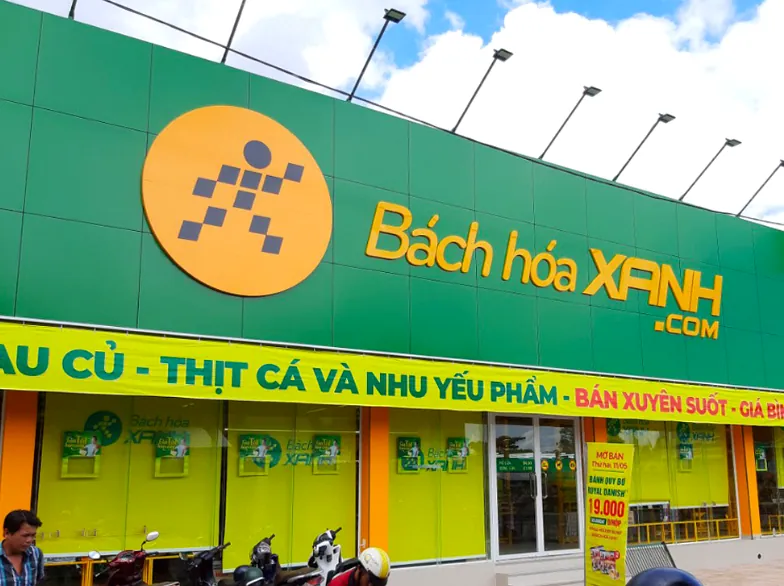
Discussing the correlation between the artificial landscape and the surrounding natural environment, the dominant green color acts as a visual bridge, harmonizing smoothly with the urban greenery along the streets. In the Five Elements theory, the green of the Wood element combined with the yellow of the Earth element creates mutual support, suggesting growth, flourishing, and the sustainability of the agricultural products sold inside. The site planning also cleverly limits harsh heat reflection from the asphalt road thanks to the well-proportioned reach of the eaves, creating a cool microclimate where the natural moisture from fresh vegetables lingers, softening the stuffiness of the surrounding modern life.
In the overall spatial structure, the front courtyard acts as an open “minh duong” (bright hall), neutralizing the kinetic force of motor vehicles before guiding customers into the interior. This serves as a smooth transitional station between the hustle and bustle of daily life and the orderly arrangement inside the store, where the green food supply chain from suburban agricultural belts arrives every morning. Maintaining a floor elevation slightly higher than the road surface by a few gentle steps not only ensures efficient drainage during the rainy season but also creates a solid, supportive foundation that blends the entire commercial architecture into the general topography of the area.
From the perspective of landscape planning, each grocery store resembles a miniature ecological node, closely connecting the suburban agricultural supply with the fresh culinary demands of urban residents. The location, leaning against densely populated residential areas and opening up views toward the flow of traffic vitality, not only fully meets the rules of geomancy and feng shui but also cleverly establishes a familiar, beloved stopping place where human daily life and the breath of nature intertwine in every rhythm of simple buying and selling.
Stepping into bustling residential areas or lively urban intersections, the architecture of modern grocery supermarkets always creates a familiar yet scientifically calculated visual highlight. Unlike massive shopping centers with complex multi-level structures, the grocery space is shaped based on the philosophy of optimizing accessibility, blurring the boundary between a cozy traditional market and the standard, convenience of civilized commerce. Every exterior design detail aims to attract attention from a distance while creating a welcoming, intimate feel that opens its doors to the bustling crowds of consumers every day.
From the direct external view, the building’s facade makes a strong visual impression with a large sign covered in a characteristic fresh green tone, highlighting the stylized pixelated humanoid logo in warm yellow. The front architectural block is designed to be square and spacious with large transparent glass doors, allowing natural light to flood the main lobby. Along the porch and load-bearing pillars, promotional banners for fresh food and essential consumer goods are neatly arranged, combining with the airy front courtyard to create a vibrant commercial ensemble ready to serve the daily lives of local residents.
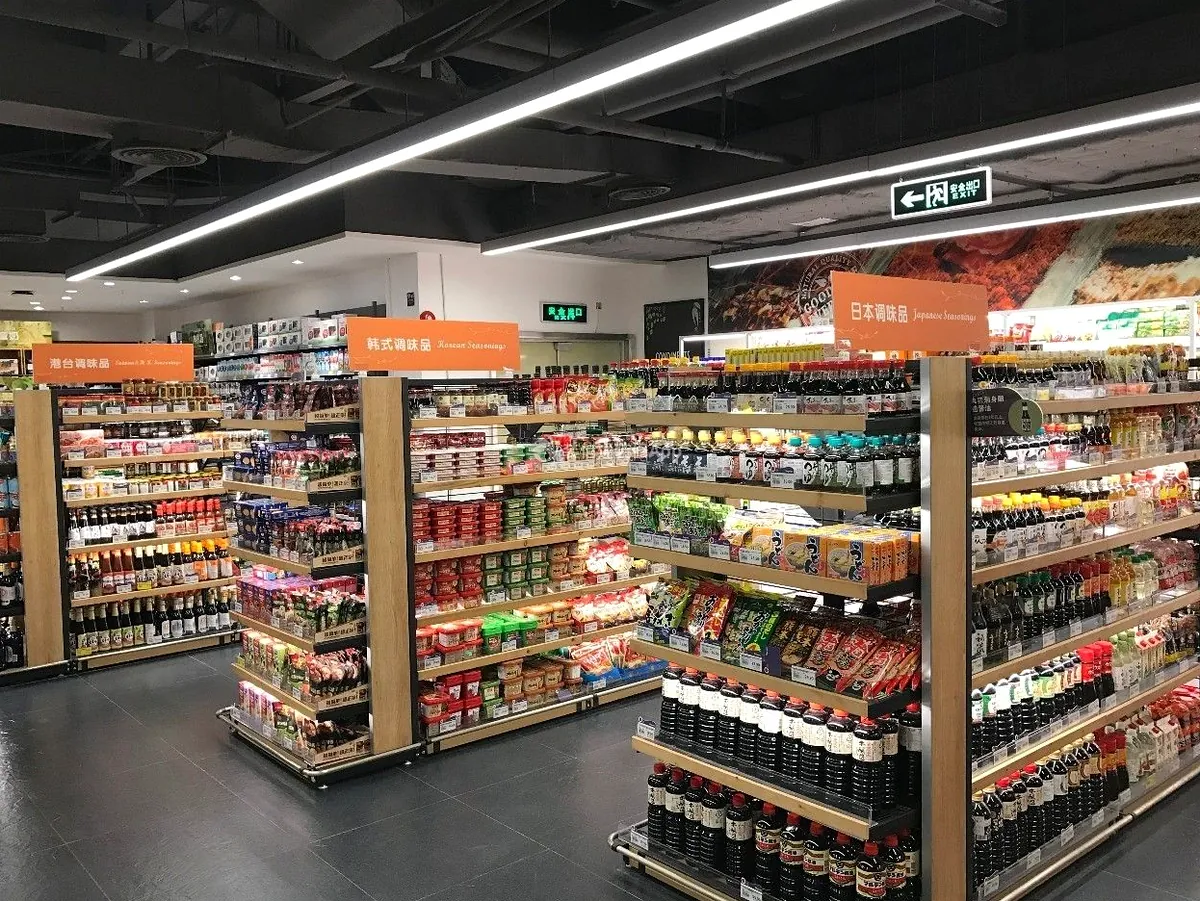
Stepping through the automatic doors, the interior space unfolds with a closed yet flexible traffic flow layout, typically ranging in area from one hundred and fifty to over three hundred square meters of floor space. The entire ceiling is treated in a minimalist industrial style with dark-painted technical pipes, accented by a system of LED spotlights with warm color temperatures, directing visual focus to the freshness of the goods. The aisles between the shelf islands are precisely calculated at one point two to one point five meters, just enough for two shopping carts to pass each other easily without feeling cramped. The vegetable and fresh seafood areas are always prioritized in the central location or along the main walls, featuring anti-slip tiled surfaces and underground drainage systems that meet strict hygiene standards.
The practical investment in technical depth is also demonstrated through the closed cold supply chain system present right at the point of sale. Multi-tier glass-door refrigerated display cases using environmentally friendly refrigerants maintain a stable temperature of two to eight degrees Celsius for meat, fish, dairy products, and bottled beverages. In addition, deep chest freezers capable of maintaining minus eighteen degrees Celsius help preserve the nutrients of pre-processed foods. Each corner of the highly modular powder-coated metal shelves can support hundreds of kilograms per tier, facilitating inventory management and continuous replenishment from regional transit warehouses.
The cashier counter space is seamlessly integrated at the sole emergency exit serving also as the entrance, forming a soft and logical security checkpoint. Here, automated checkout systems, omnidirectional barcode scanners, and secondary unit-price display screens help shorten each customer’s transaction time to under two minutes. The harmonious blend of effective floor plan architectural planning, micro-operational management technology, and pragmatic aesthetic thinking has transformed each grocery point into a complete retail machine, reflecting the continuous development of modern urban commercial infrastructure.
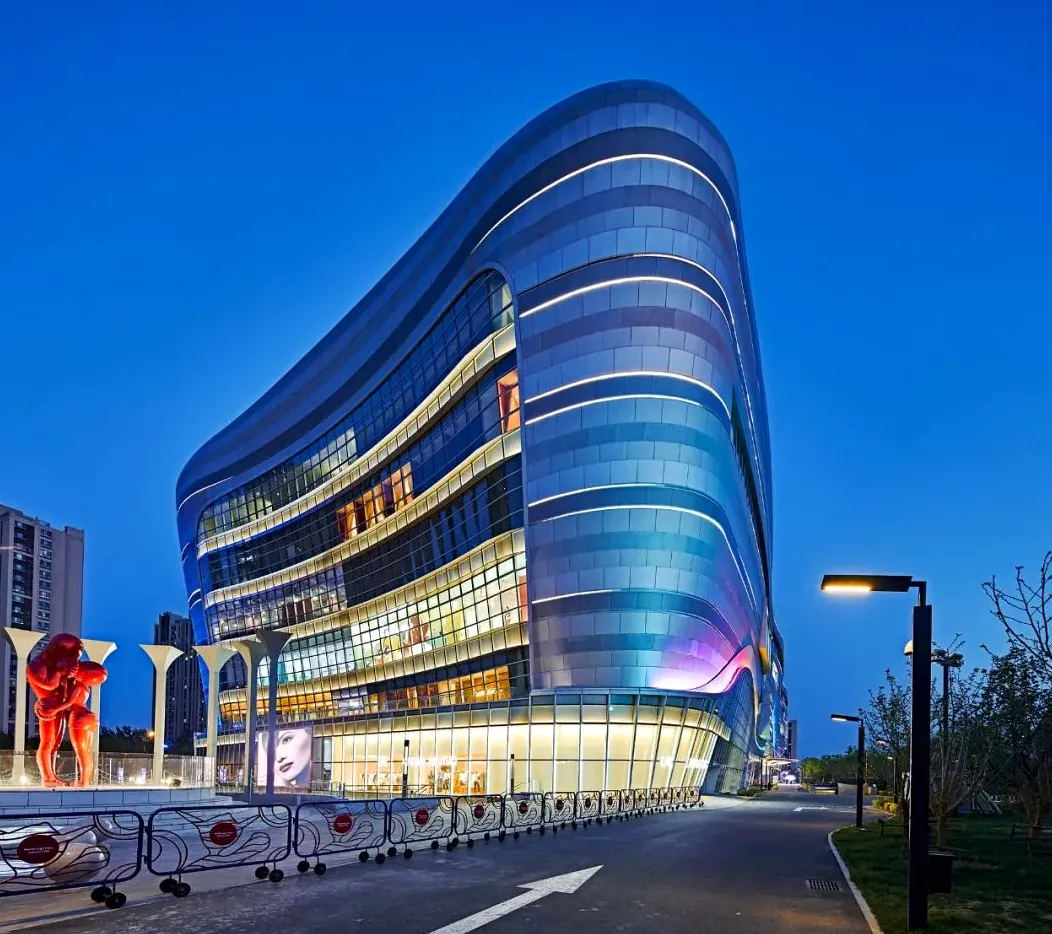
When the twilight drapes its mystical velvet over every roof tile and large glass window, the Grocery Supermarket sheds its daily hustle to don the magnificent appearance of a multi-tiered lighting stage. The imposing facade, deeply imprinted with transitional architectural marks between solemn classicism and modern industrial style, instantly illuminates thanks to intricately calculated artistic lighting. Sharp meandering neon strips blend with amber-yellow light from vintage incandescent lamps, casting soft shadows down the glossy granite steps. 3D mapping projection techniques turn the exposed brick walls and concrete arches into a giant canvas, recreating vivid documentary footage of bustling merchant fleets and bustling streets of a bygone era. Light here is not merely a tool to dispel darkness, but becomes an invisible sculptural material honoring every relief molding detail and architectural rhythm enduring through time.
Stepping through the main arched gateway as the clock strikes midnight, visitors are transported into a multi-sensory interactive immersive live-action spectacle where the lens of time seems to stand still. The underground space and multi-tiered floors open up a grand, boundless performance, immersing viewers in the urban life of the golden decades. Amidst the rustic, crackling sounds emitted from the vintage loudspeaker system, the echoes of nostalgic modern love songs blend with the clinking of bicycle bells. Actors dressed in embroidered cheongsams, meticulously tailored linen shirts, or early-era worker uniforms appear and vanish seamlessly. Every silk stall, mechanical clock shop, or old-fashioned state-owned department store transforms into a vivid micro-stage, where impromptu theatrical acts unfold naturally right alongside the strolling crowd. Visitors are no longer passive observers, but direct role-players acting as witnesses to history, touching reconstructed ration coupons with their own hands, listening to echoing street cries, and feeling the authentically rich breath of commercial life.
The nightlife at the Department Store becomes even more enchanting when intertwined with traditional culinary flavors, fully awakening every sense of the discerning traveler. Along the dimly lit patterned tile pathways, steam rises thickly from elderly bamboo dim sum steamer baskets, charcoal-heated clay tea kettles, and family-secret snack stalls emitting an enticing aroma. The delicate, pure sweetness of the lotus seed and longan sweet soup, the rich, savory, and crispy goodness of pan-fried turnip cakes, and the intense herbal fragrance of clay-pot stews permeate every corner, captivating foodie souls. Rustic wooden night tea tables are leisurely arranged under the shade of bright red lanterns, where diners can slowly sip a cup of Tie Guanyin tea rich in lingering aftertaste, while taking in the bustling scenery and lively chatter of locals and travelers from afar.
As the night deepens, the atmosphere here does not fade into silence; instead, it transforms into a deeply poetic contemplative sequence in the heart of the metropolis. Under the deep, dark night sky, the magical contrast between contemporary visual performance technology and deep-rooted cultural strata creates a truly unique nocturnal fusion. At this moment, the Department Store transcends the concept of a purely commercial structure, becoming a repository for the soul of memory—a place where a glorious past and a vibrant present share every beam of light, refracted through the smiles and gazes of wanderers. The tranquility of the dead of night outside the doors yields to an eternal cultural current, leaving a profound, proud, and endless resonance in the minds of the beholders.
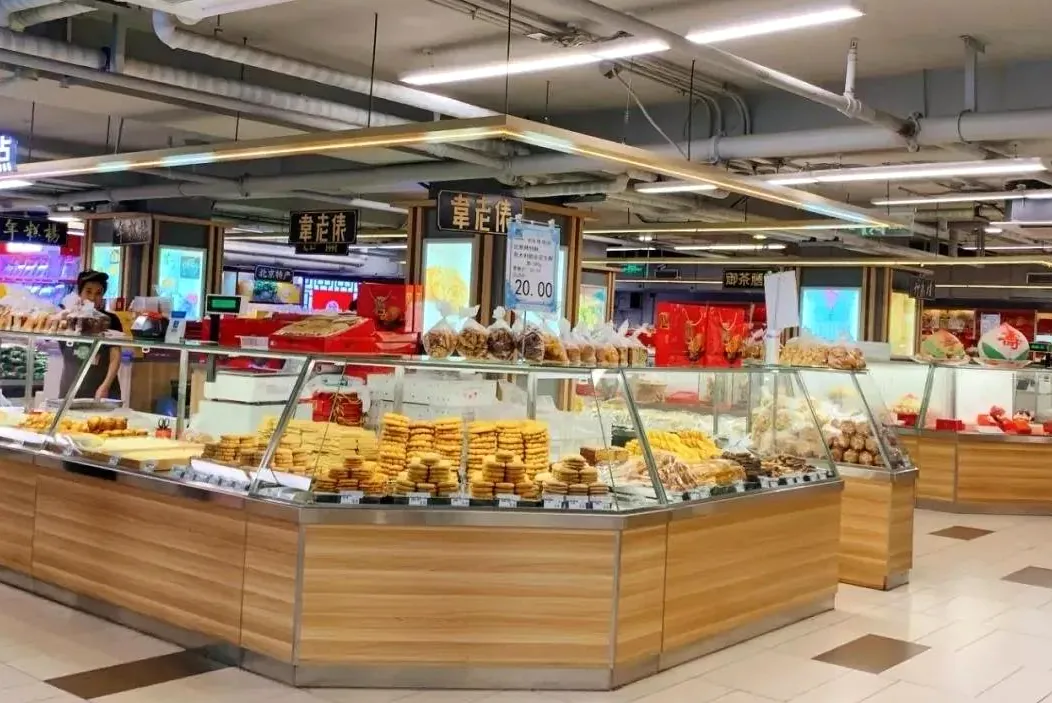
Passing through the brilliantly lit stalls of the Department Store, travelers will discover a tranquil culinary cultural space, where the basement and heritage food corners fully preserve ancient flavors amidst the rhythm of modern urban life. More than just a stop to satisfy one’s appetite after hours of shopping, the food hall inside the commercial center has long served as a "living museum" of local culinary art. Here, thick steam rising from century-old bamboo steamers, the clinking of ceramic chopsticks and bowls, and the fragrant aroma of herbs and star anise blending with scallion oil create a flavor landscape that is both bustling and nostalgic. This place brings together prestigious dining houses and heritage kitchen stalls that have kept their culinary craft alive across generations, turning every meal into a delicate dialogue with urban cultural memory.
At the top of the culinary rankings in the commercial center are handmade dim sum dishes featuring imperial styles once exclusive to royal courts. Each smooth osmanthus mung bean pastry, hand-pressed from peach wood molds carved with auspicious motifs, melts upon touching the tongue into an ethereal, cooling aroma without an overpowering sugary taste. Next is the juicy minced-pork steamed bun, renowned for its precise pleating technique featuring exactly eighteen symmetrical folds. The wrapper is as delicate as a silk wing yet resilient enough to hold the concentrated herbal bone broth simmered for twelve double-hours; when diners gently bite into a corner, the hot, rich, and savory broth immediately spreads, awakening all senses. Many urban families across generations still maintain the habit of gathering around a rustic wooden round table on weekend mornings, savoring steaming baskets of buns alongside a pot of traditionally fermented jasmine tea.
Delving deeper into the heart of the culinary zone, the flavor map expands with handmade pulled noodles bearing the bohemian marks of travelers from afar. Standing behind clear glass panels, the chef swiftly kneads a large block of dough before stretching it into hundreds of uniform noodle threads in the blink of an eye. The piping hot bowl of noodles served to the table still gently simmers, highlighted by the vibrant red of chili oil infused with star anise, the fresh green of baby bok choy, and tenderly braised beef shank slices soaked in five-spice seasoning. The essence of the dish lies in its authentic broth, continuously simmered from beef marrow bones combined with over twenty traditional medicinal herbs such as wolfberries, rehmannia root, cinnamon twigs, and aged tangerine peel dried through five seasons of sun and wind, delivering a deep, lingering sweet aftertaste in the throat without any artificial additives.
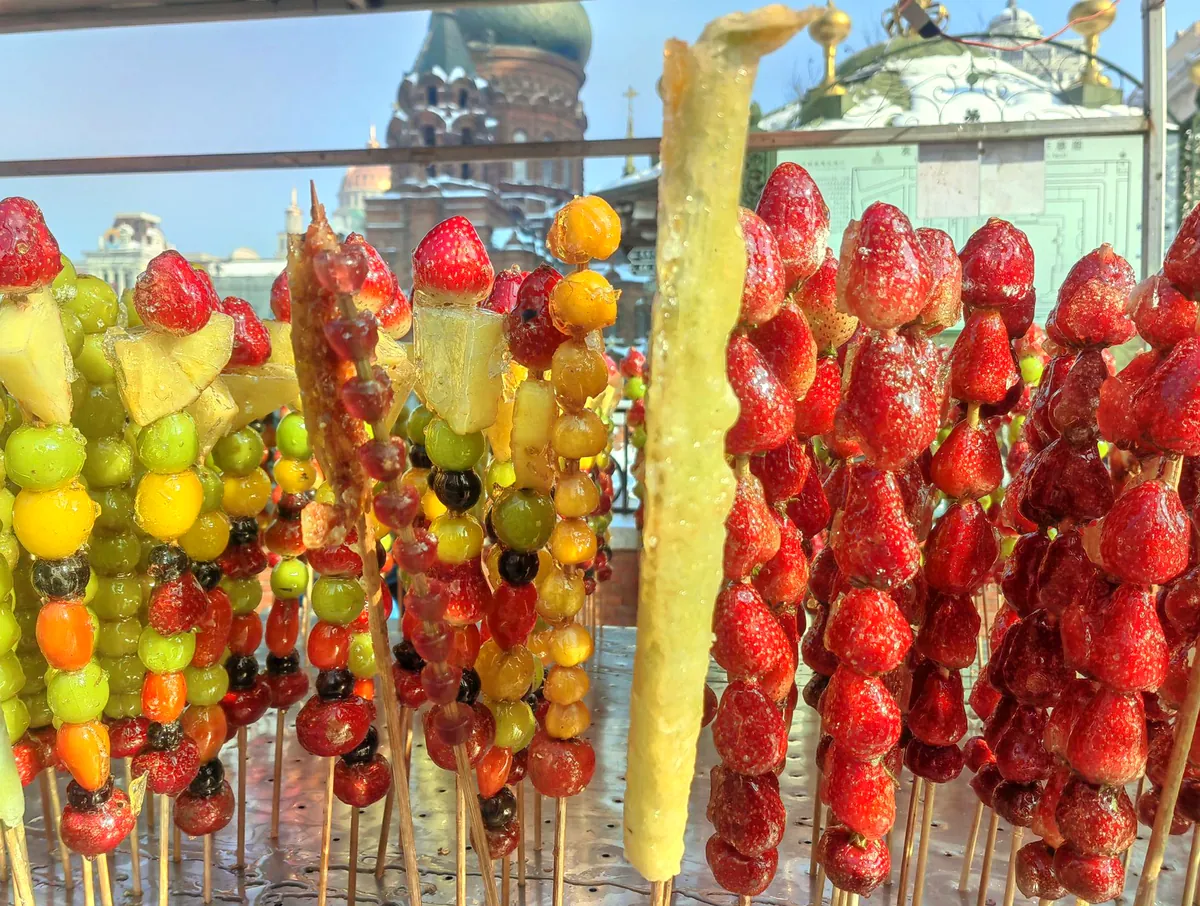
Alongside savory and flavorful dishes, the culinary experience at the Department Store would not be complete without the sweet notes of rustic street snacks that have become the soul of the city. The bright red candied hawthorn skewers catch the eye with their glistening, caramelized rock sugar coating over ripe hawthorn berries, offering a crispy bite that gives way to a delightfully elegant tartness. Bowls of silky tofu pudding, quickly ladled into blue-and-white porcelain bowls and drizzled with palm sugar syrup infused with crushed ginger, serve as comforting treats during chilly weather. Every ingredient—from West Lake lotus seeds and highland red dates to sticky rice—is strictly selected by artisans according to seasonal changes. Thanks to the persistent preservation of traditional family recipes and deep reverence for culinary roots, the department store not only nourishes the stomachs of generations of locals but also etches an eternal flavor impression into the hearts of every visitor.
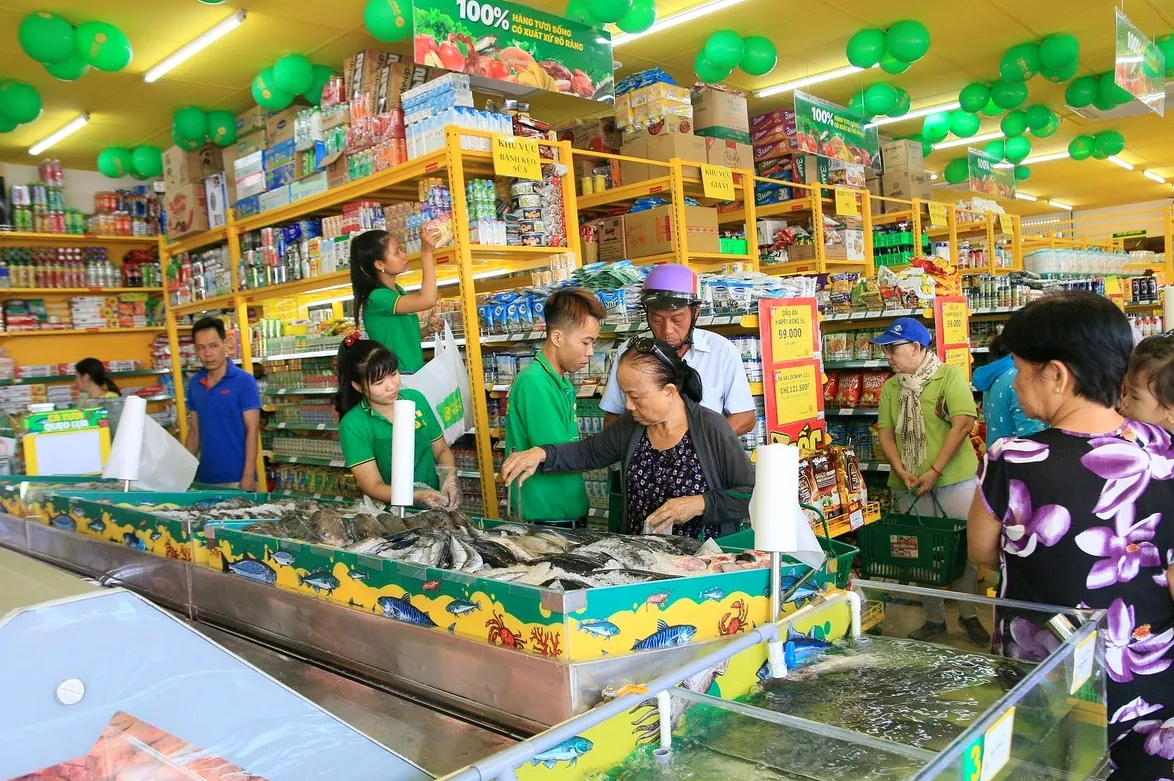
Step inside the Department Store, and travelers are immediately drawn to the vibrant tapestry of everyday life on the ground floor, which is dedicated to food and groceries. Beneath the bright lights reflecting off the glossy tiled floor, a corner of the supermarket opens up with shelves packed with agricultural produce, traditional spices, and an orderly arranged fresh seafood counter. Here, oxygenation tanks keep batches of fish and shrimp swimming actively; behind the counter, staff in aprons carefully prepare food according to the requests of waiting customers. The swift gestures of wiping down the scale, packaging items securely, and exchanging cheerful greetings with customers reflect not only attentive and meticulous service but also capture the authentic, down-to-earth culinary character of a long-standing commercial center.
To fully enjoy the tour and shopping journey, understanding the operating hours is essential. This commercial space is typically open continuously from eight in the morning until around ten in the evening every day, regardless of weekdays or traditional holidays. The hours between nine and eleven in the morning are the ideal time for a stroll, when the crowds are not too dense, the traditional pastries are freshly baked and warm, and the fresh vegetable shelves are newly restocked. Conversely, if you wish to immerse yourself in the vibrant nightlife and look for attractive clearance discounts of twenty to thirty percent on fresh produce, the time after eight in the evening is an unmissable choice.
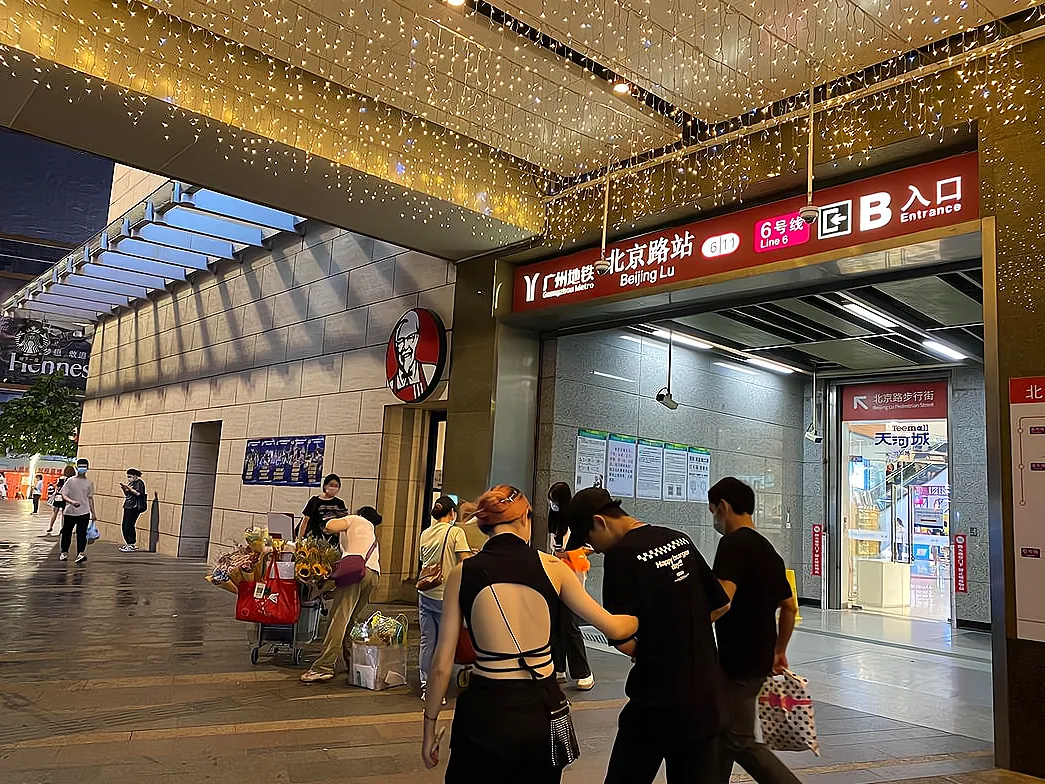
The transportation system connecting to the Department Store is exceptionally smooth and convenient thanks to its impressive location right along a bustling central thoroughfare. Visitors can easily access it via the city bus network with dozens of routes stopping right at the main entrance, or use the modern subway system with an exit leading directly into the commercial basement, unaffected by rain or shine. If choosing traditional taxis or ride-hailing services, setting the drop-off and pick-up point at gate number two or three will help avoid localized traffic congestion during peak evening rush hours. Independent travelers driving their own vehicles can also feel completely at ease thanks to the multi-level smart parking basement with a capacity of hundreds of vehicles, featuring fully automated QR code scanning boards.
When visiting and selecting products to take home, travelers should carefully note customs quarantine regulations. While seafood and fresh meat are only suitable for immediate preparation or consumption within the day, dried specialty items such as canned tea, highland mushrooms, infused herbs, or vacuum-sealed pastries and jams are completely safe choices for airport and border clearance. Travelers should ask cashiers for detailed receipts and official sealed bags to facilitate luggage checks. Regarding payment methods, alongside local cash which is always accepted, linking international credit cards to popular e-wallet apps on smartphones provides a convenient and fast spending experience without worrying about finding currency exchange locations.
A handy tip for souvenir hunters is to spend time exploring the upper floors displaying handicrafts, exquisite ceramics, and traditional silk fabrics. Unlike the food section with fixed retail prices, some specialty souvenir stalls still offer space for charming cultural conversations, where visitors can thoughtfully ask about the origin of patterns or request a gentle discount when purchasing in bulk. Bringing reusable fabric bags is also strongly encouraged as a civilized cultural practice to protect the shared environment. To have a complete journey that harmoniously combines sightseeing with deep immersion into local urban life, travelers can certainly consider choosing all-inclusive tour packages with professionally researched and optimally designed itineraries.