Nestled within the undulating folds of the Enshi mountains in Hubei Province, the spectacular Di Xin Grand Canyon (地心大峡谷) – often hailed by modern travelers as the “Underground Supermarket” – opens a portal to the primordial era of our planet. Long before it became a human settlement, this magnificent rift underwent intense geological formation originating from the Permian period, approximately 250 to 300 million years ago. As ancient oceans receded, giving way to violent tectonic uplifts, they left behind massive sedimentary limestone layers. Over eons, groundwater and time meticulously eroded and sculpted these layers, carving out a system of profound abysses and mysterious cave labyrinths that remain remarkably pristine in the heart of the region.
 n n
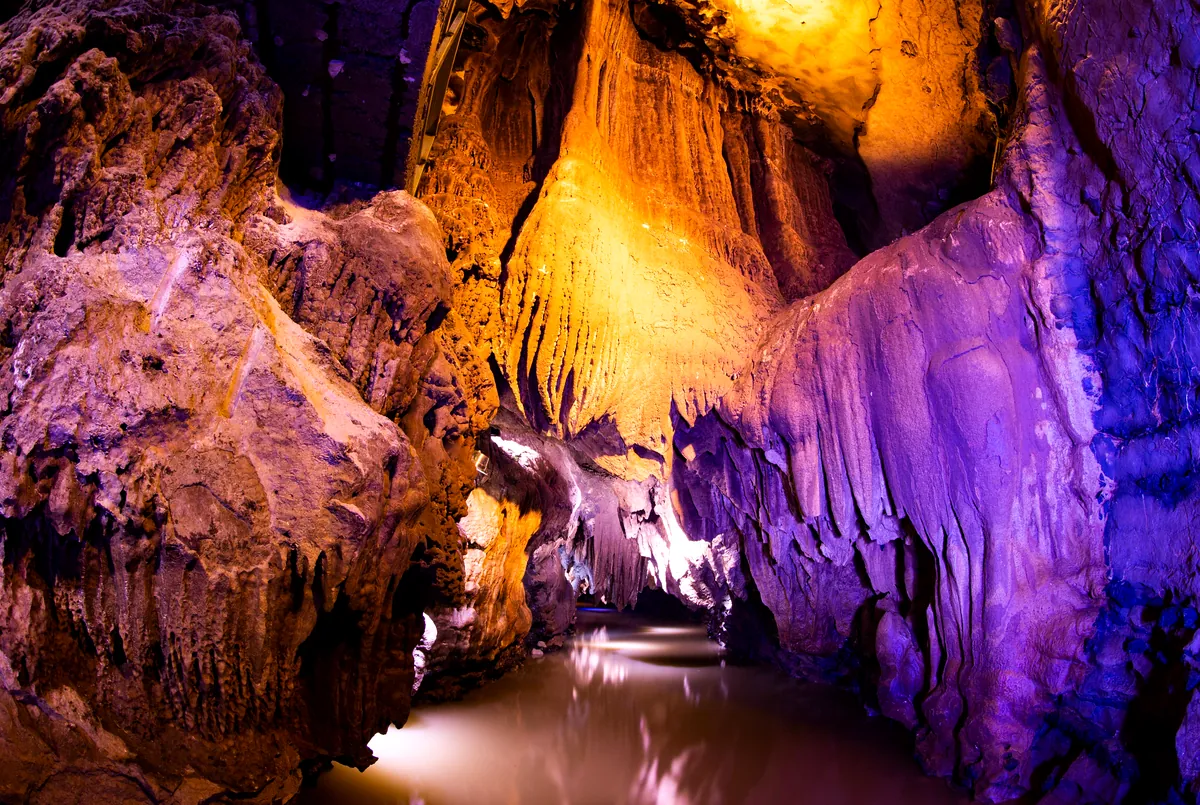
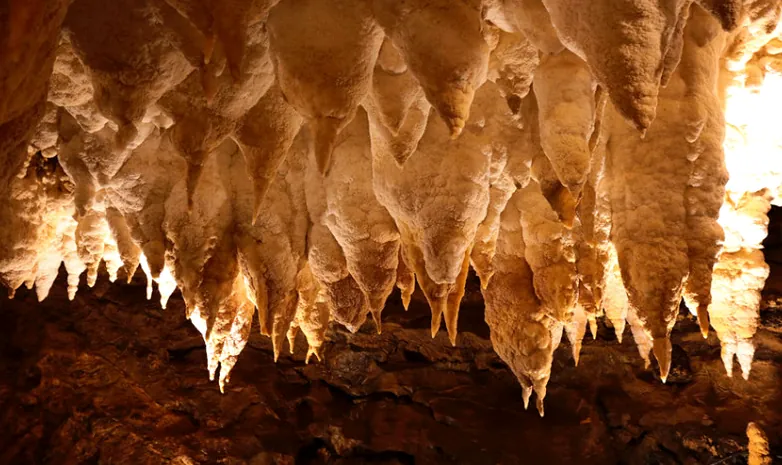
Venturing deep into the cavernous vaults of the earth’s core, the natural landscape reveals itself like a magnificent subterranean palace, adorned with countless stalactites and stalagmites that have stood tall after millions of years of mineral accumulation. The space is punctuated by an artistic lighting system that blends warm gold with mystical purple, highlighting every rugged, intricate vein of the primeval cliff walls. Beneath the tranquil cave ceiling, an underground stream flows gently, its mirror-like surface shimmering with reflected light, evoking an ethereal sensation of stepping into a fairyland hidden deep within Mother Earth.
Transcending the natural laws of sedimentation, this land also bears witness to the dramatic historical shifts of ancient times. During the Spring and Autumn and Warring States periods, the deep canyon served as an impregnable natural fortress for the Ba people, skilled warriors who established the illustrious Ba State along the Qingjiang River basin. The sheer cliffs and treacherous ravines not only shielded the Ba community from the fierce conquests of neighboring vassal states but also nurtured a culture that revered spirits, adopted the white tiger as a totem, and practiced mysterious burial customs on the precipitous cliff faces.
 n n
Through the Tang, Song, Yuan, Ming, and Qing dynasties, the Enshi region witnessed a profound transformation as the descendants of the Ba people intermarried and evolved into the resilient Tujia ethnic group. Under the hereditary chieftain system supported by the central imperial court, Di Xin Grand Canyon became a vital trade artery on the ancient salt road. Caravans of pack horses traversed the treacherous mountain passes, carrying culture, technology, and Han customs that blended firmly with the rich identity of the local Tujia people.
Historical events, from the “Gai Tu Gui Liu” (replacing native chieftains with imperial officials) policy of the Qing Dynasty to the migration of populations across various eras, have turned this canyon into a mirror reflecting multi-layered cultural exchange. Standing in the depths of the solemn canyon, the echoes of the underground stream mingling with the wind through the rock crevices seem to recount an epic of survival, where generations of ancestors relied on the rugged earth to write a lasting cultural identity in western Hubei.
n nLocated in the heart of the rugged mountains of the Enshi Tujia and Miao Autonomous Prefecture, in western Hubei Province, the Di Xin Canyon sits upon a magnificent feng shui vein of the Wuling mountain range. Geographically, this is a key convergence point in the Qingjiang River basin – an ancient river likened to the soul of the old Ba-Shu land. From a feng shui perspective, the terrain embodies the essence of “gathering wind and collecting energy,” where the dragon vein lies deep beneath the treacherous valley, protected by countless sheer cliffs hundreds of meters high. Ancient tectonic faults not only carved the earth into deep, yawning canyons but also opened a world of underground wonders, where water energy circulates endlessly through subterranean veins, nurturing a pristine ecosystem untouched by the dust of urban life.
Stepping deep into the limestone caves of the Di Xin complex, travelers are immediately struck by a surreal space that mirrors the grandeur of the deep canyon floor. Thousands of stalactites hanging from the ceiling and stalagmites rising proudly from the floor are brilliantly illuminated by an optoelectronic system blending regal gold and mystical purple. Right beneath these natural sculptures, the tranquil underground stream flows like a giant mirror, perfectly reflecting every rock vein and shimmering light beam, creating a breathtaking and mesmerizing visual masterpiece.
 n n
The name “Earth’s Basement Supermarket” originates from the rich display of one of the world’s rarest Karst landform structures. Through over two hundred million years of weathering and erosion dating back to the Triassic period, subterranean water currents and the dissolution of calcium carbonate in limestone have stripped away exposed geological strata, transforming this place into a gigantic exhibition hall of planetary history. Visitors walking along the precarious trails clinging to the cliffside can observe firsthand stone slabs layered like pages of a millennium-old book, smooth vortex cavities gouged deep by swirling floodwaters, and even the fossilized remains of ancient marine creatures still preserved on the stone base. Every spatial slice within the canyon contains distinct stratigraphic shifts, making anyone who sets foot here feel as though they are wandering through a grand natural museum showcasing countless unique tectonic masterpieces.
 n n
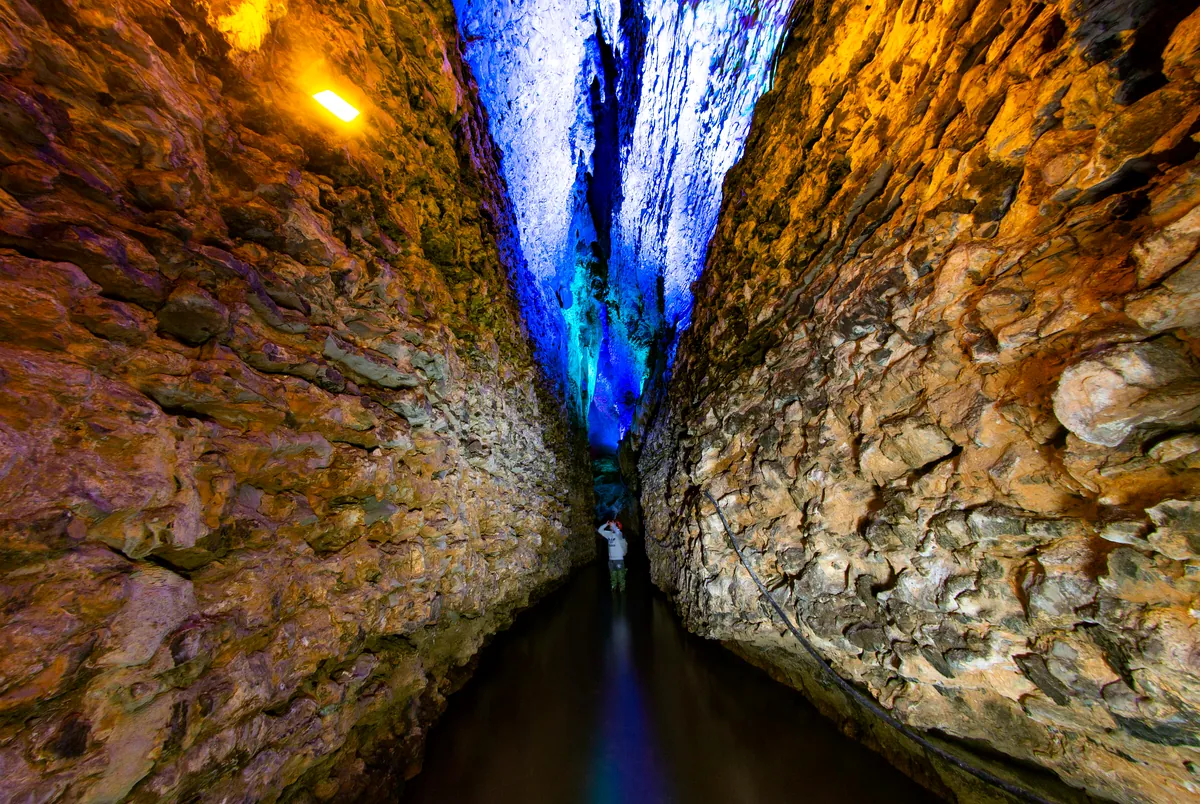
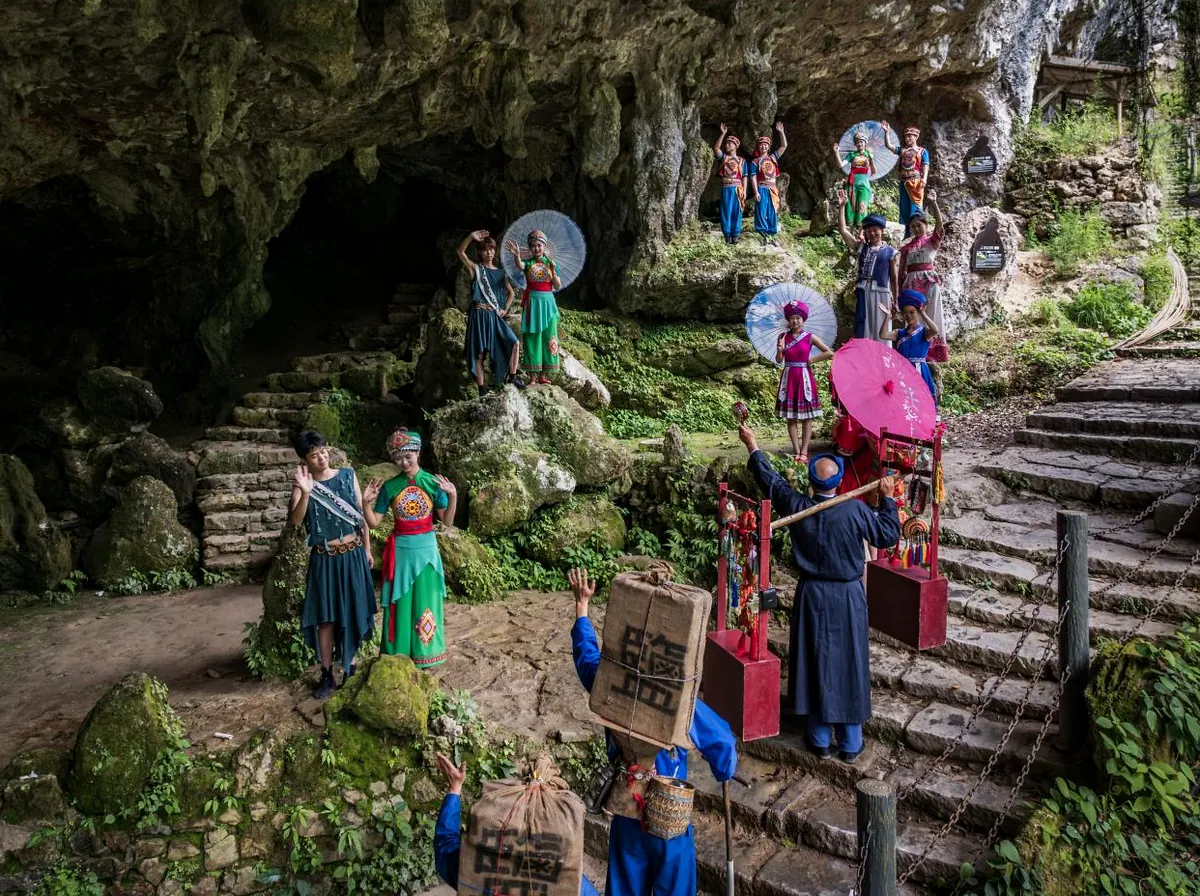
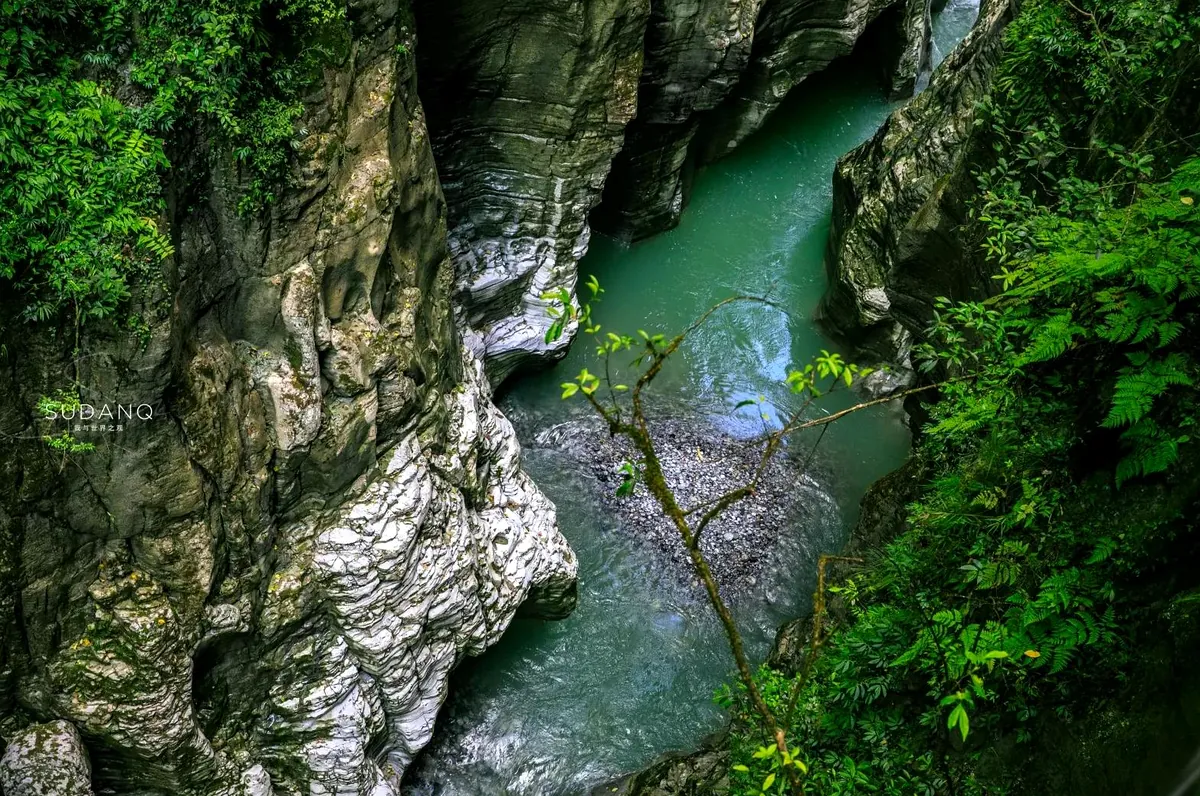
The natural landscape here also reaches the pinnacle of nature’s installation art thanks to its distinctive deep V-shaped narrow ravine topography. In many treacherous segments, two towering cliffs close in almost to the point of touching, leaving only a narrow, thin strip of blue sky—a fascinating natural phenomenon that the ancients called a “Glimpse of Sky” (Nhất Tuyến Thiên). At the bottom of the gorge, year-round saturated humidity combined with cold air currents from underground springs has created a completely isolated microclimate. Ancient fern vegetation and millennia-old moss coat every moist surface of rock in vibrant green, intermingled with the echoing gurgle of waterfalls and underground streams like an endless harmony deep within the wild mountains. It is a sublime blend of stillness and motion, between the solitude of ancient boulders and the fierce vitality of pure spring water.
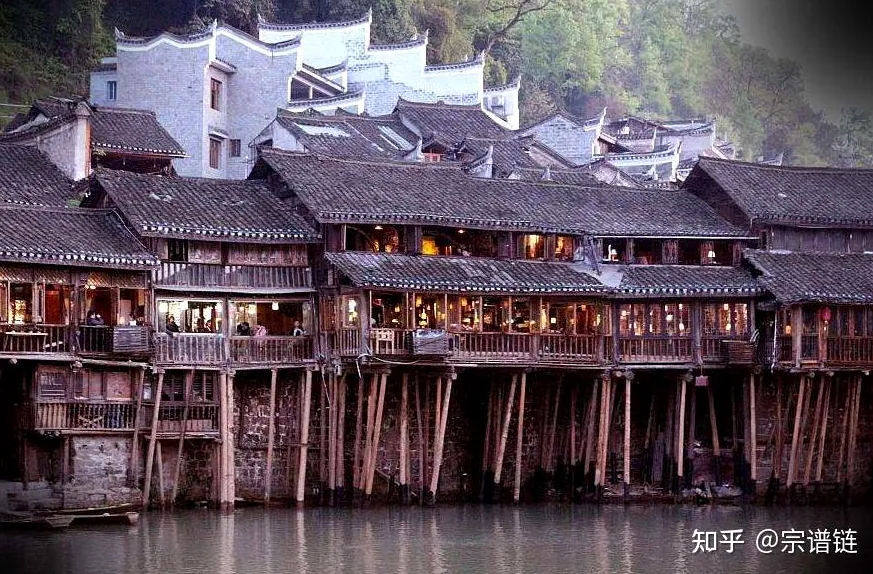
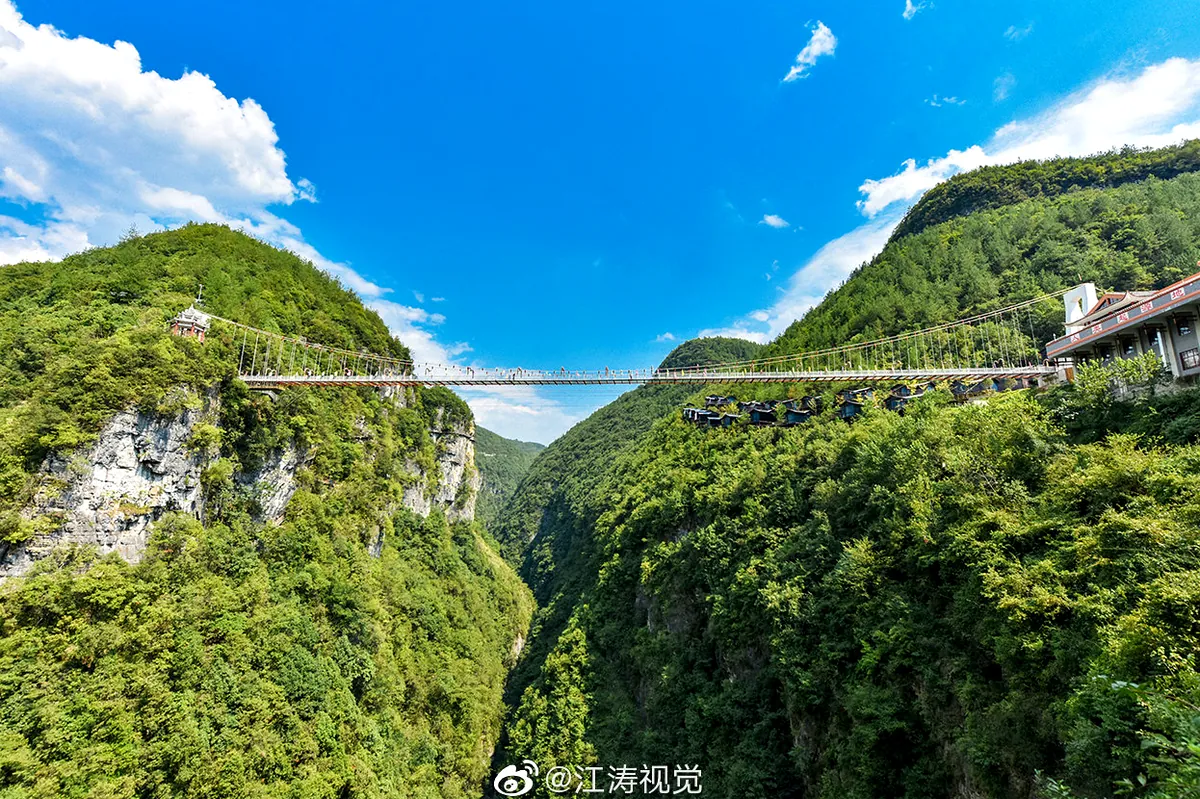
Perched precariously halfway up the sheer limestone slopes of the Earth’s Heart Canyon, the indigenous architectural imprint of the Tujia ethnic group stands as a spectacular fusion of human ingenuity and rugged terrain. Most prominent in this cultural space is the “Diaojiaolou” (吊脚楼) structure, a unique traditional stilt house acclaimed as the pinnacle of folk woodworking art in Southwest China. Unreliant on flat lowland foundations, Tujia carpenters of the past masterfully utilized the steep terrain by driving old fir wood pillars straight into rock crevices, supporting the entire house as it extends out into the valley space. The interlocking mortise-and-tenon joints are crafted with millimeter precision without the use of a single iron nail, creating exceptional flexibility and resilience that allows the structure to withstand centuries of gales and tectonic tremors deep within the abyss.
 n n
Observing each Diaojiaolou dwelling closely, visitors will realize that the division of living space embodies a profound philosophy of survival. The open-air ground floor leaning against the mountain slope is typically used for storing farming tools or as livestock quarters to stay clear of dampness; the main middle floor serves as the sacred living space featuring a hearth with a year-round burning fire and a solemn ancestral altar; while the highest attic level is the private chamber of Tujia young maidens. Accenting the corridors surrounding the house is an exquisitely curved railing known as the “beauty’s couch” (美人靠)—where women lean back to embroider brocade scarves and watch for loved ones returning from forest-crossing hunting trips. All the wooden walls are coated with natural tung oil to prevent termites and ward off deep-forest miasma, emitting a subdued brown hue that blends seamlessly with the moss of the stalactite walls.
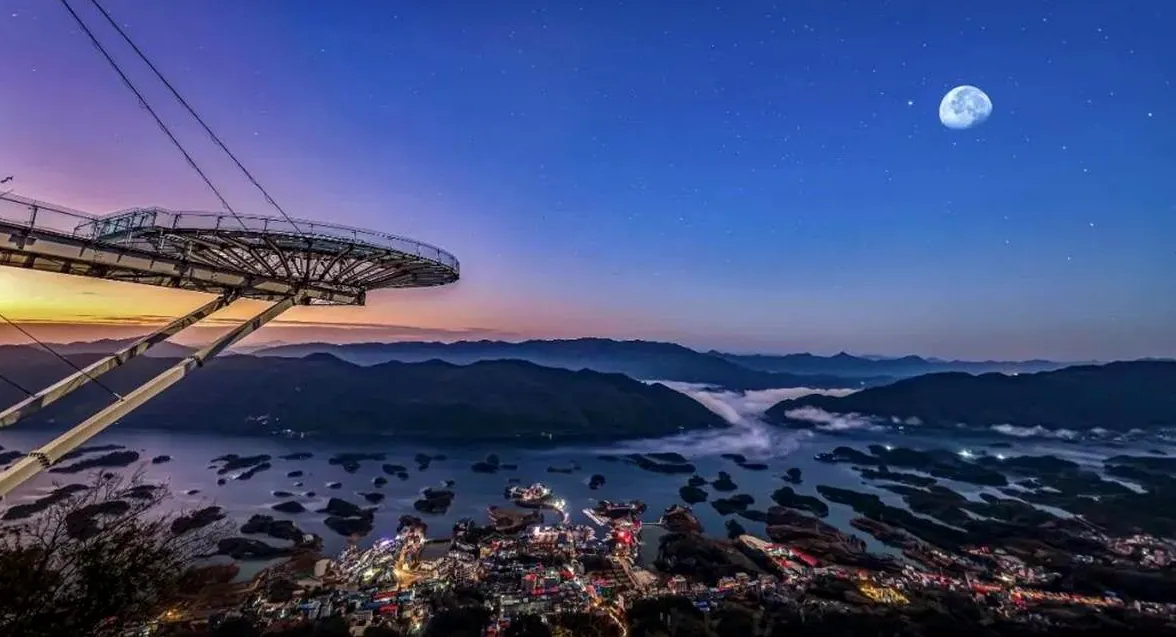
Alongside cherishing every vein of traditional wooden heritage, the appearance of the Earth’s Heart Grand Canyon scenic area also records a spectacular transformation through systematic spatial planning and modern accessibility infrastructure. Recognized as a national 4A-grade tourist attraction and currently on track to fulfill the rigorous standards to reach China’s most prestigious 5A benchmark, the complex boasts actual investment scales reaching hundreds of millions of yuan. The infrastructure project goes far beyond merely preserving the scattered Tujia villages in their original state; it also opens up a network of sturdy cliffside plank roads thousands of meters long, winding like a soft ribbon along the dizzying heights of the canyon.
 n n
The technical infrastructure serving travelers here is a testament to the perfect harmony between modern construction technology and the principle of minimal environmental impact. The visitor experience is seamlessly integrated through a network of transparent glass bridges spanning the cliff faces, outdoor glass elevators rising hundreds of meters to carry guests through the dense mist, and underground escalators cleverly embedded into existing geological fissures. Thanks to a flexible multi-level design that descends from the mountain pass to the depths of the gorge, visitors can both admire the grandeur of the ancient karst structures and immerse themselves in the daily lives of the local residents—complete with kitchens filled with evening smoke, the lively sounds of the Ba La flute, and the rich, savory aroma of traditional smoked meat hanging from the rafters.
Unlike commercial tourist destinations that attempt to fill the night with large-scale concerts or mechanical performances, the Di Tam Grand Canyon chooses a quiet yet mesmerizing form of expression: a “real-life performance” staged by Mother Nature herself. As the sun dips behind the layers of limestone mountains, the entire valley does not sink into pitch darkness but instead enters a magnificent dance of shifting light spectra. Natural light, the ethereal mist from the deep abyss, and the thousand-year-old stillness of the Cambrian geological layers blend to create a mystical space where the rhythm of the night becomes a primal healing therapy for the traveler’s soul.
 n n
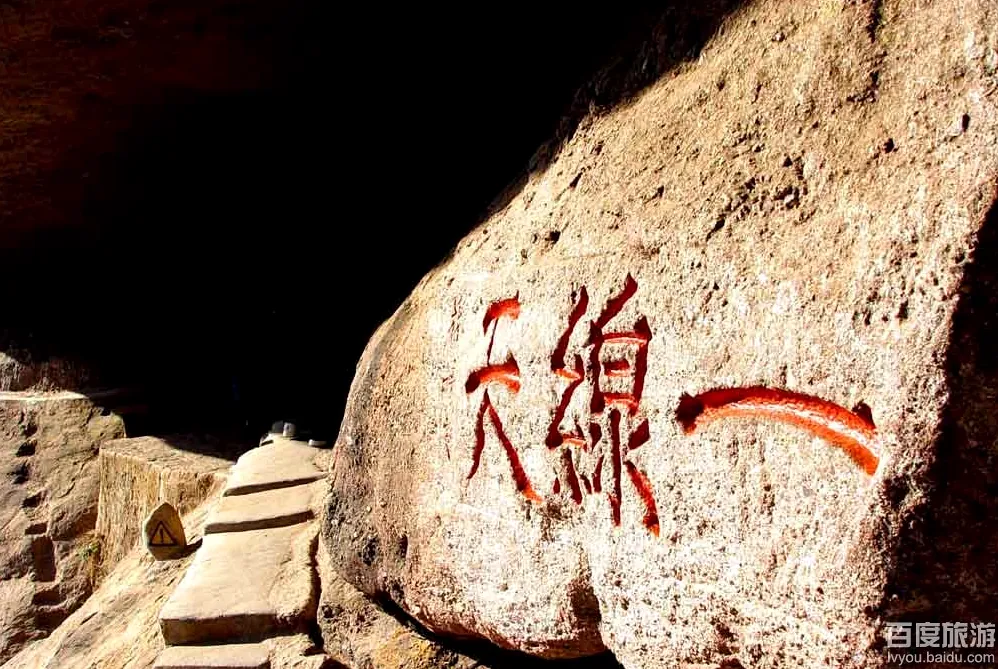
The most stunning visual highlight for witnessing the sunset is the transparent glass skywalk that extends into the vast expanse. Standing on this daring structure, visitors can take in the view of a peaceful town nestled by a mirror-like lake at the moment of transition between day and night. Low-hanging clouds drift lazily, softly draping over the small islands dotting the lake, while the delicate moon appears clearly against the deep blue sky. The entire scene resembles a static ink wash painting, reflecting the exquisite harmony between modern engineering and the vast beauty of a celestial realm.
The visual art within this canyon does not rely on the typical vibrant LED lighting but instead fully exploits the natural light scattering effect through narrow geological fissures that reveal only a thin sliver of the sky. In the late afternoon, the final rays of light slant across the hundreds-of-meters-high limestone arches, creating sharp beams that strike the jade-colored underground river. The subterranean river then transforms into a giant prism, reflecting shimmering silver light onto mossy rocks and dripping stalactites. Each step along the wooden boardwalk clinging to the cliff feels like walking through the magnificent galleries of an endless underground museum, where light and shadow engage in a silent dialogue.
 n n
When night fully blankets the canyon, the rhythm of life in this area retreats to its most primitive state. There is no loud electronic music; the night belongs to the sounds of the babbling stream at the bottom of the abyss, the wind whistling through narrow rock crevices, and the pure scent of herbs rising after a day of soaking in the dew. Visitors often choose to stay in traditional wooden stilt houses of the Tujia and Miao people, perched precariously on the mountainside, gathering around a fire to sip local bitter tea and listen to ancient legends about the Ba-Shu salt road. This is not merely a night tour, but a journey of retreating from the chaotic world to find inner balance amidst magnificent geological formations.
The Di Tam Grand Canyon is not only a repository of geological wonders formed over millions of years but also a space for the unique culinary culture of the Tujia community in the Enshi region. On the cool stone courtyard right in front of the magnificent natural cave arch, local men and women appear in traditional vibrant brocade costumes, wearing exquisite turbans, and holding graceful umbrellas beside rustic bamboo baskets. On the mossy stone steps leading into the heart of the mountain, the rhythm of the highland market life is recreated through lively singing and meticulously prepared mountain herbal delicacies, creating a vivid human tableau against the backdrop of pristine cliffs.
 n n
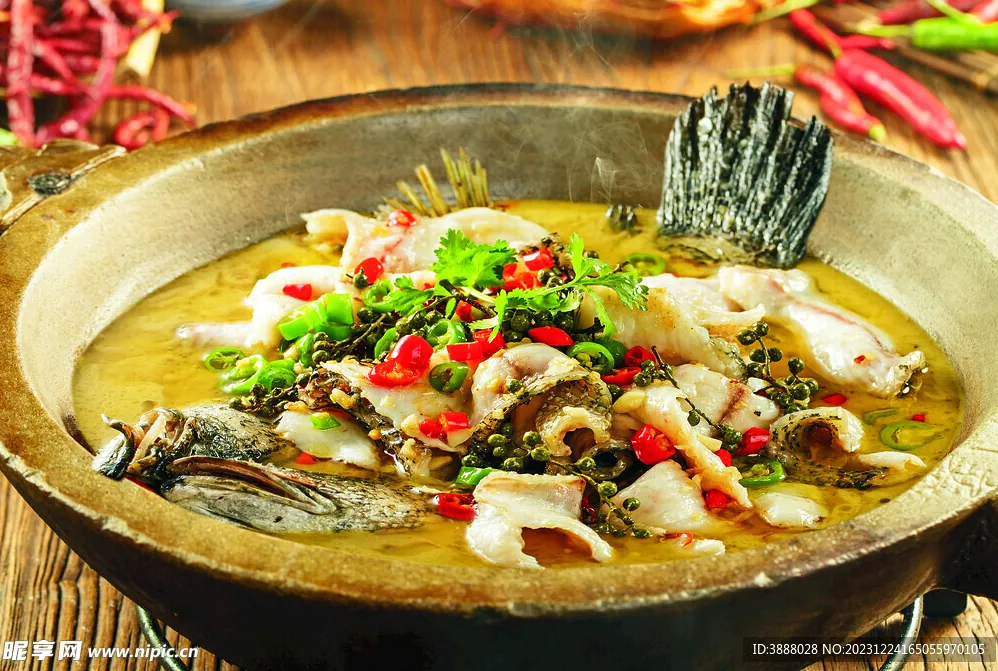
The most outstanding highlight in the culinary landscape of the underground canyon is the traditional Tujia stone pot hotpot, a cooking technique that preserves the thousand-year-old wellness philosophy of the indigenous people. The pot used for cooking is carved entirely by hand from natural stones extracted from the ancient geological layers of the Wuling Mountains, possessing an extraordinary ability to accumulate and distribute heat evenly. In the bubbling stone pot amidst a hazy mist, the broth is simmered from bone marrow combined with dozens of precious herbs foraged from steep cliff sides, such as Codonopsis, Astragalus, Szechuan lovage, and wild Peony peppercorns. The heat from the basalt stone slowly extracts the essence of the medicinal properties, creating a delicate, fragrant, yet soothing sweetness that helps travelers dispel the damp chill characteristic of the karst cave system.
The soul of this renowned hotpot cannot lack the exquisite ingredients from the crystal-clear Qingjiang River, the gentle mother river winding through the Enshi canyons. Fresh fish caught directly from the underground streams and the swift currents of this river possess snow-white, naturally firm flesh that is completely free of any muddy odor. When thin slices of fish are dipped into the swirling herbal broth, the meat instantly contracts, locking in the original sweet and fatty flavor combined with the mild, numbing spiciness of dried bird’s eye chili and local Sichuan peppercorns, awakening all the senses of the most discerning gourmets.
 n n
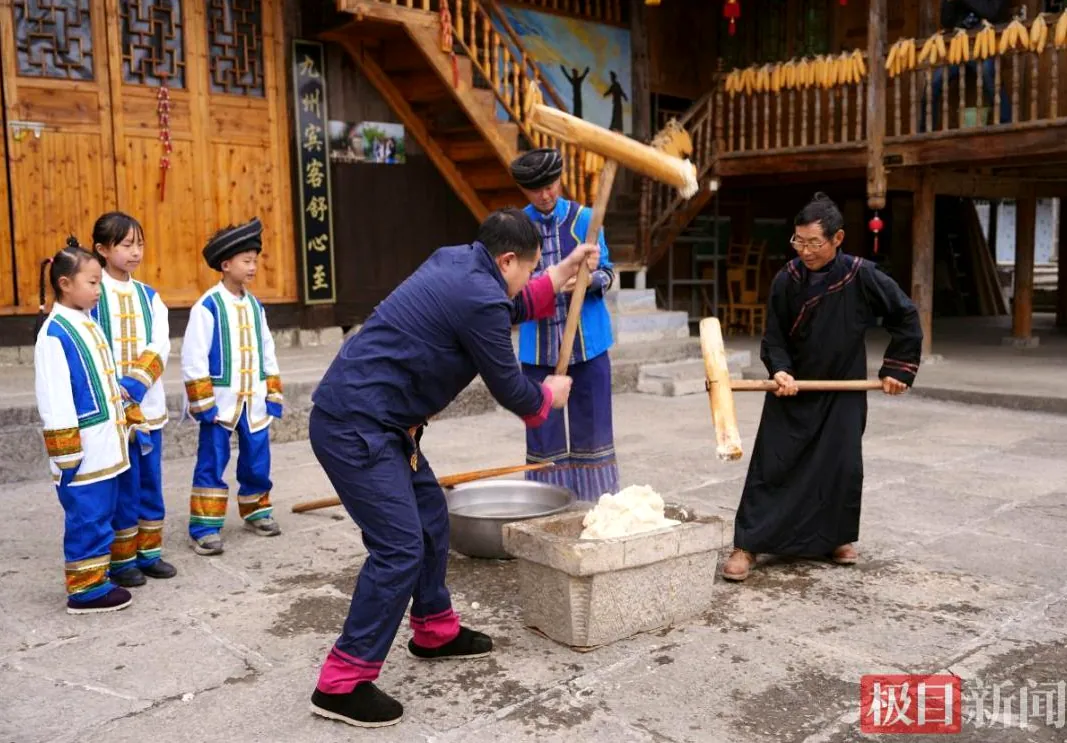
Besides the rich flavor of the stone pot fish hotpot, Ciba grilled sticky rice cake represents the rustic, enduring essence of highland wet rice cultivation. To make a standard batch of Ciba, the Tujia people must select round, plump upland sticky rice, soak it in pure underground spring water overnight, and steam it in a pine wood steamer. The chewy sticky rice is then placed into a large stone mortar and pounded continuously with a hard ironwood pestle by the muscular hands of local men until it is smooth without a single broken grain, then shaped into round cakes symbolizing fulfillment and the reunion of heaven and earth.
 n n
Ciba cakes are buried and grilled directly on glowing charcoal until the outer crust blisters and turns a crispy golden brown, while the inside remains as soft and chewy as snow velvet. This dish is often brushed with a layer of thick, dark sugarcane molasses or dipped in fragrant roasted soybean powder mixed with crushed rock sugar. Enjoying a hot, crispy grilled cake combined with the irresistible nutty, fatty sweetness right in the vast space of the deep canyon, every traveler seems to fully feel the warm hospitality and the thousand-year-old cultural identity deeply attached to the mountains of the people here.
After hours of climbing thousands of winding steps along the deep karst cliffs, the local culinary experience at the stopover is the best source of energy replenishment for travelers. In the traditional Tujia kitchens scattered around the canyon, the fragrant crispy fried potato rice always captures the passion of visitors from all over. The meal is usually served in a large metal pan emitting steaming smoke, alongside a small porcelain bowl containing fluffy rice mixed with square-cut, sun-golden potato chunks. Each piece of potato is carefully pan-fried so that the outer layer is crispy, lightly coated with scallion oil and mild spicy seasoning, while the inside is nutty and creamy, blending perfectly with the plump rice grains, creating an unforgettable rustic flavor in the heart of the pristine mountains.
 n n
To fully enjoy the magnificence of the Di Xin Grand Canyon, choosing the right time to depart is paramount. The golden time of the year falls between April and June and from September to October. The weather during these periods is extremely cool and pleasant, with moderate rainfall helping the jade-green underground water at the bottom of the canyon reach its highest clarity without being muddied by summer flash floods. If visiting in the autumn, the vegetation on both sides of the cliff begins to turn brilliant yellow and red, contrasting spectacularly with the millions-of-years-old gray limestone blocks, providing a pristine and expansive space for top-tier landscape photography.
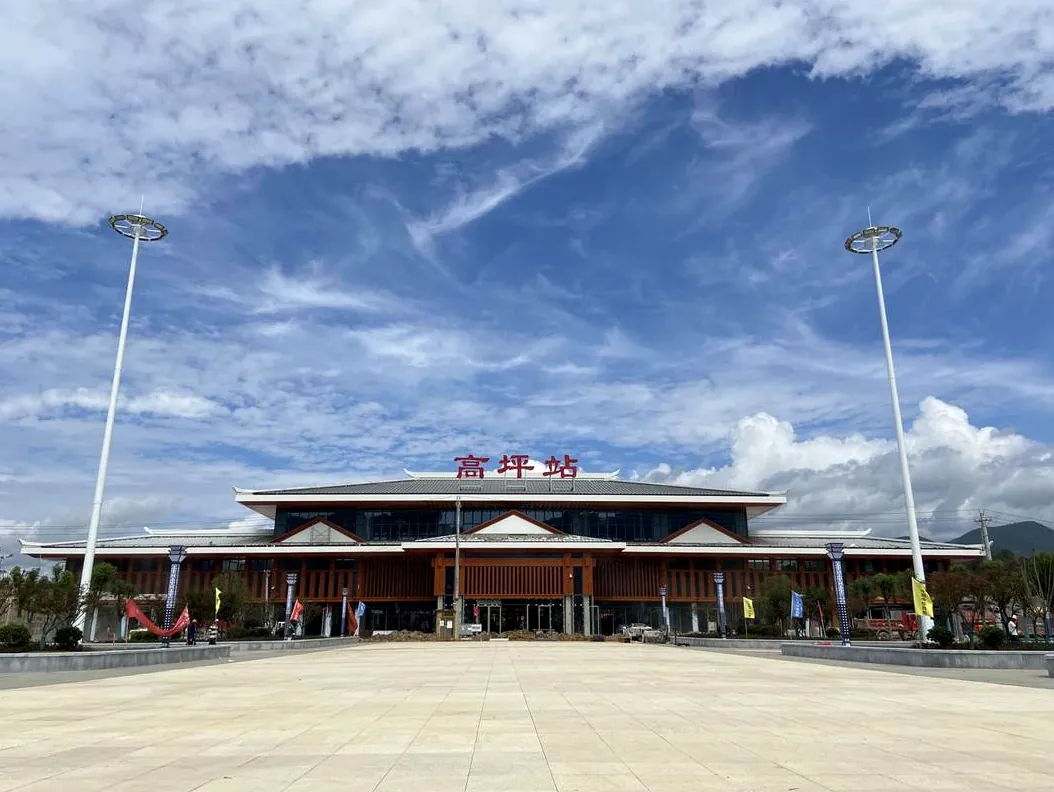
Regarding travel logistics, Hubei Province’s modern transport infrastructure allows visitors to reach this wonder conveniently and safely. The high-speed railway connecting central Wuhan to Enshi Station operates daily, shortening the journey through rugged mountain ranges to just four hours. From Enshi Station, travelers can easily catch local shuttles or hire private cars toward Jianshi County, following the legendary National Highway 318 to reach the tourist site entrance. Opening hours typically run from 8:00 AM to 5:00 PM daily, so it is recommended to arrive early to allow four to six hours for a leisurely walk through the underground route.
 n n
Regarding immigration and visa procedures, international citizens must ensure their passports are valid for at least six months from the date of entry. For pure sightseeing groups, applying for an L-category group tourist visa through reputable travel agencies is the optimal solution to save approval time and minimize administrative risks. Those combining business can use an M-category business visa. When clearing customs at international airports like Wuhan Tianhe, always carry your hotel booking confirmation, round-trip flight tickets, and a truthfully and neatly completed entry declaration form.
Additionally, a crucial tip for first-time visitors to western Hubei is to prioritize itineraries that guarantee no shopping stops to avoid falling into price traps involving precious herbs or dubious gemstones. The deep canyon terrain often has poor mobile signal, so activating and following the navigation instructions from the personal electronic guide device provided at the entrance is essential for safety and to avoid straying into unexplored cave branches. If you are dreaming of touching this magnificent geological wonder without worrying about complex logistics, consider joining a professional all-inclusive tour package to enjoy every fascinating moment with peace of mind.
 n n