Nestled along the tranquil Qinhuai River, the Nanjing Confucius Temple stands as a monumental witness to over sixteen centuries of history in the ancient capital of the Six Dynasties. The origins of this illustrious spiritual and Confucian landmark date back to the Eastern Jin Dynasty, when Prime Minister Wang Dao petitioned Emperor Xiaowu in the ninth year of the Taiyuan era to establish the Taixue (Imperial Academy) on the southern bank of the Qinhuai River, aiming to gather scholars and revitalize rites and music following chaotic migrations. Throughout the Liu Song, Qi, Liang, and Chen dynasties, this site became the cradle of the profound scholarly atmosphere of Jinling. It was not until the first year of the Jingyou era of the Northern Song Dynasty that Emperor Renzong officially decreed the transformation of the former national academy into a majestic Confucius Temple, laying an eternal foundation for the unique integration of a place of worship for the Sage and a premier educational institution for the empire’s brightest minds.
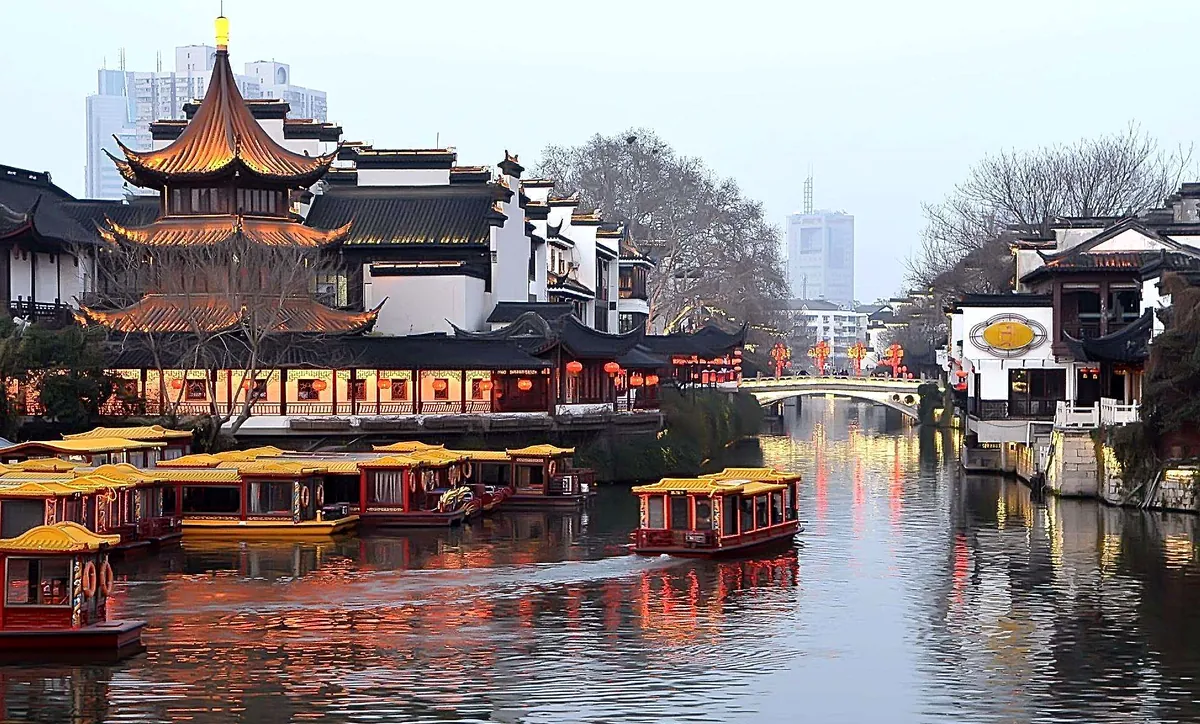
From a direct vantage point along the rippling Qinhuai River, the entire Confucius Temple complex reveals the solemn, antique beauty characteristic of Ming and Qing dynasty palace architecture. Layers of glazed tile roofs curve gracefully toward the sky, interwoven with intricate, gold-painted brackets and rafters that cast proud reflections upon the blue water. The ancient Panchi wharf, with its moss-covered granite steps—once a gateway for poets, scholars, and high-ranking officials—now blends with the vibrant red of traditional silk lanterns, creating a breathtaking, vivid landscape that perfectly encapsulates the thousand-year cultural essence of the Jiangnan region.
The timeline of the Nanjing Confucius Temple is inextricably linked to the most dramatic highs and lows of Chinese history. The site has endured countless fires and the ravages of war. In the sixth year of the Jianyan era of the Southern Song Dynasty, the iron hooves of the Jin army swept south, reducing the halls to ashes; yet, just a few years later, in the ninth year of the Shaoxing era, the temple was rebuilt from the ruins through the joint efforts of the people and the imperial court. During the Ming Dynasty, when Emperor Zhu Yuanzhang established his capital in Nanjing, the site was upgraded into the massive Guozijian (Imperial College), becoming the supreme center for Confucian examinations and education in the empire. The peak of historical turmoil arrived in the nineteenth century when the Taiping Rebellion turned Nanjing into the “Heavenly Capital,” causing the Confucius Temple to once again be engulfed in the flames of war. It was not until the eighth year of the Tongzhi era of the Qing Dynasty, under the meticulous guidance of Zeng Guofan, the Viceroy of Liangjiang, that the Dacheng Hall and the surrounding lecture halls and libraries were grandly restored according to traditional Confucian temple architectural standards.
Entering the twentieth century, the firestorm of the 1937 war dealt another heavy blow, causing severe damage to the central architectural cluster. Nevertheless, the noble spirit of Jinling’s literary heritage never faded; through comprehensive large-scale restorations, the Confucius Temple has risen strongly from the ashes, faithfully recreating its magnificent Ming-Qing appearance. More than just a place to worship Confucius—the “Teacher of Ten Thousand Generations”—and his disciples, the complex harmoniously integrates with the School behind it and the adjacent Jiangnan Examination Hall, creating a unique “temple-school integration” model. Every brick and thousand-year-old stone tablet here is imbued with the dedication of sages and the imprints of dynastic rise and fall, making this place an immortal symbol of the enduring Confucian civilization along the ancient Qinhuai River.
Viewed from the perspective of traditional Feng Shui, the choice of locating the Nanjing Confucius Temple on the left bank of the Qinhuai River demonstrates the superior topographical planning of the Northern Song ancestors. The complex is set in a “north-facing-south” position, backed firmly against the central dragon vein of the ancient city of Jinling, with its facade facing the gentle curve of the poetic Qinhuai River. In ancient Feng Shui belief, the slowly winding water in front of the “bright hall” symbolizes the accumulation of vital energy and wealth, serving as a source of nourishment for the scholars of Jiangnan for generations. Instead of digging an artificial crescent pond as is typical in Confucius temples, the ancient architects borrowed a natural bend of the Qinhuai River to serve as a massive Panchi, creating a rare “water-enclosed, mountain-guarded” Feng Shui design unmatched in the East Asian Confucian temple system.
Spreading out directly in front of the Confucius Temple complex is the mirror-like surface of the Qinhuai River, where the elegance of the landscape harmonizes with the solemnity of the ancient architecture. Rows of red-lacquered pavilions and gray-tiled roofs curve gracefully, reflecting into the deep blue water and creating an architectural skyline rich with the flavor of the Southern capital. Connecting the two banks is a sturdy, century-old stone bridge; on the south bank stands a majestic golden dragon relief screen, while the bustling boat dock on the north bank creates a vibrant, breathtaking scene that bridges the sacred realm of learning with the prosperous rhythm of urban life.
The most precious feng shui anchor in the peripheral landscape structure of the main temple is the Grand Screen Wall, located on the southern bank of the Qinhuai River, directly opposite the Lingxing Gate across the lush alluvial strip. First built during the Ming Dynasty, this gigantic screen wall spans an impressive one hundred and ten meters in length and stands eight meters tall, holding the record as the largest ancient screen wall in all of China. Its body is paved with solid stone blocks and features embossed, brilliantly glazed patterns of dragons playing with precious pearls. It serves as a sturdy wind-blocking and energy-shielding wall, deflecting distant malevolent forces and preserving a pure aura for the temple grounds. The Qinhuai River flowing between the screen wall and the entrance gate acts both as a natural protective moat and as a vast visual buffer, making the structure exude a solemn and serene vibe from any angle.
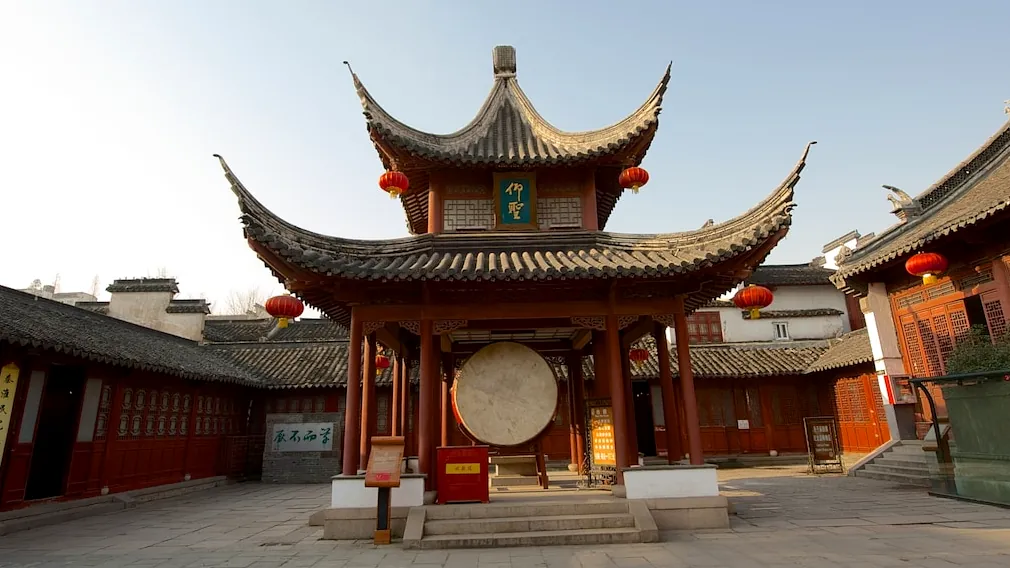
The organic integration between the man-made structure and the surrounding nature is further perfected by a system of ancient bridges, notably the Wende Bridge guarding the west and the Pingjiang Bridge on the east. The Wende Bridge is not only a commercial artery connecting the northern and southern banks, but also a scenic viewing platform associated with the miraculous "Wende Moon Splitting" phenomenon every Mid-Autumn Festival, when the reflection of the bright moon in the water is split into two fascinating halves by the bridge’s shadow. The natural flora along both banks of the Qinhuai—featuring weeping willows that turn emerald green in spring, brilliant golden hues in autumn, and the cool shade of ancient parasol trees in summer—transforms the temple grounds into an elegant ecosystem. The intertwining of the calm water surface, the whispering river breeze, and the shady tree canopy creates a perfect microclimate, completely isolating the sacred academic space from the dusty hustle and bustle of Jinling’s city streets.
The overall architecture of the Nanjing Confucius Temple is the exquisite crystallization of traditional feng shui philosophy and orthodox Confucian ideology, built along a rigorous symmetrical axis following the standard of "temple in the front, school in the back." The complex stretches across the northern bank of the winding Qinhuai River, where the ancient watercourse was cleverly planned into a unique natural Crescent Pond. Looking across from the opposite bank, the southern shore stands out with the Grand Screen Wall, built in the thirteenth year of the Wanli reign of the Ming Dynasty. It stretches one hundred and ten meters long with vibrant red glazed tiles and twin golden coiled dragons, hailed as the largest screen wall in China. Continuing along the spiritual axis is the majestic granite Lingxing Gate, leading through the Dacheng Gate straight into the most sacred center of the millennial Confucian temple.
Reigning at the heart of the complex is the Dacheng Hall, a magnificent and majestic main hall with a double-eaved imperial yellow glazed tile roof. Its ridge ends are adorned with exquisite mythical beasts soaring among the clouds of Jinling. A solid stone staircase carved with the "dragon and phoenix playing with a pearl" motif guides visitors into the solemn space, housing a 4.3-meter-tall bronze statue of Confucius—the largest of its kind in the country. Flanking the sides are the memorial tablets of the Four Associated Sages and the Twelve Philosophers. Massive rosewood columns support red-lacquered and gold-gilded horizontal boards inscribed by Emperors Kangxi and Qianlong, casting a subdued, timeless glow. Around the marble balustrade enclosing the forecourt, relief carvings depicting ancient tales of scholarly conduct create a solemn, majestic yet transcendent atmosphere.
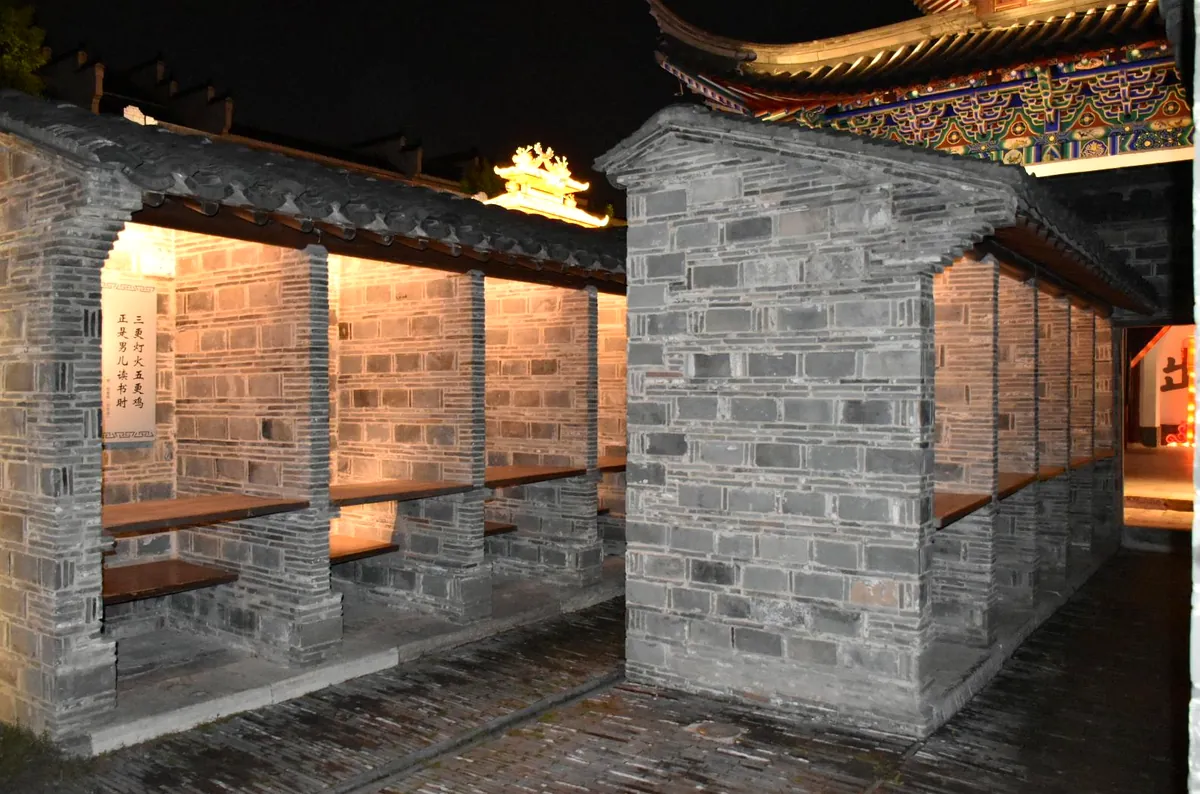
Moving past the ritual space of the Dacheng Hall, travelers will enter the Academy (Xuegong) area, which clearly reflects the national educational function of feudal times. Situated right behind the main hall is the Mingde Hall, the central lecture hall established during the reign of Emperor Song Lizong, which once echoed with the teachings of great Neo-Confucian scholars like Zhu Xi and Wang Yangming. This hall features a square layout and graceful, unadorned rafter structures embodying the integrity of a gentleman, providing a harmonious contrast to the grandeur of the temple in front. Behind the Mingde Hall stands the Zunjing Pavilion, a two-story library housing tens of thousands of wooden printing blocks and massive scholarly classics, serving as a beacon of knowledge for the entire Jiangnan region through various historical vicissitudes.
Aside from the central temple axis, the spatial scale of the Nanjing Confucius Temple extends eastward to the Jiangnan Examination Hall (Jiangnan Gongyuan), the largest imperial examination venue in ancient Chinese history. At its peak during the Qing Dynasty, this examination hall boasted over twenty thousand honeycomb-shaped cubicles spread across dozens of hectares, serving as the selection ground for over half of the top scholars (zhuangyuan) and imperial doctors (jinshi) for the imperial court. Amidst the countless narrow exam cells stands the Mingyuan Tower, a towering three-story wooden observation tower symbolizing the absolute impartiality of the examination rules. Today, the traces of the ancient examination grounds have been elaborately recreated within the China Imperial Examination Museum, ingeniously combining a four-story modern underground structure with above-water heritage sites.
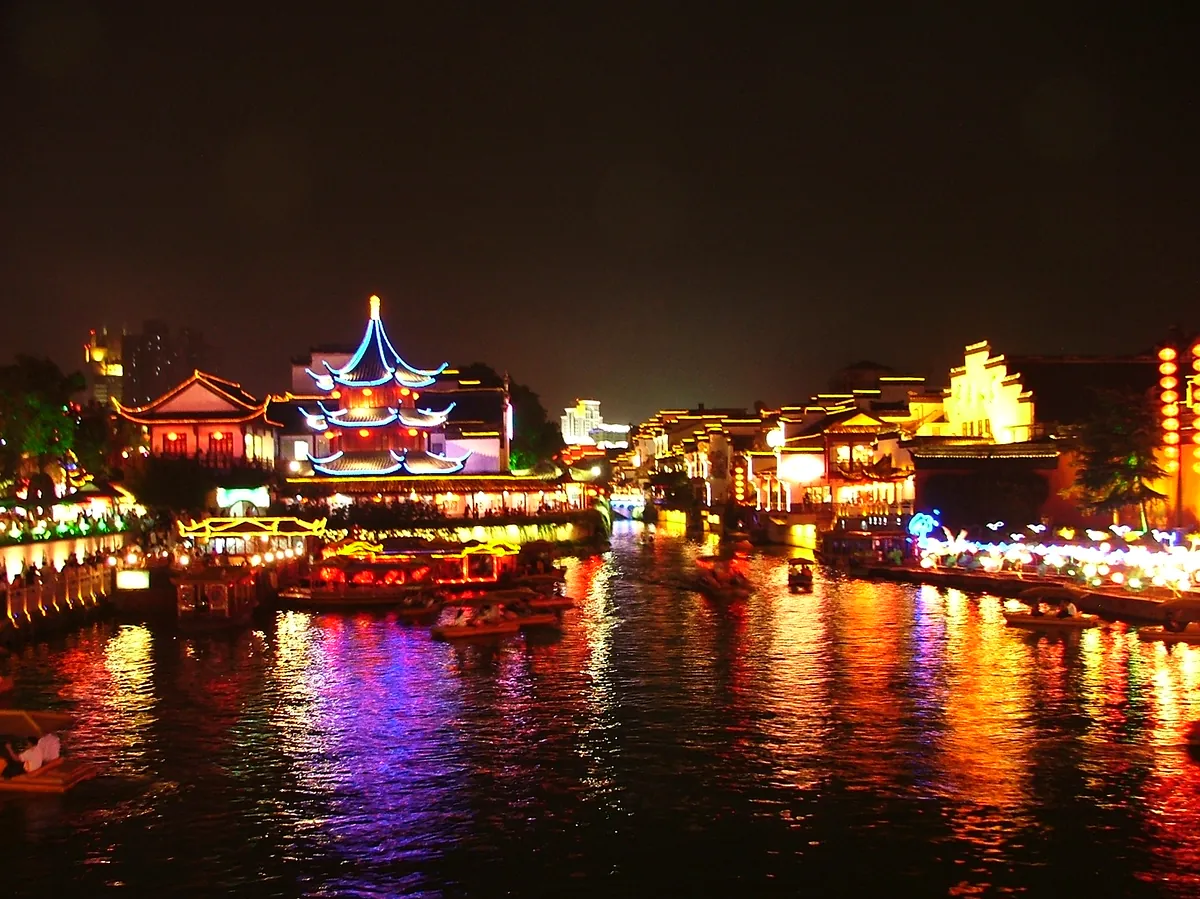
The grandeur and vibrant vitality of this architectural complex are the results of decades of national-level restoration and conservation efforts. After suffering heavy damage during wartime, local authorities mobilized master carvers, traditional masons, and leading experts in ancient architecture to reconstruct the site with precision, based on records from the Jiaqing and Daoguang eras. From every glazed blue brick and nail-less wooden joint to the dredging and refurbishment of the Qinhuai River to restore the Wende Bridge pier, everything was executed with massive investment, transforming the area into a model for heritage conservation integrated with a contemporary urban landscape.
As the sunset fades behind the ancient parasol trees, the Nanjing Confucius Temple sheds its solemn, scholarly daytime demeanor to don the magnificent attire of a dazzling imperial capital. The entire stretch of the Qinhuai River flowing past the temple gates erupts in a glow of thousands of lanterns, opening up a splendid space where the boundary between reality and thousand-year-old legends seems to blur. Modern visual art blends seamlessly with traditional architecture, awakening the golden memories of the prosperous Six Dynasties era, turning every bridge, tiled roof, and gentle ripple into a grand stage of light and elegant sound.
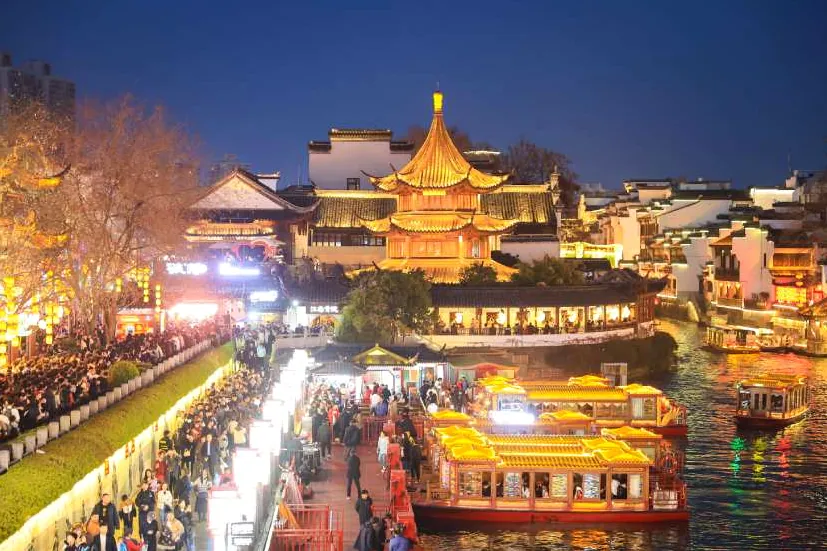
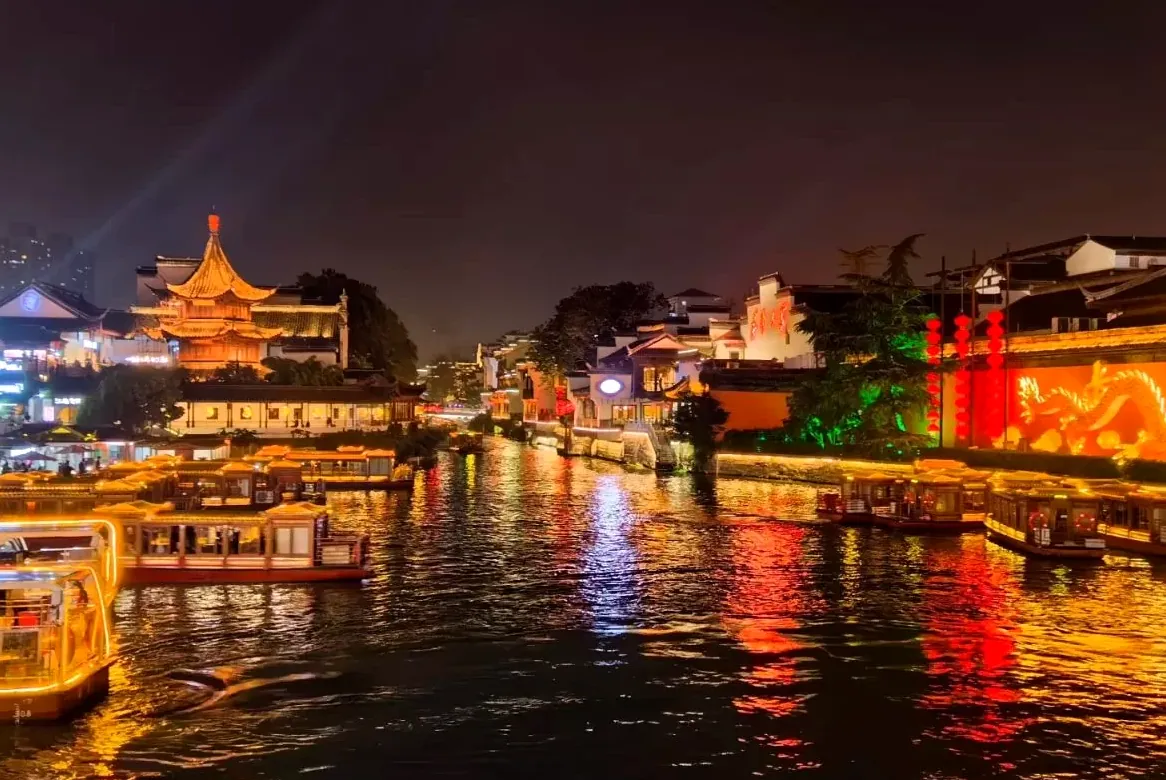
Viewing the central area from the north bank, the Dacheng Hall complex and the Nine-Dragon Screen stand proudly against the night sky, highlighted by a golden and crimson artistic lighting system that outlines every curve of the upturned eaves. Near the shimmering water, vermilion-painted dragon boats glide in succession, their lanterns casting magical, intertwined reflections upon the Qinhuai River. This ancient yet magnificent scene is a perfect intersection of elaborate lighting art and the soul of Jinling, making visitors feel as if they have stepped into a thousand-year-old scroll painting that has suddenly come to life.
A night cruise on a wooden boat is a journey that takes visitors through the deepest cultural layers of the ancient capital. Departing from the pier in front of the temple, the voyage carries guests past Wende Bridge and Wenyuan Bridge, offering views of the red-lacquered pavilions of Wuyi Lane or the Kuixing Pavilion casting their shadows on the slow-moving river. On board, the crisp sound of the pipa blends with the melodies of Kunqu opera or the gentle Jiangnan Pingtan singing, evoking the timeless poetry of Du Mu from the late Tang Dynasty. Each stroke of the oar is a chance for the traveler to touch the legendary stories of scholars and beauties, and the shifting dynasties that once mirrored themselves in the mother river of Nanjing.
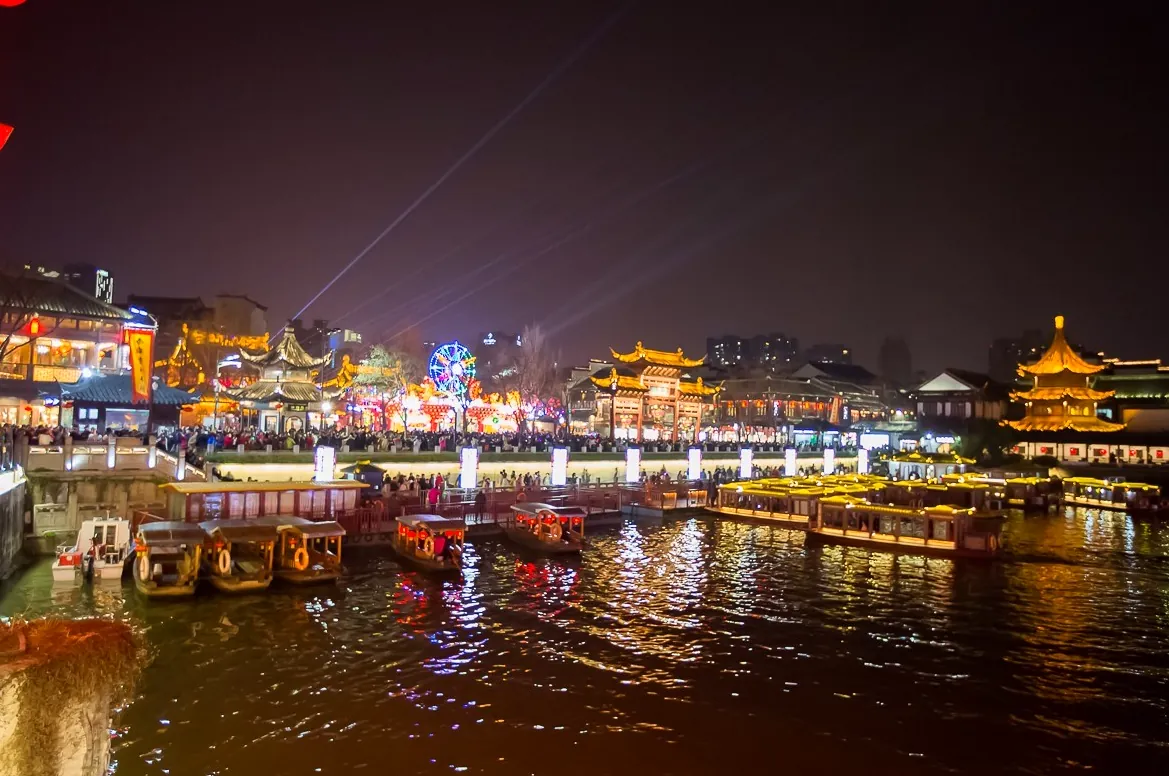
The art of light performance here is further elevated through large-scale live shows along both banks. Patterned walls, ceremonial gates, and ancient gardens become backdrops for 3D mapping technology and advanced laser fog effects. Heroic historical tales of the Ming Dynasty imperial examinations, images of scholars gathering at the Jiangnan Examination Hall, or the legend of the golden dragon soaring over the Qinhuai River are vividly recreated with astonishing realism. The clever combination of immersive surround sound, ethereal mist, and traditional shadow puppetry turns the night at the Confucius Temple into a mesmerizing visual feast that awakens all the senses.
Stepping off the boat and onto the shore, the nightlife along the ancient streets of Gongyuan and Taihe offers a completely different flavor, bustling with the energy of a “city that never sleeps.” Under rows of brilliant red lanterns, crowds stroll slowly past calligraphy shops, Jinling paper fan workshops, and traditional teahouses. The night air is made even more alluring by the fragrant aromas wafting from family-run eateries serving famous Qinhuai delicacies like duck blood vermicelli soup, crispy fried cakes, or lotus root porridge scented with osmanthus flowers. Everything blends to create a picture of nocturnal life that is both rich in folk tradition and sparkling with an elegance that has endured through the ages.
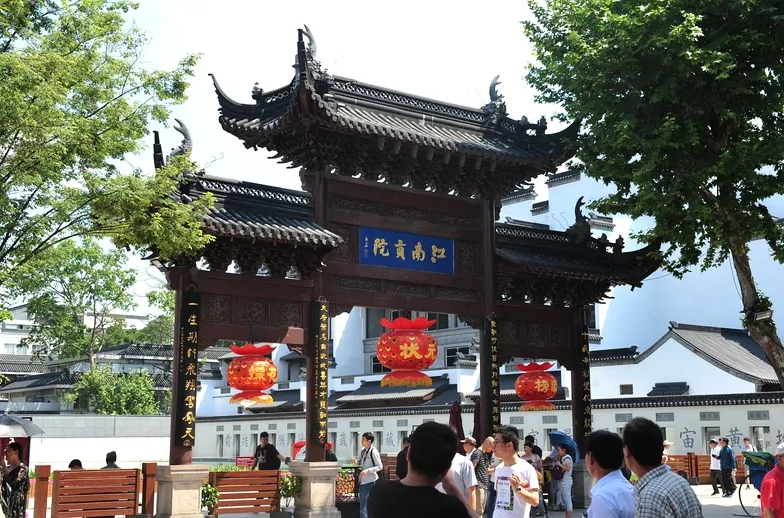
Since ancient times, the culinary culture along the banks of the Qinhuai River and the Nanjing Confucius Temple complex has been far more than just a mundane dining pleasure; it is a refined intersection between the elegant tastes of scholars and poets and the rustic lifestyle of Jinling townsfolk. Along the bluestone-paved ancient alleys radiating from the temple axis, traditional taverns and food stalls emit fragrant steam, where diners can witness renowned banquets featuring steaming bowls of soup, trays of golden pan-fried dumplings glistening with scallion oil, and plates of thinly sliced pink salted duck. The glow of red lanterns reflecting off rustic ebony wooden tables and chairs creates an atmosphere that is both nostalgic and vibrant, perfectly capturing centuries of culinary excellence in this ancient capital.
The most famous concept that forms the soul of the local flavor is the “Qinhuai Eight Delicacies,” representing eight pairs of traditional dim sum corresponding to long-standing renowned establishments dotted around the Confucius Temple precinct. Originating in the Ming dynasty and reaching its peak during the Qing dynasty, this menu system combines imperial delicacies with folk flavors once enjoyed by literati while discussing poetry or taking boat excursions. These eight pairs of culinary masterpieces are not served all at once, but rather guide the palate sequentially following strict culinary rules: starting with aromatic green tea paired with five-spice boiled eggs at the KuiGuangGe teahouse, moving on to crispy pan-fried beef dumplings served with herbal braised beef tendon soup at the JiangYouJi shop, and culminating in crispy scallion oil flatbreads paired with a light bowl of dry-fried noodle dishes at the QiXingGe. Each pair of dishes is a contrasting philosophical dialogue of yin and yang between crunchiness and smoothness, elevating street food to the level of classical art.
Mentioning Jinling’s gastronomy without acknowledging poultry means failing to truly understand the soul of Nanjing, a city celebrated as the capital of duck since the Six Dynasties period. The traditional Nanjing salted duck around the Confucius Temple involves meticulous preparation techniques, going through a series of rigorous steps from rubbing with coarse salt and roasted Sichuan peppercorns, soaking in traditional yeast-fermented broth, to air-drying under the precise seasonal humidity. When sliced thinly with a carving knife, each piece reveals a thin layer of moisture-retaining fat, delightfully chewy skin, tender pink meat, and a subtle hint of sweet osmanthus fragrance without any greasiness. Alongside this is the legendary duck blood vermicelli soup, a superb harmony of concentrated duck bone broth scented with star anise and cinnamon, square pieces of blood curd as smooth as silk jelly, finely sliced giblets, and puffed stuffed tofu pieces soaked in savory, comforting flavors that drive away the biting cold of nightfall along the Qinhuai River.
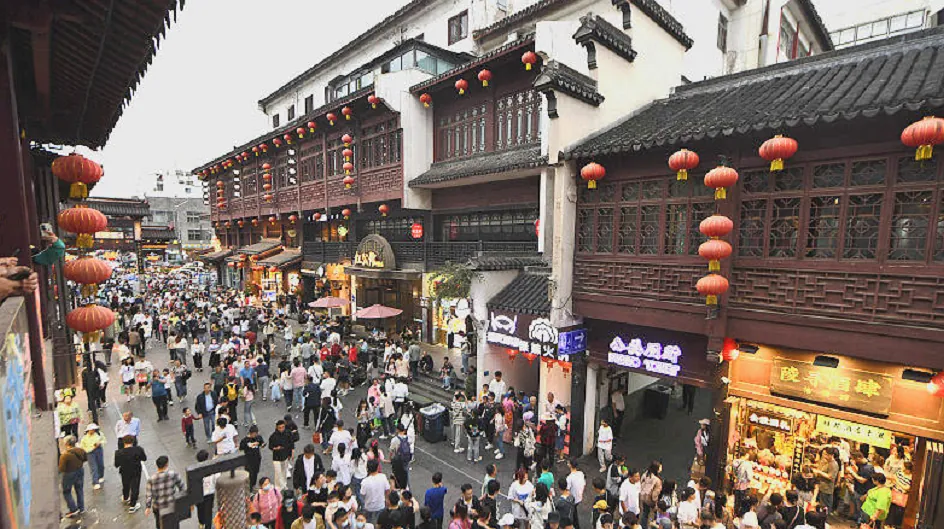
Alongside these rich savory dishes, the culinary landscape of the Nanjing Confucius Temple is further enriched by the serene tea-drinking culture at time-honored historical pavilions like YongHeYuan or LuShunJu. Amidst the echoes of melodious pipa music drifting through windows overlooking the boat dock, sipping a cup of premium Yuhua tea or Biluochun, and nibbling on a lotus-paste pastry scented with osmanthus honey is the ultimate way to appreciate the depth of history. Legend has it that scholars of the past, before entering the grueling imperial examinations at the Jiangnan Examination Hall, would gather at these teahouses not only to nourish their bodies but also to absorb the vital energy of heaven and earth concentrated in every authentic flavor, entrusting their aspirations of achieving academic honors and seeing their names inscribed on the golden roll of merit.
When dusk descends upon the waters of the Qinhuai River, the Nanjing Confucius Temple complex transforms into a magnificent spectacle resembling an ancient painting stepped out of pre-dynastic poetry. The multi-story wooden pavilions, intricately carved in Ming and Qing architectural styles, glow warmly under red lanterns, their upturned curved eaves casting shadows upon the shimmering, mist-veiled waters. Visitors can leisurely stroll along the granite stone steps, admire the giant mural screen, and listen to the subdued resonance of the guqin echoing from riverside teahouses, fully absorbing the thousand-year elegance of this opulent historic capital.
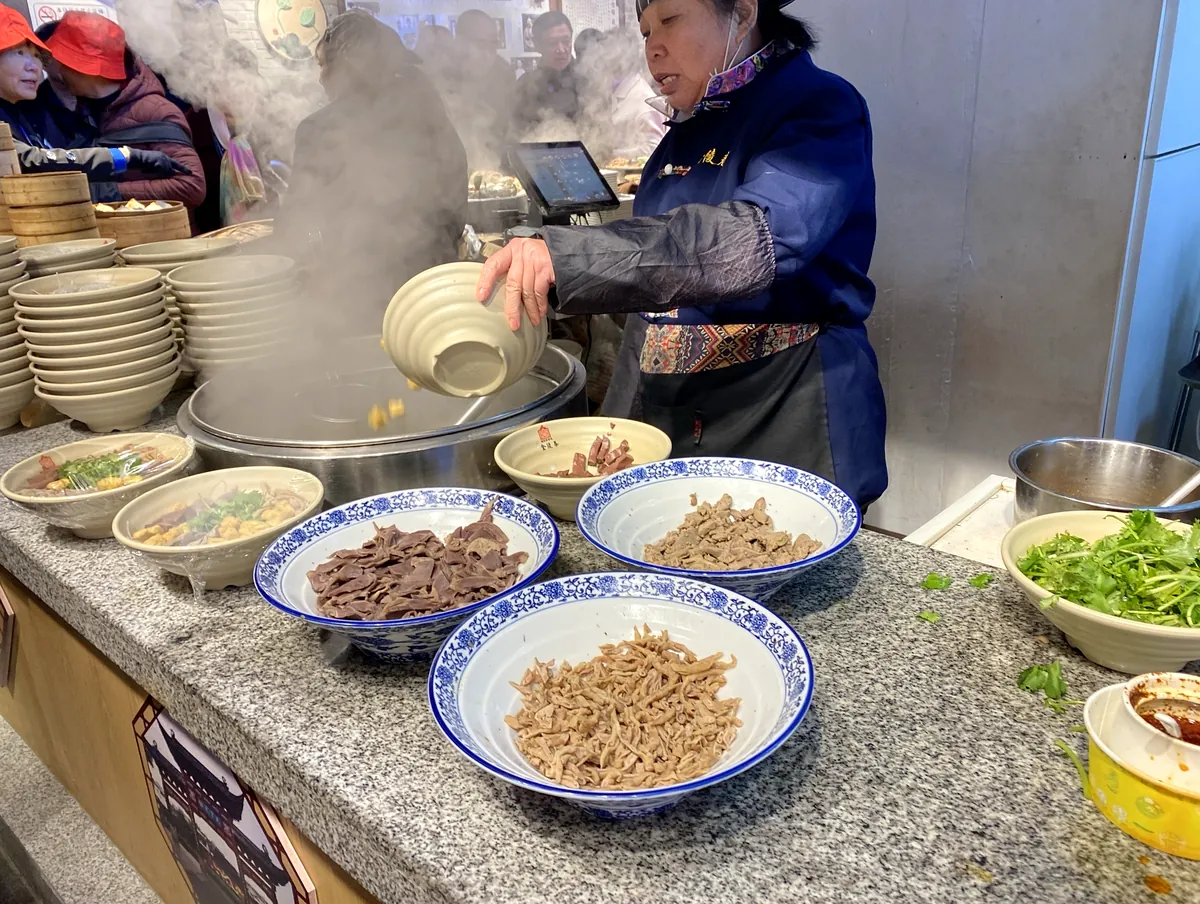
Although the entire ancient street axis surrounding the temple and both riverbanks remain freely open day and night for travelers to wander at will, the paid core heritage sites operate under strict schedules. The central area, comprising the Dacheng Hall, Jiangnan Examination Hall, and the China Imperial Examination Museum, generally welcomes visitors from 9:00 AM to 9:30 PM daily, with last entry approximately thirty minutes before closing time. Painted tourist boat cruises along the Qinhuai River operate most vibrantly from 6:30 PM to 10:00 PM. To avoid long queues during peak occasions such as the Lantern Festival or peak travel seasons, visitors are advised to pre-book electronic tickets via domestic online service portals or proactively purchase combined tickets at the ticket counter in front of the Lingxing Gate.
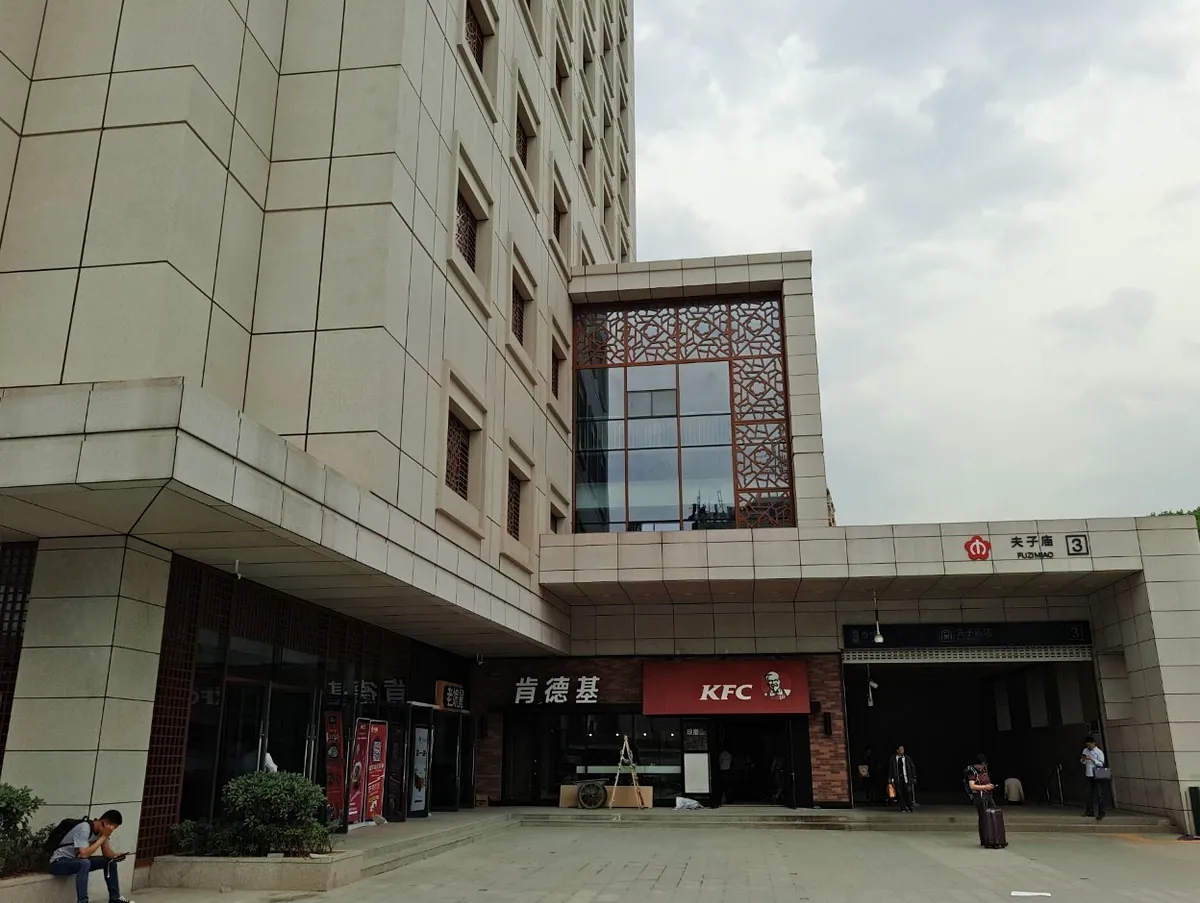
The modern public transportation system of Nanjing city makes accessing this sacred site extremely convenient. Metro Line 3 drops passengers right at the Confucius Temple station, where exiting through gate No. 2 or No. 3 instantly brings you into the vibrant rhythm of life along the bustling Gongyuan Street. Starting from Nanjing South Railway Station, visitors only need about a fifteen-minute direct metro ride on Line 3; while the journey from Lukou International Airport can be easily connected via the S1 express train, transferring to Line 3 at Nanjing South Station. For those who want to stroll and admire the old town from the western direction, stopping at Sanshanjie station on Metro Line 1 and leisurely walking along Jiankang Road also offers a poetic experience of exploring the Jiangnan cityscape.
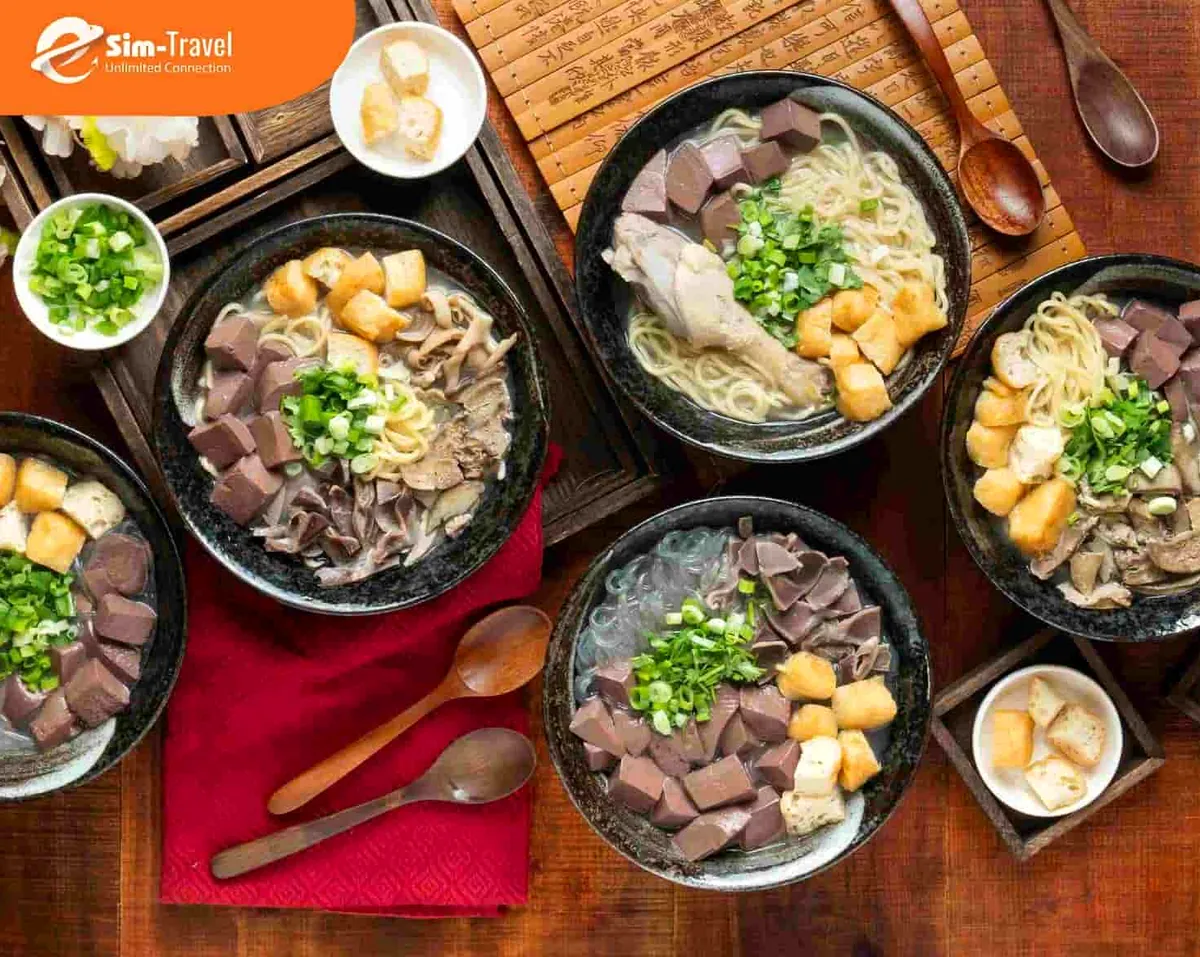
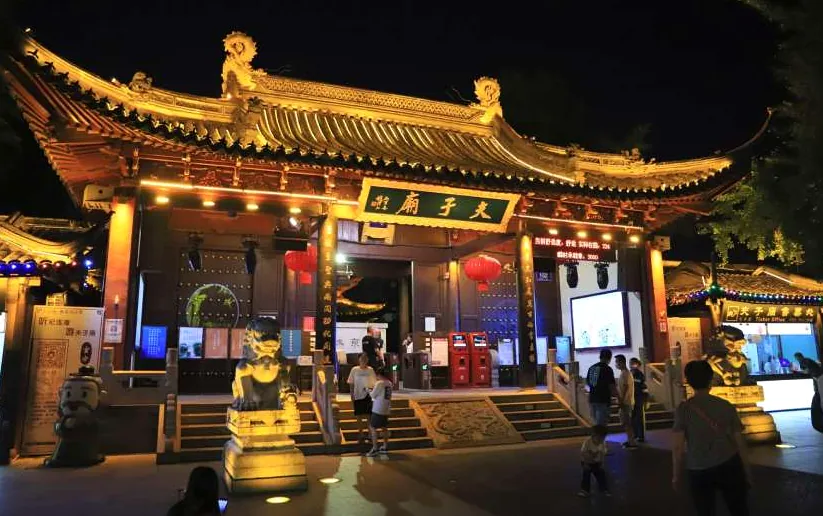
Stepping into the sanctuary dedicated to the Greatest Sage and Teacher of All Times, visitors should keep in mind the solemn behavioral standards of traditional Confucian culture. The Dacheng Hall space requires tranquility and modest, elegant attire; the use of flash photography or inappropriate posing in front of the sacred memorial tablets and the majestic bronze statue of Confucius is strictly prohibited. The ideal time to start the schedule is around 4:00 PM, when the soft golden sunlight is just enough to illuminate every detail of the patterns on the ancient rafters before the entire complex lights up in a magical evening lantern show. After touring the temple, stopping by Qifang Ge or Wanting Lou to savor the famous Eight Delicacies of Qinhai cuisine—from fragrant pan-fried beef buns to legendary duck blood and vermicelli soup—will perfectly complete the romantic Jinling experience.
In addition to preparing a valid entry visa in accordance with the host country’s tourist regulations, travelers should always carry their original passport with them as security checkpoint systems at major historical site gates require electronic ID scanning. Pre-installing cashless payment applications linked to international credit cards is essential, as most souvenir stalls, scenic ticket counters, and traditional local eateries here operate entirely on digital platforms. To fully enjoy the journey into cultural depth without worrying about complicated logistics or language barriers, choosing a well-crafted all-inclusive tour package will be the ideal key to unlocking a scholarly excursion in the heart of the ancient capital of Nanjing.