Spanning the historical currents at the northern frontier, the Lao Cai International Border Gate and its twin on the other side—the Hekou Border Gate (河口口岸)—have long held a strategic position as a vital artery for trade between Vietnam’s northern midlands and China’s Yunnan province. The name “Hekou” (meaning “river mouth”) originated from its natural geography: the confluence where the silt-heavy red waters of the Red River meet the crystal-clear blue of the Nam Thi River. This region was once a remote frontier, shrouded in the mists of the Quy Hoa prefecture during feudal times, where border guards protected every inch of land, and merchants from China, the Kinh ethnic group, and the H’mong people traded forest products, sea salt, and traditional ceramics via primitive boat landings.
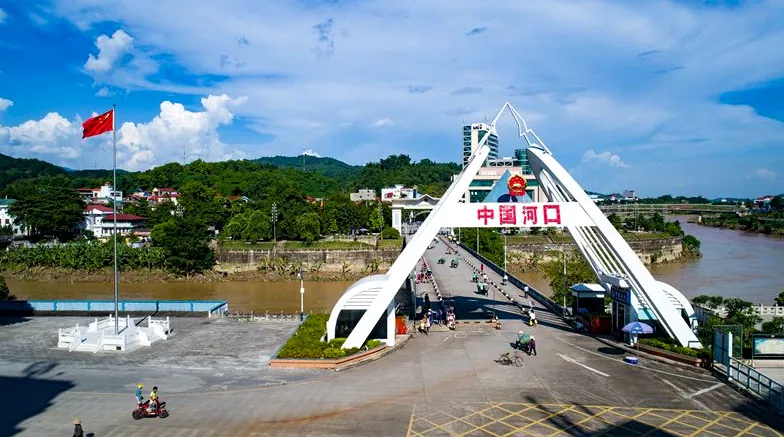
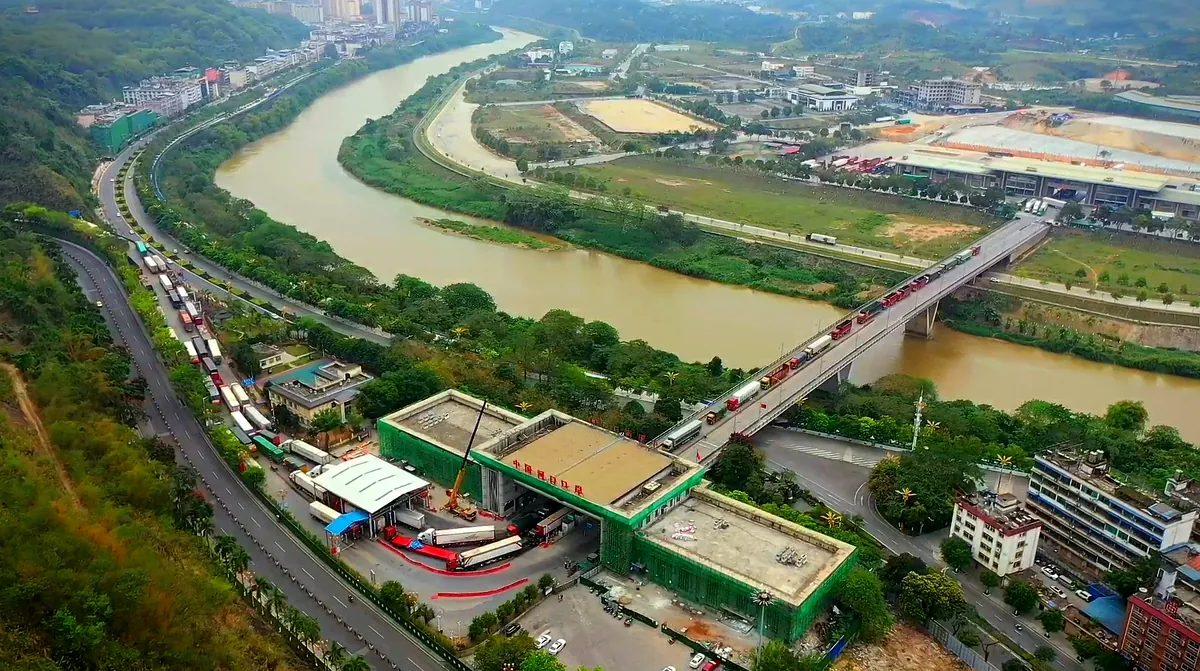
Today, the Hekou border gate on the Chinese side stands as a striking landmark, featuring an imposing gateway that blends modern architecture with traditional elements, proudly displaying the four characters “中国河口” (China Hekou). Under the windswept frontier sky, the red flag flutters proudly atop the magnificent customs building, casting its reflection onto the gentle Nam Thi River. The bridge connecting the two banks stands tall over the turquoise water, like a steel ribbon linking the two nations, witnessing the constant flow of people and vehicles between the two territories every day.
A historical turning point that completely transformed the appearance of this river junction occurred in the late 19th century. In 1897, Governor-General of Indochina Paul Doumer initiated the “project of the century”: the Haiphong – Yunnan railway (also known as the Dian-Viet railway). The ambition to connect the Gulf of Tonkin with the mineral-rich hinterlands of Southwest China turned the once-treacherous forests of Hekou – Lao Cai into a massive construction site. Thousands of laborers, French engineers, and Chinese workers carved through mountains and built steel bridges across rugged gorges. Thanks to this railway, the Lao Cai Border Gate transformed from a mere border outpost into a bustling inland port, a unique intersection where elegant French colonial architecture meets the mossy tiled roofs and characteristic Chinese streets of the Lingnan region.
Through the ups and downs and the intense upheavals of the 20th century, there were periods when the border gate had to be shut, and the bridge was temporarily severed by the smoke of conflict. However, the cultural flow and the necessity for mutual survival were never completely extinguished on the banks of the Nam Thi. In 1993, the Lao Cai – Hekou International Border Gate was officially reopened, marking a brilliant renaissance for the entire Kunming – Hanoi – Haiphong economic corridor. The sound of train whistles, trucks, and the bustling noise of traders from both countries once again dispelled the silence of the past, turning this frontier land into a vivid symbol of reconciliation, economic cooperation, and prosperity.
Bearing the historical imprints accumulated over hundreds of years of change, every iron bridge pier and every wave lapping against the boats at the Lao Cai gateway silently preserves the memories of our ancestors. The border area is not merely an administrative boundary but a living, open-air museum where every inch of land and every brick is imbued with the soul of migrations, tragic historical turns, and the eternal desire for connection among the border residents.
Viewed from the geodetic perspective of the Northwest frontier, the Lao Cai International Border Gate is located at a rare feng shui “acupoint,” where two major water sources converge, playing a vital role for the entire midland and delta region. At the foot of the majestic Hoang Lien Son range, the Thao River, swirling with red silt from the Yunnan-Guizhou Plateau, meets the jade-green Nam Thi River flowing from the deep forests. According to traditional geomancy, the convergence of these two flows with contrasting colors, yet harmoniously blended in a “tide gathering” position, is an auspicious sign of a land destined for enduring trade, prosperity, and strength as an impregnable frontier.
Right at the border line, the picturesque landscape is adorned by the modern border gate complex with its imposing stature. From the southern bank looking across the gentle Nam Thi River, the border bridge stretches out to connect directly to the massive gateway of the Hekou checkpoint. The massive, somber gray architectural block stands out with the four solemn red characters “中国河口” (China Hekou), and atop the roof, the national flag flutters in the mountain wind. The entire space exudes the quiet dignity of an international gateway, where the murmuring water winds around the stone bridge piers like a soft silk ribbon draped across the two nations.
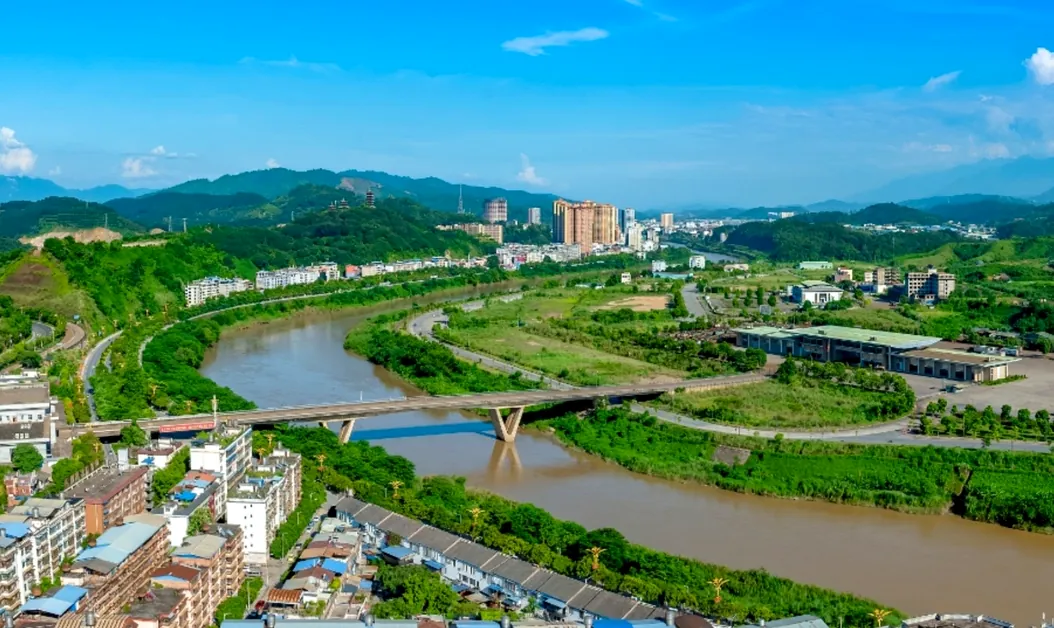
The name “Hekou” in Chinese historical records literally translates to “mouth of the river,” precisely indicating the location where the Nam Thi River pours its entire flow into the vast Red River. This valley basin is sheltered by limestone mountain ranges that curve like a bow, creating a classic “mountain-backed, water-facing” terrain. Behind it lies a sturdy mountain range that blocks cold northern winds, while the front welcomes warm energy and convenient trade routes from the south. The geomorphological structure, which widens toward the downstream, not only softens the ruggedness of the mountainous border terrain but also transforms the entire area into a prosperous oasis amidst the towering cliffs.
Spatial planning along the riverbank, from the time of early settlers to the present, has always been deeply rooted in this natural structure. Situated on a vital link of the Kunming – Lao Cai – Hanoi – Hai Phong economic corridor, the border gate is not merely a frontier outpost but, in essence, the gateway to a trade route that has existed for millennia. During the feudal era, merchant boats carrying cinnamon, brocade, tea, and sea salt chose this confluence as a safe harbor before navigating the treacherous rapids. In the modern era, engineers cleverly followed the natural valley of the Nam Thi River to lay the foundations for the legendary Yunnan-Vietnam railway, which winds through perilous limestone cliffs.
Today, the natural landscape around the border gate retains its expansive character despite the relentless pace of urbanization. Wisps of white clouds drift over distant mountain peaks each morning, reflecting on the two-toned water, creating a serene backdrop that contrasts with the bustling flow of people and vehicles passing through daily. The synergy between the mountain breezes, the cool mist from the river, and the grandeur of the hilly terrain has created a geopolitical and tourism space that is both deeply tranquil and vibrant at the edge of the frontier.
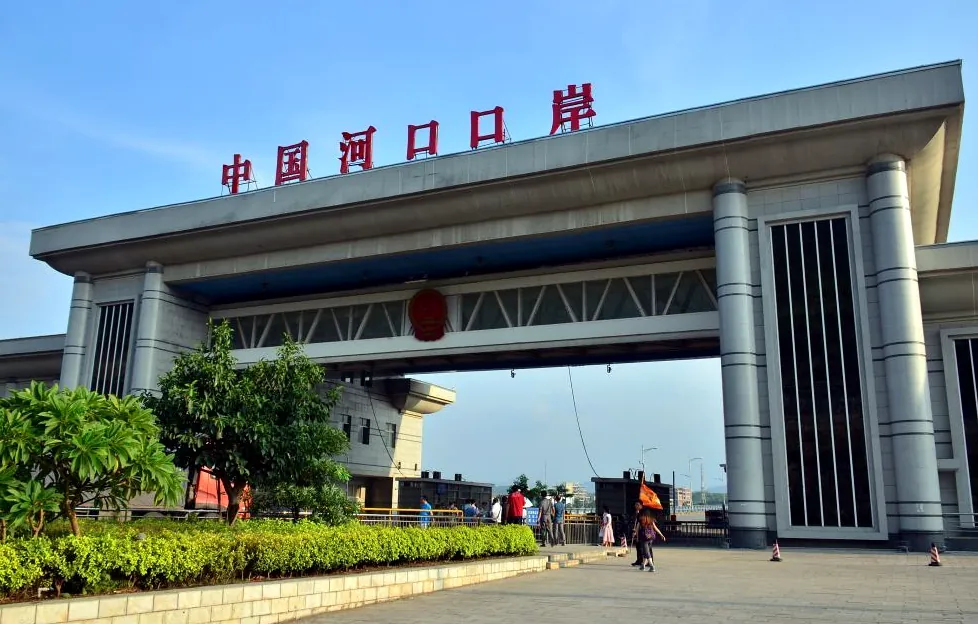
Standing imposingly on the northern bank of the Nam Thi River, the Hekou International Border Gate opens up a symbolic boundary space with a massive and majestic scale. The center of the structure features the intricately embossed, gold-plated National Emblem of the People’s Republic of China, prominently displayed above the sharp Chinese characters “中国河口口岸” (Hekou Port, China). The arched structure, built from solid stone blocks combined with massive concrete pillars, creates a visual sense of a robust, state-of-the-art border control station. The constant movement of people and vehicles passing through the gate vividly reflects the bustling cross-border trade between the two nations.
The overall spatial structure of the border gate complex is a unique planning design, where historical layers from the colonial era and modern industrial transformation clearly intersect. While the surrounding area preserves the original train station buildings from the French colonial period—with their pale yellow lime walls, long sloping roofs, and elegant arched corridors of the century-old Yunnan-Vietnam railway—the international border gate area is defined by the futuristic language of the new century. The joint border control facility is built in a modern Chinese architectural style, featuring a large-span steel frame, reflective glass facades, and square geometric lines, clearly demonstrating the planning capacity of a top-tier international trade hub in the Southwest region.
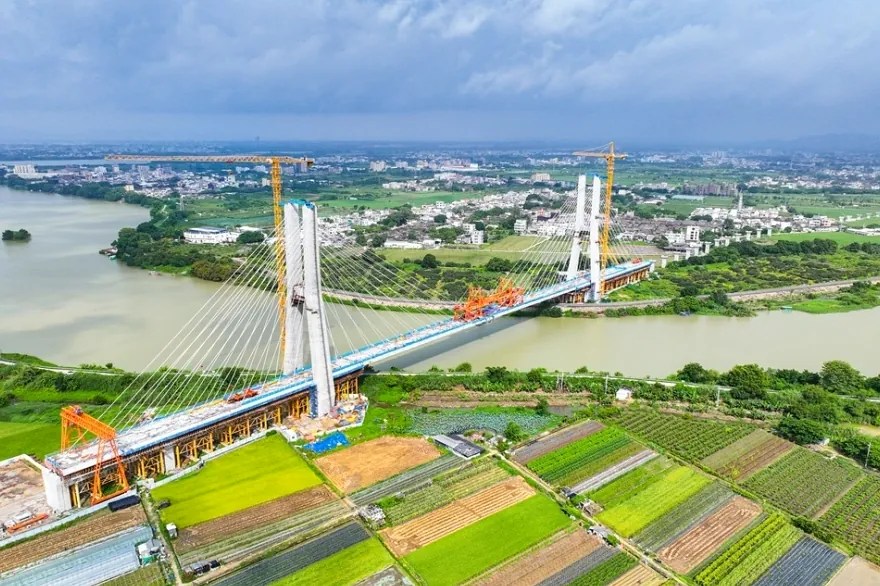
The vital connecting link in this border space is the bridge axis, exemplified by the Ho Kieu II Bridge, which was inaugurated and put into operation in 2001. The prestressed reinforced concrete bridge stretches across the silt-red waters of the Nam Thi River, creating a scientific corridor that separates heavy freight traffic from pedestrian travelers. With international standard design capacity and a wide deck divided into specialized lanes, the Ho Kieu II Bridge has completely relieved the traffic pressure on the old, early 20th-century iron Ho Kieu Bridge, while completing the integrated transport structure between Lao Cai province in Vietnam and the Honghe Autonomous Prefecture in Yunnan province.
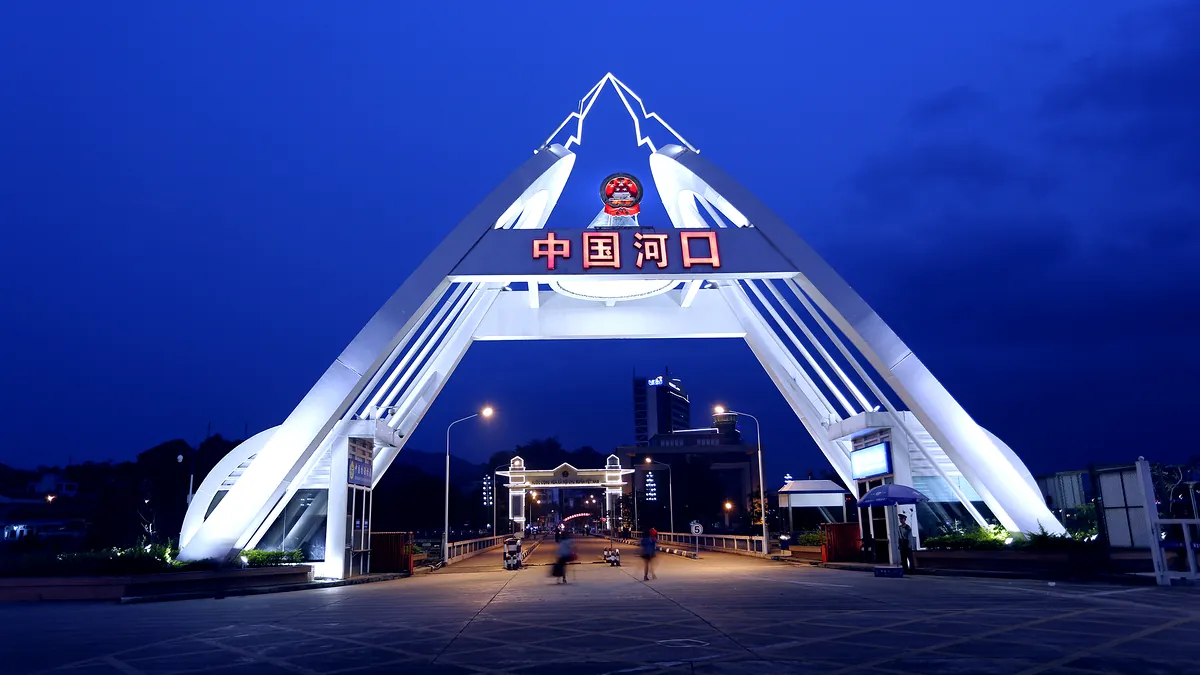
The actual scale of investment in this border trade zone is further defined by a strategic cross-border railway infrastructure revolution. Running parallel to the heritage 1,000mm narrow-gauge railway connecting Kunming to Hai Phong, the entire Hekou railway transport sector is receiving massive capital investment to upgrade, electrify, and expand to a 1,435mm standard-gauge system. This complex engineering project not only allows heavy-duty freight trains to connect directly to China’s national high-speed rail network but also serves as a synchronized preparation for the cross-border economic corridor linking Yunnan to deep-water seaports in Northern Vietnam. Logistics yards, container transfer stations, and smart inspection systems are methodically arranged over dozens of hectares, shaping a high-tech, robust, and dynamic border gate landscape.
As sunset falls over the confluence of the Nam Thi and Red Rivers, the Lao Cai – Hekou border crossing sheds the daytime bustle of container trucks to don the magnificent appearance of a city of light. Unlike the quiet rhythm of the Northwest highlands at night, the border strip across the Ho Kieu Bridge awakens with millions of LED lights and colorful neon signs, transforming the entire border town area of the Honghe Autonomous Prefecture into a vivid visual stage reflecting off the silt-laden water.
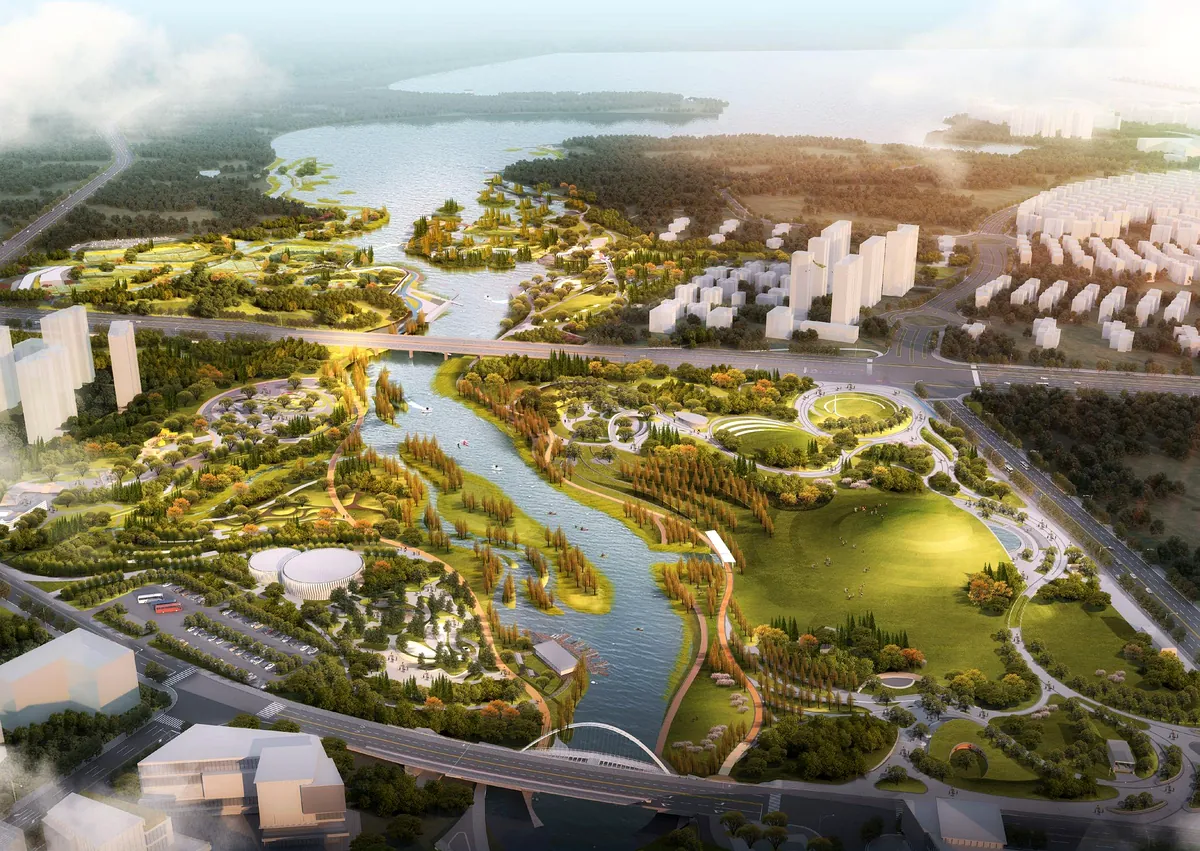
Right at the border demarcation point, the Hekou inter-agency inspection gate stands tall like a modern architectural marvel glowing in the border night. The structure features massive geometric lines and soaring arches that mimic the wings of integration, illuminated by an advanced color-changing spectrum system that hugs every reinforced concrete molding. Standing out in the most prominent position are the four Chinese characters “中国河口” (Hekou, China) in proud crimson, casting a fiery glow onto the granite-paved square, inviting visitors into a labyrinth of vibrant, prosperous life.
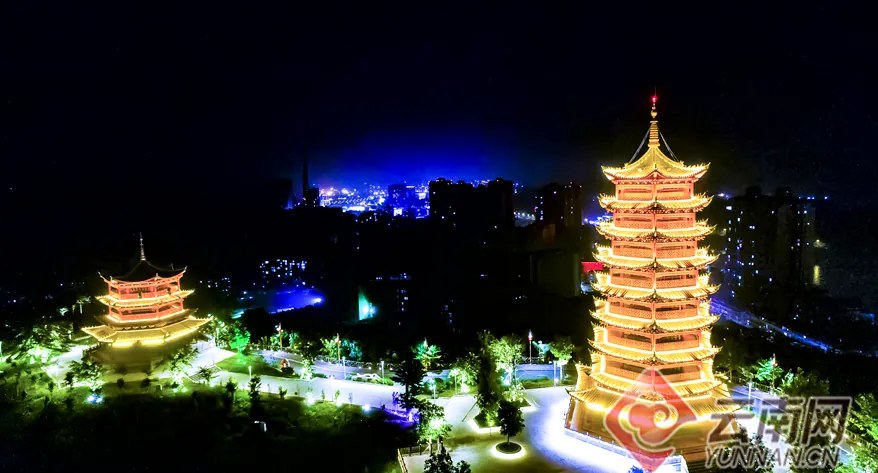
Venturing deeper into the town center, the visual highlight that attracts numerous cross-border visitors at night is Shanlin Park, also known by locals and travelers as the Light Park. Nestled peacefully on a gentle hillside facing the border basin, the park is designed with an interconnected water pavilion structure featuring wooden bridges winding around an artificial lake and gazebos in the architectural style of the Tang and Song dynasties. When darkness falls, hundreds of thousands of golden lights are activated, running along the wooden railings, draping from willow branches, and hugging the curved eaves, creating a fairyland scene reminiscent of an ancient capital’s painting at the frontier. The calm lake surface reflects the overlapping red-lacquered pavilions, turning every step of the visitor into a journey through a surreal, boundary-less landscape.
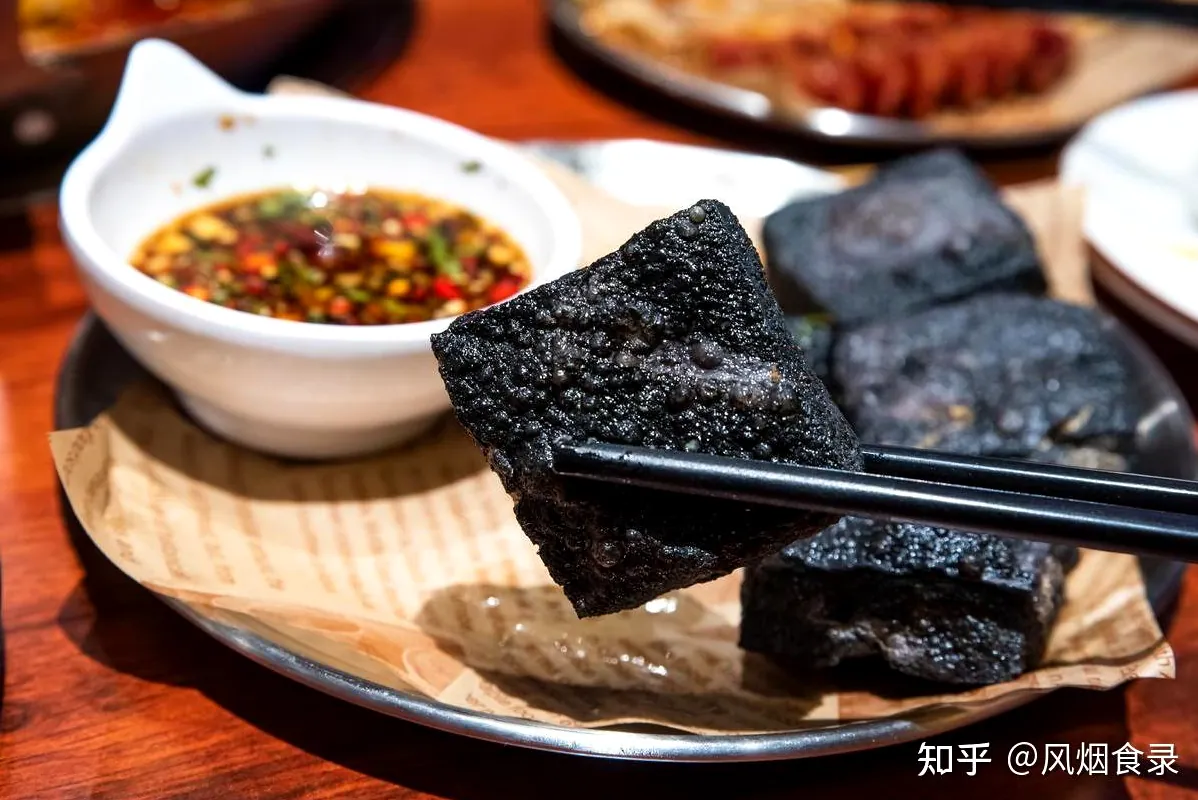
Beyond the ethereal beauty of the ecological light parks, the true pulse of Hekou at night surges through night markets and pedestrian streets like Guangyuan Street or the axis surrounding the Jiulong commercial area. Thick charcoal smoke carries the pungent aroma of Sichuan chili and Yunnan cardamom from stalls selling spicy grilled squid, charcoal-grilled stinky tofu, steaming char siu buns, and the famous roasted milk tea. Under the warm yellow glow of lanterns hanging along the commercial shophouses, the scene of buyers and sellers interacting in both Vietnamese and Chinese creates a unique space of economic and cultural intersection. The sizzling sound of cast-iron pans, the enthusiastic invitations, and the bustling footsteps blend into a vibrant, lively daily routine.
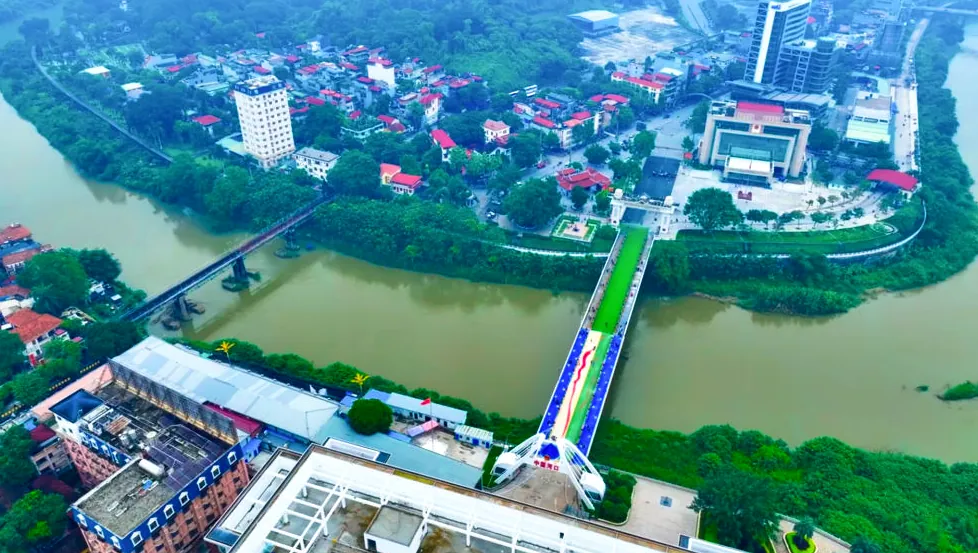
The art of lighting in the border area is not merely a landscape decoration solution but also acts as a cultural bridge, illuminating the century-old heritage connecting both sides of the border. Standing from the embankment of Lao Cai city looking across, the customs bell towers and high-rise buildings along the Nam Thi River create a captivating contrast between the nostalgia of the modern-era Yunnan-Vietnam railway trade and the breath of a new-era smart city. The seamless combination of modern lighting technology, traditional architecture, and street food culture turns the Lao Cai – Hekou night into a multi-sensory real-life experience, where the border is no longer a geographical distance but an endless, vibrant artistic stage.
The culinary landscape at the confluence of the Nam Thi and Red Rivers possesses a unique flavor rarely found elsewhere. Just a few steps across the border, a traveler’s senses are immediately awakened by the pungent, aromatic smoke of Sichuan peppercorns, chili, and warm star anise. Hekou’s cuisine acts as a mirror, reflecting the vibrant fusion between the ancient Yunnanese heritage and the simple, rustic life of border town residents. Nourished by the fertile soil of the Dian-Zhu plateau, the dishes here are not merely a combination of palate-stimulating spices but also embody a profound culinary philosophy regarding the balance of yin and yang, the harmony of hot and cold properties, and the art of preserving the essence of fresh ingredients.
Leading the list of must-try delicacies in this border region is “Crossing-the-Bridge Noodles” (Guo Qiao Mi Xian), a legendary culinary masterpiece originating from Mengzi County in the Honghe Autonomous Prefecture during the Qing Dynasty. Folklore tells of a scholar’s wife who, while her husband studied on an island in Nanhu Lake, sought a way to keep his soup warm after his long walk across a wooden bridge. She discovered that a layer of golden chicken fat floating on the surface of the bone and poultry broth acted as a natural lid, trapping heat and keeping the soup simmering for hours. The ritual of enjoying a bowl of Crossing-the-Bridge Noodles in Hekou is a spectacular visual and sensory performance: diners are served a ceramic pot of broth boiling at over 100 degrees Celsius, releasing a rich, fragrant aroma. A selection of meticulously prepared ingredients—paper-thin pork slices, tender chicken breast, grass carp fillets, raw quail eggs, shiitake mushrooms, goji berries, bean curd skin, and fresh chrysanthemum petals—are added to the bowl to cook instantly in the hot broth. Finally, the round, chewy rice noodles are added, creating an elegant and unforgettable culinary symphony.
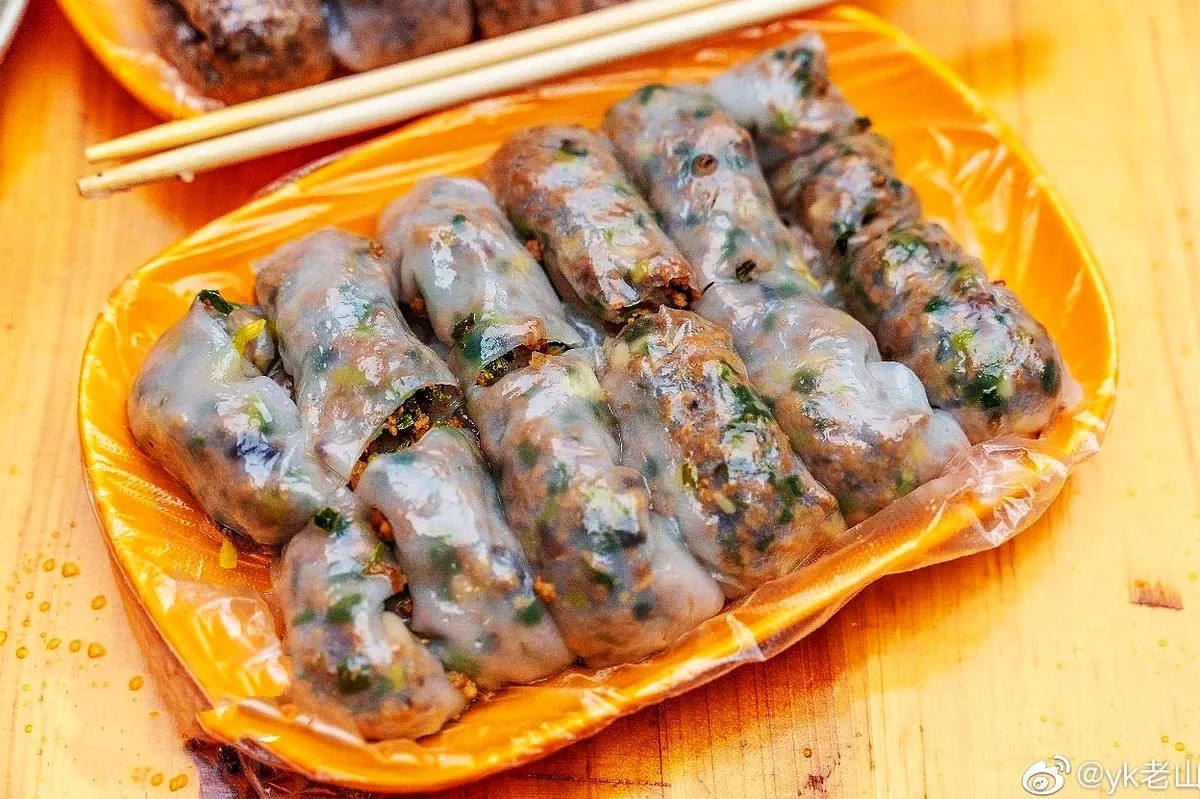
Beyond the famous noodle soup, Hekou-style steamed rice rolls (Banh Cuon) offer a rustic delight that demands exceptional skill to prepare. Unlike the soft, delicate rolls found in the Red River Delta on the other side of the border, these rolls feature a rice flour skin so thin it is nearly transparent, yet firm and chewy, wrapping around a savory filling of minced pork, wood ear mushrooms, shiitake, and fragrant fried shallots. The soul of this iconic breakfast dish lies in its unique dipping sauce: instead of traditional sweet and sour fish sauce, it uses a bone broth base mixed with Zhenjiang black vinegar, spicy chili oil, coarsely crushed roasted peanuts, toasted sesame seeds, and chopped cilantro. The elegant acidity blends with the fiery heat and nutty richness, making each bite melt on the tongue—a sensory experience that is both familiar and exotic, characteristic of the Dian-style cuisine at this gateway of trade.
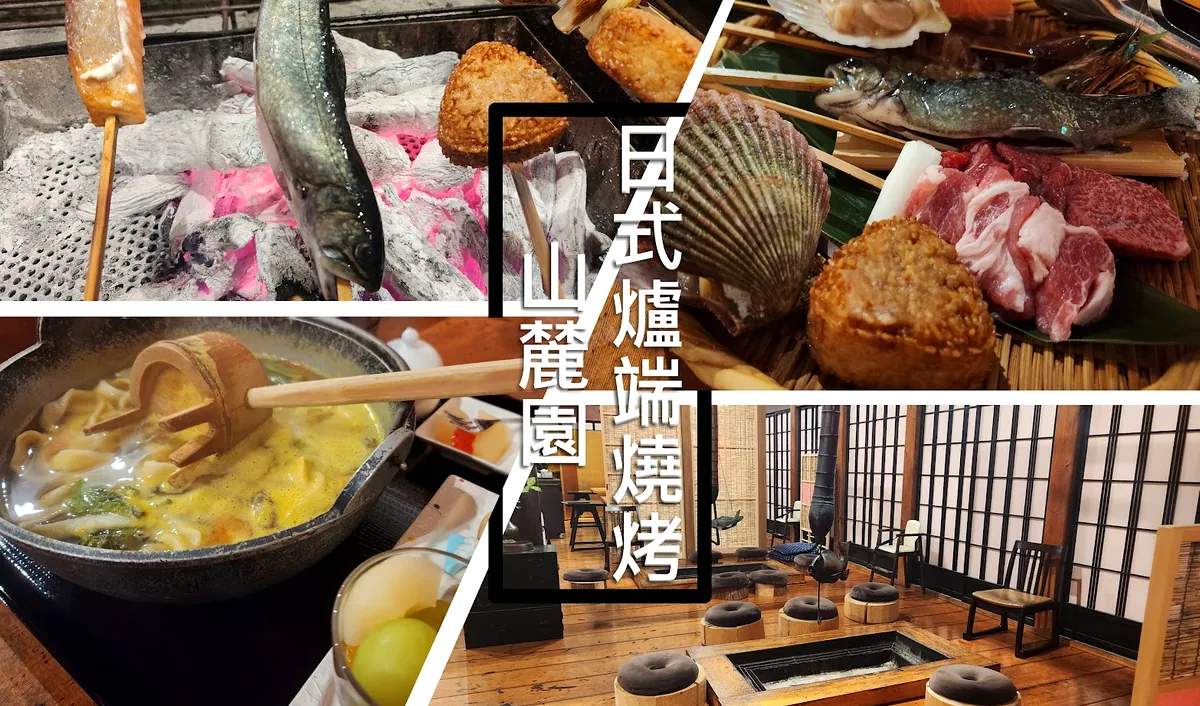
As the sun sets behind the mountains and bright lights illuminate the bustling streets, Hekou’s night food scene begins its lively celebration with street-side barbecue and roasted milk tea. Skewers are stacked high—from stinky tofu, chicken wings, and gizzards to local vegetables like mustard greens and king oyster mushrooms—all generously seasoned with Egyptian cumin, Yunnan chili powder, and numbing Sichuan peppercorn powder, sizzling over glowing charcoal. To balance the fiery heat, locals and visitors alike often turn to roasted milk tea, slow-brewed in clay pots over charcoal. Brown sugar is lightly caramelized to create a fragrant base, blended with ancient Yunnan highland tea leaves and creamy fresh milk, topped with chewy black sugar pearls or nutty barley. Each warm sip spreads through the throat in the cool mountain air, concluding a mesmerizing sensory journey in a land of thousand-year-old trade traditions.
Life at the Lao Cai International Border Gate begins at the crack of dawn, when white clouds still drape over the border hills and the Nam Thi River begins to shimmer with a flat, jade-like hue. The joint control area is open to travelers from 07:00 to 22:00 Hanoi time (08:00 to 23:00 Beijing time), operating a smooth bilateral coordination mechanism across the historic Ho Kieu Bridge. To cross this geographical boundary with ease, travelers should equip themselves with a thorough understanding of administrative regulations and the daily rhythm of this river-junction land, where two East Asian civilizations meet at a single painted line on the bridge.
Right before the traveler’s eyes, the border control station building stands tall with its massive glass arches and solemn architectural lines, reflecting the brilliant morning sun onto the spacious immigration courtyard. Streams of people line up in an orderly fashion with neat luggage, passports or border passes in hand, entering the lobby filled with natural light, where bilingual Vietnamese-Chinese signs clearly guide each movement flow. The scene exudes a sense of order yet remains vibrant, serving as an international artery where every step marks a magical transition between two neighboring lands united in friendship.
Regarding immigration regulations, one of the key points that travelers often confuse is the scope of validity for different types of identification documents. Currently, bilateral authorities facilitate cross-border exchange through the Border Pass (Sổ thông hành). This convenient document allows travelers to stay for up to 30 days, but strictly limits travel to the Hekou Yao Autonomous County. If you wish to venture beyond the border valley to explore the magnificent cities within Yunnan province, such as Mengzi, Jianshui, Mile, or the provincial capital Kunming via modern high-speed trains, you are required to use a passport valid for at least six months, accompanied by a pre-approved E-visa or a sticker visa. Customs inspection procedures also enforce strict standards regarding fresh food, unprocessed agricultural products, and specialized communication equipment, requiring careful preparation to ensure a smooth clearance process.
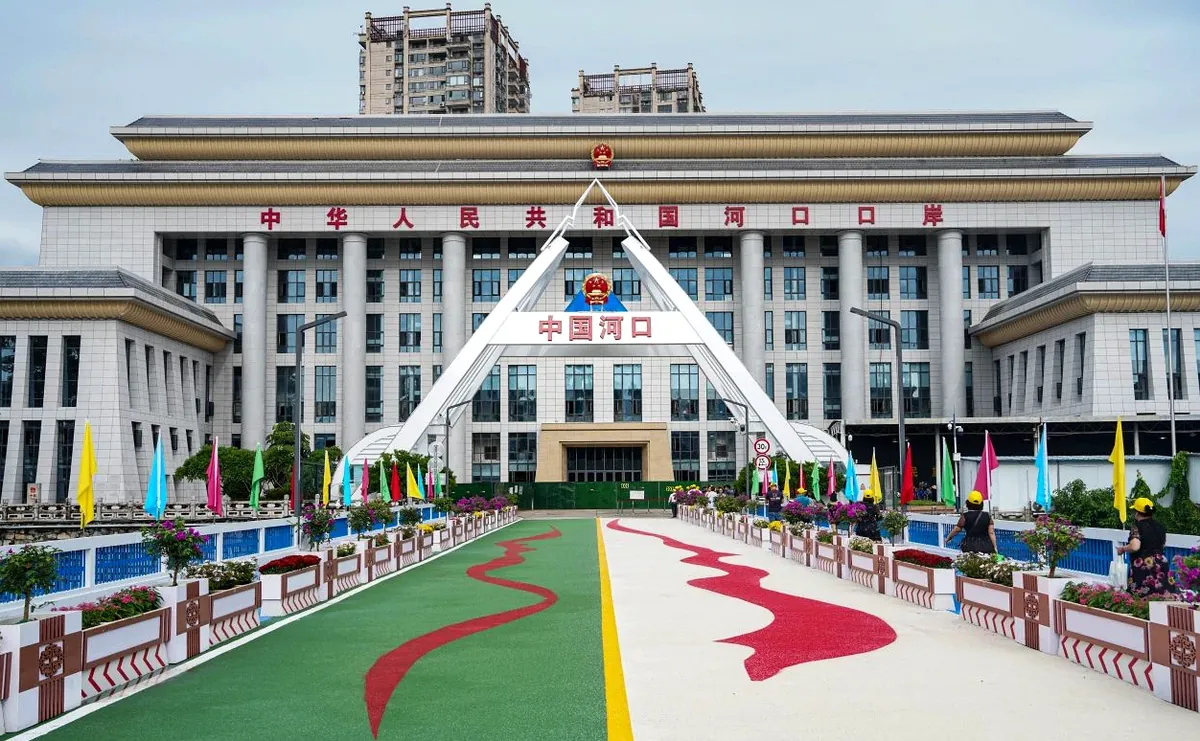
Once you have completed the exit procedures from Vietnam and entered Hekou Port (河口口岸), moving around and experiencing life in this border region opens up countless exciting opportunities. From the central Lao Cai railway station, it takes only about ten minutes by taxi or public bus to reach the border gate lobby. Stepping onto the northern bank of the Nam Thi River, Hekou town welcomes you with a flat landscape where green taxis and public electric bikes are available on every tree-lined street. Pedestrians can leisurely stroll to taste soft Hekou steamed rice rolls or spicy grilled squid on Quang Ninh street, while also being prepared with a mobile payment app or a small amount of Chinese Yuan cash for convenient purchases at traditional food stalls.
In the context of increasingly diverse border tourism, travel experts recommend that visitors stay mindful and follow a “No Shopping – High Experience” philosophy—a pure travel approach that focuses on the depth of sightseeing, discovering local culture, and exploring heritage sites rather than falling into the trap of cheap tours with itineraries that force shopping at commercial establishments. Freely immersing yourself in the glowing Light Park at sunset or listening to the train whistle echoing through the limestone canyons is the true spiritual value of the trip. For those who want to dedicate their time entirely to gentle enjoyment without worrying about administrative hassles, an all-inclusive tour package, designed with expertise, will be the perfect bridge to open the way for your journey across the border.