Tucked quietly along the edges of modern Kunming’s bustle, Wenlin Street reads like an ancient book resting beside the flow of time—where every stone slab and old tree carries the spirit of scholarship and shifting history. The roots of this refined street go back to the Ming and Qing dynasties, when it began as a simple red-earth path shaded by greenery leading to the Yunnan Examination Hall (Gongyuan), the province’s top imperial exam center whose traces now sit within Yunnan University. Every spring and autumn, when provincial examinations opened, tens of thousands of scholars, juren, and xiucai from distant prefectures gathered here—pitching tents, studying classics late beneath lamps, and awaiting examination day. Seeing scholars assemble in dense numbers like a forest of talent, people of old borrowed the classical phrase “literati gathering like a forest, talents converging” to name the lane Wenlin Street, expressing hopes for a land nurturing pillars of the nation.
Across centuries of feudal rule, that modest dirt path evolved into one of Kunming’s most cultured quarters. Around the Yunnan Examination Hall grew a distinctive cultural ecosystem where scholars discussed affairs of state, composed poetry, and sought official advancement. Moss-rimmed, gray-tiled homes rose along both sides of the street—serving both as resting stops for men of letters and as intellectual links connecting Kunming with the capital through exam essays. Literary grace and academic roots took deep hold here from those examination days onward.

The most dramatic and radiant chapter in Wenlin Street’s chronicle arrived during the War of Resistance against Japan, when the relocation of leading northern universities brought National Southwestern Associated University (Lianda) to Kunming. Amid wartime trials, Wenlin Street and neighboring Wenhua Alley suddenly became a resilient intellectual heart for a nation weathering storm. Footsteps of eminent scholars—such as Zhu Ziqing with his quiet bearing, Shen Congwen with prose rich in regional life, Wen Yiduo with unyielding conviction, and gifted student Wang Zengqi—became part of everyday life along these paving stones. Amid air-raid sirens and wartime hardship, modest teahouses and old bookshops lined the street as open classrooms where teachers and students debated philosophy, discussed poetry, and kept the torch of learning alive.
During the mid-to-late 1960s, the street was swept into intense social shifts and large-scale name changes. Even so, historical sediment and cultural soul rooted deep in this ground were not easily erased by temporary upheaval. After shifting names over time, the poetic name Wenlin was restored as a fitting recognition of the street’s stature. Spanning from Ming–Qing examination tents to the famed Lianda university era, Wenlin Street stands today as a prized heritage spot preserving the scholarly spirit and character of the Spring City of Kunming.
In the feng shui geography of the Spring City, Wenlin Street occupies a prime spot within Wuhua District’s historic educational core. The street sits northwest of Wuhua Hill—a key geomantic ridge in old inner Kunming—while receiving gentle breezes and water energy from the Green Lake (Cuihu) system. The interplay between mountain veins rising from Wuhua Hill and the open water-gathering basin of Green Lake creates a balanced mountain-and-water setting. Rather than a flat grid, the terrain follows gentle rolling slopes typical of the Yunnan–Guizhou Plateau, giving buildings varied levels and letting cool lake air thread into quiet lanes.
In historic urban layout, Wenlin Street acts as a symbolic bridge between scholarly halls and everyday town life. At its eastern end sits the south gate of Yunnan University’s historic campus—forerunner of famed Donglu University—alongside remnants of the Ming–Qing Gongyuan examination grounds where scholars across Yunnan once sat for provincial exams. To the west, the street meets lively Jianshe Road and modern West Dongfeng Avenue. Branching along gentle slopes are cultured side lanes such as Wenhua Alley, Wenchang Alley, and especially Teacher’s Slope (Xiansheng Po)—a narrow stone lane said to have been walked daily by scholars and professors of Southwestern Associated University, creating a herringbone lane network rich in literary memory.
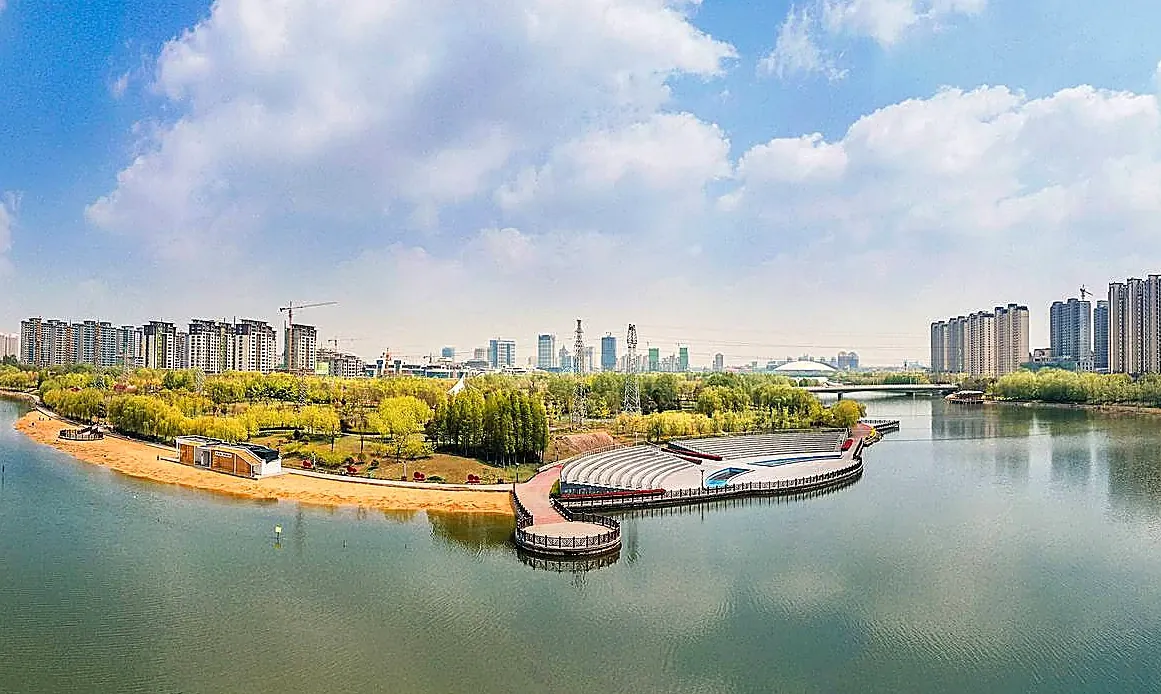
Natural scenery along Wenlin Street shifts gracefully across four seasons. Lining curbs are mature ginkgo trees mingled with tall plane trees whose branches interlace like a green canopy shielding walkers from dry highland sun. Every autumn, ginkgo canopies turn bright gold, carpeting gray stone paths in yellow that contrasts vividly against dark red brick of century-old halls and moss-rimmed yin-yang tiles. Paired with drooping willows along Green Lake just steps away, the scene blurs lines between lively city streets and peaceful greenery.
Organic interaction between gentle slopes, air moving off Green Lake, and leafy shade gives Wenlin Street a mild microclimate—cool and shady in summer, sheltered and comfortable in winter. This grounded setting supports timber dwellings across time while nurturing cultural depth that gives every stone slab and corner a quiet, cultured feel.
Stretching over a thousand meters along gentle slopes northwest of Green Lake, Wenlin Street offers a human-scaled walking corridor. Unlike wide multi-lane expressways elsewhere in modern Kunming, its street width lets strollers take in both sides comfortably without towering concrete blocks or overwhelming signage—creating an intimate, welcoming pace for walking.
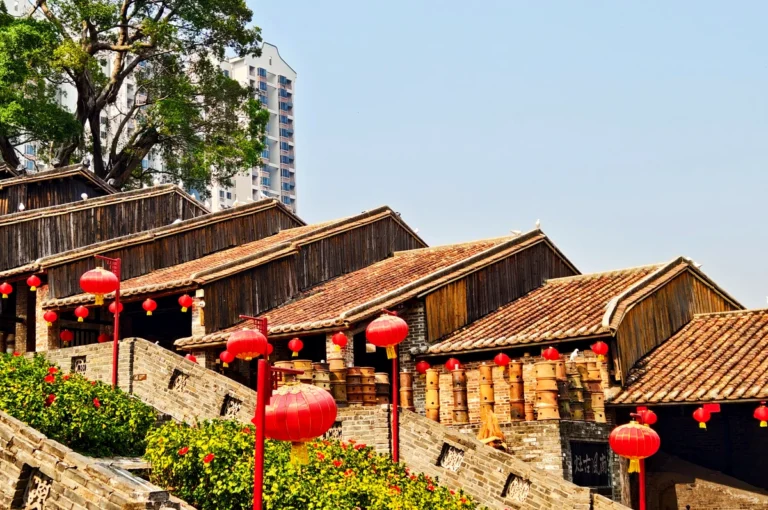
Architecturally, Wenlin Street is a living timeline blending late Qing Dynasty roots, Republican-era details, and mid-20th-century structures. Local Kunming tradition shows in timber-framed houses, gray-blue yin-yang tiled roofs, and green-brick storefronts. Interwoven among older courtyards are two- and three-story red-brick buildings with sloped roofs from the mid-century era—recalling times when intellectuals and artists gathered in Yunnan’s capital. Shifts from carved wooden latticework to exposed brick walls give facades both classic calm and nostalgic charm.

Renewal along Wenlin Street avoids wholesale demolition or artificial imitation, favoring “micro-renovation” that respects physical heritage. Projects remove later encroachments, reinforce timber frames on historic homes, and preserve old classrooms, dormitories, and residential clusters. Small details—Republican window moldings, wrought-iron balconies, and bluestone steps—are carefully restored, while cables, underground utilities, and subtle lighting sit tucked behind ginkgo leaves to keep the street green, authentic, and alive.
This approach has opened a “soft adaptive-use” model turning historic buildings into interactive cultural spaces. Timber-and-tile rooms once used by scholars now house independent bookshops, contemporary art exhibitions, galleries, and craft studios. Leafy courtyards host local teahouses and cafes where Yunnan coffee aroma mingles with book paper and aged wood—making Wenlin Street a thoughtful model of urban renewal carrying centuries of highland culture forward.
As sunset fades over Kunming skies, Wenlin Street enters a quiet evening mood locals describe as cultured and calm after dark. Far from loud commercial nightlife or neon glare, lighting here is gently restrained to honor historic architecture. Along the street, leafy branches filter soft warm lights onto weathered brick walls, illuminating winding lanes and lacquered wooden signboards beneath tiled eaves.

At night, Wenlin Street flows at an unhurried, artistic pace. Echoes of Ming–Qing scholars heading to exams and Lianda teachers like Zhu Ziqing and Shen Congwen live on in a modern key. Instead of blaring club music, evening air carries quiet conversation from late-lit academic bookshops, eclectic independent cafes, and craft beer spots fragrant with malt and hops.
Warm light spilling from wide windows illuminates scholars, faculty, students, and international visitors gathered around wooden tables. You might see thick philosophy books open beside a cup of Yunnan highland Arabica coffee, or lively multilingual talks over craft beer—paired with evening steam from traditional snack stalls selling buckwheat bakes, sizzling charcoal tofu, and sweet chicken-broth Crossing-the-Bridge noodles in an inviting blend of everyday warmth and bookish calm.
Evening lighting along Wenlin Street stays understated, letting strollers unwind step by step. Contrast between quiet courtyard shadows and warm light from creative spaces gives each corner and stone step character—blending Kunming’s older grace with an open, contemporary spirit.
Beneath plane-tree shade, Wenlin Street is also a down-to-earth yet refined culinary heart of Kunming. Woven into unhurried academic life, local food reflects central Yunnan traditions where fresh mountain ingredients meet family craft. Walking into the street, steam from large stockpots, toasted wheat aromas, and Yunnan herbs greet you right away.
A signature stop on Wenlin’s food map is a traditional rice-noodle shop at No. 74 Wenlin Street in Wuhua District. Open from 10:00 AM to 10:00 PM with modest prices around 15 RMB per bowl, this long-standing eatery has served generations of locals and students. Its reputation rests on slow-simmered broth made without artificial flavorings—steeping free-range hill chicken and rich older duck gently for hours for clean depth beneath a golden oil layer that locks in warmth and fresh sweetness.
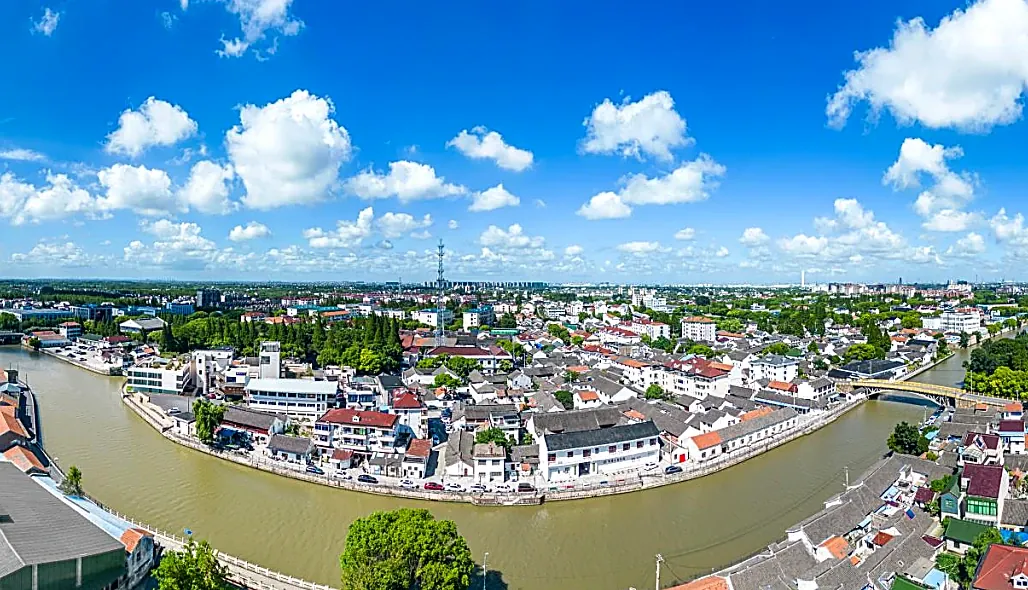
The menu showcases four classic ways to enjoy Kunming rice noodles (mixian). Traditional Crossing-the-Bridge noodles invite diners to dip thin slices of meat, quail eggs, and greens into bubbling broth; small copper-pot noodles deliver punchy spice with minced meat and crisp pickled greens directly in the pot; warm-weather cold mixed noodles feature nutty sesame sauce and mild herbal vinegar; and braised beef noodles pair tender beef shank simmered with star anise and cardamom in rich reddish broth.
Strolling into neighboring Wenhua Alley opens up a lively street-snack scene. Steaming baskets hold Posu buns—known for delicate, layered dough wrapped around savory fat-and-sugar fillings or rich mushrooms. Nearby, charcoal grills toast chewy glutinous rice cakes brushed with spicy Yunnan chili paste alongside crisp fried dough sticks, while golden fresh-flower pastries carry fragrant rose petals and wild honey from Dianchi Lake.
Alongside traditional snacks, Wenlin Street has a distinctive heritage of dozens of artsy cafes and Western bakeries spanning over thirty years. Pairing Yunnan Arabica coffee with simple family snacks creates an unhurried rhythm where you can sit beside a shaded veranda, listen to a copper pan sizzle nearby, and savor Kunming’s gentle pace.
Unlike ticketed monuments or closed scenic zones, Wenlin Ancient Street is open freely day and night to wandering visitors. While life runs from early morning until late evening, visiting between 3:00 PM and 10:00 PM is especially rewarding as slanting afternoon sun warms tiled roofs and highlights bookshops and cafes under shade trees. In autumn, golden falling ginkgo leaves give the street a memorable seasonal charm linking scholarly history with present-day life.
Public transit makes reaching Wenlin Street easy from across Kunming. Ride Kunming Metro Line 3 to Panjiawan Station or Line 5 to Yuantongshan Station, then walk just over ten minutes past leafy, flower-lined residences to reach the street entrance, or take city buses stopping near Yunnan Normal University or Green Lake. A pleasant walking route starts at Yunnan University’s historic campus and Huitze Hall, passes beneath ginkgo trees and through Wenhua Alley’s coffee and tea lanes, follows Wenlin Street, and finishes beside Green Lake Park at dusk.
Wenlin Street stands out for calm, straightforward local pricing with no pushy sales tactics—typical snacks like Kunming rice noodles, grilled tofu, or sweet glutinous rice desserts usually run around 15 to 30 RMB. While strolling stone lanes, keep voices low out of respect for residents living behind garden walls, and enjoy pausing with a book or cup of tea to soak in the street’s quiet literary memory.
For trips to central Yunnan, Vietnamese travelers should prepare a passport valid for at least six months with a valid Chinese tourist visa or approved border/group entry permit, and set up mobile payment apps before departure for easy everyday spending. If you wish to pair Kunming’s historic lanes with high-mountain scenery, an itinerary like our 4-day, 3-night Hekou – Kunming – Jiaozixue Mountain tour package links calm city streets with dramatic highland landscapes smoothly.