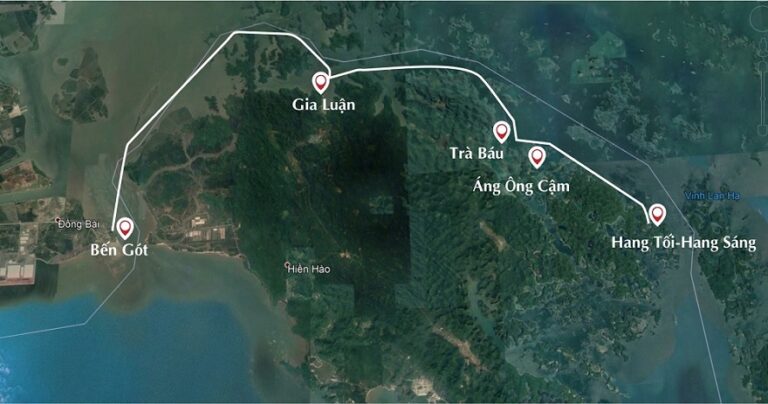
Vietnam’s S-shaped strip of land has been blessed by nature with a long, poetic coastline where, for thousands of years, human life has been intimately intertwined with the sea, creating unique cultural values and a rich maritime heritage. Amidst this diverse symphony, coastal fishing villages emerge like melodic notes—possessing a rustic, simple beauty while harboring profound historical and cultural stories. Cai Beo fishing village, with its millennial history, is one of these special notes, an ancient beacon inviting us to explore.
From North to South, coastal fishing villages are not merely settlements for fishermen; they are truly “living museums” that preserve the essence of maritime culture, ancient fishing traditions, beliefs, and a distinct lifestyle that has played a crucial role in shaping the Vietnamese national identity. Each village, while sharing the sea as a common foundation, carries its own nuance and story—from ancient sites holding immense archaeological value to bustling fish markets at dawn, or peaceful oases tucked away from the outside world.
What is worth cherishing and reflecting upon is the ability of these fishing communities to maintain their traditional values, even as the country undergoes rapid changes. Many villages have preserved their traditional way of life and labor methods for centuries, despite rapid economic development and modernization. This persistent existence is not merely “old-fashioned,” but a testament to an active and strong cultural continuity, becoming vital connection points to national heritage in the context of globalization.
In the diverse and rich tapestry of Vietnam’s fishing villages, Cai Beo stands out as a special highlight, attracting visitors with its time-worn antiquity and rare, serene scenery. Located in the Cat Ba Archipelago, Hai Phong city, and nestled gracefully in the heart of the magnificent Lan Ha Bay, Cai Beo—also known as Vung O village—is not only one of the oldest and largest fishing villages in Vietnam but is also dubbed a true “Museum of Vietnamese Maritime Culture.” Here, the past and present seem to blend into one, inviting each of us to embark on a deeper journey of discovery into hidden values and the echoes of 7,000 years of history still resonating on every wave and every floating house.
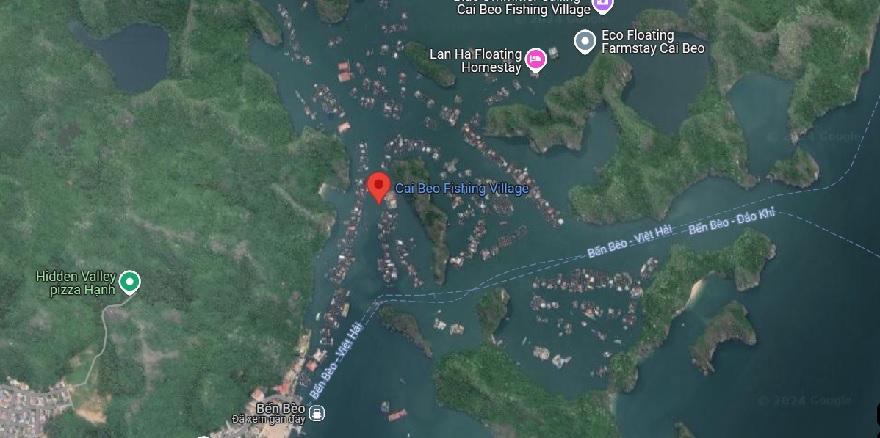
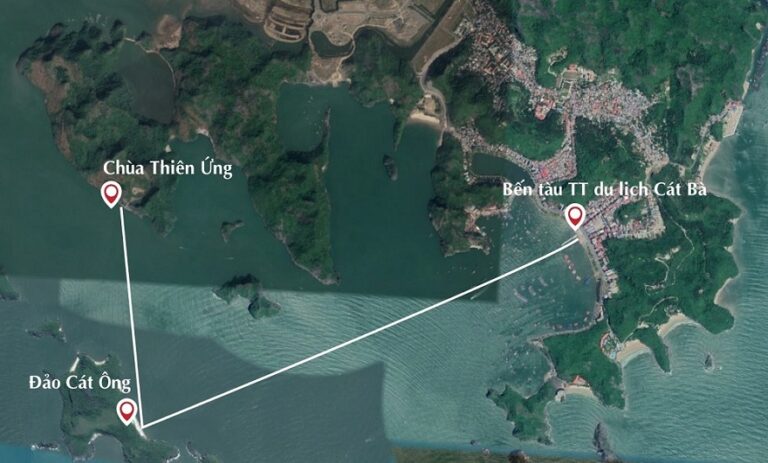
Location of Cai Beo fishing village on Google Map
History of Cai Beo Fishing Village: A 7,000-Year Mark of Maritime Culture
More than just a destination with picturesque scenery, Cai Beo fishing village is an invaluable historical treasure, preserving the bold imprints of a maritime culture spanning 7,000 years. A journey back in time to explore Cai Beo will take us to the roots of the ancient Vietnamese communities that conquered and integrated with the sea.
With a history dating back 7,000 years, Cai Beo fishing village is confirmed by researchers as one of the oldest, and potentially the longest continuously inhabited, fishing village in Vietnam. This is not just an impressive number but a vivid testament to the persistent adaptation and long-term settlement of humans in the Northeast island region. The name “Cai Beo” also carries a cultural layer, reminiscent of the early days when ancestors transitioned from a life of hunting and gathering in the forests to the sea, learning to exploit ocean resources and building communities dependent on the sea.
The historical value of Cai Beo is further strongly affirmed through a series of significant archaeological discoveries, revealing a glorious and complex past.
Discovery event: In 1938, French archaeologist Madeleine Colani first conducted excavations in the Lang Chai Bay area (another name for Cai Beo). Her initial findings led to an important conclusion: Cai Beo is one of the cradles of ancient Vietnamese culture, home to a community of early seafaring people.
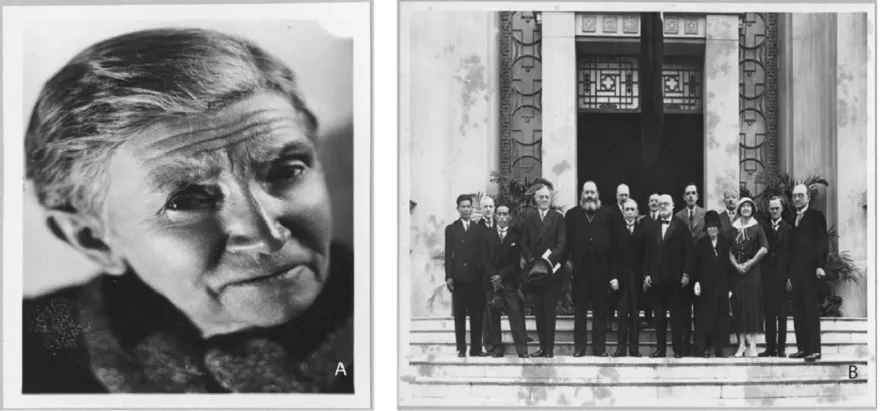
French archaeologist Madeleine Colani, who discovered the Cai Beo culture and many other cultures in Vietnam
Important Vietnamese excavations
Following this discovery, Vietnamese archaeologists from the Institute of Archaeology and the Museum of Vietnamese History (now the National Museum of History) conducted many larger-scale excavations in the 1970s, 1980s, and 2000s, yielding extremely valuable results:
- 1972-1973: The first surveys and excavations conducted by Vietnam identified three cultural layers at the site, yielding thousands of stone artifacts and pottery shards.
- 1981: The Vietnam National Museum of History excavated an area of 78m², discovering numerous artifacts belonging to two consecutive developmental stages: the Pre-Ha Long culture and the Ha Long culture. Notably, this excavation also uncovered traces of hearths and a burial site with human remains in a crouched position.
- 1986: The subsequent excavation yielded nearly 180 stone tools, including chipped and crudely ground implements. Additionally, a large quantity of pottery shards with varying characteristics was found: 9 porous shards, 18 thin hard shards, 93 thick coarse shards, along with 11 fish vertebrae, 88 fish heads, and 6 animal bone fragments.
- 2006-2007: Archaeologists excavated 10 different pits, collecting a rich collection of artifacts including 137 granite items, 1,424 prehistoric pottery shards, and 568 specimens of animal remains and marine mollusk shells.
Through the analysis of cultural strata and artifacts, scientists have determined the continuous human development at Cai Beo across several successive cultural stages: from the Middle Neolithic, through the Pre-Ha Long culture, Ha Long culture (Late Neolithic), to the Early Bronze Age.
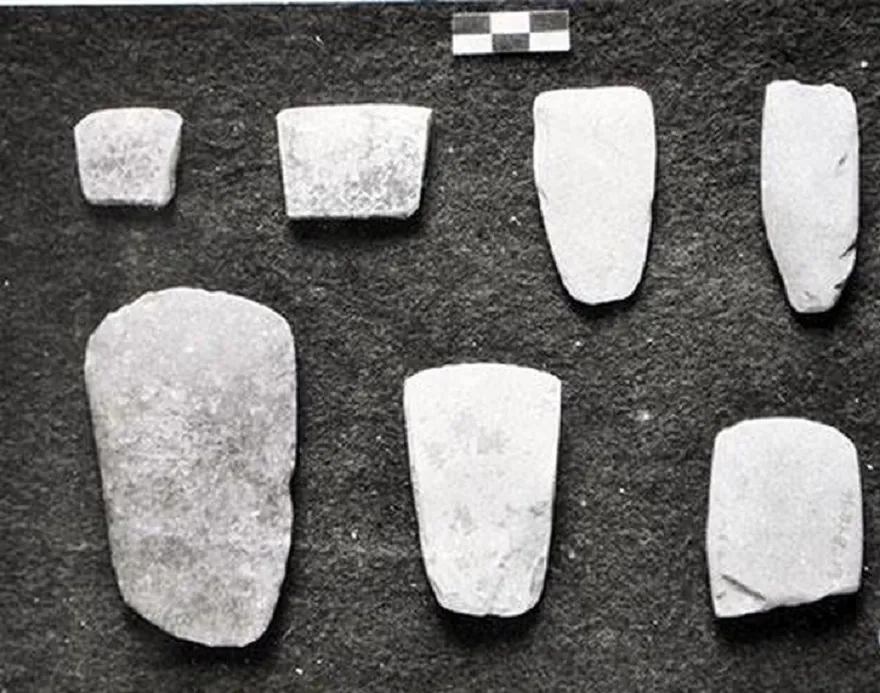
Stone labor tools found at Cai Beo
With abundant and compelling archaeological evidence, Cai Beo is not only considered an ancient site but is also regarded by scientists as one of the most important archaeological sites currently in the coastal and island regions of Northeast Vietnam. The artifacts found have helped reconstruct a picture of daily life, subsistence methods (hunting, gathering, fishing), tool-making techniques, and the spiritual life of the ancient Cai Beo people.
To recognize these immense historical and cultural values, in 2009, the Cai Beo archaeological site was officially recognized by the Prime Minister as a National Relic. This is a well-deserved affirmation of Cai Beo’s role and position in the flow of Vietnamese history and culture. The Cai Beo heritage is a testament to the history of continuous settlement and the complex cultural development of ancient fishing communities, while also serving as the foundation for the unique cultural identity of today’s Cai Beo, where the past and present continue to connect in a tangible way. Furthermore, the historical and cultural value of Cai Beo is closely linked to the majestic natural landscape of Lan Ha Bay, where limestone mountains and calm waters have provided ideal conditions for the formation and maintenance of the fishing village for thousands of years.
Distinctive Cultural and Economic Life at Cai Beo Fishing Village
Stepping out of historical records and archaeological traces, today’s Cai Beo fishing village remains a fascinating “living cultural space,” where the rhythm of the fishing community continues vibrantly, blending age-old traditions with the changes of modern life. It is this continuity that has created a unique cultural and economic identity, inextricably linked to the vast ocean.
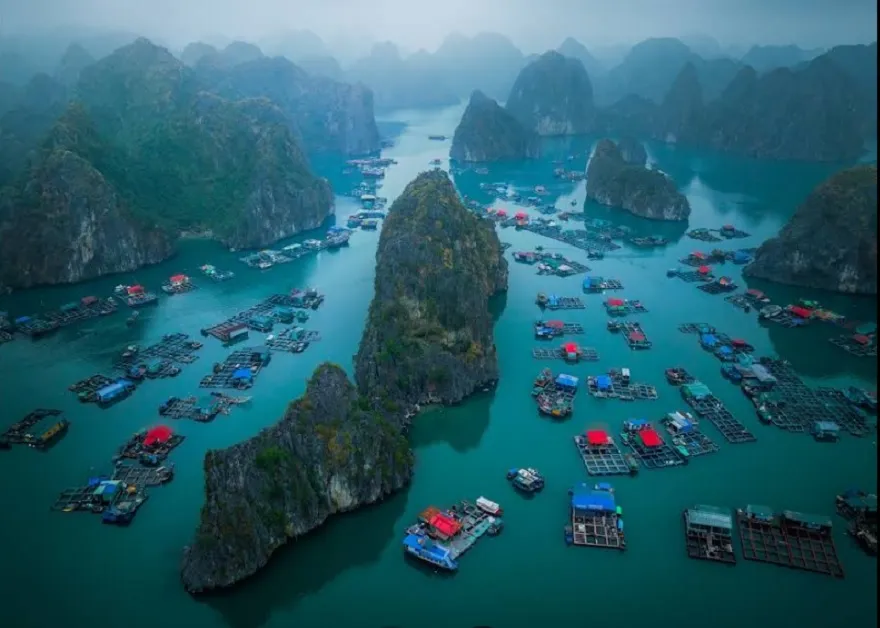
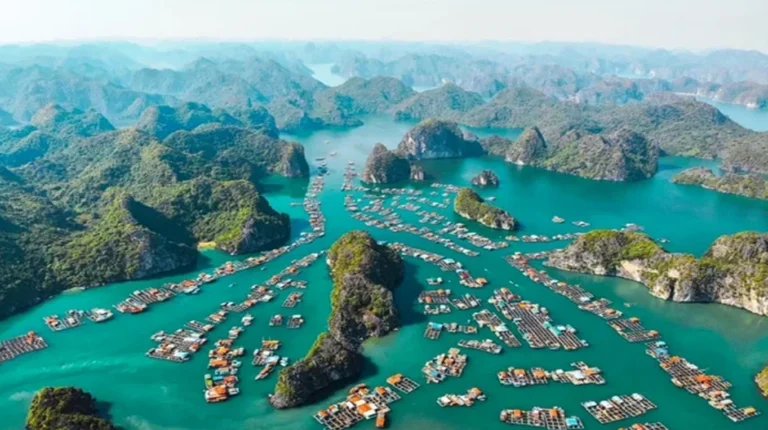
Aerial view of Cai Beo fishing village
Floating House Architecture: A Masterpiece of Adaptation to the Sea
The first thing that leaves a strong impression on anyone arriving at Cai Beo is the unique complex of floating houses, clustered together to form a “miniature city” bobbing on the water. These houses, traditionally, are built from familiar materials of the river and sea regions such as wood, bamboo, and reeds, with each unit typically ranging from about 15 to 30 square meters. Despite their modest size, each home is cleverly arranged by the residents, optimizing space for both family living and production activities.
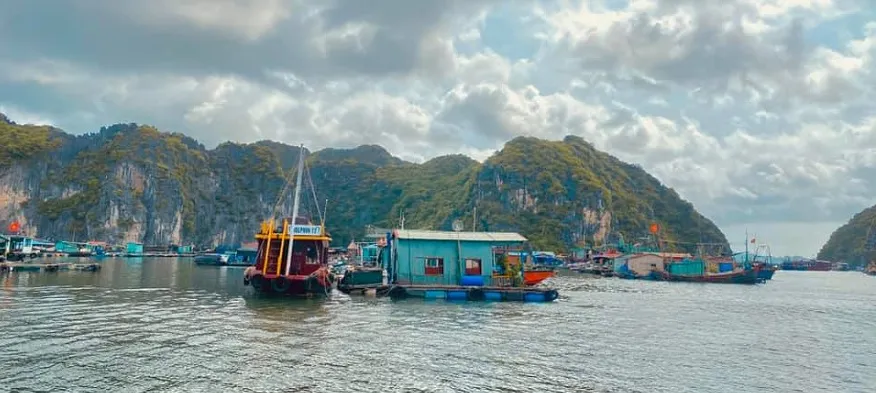
Small but colorful wooden houses in Cai Beo
Built on a sturdy system of floating pontoons, the houses are often connected by small wooden bridges or by the aquaculture rafts themselves. This is not merely a place of shelter but also a symbol of human creativity and remarkable adaptability to the specific conditions of the marine environment. The life of the Cai Beo people is also associated with the image of the rustic basket boat – the primary means of transport, flexibly weaving between the floating houses to serve daily activities and near-shore fishing tasks.
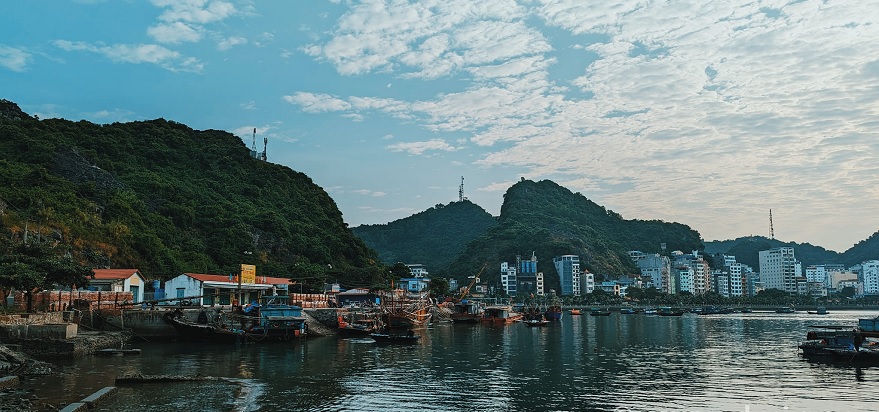
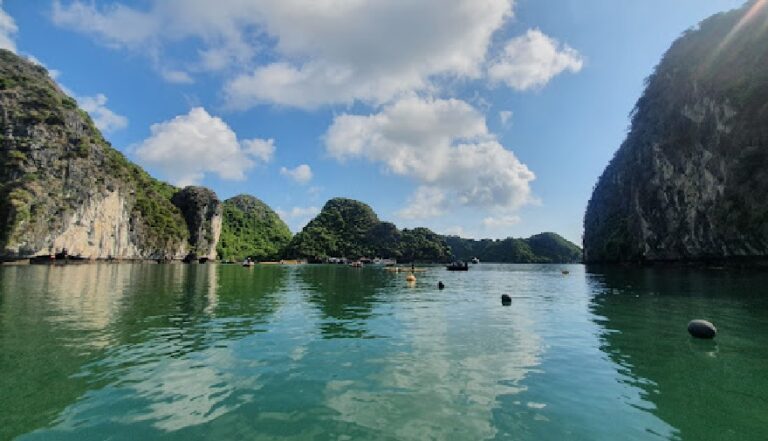
The peaceful and poetic scenery of Cai Beo fishing village
Economic Pulse: Symbiosis with the Ocean
The heart and lifeline of Cai Beo have always been the vast ocean. With a community of over 300 households, economic activities primarily revolve around the exploitation and farming of aquatic resources.
Traditional Fishing
The image of small bamboo boats and motorized skiffs diligently heading out to sea before dawn and returning with hulls brimming with fish and shrimp has become an inseparable part of the local rhythm of life. Traditional fishing methods using nets and lines are still maintained by the locals, reflecting their deep understanding of and intimate connection with the marine ecosystem.
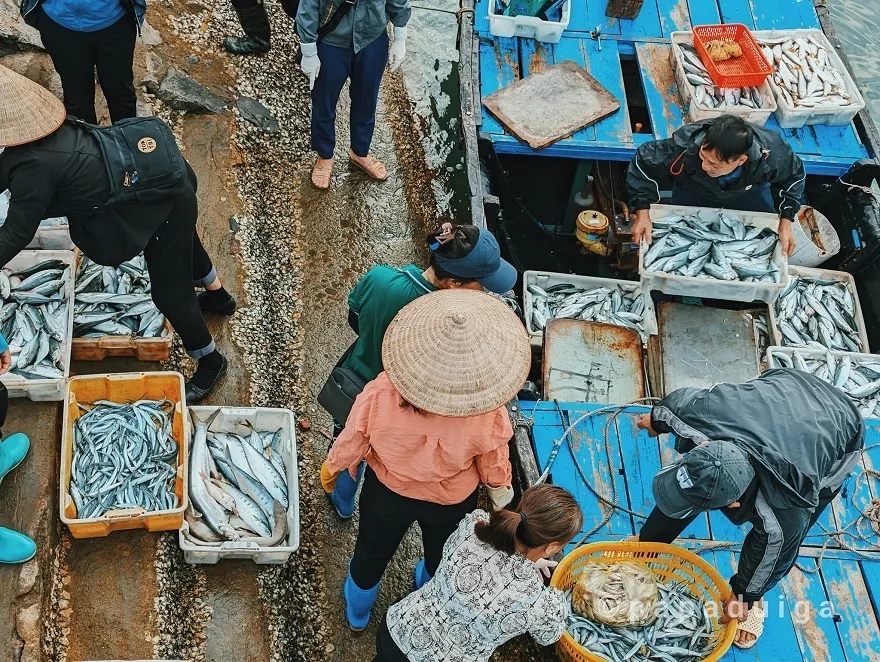
Locals in Cai Beo mainly make a living from fishing and aquaculture
Specialty Cage Aquaculture – The Economic Heart
Beyond wild fishing, cage aquaculture (also known as raft farming) plays a vital role in the fishing village’s economic structure. Renowned specialty fish such as grouper, red snapper, cobia, sea bass, and hemibagrus are raised in cages positioned right next to the floating houses. What makes Cai Beo’s cage-farmed fish famous for their superior quality is the entirely natural farming method, based on “ancestral experience.” Locals do not use industrial feed; instead, they apply the “feeding fish with fish” technique (letting larger fish naturally consume smaller ones within the cage) and typically raise the fish for a long period, from 2 to 3 years, to ensure the meat is firm, delicious, and highly nutritious.
Tourism – A New Direction
In recent years, along with the general development of tourism in Cat Ba, Cai Beo has gradually become an attractive destination, providing a significant supplementary income for locals through services such as renting sightseeing boats, serving cuisine on floating houses, and organizing interactive experiences with the lives of fishermen.
Community Life and Traditional Festivals
Life adrift on closely packed floating houses has forged a Cai Beo community with a spirit of solidarity, mutual support, and deep neighborly bonds. Secrets of the sea, experience in facing storms, and aquaculture techniques are passed down from one generation to the next, creating a continuous and sustainable cultural flow. The sight of young children rowing their own bamboo boats to school each morning, or the bustling early morning markets right on the water, are unique strokes that vividly depict the daily life of the fishing village. Traditional festivals still play an important role in the spiritual life of the Cai Beo fishing community:
- Cau Ngu (Whale Worship) Festival: This is one of the largest and most significant festivals, usually held annually with the hope of favorable weather, calm seas, a bountiful fishing season, full catches, and a prosperous, peaceful life for the fishing families. The festival includes many solemn rituals, expressing reverence and gratitude to the deities of the sea.
- Boat Racing Festival: Often taking place during major local festivals, the boat race is not merely an exciting sporting activity but also an occasion to demonstrate community solidarity, strength, dexterity, and the seafaring skills of the young men and women of the fishing village. The festival atmosphere is always vibrant and boisterous with the sound of drums and cheering echoing across the bay.
These festivals are not just cultural and entertainment events, but also important mechanisms that help reinforce community identity, transmit knowledge and experience, and especially provide ways for the community to face and adapt to the inherent uncertainties of life at sea.
Cai Beo Fishing Village Travel Guide: Transportation and Experiences
To have a complete and memorable journey exploring Cai Beo fishing village, thorough preparation regarding timing, transportation, and experiential activities is essential.
The Best Time to Visit Cai Beo
The most ideal weather to visit Cai Beo fishing village and the Cat Ba archipelago in general is during the dry season in Northern Vietnam, which typically lasts from April to October each year. Among these, the periods from April to June and from September to October usually have the best weather—mild sunshine, calm seas, and little rain—making them very favorable for sightseeing and marine activities. You should avoid the storm season (around July-August) to ensure safety and have the best experience.
How to Get to Cai Beo Fishing Village
To reach Cai Beo fishing village, you need to travel in two main stages: getting to Cat Ba Island and then from Cat Ba to the fishing village.
Step 1: Travel to Cat Ba Island
- From Hanoi: You can take a high-quality coach or limousine directly to the center of Cat Ba town (via the Tan Vu – Lach Huyen sea bridge and Got ferry). Another option is to take a train to Hai Phong and then catch a high-speed boat to Cat Ba.
- From Hai Phong: There are many options such as taking a high-speed boat from Binh pier, or taking the Got – Cai Vieng ferry if you want to bring your personal vehicle.
- From Ha Long City (Quang Ninh): You can take the Tuan Chau – Gia Luan ferry. The distance from Ha Long to Cai Beo is about 25km.
Step 2: From Cat Ba Town Center to Beo Pier Beo Pier is located about 2 – 3.5 km from the center of Cat Ba town. You can easily travel by taxi, motorbike taxi, or by renting a motorbike.
Step 3: From Beo Pier to Cai Beo Fishing Village At Beo Pier, you will purchase a Lan Ha Bay sightseeing ticket (which includes Cai Beo fishing village), with a reference price of about 30,000 VND/person. After that, you have the following options to get to the fishing village:
1. Private Boat Rental: Suitable for large groups or families who prefer a private space. Rental prices depend on the type of boat and the duration of the rental.
| Rental Type | Number of Guests | Rental Price (VND) |
|---|---|---|
| Half-day | 10 – 20 people | 2,500,000 – 3,500,000/session |
| 25 – 50 people | 3,800,000 – 5,500,000/session | |
| Full-day | 10 – 20 people | 5,000,000 – 5,500,000/day |
| 25 – 50 people | 6,000,000 – 7,000,000/day |
See more: Ticket prices and sightseeing boats in Lan Ha Bay – Cat Ba
2. Join-in boat tours
To make your journey to explore Cai Beo fishing village more convenient and complete, you can choose join-in boat tours of Lan Ha Bay, with itineraries thoughtfully designed to include a visit to this ancient fishing village. This is a popular and cost-effective option, especially suitable for individuals, couples, or small groups who want a well-organized trip at a reasonable price.
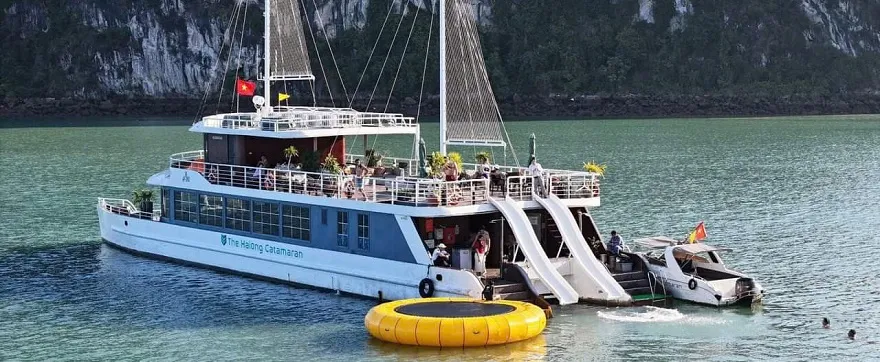
5-star Catamaran Cat Ba
These join-in boat tours usually depart from Beo Pier (Cat Ba) and not only take you to Cai Beo but also open up a beautiful voyage through the prominent landmarks of Lan Ha Bay. Visitors will have the opportunity to admire the majestic limestone mountains, crystal-clear waters, and pristine small beaches before stopping at Cai Beo to learn about the unique life and culture of the local fishermen.
“Must-Try” Travel Experiences in Cai Beo
Cai Beo fishing village is not just a tranquil scene to admire from afar, but a vibrant space that invites visitors to immerse themselves and explore with all their senses. Coming to Cai Beo, you will have the opportunity to engage in unique activities, from weaving through water-bound “streets” to touching thousands of years of history.
Boat Tours: Exploring the Floating World and Lan Ha Bay Wonders
This is the quintessential experience that kicks off your journey into Cai Beo. Sitting on traditional boats, you will slowly enter the “floating world,” winding through water-bound “streets” between hundreds of houseboats. Feast your eyes on the unique architecture of rustic wooden and bamboo houses, observe the abundant fish farming cages, and feel the daily rhythm of the fishermen unfolding right before your eyes: the sound of children playing, people calling to one another, and the gentle hum of boat engines. Further out, the majestic backdrop of Lan Ha Bay, with its countless limestone karsts reflecting on the turquoise water, frames the humble beauty of the fishing village. Don’t hesitate to chat with the local boatmen; they are the most knowledgeable guides, ready to share fascinating stories about the history, culture, and life of this place.
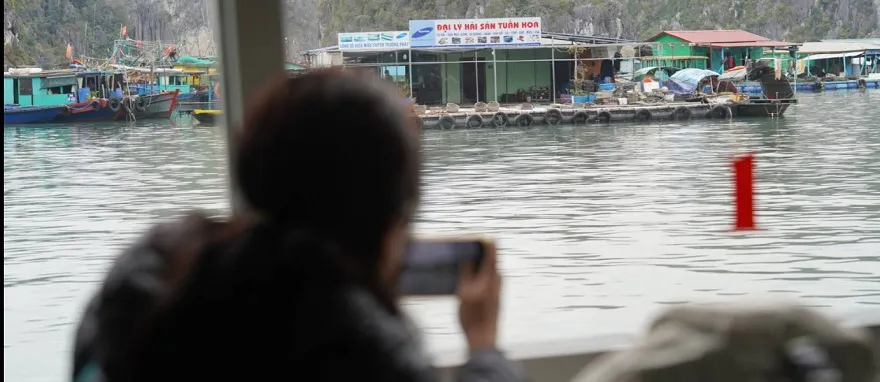
Visitors can capture photos of Cai Beo fishing village from the boat
Free-Style Kayaking: An Intimate and Liberating Perspective of the Bay
If you love freedom and want to explore Cai Beo in a proactive, more intimate way, kayaking is the perfect choice. By controlling the paddle yourself, you can glide gently over the water, weave into narrow corners between floating houses that larger boats cannot reach, or get up close to the base of magnificent limestone mountains. The feeling of freedom to explore, fully immersing yourself in the peaceful space, listening to the gentle lapping of waves against the hull, the chirping of birds, and breathing in the fresh sea air will bring a sense of relaxation and offer unique perspectives of the fishing village. Kayak rental services are always available at the Beo Wharf area, making it easy to start your own journey of discovery.
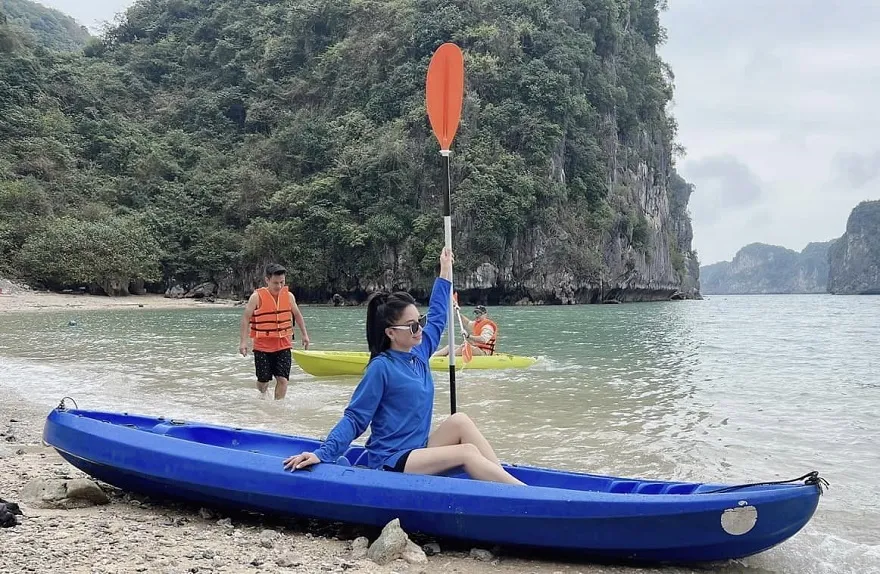
Kayaking in Cai Beo
“A Day as a Fisherman”: Authentic and Vivid Cultural Interaction
To ensure your trip is not just about sightseeing but also a profound cultural experience, try “transforming” into a Cai Beo fisherman. Many families in the fishing village are very hospitable and willing to welcome you to visit their floating homes (often through tours or local introductions). This is your chance to learn firsthand about daily life and observe traditional aquaculture techniques passed down through generations. You may be guided on how to feed the fish, participate in pulling nets, or try your hand at daytime fishing. In particular, the night squid fishing experience with local fishermen is an incredibly exciting activity. As night falls, following the fishermen out to sea, learning how to read the tides, using light to lure squid, and waiting in suspense for the “catch” to bite will be unforgettable memories. The reward is fresh squid that can be prepared and enjoyed right on the boat.
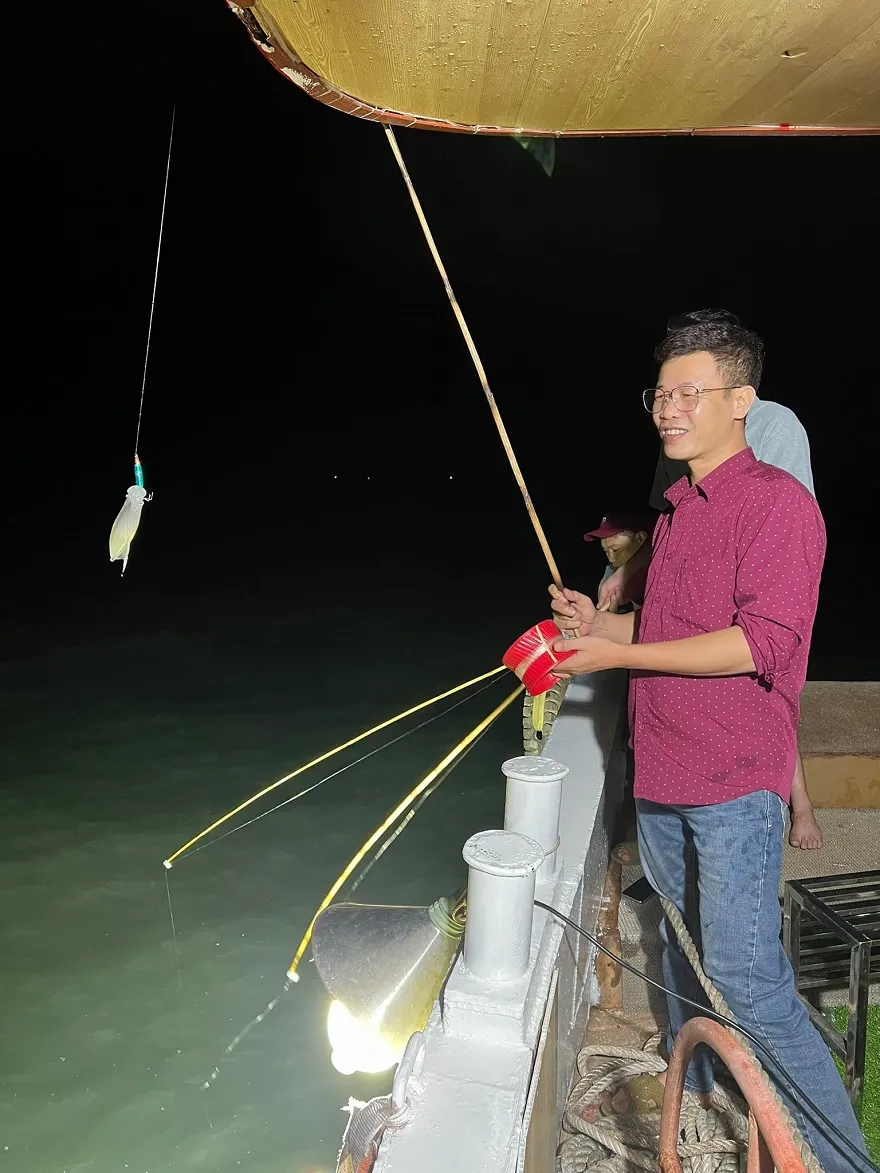
Night squid fishing experience at the Fishing Village
Visiting Archaeological Sites and Exploring the Future Museum
Cai Beo is not only attractive for its present beauty but also for its historical depth. Take time to visit the Cai Beo archaeological site, located not far from Beo Wharf. Although most original artifacts are kept in major museums, standing on the very land that was home to ancient Vietnamese people 7,000 years ago provides a special feeling. The site displays information, images, and some reconstructed artifacts, helping you better visualize a glorious past and an ancient maritime culture. A promising piece of news is that local authorities are planning to build an open-air archaeological museum right at Cai Beo fishing village. Once completed, this project will certainly enrich the learning and discovery experience, making Cai Beo an even more compelling destination for cultural and historical education.
Photography and Enjoying the Serene Beauty
With the unique intersection of the majestic natural landscape of Lan Ha Bay and the rustic architecture and life of the floating village, Cai Beo is a “paradise” for photography enthusiasts. Every moment, from the brilliant sunrise over the bay and the daily activities of the fishermen to the sunset painting the space in purple, can become an emotional work of art. Beyond hunting for beautiful shots, don’t forget to spend quiet moments truly enjoying the fresh air, the peace, and the serene beauty of this place, allowing your soul to relax and connect more deeply with nature and people.
Discovering the Essence of Cai Beo Seafood Cuisine
Not only captivating visitors with its scenery and historical value, but Cai Beo fishing village also keeps travelers coming back with a world of rich, fresh seafood cuisine that bears the distinct mark of the fishermen’s life. The culinary experience here is not just about enjoying delicious food, but also a way to deeply immerse yourself in the identity and rhythm of the ancient fishing village.
The main highlight and irresistible appeal of Cai Beo’s cuisine lies in its incredibly abundant source of fresh seafood. The ocean’s bounty is caught daily by fishermen or carefully farmed right in the floating cages within the village. This ensures that every dish visitors enjoy retains its full freshness and natural sweetness, as if it had just been brought up from the depths of the bay.
The seafood menu in Cai Beo is extremely diverse, but there are some “stars” that you absolutely should not miss:
- Cage-farmed fish specialties: Cage fish farming is highly developed in Cai Beo, famous for specialty fish with high economic and nutritional value such as hemibagrus (ca lang), red snapper (ca hong), grouper (ca song), and cobia (ca gio). What makes the quality of Cai Beo’s cage-farmed fish special is the traditional farming technique, based on knowledge passed down through generations. The locals do not use industrial feed but instead “feed fish with fish,” meaning they release natural fish into the cages so the larger ones eat the smaller ones. The fish are typically raised for a long period, from 2 to 3 years, to ensure the meat remains firm, fragrant, sweet, and of premium quality.
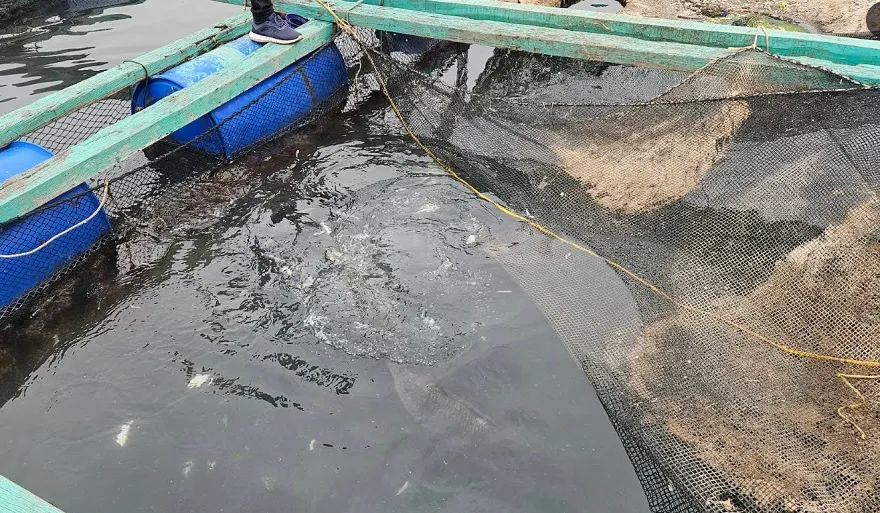
Fish farming techniques in the floating cages of Cai Beo fishing village
- Other types of seafood: Besides the famous cage-farmed fish, visitors can also enjoy many other fresh and delicious seafood options such as creamy geoduck (tu hai), whiteleg shrimp, and firm-fleshed tiger prawns. Although the Lan Ha Bay area in general is famous for a wide variety of other seafood like mantis shrimp, horseshoe crab, swimming crab, and squid, the aforementioned types are particularly associated with the authentic culinary experience right at Cai Beo fishing village.
Unique Dining Experience on Floating Houses
An inseparable unique feature of Cai Beo’s culinary culture is the opportunity to dine at floating restaurants or have meals prepared by the fishermen’s families themselves right on their welcoming floating houses. Visitors can even hand-pick the fish or shrimp still swimming in the cages and request them to be prepared to their taste. The experience of enjoying a meal amidst the vast waves, gazing at the scenery of the fishing village and the poetic Lan Ha Bay, will surely be an unforgettable memory. Some floating restaurants like Hung Manh 559 or Quang Anh in the Cai Beo pier area are also familiar addresses that many visitors seek out to enjoy fresh seafood.
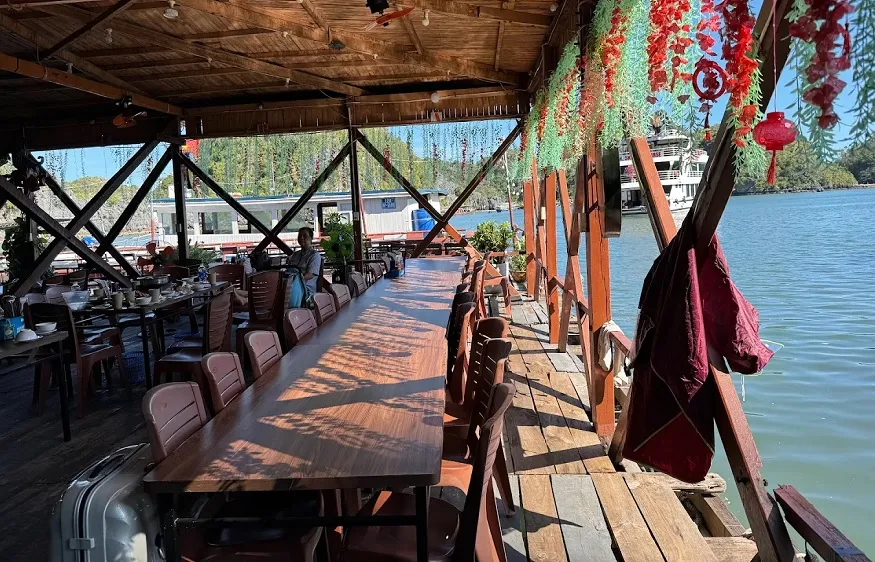
Floating restaurant HUNG MANH 559
Comparing Cai Beo Fishing Village with other famous fishing villages
To truly appreciate the unique values and distinct position of Cai Beo fishing village within the overall picture of Vietnam’s maritime heritage, it is necessary to compare it with other famous fishing villages. Each village, with its own stories and nuances, contributes a special note to the “symphony” of the nation’s maritime culture. Through the lens of comparison with two other typical fishing villages in the Northeast region, Cua Van (Ha Long Bay) and Vung Vieng (Bai Tu Long Bay), the beauty and significance of Cai Beo become even more distinct.
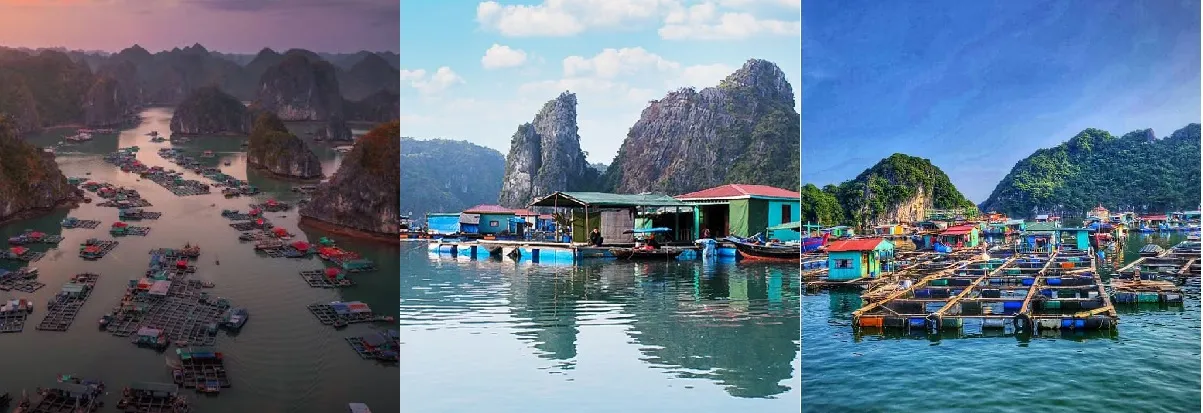
Comparison of the 3 most famous fishing villages in the North: Cai Beo, Vung Vieng, and Cua Van
Nestled gracefully in the heart of the Ha Long Bay World Natural Heritage site, Cua Van fishing village (Hung Thang, Ha Long city) has long become a familiar destination. Also an ancient fishing village with characteristic floating houses, typically small in size (about 30m²) and painted in eye-catching colors, Cua Van preserves traditional fishing cultural values and folk art forms of the fishermen such as giao duyen singing and rowing songs. Visitors here usually arrive via cruise tours on Ha Long Bay, participating in exploring the floating houses, learning about the fishermen’s lives, and sometimes enjoying cultural performances. The cuisine at Cua Van is also rich in sea flavors with fresh seafood like oysters, squid, and local specialties. In general, Cua Van offers a picturesque floating village experience, blending into the magnificent scenery of Ha Long Bay, with a combination of natural beauty and accessible cultural traditions. Compared to Cai Beo, Cua Van is somewhat more deeply integrated into the mainstream tourism flow of Ha Long Bay, with a clearer emphasis on showcasing cultural performances. Its prime location within a globally famous World Heritage site has perhaps driven the development of more structured and well-organized cultural tourism products to meet the expectations of a large number of international visitors. While the unique appeal of Cai Beo lies in the historical depth of its 7,000-year archaeological heritage, the distinction of Cua Van leans more towards presenting a vibrant, daily culture within an iconic setting.
A bit further away, in the heart of Bai Tu Long Bay – a bay known for its pristine beauty and lack of crowds – Vung Vieng fishing village offers a completely different vibe. Located about 25km from the mainland, Vung Vieng is a smaller community of about 50 families, famous for its simple, peaceful lifestyle and traditional fishing practices. A unique feature that defines Vung Vieng is its pearl farming, a notable local economic and cultural industry. The entrance to the village is also impressive, featuring a majestic natural limestone archway. Visitors to Vung Vieng often travel by bamboo boats rowed by locals, go kayaking, visit fish farms, and, in particular, learn about the pearl cultivation process. The atmosphere in Vung Vieng is deeply serene and secluded, offering a “distinct” experience that is less hectic, emphasizing tranquility and raw natural beauty. Compared to Cai Beo or Cua Van, Vung Vieng stands out for its quietness and its more remote location within Bai Tu Long Bay. This relative remoteness has helped Vung Vieng preserve its peaceful atmosphere and allowed unique local industries like pearl farming to thrive without being overwhelmed by tourism infrastructure. If Cai Beo offers historical depth and Cua Van showcases cultural performances, Vung Vieng’s main appeal lies in its pristine natural scenery and the opportunity to experience a quiet, perhaps more “authentic” version of fishing village life, perfect for travelers seeking an escape, natural beauty, and a contemplative experience less influenced by commercial factors.
Thus, it is clear that each fishing village possesses its own distinct values, reflecting the diversity and richness of Vietnamese maritime culture. Cai Beo, with its unique archaeological history; Cua Van, with its vibrant cultural life amidst the wonders; and Vung Vieng, with its pristine and serene beauty, all come together to create unmistakable highlights that invite travelers to explore and experience them.