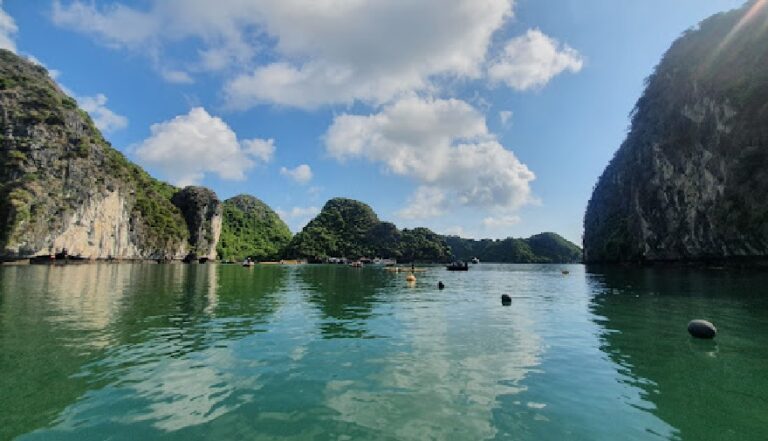
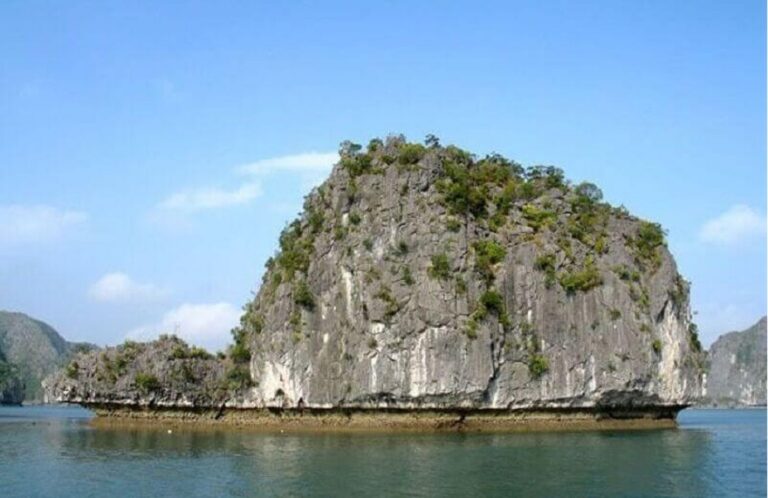
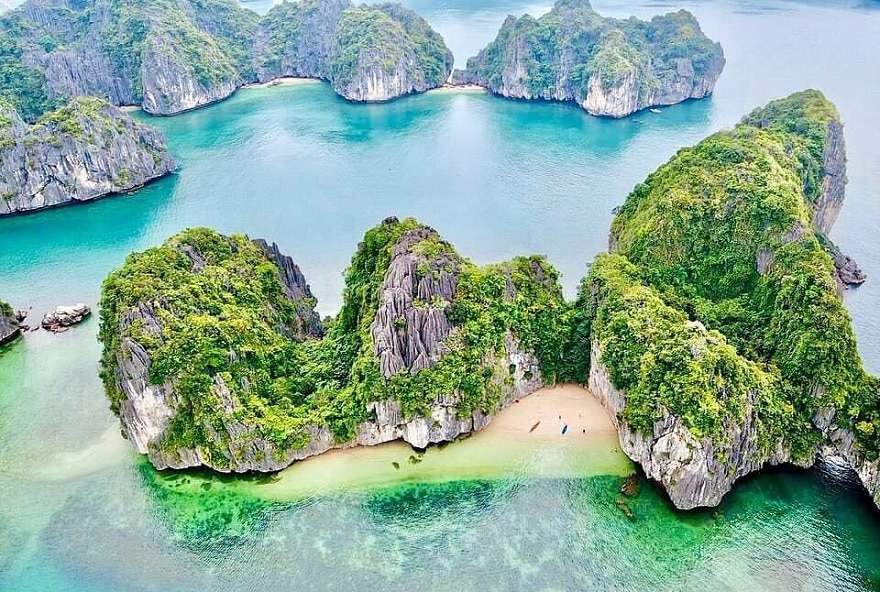
Cat Ba Archipelago, a distinctive scenic gem sparkling in Vietnam’s Northeast sea, is renowned not only for the wild, majestic beauty of its white-sand beaches and rolling limestone mountains, but also for the unique biodiversity of its tropical forest ecosystem. Notably, since September 16, 2023, Cat Ba has officially become part of the Ha Long Bay – Cat Ba World Natural Heritage site, marking a major milestone in the archipelago’s conservation and sustainable development journey. Together with Ha Long Bay, Cat Ba helps form a picture-perfect natural landscape where sea and sky, mountains, and the distinctive cultural values of fishing communities converge. Join us in exploring this lovely island to feel the wonders of Cat Ba’s nature and people!
Cat Ba Archipelago
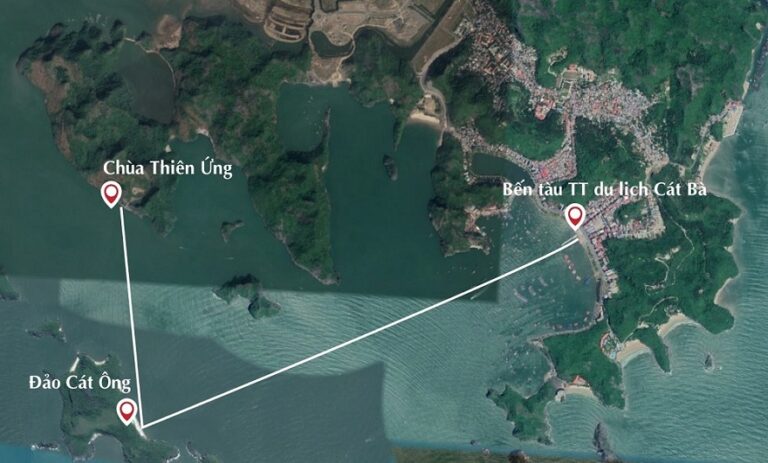
Location of Cat Ba Archipelago
Cat Ba is a beautiful, poetic archipelago located south of Ha Long Bay, off the coast of Hai Phong City and Quang Ninh Province. Cat Ba covers an area of about 300 km² and comprises 367 large and small islands, with Cat Ba Island being the largest. Cat Ba Island measures 28 km long and 13 km wide, and has more than 100 large and small beaches. Cat Ba is also known as Pearl Island (“Dao Ngoc”) for the untouched beauty of its blue sea, white sand, and golden sunshine. Cat Ba is also a UNESCO-recognized World Biosphere Reserve since 2004, featuring primeval limestone mountain forests, mangrove forests, coral reefs, seagrass beds, and a unique cave system.
History and Development of Cat Ba
Cat Ba is also pronounced “Cac Ba” because there was a time when the women here handled logistics for the men fighting invaders on a neighboring island named Cac Ong Island (Cat Ong). Thus, “Cat Ba” is a phonetic shift from “Cac Ba.” On administrative maps from the French colonial era (such as the 1938 map), the archipelago’s name was also written as Cac Ba, and later evolved into Cat Ba.
Cat Ba also has a long history of human settlement. Excavations have uncovered 15 sites with traces of ancient Vietnamese inhabitants, such as Eo Bua Cave, Tung Ba, Bo Da, Khoan Mui, and Ang Giua. These relics show that people have lived on the archipelago for at least 6,000 years. In addition, Cat Ba played an important role in the resistance wars against France and America. On the island are many historical sites such as Hospital Cave (Hang Quan Y), Trung Trang Cave, and Cannon Fort (Phao dai Than Cong). Hospital Cave once sheltered thousands of Viet Minh soldiers during the resistance war against France from 1946 to 1954. Trung Trang Cave served as a base for Vietnamese soldiers during the resistance war against America from 1964 to 1975. Cannon Fort served as the headquarters of the Hai Phong Military Command during the resistance war against America.
In 2004, UNESCO recognized Cat Ba as a World Biosphere Reserve spanning 26,241 ha, including 17,040 ha of marine area and 9,201 ha of land. The Cat Ba Biosphere Reserve is home to more than 2,300 species of flora and fauna, including many rare and endangered species such as the Cat Ba langur, pangolin, and gray whale.
In 2014, with support from the U.S. Agency for International Development (USAID), the Ha Long Bay – Cat Ba Alliance initiative was launched to strengthen the role of businesses in environmental protection, especially reducing the impact of cruise boats on the bay’s ecosystem. The Alliance also actively supported UNESCO in managing Ha Long Bay and proposed expanding the Ha Long Bay World Natural Heritage boundary to include Cat Ba Archipelago. This initiative quickly gained support and participation from many organizations, businesses, and local communities. In 2015, the Alliance’s leadership board was established, officially kicking off practical activities to conserve and sustainably develop the Ha Long Bay – Cat Ba area.
The Alliance’s efforts contributed significantly to UNESCO officially recognizing the Ha Long Bay – Cat Ba Archipelago complex as a World Natural Heritage site on September 16, 2023. This event marks a historic milestone, acknowledging the area’s outstanding universal value and opening opportunities for sustainable tourism development and natural heritage conservation for future generations.
How to Get to Cat Ba
Got Ferry – Cat Ba.jpg
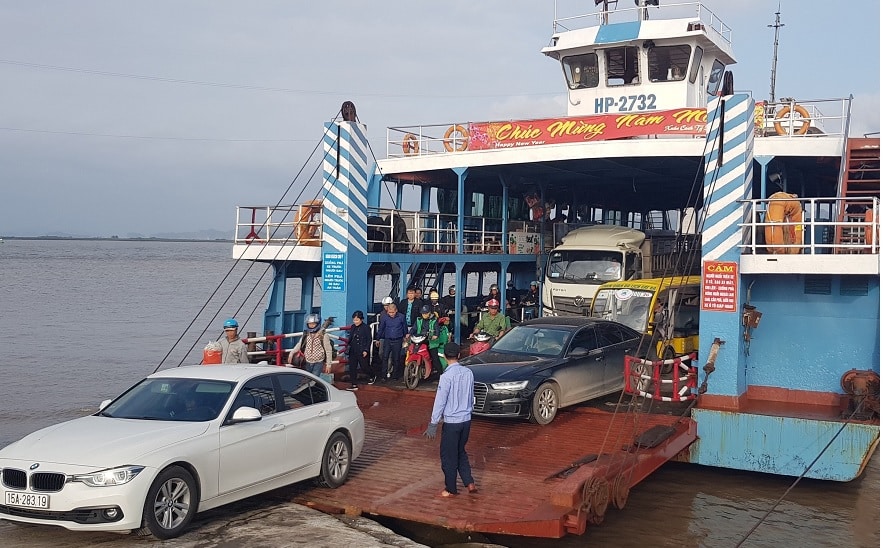
If you are in Hanoi and have a private vehicle, you can follow the Hanoi – Hai Phong expressway across the Tan Vu sea bridge to Got Ferry Terminal. From here, you have two options to cross over to Cat Ba Island:
- Take the ferry: It takes about 20–30 minutes by ferry from Got Ferry Terminal to Cai Vieng Terminal. Ferries run from 6:00 AM to 6:00 PM with multiple departures throughout the day. The ferry fare for cars with fewer than 9 seats is 190,000 VND per trip, excluding passengers in the vehicle. Passenger ferry tickets cost 12,000 VND for adults and 6,000 VND for children. From Cai Vieng Terminal, drive another ~20 km to central Cat Ba Town; you can rent a motorbike or take a taxi to get there.
- Take the cable car: It takes about 10 minutes by cable car from Cat Hai Station to Phu Long Station. Cat Hai Station is near Got Ferry Terminal, and you can follow roadside signs to find it. Round-trip cable car tickets cost 200,000 VND for adults, 150,000 VND for Hai Phong residents (with household registration), and 100,000 VND for children. From Phu Long Station, a free bus takes you to central Cat Ba Town.

Tuan Chau – Cat Ba ferry fares
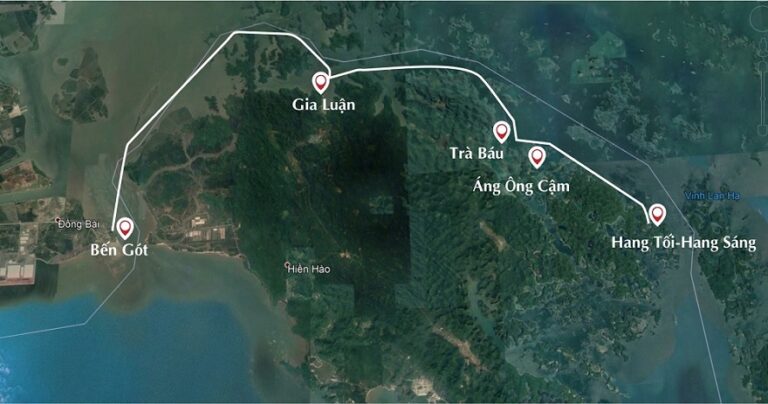
If you are in Ha Long and want to head to Cat Ba, you should take the ferry from Tuan Chau International Passenger Port (13 km from the Bai Chay tourist center). Tuan Chau to Cat Ba Ferry is a modern, safe, and budget-friendly option that lets you admire the scenery of Ha Long Bay and Lan Ha Bay along the way. Ferries operate daily with multiple trips a day and take only about 45–50 minutes from Tuan Chau Terminal to Gia Luan Terminal on Cat Ba. Ferry fares are 60,000 VND for adults, 80,000 VND for motorbikes, and from 300,000 VND upward for cars depending on vehicle type.
Cat Ba Express
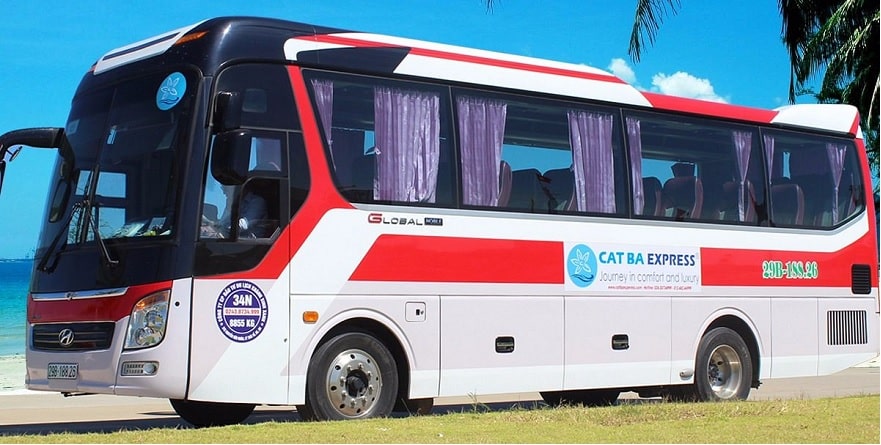
If you travel by bus or limousine coach, you can look for operators running from Hanoi to Hai Phong or directly from Hanoi to Cat Ba. Some reputable operators you can consider include:
- Cat Ba Express: Runs from Hanoi (37B Nguyen Huu Huan St.) to Cat Ba (219 1/4 St.) and vice versa. Ticket prices are 250,000–300,000 VND per passenger per way, including ferry and cable car fees. Travel time is about 3–4 hours.
- Daiichi Travel: Runs from Hanoi (11 Trang Tien Alley) to Cat Ba (223 1/4 St.) and vice versa. Ticket prices are 250,000–300,000 VND per passenger per way, including ferry and cable car fees. Travel time is about 3–4 hours.
- Hoang Long: Runs from Hanoi (5 Luong Yen St.) to Hai Phong (4 Luong Khanh Thien St.) and vice versa. Ticket prices are around 100,000–150,000 VND per passenger per way, excluding ferry and cable car fees. Travel time is about 2 hours.
Best Time to Visit Cat Ba
You can visit Cat Ba at any time of year depending on your preferences and purpose. However, for a smooth, memorable trip, it helps to know Cat Ba’s seasonal weather in advance so you can pick the best time. Here are a few suggestions:
- Summer (April to October): This is Cat Ba’s peak travel season, when many domestic and international visitors flock to the island to enjoy blue waters, white sands, and bright sunshine. Summer weather is pleasant with little heavy rain, averaging 25–32°C. You can go swimming, relax on the beach, and join water activities like surfing, kayaking, and snorkeling. You can also hike and explore the natural ecosystem of Cat Ba National Park. However, keep in mind that summer is the most crowded season, so rooms can sell out and prices rise. Book ahead and compare service rates for a more budget-friendly trip.
- Winter (November to March): This is Cat Ba’s quietest season for tourists, with cooler weather, drizzle, light rain, and overcast skies. Average temperatures range from 15–20°C and can dip below 10°C on cold days. If you want to escape summer crowds and hustle, winter offers a peaceful, romantic side of the island. You can walk, cycle, or ride a motorbike around the island to take in Cat Ba’s winter scenery, and visit traditional fishing villages to learn about local culture and history. Winter also brings discounted rates on Cat Ba travel services, helping you save significantly.
Still, note that in summer Cat Ba gets very busy—especially on weekends and holidays—which can cause traffic congestion, sold-out hotels, and higher prices. To avoid these hassles, aim for weekdays or shoulder months such as April, May, September, or October, and book ferry tickets, hotels, and tours in advance for the best availability and rates.
Famous Tourist Attractions in Cat Ba
Cat Ba is one of Hai Phong’s top tourist destinations, drawing millions of domestic and international visitors every year. As a marine-island eco-tourism area, it offers plenty of resorts paired with sightseeing and hands-on experiences. Below are some of the most famous spots to visit when you come to Cat Ba.
2. Exploring Caves
Cat Ba Archipelago boasts a rich cave system with more than 20 caves already explored and placed under conservation management. However, scientists estimate the true number could exceed 150 large and small caves hidden inside the island’s limestone ranges. This shows vast exploration potential, with many mysterious caves still waiting to be discovered.
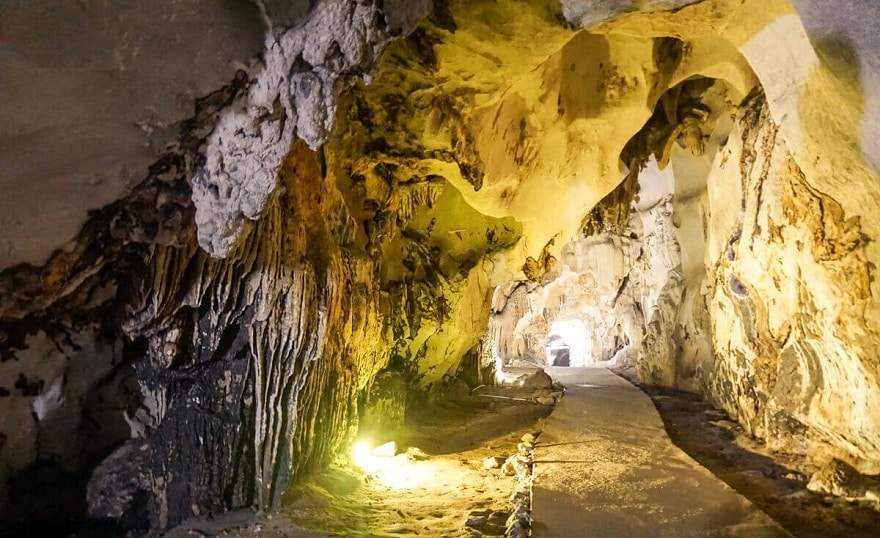
What makes Cat Ba’s cave system special is the blend of limestone mountain terrain and a coastal island environment, creating a unique ecosystem distinct from inland caves. Their distinctive structure and weather influences have turned these caves into ideal habitats for many endemic species of the Cat Ba forest region. A standout example is Trung Trang Cave, a natural masterpiece formed 6–7 million years ago.
Trung Trang Cave
Because most of Cat Ba’s caves lie deep inside conservation zones, the majority remain strictly protected with entry off-limits to unauthorized visitors. Only a select few—such as Hospital Cave, Thien Long Cave, and Trung Trang Cave—are opened for public exploration and environmental education.
Aside from Hospital Cave (formerly known as Hung Son Cave), which was renovated into a shelter and medical aid station for Cat Ba’s troops and residents during the resistance war against America, the rest of Cat Ba’s caves remain preserved in their natural state. Even caves open to visitors, such as Trung Trang Cave and Thien Long Cave, place protecting their original condition and biodiversity at the top of every visitor’s priority list.
3. Cat Ba National Park
Cat Ba National Park is a diverse, unique nature reserve located on the largest island of Ha Long Bay. Established in 1986, the park encompasses both terrestrial and marine ecosystems across a total area of over 17,000 ha. Cat Ba National Park was recognized by UNESCO as part of the Cat Ba Archipelago Biosphere Reserve in 2004 for its global value in conservation and sustainable development.
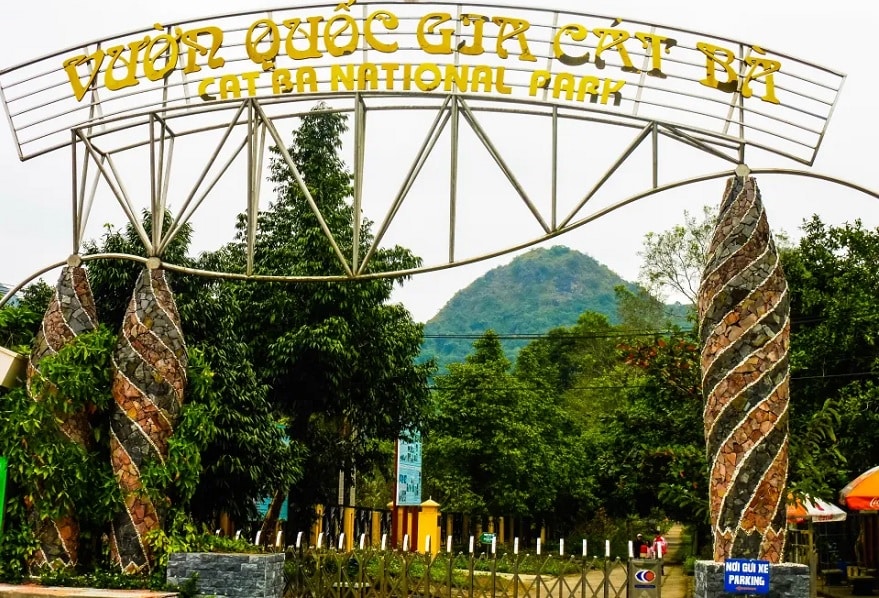
Cat Ba National Park
Cat Ba National Park offers many engaging forms of ecotourism, including forest trekking, rock climbing, cave exploration, boat cruises, and snorkeling. Visitors can admire the untouched beauty of its landscapes, seas, and forests while spotting rare wildlife such as the Cat Ba langur, jackals, and crocodiles. In addition, visitors can learn about local culture and history at places like Cai Beo Fishing Village and Viet Hai Village.
4. Viet Hai Fishing Village
Viet Hai Fishing Village is an ancient village tucked inside the primeval forest of Cat Ba National Park. It is an ideal spot for visitors to experience the simple, peaceful life of rural farmers. To reach Viet Hai Village, visitors take a boat from Beo Wharf across Lan Ha Bay, then ride a motorbike or bicycle along a winding ~6 km forest path.
Viet Hai Fishing Village features traditional houses built of wood and leaves. Locals mainly make their living through farming and livestock raising. Visitors can join agricultural activities with residents—such as plowing fields, harvesting rice, or picking fruit—and can stay in local stilt houses or camp in designated areas.
Viet Hai Fishing Village also lies near a notable attraction, Hospital Cave (Hang Quan Y)—a natural cave roughly 300 m long used as a hospital during the resistance war against America, featuring intriguing limestone formations and historical relics.
5. Cai Beo Fishing Village
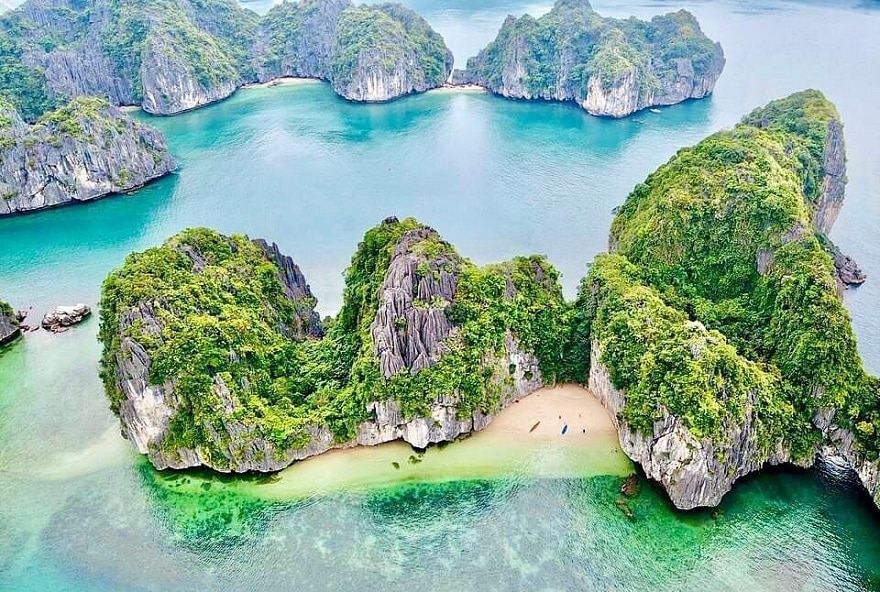
6. Cat Co Beaches
Cat Co Beaches are among the most beautiful beaches on Cat Ba, located about 1 km southeast of Cat Ba Town. Cat Co is divided into three coves—Cat Co 1, Cat Co 2, and Cat Co 3—linked by a coastal footpath.
Cat Co Beaches have fine white sand, clear blue water, and gentle waves. Visitors can swim, lounge on the sand, or try water sports such as surfing, kayaking, and sailing. Plenty of amenities are nearby, including restaurants, cafes, hotels, and guesthouses, and the beaches tend to get lively on weekends and holidays.
7. Monkey Island
Monkey Island is a small island about 5 km from Cat Ba Town. Its original name is Cat Dua Island (“Wild Pineapple Island”) because wild pineapples grow abundantly across the island. It is a fun stop where visitors can encounter and interact with wild monkeys living on the island.
To reach Monkey Island, visitors take a boat from Beo Wharf, admiring Lan Ha Bay’s hundreds of islets, white sandy coves, and floating houses along the way. On Monkey Island, you can breathe in the fresh air and enjoy untouched island nature, as well as swim, snorkel, or hike up to the summit for views.
Monkey Island is home to dozens of monkeys relocated by forest rangers from other forests. They are playful and familiar around people, often coming down to the shore for food or play—though visitors should stay cautious around them, as they can bite or snatch belongings if provoked.
8. Cannon Fort
Cannon Fort is an important historical site on Cat Ba Island, sitting 177 m above sea level. Built in 1942 by the French military to guard the East Sea gateway against Japanese and American attacks, it was later taken over by the Vietnamese military after liberation and used in coastal defense battles. The fort includes military tunnels, trenches, and three large cannons with a range of up to 15 km.
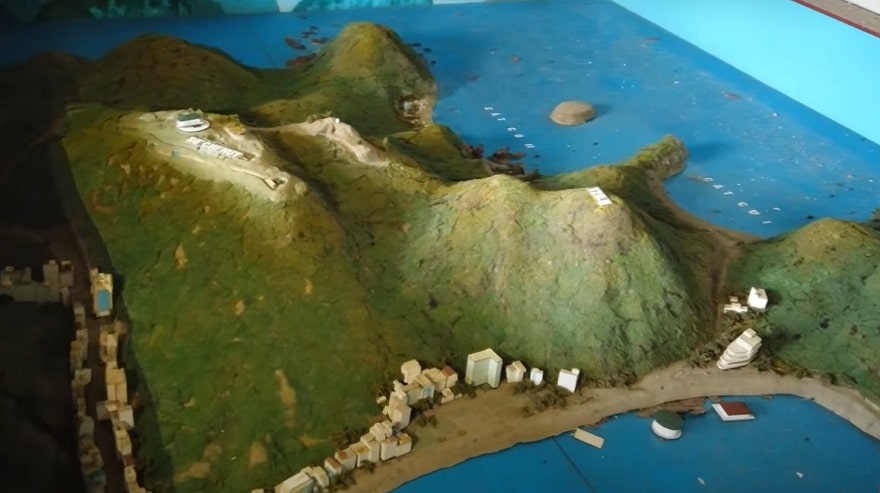
Sector scale model at Cannon Fort
Beyond being a solid military fortification, Cannon Fort is a major attraction on Cat Ba. From the fort, visitors can take in panoramic views of Cat Ba Town, Lan Ha Bay, and neighboring islands, and it is an ideal spot to watch sunset over the sea. You can also learn about the history and culture of Cat Ba’s people through artifacts and information panels in the fort’s traditional room.
To visit Cannon Fort, you can rent a motorbike or take a taxi from Cat Ba Town. Admission costs 80,000 VND for adults and 20,000 VND for children. Bring a hat, drinking water, and a flashlight when exploring the fort, and watch your step when climbing around gun emplacements or going down into tunnels and trenches.
Where to Stay on Cat Ba
Even though Cat Ba is an island destination, it has no shortage of accommodation—ranging from budget hotels to upscale resorts, homestays, and luxury overnight cruises on Lan Ha Bay. Here are a few recommendations:
- For luxury and full amenities, consider upscale resorts such as Cat Ba Island Resort & Spa, Cat Ba Sunrise Resort, Cat Ba Beach Resort, or Flamingo Cat Ba Beach Resort. They offer scenic locations near the sea along with pools, restaurants, spas, and more, with rooms typically ranging from 1,500,000 to 4,000,000 VND/night.
- For a night on the water, consider 5-star cruises such as Mon Cheri Cruises, Orchid Cruises, or Era Cruises. These cruises take you around Lan Ha Bay and nearby islands with activities like kayaking, snorkeling, fishing, or beach BBQs, generally priced around 2,300,000 to 4,000,000 VND/person/night.
- To stay closer to nature and locals, consider homestays such as Sadhu Garden Inn, Woodstock Beach Camp, or Cat Ba Eco-Lodge. They offer lush, quiet, cozy settings where you can rent a bike or motorbike to visit nearby spots or join activities like yoga, cooking, or gardening, with rooms around 200,000 to 800,000 VND/night.
Where to Eat on Cat Ba
Cat Ba appeals not only for its scenery and activities, but also for its varied dining scene—from fresh seafood to international cuisine. Here are a few restaurants on Cat Ba you can check out:
- Quan Cat Ba Family: A well-known seafood restaurant on Cat Ba popular with many visitors. It offers a spacious, clean, airy setting and a rich menu of seafood—including shrimp, crab, fish, shellfish, and snails—prepared in various styles, with dishes typically priced from 100,000 to 800,000 VND/plate.
- Marigold: For a refined, upscale meal, visit Marigold, a European-style restaurant on Tran Hung Dao Street. Featuring a modern, polite, cozy design, it specializes in European dishes like pizza, pasta, salad, and steak with great quality and flavor, plus a wide selection of wines and cocktails, with prices on the higher side from 300,000 to 1,500,000 VND/plate.
- Yummy Restaurant: A Vietnamese-style restaurant near Cat Co 3 Beach. Small yet eye-catching with plenty of paintings and unique decor, it serves traditional Vietnamese dishes like pho, bun cha, and banh xeo at tasty, affordable prices, along with vegetarian options for lighter meals or special diets, generally around 50,000 to 300,000 VND/plate.
Suggested Cat Ba Itinerary
Day 1: Start your day by visiting Cat Co 2 Beach, widely considered one of the prettiest beaches on Cat Ba. You can rent swimwear if you didn’t bring any, then spend time sunbathing or swimming—just remember to get out of the water before 6:30 PM as conditions turn hazardous afterward. After beach time, walk up to Cannon Fort to watch sunset over the sea. In the evening, pick one of Cat Ba’s many restaurants and bars for dinner and nightlife.
Day 2: Continue exploring Cat Ba on a boat cruise into Lan Ha Bay, known for its dramatic, romantic scenery. From the boat, you can kayak into spots larger vessels can’t reach, stopping at Monkey Island to see lively monkeys and go snorkeling or swimming. Back on Cat Ba, try a local seafood specialty called “Tu Hai,” a fresh fish dish prepared in the islanders’ own style.
Day 3: Choose one of two options to wrap up your trip.
- Option 1 is visiting ancient Cai Beo Fishing Village, one of Vietnam’s oldest fishing villages, where you can learn about villagers’ lives, history, and culture and watch how they catch and process fish.
- Option 2 is heading to Cat Ba National Park, a nature reserve famous for biodiversity and ecotourism, where you can take in forest, mountain, and sea scenery and spot rare wildlife.
Those are the essential basics to know about Cat Ba before setting off. Wishing you a fun and meaningful trip to Cat Ba!