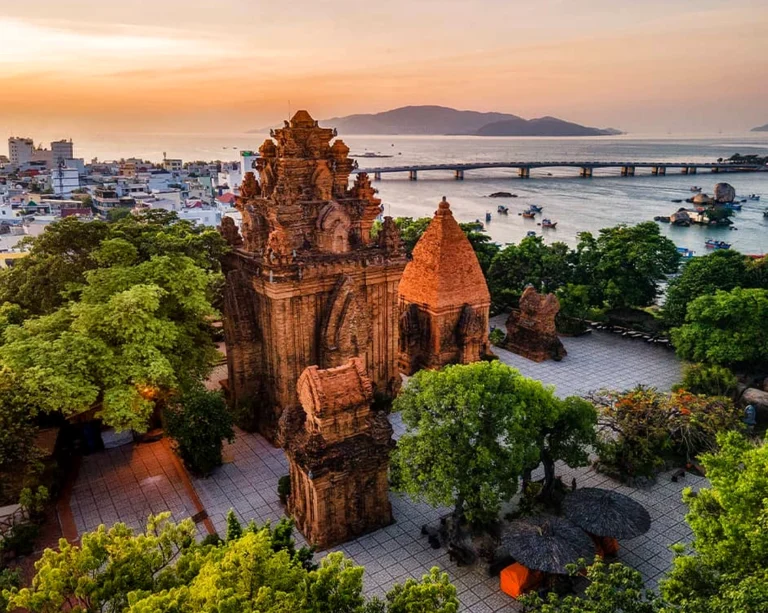
Nestled within the magnificent ecological expanse of Nha Trang Bay—widely celebrated as one of the world’s most breathtaking bays—the historical and natural landscape complex of Coral Bay (Vịnh San Hô, closely linked to the storied environs of Hon Tam and Hon Mot islands) commands an unmatched geographic position, bearing the unmistakable imprint of harmony between the vast ocean and the undulating mountain ranges of Khanh Hoa. From a geomantic and topographical perspective, this cultural-ecological subregion is sheltered by a natural ring of wave-breaking islands, creating a wind-protected bay with tranquil waters year-round. Coastal mountain ranges stretching right down to the water’s edge, combined with ancient coral reefs tens of thousands of years old, have forged a rare geological structure where the echoes of the Truong Son wilderness blend seamlessly with the briny breath of the southern sea.
Tracing back through the corridors of time, the historical roots of Coral Bay are deeply intertwined with the rise and fall of Vietnamese feudal dynasties and the ancient Champa kingdom. According to archaeological records and official historical chronicles such as the Dai Nam Thuc Luc (Veritable Records of the Great South) and Dai Nam Nhat Thong Chi (Comprehensive Gazetteer of the Great South), from the 10th to the 14th century, this maritime zone served as a vital stopover and sea lane for the Champa principality of Kauthara. Beneath today’s coral reefs still lie submerged layers of cultural sediment and trade ceramics, bearing silent witness to an era of bustling maritime commerce. Later, during the southward expansion of the Nguyen Lords in the 17th and 18th centuries—when Thai Khang garrison and subsequently Binh Hoa prefecture were established—Coral Bay’s strategic value was further cemented through naval anchorages and coastal defense outposts, standing as a testament to generations of Vietnamese settlers who reclaimed land, founded villages, and safeguarded these waters and islands.
Beyond its military and commercial significance, this indigenous maritime space also preserves the rich spiritual heritage of generations of seafaring fishing communities. Under the Nguyen Emperors from Minh Mang to Tu Duc, the Nha Trang maritime region was continuously charted and consolidated within the national administrative map. Intangible cultural heritages—such as the worship of Ca Ong (the Whale God) and traditional fishermen’s prayer festivals centered around coastal village shrines—have merged organically with the untamed natural surroundings, endowing the area with remarkable cultural depth.
Recognized by researchers and heritage authorities as an “indigenous cultural-ecological subregion,” Coral Bay transcends the boundaries of a conventional scenic spot to stand as a living natural museum. Here, the subtle interplay between the enigmatic Champa cultural stratum and the enduring legacy of Vietnamese pioneers is preserved in full, affirming the timeless value of a cultural and historical treasure resting in the heart of the ocean.

From the standpoint of geomorphology and natural landscape formation, Coral Bay within Nha Trang Bay represents a marine-island terrain complex of exceptionally rare aesthetic value. Over tens of millennia of geological evolution, relentless wave erosion combined with weathered rock formations has sculpted an extraordinary network of islands, submerged caves, and continental shelves. In terms of dramatic natural scenery, the area boasts a commanding “backed by mountains, facing the sea” configuration, embraced by sedimentary granite ranges that reach down to the shoreline to form sheltered arcs of jade-emerald water that remain calm throughout the year.
The defining centerpiece of Coral Bay’s distinctive landscape structure is its pristine coral reef ecosystem resting just beneath the shallow waters, remarkable for both its expansive distribution and dense coverage. Viewed through the lens of nature’s own artistry, the reefs here grow into fantastical shapes: from towering staghorn corals rising like miniature underwater castles to layered plate corals stacked atop one another like ethereal natural terraces. The seamless union of smooth white sandy shoals along the shore, lush tropical vegetation blanketing the island slopes, and teeming marine life below creates a multidimensional visual tapestry—at once grand and expansive, yet serene and majestic.
To capture the raw, awe-inspiring beauty of this landscape complex in full, professional photographers and travel journalists routinely direct visitors to two vantage points of the highest artistic caliber. The first lies on a natural rocky promontory on the southeastern tip of the island, where wave-worn granite slabs form sharp geological grooves pointing straight out toward the open horizon of the bay. The optimal lighting window here occurs at dawn (between 5:00 AM and 6:00 AM), just as the sun crests the eastern horizon, casting golden rays through a thin veil of morning mist, tinting the entire expanse of water rose-gold and illuminating every grain of ancient sedimentary rock.
The second highly acclaimed vantage point sits at an elevated perch along the hillside overlooking the bay, framing a sweeping panorama of the curving, wind-sheltered cove and the shadowy silhouettes of coral beds visible beneath the crystal-clear surface below. The prime moment to shoot from this spot is at sunset (between 5:00 PM and 6:00 PM), as the twilight sky transitions from blazing orange into a mysterious deep violet. Bathed in the soft glow of day’s end, Coral Bay’s natural scenery emerges with a contemplative, untamed beauty steeped in historical depth, wholly removed from the clamor of urban life beyond.

Stepping into the sacred ecological realm of Coral Bay, travelers do more than merely brush against the heroic pages of ancestral history—they immerse themselves in a vivid, unforgettable sensory journey. Leaving behind the bustle of the city, the excursion begins aboard traditional wooden boats gliding effortlessly across the crystal-clear emerald waters of Nha Trang Bay. A sense of wonder quickly takes hold as towering rocky peaks rise dramatically against the sky, cradling untouched islets in their embrace. Brisk sea breezes carrying the salty tang of the ocean sweep across the skin, awakening dormant senses and drawing visitors into complete communion with pure, untamed nature.
Continuing the exploration, visitors can challenge themselves with a gentle hike up the coastal hillsides overlooking the open sea. From the breezy summit, gazing out into the distance, the entire breathtaking panorama of Coral Bay unfolds before your eyes, with vibrant coral beds shimmering beneath the deep blue water like colorful silk ribbons woven across the ocean floor. Amid such boundless space, human insignificance seems to melt away, giving way to a feeling of absolute freedom and quiet pride in the majestic beauty of the homeland’s land and sea. This is also an ideal moment to pause at coastal spiritual sanctuaries and pay respectful homage at ancient fishing village shrines, where generations of fishermen have entrusted their prayers for favorable weather and national peace, allowing the mind to settle into the stillness and sanctity of local culture.
No experience at Coral Bay would be complete without savoring the celebrated coastal cuisine of Khanh Hoa. Right alongside the seaside fishing villages, travelers can indulge in the finest delicacies harvested straight from the sea—live seafood caught directly from floating sea cages and prepared using traditional methods rich in the signature flavors of the “Land of Agarwood.” The natural sweetness of freshly caught shrimp and fish, the savory depth of pure first-press fish sauce, and the fiery kick of bird’s-eye chili come together in an unforgettable culinary harmony. Dining to the gentle rhythm of lapping waves as the sunset paints a corner of the bay crimson, visitors gain a profound appreciation for the resilient, unpretentious, yet vibrant way of life here, leaving with lingering, cherished memories of a sacred heritage region.

To ensure a smooth and rewarding journey exploring the indigenous cultural-ecological subregion of Coral Bay, having practical details on opening hours, admission fees, and transportation routes on hand is essential. Coral Bay welcomes visitors daily from 7:30 AM to 5:00 PM, giving travelers ample time to experience the marine ecosystem and discover its centuries-old historical heritage without feeling rushed.
Regarding admission fees, the area maintains clearly posted rates for general sightseeing and marine eco-services. Standard entrance tickets range from approximately 40,000 to 60,000 VND per adult, while children generally receive discounted rates or free admission depending on height regulations. Additionally, for travelers wishing to take part in specialized activities such as scuba diving to admire the coral reefs or riding a glass-bottom boat, supplementary service fees range from 300,000 to 800,000 VND depending on the package selected on-site.
The best time of year to visit Coral Bay runs from January through August. During these months, Central Vietnam enjoys mild weather, calm seas, and crystal-clear water with peak underwater visibility—ideal conditions for ecological observation, diving, and boat travel. Visitors should avoid the peak rainy and stormy season from roughly September to December to ensure maximum safety for offshore activities.
To reach Coral Bay from downtown Nha Trang, the most convenient option is to travel by car or motorbike to a tourist pier (such as Cau Da Port) and then charter a high-speed canoe or wooden boat out to the bay. Driving south from the city center along the coastal Tran Phu Boulevard takes about 15 minutes to reach the port. From the pier, the scenic boat ride across the waves to the Hon Tam island cluster and Coral Bay takes only another 15 to 20 minutes.
Finally, when visiting this ecological and cultural heritage site, travelers should observe dress-code etiquette and environmental protection rules strictly. Given the rocky shoreline, coral outcrops, and culturally sacred local spaces, opt for neat, respectful attire—comfortable swimwear is great in the water, but be sure to put on a cover-up or modest clothing when stepping ashore at coastal temples, shrines, or fishing villages. Strictly refrain from littering, avoid touching or damaging the ancient coral reefs, and follow all instructions from heritage management staff to help preserve the pristine beauty of this marine paradise.

To enjoy a seamless getaway and take in the full splendor of Coral Bay without the hassle of arranging transportation, booking tickets, or planning itineraries, travelers can choose VDS Travel’s premium all-inclusive Nha Trang tour packages. Every itinerary is thoughtfully timed so you arrive at prime photo spots when the scenery is at its most radiant, accompanied by knowledgeable local guides and top-tier hotel and dining standards.