Located at the breathtaking meeting point between the towering Nui Chua mountain range embracing the ocean and the sun-drenched, windswept South Central Coast, the Hang Rai archaeological and spiritual relic complex stands as a singular landmark on Vietnam’s map of cultural and natural heritage. According to historical territorial divisions and cultural geography, although modern administrative boundaries intertwine between Khanh Hoa and Ninh Thuan provinces, in the collective consciousness, classical geography, and memory of the “Land of Agarwood” (Khanh Hoa), Hang Rai has long been deeply tied to the economic, strategic, and spiritual space of southern Khanh Hoa. Its terrain is a rare geomorphological wonder, sculpted over millions of years by ancient coral terraces jutting out into the open sea—forming surreal, undulating rock tiers, crystal-clear natural saltwater pools, and a network of sea caves steeped in timeless legends.
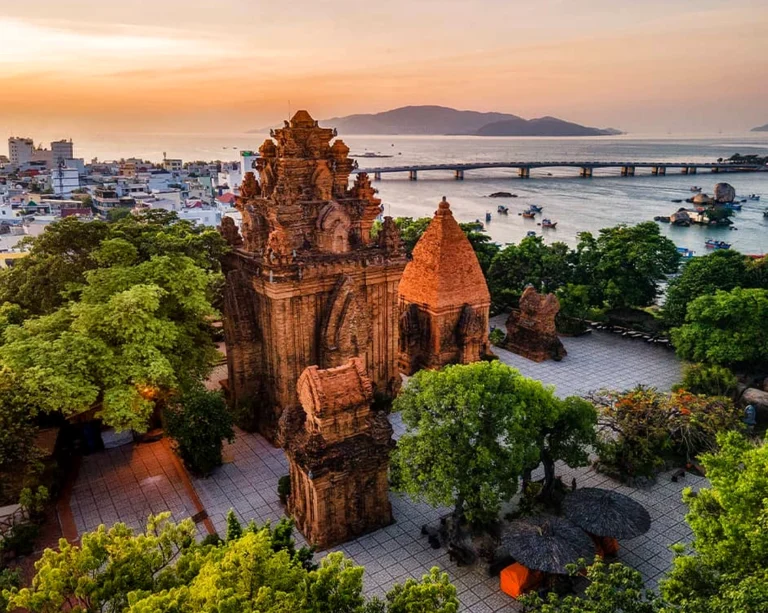
Tracing back through historical records and cultural chronicles, the origin of the name “Hang Rai” (Otter Cave) stems not only from its pristine ecological past as a sanctuary for sea otters, but also from layers of cultural depth accumulated over many centuries. Stratigraphic archaeological surveys have proven that this area was once inhabited by prehistoric communities belonging to the late Sa Huynh culture prior to the Common Era. Entering the period from the 7th to the 15th centuries, this coastal space became a vital link in the maritime trade network and spiritual life of the ancient Champa Kingdom. Remnants of fired-brick architecture, yoni pedestals, and sacred offering spaces tucked within natural rock alcoves stand as vivid testaments to a sea-oriented spiritual life, where the people of Kauthara entrusted their faith to protective maritime deities.
Throughout the nation’s history of southward expansion, as the Vietnamese “Nam Tien” migration reached this region during the Later Le (Le Trung Hung) and Nguyen dynasties, Hang Rai once again transformed, blending into the rhythms of fishing communities from the Ngu Quang region. Founding pioneers and resilient settlers braved rough seas to establish villages, build shrines, and safeguard the maritime frontier. This site is not only closely associated with solemn whale-worshipping festivals (Cau Ngu) honoring Ca Ong (the South Sea Deity), but also preserves historical accounts of royal naval patrols and coastal surveys conducted by the Nguyen court under the reigns of Emperors Gia Long, Minh Mang, and Tu Duc. In ancient geographical gazetteers, Hang Rai was described as a rugged yet deeply sacred terrain—a vital strategic bulwark guarding the central coastal waters.
Today, through the lens of the press and heritage management agencies, Hang Rai is celebrated not merely as a one-of-a-kind geological wonder featuring million-year-old fossilized coral reefs likened to “Mars on Earth,” but also as an invaluable cultural and historical space. The seamless convergence of prehistoric archaeological value, Champa architectural imprints, Nguyen dynasty memories, and enduring island-and-coastal traditions across generations has endowed Hang Rai with a scholarly, serene aura. It remains a shining highlight along Vietnam’s heritage travel routes—a place where past and present intertwine, inviting kindred spirits to listen to the whispers of wind, waves, time, and the sacred soul of the mountains and sea.

Situated along the southernmost edge of Khanh Hoa Province bordering the Ninh Thuan coastline, the Hang Rai Relic Complex emerges like a monumental sculpture carved by nature and the hand of time. Beyond its profound archaeological and spiritual significance, the site boasts a breathtaking natural landscape that captivates every traveler who sets foot here. Hang Rai’s most distinctive geomorphological centerpiece is its million-year-old fossilized coral reef extending right to the water’s edge, stretching far and wide with mesmerizing, sinuous patterns. Weathered over ages by ocean winds and waves, the rock surface has eroded into millions of sharp-edged, rugged yet fluid ridges, evoking the surface of an extraterrestrial planet or a miniature, untamed mountain range. When powerful swells roll in from the open sea, seawater surges across the rocky crevices before cascading back toward the ocean in white, foaming waterfalls—billowing mist like ribbons of silver silk draped across the stone ledges. This spectacle captures both the raw, untamed power of the central coast and a quiet, solemn beauty echoed in the ancient Champa cultural traces lingering within every natural rock hollow.
To fully take in Hang Rai’s dramatic scenery and capture iconic photographs, professional photographers and travel journalists often share two premier vantage points. The first sits right atop the ancient coral terrace, looking out toward the boundless expanse of sea and sky. Here, a wide-angle lens captures the dynamic drama of crashing waves exploding into white foam against the dark, textured rock, creating a powerful, majestic composition. The second spot is the cluster of stacked boulders forming small sea caves along the shoreline—where slanting rays of sunlight pierce through rock crevices onto crystal-clear water, revealing lush green moss and submerged coral ledges beneath the shallows. The ideal lighting window for capturing these “million-view” moments is at sunrise (from 5:00 AM to 6:00 AM) or sunset (from 5:00 PM to 6:00 PM). As dawn breaks, the first rays of sunlight filter through the salty sea mist, tinting the entire ancient rock field in hues of rose and turning the receding water cascades into shimmering ribbons of gold—creating an ethereal, sacred, and breathtaking atmosphere.
Stepping into the Hang Rai Archaeological and Spiritual Relic Complex, visitors are immediately awestruck by a grand masterpiece of nature, where the stately Nui Chua range confronts the white-capped waves of the South Central Sea head-on. The very first experience—and one that awakens every sense—is walking across the ancient coral terrace, a truly one-of-a-kind geological formation. Jutting out into the sea, the million-year-old reef features a rugged, pitted surface dotted with countless depressions filled with crystal-clear water that act like giant mirrors reflecting the sky. Strolling across this coral shelf brings an exhilarating sensation—a mix of thrill as waves roar directly beneath your feet and awe at the spectacular sprays of white foam bursting upward whenever a heavy swell crashes against the rock edge.
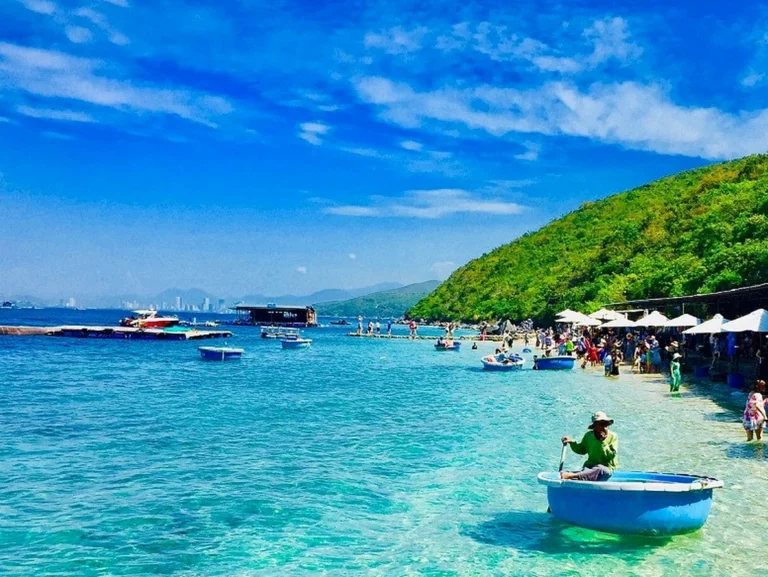
Stepping away from geological exploration, travelers can opt for a wooden coracle (thuyen nan) or speedboat excursion around the surrounding waters to take in a panoramic view of Hang Rai’s untouched beauty. Viewed from offshore, sheer cliffs and mysterious sea caves emerging through a thin veil of morning mist paint a truly magnificent natural tableau. In particular, watching the sunrise or sunset here is an unmissable highlight. Whether radiant morning light gilds the sea and moss-covered rock ledges, or dusk settles in with mystical shades of orange and crimson, the atmosphere grows remarkably tranquil and sacred—leaving every onlooker moved by the timeless beauty of creation.
Beyond its natural scenery, a journey through Hang Rai also touches the depths of local spirituality and culture. Visiting the natural rock alcoves—once home to ancient Champa altars and Nam Hai shrines built by local fishing villages—brings a deep sense of inner stillness. Lighting an incense stick in respectful gratitude to the ancestors and listening to oral histories about the pioneers who settled this rugged coastline helps visitors gain a deeper appreciation for the enduring historical currents forged over centuries.
Rounding out this emotionally rich journey, local cuisine serves as the perfect final piece that captivates travelers. Around Hang Rai, the essence of the sea is distilled into renowned specialties bursting with authentic central Vietnamese flavor. Nothing beats savoring freshly made, crispy squid pancakes (banh xeo muc) filled with sweet, tender squid, sipping a steaming bowl of savory fish cake soup (canh cha ca), or indulging in fresh seafood caught directly by local fishing fleets. This seamless harmony of dramatic landscapes, quiet historical depth, and distinctive culinary culture turns Hang Rai into an unforgettable, vivid experience etched permanently in the memory of anyone who visits.

Hang Rai welcomes visitors every day of the week from early morning until late afternoon, with the most ideal visiting window running from 5:00 AM to 5:30 PM daily. Regarding listed admission fees at the relic site, adult tickets typically range from 20,000 to 30,000 VND per entry, while children and senior citizens generally qualify for discounted rates or free admission in accordance with current management regulations. This is an exceptionally budget-friendly price to witness one of central Vietnam’s greatest geological wonders, where ancient coral cliffs meet the boundless expanse of the open sea.
To reach Hang Rai from central Nha Trang or Phan Rang, travelers can choose flexible transportation options such as motorbikes, self-drive cars, or private car services. If departing from Phan Rang – Thap Cham, the most scenic and direct route follows Provincial Road 702 along the coast toward Vinh Hy. Spanning roughly 35 kilometers, this winding coastal highway hugs the shoreline, offering spectacular views flanked by lush green Nui Chua slopes on one side and deep blue ocean waters on the other. If departing from Nha Trang, travelers cross Cu Hin Pass, pass Cam Ranh Bay, and continue along the Binh Tien – Vinh Hy coastal road straight to the entrance of the complex.
The best time of year to visit Hang Rai is from March to September, when central Vietnam enters its dry season—bringing calm seas, clear blue skies, and ideal conditions for photography, sunrise viewing, or snorkeling over coral reefs. Above all, watching the very first golden rays of dawn break over the horizon above the ancient coral terrace remains the single most prized experience that no travel enthusiast should miss when visiting this destination.
Given the rugged, slippery nature of the coral rock formations alongside the presence of sacred spiritual sites, visitors should dress neatly and appropriately. Opt for breathable, comfortable clothing and athletic shoes with strong grip to ensure safety while climbing and exploring the natural rock crevices. At the same time, when entering shrines or areas of cultural and historical significance, dressing modestly, maintaining quiet respect, and refraining from littering are the most meaningful ways to honor the solemn atmosphere and preserve this pristine heritage ecosystem.
To enjoy a seamless getaway and experience the full splendor of Hang Rai without the hassle of arranging transportation, booking entrance tickets, or planning itineraries, travelers can choose VDS Travel’s premium all-inclusive Nha Trang tour packages. Every itinerary is thoughtfully timed to capture photo spots at their most radiant hours, accompanied by knowledgeable local guides and top-tier hotel and dining standards.