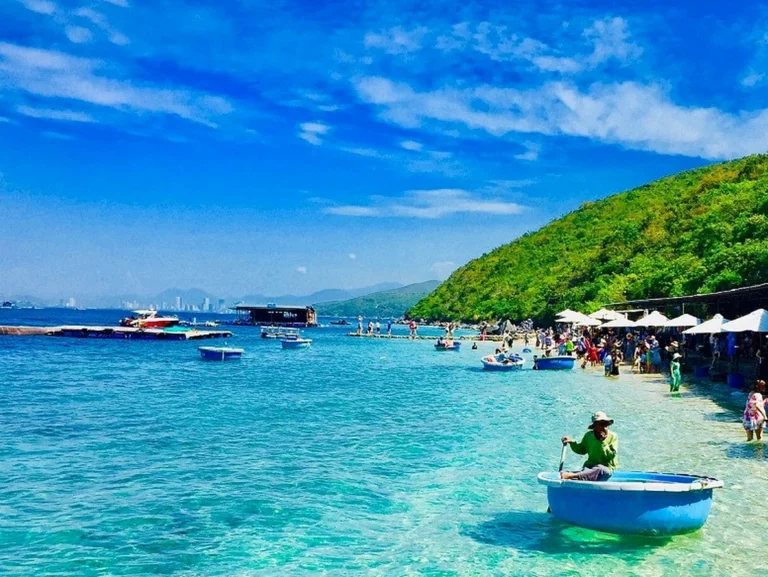
Standing majestically atop Trau Hill (Kuth) in Do Vinh ward, Phan Rang – Thap Cham city, Ninh Thuan province, Po Klong Garai Tower rises against the expansive backdrop of the South Central Coast as a pinnacle architectural masterpiece of the golden Champa civilization. It is essential to firmly clarify and completely dispel a common misconception found in popular travel literature that associates this relic with Nha Trang city in Khanh Hoa province. That confusion stems from regional geographical proximity and the deep cultural interplay between the two ancient principalities of Kauthara and Panduranga. However, in terms of authentic geographical and historical coordinates, Trau Hill is the sole sacred sanctuary where spiritual energy converges and sustains this heritage lineage across centuries.
Viewed from a feng shui perspective, the Po Klong Garai tower complex reigns over an elevated hill shaped like a stretching tortoise, carrying its shrines on its back facing East—the direction of deities and vitality according to Hindu belief. Surrounding the hill lies the vast expanse of the lush, green Phan Rang valley, framed in the distance by rolling mountain ranges embracing the Dinh River as it winds like a soft silk ribbon. This exquisite harmony between semi-mountainous hilly terrain, endemic flora of a sun-drenched, windswept land, and spatial architectural arrangement creates a landmark of magnetic allure—at once solemn and imposing, yet deeply imbued with the poetic charm of a heritage land.
Regarding historical origins and chronology, the monument was constructed between the late 13th and early 14th centuries during the reign of King Jaya Simhavarman III (King Po Mee Thuor, known in Vietnamese chronicles as Che Man). Through the vicissitudes of time—from diplomatic shifts between Dai Viet and Champa under the Tran dynasty and southward campaigns during the Early Le dynasty to administrative governance and sacred royal decrees under the Nguyen dynasty—the temple-tower complex has stood proudly as an enduring witness to history. Traditional dark-red fired brick architecture combined with seamless brick-grinding joinery not only attests to the mastery of ancient Cham artisans, but also reflects a profound synthesis of indigenous beliefs and Hinduism.
In particular, the spiritual and cultural value of the relic is enriched by the historical figure and legends surrounding King Po Klong Garai—a wise monarch celebrated for reclaiming land, establishing settlements, and advancing agriculture and irrigation for the Cham people of Panduranga. According to genealogical records and folk memory, he was not only a brilliant commander on the battlefield, but also an incarnation of guardian deities bringing favorable winds, timely rains, and prosperity to the people. Today, Po Klong Garai Tower is not merely a landmark specially honored by the press and heritage authorities, but also a premier sacred space hosting major traditional festivals such as the Kate Festival, where the sacred spirit of Champa’s mountains and rivers continues to live on alongside the contemporary pulse of Vietnam.
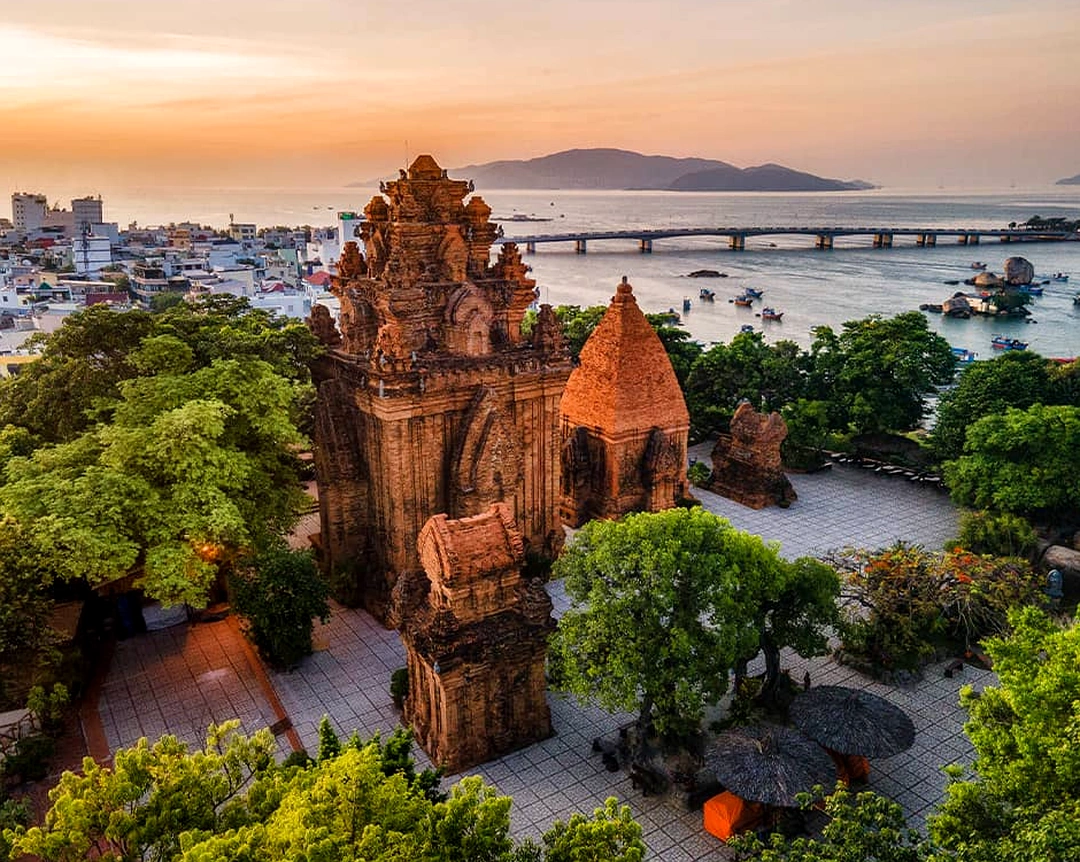
Perched majestically atop the high, dry Trau Hill in Do Vinh ward, Phan Rang – Thap Cham city, the Po Klong Garai Tower complex emerges as an enduring symbol of pinnacle Champa architecture and sculpture. The ancient tower commands an exceptionally auspicious site, resting its back against a gently sloping hillside carpeted in lush greenery while facing the wide expanse of the ancient Panduranga plain. Ascending the winding stone steps from the base of the hill, visitors feel as though they are stepping back through time, leaving behind the bustle of the city to enter a sacred realm where heaven, earth, and ancient architecture merge into one. The surrounding natural scenery embodies the rustic yet grand beauty of the South Central Coast, highlighted by resilient rows of cacti rising from white sands beneath the brilliant golden sunshine characteristic of Ninh Thuan.
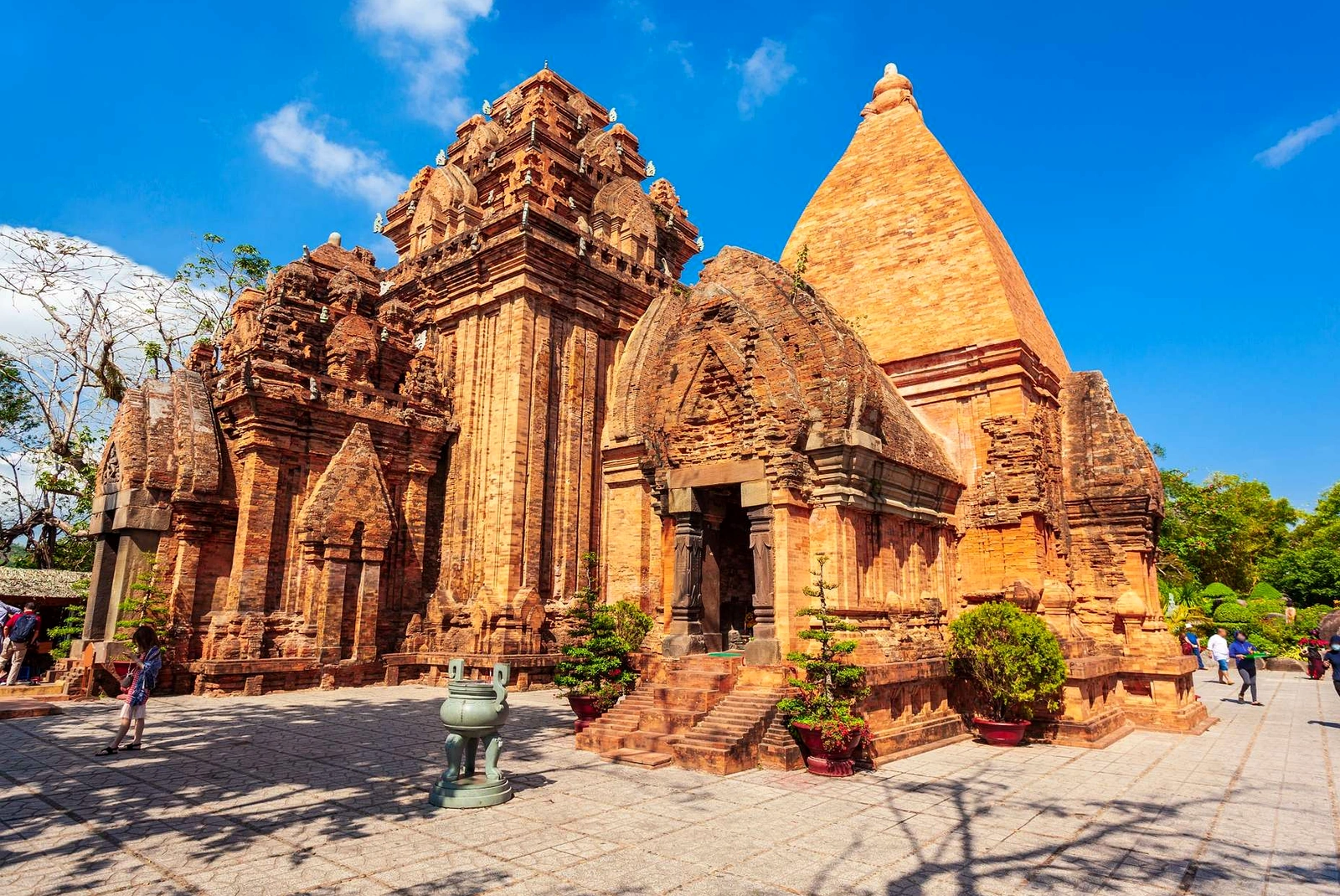
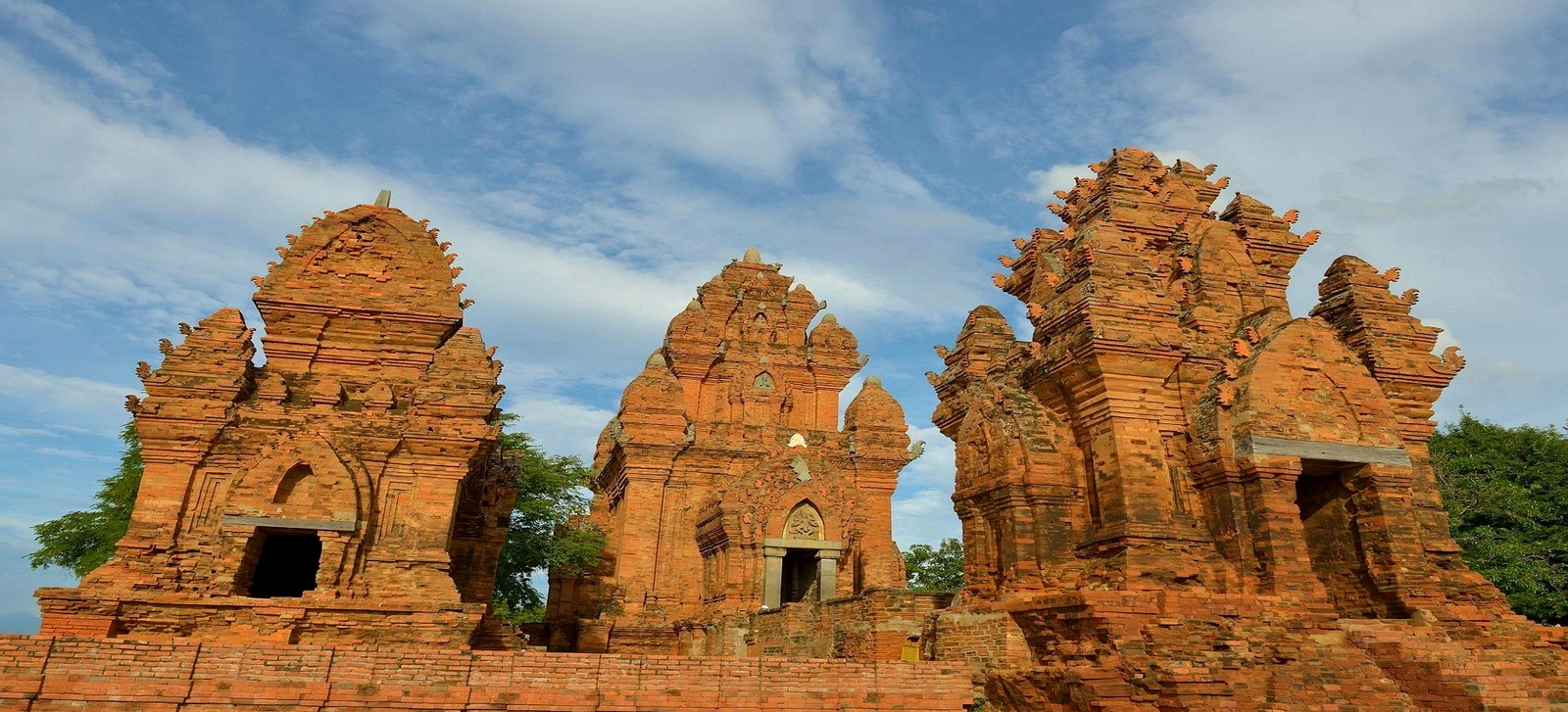
Architecturally, the Po Klong Garai Tower complex comprises three main structures: the Gate Tower (Kalan Gate), the Fire Tower (Kosagraha), and the Main Tower (Kalan dedicated to King Po Klong Garai), all built from dark-red fired bricks using a supreme seamless grinding technique that remains a scientific enigma to this day. Towering over 20 meters high, the Main Tower makes a commanding impression with its tiered receding structure and vertical pilasters running up the facade that create a sense of boundless upward reach. Across the walls, spear-tip arched doorways are intricately carved with scrolling foliate motifs, depictions of Lord Shiva, Apsara dancers, and mythical creatures. The stone and brick sculpture artistry here achieves flawless refinement, exemplified by bas-reliefs of graceful, lifelike dancing maidens that transmit the breath of a golden age across centuries. The multi-tiered roof tapers gradually toward the summit, crowned by a monolithic sandstone finial shaped like a stylized linga symbolizing the cosmic axis linking heaven and earth.
To capture the most artistic and breathtaking moments at this landmark, professional photographers and travel journalists frequently prioritize two classic shooting angles. The first spot lies along the southeastern hillside slope, where the lens can frame a sweeping panorama of all three majestic towers rising against the deep blue sky, accentuating the contemplative red tones of the ancient brick walls. The second spot is the main arched doorway of the sanctuary tower, where natural daylight streams directly into the sacred interior, creating mysterious spatial depth and a deeply nostalgic mood for portraits or travel photography.
The ideal lighting windows to capture the full splendor of Po Klong Garai Tower are at dawn, when the first rays of morning sun emerge over the East Sea and bathe the thousand-year-old bricks in brilliant gold, or in the late afternoon as sunset descends, blanketing the grounds in a warm, contemplative orange-red glow. Under this privileged light, every carved detail and architectural edge of the tower becomes sharp, ethereal, and heart-stirring, rewarding visitors with unforgettable visual impressions and deeply evocative “million-view” frames.
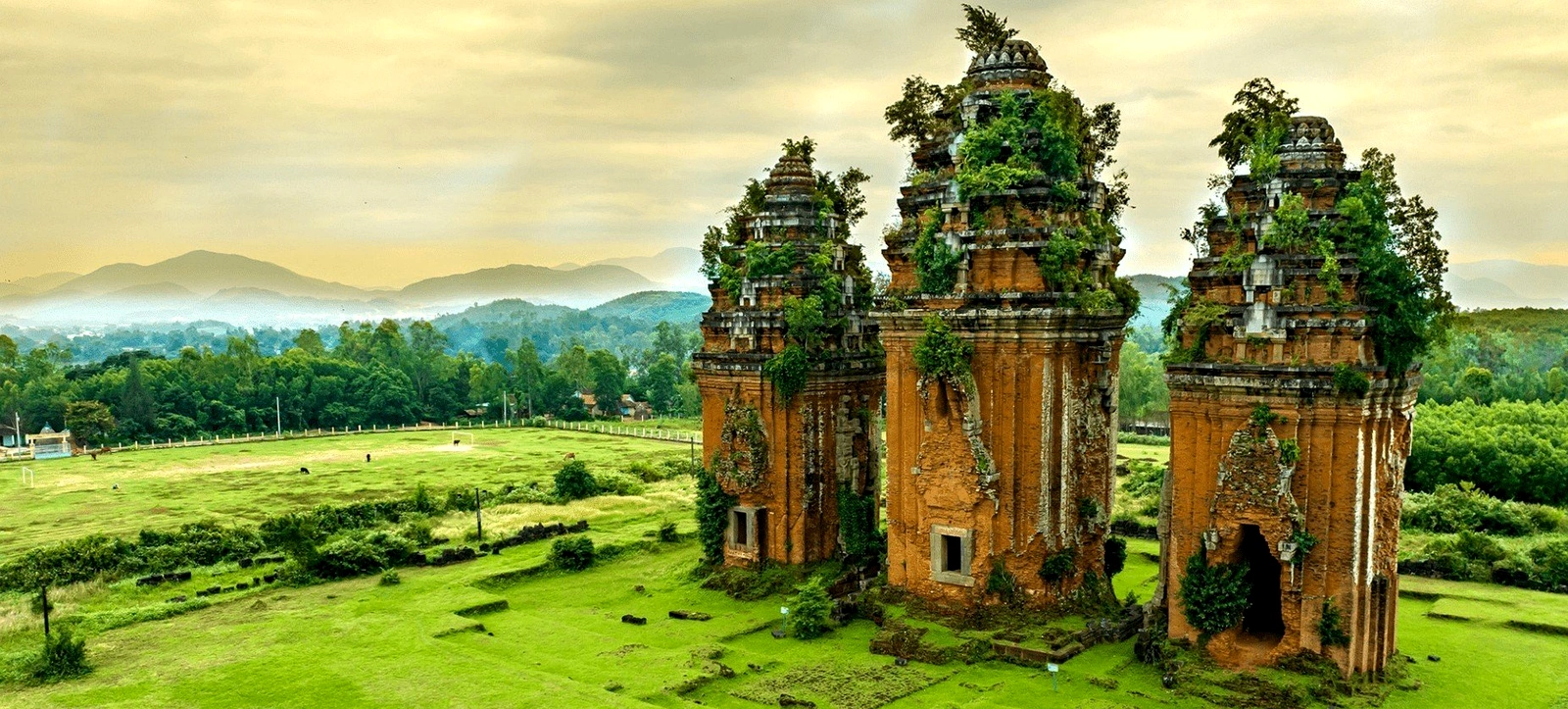
The journey to explore Po Klong Garai Tower begins with unhurried footsteps along the slopes of Trau Hill, where brisk sea breezes sweep through wild shrubs and lush thatch grass. Climbing the winding stone steps on foot leads travelers away from the bustle of Phan Rang – Thap Cham city into a tranquil realm steeped in legend. The higher you ascend, the purer the air becomes, mingling with the faint aroma of incense drifting from the ancient temple towers. Beneath the radiant golden sun of the South Central Coast, the imposing silhouette of the dark-red brick towers gradually rises against the deep blue sky, carrying the solemn beauty of a once-glorious civilization.
Stepping onto the tower courtyard, an immediate sense of awe washes over every visitor. Before your eyes stands a pinnacle masterpiece of Champa architectural art, featuring intricate carvings on terracotta brick, spear-tip arched portals, and deity bas-reliefs that have endured across the ages. Pausing to pay respects before the Main Tower—housing the Linga-Yoni altar and sacred tablet honoring the virtuous King Po Klong Garai—visitors cannot help but feel deeply moved by its mystical sanctity. During festivals, the rhythmic beat of Paranung drums and the resonant, soaring melody of the Saranai horn played by Cham artisans form a magical bridge between past and present, settling the soul into contemplative reverence.
Gazing out from the summit of Trau Hill, the entire expansive landscape of ancient Panduranga unfolds before your eyes. Lush green rice paddies stretch into the distance, peaceful villages peek out from behind bamboo groves, and a winding horizon embraces the growing city afar. Standing amidst this windswept expanse and taking in the picturesque mountains and waters brings an indescribable sense of freedom and ease. Somewhere in the background, echoes of boat excursions along the winding rivers of Ninh Thuan add even greater poetic charm, vitality, and lingering allure to the natural tableau.
Concluding the pilgrimage, the cultural experience here would not be complete without savoring the renowned culinary specialties of the Cham people and the residents of sun-drenched Ninh Thuan. Right at the foot of the hill or at roadside eateries, the enticing aroma of crispy mini rice pancakes (banh can) dipped in savory garlic-chili fish sauce, the rich savoriness of fresh seafood sizzling crepes (banh xeo), and the sweet refreshment of pure grape syrup awaken every sense. These rustic dishes, brimming with warmth and local hospitality, provide the perfect finale to a rewarding journey where vibrant indigenous culture blends seamlessly with millennia-old historical memory.
To ensure a seamless journey exploring this pinnacle monument of Champa architectural art—Po Klong Garai Tower on Trau Hill, Do Vinh ward, Phan Rang – Thap Cham city, Ninh Thuan province—equipping yourself with practical tips is essential. Visitors should plan ahead regarding visiting times, transportation, and etiquette rules at this sacred space to enjoy the richest possible cultural experience.
Regarding the ideal time of year to visit, the period from the first to the third lunar month (spring) or during the traditional Kate Festival of the Cham people (typically held around the seventh lunar month) brings the most vibrant atmosphere steeped in cultural identity. If you wish to capture golden sunlight illuminating the ancient fired bricks for photography, early morning from 7:00 AM to 9:00 AM or late afternoon just before sunset offers the best lighting. The monument is open to visitors every day of the week, including public holidays and Tet.
Admission fees to the historical site are currently listed at a very affordable rate suitable for all domestic and international travelers. Specifically, entrance tickets typically range from 10,000 to 20,000 VND depending on the management board’s prevailing regulations at the time of visit. Additionally, if arriving by private vehicle such as a car or motorbike, visitors only need to pay a nominal parking fee right at the base of the hill before ascending Trau Hill.
The route and transportation from central Phan Rang – Thap Cham city to the tower are remarkably convenient and straightforward. Visitors can take a taxi, rent a motorbike, or hire a motorbike taxi for the short 7-kilometer journey northwest. From the city center, follow National Highway 27 toward Da Lat; upon reaching the Thap Cham area, clear directional signs point left directly into the Trau Hill historical site. The road is wide and smoothly paved, accommodating all types of vehicles.
Because this is a sacred religious and spiritual space closely tied to the devotional life of the Cham community and sits on high rocky hill terrain, visitors must strictly adhere to dress code and behavioral guidelines. Wear polite, modest attire and avoid overly short outfits when entering the interior of the worship towers. Furthermore, opt for sneakers or footwear with good grip for climbing the rocky incline, and carry a hat, sun umbrella, and drinking water to stay comfortable throughout your visit.
To enjoy a complete vacation and fully admire the beauty of Po Klong Garai Tower without worrying about arranging transportation, booking sightseeing tickets, or planning travel itineraries, visitors can choose VDS Travel’s premium all-inclusive Nha Trang tour packages. Every tour is optimally designed to schedule check-ins when the scenery is at its most vibrant, accompanied by a team of tour guides thoroughly knowledgeable about local culture alongside top-tier hotel and culinary service standards.