Nestled beneath the imposing sandstone mountain ranges of the Western Cape, the story of South Africa’s wine capital began with resilient expeditions in the latter half of the seventeenth century. In 1679, Governor Simon van der Stel of the Dutch East India Company (VOC) led an exploratory party deep into a fertile plain embraced by the Eerste River. Captivated by the lush vegetation, abundant fresh water, and distinct Mediterranean climate, the governor resolved to lay the foundations for a second European settlement at the Cape, naming it Stellenbosch—meaning “Stel’s Bush.” Under the direction of the VOC, the first grapevines quickly took root in the ancient, granite-infused alluvial soils, transforming a fledgling outpost into a strategic agricultural and viticultural supply station for the perilous maritime voyages linking Old World Europe with the storied trading ports of the East.
The milestone that shaped the cultural depth and refined winemaking artistry of this region followed scarcely a decade later. In 1688, intense religious upheaval sparked by King Louis XIV’s revocation of the Edict of Nantes in France forced hundreds of Protestant Huguenots to flee their homeland. Nearly two hundred Huguenot refugees crossed the seas to settle in an untamed valley not far from Stellenbosch, then known as Olifantshoek—or “Elephants’ Corner”—after the herds of wild elephants that frequently roamed the area to forage. Bringing with them sophisticated viticultural knowledge, master fermentation techniques, and an enduring devotion to their ancestral terroir, the French settlers swiftly tamed the wilderness and renamed the valley Franschhoek, meaning “French Corner.” This fusion of Dutch pragmatism and discipline with French aesthetic refinement and perfectionism laid the lasting foundation for the aristocratic identity of the entire Cape Winelands.
The wheel of history continued to turn amid global geopolitical shifts in the early nineteenth century. In 1806, the British Empire formally occupied the Cape Colony to safeguard vital sea lanes against the expansionist ambitions of Napoleon’s armies. Under British protection and preferential tariff agreements from London, demand for wine exports to the United Kingdom surged dramatically, ushering in a glittering golden age for the estates of Stellenbosch and Franschhoek. Grand homesteads built in the Cape Dutch architectural style—featuring dazzling whitewashed walls contrasted against dark thatched roofs and intricately scrolling gables—were continuously restored and expanded, standing as tangible symbols of power and economic prosperity throughout the colonial era.
Despite enduring the devastating crisis of the phylloxera root-louse epidemic in the late nineteenth century, the resilience of local agronomists sparked a brilliant renaissance. In 1925, in a small experimental garden at Stellenbosch University, Professor Abraham Izak Perold—the first Chair of Viticulture—conducted a revolutionary cross-breeding experiment. He cross-pollinated the prestigious, temperamental Pinot Noir grape of Burgundy, France, with the rustic yet drought-hardy Cinsault grape (known at the time in South Africa as Hermitage). Four precious seeds survived the trial, germinated, and gave birth to Pinotage, a purely South African varietal. With its bold profile evoking wild smoke, ripe plums, and warm earth, this singular grape propelled Stellenbosch and Franschhoek onto the world stage as the birthplace of a national wine icon that has endured for generations.
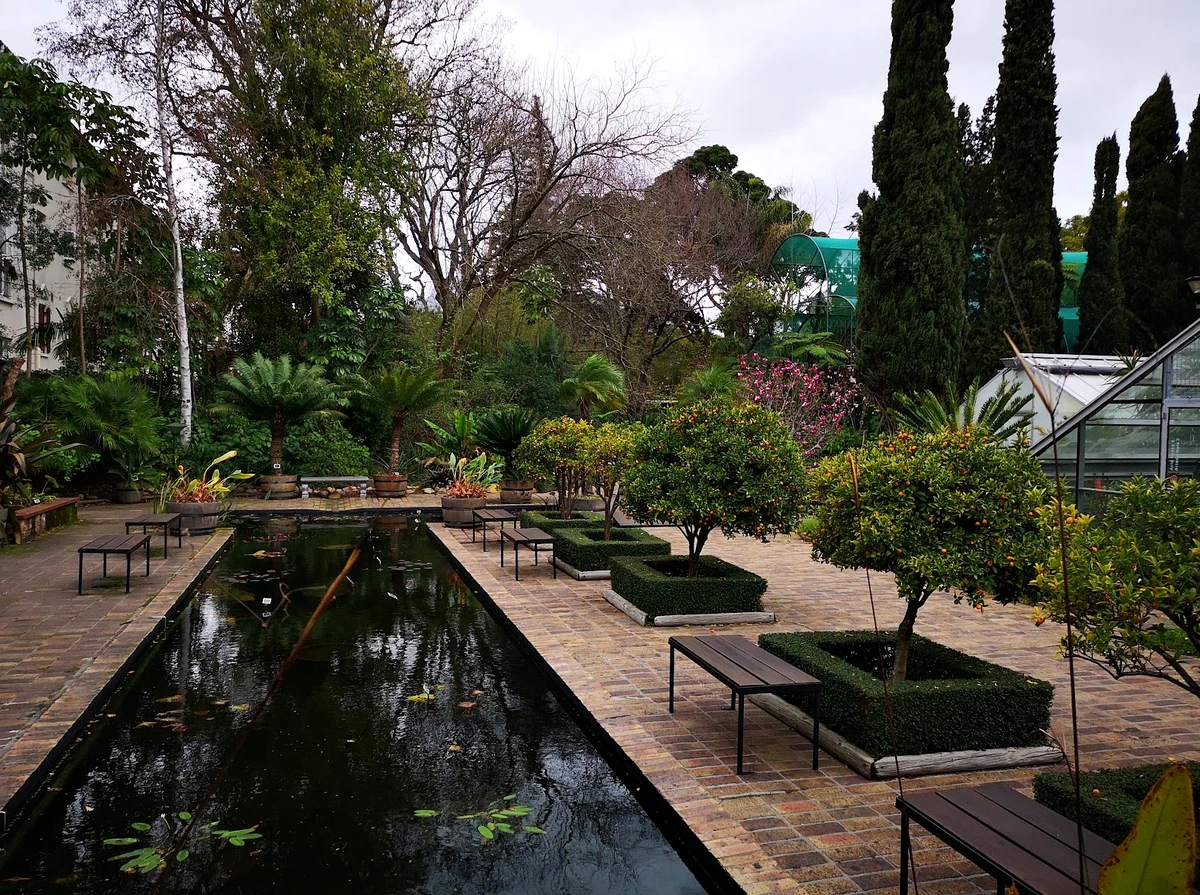
Viewed across the sweeping expanse of the ancient Cape Fold Belt, the geomorphological tapestry of Stellenbosch and the Franschhoek Valley emerges like a masterwork sculpted by nature. This fertile basin sits proudly cradled within colossal sandstone folds, where the Hottentots Holland mountains rise majestically to the east and the Drakenstein range stands like an impenetrable rampart guarding the north. The interplay of rolling slopes and alluvial valley terraces creates a uniquely sheltered microclimatic bowl. The sheer mountain walls not only cast a natural rain shadow that shields the vineyards from fierce ocean gales, but also deftly trap moisture-laden clouds, delivering generous winter rainfall to nourish the vegetation before the dry summer season begins.
Governed by a temperate Mediterranean climate (classified as Csb), the valley reaps an invaluable gift from the interplay between continent and ocean. During the grapevine growing season, the diurnal temperature variation between day and night is remarkably pronounced, typically swinging by twelve to fifteen degrees Celsius. By day, radiant sunshine warms the vine canopies, driving photosynthesis and concentrating natural sugars within every berry. As dusk falls, a refreshing coastal breeze known as the “Cape Doctor” sweeps in from False Bay through the dramatic Helshoogte Pass, rapidly cooling the entire valley, preventing moisture buildup, and slowing the ripening process. This harmonious thermal rhythm preserves crisp natural acidity, yielding balanced, vibrant structure and multi-decade aging potential in the region’s finest wines.
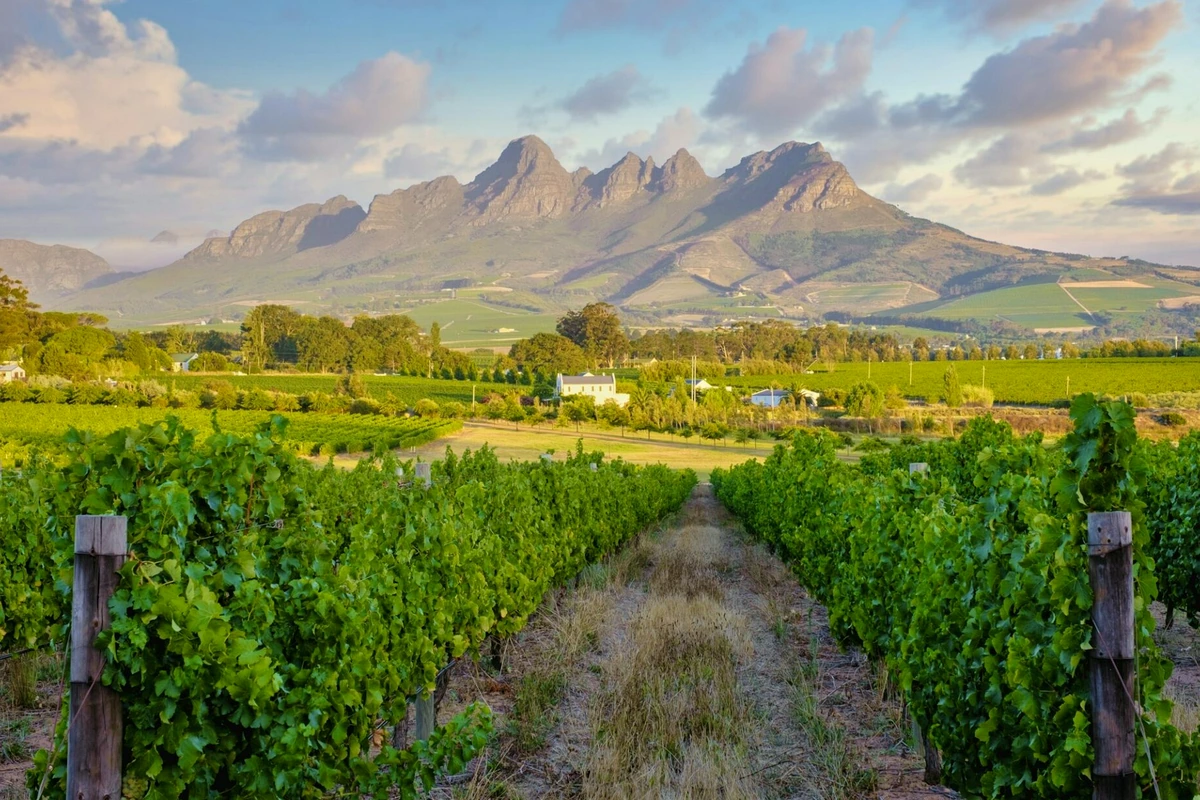
The cornerstone of the region’s terroir lies deep beneath the surface, at the convergence of two of the planet’s oldest geological formations: Malmesbury shale and decomposed granite dating back more than five hundred million years. Over millions of years of metamorphism, the deep-marine grey shale has fractured into countless narrow fissures, compelling the roots of old vines to probe dozens of meters deep into the earth in search of cool groundwater and trace minerals. Meanwhile, the higher hillsides are blanketed in iron-rich red clay weathered from granite, offering superior surface drainage while retaining ideal micro-moisture deep within the root zone. This intricate geological synergy gives rise to Chenin Blanc—historically known locally as Steen—bursting with floral, honeyed, and subtly saline mineral notes, alongside the proud indigenous Pinotage, prized for its deep ruby hue, plush tannins, and dark plum character laced with earthy smoke.
Beyond viticultural mastery, the landscape here represents an exquisite harmony between human stewardship and the native ecosystem of the Cape Floristic Region World Heritage Site. Interspersed among the endless, neatly ordered rows of vines is pristine indigenous Fynbos vegetation, home to thousands of shrub species and rare, everlasting Protea blooms. These Fynbos corridors act not only as a natural ecological buffer that attracts beneficial predators to control pests, but also infuse the mountain air with aromatic essential oils that mingle with the scent of oak bark and morning dew across the gentle slopes. Agricultural greenery follows the natural contours of the land, respecting underground watercourses and natural gradients to form a benchmark of sustainable estate planning cultivated and refined over more than three glittering centuries.
At the heart of the Stellenbosch and Franschhoek valleys, where undulating hills embrace vast expanses of vineyards, the region’s most radiant tangible heritage resides not only in liquid gold, but also in its singular Cape Dutch architectural language. Shaped over more than three centuries, the aesthetic of the Cape Winelands estates reflects a remarkable convergence of three European cultural currents: Dutch pragmatism and order, German structural precision, and the refined, airy elegance of Huguenot refugees from southern France. Brought to life by the skilled hands of enslaved Malay and Indonesian artisans during the colonial era, this cultural symphony evolved into a graceful architectural idiom perfectly attuned to the soil and subtropical climate of the Cape of Good Hope.
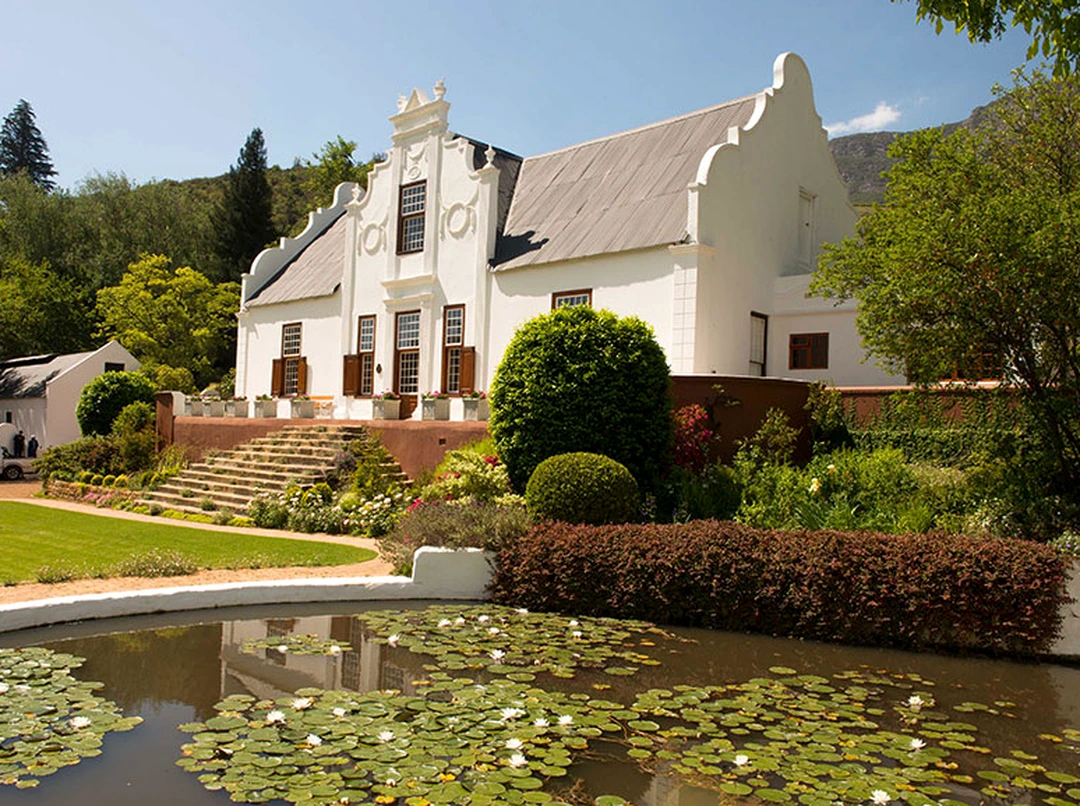
The soul and proudest signature of every Cape Dutch manor house is its ornate, curvilinear central gable rising prominently above the main facade. Deeply influenced by the Baroque and Rococo movements flourishing in seventeenth- and eighteenth-century Amsterdam, these gables served not merely as decoration, but as a statement of the owner’s social standing. Evolving from early flowing volutes and scrolls to the cleaner, more geometric lines of later Neoclassicism, every molding, floral motif, sculpted urn, or bas-relief hourglass was meticulously hand-crafted. The entire exterior is coated in pure white limewash made from kilned seashells, creating a dazzling visual contrast against the emerald expanse of the vineyards and the moody grey silhouettes of the Simonsberg mountains and Franschhoek Pass.
Beyond its visual beauty, Cape Dutch architecture stands as a triumph of timeless, ecologically adaptive microclimatic design. Manor floor plans were typically laid out in a U-shape or, most classically, an iconic H-shape. The H-plan comprises two parallel wings connected by a spacious central hall, clearly separating formal reception rooms at the front from warm family living quarters at the rear. This configuration creates two shaded, veranda-sheltered courtyards that function as an ingenious natural cross-ventilation system. Cool breezes from False Bay and the mountain passes are drawn steadily through deep corridors, dispelling the fierce heat of the Cape summer. Simultaneously, thick rammed-earth or handmade brick walls—measuring an impressive fifty to sixty centimeters thick—provide superior thermal insulation, keeping interior temperatures remarkably stable year-round to protect the oak wine barrels resting in the cellars below.
The enduring longevity of these centuries-old manor houses also stems from master craftsmanship and rare indigenous building materials. Traditional roofs were thickly thatched using resilient wetland reeds harvested from river estuaries, providing waterproofing against winter rains and natural insulation during summer heat. Supporting these substantial structures are heavy crossbeams, rafters, and thick louvered shutters hewn from two prized endemic South African hardwoods: Yellowwood and Stinkwood. Warm, honey-toned Yellowwood with its fine grain was favored for expansive floorboards and soaring ceilings, whereas dense, bronze-hued Stinkwood of extraordinary structural strength was reserved for load-bearing beams, window frames, and grand mother-of-pearl inlaid furniture. The subtle interplay between these light and dark timber tones lends timeless depth to every room.
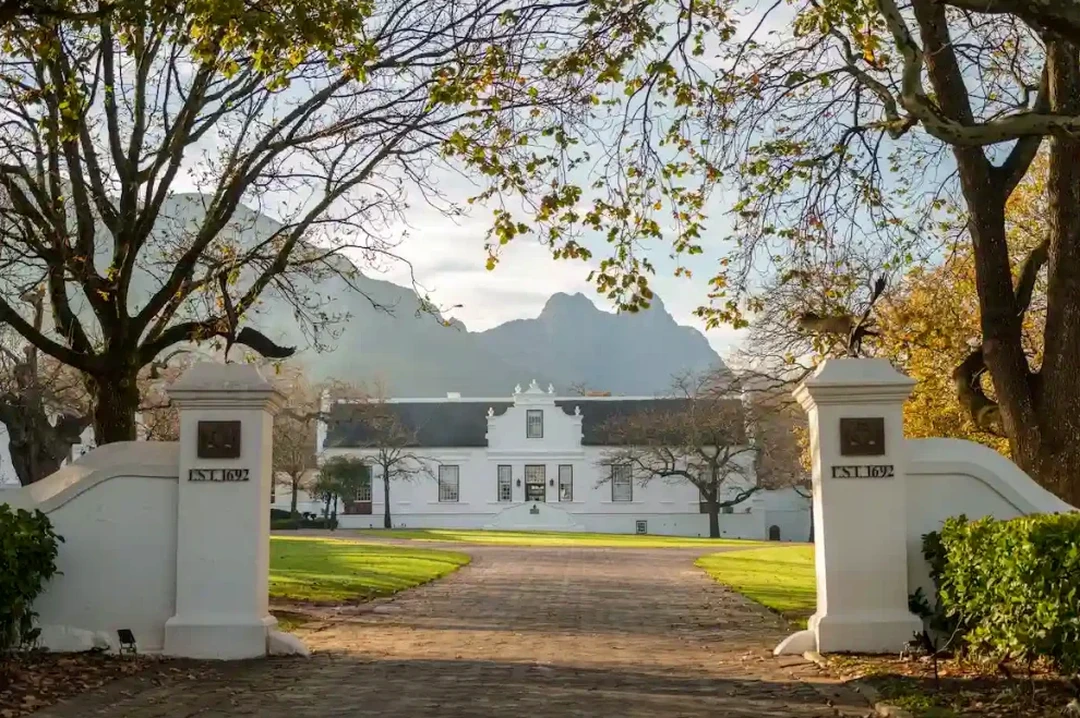
In terms of spatial scale, each estate in Stellenbosch and Franschhoek functioned not merely as an isolated residence, but as a complete, self-sustaining agricultural complex spanning tens to hundreds of hectares. The main manor house always commands the central scenic axis, looking out down grand avenues shaded by centuries-old oak trees originally planted at the urging of Governor Simon van der Stel. Surrounding the manor is a strictly symmetrical cruciform arrangement of outbuildings, including deep vaulted maturation cellars, stables, pressing houses, and symmetrical Baroque herb gardens. This organic bond between human architecture and untamed nature turns every stroll across the grounds into an elevated living-space experience, where classical European architectural artistry took root and blossomed magnificently at the southern tip of Africa.
As twilight descends upon the Stellenbosch and Franschhoek valleys, this three-hundred-year-old wine region enters its most enchanting daily transition of nature and local culture. Far removed from the mechanical clamor of modern cities, evening life in the Cape Winelands begins with a gracious ritual deeply ingrained in the South African spirit: the \”Sundowner.\” As the sun dips below the Atlantic horizon, travelers and cellar masters gather on broad, breezy Cape Dutch verandas (known as a stoep), raising glasses of celebrated Méthode Cap Classique (MCC) sparkling wine. Crafted using the rigorous traditional method identical to French Champagne, MCC releases fine, shimmering streams of bubbles carrying notes of green apple, toasted brioche, and granite minerality. This is also the hour when optical alpenglow drapes the towering sandstone peaks of Simonsberg and Groot Drakenstein in ethereal veils of deep violet and rose quartz, transforming the valley into a breathtaking, poetic natural panorama.

Deep night on the historic estates is never intruded upon by harsh urban glare, but instead governed by a refined philosophy of aesthetic restraint and environmental conservation. Historic estates from Boschendal to Lanzerac employ carefully calibrated warm-spectrum LED lighting that casts a gentle uplight across the ornate Baroque gables of Cape Dutch facades and the centuries-old oak trees planted by Governor Simon van der Stel in the seventeenth century. This thoughtful illumination honors the sculptural lines of antique stone walls and manor houses while strictly adhering to dark-sky principles to minimize light pollution and preserve the pristine velvet blackness of the night sky. As a result, visitors need only gaze upward above the oak canopies and Pinotage-clad slopes to behold the Southern Cross (Crux) and the brilliant southern Milky Way—the very celestial compass that guided European navigators around the Cape of Good Hope centuries ago.
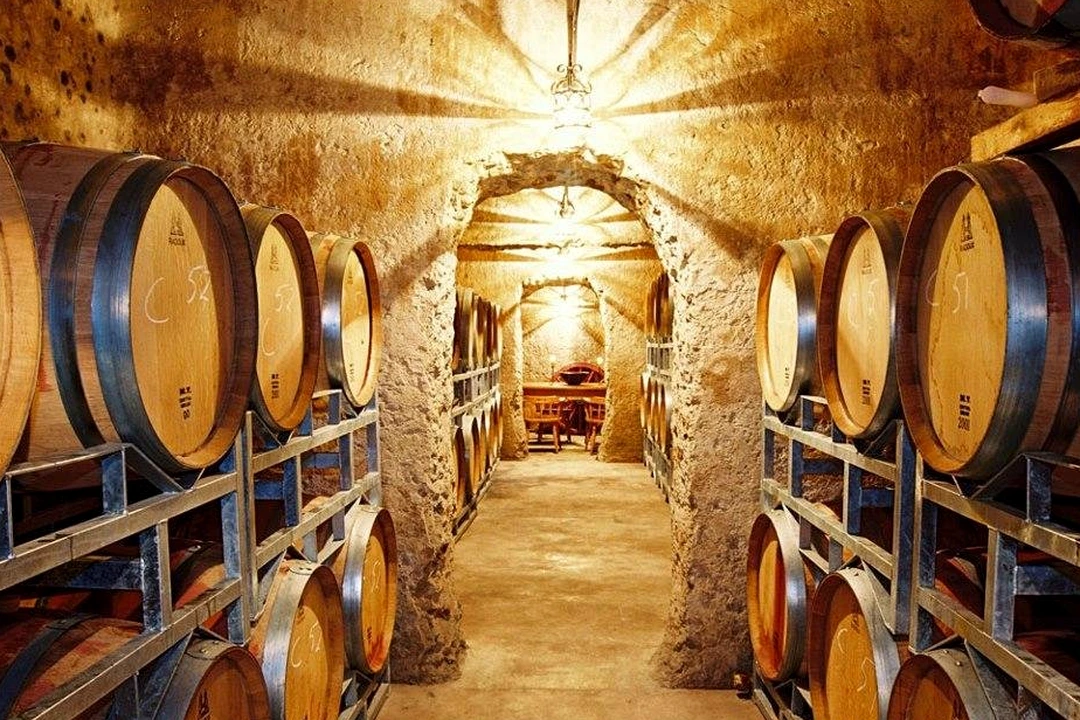
After dark, the Franschhoek Valley—widely acclaimed as South Africa’s culinary capital—unveils a vibrant yet intimate gastronomic stage. Historic fermentation halls, French oak barrel cellars, and antique granaries are transformed into atmospheric dining rooms, where the flicker of cast-iron hearths mingles with the aromas of smoked beef, herb-crusted Karoo lamb, and complex spices inherited from Cape Malay culinary heritage. Here, multi-course tasting dinners unfold like sensory performances uniting taste and sight. Aged vintages of Cabernet Sauvignon and Chenin Blanc are uncorked by seasoned sommeliers, accompanied by chamber music or the soulful resonance of an upright double bass played by local musicians within subterranean wine cellars.

Late night in the Cape Winelands returns the soul to a state of primordial stillness, where the only sounds are the whisper of the breeze rustling through vine rows gathering night dew and the chime of an antique clock ringing out from the town church steeple. Nightlife here never rushes or clamors; instead, it distills into an elevated sensory indulgence where subtle lighting artistry, time-honored culinary traditions, and the surreal majesty of the Southern Hemisphere sky intertwine, leaving an indelible impression on discerning travelers.
The cuisine of the Stellenbosch and Franschhoek valleys is far more than a mere accompaniment to celebrated wines; it is a living epic of cultural convergence across three historical currents: the ancestral foraging knowledge of the indigenous Khoisan people, the steadfast farmstead traditions of Dutch settlers, and the vibrant, aromatic artistry of the Cape Malay community. When merchant vessels of the Dutch East India Company docked at the Cape of Good Hope laden with precious Eastern spices, gifted Cape Malay cooks infused bountiful local farm produce with tropical soul, birthing a singular culinary tradition that is at once regal and deeply comforting, rooted in southern rural life for centuries.
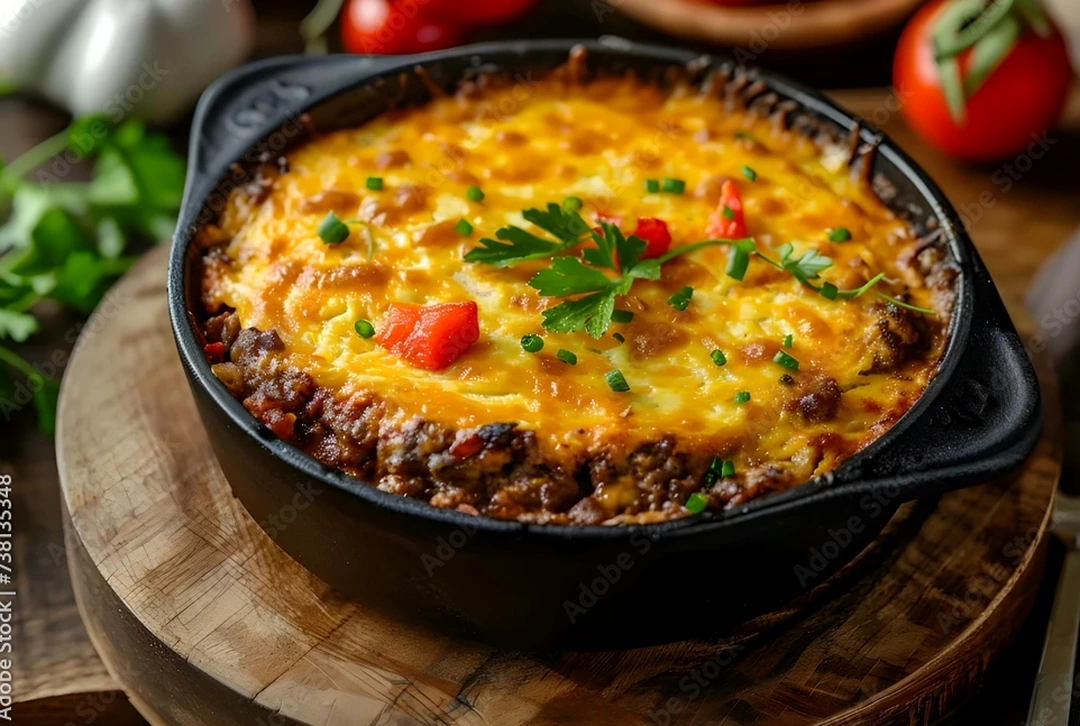
The crowning emblem of this flavor harmony is Bobotie, a cherished heirloom dish gracing nearly every traditional country table. Cooks carefully marinate minced lamb or beef with golden curry powder, turmeric, cumin, slivered almonds, and the gentle sweetness of Karoo raisins, finished with wild lemon leaves or fresh bay leaves plucked straight from the garden edge. Slow-baked in an earthenware dish beneath a velvety, custard-like egg topping, the dish emerges golden-brown and fragrant, balancing warm spice, the bright tang of apricot sambal chutney, and a rich, lingering creaminess on the palate. Meanwhile, the wild spirit of the region’s wetlands is celebrated in Waterblommetjiebredie, a labor-intensive stew prepared exclusively in winter when native Cape pondweed (Aponogeton distachyos) blooms across natural dams. Delicate flower buds—reminiscent of artichoke hearts in flavor—are slowly braised with tender lamb ribs, caramelized onions, and a generous splash of fine Franschhoek white wine, yielding a rich, velvety sauce that marries marrow-deep savoriness with the wild herbal perfume of the Fynbos hills.
The social heartbeat uniting community life across the estates is the ritual of the Braai over a crackling open wood fire—a culinary institution that transcends every social boundary. Unlike conventional grilling, an authentic Braai strictly eschews chemical briquettes in favor of seasoned logs from iron-hard kameeldoring (camelthorn) trees or gnarled old grapevines uprooted after harvest. Over glowing, aromatic wood embers, locals grill coiled spirals of heritage Boerewors sausage spiced with toasted coriander seed, cardamom-rubbed lamb chops, and blistered Roosterkoek bread rolls brushed with garlic butter. The crackle of embers, the sizzle of dripping fat hitting hot ash, and the intoxicating woodsmoke drifting beneath ancient oak canopies transform an outdoor meal into an intimate gathering of kinship, where frontier tales from pioneering days are retold over glasses of swirling wine.
From these rustic foundations, the Cape Winelands has risen to become Africa’s premier fine-dining destination, home to world-renowned gastronomic temples. In Stellenbosch, the historic Lanzerac Estate—nestled at the foot of the Jonkershoek mountains—invites diners to experience heritage cuisine elevated to perfection, where centuries-old slow-cooked stews are thoughtfully refined to pair with South Africa’s oldest Pinotage vintages. Meanwhile, in historic Franschhoek, La Petite Colombe stands at the pinnacle of contemporary, multi-sensory gastronomy, seamlessly marrying classical French culinary technique with hyper-local ingredients. In the hands of visionary chefs, wild mushrooms foraged on mountain slopes, pristine seafood from the Atlantic coast, and edible native blossoms become intricate works of culinary art, capturing the sophisticated luxury and deep reverence for the land that define this region.
To savor the aristocratic charm of the endless vineyards of Stellenbosch and the Franschhoek Valley to the fullest, understanding the seasonal rhythms and operating cadence of the historic estates is essential. The golden windows for exploring the Cape Winelands fall during the two shoulder seasons: March to May and September to November. During the autumn months from March to May, temperatures turn pleasantly mild, coinciding with the bustling grape harvest when the Simonsberg slopes blaze in brilliant hues of gold and crimson while avoiding the intense heat of the Southern Hemisphere summer. Conversely, the spring window from September to November brings crisp, rejuvenating weather as new vine shoots awaken and the valley emerges from the damp winter rains rolling off the Atlantic. Most prestigious tasting rooms at historic estates welcome guests from 09:00 or 10:00 AM and conclude service around 16:30 to 17:00 PM, encouraging a unhurried pace that nonetheless rewards thoughtful itinerary planning.
Among the ways to traverse the vineyard-draped valleys, riding the vintage Franschhoek Wine Tram is widely regarded as the most gracious and iconic experience. Operating along a historic railway line paired with open-air double-decker feeder trams, the network glides effortlessly through rolling vineyards so visitors never have to worry about driving after indulgent tastings. In particular, flagship routes such as the Grande Provence or Blue Line frequently sell out due to limited seating and the allure of the celebrated estates along their tracks. Savvy travelers book tickets 4 to 6 weeks in advance to secure preferred departures. Combined tram passes and estate tasting fees typically range from 100 to 350 South African Rand (ZAR) per curated flight of 4 to 6 premium wines—exceptional value given the cultural heritage and attentive hospitality of local sommeliers.
Stepping inside three-hundred-year-old cellars behind whitewashed Cape Dutch walls, visitors should keep a few refined tasting customs in mind. Standard tasting etiquette begins with examining the wine’s hue in natural light, gently swirling the glass to release its bouquet, and inhaling deeply before taking a small sip to let the palate register every layer of flavor. One crucial detail often overlooked by newcomers is using the spittoon. Among seasoned connoisseurs, spitting after tasting is never viewed as disrespectful or wasteful; on the contrary, it is the hallmark of a true aficionado. When sampling dozens of wines across a single day, utilizing the spittoon keeps the palate sharp and discerning while preventing intoxication, preserving the dignified, tranquil atmosphere of this heritage-rich wine region.
Accompanying the region’s celebrated vintages are inspired culinary pairings that elevate every tasting. Pairing creamy, artisanal goat cheese with a crisp Chenin Blanc, or matching savory, herb-cured biltong with Stellenbosch’s signature Pinotage, unlocks pure, unforgettable sensory dimensions. Travelers should opt for polished smart-casual attire, wear comfortable flat shoes suited for strolling gravel paths and dew-kissed lawns, and always pack a light jacket, as valley temperatures can drop swiftly once the shadow of Franschhoek Pass settles over the vineyards. To weave this refined elegance into an even grander African adventure, explore our South Africa wildlife and nature tour itineraries, where centuries-old winemaking heritage blends seamlessly with the untamed majesty of the wild.