With the advantage of being a coastal province, Quang Ninh is renowned for its strengths in fishing and aquaculture. This land is widely known for its fresh and delicious seafood specialties. Among them, the “Ngan” clam (a completely natural seafood) is a precious gift bestowed by nature upon Quang Ninh.
Read more: Ha Long Specialties: What to eat? What to buy?
Introduction to Ngan clam
Ngan clam (Austriella corrugata) is a hard-shelled bivalve mollusk belonging to the Lucinidae family. They have a round or oval shell with distinct ridged surfaces, ranging in color from light brown to dark brown. Mature Ngan can grow up to 10cm, but are usually found at 5-7cm. Inside the shell is soft white meat with a characteristic sweet and savory flavor. Ngan lives in saltwater and brackish water environments, particularly in estuaries, tidal zones, and mangrove forests. In Quang Ninh, Ngan can be found in many places, but the best are undoubtedly from the Bach Dang estuary in Quang Yen town, where fresh water and saltwater meet, creating a unique flavor for this seafood. This distinction has been recognized by the National Office of Intellectual Property (IP VIETNAM) with the geographical indication protection certificate ‘Quang Ninh’ for the Ngan clam product, proving that the unique flavor of Quang Ninh’s Ngan is closely tied to the region’s natural conditions and specific cultivation techniques.
n
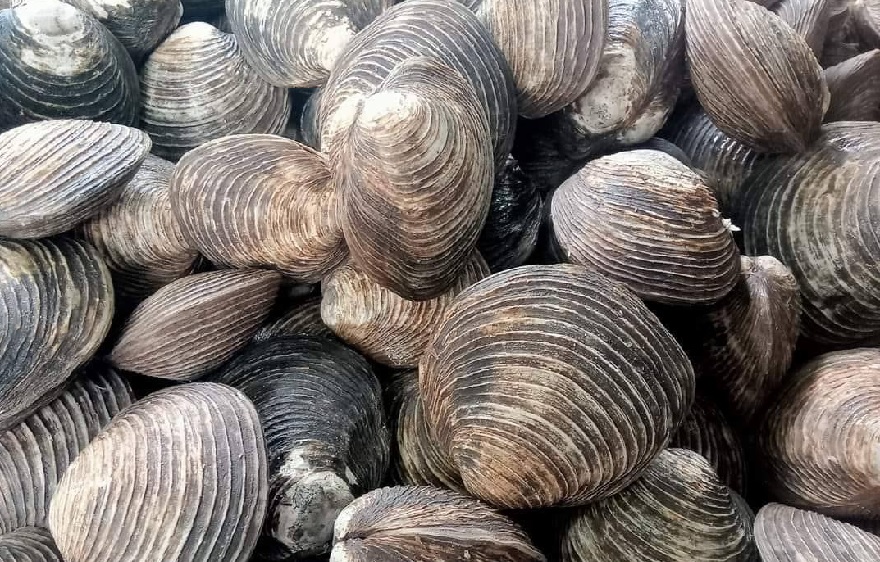
Ngan clam is one of the most famous specialties in Quang Ninh
Quang Ninh Ngan are dioecious, though it is very difficult to distinguish males from females with the naked eye. They reproduce seasonally, concentrated in summer and autumn, from May to October every year, with a relatively high reproductive rate. A mature female can lay from several hundred thousand to several million eggs in a single breeding season. During the Ngan season, fishermen often have to wade deep into the mud at low tide and use a specialized probing stick to dig out each individual Ngan. Perhaps it is because of this arduous harvesting process that this seafood was given the name “ngán” (which sounds like “tedious” or “tiresome” in Vietnamese)?
n
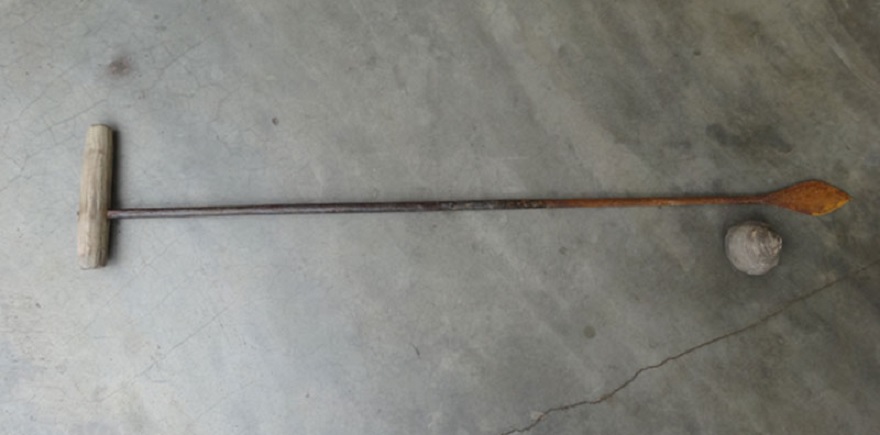
Probing stick – the specialized tool of fishermen when harvesting Ngan.
However, due to overexploitation, natural Ngan resources are declining, making them a rare specialty of high economic value. Researching and understanding the reproductive characteristics of Ngan is crucial to applying conservation and sustainable development measures for this rare seafood species.
Tips for choosing Ngan
At seafood markets, there are items that look quite similar, so buyers need to pay attention to avoid confusing Ngan with regular clams (ngao). Although their outer shapes are relatively similar, Ngan and regular clams still have distinct differences. Ngan are usually larger, with thicker, rougher shells in white or light brown. Meanwhile, clams are smaller, with thinner, smoother shells in a wider variety of colors, ranging from white and brown to black. Regarding their habitat, Ngan prefer estuarine areas where fresh and saltwater mix, whereas clams live in tidal flats or coastal areas, burying themselves under a thin layer of sand.
To choose a delicious Ngan, you should look for ones weighing between 80g and 100g, with thick shells that feel heavy in your hand, and a symmetrical, round shape. These are plump Ngan with firm, sweet meat. If the Ngan is smaller and has a thin shell, it is usually young and not yet fully ripe. The blood of young Ngan is not vividly red, so the taste will not be as good.
n
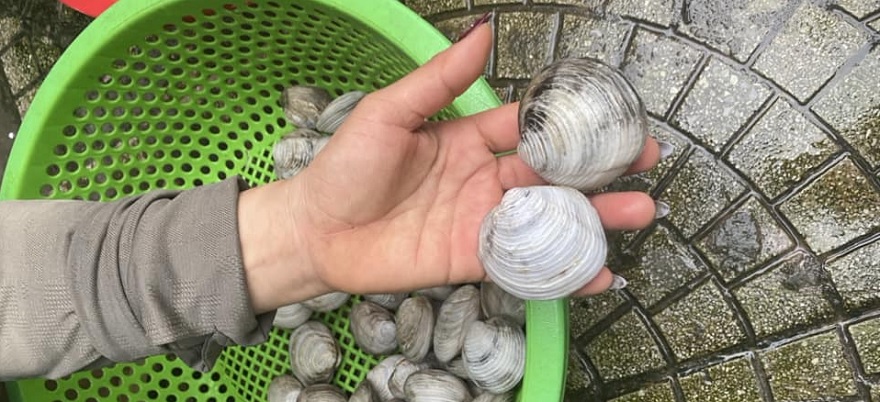
How to choose Ngan
You can buy Ngan at major seafood markets in Quang Ninh province. If you are in Ha Long, you can visit Cai Dam market, Ha Long market, etc. However, Ngan is typically only available in summer and autumn. In winter, Ngan burrow deep into the mud, making them very difficult to catch. In the past, Ngan were abundant and cheaper than blood cockles. Nowadays, however, Ngan have become a rare dish with high prices.
Whole Ngan (in shell):
-
t
- Grade 1, large size (approx. 8-12 clams/kg) can cost up to 800,000 – 1,000,000 VND/kg.
- Grade 2, medium size (approx. 15-20 clams/kg) usually ranges from 450,000 – 600,000 VND/kg.
t
Shelled Ngan: small size usually ranges from 800,000 – 900,000 VND/kg.
Delicious dishes made from Ngan
Despite having a name that translates to “tedious” (“ngán”), once served at the banquet table, the distinctive flavor of Ngan leaves diners enchanted and unforgettable. The savory, slightly astringent taste, combined with a delicate sweetness seeping through the hard shell, brings an immensely delightful tingling sensation to the tip of the tongue. The lingering aftertaste of Ngan stays with you, leaving a deep longing. Ngan can be prepared into many enticing dishes such as Ngan wine, steamed Ngan, grilled Ngan, or Ngan porridge… Each dish brings a unique, indescribable flavor. When enjoying Ngan, you will fully experience the taste of the sea and the earth—a truly unforgettable sensation. Below are 3 delicious Ngan dishes recommended by VDS Travel that you should try when traveling to Ha Long.
1. Stir-fried Vermicelli with Ngan (Hard Clam)
Stir-fried vermicelli with ngan is a famous specialty dish from the coastal region of Quang Ninh, especially in the town of Quang Yen, home to the freshest and highest-quality ngan. Although simple, this dish delivers a unique and unforgettable flavor that leaves everyone who tastes it full of praise.
Stir-fried vermicelli with ngan combines the delicate sweetness of the clam meat, the rich savoriness of fish sauce, and the characteristic aroma of fried shallots and Vietnamese coriander. The soft vermicelli strands absorb the spices, blending seamlessly with the succulent ngan meat to create a dish that is both delicious and nutritious.
n
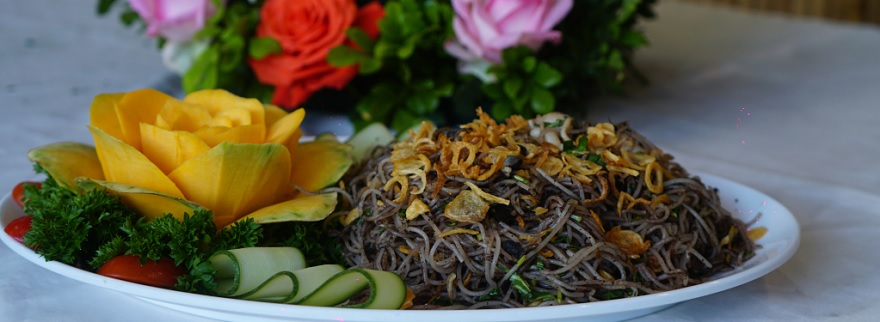
Stir-fried Vermicelli with Ngan
To make this dish, cooks typically select live ngan, then carefully process them to remove any sand and impurities. The clam meat is quickly stir-fried over high heat with vermicelli, fried shallots, Vietnamese coriander, and various seasonings. The secret to a perfect plate of stir-fried vermicelli with ngan is cooking it swiftly over high heat so the clam meat remains tender rather than chewy, and the vermicelli doesn’t become mushy.
Stir-fried vermicelli with ngan is usually served with fresh herbs and a sweet-and-sour dipping sauce. It is a rustic dish familiar to the locals of Quang Ninh, yet a beloved specialty for tourists visiting the region. If you have the chance to visit Quang Ninh, don’t forget to try this flavorful and unique dish!
2. Grilled Ngan
Grilled ngan is a simple yet incredibly enticing dish that fully highlights the natural sweetness and distinct aroma of the clam. Not only is it delicious, but it is also highly nutritious, rich in protein, vitamins, and minerals.
To prepare grilled ngan, live clams are selected, washed thoroughly, and placed on a wire rack over glowing charcoal. The clams are grilled until the shells pop open, releasing an alluring aroma. With every bite, you can taste the delicate, buttery sweetness of the clam meat mingling with the signature smokiness of the charcoal grill.
n
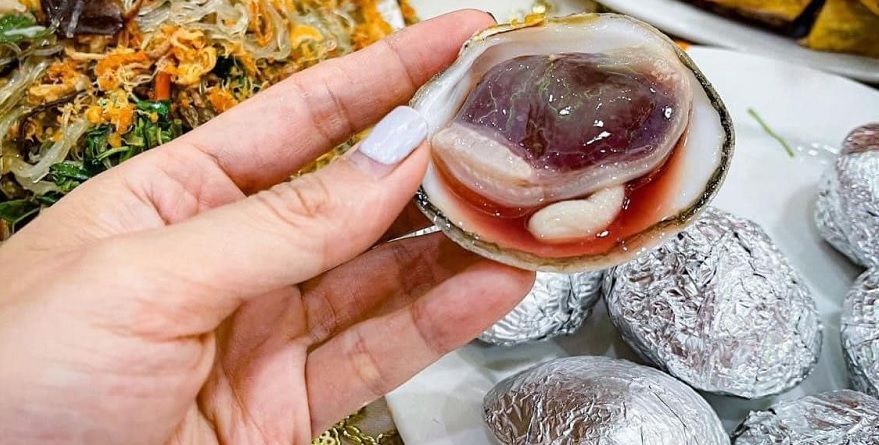
Grilled Ngan
Grilled ngan is typically served with a lime-pepper-salt dip or green chili salt, creating a perfect balance between the natural sweetness of the clam and the spicy, savory kick of the seasoning. This is a rustic, everyday dish for the people of Quang Ninh, but also a must-try specialty for travelers exploring the area. If you get the chance to visit Quang Ninh, make sure not to miss out on this delicious and nourishing grilled ngan!
Ngan salad is a delicate dish that harmoniously combines the refreshing sweetness of raw clam meat with fresh herbs, spices, and a signature dipping sauce, delivering a unique and memorable culinary experience.
n
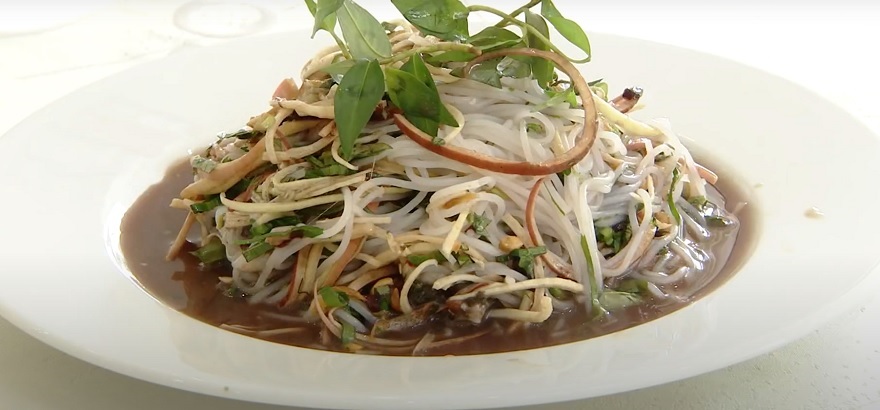
Ngan Salad
To make ngan salad, live clams are chosen and meticulously prepared to remove all sand and grit. The clam meat is thinly sliced and tossed with aromatic herbs such as Vietnamese coriander, sweet basil, and onions, along with roasted peanuts, crispy rice paper, and a sweet-and-sour fish sauce. The secret to a successful ngan salad lies in choosing fresh clams, ensuring they are thoroughly cleaned, and mixing a well-balanced dressing.