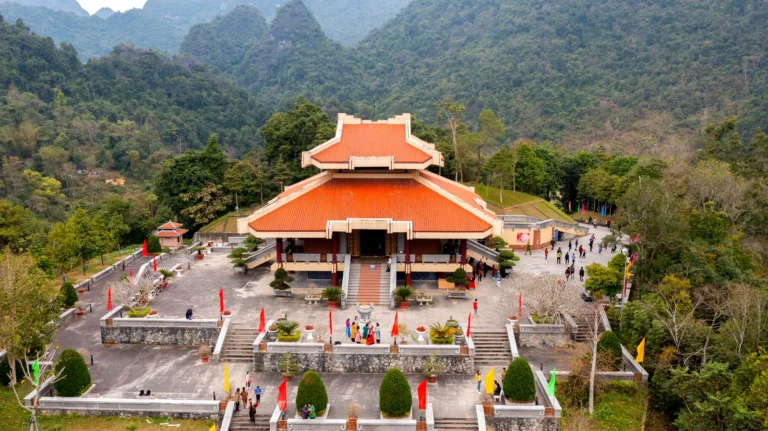
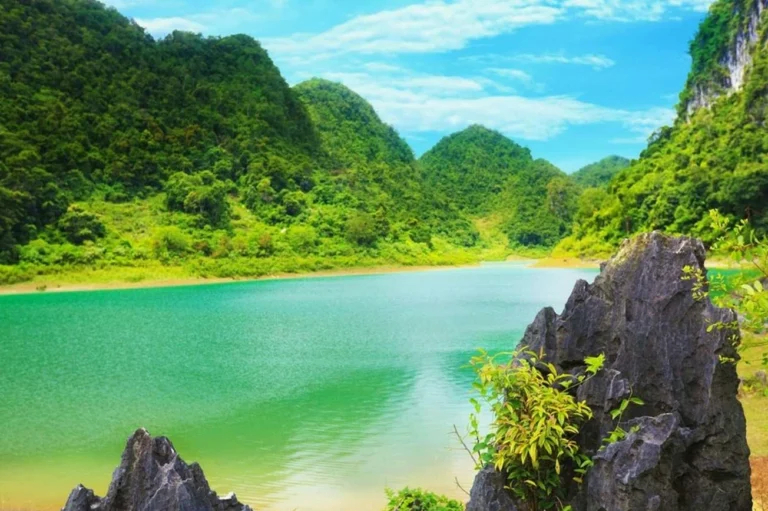
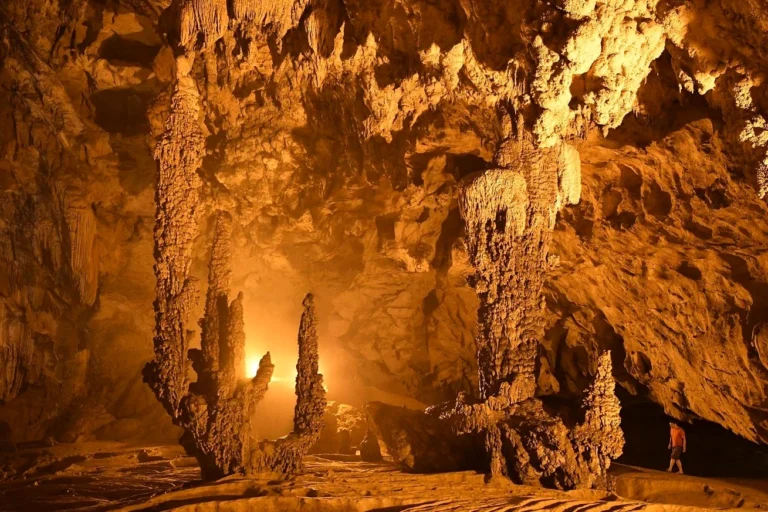
Situated along Vietnam’s northern frontier in Truong Ha Commune, Ha Quang District, Cao Bang Province, Pac Bo Cave stands as a singular landmark on both the geographic map and the revolutionary consciousness of the Vietnamese nation. Geologically and geomorphologically, the Pac Bo cave complex—comprising Coc Bo Cave, Bo Bam Cave, and Son Duong Cave—is a spectacular karst formation nestled within the Bac Son limestone belt. Over tens of thousands of years of geological evolution since the Quaternary Period (Middle and Late Pleistocene), nature has sculpted this rugged yet magnificent terrain, where towering, moss-draped limestone cliffs embrace crystal-clear subterranean springs flowing year-round.
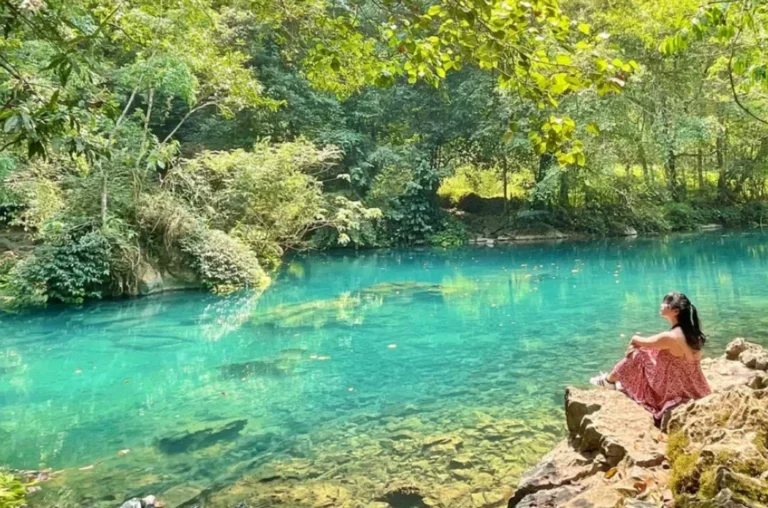
In the local dialect of the Tay and Nung ethnic communities who have lived among these mountains and forests for generations, the name “Pac Bo” (recorded in ancient texts as *Bo Pac*) carries the sacred meaning of “Headwaters” or “The Source.” This is the birthplace of the Lenin Stream—formerly known by locals under the poetic, rustic name Giang Slay Stream—which winds through the dense forest like a miniature emerald-green silk ribbon. The site brings together all the classic elements of harmonious feng shui—”backed by mountains, facing the water”—offering strategic military concealment alongside an open, livable valley that forms a natural fortress.
Although Ha Quang has borne the footprints of Vietnam’s feudal dynasties—Ly, Tran, Le, Mac, and Nguyen—in their efforts to defend the borderlands for centuries, the defining historical milestone that transformed Pac Bo from a remote mountain valley into a revolutionary sanctuary occurred on an unforgettable date: January 28, 1941. That was the historic moment when Ho Chi Minh—the beloved leader of the nation, then operating under the aliases Gia Thu Son and Tam Thu—set foot back on Vietnamese soil after thirty years abroad seeking a path to national salvation. Crossing at sacred Border Marker 108, he chose Coc Bo Cave as his very first base, opening a heroic new chapter in Vietnam’s struggle for independence.
Within the solemn yet warm embrace of Pac Bo’s mountains and forests, Ho Chi Minh and prominent revolutionary pioneers such as Truong Chinh, Pham Van Dong, Vo Nguyen Giap, Hoang Van Thu, and Phung Chi Kien wrote golden pages of history. Here, beneath a stone cave roof chilly in winter and deeply secluded in summer, he chaired the Eighth Central Committee Plenum, directly charted the strategy for national liberation, translated the classic History of the Communist Party of the Soviet Union (Bolsheviks) into Vietnamese, drafted the historic proclamation Letter to Compatriots, and laid the foundational bricks for the establishment of the Viet Minh Front.
Through the passage of time and history, Pac Bo Cave has become a Special National Monument—a living open-air museum carefully preserved by heritage authorities and celebrated by domestic and international media alike. Every slab of stone, stalactite, and flowing stream here holds not only scientific significance in karst geology, but also stands as a priceless witness to history. Pac Bo’s heritage transcends ordinary scenic beauty, serving as a spiritual wellspring and sacred ground where every Vietnamese visitor feels the enduring pulse of patriotism and the timeless will for independence and freedom.
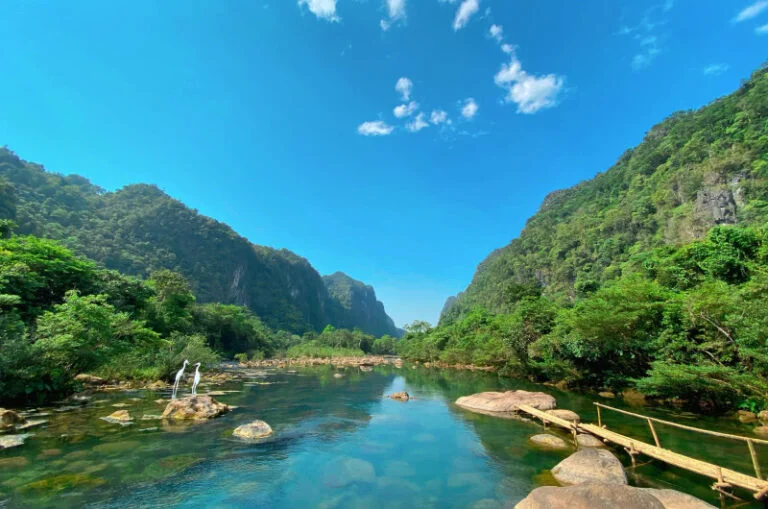
Leaving behind the noise and bustle of city life, a journey to the Pac Bo Historical Site in Ha Quang District, Cao Bang Province feels like a peaceful pause, leading travelers into an untamed, majestic fairyland. Beyond cradling the nation’s heroic history, this destination has been blessed by nature with a priceless scenic masterpiece—a seamless fusion of rugged northeastern limestone karst topography and lush, ancient forest ecosystems that form vibrant, one-of-a-kind natural architecture.
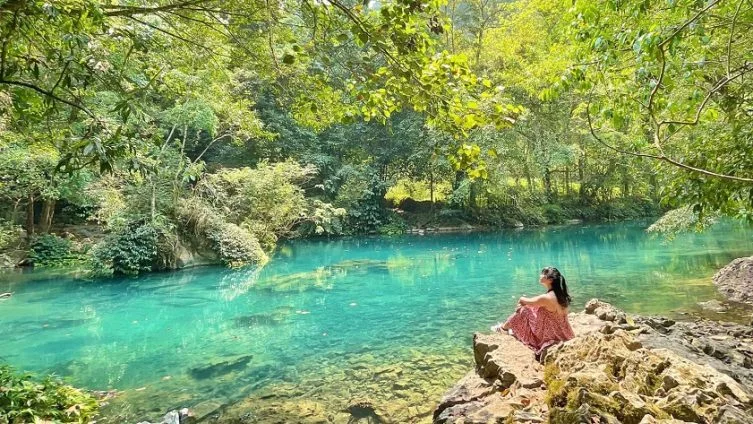
Right from the entrance to the historical site, visitors are immediately captivated by the surreal beauty of the Lenin Stream. Beneath the golden highland sunlight, the water is so crystal clear that schools of small fish can be seen darting below, shimmering in a magical jade-green hue thanks to its mineral composition and the rich surrounding vegetation. Framing the gently winding stream are soaring, overlapping limestone peaks standing guard, dotted with moss-covered ancient trees clinging to the rock for centuries. Coc Bo Cave—where Uncle Ho lived and worked during those arduous early days after returning to the homeland—lies deep within a limestone mountain, featuring a wide vaulted ceiling adorned with countless natural stalactites shaped by tens of thousands of years of geological artistry.
To capture the most memorable frames in this heritage land, professional photographers and travel journalists frequently share two must-visit camera angles. The first “million-view” photo spot is the rustic wooden bridge spanning the Lenin Stream, offering a direct vantage point that frames the dramatic mountains in the background with the vibrant turquoise water rippling beneath your feet. The ideal lighting window for unforgettable shots here is early morning, roughly between 8:00 AM and 9:30 AM, when morning sunbeams slant through the forest canopy and pierce straight down into the water, creating a sparkling, ethereal optical effect. The second angle highly prized by experts is the area in front of Coc Bo Cave’s entrance and the historic stone table, where natural light filters into the cavern to create atmospheric depth that highlights the solemn, nostalgic, and sacred aura of the relic.
At the close of a scenic exploration of Pac Bo, travelers take home not only picture-perfect photographs, but also a sense of time standing still among the trees and grass. The seamless harmony of majestic natural landscapes and profound cultural history has made this site an enduring symbol that stirs the heart of anyone who cherishes the authentic, awe-inspiring beauty of the homeland.
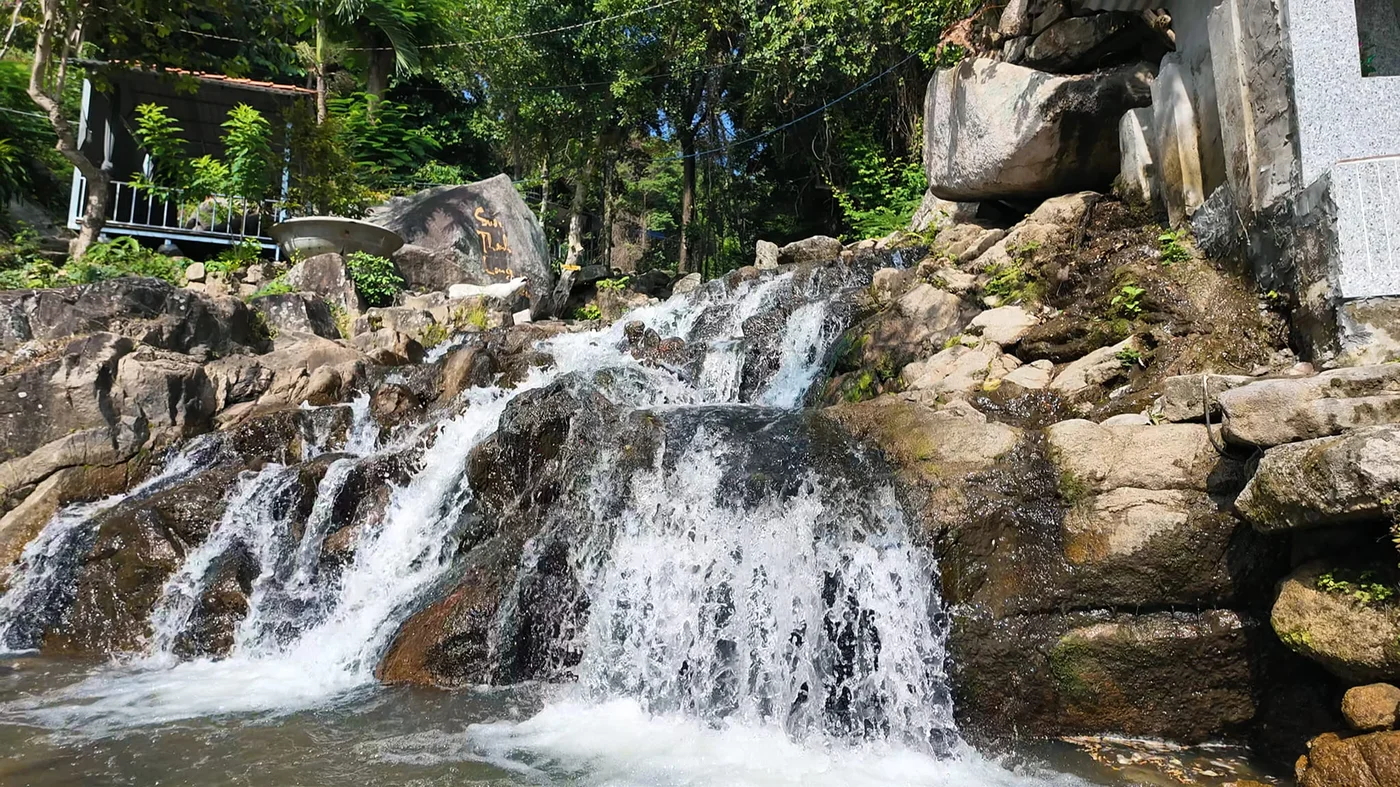
Arriving at the Pac Bo Cave Historical Site on a day when mountain breezes whisper through the deep forest, visitors do more than touch the golden pages of national history—they also experience a remarkable journey into eco-tourism and indigenous culture. From the very first steps along the winding riverside trail, the grand yet poetic scenery embraces the traveler’s spirit, washing away the stress and clamor of urban routines.
On-site exploration begins with a gentle trek up moss-covered stone steps leading deep into Coc Bo Cave. Standing suspended amid towering mountains and forests while breathing in crisp, refreshing air feels like stepping directly into history. Pausing before the flat stone table where President Ho Chi Minh once sat and worked stirs a deep wave of emotion. The quiet, contemplative atmosphere of the cavern still seems to hold the breath of history, prompting everyone to tread lightly and speak softly as if not to awaken sacred memories.
Stepping out of the cave, travelers can enjoy gliding aboard a small wooden boat, drifting leisurely along the crystal-clear Lenin Stream as if floating on a giant ribbon of jade. Gazing down into the water, schools of fish weave effortlessly among swaying beds of moss, creating an enchanting natural tableau. Looking up from the boat at Karl Marx Peak standing tall and proud over the Pac Bo headwaters, initial awe at nature’s grandeur deepens into profound national pride. It is also a fitting moment to pause at the memorial shrines, respectfully light incense in gratitude to the beloved father of the nation, and experience a rare sense of inner stillness and peace.
Rounding out its natural and historical wonders, Pac Bo captivates visitors with celebrated local cuisine rich in the cultural identity of the Tay and Nung peoples of the karst plateau. Gathering around a cozy meal inside a traditional stilt house to savor firm, smoky kitchen-hung black pork, sour bamboo shoots pickled with tongue-tingling mac khen forest pepper, or fragrant sticky rice steamed from freshly harvested upland grains melts away any fatigue from the journey. Sharing a sip of aromatic corn wine accompanied by the warm laughter of hospitable, genuine locals reveals the deep bond between the people and this heroic land—turning Pac Bo into a lingering, nameless longing in every traveler’s heart long after departure.
To ensure a smooth and fulfilling pilgrimage to the revolutionary roots at the Pac Bo Historical Site (Ha Quang, Cao Bang), preparing with practical travel tips is essential. The historical site is open to visitors every day of the week, including public holidays and weekends. Standard operating hours typically run from 7:00 AM to 5:00 PM daily, giving travelers ample time to explore both the natural scenery and historic landmarks at an unhurried pace.
Regarding admission fees, the site management currently maintains very reasonable rates for both domestic and international visitors. General adult admission typically ranges from around 25,000 to 40,000 VND per person, while children, senior citizens, and eligible policy beneficiaries receive free entry or discounted rates in accordance with current regulations. Additionally, if you arrive by private vehicle and use the site’s parking lot, parking fees are very affordable at just 5,000 to 10,000 VND per entry.
The most convenient route from central Cao Bang City to the Pac Bo Historical Site covers roughly 50 kilometers heading northwest. Travelers can ride a motorbike to take in the dramatic mountain scenery along the way at their own pace, or hire a private car or taxi. From the city center, follow National Highway 3 toward Ha Quang District, then continue following local road signs to Truong Ha Commune. The road winds through gentle mountain passes with well-maintained pavement, making for an exciting northern highland drive.
The best time of year to visit Pac Bo is during the dry season, which runs from September through May of the following year. In particular, visiting between March and May rewards travelers with the Lenin Stream at its most vivid, crystal-clear jade-green hue, paired with cool, dry weather ideal for mountain trekking, forest walks, and photography.
Because exploring the site combines cultural-historical sightseeing with outdoor walking, visitors should wear neat, modest, comfortable clothing along with athletic shoes offering good traction for climbing stone steps and hiking the trail up to Coc Bo Cave. Likewise, when entering memorial and ceremonial spaces, maintain a respectful demeanor, keep voices low, and strictly follow environmental conservation rules to preserve the serene sanctity of this Special National Monument.
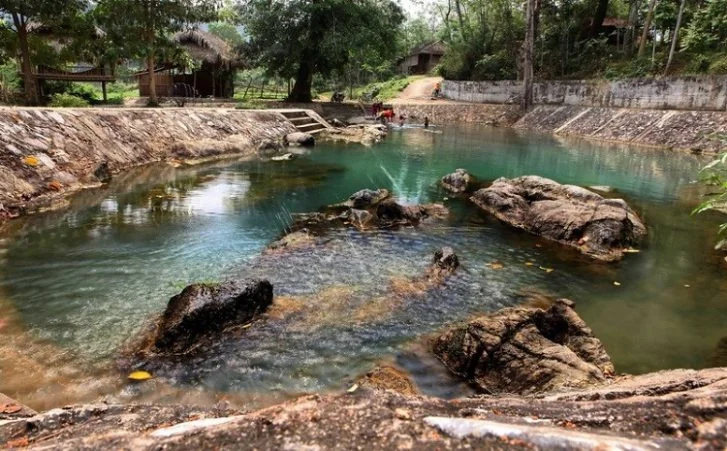
To enjoy a seamless getaway and take in the full beauty of Pac Bo Cave without worrying about transportation, sightseeing tickets, or itinerary planning, travelers can choose VDS Travel’s premium all-inclusive Ha Quang, Cao Bang tour packages. Every itinerary is thoughtfully timed to capture photo spots at their most radiant, accompanied by knowledgeable local guides and top-tier hotel and dining standards.