Mong Cai is a young city at the nation’s frontier, embodying a beautiful blend of majestic mountains, vast seas, and the unique culture of the border region. More than just a vital gateway for trade, Mong Cai holds immense tourism potential, featuring famous landmarks, charming pristine beaches, and long-standing cultural heritage. Join us in exploring Mong Cai, a city that offers unique and memorable travel experiences.
See more: Mong Cai – Dong Hung day tour
General introduction to Mong Cai
Located in the Northeast of Quang Ninh province, Mong Cai is known as the frontier city at the nation’s gateway. The city shares a border of over 70km with Dong Hung city, under the jurisdiction of Fangchenggang, Guangxi province, China. This creates favorable conditions for trade, the exchange of goods, and cooperation in economic and tourism development between the two countries.
On October 30, 1963, President Ho Chi Minh issued a resolution to merge Hai Ninh province and the Hong Quang zone into Quang Ninh province. Growing alongside the province, from a poor, purely agricultural border district that suffered heavily from wars to protect the border, Mong Cai has now become a major economic hub of the province—a border city with a special strategic position in terms of economy, national defense, and security. It serves as a direct bridge for promoting ASEAN cooperation with Northeast Asia and a gateway to the world.
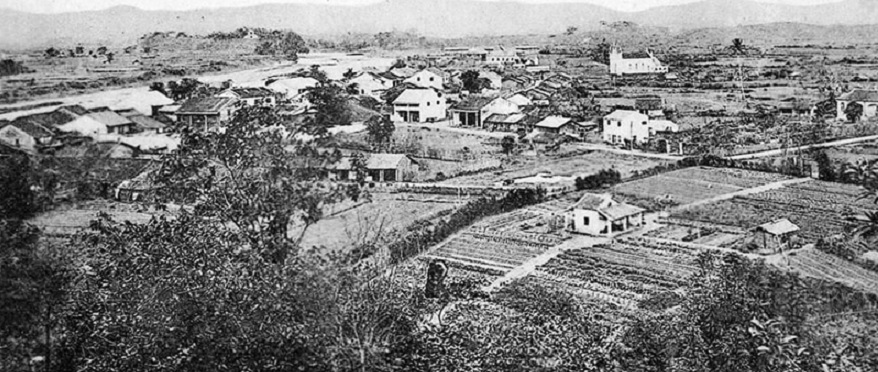
Mong Cai in the past
During the resistance wars against French and American invaders, thousands of Mong Cai’s children upheld an indomitable spirit, marking many heroic feats in defense of the country. This place was also a gateway for many revolutionary soldiers, including Tran Phu, the first General Secretary of the Communist Party of Vietnam. It was also here that 73 brave souls fell to protect the integrity of national sovereignty during the Po Hen battle on February 17, 1979, including 45 soldiers from Border Guard Station 209, now the Po Hen Border Guard Station. The glorious mark of our army and people in defending the Fatherland remains, and the names and feats of these heroic martyrs have become immortal.
In 2008, the Government issued Decree No. 03 on the establishment of Mong Cai city, Quang Ninh province. Mong Cai quickly became one of the two major economic and commercial centers of Quang Ninh province, holding a key position in the important Hanoi – Hai Phong – Quang Ninh economic axis. With its international border gate being the most important in Vietnam, Mong Cai serves as a gateway in the process of international economic integration between Vietnam and countries in the region. In 2018, Mong Cai city rose to become a second-tier urban area, with rapid infrastructure development. Notably, the completion of the Ha Long – Mong Cai expressway has shortened travel time from Ha Long to just 1 hour and 30 minutes, and from Hanoi to Mong Cai to 3 hours, contributing significantly to boosting tourism in this border region.
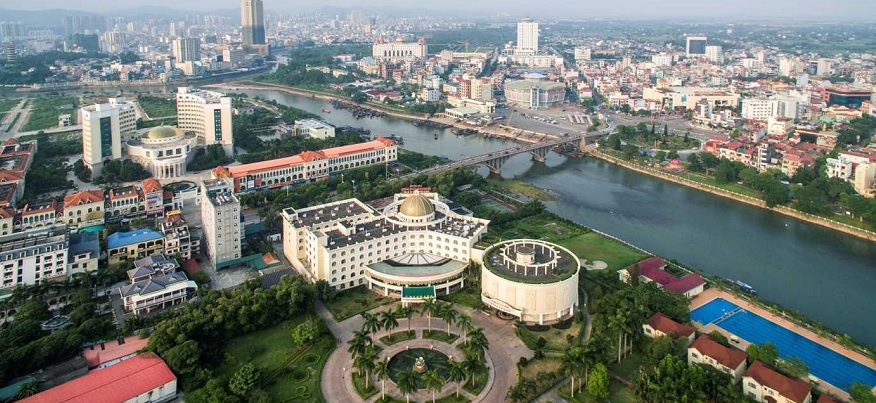
Mong Cai city today
Blessed by nature with diverse terrain, Mong Cai city features majestic mountains, vast seas, and gentle rivers, creating a picturesque landscape. Not only is it one of the busiest international border gates in the country, playing a vital role in trade, economy, and tourism, but Mong Cai is also a place where Vietnamese and Chinese cultures intersect, creating a distinct cultural identity with traditional festivals, customs, and unique cuisine. With its advantages in geographical location, natural resources, and people, Mong Cai is increasingly developing, attracting investment and tourists, and affirming its position as one of the key economic and tourism centers of Quang Ninh province.
Tourist attractions in Mong Cai
Mong Cai is not only a bustling border city but also an attractive tourist destination for both domestic and international visitors. It possesses beautiful landscapes and many long-standing historical and cultural relics. Below are some must-visit spots when coming to Mong Cai:
1. Sa Vi Cape
Sa Vi Cape, the sacred Northeasternmost point of the Fatherland, is a must-visit destination when traveling to Mong Cai. Located in Tra Co ward, Mong Cai city, Sa Vi Cape is also known as Got Cape, marking the first stroke on Vietnam’s S-shaped map and serving as the starting point of the country’s 3,260km coastline. To the north of the cape lies the estuary where the Bac Luan River flows into the sea, creating a picturesque waterscape.
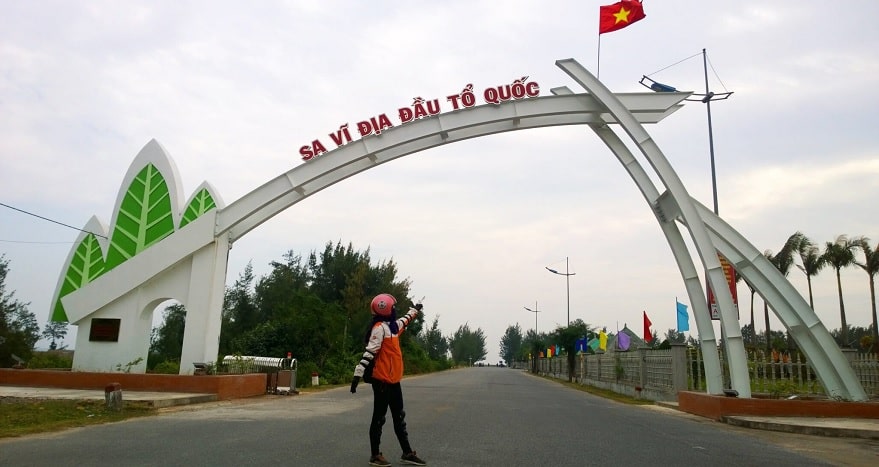
Sa Vi Cape
Visiting Sa Vi, travelers can admire the national flag fluttering proudly against the deep blue sky, fully experiencing a sense of national pride. In addition, the relief depicting 3 pine trees reaching straight up to the sky, accompanied by To Huu’s verses: “From the casuarina forests of Tra Co / To the mangrove forests of Ca Mau…”, further affirms the resilient vitality and the North-South unity…
2. Tra Co Beach
Tra Co Beach, the “signature heritage” of Mong Cai city, is one of the longest and most beautiful beaches in Vietnam, captivating visitors with its pristine, poetic beauty and unique historical-cultural values. Located about 8km southeast of Mong Cai city center, the beach in Tra Co ward stretches up to 17km, resembling a soft silk ribbon embracing the smooth white sand. The sea water here is crystal clear with gentle waves, creating a peaceful and relaxing atmosphere. The highlight of Tra Co is its characteristic fine, clean white sand, perfect for strolling, sunbathing, and beach activities. Furthermore, the line of casuarina trees running along the coast provides natural shade, enhancing the poetic charm of this place.
see more: Tra Co Beach – An ideal destination for nature lovers
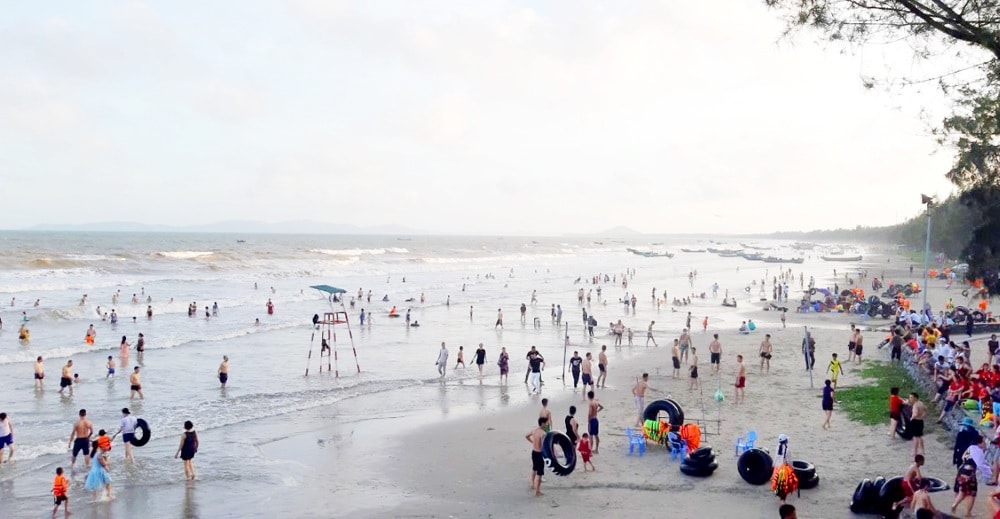
Tra Co Beach in summer
3. Vinh Thuc Island
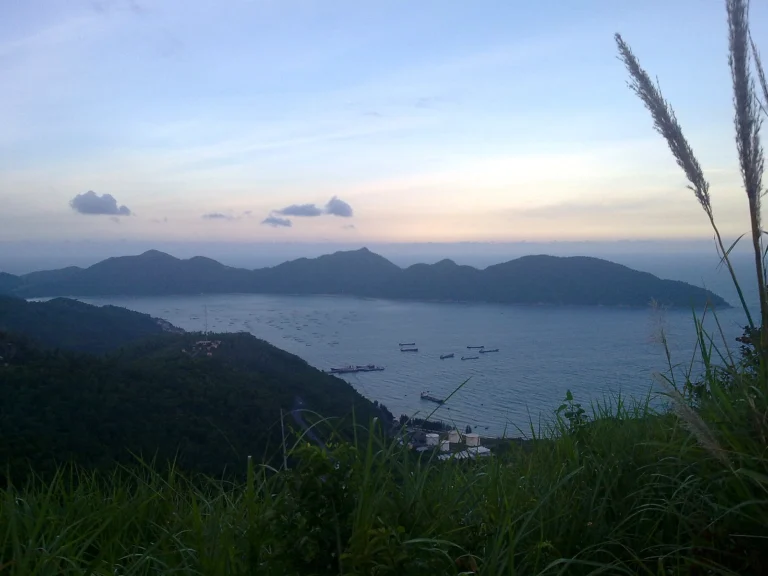
Nestled in the open sea, about 20km south of Mong Cai city center, Vinh Thuc Island emerges as a pristine and charming scenic spot. Spanning an area of approximately 5,000 hectares, encompassing the two communes of Vinh Thuc and Vinh Trung, this island boasts a rustic beauty with smooth white sand beaches, jade-clear sea water, and lush primary forests. Vinh Thuc Island features several stunning beaches with white sand, clear water, and calm waves, ideal for swimming and resort getaways. A standout feature of the island is the ancient lighthouse built in 1962, where visitors can enjoy panoramic views of the island and the surrounding sea. Vinh Thuc still preserves its primeval forests with a rich flora and fauna, offering a fresh and verdant atmosphere. Travelers coming here can experience the rustic life of fishermen, participate in seafood catching activities, and explore local culture.
4. Tra Co Church
Standing quietly amidst the antique ambiance of Tra Co ward, Tra Co Church presents a unique architectural beauty, serving as a spiritual and cultural destination that attracts numerous visitors to Mong Cai. Also known as Trang Lo Church, it was built in 1880, making it one of the earliest Catholic churches in Quang Ninh. Having endured over a century, witnessed many historical events, and undergone multiple restorations, the church still retains its ancient European Gothic architecture featuring pointed vaults, stained-glass windows, and towering bell towers. Inside, the church offers a spacious, airy interior with sturdy ironwood columns and colorful religious paintings. The harmonious blend of Western architecture and local materials creates a distinct charm for the church. Situated in the middle of an ancient fishing village, the church brings a sense of serenity and peace to visitors. Tra Co Church is not only an important spiritual destination for the Catholic community in Tra Co but also a precious cultural heritage that enriches Mong Cai’s tourism landscape.
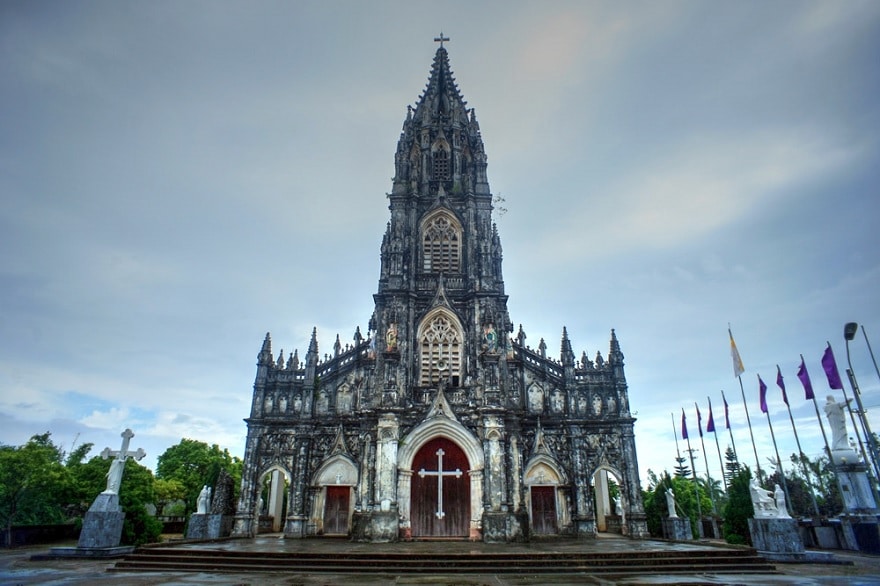
Tra Co Church
5. Mong Cai Market
Mong Cai Market, one of the busiest markets in Quang Ninh, is not only a bustling trading hub but also an attractive destination offering visitors unique shopping experiences. Located in Hoa Lac ward, Mong Cai city, the market sits right next to the Bac Luan border gate, just about 1km from the Chinese border. This prime location makes it a crucial goods transit point, attracting numerous small traders and tourists. The market is divided into 3 main areas: Mong Cai Market 1 near Ka Long Bridge, specializing in fashion items and accessories; Mong Cai Market 2 and 3, focusing on affordable clothing, fabrics, and children’s toys. Renowned for its diverse goods, ranging from domestic products to imports from China, visitors can find all kinds of items here, from clothes, shoes, bags, and cosmetics to household appliances, electronics, and food. Coming to Mong Cai Market, travelers can shop at affordable prices, enjoy local cuisine, and experience the vibrant trading atmosphere typical of a border market.
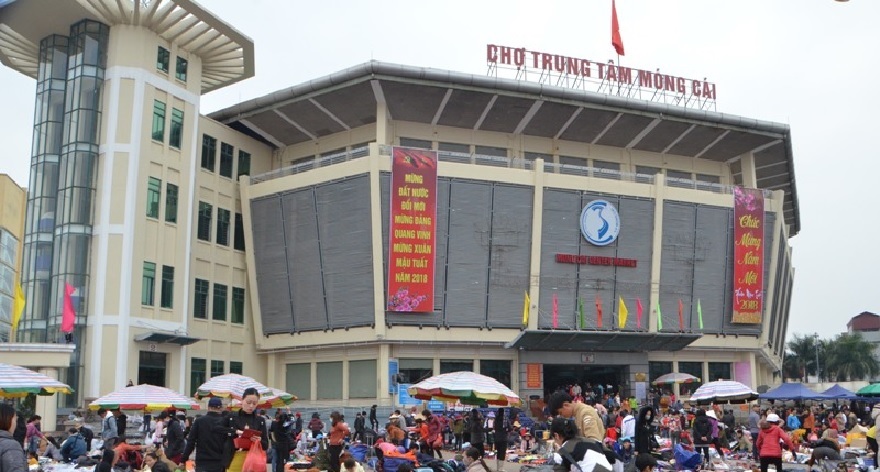
Mong Cai Market
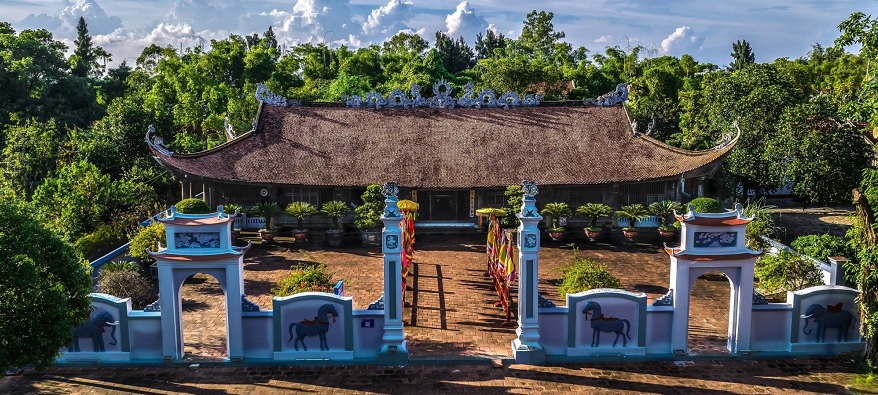
Trà Cổ Communal House
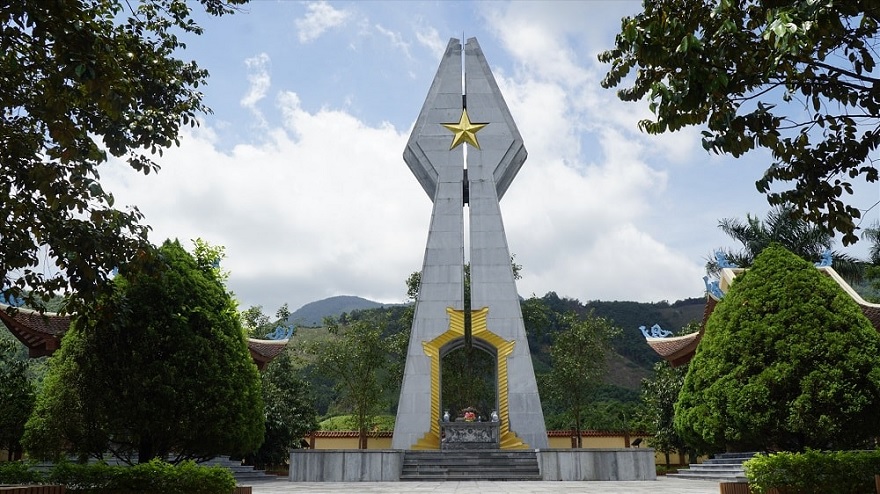
Pò Hèn Historical Relic Site
How to get to Móng Cái
By road: Currently, besides the old National Highway 18, visitors can reach Móng Cái via the expressway, which significantly shortens travel time.
- From Hanoi: You can take a sleeper bus from Mỹ Đình, Giáp Bát, or Lương Yên bus stations. Sleeper bus ticket prices range from 250,000 to 350,000 VND per ticket, with a travel time of about 4-5 hours. If you choose a VIP Cabin or Limousine bus, ticket prices will be higher, ranging from 400,000 to 500,000 VND per ticket, offering more amenities and a faster travel time. Notably, with the newly opened Hạ Long – Móng Cái expressway, you can travel quickly in just about 3 hours.
- From Hạ Long: You can take a coach or local bus with ticket prices around 50,000 – 80,000 VND per ticket, with a travel time of about 1.5 – 2 hours.
By air: Vân Đồn Airport is about 60km from Móng Cái. From the airport, you can travel by taxi for about 500,000 – 700,000 VND or by bus for about 50,000 VND to Móng Cái.
Hopefully, the above information has sparked your excitement to explore Móng Cái. Plan your trip today to experience the exciting things this border city has to offer. Móng Cái — where heaven, earth, and people converge — will undoubtedly leave you with unforgettable memories.