Situated along Vietnam’s sun-drenched and windswept South Central Coast, Thi Nai Lagoon and its namesake sea-crossing bridge stand as a magnificent link between the heroic past and the soaring present of Quy Nhon City in Binh Dinh Province. Occupying a strategic geographical position, Thi Nai Lagoon is a vast saltwater body where major rivers converge before flowing into the East Sea, sheltered from harsh waves and winds by the Phuong Mai Peninsula like a giant natural screen. This auspicious “dragon and tiger” landscape—where rivers harmonize with rugged mountains—has made the area a vital stronghold for both national defense and regional maritime trade since ancient times.
Tracing its etymology and historical chronology, this landmark carries deep cultural layers shaped by centuries of upheaval. In the distant past, when the land belonged to the flourishing Champa Kingdom, Thi Nai Lagoon was known as Nuoc Man Lagoon or Thi Nai Port—a bustling international trading hub teeming with merchant vessels serving the Vijaya capital. To forge a vital lifeline from the Champa royal center to the estuary, the earliest rudimentary wooden spans were erected across the expansive waters. Over the course of historical shifts, Champa’s imprint gradually receded into memory, giving way to Dai Viet’s expansion, before witnessing the most glorious chapters of the Tay Son Dynasty in the late 18th century.
Thi Nai Lagoon and Bridge are forever intertwined with the names of legendary peasant-born heroes who rallied beneath the red banner. Among them were King Thai Duc Nguyen Nhac and Emperor Quang Trung Nguyen Hue, visionary strategists who early on recognized the lagoon’s advantageous terrain for building a formidable naval base. Historical records also vividly immortalize the heroic image of Female Admiral Bui Thi Xuan—a brilliant commander who directly led defensive campaigns and legendary naval battles here in 1782 (Nham Dan) and 1783 (Quy Mao) against Lord Nguyen Anh’s fleet. During those campaigns, the wooden Thi Nai Bridge served as a crucial lifeline, transporting provisions, weaponry, and troops between downtown Quy Nhon and the Phuong Mai Peninsula, proving decisive in numerous military engagements.
Moving into the feudal Nguyen Dynasty, the site continued to be documented in official chronicles such as Dai Nam Thuc Luc and Dai Nam Nhat Thong Chi as a critical frontier defense outpost. Enduring the heavy bombardment of the two resistance wars against France and the United States, those historic wooden spans were severely destroyed, surviving only in the memories of elders and archival manuscripts. Yet, the heroic spirit of forebears has never faded across this lagoon.
The heritage and geological significance of Thi Nai Lagoon were powerfully reaffirmed in the modern era when the leadership and people of Binh Dinh Province resolved to bridge past and future with a landmark project of the century. Groundbreaking for the Thi Nai sea-crossing bridge took place on November 27, 2002, and it was officially inaugurated on December 12, 2006. Stretching nearly 2.5 kilometers, it held the title of Vietnam’s longest sea-crossing bridge at the time of its opening, rising majestically above deep waters to link Quy Nhon City with the Nhon Hoi Economic Zone on the Phuong Mai Peninsula. Today, Thi Nai Bridge serves not only as a catalyst for Binh Dinh’s socio-economic growth, but also as a modern architectural landmark and a proud symbol of heritage tourism, inviting travelers from near and far to admire its picturesque scenery and reminisce over an era of surging waves and fluttering battle flags.
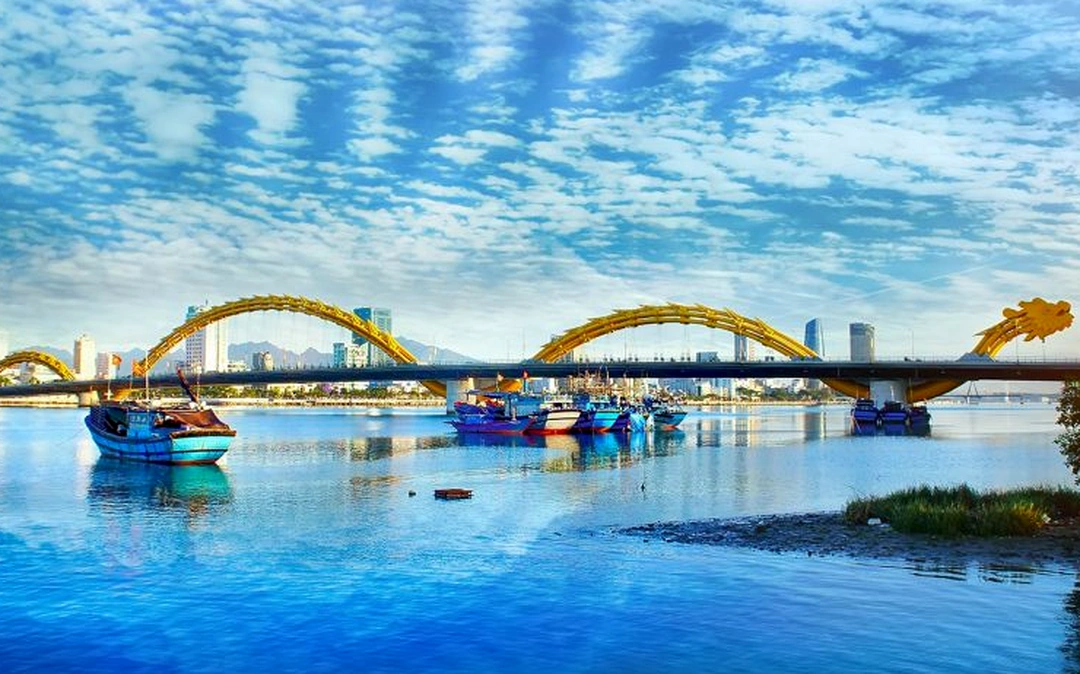
Cutting a majestic yet graceful silhouette against the boundless sea and sky of Quy Nhon, the martial arts heartland, Thi Nai Bridge appears like a soft silk ribbon draped across Binh Dinh Province’s largest saltwater lagoon. The structure represents a seamless fusion of modern transport engineering and the breathtaking natural splendor of the South Central Coast. Spanning nearly 2.5 kilometers, the bridge connects the vibrant pulse of downtown Quy Nhon with the unspoiled Phuong Mai Peninsula, unveiling an architectural vista that is both bold and poetic. Each sturdy reinforced-concrete span is masterfully engineered, rising proudly over the waves and enduring salty sea gales while preserving an elegant, fluid grace in every sweeping curve.
The landscape surrounding Thi Nai Bridge offers a stunning natural panorama that comes alive and transforms magically with every passing hour. Beneath the bridge, the mirror-still lagoon reflects the sky above, occasionally rippled by the small wooden boats of local fishermen earning their livelihood. In the distance, giant wind turbines on the Phuong Mai Peninsula turn steadily in the breeze, creating a modern focal point that blends harmoniously with the untamed wilderness. The terrain here is rugged and strategic yet radiates an open, invigorating energy, evoking the glorious Tay Son era of yesteryear, now dressed in a new mantle of peace and prosperity.
To capture the most stunning frames of this transport landmark, professional photographers and travel journalists often share two prized vantage points. The first sits right at the Quy Nhon city approach, where lenses can take in the entire ribbon of the bridge stretching endlessly toward the open sea, creating a profound sense of depth and infinity. The second lies at the safe lay-bys mid-bridge or near the Phuong Mai Peninsula end, looking back toward the mainland to frame streams of traffic moving across vast expanses of sky and water.
As for ideal lighting, sunrise and sunset are the two “golden” hours that transform Thi Nai Bridge into a visual masterpiece. At dawn (roughly 5:00 AM to 6:00 AM), as the sun rises slowly over the East Sea, the entire horizon is bathed in vibrant coral and amber hues; the day’s first rays sparkle across the lagoon and cast soft reflections along the bridge railings, creating an ethereal, tranquil scene. Conversely, sunset (from 5:00 PM to 6:00 PM) brings a more contemplative and romantic beauty as twilight descends, painting the Tay Son sky in fiery gold and turning the bridge into a shimmering golden ribbon draped over dark waters—captivating every traveler who sets foot here.
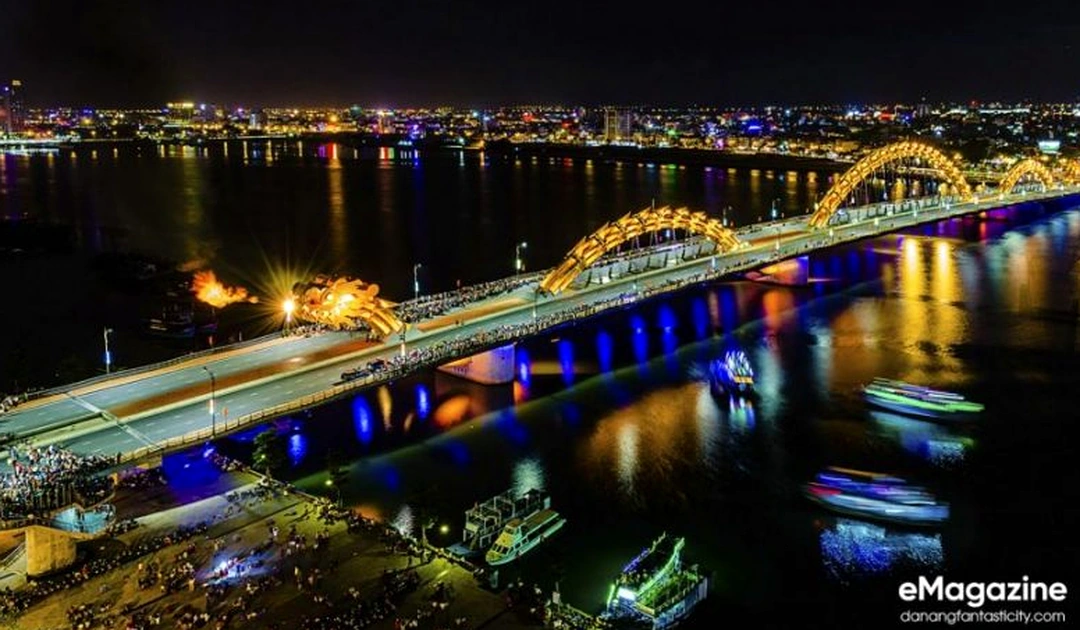
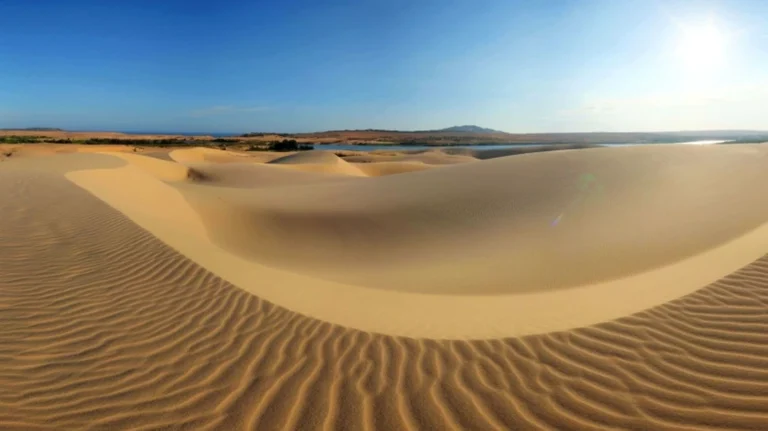
Visiting Thi Nai Bridge today allows travelers not merely to touch a heroic historical milestone, but to embark on a deeply rewarding and evocative real-world journey. From the very moment your vehicle glides onto the nearly 2.5-kilometer concrete span suspended over sweeping lagoon waters, a sense of awe immediately takes over. To your left rises bustling Quy Nhon City in full stride; to your right stretches the Phuong Mai Peninsula, where golden sand dunes embrace the wide-open sea and sky. Any feeling of smallness amid grand nature quickly gives way to pure exhilaration as brisk ocean winds, carrying the crisp scent of sea salt, fill your lungs and awaken every dormant sense.
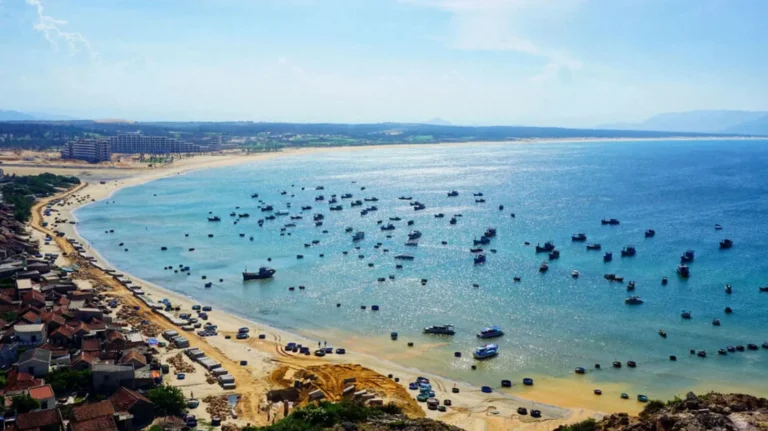
Stepping off the modern span to journey back in time toward traditional heritage, visitors can opt for a rustic woven-bamboo boat ride with local fishermen, gliding quietly through the quiet channels of Thi Nai Lagoon. The glass-like water reflects the glowing twilight sky, while hundreds of anchored fishing boats compose a serene, painterly seascape. Stopping nearby, a spiritual detour leads travelers to pay respects at Tay Son Dynasty historical relics or visit ancient lakeside shrines, where locals have burned incense for generations to honor the national heroes tied to this storied battleground.
To round out the local experience, climbing the elevated viewpoints on the Phuong Mai Peninsula for a sweeping panoramic view of Thi Nai Bridge is a truly worthwhile challenge. Looking down from above, the graceful concrete ribbon curving between mainland and peninsula looks both commanding and poetic amidst the vast expanse of waves. This seamless harmony between raw nature and human engineering inspires moments of quiet reflection, letting you feel the resilient vitality of a land that weathered centuries of conflict only to bloom anew.
No journey to Thi Nai Bridge is complete without savoring the celebrated culinary specialties of the Nuoc Man – Quy Nhon region. Sitting along the breezy lagoon shore at dusk, feasting on crispy jumping-shrimp pancakes (banh xeo tom nhay) wrapped in fresh wild herbs, or sampling freshly caught lagoon seafood—such as Thi Nai swimming crabs, translucent squid, and grilled mullet dipped in zesty green chili salt—diners experience the rich, heartfelt flavors of Binh Dinh’s land and people. Everything comes together in a vibrant symphony of culture, cuisine, and scenery that leaves an unforgettable impression on everyone who visits.
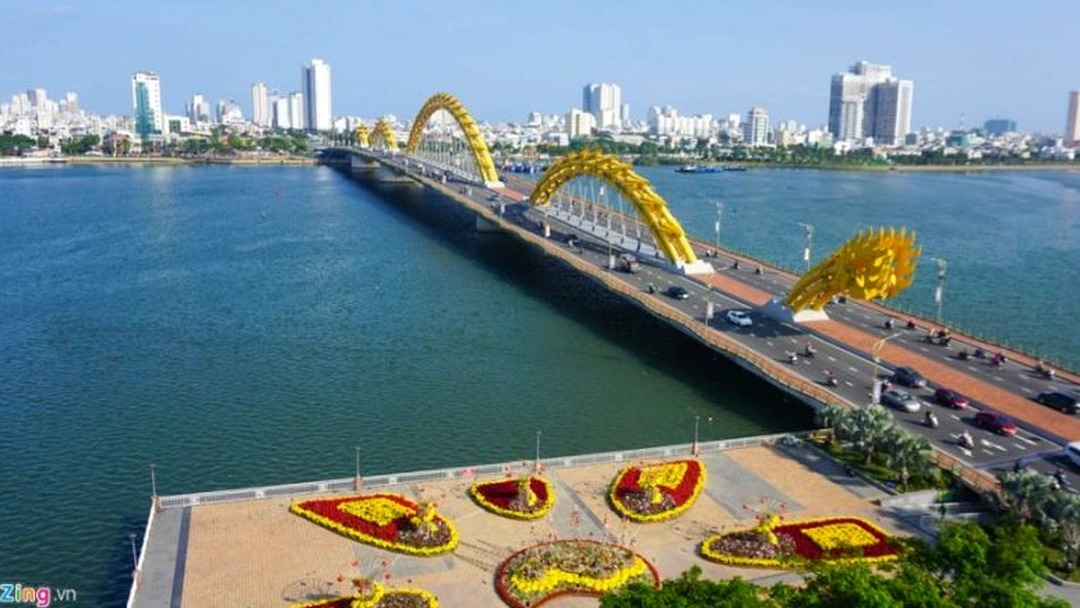
Thi Nai Bridge is an iconic infrastructure landmark and an unmissable stop when visiting the coastal city of Quy Nhon in Binh Dinh Province. To make your exploration of this magnificent sea-crossing bridge smooth and memorable, consult the practical, detailed travel tips compiled below.
Hours and Admission: Because Thi Nai Bridge forms part of a vital national highway connecting Quy Nhon City with the Nhon Hoi Economic Zone on the Phuong Mai Peninsula, it remains open 24/7 to both locals and visitors. There are no entrance fees or toll tickets required to cross. However, the best times of day to visit are early morning, just as sunrise breaks over Thi Nai Lagoon, or late afternoon at sunset, when crimson light floods the expansive waters to create a profoundly poetic and majestic natural tableau.
Routes and Transportation: Departing from central Quy Nhon, you can easily follow the extended Vo Van Kiet Boulevard heading northeast, which leads directly onto the foot of Thi Nai Bridge. Motorbikes and private cars are the most convenient ways to experience this route, giving you the flexibility to pause for sightseeing and photos at designated, safe technical lay-bys along the bridge. Alternatively, taxis or ride-hailing tour vehicles are excellent options for families or larger travel groups.
Safety and Attire Tips: When planning your visit to Thi Nai Bridge, keep a few important clothing and road-safety guidelines in mind. Because the bridge spans a wide saltwater lagoon exposed to strong ocean winds, pack a light windbreaker, a secure hat, and sunglasses to stay comfortable while sightseeing. At the same time, as this is a major arterial road with steady traffic, visitors must never gather in large groups on the roadway or park illegally in ways that obstruct traffic; always follow safety regulations strictly when taking photos on the bridge to ensure a safe and fulfilling journey.
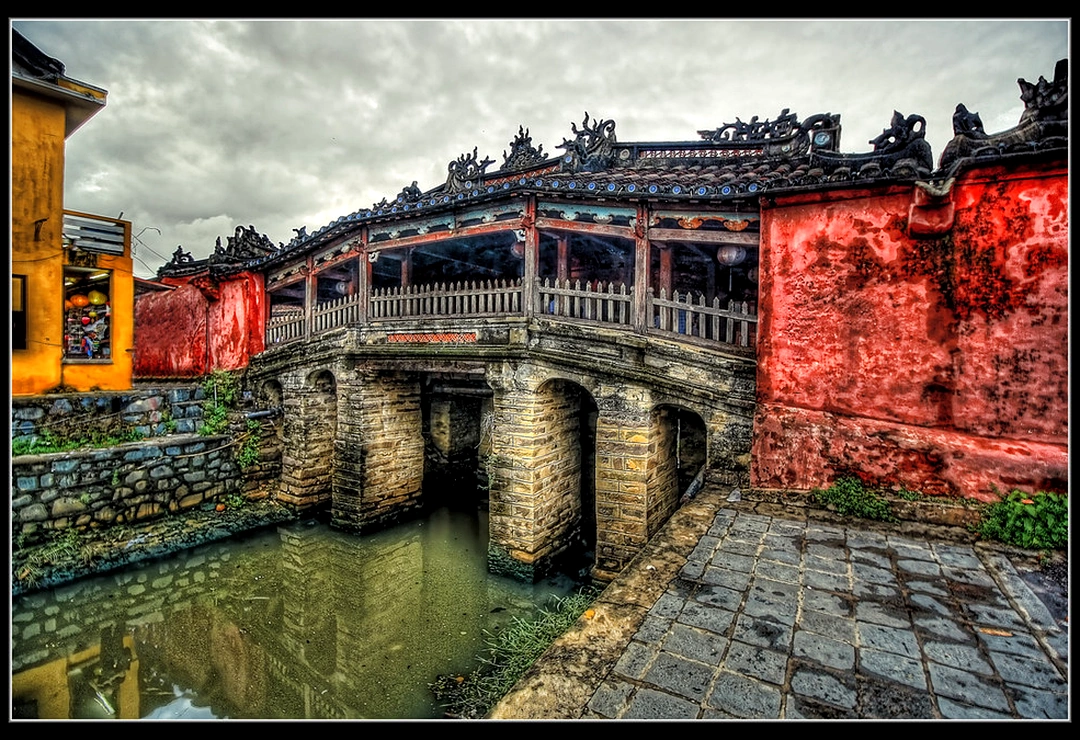
To enjoy a seamless getaway and take in the full splendor of Thi Nai Bridge without worrying about arranging transportation, booking tickets, or planning itineraries, travelers can choose VDS Travel’s premier all-inclusive Quy Nhon tour packages. Each itinerary is thoughtfully timed for photo stops when the scenery is at its most radiant, accompanied by knowledgeable local guides well-versed in regional culture alongside top-tier hotel and dining standards.