The cultural and historical tapestry of the Land of Smiles is not a single, linear narrative, but rather an intricate interweaving of ancient civilizations stretching from the northern mountain principalities down to the bustling seaports along the Andaman Sea and the Gulf of Thailand. The rise of its four cornerstone destinations—Bangkok, Chiang Mai, Phuket, and Pattaya—faithfully mirrors the dynastic turning points of the kingdom, preserving royal architectural mastery, profound Buddhist devotion, and centuries of transcontinental cultural exchange.
Traveling back in time to the northern frontier, Chiang Mai stands as a living testament to the illustrious Lanna Kingdom, poetically known as the “Kingdom of a Million Rice Fields.” In 1296, King Mangrai gathered master geomancers and astrologers to select a fertile plain at the foot of Doi Suthep mountain along the Ping River, officially laying the foundations for a new capital named Nopburi Sri Nakhon Ping Chiang Mai. Encircled by sturdy red-brick ramparts and a deep rectangular moat, Chiang Mai flourished as a premier center of scholarship, religion, and the arts. Here, Theravada Buddhist philosophy transmitted from Sri Lanka blended seamlessly with the intricate woodcarving craftsmanship of the Tai Yuan people, the Mon-Hariphunchai stupa architecture, and aesthetic imprints left by two centuries of Burmese rule, before the region was fully integrated into a unified Siam.
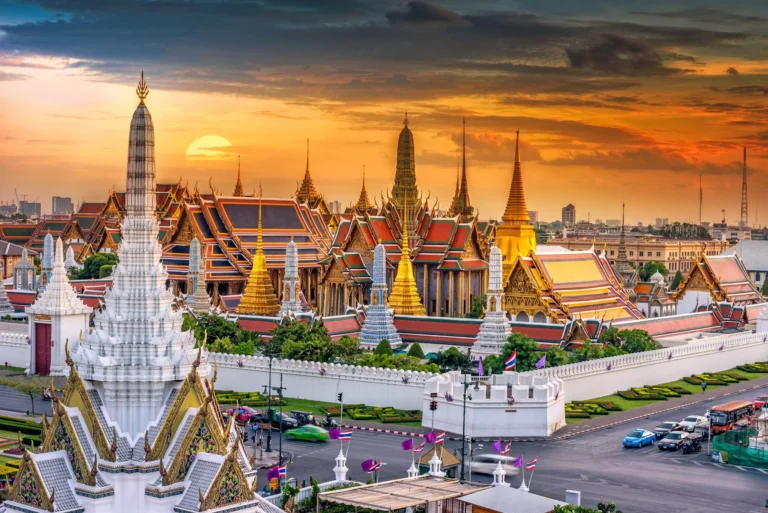
While Chiang Mai embodies ancient tranquility, Bangkok symbolizes proud rebirth rising from the ashes of war. Following the fall and destruction of the old capital Ayutthaya in 1767 and the brief transitional Thonburi period under King Taksin, a decisive historical moment arrived in 1782. King Rama I (Phra Phutthayotfa Chulalok), founder of the Chakri Dynasty, resolved to relocate the capital to the eastern bank of the Chao Phraya River, establishing Krung Thep Maha Nakhon. Determined to recreate the lost splendor of Ayutthaya, he commissioned the rapid construction of the magnificent Grand Palace complex alongside the royal temple Wat Phra Kaew to enshrine the sacred Emerald Buddha. The milestone year of 1782 ushered in the radiant Rattanakosin era, transforming Bangkok from a marshy delta plain into the unshakeable political, spiritual, and cultural heart of the kingdom.
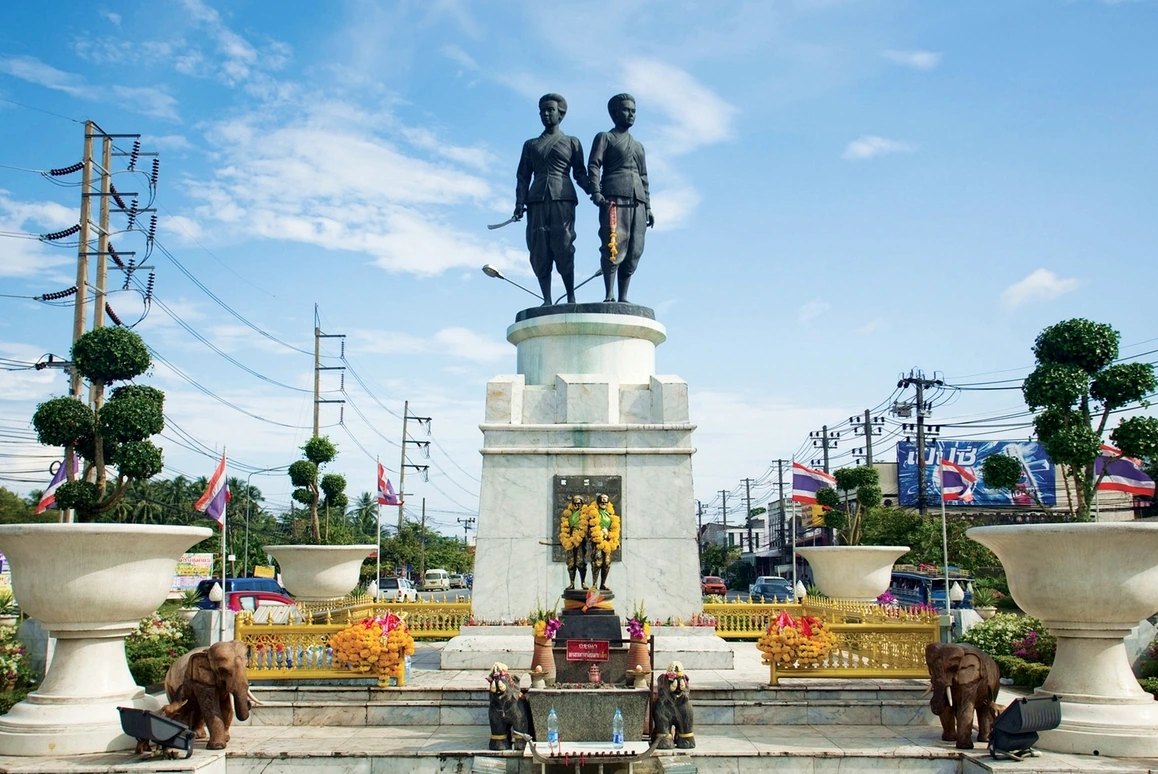
To the southwest along the maritime routes of the Indian Ocean, the island of Phuket carries a distinctly seafaring and mercantile heritage. Historically known as Thalang—derived from the old Malay term “Telok Duyong”—the island served as a vital chokepoint along the Maritime Silk and Spice Routes linking India, Arabia, and China. Local chronicles commemorate a fierce act of defiance in 1785, when two heroines, Thao Thep Kasattri and Thao Sri Sunthon, rallied the people of Thalang to successfully repel a prolonged Burmese siege. In the nineteenth century, a massive tin-mining boom drew tens of thousands of Hokkien immigrants to the island. The intermarriage and blending of customs between Chinese settlers and local residents gave birth to a vibrant Baba-Nyonya (Peranakan) culture, leaving an enduring legacy in rows of Neoclassical Sino-Portuguese shophouses and one of the richest culinary traditions on the Malay Peninsula.
Positioned on the eastern shore of the Gulf of Thailand, Pattaya represents a dramatic transformation shaped by the tides of modern history. Originally an unspoiled fishing hamlet nestled beside coconut groves under the name Thappraya—a site associated with King Taksin’s eighteenth-century military march to muster troops—this coastline was forever altered by the geopolitical upheavals of the Vietnam War. When the U.S. military established the U-Tapao air base in the neighboring province during the 1960s, Pattaya’s tranquil shoreline was swiftly chosen as a Rest and Recuperation (R&R) retreat for stationed soldiers. From that unexpected military turning point, Pattaya rapidly evolved beyond its traditional fishing-village economy, continuously expanding its hospitality infrastructure to emerge as a world-renowned coastal resort city and dynamic entertainment hub.
Viewed through the lens of traditional geomancy and territorial planning, the Kingdom of Thailand unfolds as a masterfully layered landscape where every major urban center was sited based on a profound understanding of natural laws and military defense strategy. The focal point of the Chakri Dynasty since King Rama I founded the Rattanakosin capital is Bangkok, resting squarely upon the fertile alluvial floodplain of the lower Chao Phraya River. The mother river winds like a coiling dragon around the seat of royal power, forming a formidable aquatic buffer zone. To engineer an artificial “water in front, mountain behind” geomantic alignment across a flat plain, master planners of the era excavated an intricate network of canals, turning the capital into an Eastern Venice crisscrossed by vital commercial and irrigation waterways such as Khlong Saen Saeb and Khlong Phadung Krung Kasem. Although the soft sedimentary soil of the delta required sophisticated teak-piling foundations and stone embankments beneath monumental temples, it rewarded the realm with inexhaustible harvests for the central rice bowl and natural flood drainage synchronized with the diurnal tides of the Gulf of Thailand.
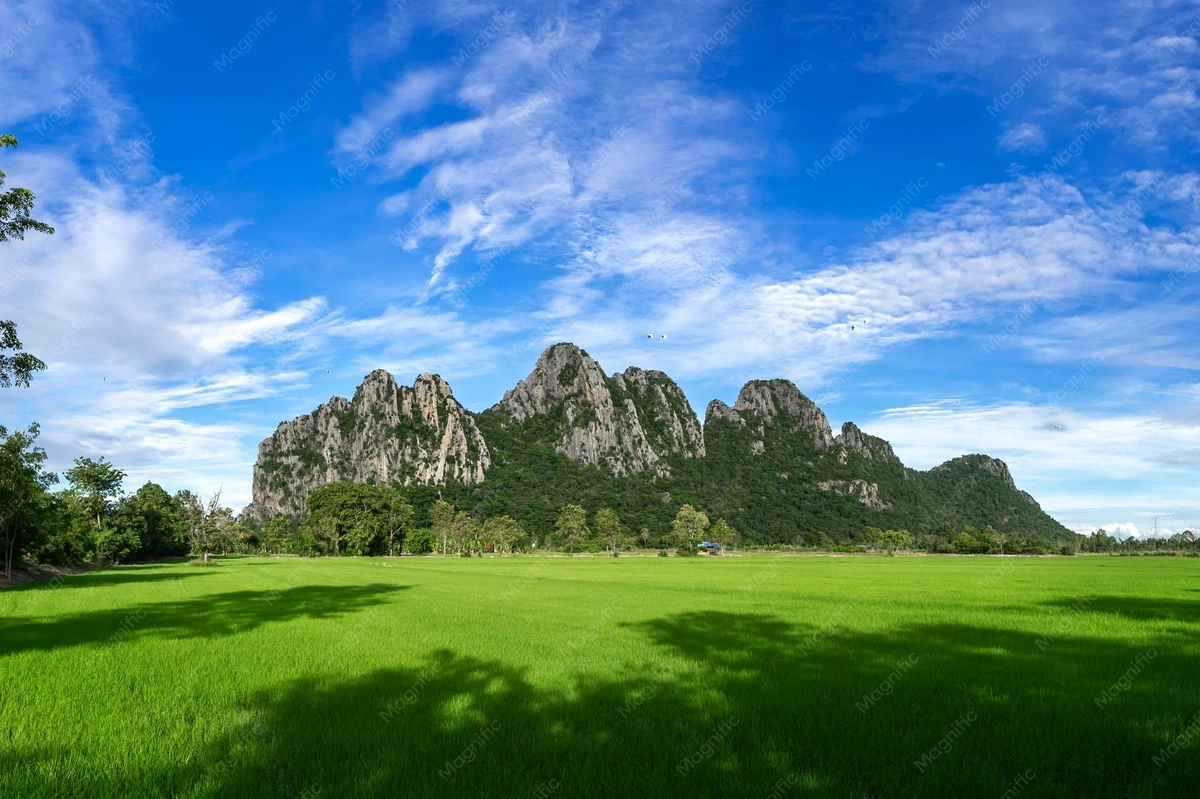
Tracing history northward, Chiang Mai—capital of the ancient Lanna Kingdom founded by King Mengrai in the late thirteenth century—exhibits an entirely contrasting urban philosophy. The city nestles serenely inside a lush intermontane basin ringed by the towering granite peaks of the Thanon Thong Chai range, crowned by Doi Inthanon piercing the clouds. This enclosed topography creates a year-round temperate microclimate, acting as a natural screen against cold northern winds while channeling cool waters from the Mae Ping River through a sturdy square system of moats and ramparts. Positioned beside the sacred Mount Doi Suthep, the city not only enjoyed spiritual guardianship over the Lanna throne but also benefited from a dramatic ecological transition from ancient pine and oak forests down to terraced paddy fields, nurturing the poised and refined character of its highland people.
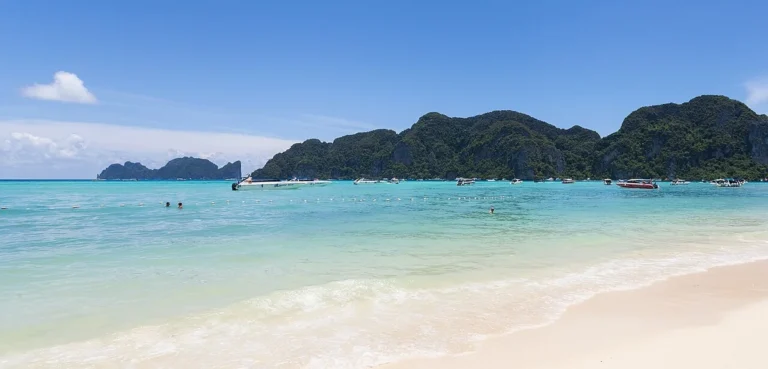
Farther down the southern coast, the island of Phuket testifies to nature’s artistry in the heart of the Andaman Sea. Spanning more than five hundred square kilometers, Phuket’s terrain consists of over seventy percent undulating hills running from north to south, sheltering deep, tranquil bays and jade-green coves. Its rugged geography, punctuated by granite headlands jutting into the sea like Promthep Cape and fringing coral reefs, turned the island into an exceptionally safe haven that shielded international merchant vessels from the fury of the southwest monsoon along the ancient Maritime Silk Road. From the tin-mining boom led by the Baba-Nyonya Chinese community to the present day, spatial planning here has preserved a remarkable harmony: the quiet, atmospheric Old Town sits tucked within a wind-sheltered valley, contrasting starkly with the vibrant coastal strip along the west shore to create an auspicious geomantic layout believed to gather vital energy and prosperity.
The interplay between the alluvial Chao Phraya delta, the serene highland basin of Chiang Mai, and the island sanctuary of Phuket has forged a complete geophysical living environment for the Land of Smiles. Every canal dug, embankment raised, rampart built, and hillside terraced by Thailand’s dynasties over the centuries strictly honored the natural order, converting ecological diversity into enduring vitality and shaping cultural centers and heritage landscapes that stand the test of time.
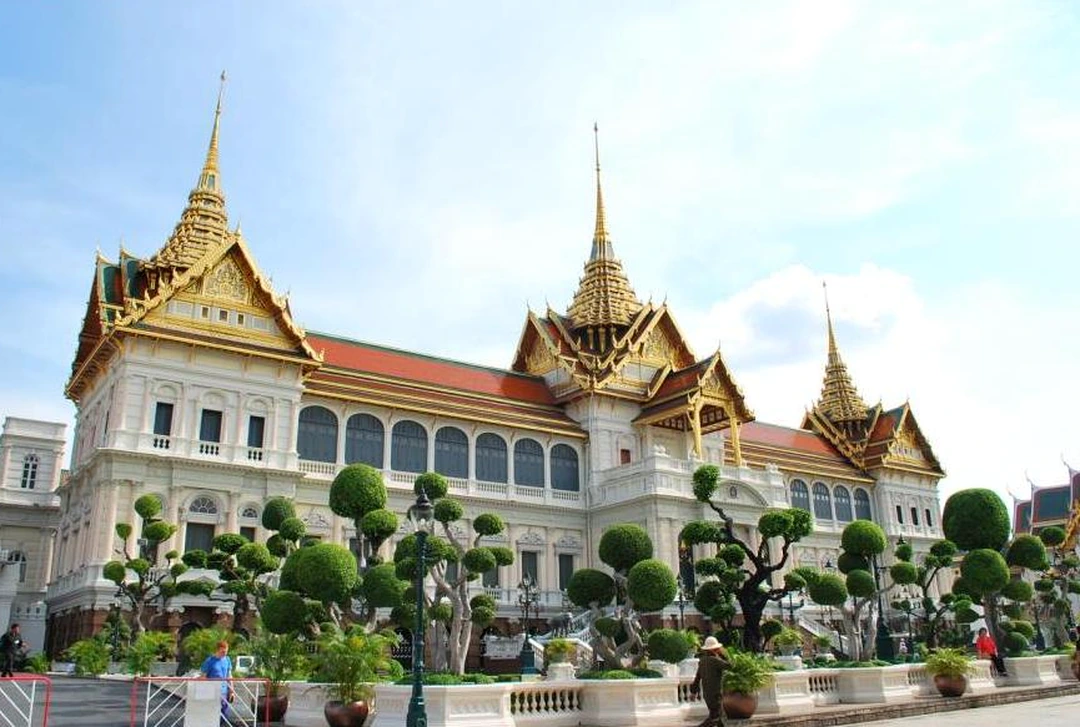
When establishing its capital along the banks of the Chao Phraya River in the late eighteenth century, the Chakri Dynasty pioneered the Rattanakosin architectural style as both a bold revival of Ayutthaya’s glorious heritage and a graceful opening for a unique East-West aesthetic dialogue. The pinnacle of this philosophy is embodied in the spatial layout of the Grand Palace and Wat Phra Kaew, where the boundary between the sacred realm and earthly sovereignty is demarcated by formidable concentric walls. By the reign of King Chulalongkorn, Western architectural adaptation reached full maturity in the masterpiece Chakri Maha Prasat Throne Hall. The grand edifice pairs a massive load-bearing stone lower structure executed in European Neoclassical and Renaissance idioms with a steeply pitched, multi-tiered Siamese royal roof crowned by gleaming gilded prasat spires. Decorative artistry of this era is distinguished by intricate mosaics of blue-and-white porcelain and colored ceramics imported aboard Qing Dynasty merchant ships, combined with sweeping chofah roof finials stylized after the mythical Garuda bird, creating the signature visual grandeur of Bangkok’s seat of power.
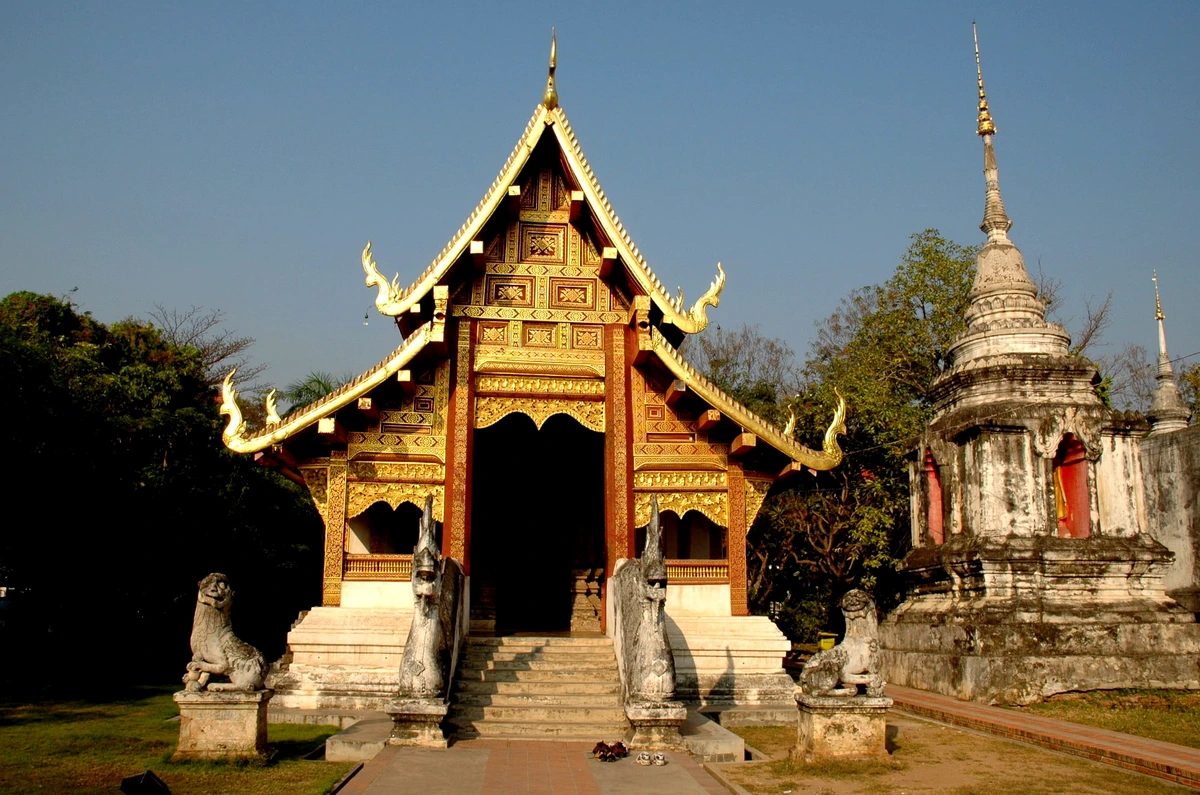
Venturing into the northern highlands, ancient Lanna architecture in Chiang Mai opens an entirely different spatial dimension, reflecting intimate adaptation to a basin topography and a subtropical climate marked by chilly winters. Originating when King Mengrai established an independent kingdom, iconic Buddhist halls such as Viharn Lai Kham at Wat Phra Singh and the Wat Chedi Luang complex adhere to a centripetal layout resting on low laterite bases reinforced with rammed earth. The defining hallmark of the Lanna style is the low-slung viharn crowned by overlapping, steeply pitched wooden roofs that cascade close to the ground, forming an aerodynamic shell engineered to retain warmth during crisp winter nights and shed the weight of torrential mountain downpours. The entire load-bearing frame is crafted from solid teak joined by traditional mortise-and-tenon carpentry without a single metal nail. Atop the gable peaks of Lanna wooden structures sit crossed, openwork bargeboard finials known as kalae, serving both as structural truss reinforcement and spiritual talismans for protection and peace. Unlike the bright, expansive prayer halls of the south, Lanna viharn interiors feature narrow windows that foster an atmosphere of hushed, meditative stillness around the imposing gilded bronze image of Shakyamuni Buddha.
Moving south along the Andaman coast, the architectural identity of Phuket bears the unmistakable imprint of the nineteenth-century tin-mining boom under the governance of Phraya Ratsadanupradit. Here, the Sino-Portuguese shophouse style defines the Old Town streetscape through a seamless synthesis of Hokkien mercantile spatial thinking and European colonial construction techniques. Each townhouse typically features a modest street frontage of four to six meters to minimize land taxes, yet stretches thirty to over fifty meters deep into the interior. An iconic architectural adaptation to the equatorial monsoon climate is the continuous covered arcade running along the ground-floor facades, locally known as ngor-ka-ki or the “five-foot way.” This colonnade acts as an effective climatic buffer, shielding pedestrians from scorching tropical sun and drenching downpours while activating lively street-level commerce. Deep inside each residence, an open central airwell called a chim-chew draws in natural daylight and cross-ventilation while funneling rainwater into a courtyard basin—a traditional feng shui feature believed to accumulate wealth and good fortune. The fusion of Roman-inspired stucco pilasters and moldings with tropical louvered wooden shutters has turned Phuket Old Town into a singular, enduring urban heritage treasure.
As dusk settles over the Land of Smiles, the Chao Phraya River—Bangkok’s spiritual and historical lifeline—transforms into a shimmering boulevard of light reflecting centuries of Chakri Dynasty culture. Evening dinner cruises glide past Wat Arun, where the central prang spire soaring over seventy meters high glows brilliantly in warm amber illumination. Countless fragments of blue-and-white porcelain and seashells painstakingly inlaid across the tower’s facade by artisans during the reigns of King Rama II and King Rama III sparkle against the darkening sky, staging a mesmerizing visual dialogue between sacred religious heritage and the glittering modernity of riverside luxury malls across the water. Smooth jazz melodies mingle with cool breezes blowing off the Gulf of Thailand, elevating a night cruise into an unforgettable architectural spectacle.
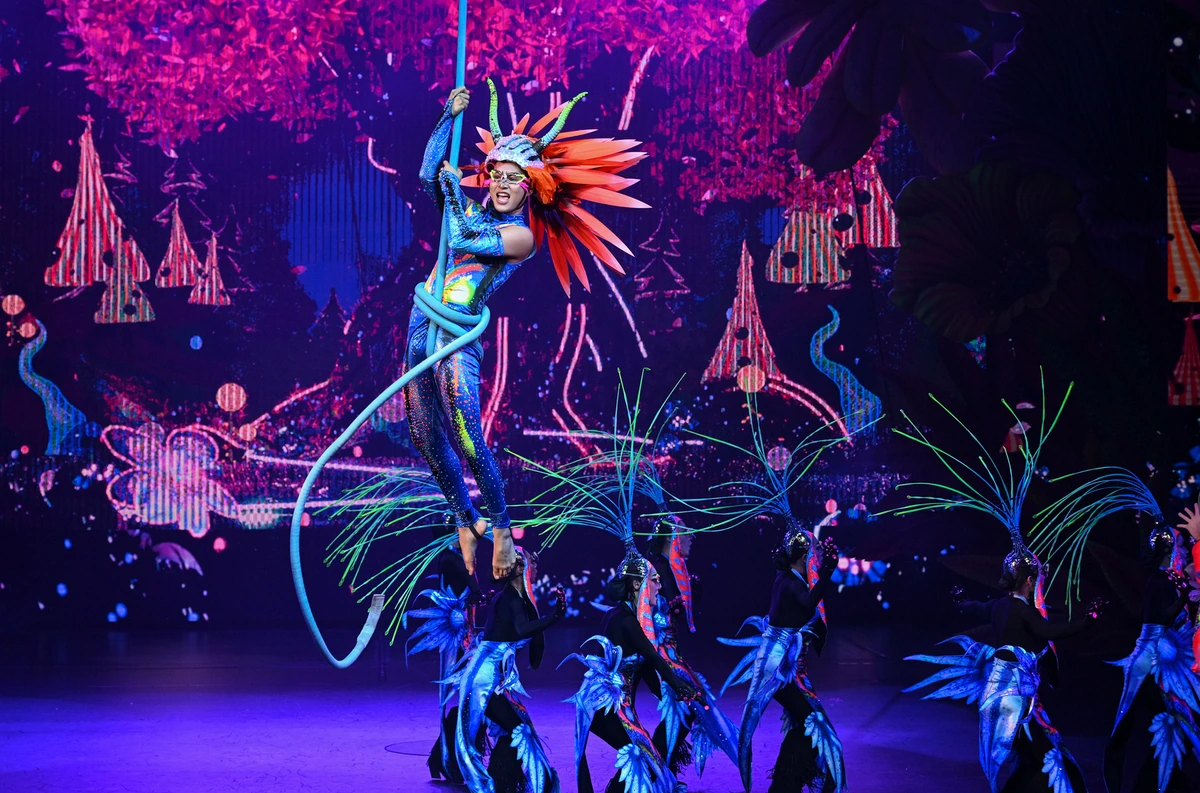
Leaving the capital for the eastern seaboard, Pattaya pulses with an entirely contrasting nocturnal rhythm fueled by boundless energy. Once a quiet fishing village before evolving into an international resort city, Pattaya claims its title as an entertainment capital through world-famous cabaret stage productions, led by Tiffany’s Show and Alcazar Show. On multimillion-dollar stages equipped with cutting-edge lighting effects and automated scenic transformations, hundreds of talented transgender performers appear in extravagant feathered costumes and jewel-encrusted headdresses. Elaborate musical numbers bring to life Eastern imperial legends, graceful classical Thai dances, and contemporary Broadway medleys, showcasing extraordinary stagecraft and cultural versatility.
Returning to the northern highlands, nightlife retreats into the serene, contemplative elegance of an ancient royal capital. In Chiang Mai—the heart of old Lanna—an evening Khantoke dinner opens an intimate dining experience steeped in royal tradition. A khantoke is a low round pedestal table crafted from teak or woven rattan coated in deep red lacquer, upon which heirloom Lanna dishes are arranged with ceremonial grace. Guests sit cross-legged on embroidered floor cushions, savoring warm sticky rice (khao niao) rolled by hand alongside rich, ginger-infused pork belly curry (kaeng hang le), crisp herb-packed sausage (sai oua), and smoky roasted green chili dip (nam prik noom) redolent of mountain botanicals.
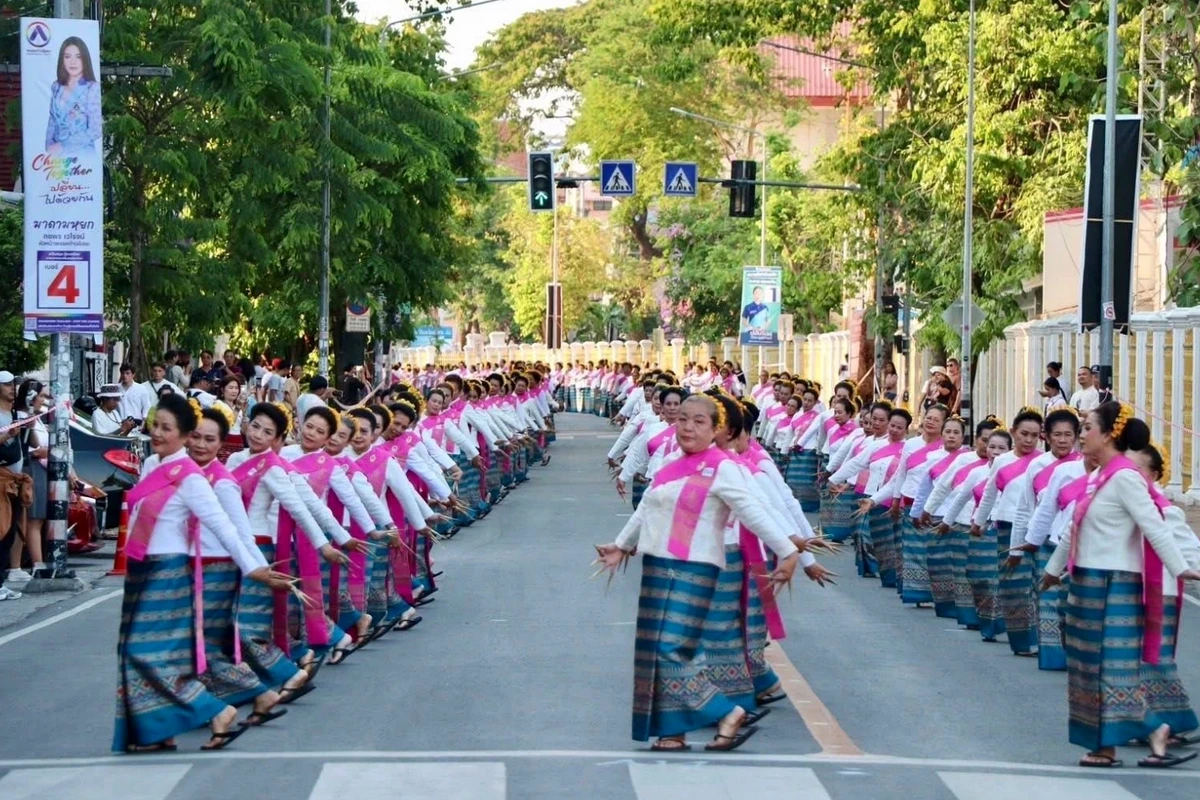
Accompanying this royal banquet is the transcendent artistry of thousand-year-old classical dances, highlighted by the celebrated fingernail dance, Fon Leb. Beneath the warm glow of sa-paper lanterns swaying gently in the mountain breeze, Lanna dancers dressed in intricately woven silk brocade gracefully curve their fingers adorned with gleaming, elongated brass fingernails plated in gold. Every fluid turn of the wrist, serene gaze, and measured step moves in harmony with the slow, resonant cadence of luang drums, phin pia lutes, and the haunting, lyrical strains of the salaw bowed fiddle. Far more than mere entertainment, the performance is a sacred ritual of gratitude to guardian spirits and an embodiment of royal poise, leaving a lasting impression woven from sound, color, and quiet human depth.
The culture of Thai cuisine is a masterclass in balancing five foundational flavors: sour, spicy, salty, sweet, and pleasantly bitter. Far more than culinary technique, the nation’s food is a faithful mirror of migration histories, terroir, and shifting dynastic influences. Stretching from the fertile Chao Phraya basin up into the rugged mountain ranges of the ancient Lanna Kingdom and down along the narrow southern peninsula, each region safeguards its own distinct spice vocabulary, composing one of Southeast Asia’s most celebrated gastronomic mosaics.
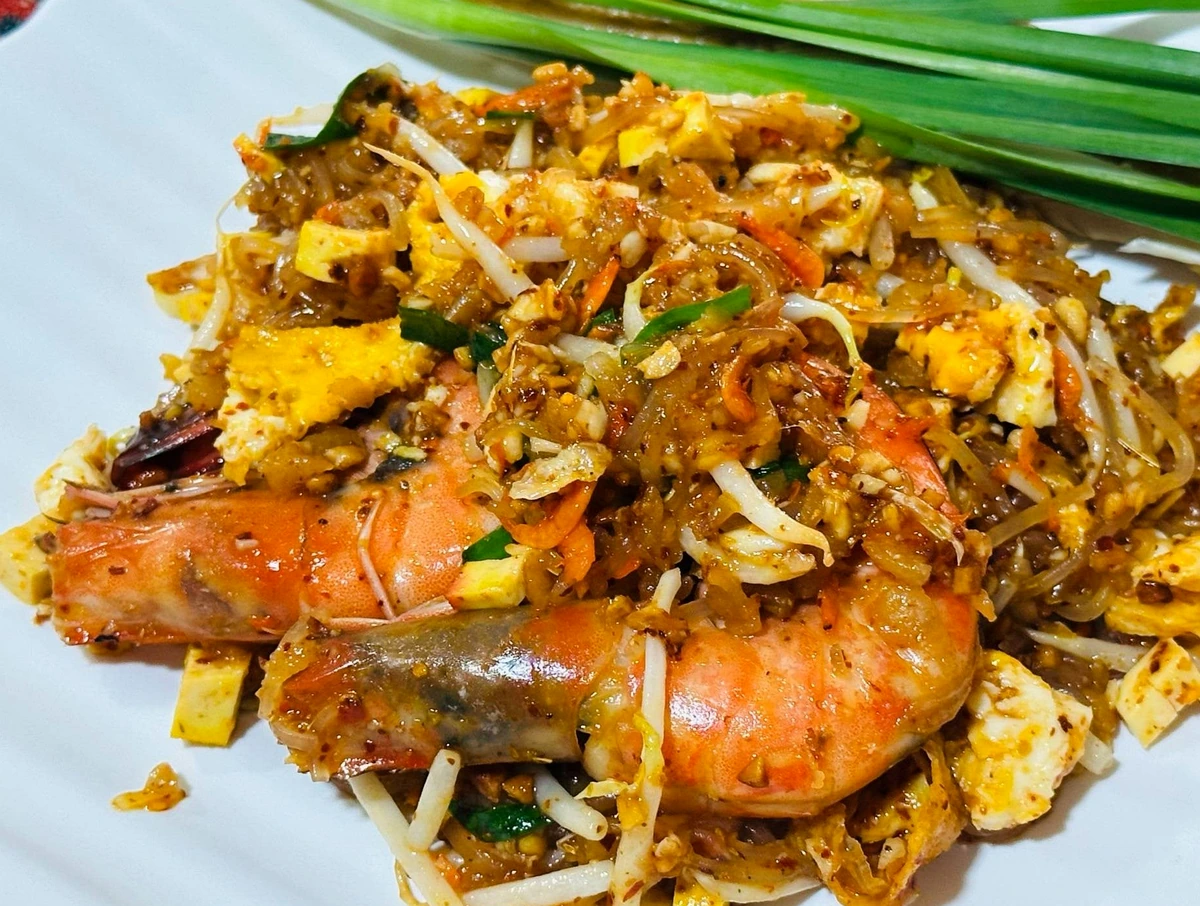
At the heart of the central plains, Bangkok represents the supreme synthesis of refined Rattanakosin royal court cuisine and vibrant street food culture. Central Thai dishes prize visual elegance and velvety equilibrium achieved through coconut milk, kaffir lime leaves, young galangal, and fiery bird’s-eye chilies (prik kee noo). Exemplifying this standard is Tom Yum Goong, delivering multi-layered aromatics that unite the sharp tang of fresh lime juice, subtle richness, and a lingering, invigorating heat. Alongside it, Pad Thai—the iconic tamarind stir-fried rice noodle dish elevated into a national culinary emblem under Prime Minister Plaek Phibunsongkhram in the first half of the twentieth century—showcases masterful wok-heat control, infusing smoky wok hei into chewy noodles tossed with dried shrimp, tofu, and crushed roasted peanuts.
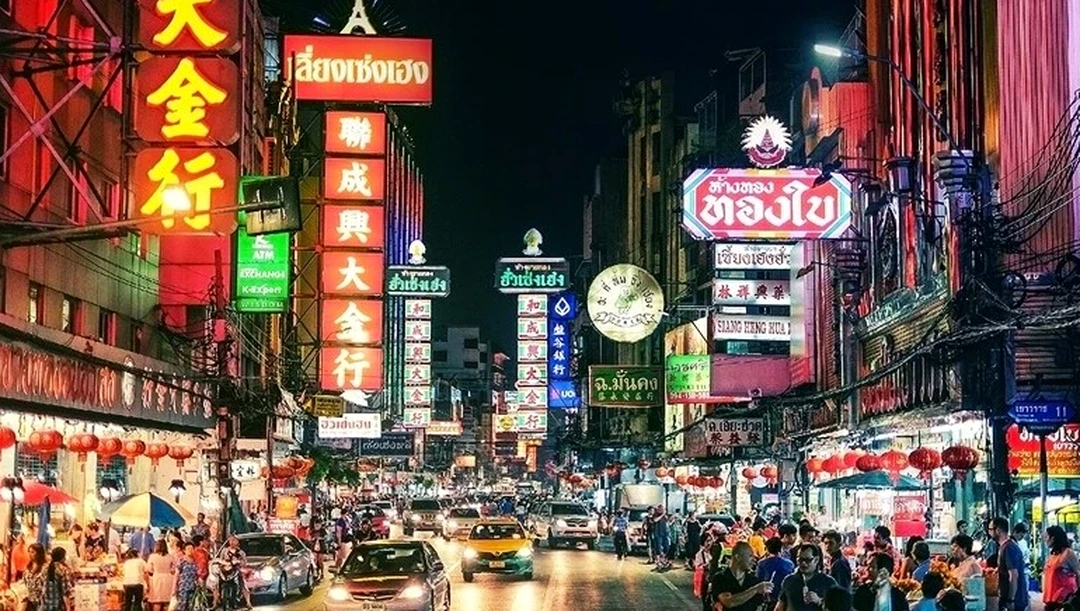
Right in the heart of the capital, Bangkok’s Chinatown, Yaowarat, reigns as a street food mecca with over two hundred years of history dating back to King Rama I’s relocation of the capital to the east bank of the Chao Phraya River. When night falls, dazzling neon signs cast their reflections over decades-old, fire-blazing woks tended by Teochew immigrant families. Here, street gastronomy reaches an art form through platters of crispy-edged, tender-centered oyster omelets (Hoy Tod), bowls of springy fresh egg noodles topped with honey-glazed roast pork, and peppery pork rib broths that pack a fiery punch, generating an electric nocturnal energy thick with mouthwatering aromas until dawn.
Heading north into the mountains, Chiang Mai’s culinary landscape reflects the understated, rustic heritage of the old Lanna Kingdom, shaped by Burmese traditions and Yunnanese caravan traders along ancient overland routes. Northern Thai cooking largely eschews heavy sweetness and coconut milk in favor of the earthy bitterness of forest herbs and deep, warming spice. The soul of northern dining is Khao Soi—golden egg noodles submerged in a fragrant, cardamom-scented coconut curry broth crowned with a nest of crispy fried noodles and served with tangy pickled mustard greens, sliced shallots, and a squeeze of fresh lime. A traditional Lanna khantoke meal would also be incomplete without Kaeng Hang Le, a Burmese-style pork belly curry slow-braised with fresh ginger and tamarind, paired seamlessly with roasted green chili dip (Nam Prik Noom), warm upland sticky rice served in woven bamboo baskets, and shatteringly crisp pork cracklings.
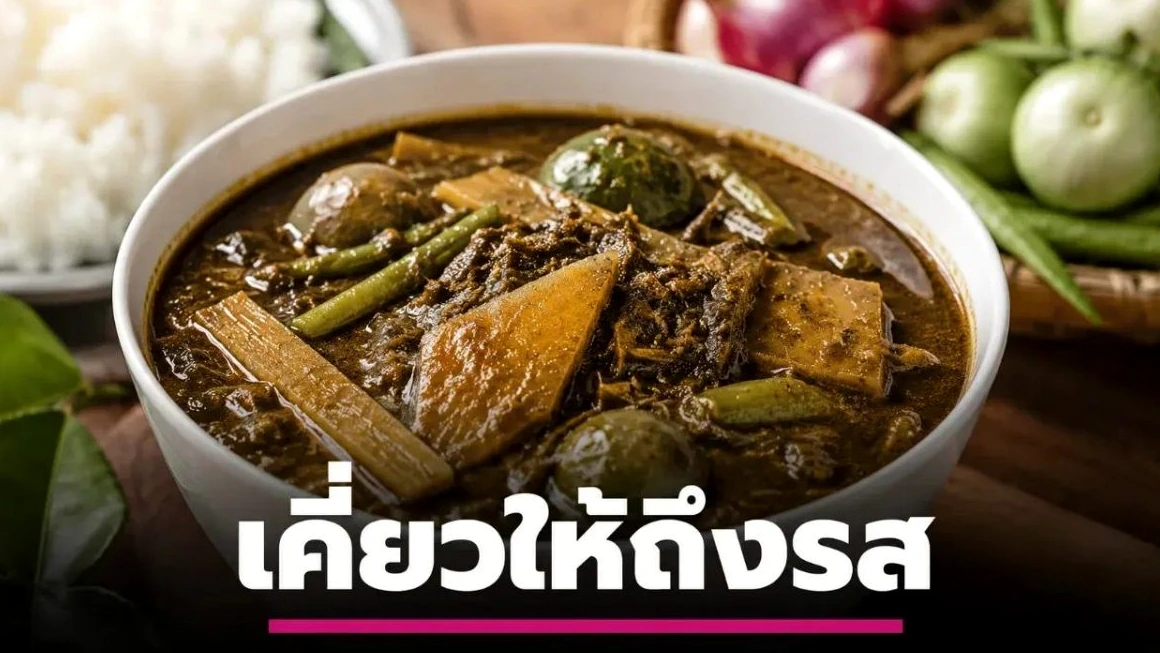
Down on the southern peninsula where the Andaman Sea meets the Gulf of Thailand, the island city of Phuket introduces an intensely bold flavor profile defined by searing heat and unmistakable Peranakan heritage from the Baba-Nyonya Chinese community. Famous Kaeng Tai Pla presents the ultimate test for adventurous palates—a pungent curry simmered with fermented fish entrails, bamboo shoots, Thai eggplants, and yardlong beans, packing oceanic salinity and fiery heat from crushed dried chilies. To counterbalance such fierce intensity, southerners created Moo Hong—pork belly slow-braised until meltingly tender with whole garlic cloves, cilantro roots, cracked peppercorns, and caramelized palm sugar, yielding a deeply savory-sweet richness that embodies the harmonious marriage between Hokkien culinary finesse and the abundant spices of the tropical coast.
Exploring the Land of Smiles rewards travelers with a thoughtful appreciation of local daily rhythms and cultural etiquette. At premier spiritual and historical complexes such as the Grand Palace and Wat Phra Kaew (Temple of the Emerald Buddha) in the capital, or the sacred hilltop temple Wat Phra That Doi Suthep in the north, visiting hours generally run from 08:30 to 16:30 daily. To preserve monastic serenity and honor royal dignity, dress codes are strictly enforced right at the entrance gates: visitors must wear attire that fully covers the shoulders along with long trousers or skirts extending below the knees, avoiding sheer or form-fitting garments. When crossing the threshold of an ordination hall, removing shoes and taking care never to step directly on the raised wooden doorsill—traditionally believed to be the dwelling place of protective spirits—is a time-honored mark of respect deeply ingrained in Thai life.
Transportation across the Kingdom varies distinctly by regional geography, offering uniquely memorable ways to get around. In bustling metropolitan Bangkok, the elevated BTS Skytrain (Sukhumvit and Silom lines) and the underground MRT Blue Line provide the fastest escape from notorious gridlock along Rama and Sukhumvit roads, seamlessly connecting riders to the Chao Phraya River piers to transfer onto the Chao Phraya Express Boat. Conversely, up in the ancient Lanna capital of Chiang Mai, the quintessential public transit is the fleet of red pickup trucks known as Songthaew, or Rod Daeng. Travelers simply flag one down along the roadside, agree on a destination with the driver, and enjoy cool breezes sweeping past ancient brick city walls and moats—an experience that is both authentic and remarkably economical.
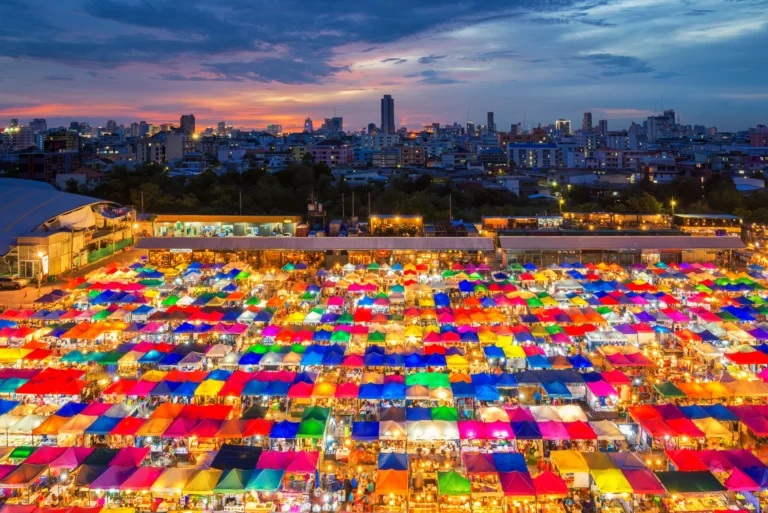
From a budgeting standpoint, Thailand offers exceptional financial flexibility, effortlessly bridging grassroots affordability and high-end luxury. Admission fees to major historical monuments typically range from 50 to 500 Baht, including all-inclusive tickets for the Grand Palace and the Queen Sirikit Museum of Textiles. Street food remains a paradise for budget-conscious travelers, with steaming plates of Pad Thai, Som Tum, or Tom Yum priced between 50 and 100 Baht at lively hubs like Pratunam Night Market, Chiang Mai Night Bazaar, or Amphawa Floating Market. Combined with reasonable accommodation rates and domestic travel connections linking Bangkok, Pattaya, Phuket, and Chiang Mai, visitors can tailor their spending comfortably to match any travel style.
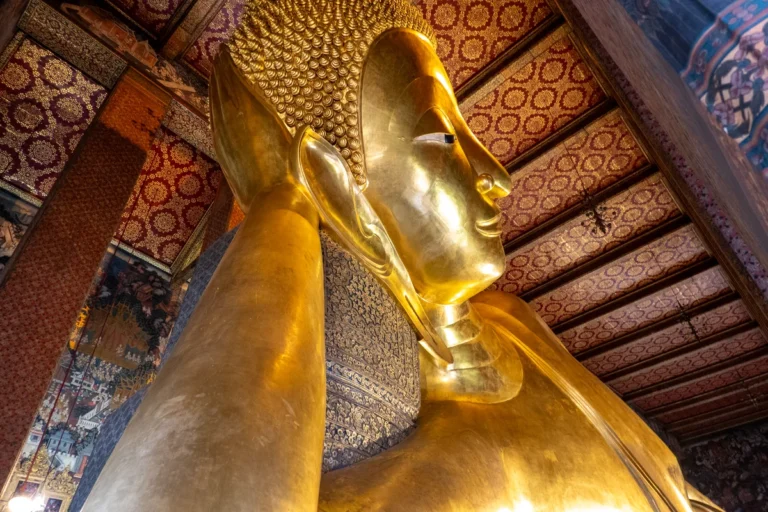
Above all else, the supreme legal and moral principle every visitor to Thailand must keep close to heart is profound reverence for the Chakri Royal Family and sacred religious symbols. Under strict Thai law, any act of defamation, criticism, or disrespect toward the monarchy—including stepping on or defacing Baht banknotes bearing the King’s portrait—constitutes a serious criminal offense carrying severe penalties. Similarly, Buddha images in Theravada Buddhism are far more than artistic sculptures; they are sacred embodiments of spiritual devotion. Climbing onto statues for photographs, displaying disrespectful religious tattoos, or attempting to export antiques and Buddha images out of the country without formal authorization from Thailand’s Fine Arts Department is strictly prohibited. To immerse yourself fully in the nation’s rich history, marvel at its breathtaking landscapes, and savor every cultural nuance free from logistical worries, explore our thoughtfully curated all-inclusive Thailand tour packages designed for deep, rewarding discovery.