To truly grasp the essence behind the creation of the Museum of the Future in Dubai (Arabic: متحف المستقبل دبي شارع الشيخ زايد الخط العربي), one must trace history back to the dawn of the nation along the sandy shores of the Persian Gulf. The origin of this magnificent metropolis did not begin with oil rigs or cloud-piercing skyscrapers, but rather with a historic migration in 1833. At that time, the visionary leader Sheikh Maktoum bin Butti Al Maktoum led roughly eight hundred members of the Al Bu Falah clan—a proud branch of the Bani Yas tribal confederation—away from the Liwa Oasis to settle at the tip of the Al Shindagha peninsula, right at the mouth of the saltwater Dubai Creek. This pivotal event was far more than a relocation in search of fresh water and pearl-diving grounds; it formally gave birth to the illustrious Al Maktoum dynasty, laying the very first cornerstone for the rise of the Emirate of Dubai in the heart of the arid desert.
After enduring more than a century of harsh desert climate and the volatile fluctuations of the natural pearl market, a landmark turning point in governance philosophy emerged under the reign of the late Ruler Sheikh Rashid bin Saeed Al Maktoum. Possessing foresight ahead of his time and recognizing that oil reserves would eventually run dry, the ruler boldly secured international loans to dredge Dubai Creek in the 1960s, transforming a shallow waterway into a bustling maritime trading hub linking the Indian Ocean and the Mediterranean. His unwavering commitment to economic diversification—leveraging trade, services, and infrastructure as catalysts—became a guiding thread passed seamlessly to his successor, the Vice President and Prime Minister of the United Arab Emirates (UAE) and current Ruler of Dubai, Sheikh Mohammed bin Rashid Al Maktoum. It was he who elevated the nation’s developmental mindset from merely adapting to change to proactively designing and shaping the future of humanity.
The initial concept of an iconic monument for the post-oil era first took shape in February 2014 during the World Government Summit. Initially, the project debuted as a series of temporary thematic interactive exhibitions aimed at testing the responsiveness of state institutions to waves of disruptive technology. Recognizing its powerful resonance and the urgent need for a permanent, forward-looking cultural landmark, the initiative was officially named the “Museum of the Future” in February 2015. Just one month later, on March 3, 2015, Sheikh Mohammed bin Rashid Al Maktoum officially launched the megaproject along the vital financial artery of Sheikh Zayed Road, positioning it not as a static repository of yesterday’s relics, but as a living entity projecting the world of tomorrow.
After seven years of painstakingly pushing engineering boundaries once deemed impossible, the landmark officially cut its ribbon and opened to the public on a date chosen for its profound symbolism: February 22, 2022—a flawless palindrome date (22/02/2022). Standing proudly in the heart of Dubai’s financial district, the museum establishes itself as a global “Foresight Organization.” Transcending the boundaries of a conventional tourist attraction, the structure operates as a collective intelligence laboratory where scientists, philosophers, and policymakers converge to tackle humanity’s most existential challenges: from climate change, water security, and sustainable ecology to strategies for deep-space exploration.
Commanding attention at the epicenter of Dubai’s unrivaled prosperity, the Museum of the Future occupies a prime urban position directly along the arterial Sheikh Zayed Road (E11 highway), within the bustling Emirates Towers district. Viewed through the lens of urban geomancy and geographical form, the building presides over the southeastern coastal plain of the Arabian Gulf, where deep blue ocean waters meet the sweeping dunes of the legendary Rub’ al Khali (Empty Quarter) desert. Illuminated day and night, Sheikh Zayed Road acts as a commercial lifeline surging with vitality, and at this crossroads of global financial centers, the museum stands as an expansive beacon welcoming the prosperous momentum of contemporary progress.
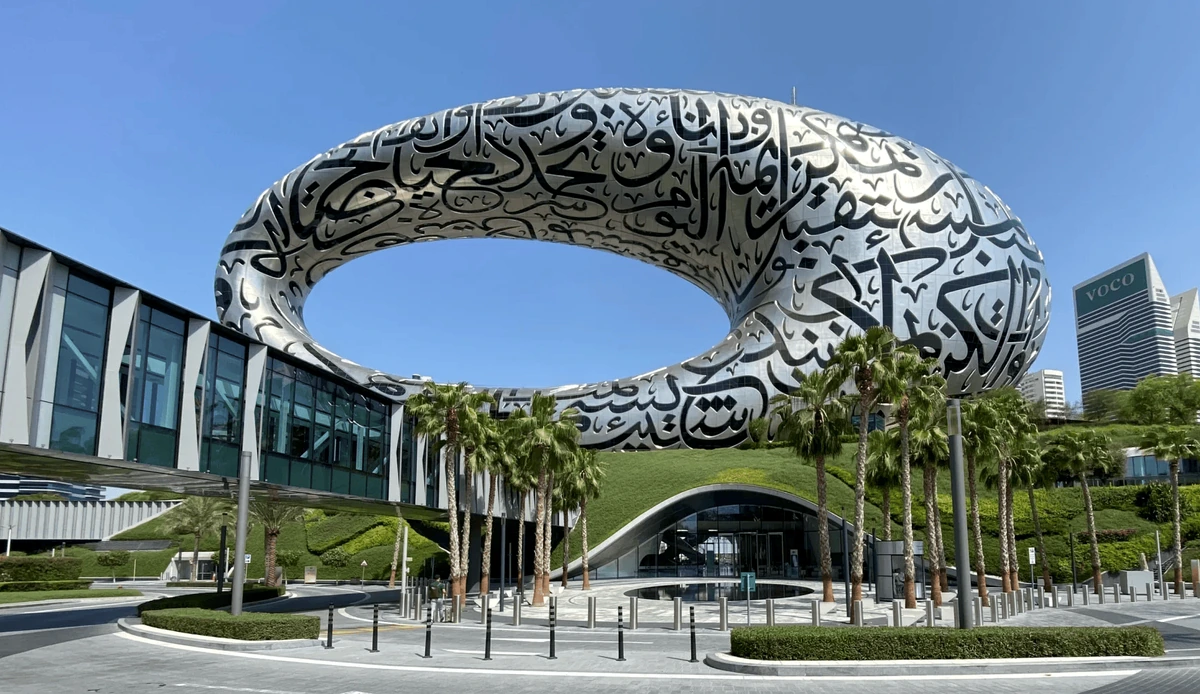
The starting point of the spatial design philosophy here does not rest directly upon ordinary flat concrete slabs; instead, the structure is elevated entirely by a lush, man-made green hill known as The Green Mound (Arabic: التل الأخضر). In terms of landscape topography, this mound symbolizes a sacred, grounded connection to Mother Earth, serving as a launchpad supporting the floating torus structure as it reaches toward the infinite. The gently sloping hillside is masterfully landscaped to recreate a rare oasis of abundance in the heart of the desert, blurring the boundary between a surreal architectural creation and the indigenous natural ecosystem.
The flora blanketing The Green Mound is the result of rigorous agronomic selection, giving absolute priority to iconic species renowned for their resilience across the Middle East. Standing out across the landscape are canopies of Ghaf trees—the national tree of the United Arab Emirates symbolizing peace and enduring vitality, whose taproots plunge dozens of meters beneath the sand in search of groundwater. Interspersed among the Ghaf are ancient Sidr trees, deeply woven into traditional Arabian culture, alongside salt-tolerant vegetation arranged in scientific tiers. This botanical ensemble not only revives the ecological memory of the Arabian Peninsula but also generates continuous evapotranspiration, cultivating a naturally cool microclimate that softens the intense heat radiating from the adjacent concrete highway.
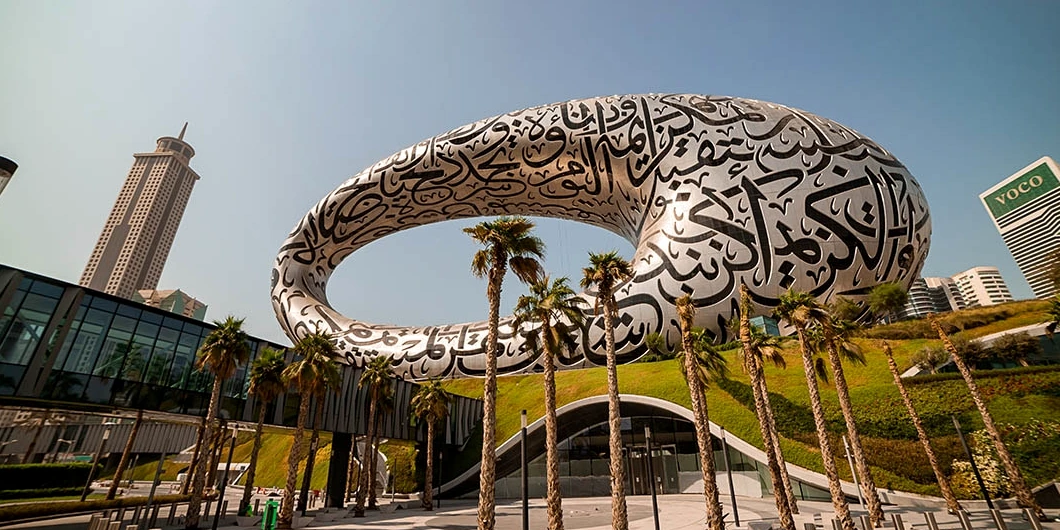
Confronting an unforgiving desert climate where peak summer temperatures effortlessly surpass 45°C alongside intense solar radiation, the engineering process behind the museum’s facade set a new benchmark in global construction. The building’s exterior envelope is crafted from a composite system of fiber-reinforced polymer (FRP) panels paired with high-grade stainless steel surfaces engineered with specialized optical properties to maximize UV reflection and prevent heat absorption. This seamless aerodynamic shell also serves as a smooth shield that minimizes friction against fierce desert sandstorms blowing in from the Rub’ al Khali, preventing fine dust infiltration and preserving the radiant luster of the calligraphy over time.
Defying all conventions of traditional architectural geometry long confined to rigid rectangular boxes or vertical spires, the Museum of the Future rises along Sheikh Zayed Road as a colossal torus suspended in midair. This pioneering design is the brainchild of the innovative studio Killa Design, brought to life through the precision engineering of the renowned consultancy Buro Happold. Built at an estimated cost of 500 million AED (approximately 136 million USD), the structure reaches a total height of 77 meters and encompasses over 30,000 square meters of floor space. From afar, the asymmetrical elliptical ring with its vast central void resembles a human eye gazing into the stream of time—where the open void symbolizes all that humanity has yet to discover about the future, while the surrounding steel structure represents the entirety of present knowledge and understanding.
The most astonishing engineering feat of this architectural marvel lies in its interior expanse spanning seven floors completely devoid of internal supporting columns. To achieve a gravity-defying, column-free structure on such a monumental scale, structural engineers relied heavily on parametric design algorithms and advanced Building Information Modeling (BIM). A complex steel diagrid space frame acts as a super-load-bearing exoskeleton hidden within the facade, distributing gravitational stresses evenly down into the deep foundations. This audacious structural solution liberates the entire floor plate, delivering a vast, uninterrupted, and surreal interior that invites visitors into a barrier-free dimension where boundaries between floor, wall, and ceiling virtually dissolve into one.
The museum’s exterior cladding is a triumph of mechanical fabrication and high-tech artistry, assembled from exactly 1,024 composite-reinforced stainless steel alloy panels. The number 1,024 carries deep symbolic resonance in the digital age, representing one kilobyte of foundational data in computer science. Each exterior panel is a bespoke component featuring intricate three-dimensional curvature, precision-milled by automated robotic arms and multi-layer vacuum-molding techniques before being meticulously fitted by hand onto the building’s exterior steel frame. Its gleaming metallic finish reflects the brilliant desert sun by day and shimmers beneath energy-efficient LED contours by night, transforming the edifice into a shifting halo of light amidst Dubai’s modern skyline.
The soul and philosophical depth of this masterpiece are vividly etched across its entire surface through flowing Arabic calligraphy rendered in the classical Thuluth script. Created by leading Emirati visual artist Mattar bin Lahej, these calligraphic lines immortalize inspiring quotes by Sheikh Mohammed bin Rashid Al Maktoum, celebrating the spirit of innovation, the courage to build, and the steadfast conviction that the future belongs to those who can imagine it, design it, and execute it. Far more than decorative visual sculpture, these sweeping letterforms actually function as the facade’s intricate load-bearing structural framework while doubling as translucent windows glazed with high-performance insulated tempered glass. As sunlight filters through the script, beams of natural light scatter across the interior floors like shifting patterns synchronized with the sun’s angle, weaving a magical dialogue between ancient Arabic poetic art and cutting-edge futuristic technology.
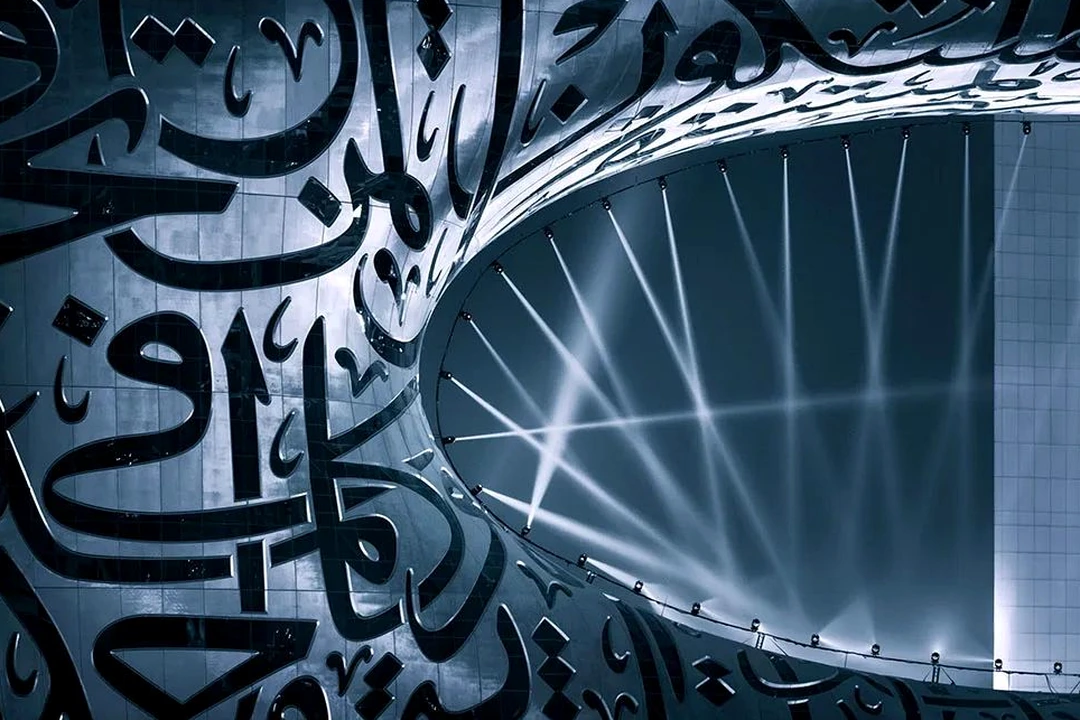
When dusk falls and bathes the desert surrounding the Persian Gulf in deep indigo, the Museum of the Future sheds its understated daytime metallic sheen to don a dazzling optical cloak, awakening the enchanting nightlife of a modern-day Arabian Nights. The captivating visual centerpiece is an intricate LED lighting system concealed along every curve of the Arabic calligraphy spanning 17,600 square meters of facade. Far from passive floodlighting, this intelligent network of fiber optics and light-emitting diodes is programmed to generate rhythmic flows of motion mimicking the cyclical energy currents of the cosmos. Every character of the three poetic quotes penned by Sheikh Mohammed bin Rashid Al Maktoum radiates shifting hues between regal amber gold and crisp futuristic silver, turning the giant torus into a luminous vessel hovering in midair and shimmering across the endless stream of traffic along Sheikh Zayed Road.
At the foot of this architectural masterpiece, the landscaped plaza and gently sloping terraces unfold into a multi-layered cultural promenade where the boundary between ancient nomadic roots and futuristic visions vanishes entirely. On balmy evenings, the plaza transforms into a vibrant open-air stage showcasing the traditional folk arts of the United Arab Emirates. Deep drumbeats and resonant epic chants echo through the air as troupes perform Al-Ayyala and Al-Harbiya—two treasured expressions of Intangible Cultural Heritage inscribed by UNESCO. Dressed in pristine white Kanduras, two facing rows of men holding thin bamboo canes symbolizing tribal defensive weapons sway in synchronized rhythm, reviving the chivalric spirit and pride of desert dwellers. The contrast between this primal cadence and the gleaming stainless-steel shell rising overhead evokes a breathtaking artistic emotion, reminding visitors from around the globe that every leap forward in technology remains anchored in millennia-old heritage.
Alongside these traditional rhythms, the open spaces surrounding the museum also serve as a gathering hub for intellectual elites and curious minds through a series of scientific dialogues titled “Future Talks” held beneath Dubai’s night sky. Here, amidst cool breezes drifting across aerodynamically sculpted fountains, visitors and researchers engage in thought-provoking discussions on artificial intelligence, deep-space exploration, and sustainable eco-cities. Light from outdoor interactive screens blends seamlessly with desert moonlight, fostering an open forum free of barriers between speakers and the public.
An evening visit to the museum would be incomplete without lingering at the outdoor culinary lounges, where the rich aroma of traditional Gahwa—Arabic coffee brewed with green cardamom and saffron—drifts through the night air. Sipping the delicately bitter brew, savoring plump fresh dates, and watching the illuminated calligraphic bands softly pulse and dim like a living breath, travelers experience a Dubai that never sleeps in mechanical glamour, but remains vibrant, warm-hearted, and endlessly dedicated to shaping humanity’s dreams of tomorrow.
Tucked beneath the monumental silhouette of the calligraphy-clad steel torus along Sheikh Zayed Road, the dining scene enveloping the Museum of the Future and the Emirates Towers complex offers an enchanting culinary journey where Bedouin nomadic heritage meets contemporary gastronomy. Stepping out of the multi-sensory wonders of tomorrow’s technology, guests enter opulent banquet halls or traditional caravanserai-style eateries to embrace the warmth of Middle Eastern hospitality. Over centuries of survival in the barren desert, locals elevated humble staples of wheat, lamb, dried herbs, and dates into a profound culinary heritage, composing a symphony between authentic family recipes and refined culinary fusion.
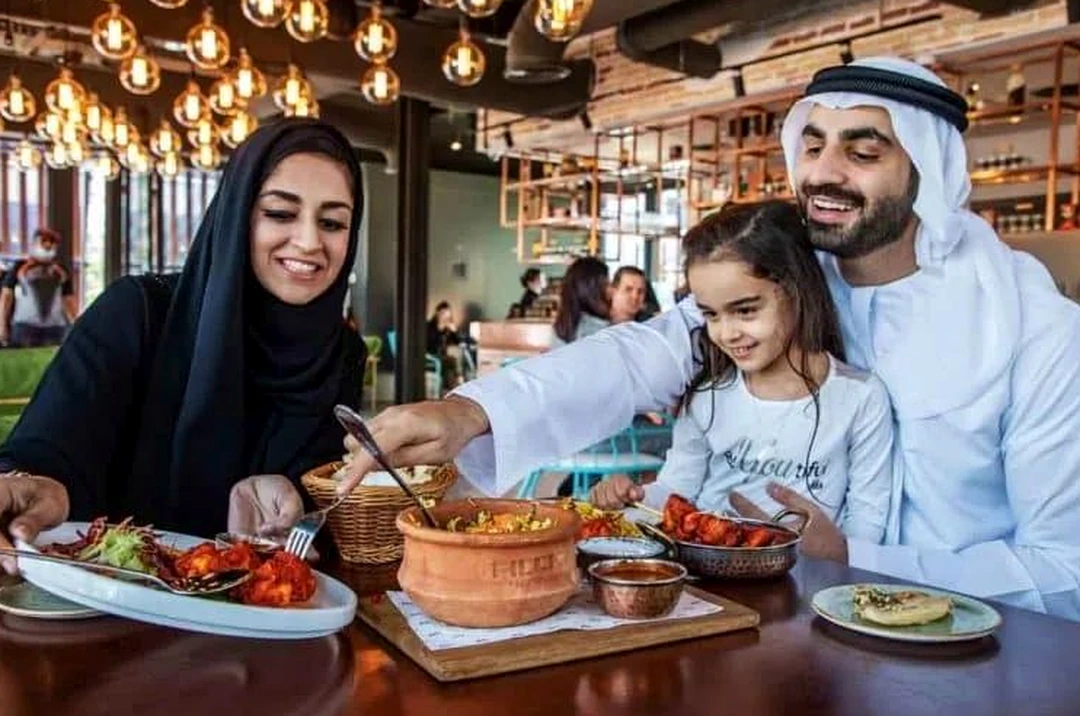
The pinnacle of both royal and folk culinary philosophy here is encapsulated in the revered dish Harees, a delicacy traditionally gracing grand celebrations and family gatherings. Carefully selected whole wheat grains are soaked overnight, pounded smooth with a traditional wooden pestle, and slow-simmered with tender lamb or choice chicken in thick earthenware pots for hours on end. Gentle heat melds the melt-in-your-mouth meat into a velvety porridge, seasoned simply with coarse salt and generously drizzled with fragrant clarified butter (samn). Alongside Harees, Thareed transports diners back into the ancient lore of the peninsula. Thareed is layered with paper-thin, crisp regag flatbread lining the bottom of a deep dish, ladled generously with a rich lamb stew simmered with potatoes, carrots, zucchini, and smoky dried black lime (loomi). The flatbread absorbs every drop of the tangy, savory, and mildly spiced broth, creating a luscious, irresistible texture in every spoonful.
The flavor map surrounding this futuristic wonder would not be complete without the aromatic dance of slender basmati rice grains in steaming platters of Mandi and Biryani. The rice is infused with a complex spice blend of green cardamom, cloves, dried cinnamon bark, and golden saffron, then steamed by the rising heat of spice-marinated young lamb suspended directly above it. Fragrant fat slowly renders and drips onto the grains below, leaving every spoonful glossy, infused with desert smoke, and kissed by the subtle tartness of loomi. The ingenuity of Arabian culinary thought shines further in Balaleet, a creative dish that defies conventional boundaries between sweet and savory. Delicate vermicelli noodles are pan-toasted with cane sugar, ground cardamom, and rosewater, tinted golden with saffron threads, and crowned with a thin, lightly salted omelet—delivering a poetic, captivating contrast of flavors.
Rounding out this heritage dining experience is a tea and coffee ritual steeped in the ceremonial grace of desert elders. Beneath tranquil archways, curved brass Dallah pots pour golden-green Gahwa coffee into small handleless cups (finjan). Lightly roasted beans preserve a delicate brightness, boiled with generous amounts of aromatic ground cardamom, premium saffron strands, and a few drops of fragrant Damask rosewater. The clean, warmly spiced bitterness of Gahwa finds its ideal companion in platters of prized dates harvested from fertile oases. Golden-skinned Khalas dates, chewy like honeyed caramel, or plump Buman dates offering a refined natural sweetness, melt slowly on the tongue. This ritual is far more than an elegant dessert—it serves as an invisible bridge connecting the traveler’s soul with the noble dignity and timeless serenity of the desert spirit.
To turn a pilgrimage to this timeless icon into reality, visitors should plan their itinerary and entry logistics carefully. The doors of the Museum of the Future welcome guests daily from 9:30 AM to 7:00 PM, with final admission concluding roughly two hours before closing to ensure a complete multi-sensory journey. Given its global acclaim and strict hourly capacity limits designed to preserve an intimate viewing environment, booking tickets in advance via the official online portal several weeks to a month prior to departure is virtually mandatory. Walk-in ticket sales are strictly unavailable at the lobby counters; any visitor arriving without a pre-booked reservation code risks missing out entirely. In keeping with the deep humanitarian values championed by the Islamic nation, the museum offers complimentary admission to children under three, senior citizens of the United Arab Emirates, and individuals with disabilities—a community honored respectfully under the title “People of Determination” (أصحاب الهمم).
Nestled serenely yet proudly along the vital artery of Sheikh Zayed Road amidst the Middle East’s most dazzling skyscrapers, the Museum of the Future boasts one of the most intelligent and advanced transit connections in the region. The most convenient, seamless, and highly recommended mode of transport is the Dubai Metro Red Line. Visitors simply alight at Emirates Towers Metro Station (محطة مترو أبراج الإمارات) and stroll comfortably along a sleek, enclosed pedestrian skybridge stretching several hundred meters and equipped with state-of-the-art air conditioning. This glass-walled walkway connects the station directly to the museum’s main lobby, shielding travelers from the intense desert sun while offering sweeping panoramic views of the towering financial district. For those arriving by private car, traditional taxi, or ride-hailing apps such as Uber and the local favorite Careem, dedicated access lanes guide vehicles straight into a modern multi-level underground parking facility and drop-off concourse where attentive valet services stand ready.
Hand in hand with its pioneering vision of the future are cultural etiquette standards rooted in traditional Gulf heritage that visitors should observe when entering the museum. Respect for local culture is reflected in the dress code: both men and women are asked to wear neat, modest attire with shoulders and knees gracefully covered, avoiding overly tight or revealing outfits. When it comes to capturing memories, the museum warmly welcomes personal smartphone photography across most exhibition zones so guests can document the magical interplay of light filtering through the sweeping Arabic calligraphy; however, flash photography, tripods, and bulky filming equipment are strictly regulated to avoid disrupting other visitors’ visual experience and to protect sensitive interactive sensors. Furthermore, a strict smoke-free policy is enforced throughout the entire enclosed steel torus; both traditional cigarettes and e-cigarettes are strictly prohibited and subject to hefty fines under local regulations.
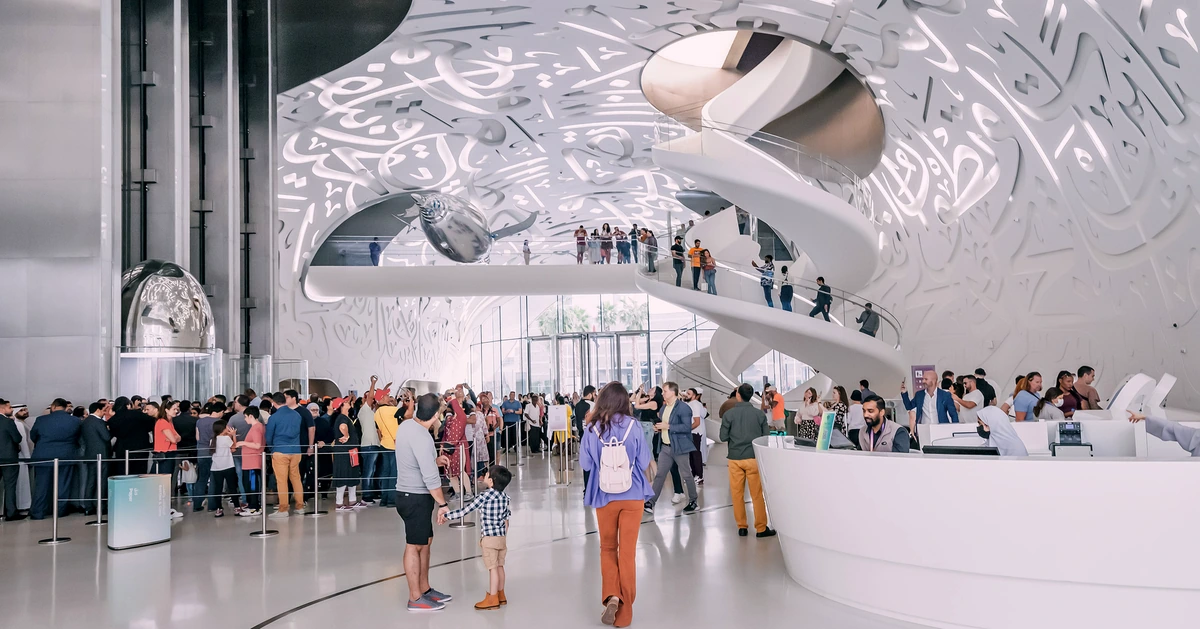
A comprehensive expedition across the museum’s five core thematic floors typically requires two to three hours to fully absorb every ecological message and technological vision. The most rewarding times to admire this masterpiece are early in the morning when natural light and visual clarity are at their crispest, or at late dusk when the fading twilight gives way to thousands of square meters of glowing LED calligraphy streaking like shooting stars across the desert night sky. To streamline your itinerary, uncover every fascinating story behind these architectural wonders, and eliminate the hassle of complex ticket reservations, travelers can opt to join an all-inclusive Dubai – Abu Dhabi tour package, where every signature experience is thoughtfully curated to unlock a magical journey across the threshold of the present and the infinite future.