Introduction to Horseshoe Crab in Quang Ninh
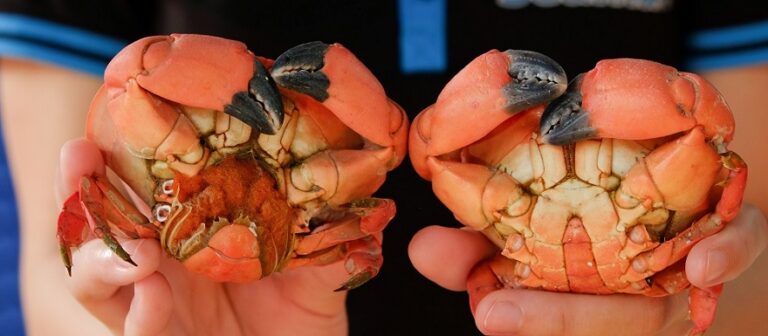
The horseshoe crab is a special type of seafood that is difficult to process. This creature lives in the wild and cannot be farmed. Once caught, they can only survive for up to 3 days, which is why they are always considered a fresh delicacy. To catch them, fishermen must calculate the tides and choose the right day to set out and cast their nets. The nets must be made of nylon with a mesh size of about 8 cm and a height of approximately 1.5 m. When caught, they must be placed upside down with their heads facing each other to prevent injury. Since they travel in pairs, fishermen often catch both the male and female together; if they encounter a lone horseshoe crab, they usually release it back into the sea because such individuals are often toxic. Quang Ninh is famous for its large horseshoe crabs, which are concentrated in the Quang Yen area, and especially in Tra Co and Van Don.
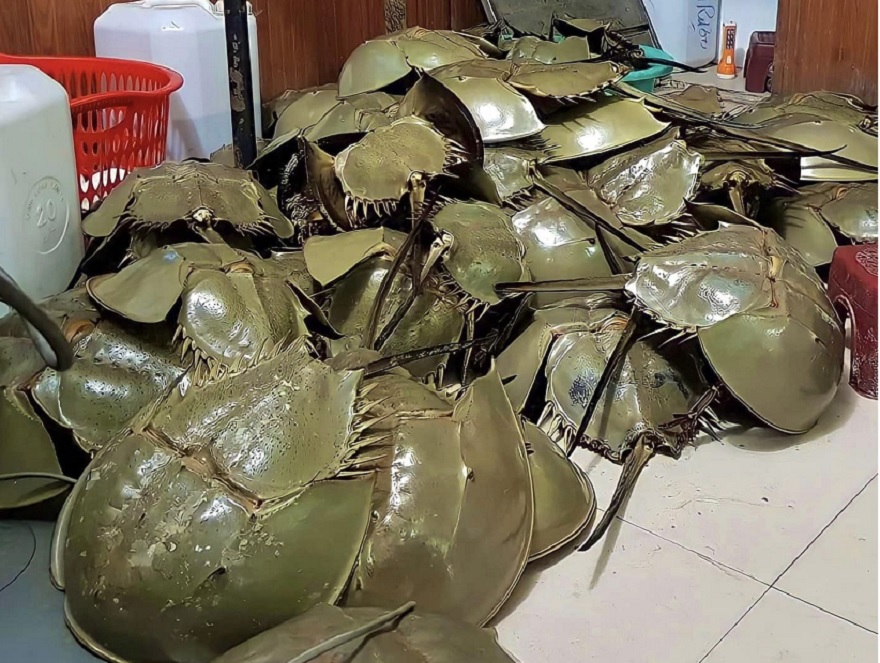
Horseshoe crab is one of the special seafood dishes in Quang Ninh
There is a popular Vietnamese saying, “sticking together like horseshoe crabs,” and everyone understands its meaning. However, not everyone knows the origin of this unique comparison. According to coastal locals, there is a legend about a poor couple who loved each other deeply. One day, the wife was captured, and the husband was gifted a magical pearl by a fairy to help him find her, with the warning never to reveal the secret of the pearl. The man held the pearl in his mouth, went to the sea, and found his wife, but she persistently begged him to tell her the secret. Unable to refuse her, he forgot the fairy’s warning; the pearl fell into the sea, and the couple perished, transforming into a pair of horseshoe crabs that remain inseparable. Since then, couples who are deeply attached to each other are compared to these horseshoe crabs.
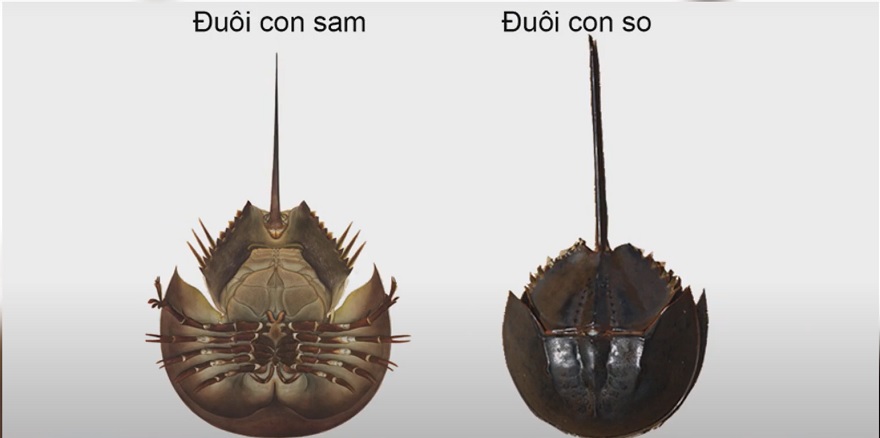
Distinguishing between Horseshoe Crab and Mangrove Horseshoe Crab
While delicious, horseshoe crabs pose risks, the most significant being the confusion between the edible horseshoe crab (sam) and the highly toxic mangrove horseshoe crab (so), which can be fatal. For experienced fishermen, distinguishing between the two is easy. In reality, many places refer to the mangrove horseshoe crab as a “small horseshoe crab,” leading to confusion. Horseshoe crabs live primarily in sandy tidal areas, while mangrove horseshoe crabs inhabit freshwater creeks. The true horseshoe crab is larger, measuring 17-34 cm in length and weighing up to 3.8 kg. The mangrove horseshoe crab is smaller, with a body length of only 20-25 cm and a weight usually under 1 kg. Note that it takes about 10 years for a horseshoe crab to reach that size, which is why many mistake young horseshoe crabs for the toxic variety. The easiest way to distinguish them is by the tail: the horseshoe crab’s tail has a triangular cross-section with three edges extending to the tip, featuring sharp, saw-like spikes. The mangrove horseshoe crab’s tail is round or oval in cross-section and lacks these sharp spikes. Horseshoe crabs usually travel in pairs, with the male clinging to the female’s back. Mangrove horseshoe crabs typically move alone, though they may pair up during mating season, so caution is required. In case of poisoning from a mangrove horseshoe crab, the patient should drink plenty of water, induce vomiting to clear the stomach as quickly as possible, and be rushed to the nearest medical facility.
Delicious dishes made from horseshoe crab
Back before the 2000s, horseshoe crabs (sam) were not considered a specialty in Ha Long – Quang Ninh. This dish requires quite complex preparation and is an acquired taste; anyone with a sensitive stomach could easily suffer from food poisoning or indigestion. At that time, locals mainly processed horseshoe crab meat to feed livestock such as pigs and chickens… Horseshoe crabs were sold abundantly in the market at an extremely cheap price, estimated at only 25,000 VND per pair. Later on, as tourism developed and Chinese traders bought them in large quantities, a pair of horseshoe crabs now costs up to 600,000 – 750,000 VND, and sometimes they are even hard to find.
Although the price has skyrocketed, compared to shrimp and crabs, horseshoe crabs are not overly expensive, but the preparation process is extremely meticulous. When cleaning a horseshoe crab, great care must be taken to completely filter out the liver and intestines, ensuring they do not contaminate the meat. Even a slight carelessness by the preparer can lead to consequences for those consuming horseshoe crab dishes, such as allergies or stomachaches. Therefore, three tools are necessary when slaughtering a horseshoe crab: a sharp knife, a chopping knife, and scissors, used to remove the legs, filter the meat, and discard the intestines and liver. Before cooking, its blood must be drained. Horseshoe crab blood is very special; it is not red like that of other animals, but instead has a milky white color resembling rice-washing water. The yield of blood is quite high, with each horseshoe crab providing a large bowl. The blood is kept separately in a bowl and is delicious when used to cook soup.
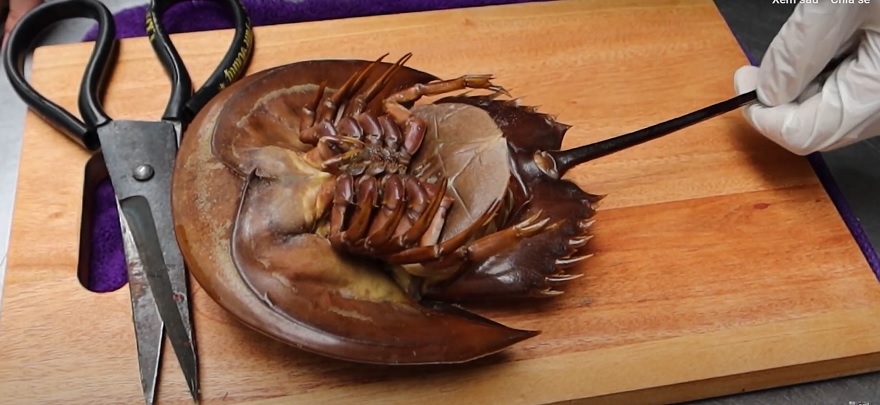
Preparing horseshoe crab is a meticulous process
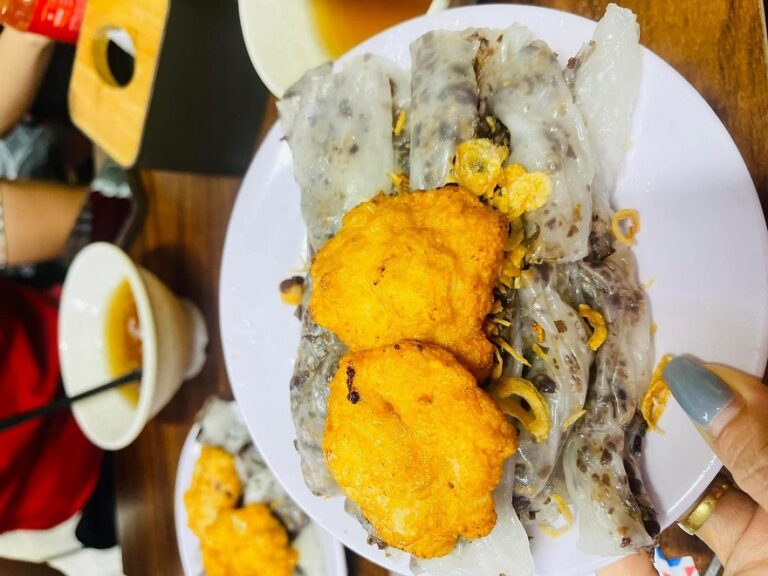
When preparing them, male horseshoe crabs have smaller, more concave claws and mouths than females, and their meat tastes better when cooked. A good horseshoe crab usually has a dark outer shell, feels heavy in the hand, and weighs about 5 – 6 kg; only then is it considered a standard quality crab with delicious meat. Usually, they are eaten in pairs, but doing so requires 5 – 6 diners. Therefore, if there are only 2 people, it is best to eat a male horseshoe crab. A good horseshoe crab yields about 1.5 kg of meat after the shell is removed. Horseshoe crab meat can be prepared into various dishes such as Sweet and Sour Stir-fried Horseshoe Crab Legs, Horseshoe Crab Blood Soup with Betel Leaves, Fried Horseshoe Crab Thighs, Horseshoe Crab Stir-fried with Bamboo Shoots, Fried Horseshoe Crab Meat Soup or Horseshoe Crab Patties, Horseshoe Crab Soup, Fried Horseshoe Crab Roe… However, based on VDS Travel’s experience, our absolute favorites are:
- Sweet and Sour Stir-fried Horseshoe Crab Legs: Among all horseshoe crab dishes, this is the most appealing and popular among visitors. To make sweet and sour stir-fried horseshoe crab legs, you simply take the thighs and legs, cut them into bite-sized pieces, and stir-fry them in a pan. Then, add seasonings such as fermented rice (mẻ), chili sauce, fish sauce, and salt. This sweet and sour stir-fried dish is extremely appetizing with its bold, distinctive spicy, sour, salty, and sweet flavors. Combined with the aroma of betel leaves and the soft shell of the legs—which makes it easy to pick out the meat just like eating suction snails—it is a truly delightful experience. The crab legs taste even sweeter and better than crab claws or mud crab claws.
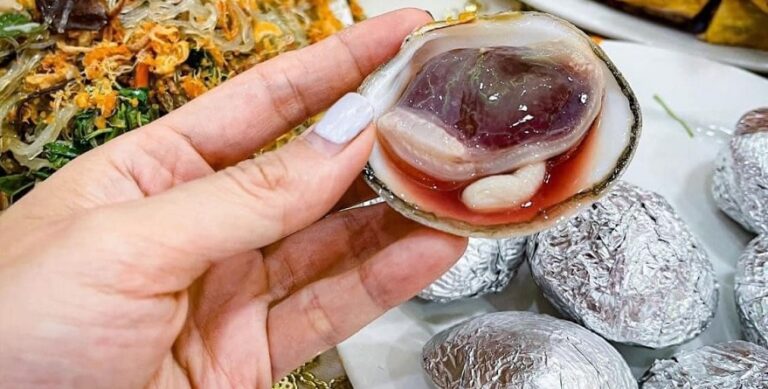
- Fried Horseshoe Crab Roe: Among the many delicacies made from sea horseshoe crabs, grilled horseshoe crab roe is considered a top priority choice. Chefs will select female horseshoe crabs with bellies full of roe, burn charcoal over the rim of a coconut shell, and place the crab on top to grill. Once the crab is golden and aromatic, diners can enjoy it with segmented sour pomelo, pickled radish in vinegar, herbs, crushed roasted peanuts, sweet and sour fish sauce, mixed fried shallots, and more.
Great Horseshoe Crab Restaurants in Ha Long
Horseshoe crab is a difficult dish to prepare and an acquired taste, but as the tourism capital and seafood paradise of Northern Vietnam, Ha Long offers plenty of options for you. Drawing on our experience, VDS Travel would like to introduce you to some of the best and most famous horseshoe crab eateries here.
1. Tin Vuong 2 Traditional Horseshoe Crab Restaurant
A familiar name to seafood lovers, especially fans of sea horseshoe crabs among locals in Quang Yen and Ha Long. With years of experience and traditional secret recipes, the restaurant brings diners unique and enticing dishes made from this rare seafood.
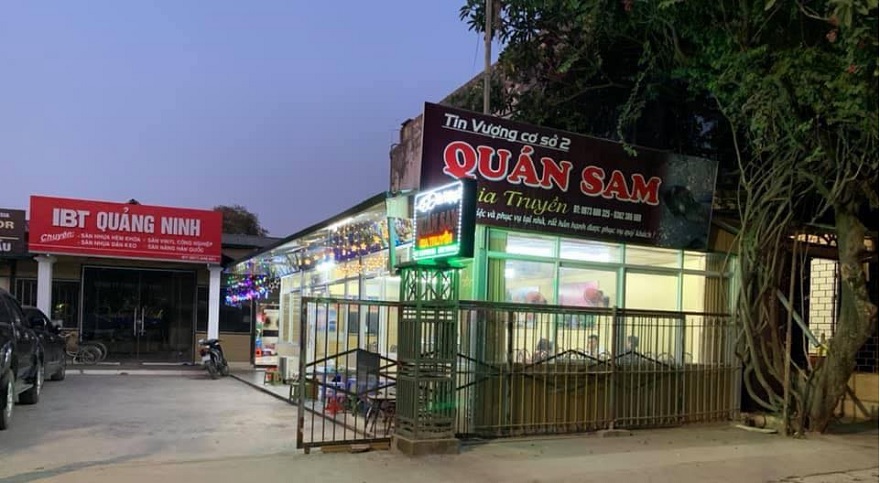
Tin Vuong 2 Traditional Horseshoe Crab Restaurant in Ha Long
Address: To serve an increasing number of guests, the restaurant has opened a new branch at No. 52 Doi Can – Gieng Day – Ha Long City.
Contact: Customers can book tables and order dishes via phone numbers: 0973608325 – 0382386660.
Rich and Appealing Menu: Featuring a diverse menu with up to 7 main dishes, every meal at Tin Vuong 2 Traditional Horseshoe Crab Restaurant is a wonderful culinary experience.
- 7-course Set:
- Price: 1,500,000 VND/pair (for 6 people)
- Includes: Horseshoe crab blood soup, sweet and sour stir-fried crab legs, fried crab thighs, fried crab pockets, horseshoe crab stir-fried with bamboo shoots, crab roe, crab glass noodles.
- Individual Set Meal:
- Price: 250,000 VND/person (applicable for groups of 3 or more)
- Diners can freely choose dishes from the 7-course set.
- Must-try Specialties: In addition to the 7-course set, the restaurant also serves two special dishes: Horseshoe Crab Meat Salad and Horseshoe Crab Blood Pudding:
2. Dung Hoa Sea Horseshoe Crab Restaurant
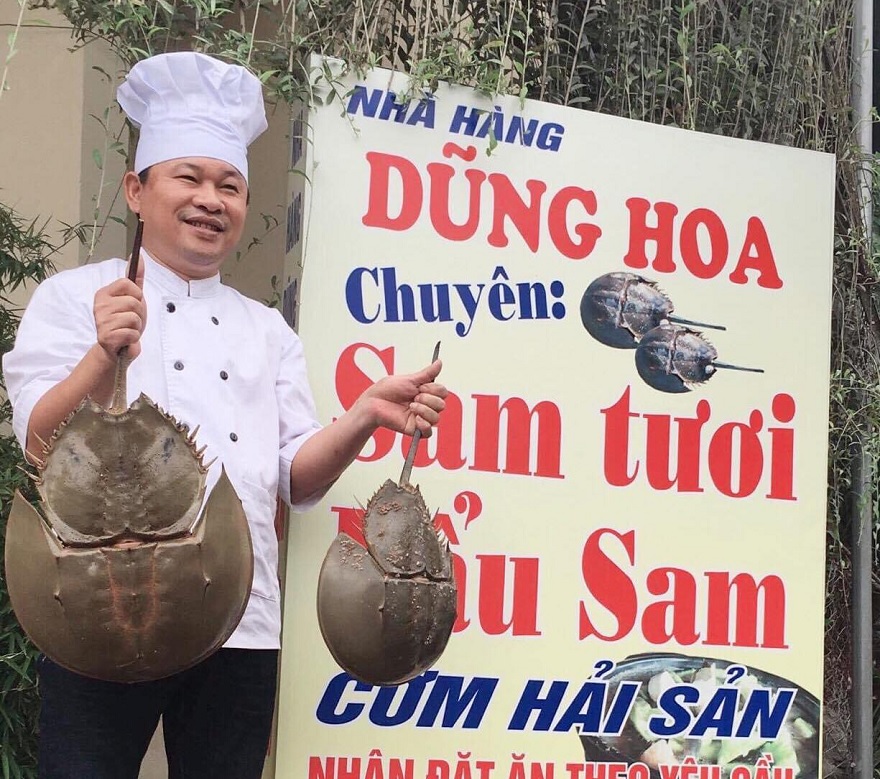
Dung Hoa Sea Horseshoe Crab Restaurant
Address: 96 Thanh Thien, Hong Hai, Ha Long City
Contact: 0383 678 988
Menu: Featuring a diverse menu with up to 7 main courses.
Requirements: Reservations required · Outdoor seating available · Private dining rooms available
3. Sam Ba Ty
With a commitment to freshness and quality, Sam Ba Ty always strives to provide everyone with a fresh and unforgettable experience featuring horseshoe crab. It promises to be a destination for delicious, unforgettable dishes.
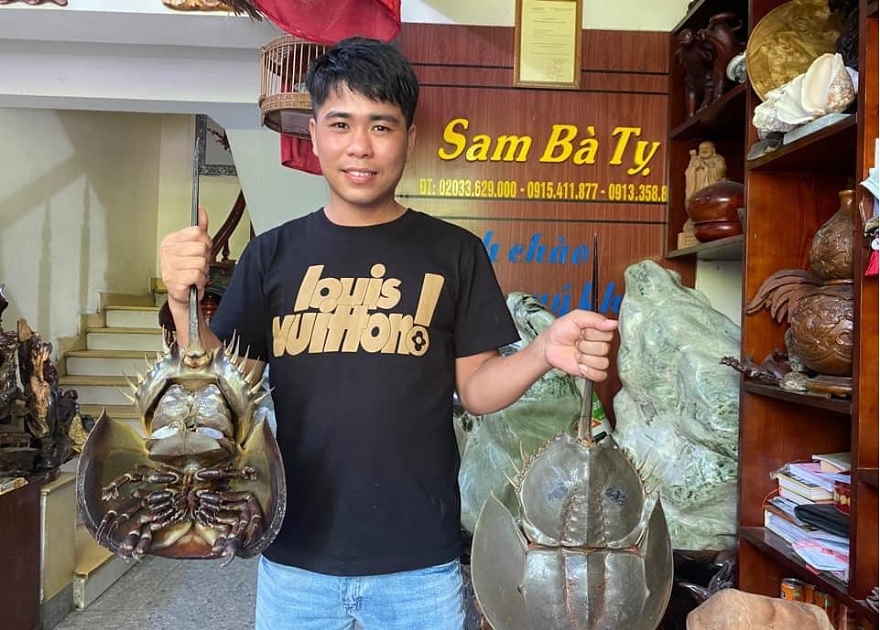
Sam Ba Ty Restaurant Ha Long
Address: Lane 6 Cao Thang (near Bo Sinh) or Lane 7D Cao Thang, Cao Thang, Ha Long City, Quang Ninh
Contact: 091 541 1877.
Menu: Sam Ba Ty is famous for its rich and diverse 7-course horseshoe crab menu. Every dish here is prepared with meticulous care and sophistication, offering a unique flavor that cannot be found anywhere else.
Requirements: Reservations required · Outdoor seating available · Private dining rooms available