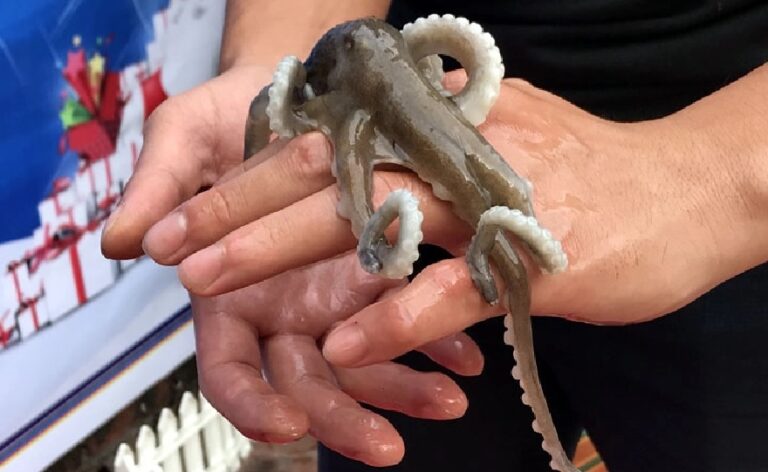
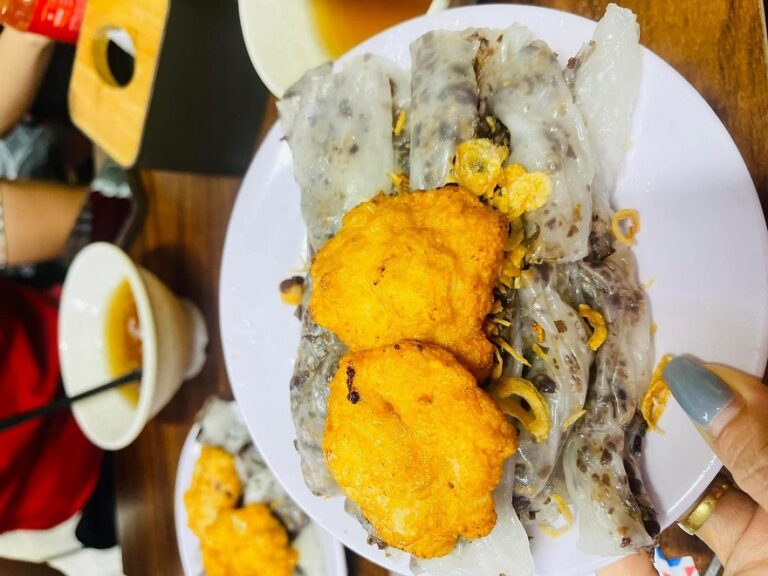
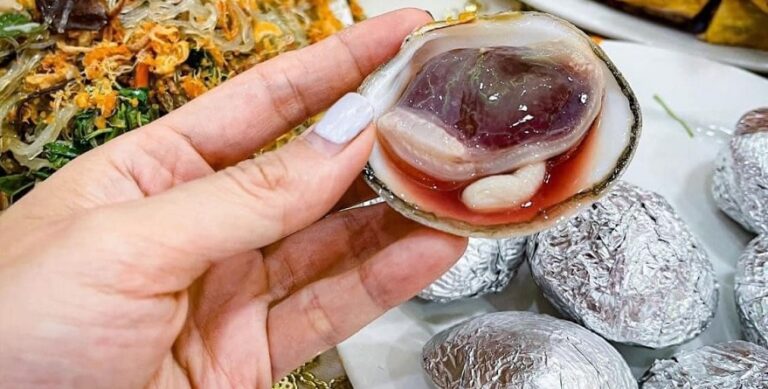
When it comes to Ha Long cuisine, alongside fresh seafood delicacies like horseshoe crab, sipuncula worms, and slipper lobsters, one cannot overlook the rustic yet deeply flavorful “bun cu ky” (fiddler crab noodle soup). In this article, VDS Travel will introduce you to this delicious dish.
See more: Ha Long Specialties: What to eat? What to buy?
Ha Long Fiddler Crab Noodle Soup – The “Culinary Lighthouse” of the Mining Region
When mentioning the rich culinary landscape of Ha Long, Quang Ninh, alongside familiar names like horseshoe crab, sipuncula worms, or slipper lobsters, it would be a major omission to overlook Bun Cu Ky – a dish that is rustic yet carries the full, profound essence of the sea. Likened to an inviting “culinary lighthouse,” fiddler crab noodle soup is not just a specialty; it has become an icon and a source of pride for the people of the mining region. It is a warm “greeting” from the flavors of the Ha Long sea, an experience that anyone visiting is advised “not to miss” to fully feel the soul of the local cuisine—a dish that truly “made a name” for the entire region.
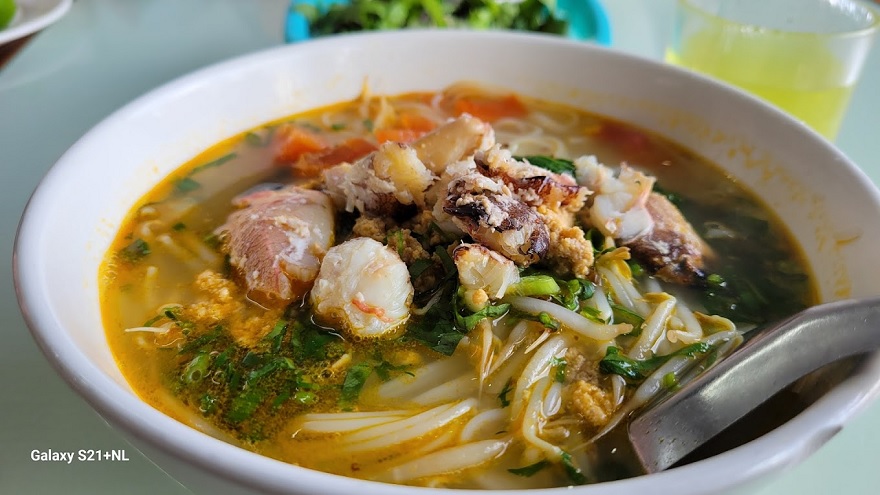
Fiddler crab noodle soup in Ha Long
The journey of Bun Cu Ky from a local dish, born from the creativity of coastal fishermen utilizing the abundant fiddler crab resources, to a specialty sought after by travelers from all over is an interesting story. Initially, it was likely just simple bowls of noodles to warm the hearts of those at sea. But over time, with ingenuity and subtle variations, Bun Cu Ky gradually conquered even the most demanding diners, rising to become a “star” on the culinary map, attracting not only domestic tourists but also international visitors curious to explore it.
Fiddler Crab – The “Soul” of the Famous Noodle Dish
To fully understand the appeal of Ha Long’s fiddler crab noodle soup, we first need to “decode” the main character that creates its signature flavor: the fiddler crab (cu ky). This seafood species not only has a unique name but also possesses interesting characteristics and stories, making it worthy of being the “soul” of this famous noodle dish.
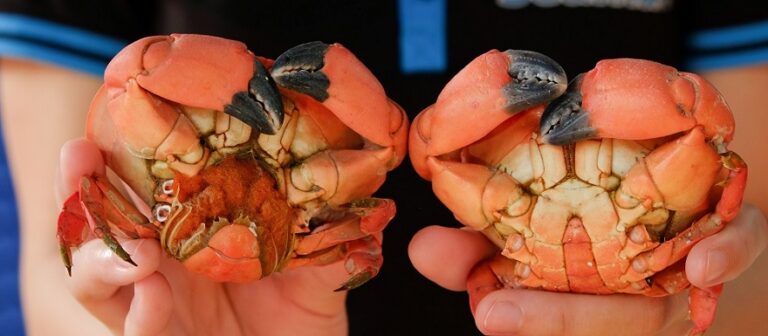
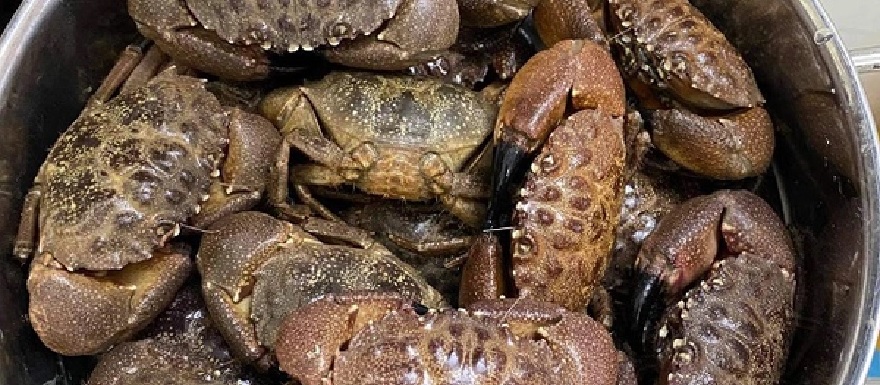
The fiddler crab, also known by rustic names like “thunder crab” or “rock crab,” is a type of sea crab characteristic of warm waters such as Malaysia and Indonesia. In Vietnam, fiddler crabs are found in many coastal areas, including Quang Ninh and Khanh Hoa. However, it is the Quang Ninh fiddler crab that is truly famous, highly favored, and widely harvested due to its superior culinary value. You can easily recognize the fiddler crab by its distinctive appearance: a dark brown shell, bright green eyes, and especially two very large, strong claws, while the remaining legs are often covered in hair. It is this “muscular” pair of claws that contains the most precious meat of the crab.
Best Bun Cu Ky (Fiddler Crab Noodle) spots in Ha Long
VDS Travel has curated a list of the 3 best Bun Cu Ky spots in Ha Long, covering both the Bai Chay and Hon Gai areas. These locations have been carefully selected based on real-world experiences and feedback from both locals and travelers.
1. Huong Beo Bun Cu Ky
If you are looking for a place to enjoy the famous Bun Cu Ky in Ha Long, Huong Beo is an excellent recommendation. Located on Tan Mai Street, Bai Chay, this eatery has become a familiar destination for locals and tourists alike whenever they crave the authentic flavors of Quang Ninh’s coastal cuisine.
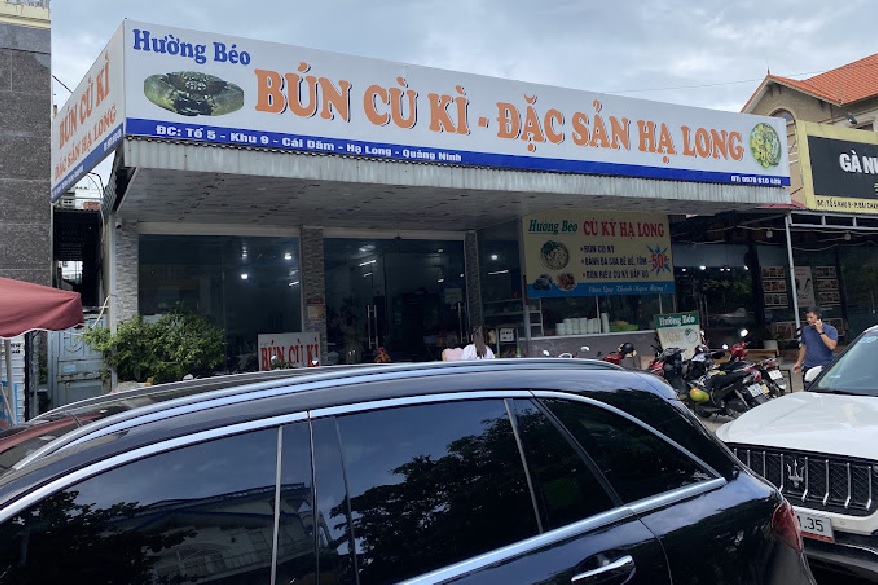
Huong Beo Bun Cu Ky
Restaurant Information:
- Address: 20 Tan Mai, Bai Chay, Ha Long, Quang Ninh.
- Phone number: You can look up the number on online platforms or ask the locals!
- Opening hours: 5:30 AM – 2:00 PM daily (may sell out early)
- Price: 50,000 – 100,000 VND/bowl (depending on the type).
Pros and Cons Comparison
| Pros | Cons |
|---|---|
|
|
Cong Doan Bun Cu Ky is one of the most famous spots in Ha Long, with over 10 years of operation. The noodles here are highly rated for their fresh fiddler crab meat and rich, flavorful broth. The restaurant also offers a variety of toppings for customers to choose from, such as betel leaf rolls, fried tofu, fresh herbs, and more.
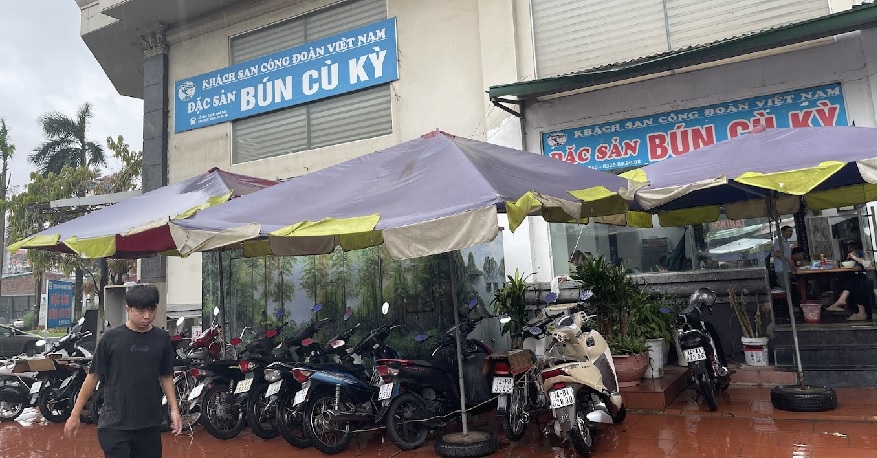
Cong Doan Bun Cu Ky
Restaurant Information:
- Address: No. 1, Group 5, Zone 9A, Ha Long, Quang Ninh, Vietnam
- Phone: +84 203 3844 740
- Opening hours: 5:00 AM – 1:30 PM daily
- Price: 50,000 – 100,000 VND/bowl (depending on the type).
Pros and Cons Comparison
| Pros | Cons |
|---|---|
|
|
Review
Despite receiving some negative feedback recently, Bun Cu Ky Cong Doan remains a well-known spot and a popular choice for enjoying “cu ky” (fiddler crab) noodle soup in Ha Long. The staff also demonstrate a receptive attitude toward customer feedback.
3. Bun Cu Ky Gia Truyen (Traditional Fiddler Crab Noodle Soup)
Unlike other shops, Bun Cu Ky Gia Truyen offers a distinct, signature flavor passed down through generations. The secret lies in the broth, simmered thoroughly from “cu ky” bones and combined with crab roe and secret spices, creating a sweet, rich, and unforgettable taste. The “cu ky” meat is fresh, firm, and meticulously cleaned and shelled, ensuring food safety and hygiene.
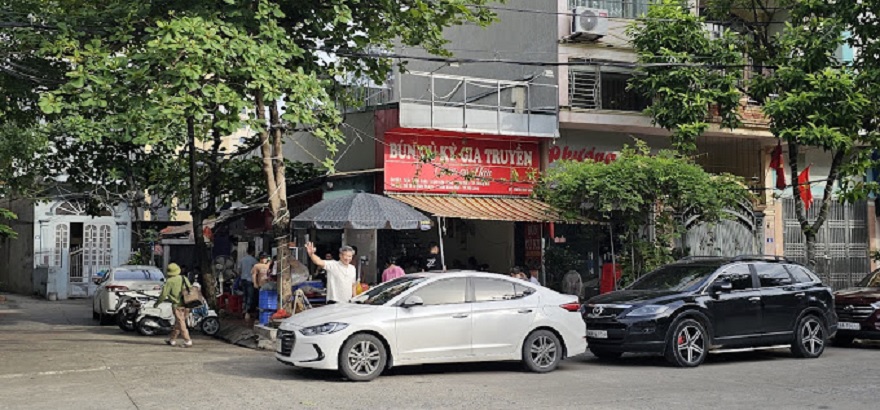
Traditional fiddler crab noodle soup
Additionally, the shop serves “banh da cu ky” (fiddler crab noodle soup with brown noodles) for those looking for a change. The chewy brown noodles blend perfectly with the savory broth and sweet “cu ky” meat, creating an equally enticing dish.
Shop Information:
- Address: No. 10, To Hien Thanh Street, Tran Hung Dao Ward, Ha Long City.
- Opening hours: 6:00 AM to 11:00 AM.
- Price: 50,000 – 100,000 VND/bowl (depending on the type).
Pros and Cons Comparison
| Pros | Cons |
|---|---|
|
|
Review
Bun Cu Ky Gia Truyen is a suitable choice for those looking to enjoy fiddler crab noodle soup in the Hon Gai area.
Fiddler Crab Noodle Soup – More Than Just a Dish, It’s a Ha Long Cultural Experience
Fiddler crab noodle soup has transcended the boundaries of a simple meal to become an inseparable part of the cultural and tourism experience in Ha Long. Enjoying a bowl of this noodle soup is not just about refueling; it is a way for travelers to gain a deeper appreciation for the land, its people, and the unique culinary values found here.
The appeal of fiddler crab noodle soup lies in an irresistible multi-sensory experience. From the moment the bowl is served, diners are captivated by the eye-catching colors: the deep red of the crab claws, the golden hue of the roe, and the vibrant green of scallions and herbs, all set against the ivory-white noodles and shimmering broth. Next comes the alluring aroma—a delicate blend of the sweet scent of seafood, the distinct richness of sautéed crab roe, and the subtle fragrance of fresh herbs. Finally, upon tasting, the palate is awakened by the rich sweetness of the broth, the firm and savory crab meat, the creamy roe, and the refreshing crunch of raw vegetables, balanced by a touch of acidity and spice from lime, chili, and pickled bamboo shoots. It all creates a perfect harmony that leaves diners “amazed, delighted,” and longing for more.
In the rich culinary “map” of Ha Long, where there is no shortage of enticing seafood noodle dishes like mantis shrimp noodles, prawn noodles, or assorted seafood noodles, “cu ky” (stone crab) noodle soup still asserts its own distinct position. Its uniqueness lies not only in the main ingredient—the stone crab with its characteristic flavor and texture—but also in the preparation of the broth, made from the crab bodies and the rich, unmistakable crab roe. These elements have helped stone crab noodle soup become a true “specialty” with a strong reputation, a dish worth seeking out and experiencing when visiting this mining land.
Beyond winning over local diners, stone crab noodle soup has now become a charming “culinary ambassador” for Quang Ninh, contributing significantly to attracting tourists. Many people come to Ha Long partly out of curiosity to taste this “unique and exotic” noodle dish. Images of bowls filled with delicious stone crab noodles frequently appear on social media, becoming a favorite check-in topic and spreading the dish’s fame even further. Many travelers, after tasting it, have not hesitated to share glowing reviews, confirming it as a “must-try” when visiting the heritage bay.
In particular, the appeal and status of stone crab noodle soup were strongly affirmed through large-scale culinary events aimed at honoring and elevating its value. A memorable milestone was the event establishing the record for the “Largest Bowl of Stone Crab Noodle Soup in Vietnam” on December 1, 2023. This event was organized by SeaLife Group right on the luxurious Sea Octopus cruise, amidst the majestic scenery of Ha Long Bay. To create this impressive culinary masterpiece, chefs used a massive amount of ingredients, including 50kg of fresh stone crab, 25kg of mantis shrimp, 12kg of prawns, and 90kg of noodles, along with various spices and herbs, all contained in a special bowl with a capacity of up to 180 liters.
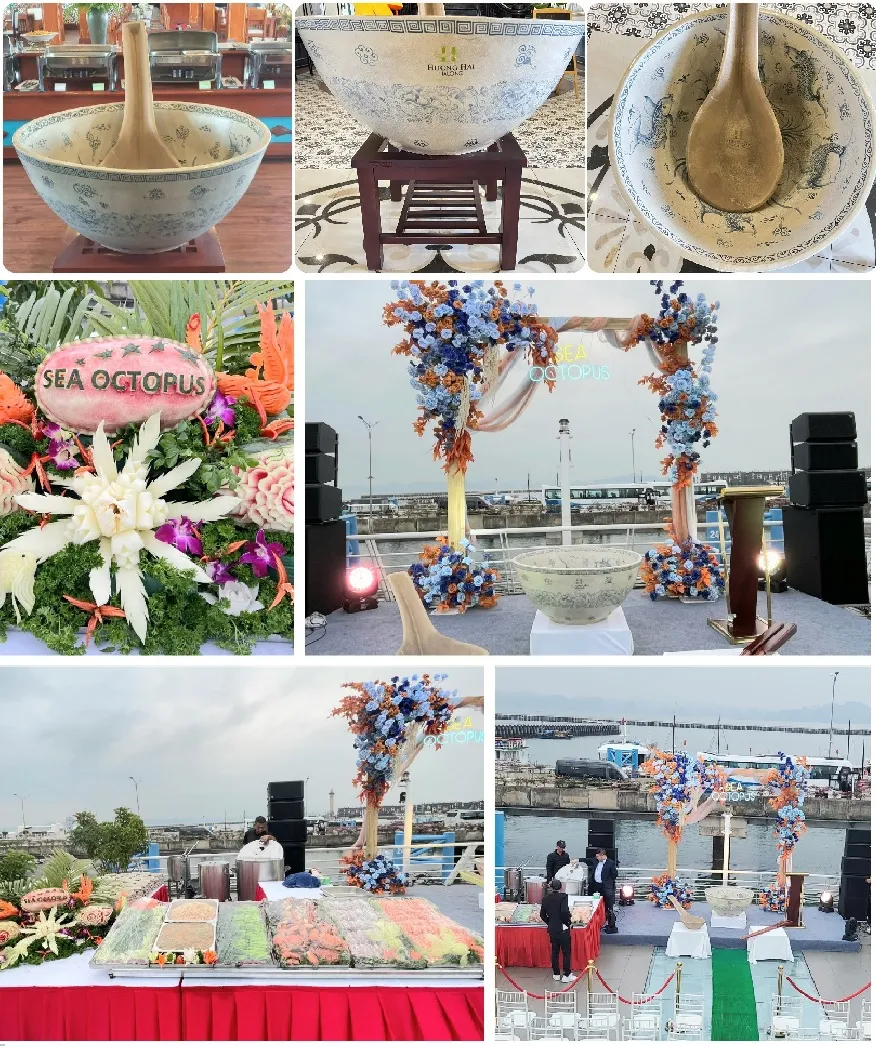
The bowl has a capacity of 180 liters, with a rim diameter of 100cm, a height of 44cm, and a base of 44cm.
This was not merely an impressive culinary performance to enter the Vietnam Record books, but it also carried a deeper significance. The event was a dedicated effort to “honor Vietnamese cuisine, especially the cuisine of Quang Ninh with the stone crab specialty,” while simultaneously “setting the stage for the Culinary Voyage orientation and upcoming Culinary Festivals” of the organizers. It reflects the vision of SeaLife Group with the slogan “SeaLife – Culinary Voyage in the Heart of Heritage,” aiming to bring authentic, high-standard local culinary experiences to guests right on their luxury cruises. Bringing stone crab noodle soup to such a prestigious stage not only elevates this specialty, placing it on par with luxurious dining experiences in the heart of a natural wonder, but also confirms that stone crab noodle soup is more than just a filling meal; it is a source of pride and a vivid, compelling culinary story of the Ha Long region.
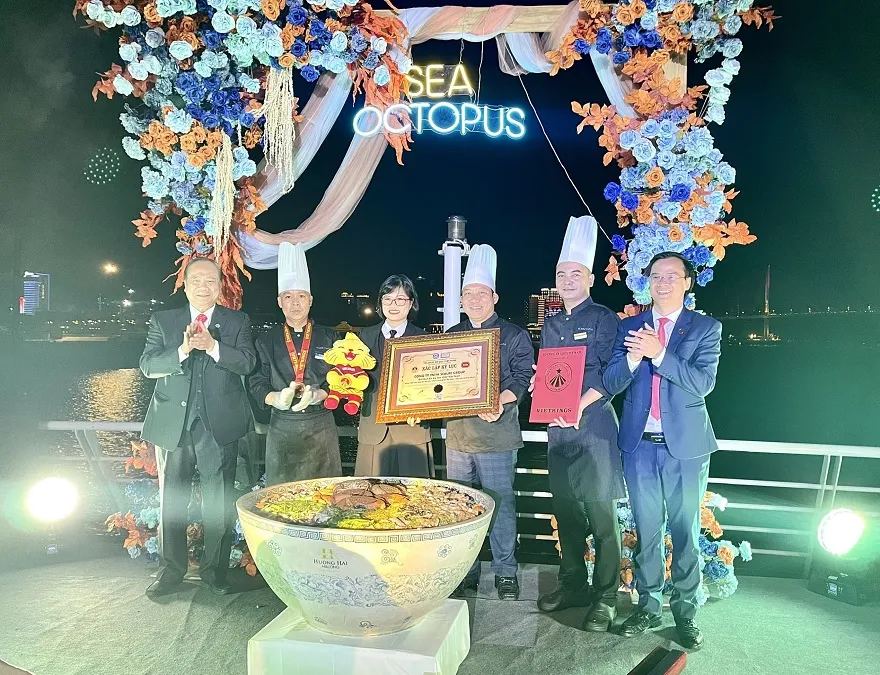
The record-recognition ceremony for SEALIFE GROUP featured the participation of Dr. Tran Ngoc Tang – Vice President of the Vietnam Record Association (far left) and Mr. Hoang Thai Tuan Anh – General Secretary of the Indochina Record Organization and Chief Representative of the Vietnam Record Organization in the North (far right).