Located at 28 Vo Van Tan Street, Vo Thi Sau Ward, District 3, the War Remnants Museum holds a singular position in the heart of Vietnam’s southern metropolis—a place where historical currents and modern urban energy merge into a distinct cultural entity. In terms of urban geography, the museum sits at the intersection of major thoroughfares bearing the hallmark of French colonial city planning, later shaped by the turbulent upheavals of the twentieth century under the Republic of Vietnam. Though not perched atop majestic mountain ranges or along a fabled river steeped in traditional feng shui lore, the museum’s site carries profound historical significance: it stands on the former grounds of the United States Information Service (USIS) prior to 1975, a nerve center for psychological warfare and strategic information. Its transformation from a foreign wartime propaganda agency into a national cultural institution preserving the memory of peace represents a powerful geopolitical and cultural reversal, turning a former epicenter of conflict into a global symbol of aspiration for independence, freedom, and reconciliation.
The original name and naming evolution of this institution reflect a tumultuous chapter in the nation’s chronicle as it sought to close a painful past and look toward the future. Established less than four months after the liberation of the South and national reunification, the museum’s predecessor officially opened to visitors on September 4, 1975, under the name “Exhibition House for US and Puppet Crimes.” Across key historical milestones—and in keeping with a vision of international integration that harmonizes national memory with progressive global values—it was subsequently renamed the “Exhibition House for Crimes of War and Aggression” (1990) before officially becoming the “War Remnants Museum” in July 1995. These changes in title did not diminish its historical essence; on the contrary, they elevated the site from a local display of war evidence into an internationally recognized memory institution, officially joining the International Council of Museums (ICOM) and UNESCO’s International Network of Museums for Peace.
From the perspective of cultural anthropology and heritage studies, the museum is not tied to mythical nation-founding figures or distant feudal dynasties, but was forged through the sweat, blood, and resilience of an entire nation in the modern era. It safeguards priceless heritage of collective memory and has been honored by reputable domestic and international media as one of the most compelling and deeply moving museums in the world. The museum’s architectural space stages a silent yet powerful dialogue between past and present: from the outdoor exhibition yard featuring artillery pieces, aircraft, and tanks—”iron witnesses” of war—to the thematic indoor galleries vividly portraying the devastating toll of Agent Orange, unexploded ordnance, and the global anti-war movement. Viewed through a scholarly lens, this landmark serves not only as an educational space for younger generations, but also as a steadfast spiritual bastion where humanity comes to grasp the sacred value of peace.
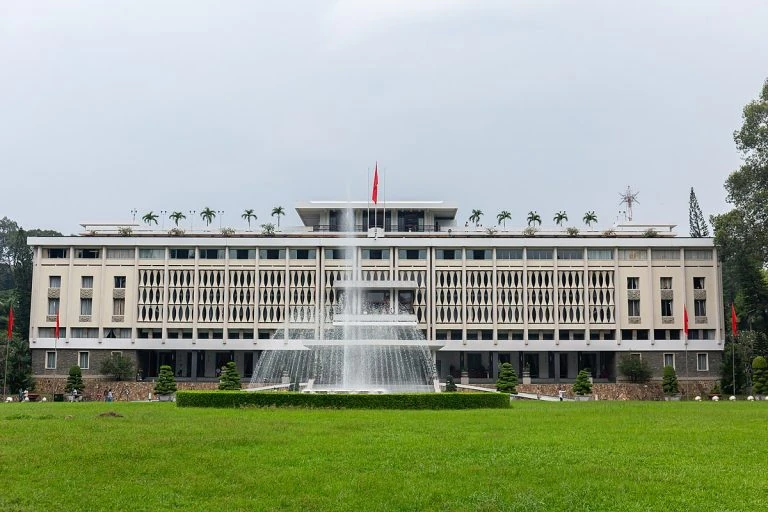
From an architectural and spatial planning standpoint, the War Remnants Museum (Ho Chi Minh City) is a striking open-air sculptural and installation complex where a painful past and an aspiration for peace intertwine through every design element. The main building harmoniously blends modern structural lines with infrastructure inherited from an earlier era, creating an imposing, solid, yet deeply solemn presence. Upon entering this space, visitors immediately sense a profound spatial transformation: a former wartime strategic information hub completely reborn as a world-class cultural institution offering multifaceted perspectives on history.
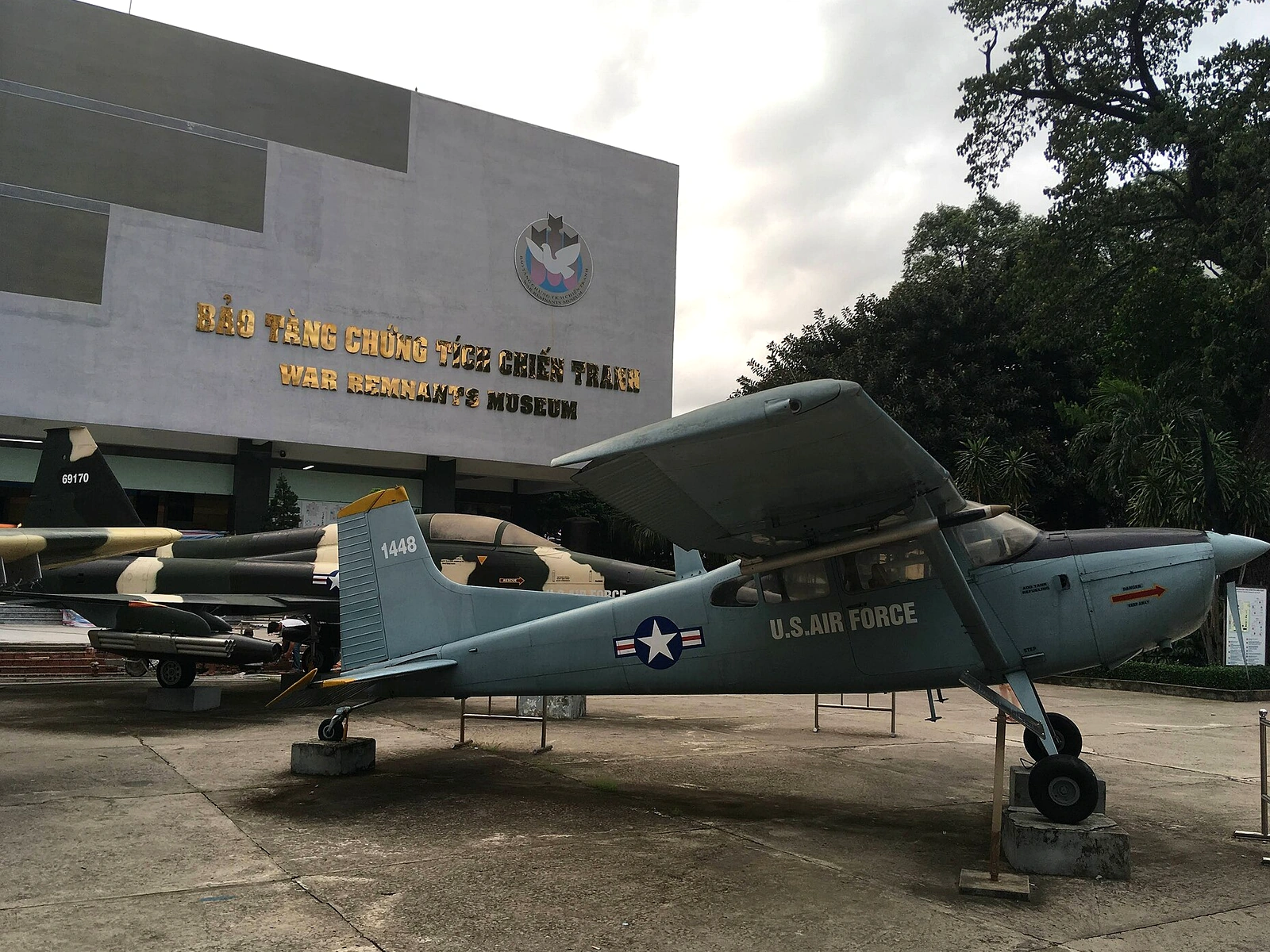
The museum’s exterior grounds captivate visitors with a thoughtful interplay between lush greenery and large-scale military artifacts. Verdant lawns shaded year-round by towering mature trees create pockets of quiet tranquility that stand in deliberate contrast to the fighter jets, tanks, artillery pieces, and the reconstructed Con Dao “tiger cages” on display. The juxtaposition of thriving nature and cold metal relics generates a poignant atmosphere that awakens every sense. Its square, open layout right in the center of bustling District 3 preserves an essential stillness, turning the museum into a space for deep contemplation amid the vibrant southern metropolis.
For photographers and the travel community, the museum offers highly symbolic vantage points that are both cinematic in composition and rich in historical depth. The first standout photo spot is the outdoor artifact yard, where your lens can frame towering military aircraft beneath lush green foliage, capturing a striking contrast between the destruction of war and the enduring vitality of nature and peace. The second spot lies in the central courtyard looking up toward the upper levels of the main building, where muted, somber walls meet natural shafts of light to create frames that feel both classic and contemporary. The ideal lighting for capturing these artistic moments is early in the morning (from 8:00 AM to 10:00 AM), when soft golden sunlight filters through the leaves, or in the late afternoon (from 4:00 PM onward), as dusk settles and bathes the grounds in a nostalgic, deeply evocative glow.
To ensure a meaningful and rewarding visit to the War Remnants Museum, travelers should keep in mind practical operating details as well as proper etiquette within this special heritage space. The museum welcomes visitors every day of the week, including weekends and public holidays, with fixed opening hours from 7:30 AM to 5:30 PM. Planning your visit for early morning or early afternoon is ideal for avoiding crowds, allowing for a quieter atmosphere in which to reflect deeply on the historical exhibits.
Regarding admission fees, standard tickets are publicly listed at the entrance at 40,000 VND per visitor. Priority groups—including children, students, senior citizens, and policy beneficiaries—are eligible for discounted or complimentary admission in accordance with current state regulations. Visitors should carry cash or a suitable digital payment method for a quick and convenient ticket purchase.
In terms of getting there, situated at 28 Vo Van Tan Street in District 3, the museum enjoys a prime central location that is very easy to reach. Those traveling by private motorbike or car will find convenient parking areas located right on the museum grounds or nearby. For visitors using public transit, several city bus routes run along major arteries such as Cach Mang Thang Tam and Vo Van Tan, making connections from other tourist attractions straightforward. Ride-hailing apps are also an effortless option if you are unfamiliar with the city streets.
Because this is a site dedicated to remembrance and historical education, choosing appropriate attire is an important way to show respect for war victims and the exhibition space. Visitors should opt for neat, modest clothing and avoid overly short or revealing outfits. While the museum does not enforce strict dress codes like religious temples, dressing respectfully helps you attune to the solemn atmosphere. In addition, since much of the tour includes outdoor exhibits featuring large military hardware, comfortable footwear is recommended for walking easily between buildings.
The best time to visit the museum is on dry days. Although the primary galleries are indoors, exploring the outdoor exhibits is far easier and more enjoyable when avoiding heavy rain. Finally, please remember to keep voices low, refrain from touching the artifacts on display, and strictly observe all security and fire safety regulations. Arriving well-prepared in both mindset and practical knowledge will turn your journey into historical memory here into a deeply moving cultural experience that helps carry the message of peace to the wider community and humanity.
To enjoy a seamless getaway and experience the full depth of the War Remnants Museum without worrying about arranging transportation, booking tickets, or planning itineraries, travelers can choose VDS Travel’s premium all-inclusive Ho Chi Minh City tour packages. Each itinerary is thoughtfully timed so you arrive at top photo spots when the lighting and scenery are at their best, accompanied by knowledgeable local guides and top-tier hotel and dining standards.