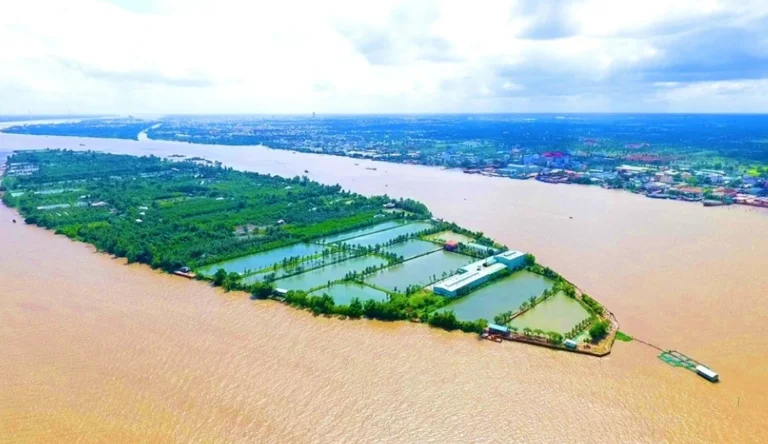
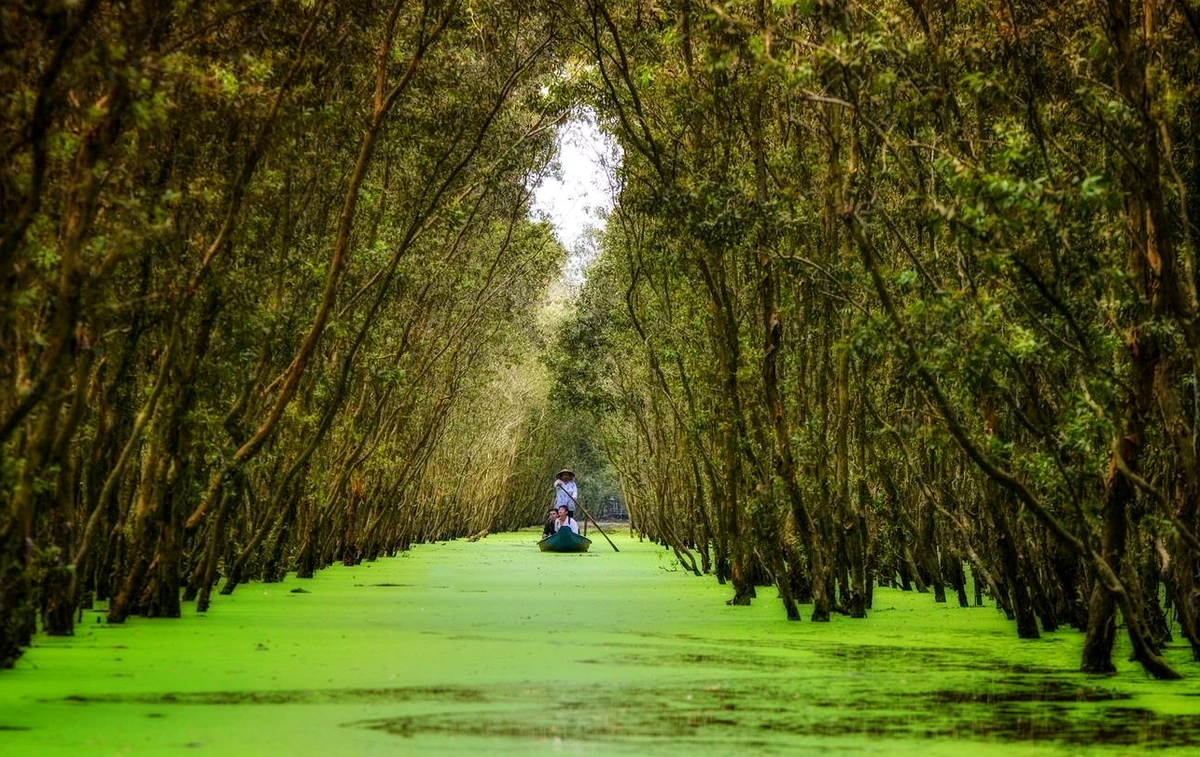
Since the early days when southern Vietnam was still defined by rustic, serene cajeput belts and newly formed alluvial islets, the gentle Hau River has nurtured one of the most fertile regions in the Mekong Delta. Located in Binh Thuy Ward, Binh Thuy District, Can Tho City, the Binh Thuy Ancient House stands as a living architectural landmark, preserving the sacred riverine spirit and the distinctive cultural intersection of a turbulent historical era. In terms of geographical coordinates and feng shui terrain, the mansion occupies a rare prime location where the vital energies of water and fortune converge. According to traditional belief, its “crouching dragon, bowing tiger” layout alongside the winding Binh Thuy River—which gracefully embraces the estate—not only brings abundant vitality and economic prosperity but also shields the owners within a peaceful sanctuary that has endured the test of time. Dating back to the 19th century, in the 23rd year of Emperor Tu Duc’s reign (the Canh Ngo year, 1870), this land belonged to Binh Thuy Village, Dinh Thoi General District, Vinh Dinh District, Tinh Dinh Prefecture (formerly part of An Giang Province). It marks the resilient pioneering reclamation footsteps of the Duong family, led by Mr. Duong Van Nga. Initially, the estate was simply a large wooden house with yin-yang tiled roofs in traditional Southern Vietnamese style, reflecting the rustic yet sturdy character of early settlers. Between 1904 and 1908, under the vision and refined taste of the eldest son—village official Duong Chan Vo (widely known as the wealthy landlord Duong)—the house underwent a comprehensive restoration. The mansion officially took on its extraordinarily unique East-West Indochinese architectural fusion, completed in the Tan Hoi year (1911) during the reign of Emperor Duy Tan. The exquisite blend of masterful Vietnamese woodcarving and Western Renaissance architecture transformed the residence into a symbol of prosperity and cultural sophistication. Beyond its historical and architectural significance, the Binh Thuy Ancient House is also woven into rich local folklore surrounding the origins of the river’s and the region’s name. Legend has it that during the early pioneering days, when King Gia Long’s fleet—or passing travelers—navigated these waterways and encountered calm currents and gentle waters, the crystal-clear, winding stream brought an extraordinary sense of peace; thus, the name “Binh Thuy” (Peaceful Waters) was born as an expression of hope for tranquility and prosperity. Through the upheavals of war and the passage of time, successive generations of the Duong family—notably Mr. Duong Van Khong—have steadfastly preserved the heritage in its original state, resisting all material temptations to safeguard an invaluable historical witness for future generations. Today, documented by journalists and celebrated by cultural researchers, the Binh Thuy Ancient House is hailed as a living museum of colonial-era southern aristocratic life. Every wooden beam, French-imported tile, and sturdy ironwood pillar whispers stories of a golden trading era, where the land and people of the south embraced outside influences while upholding traditional discipline and the ancestral principle of “remembering the source when drinking the water.”
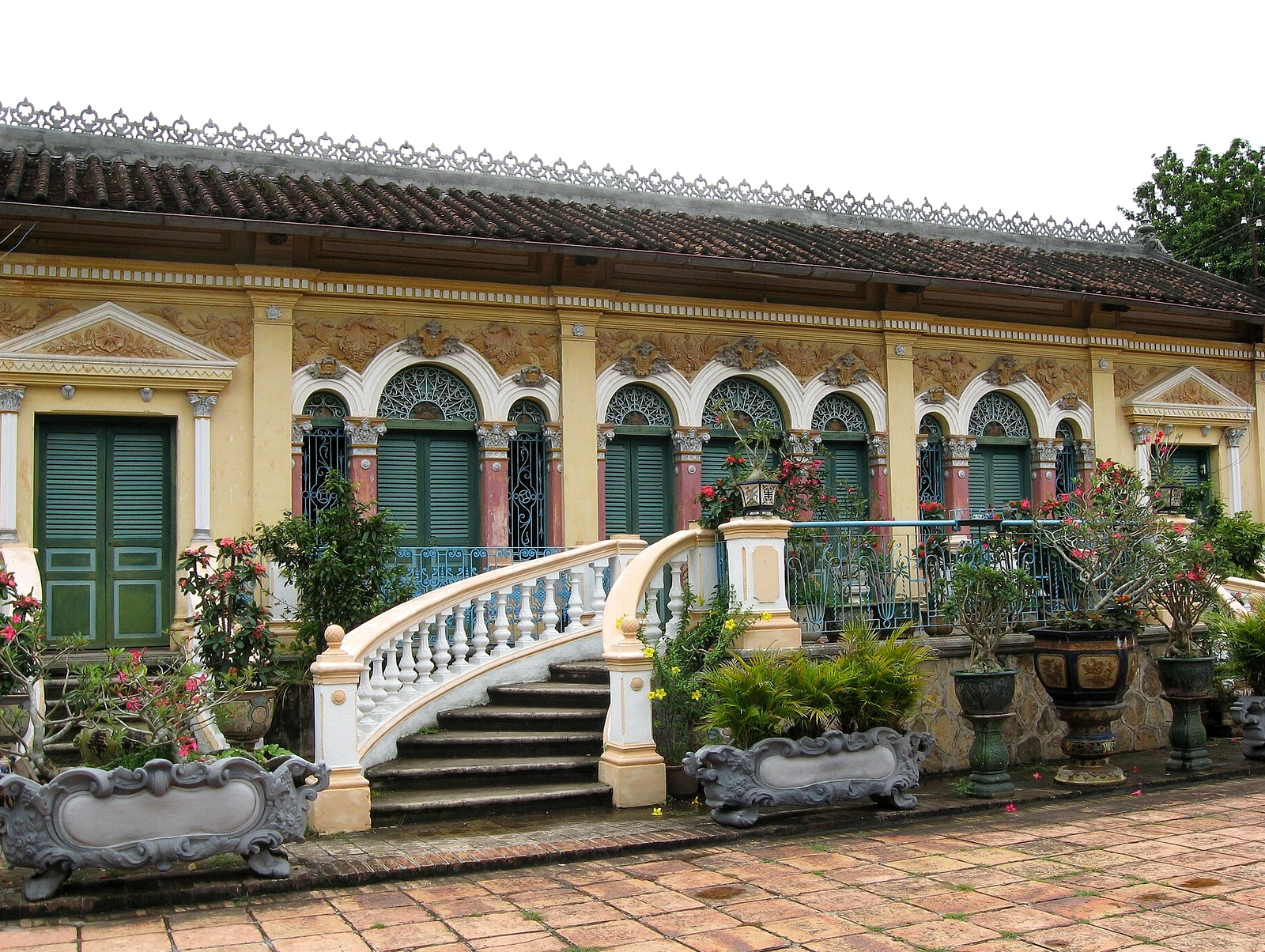
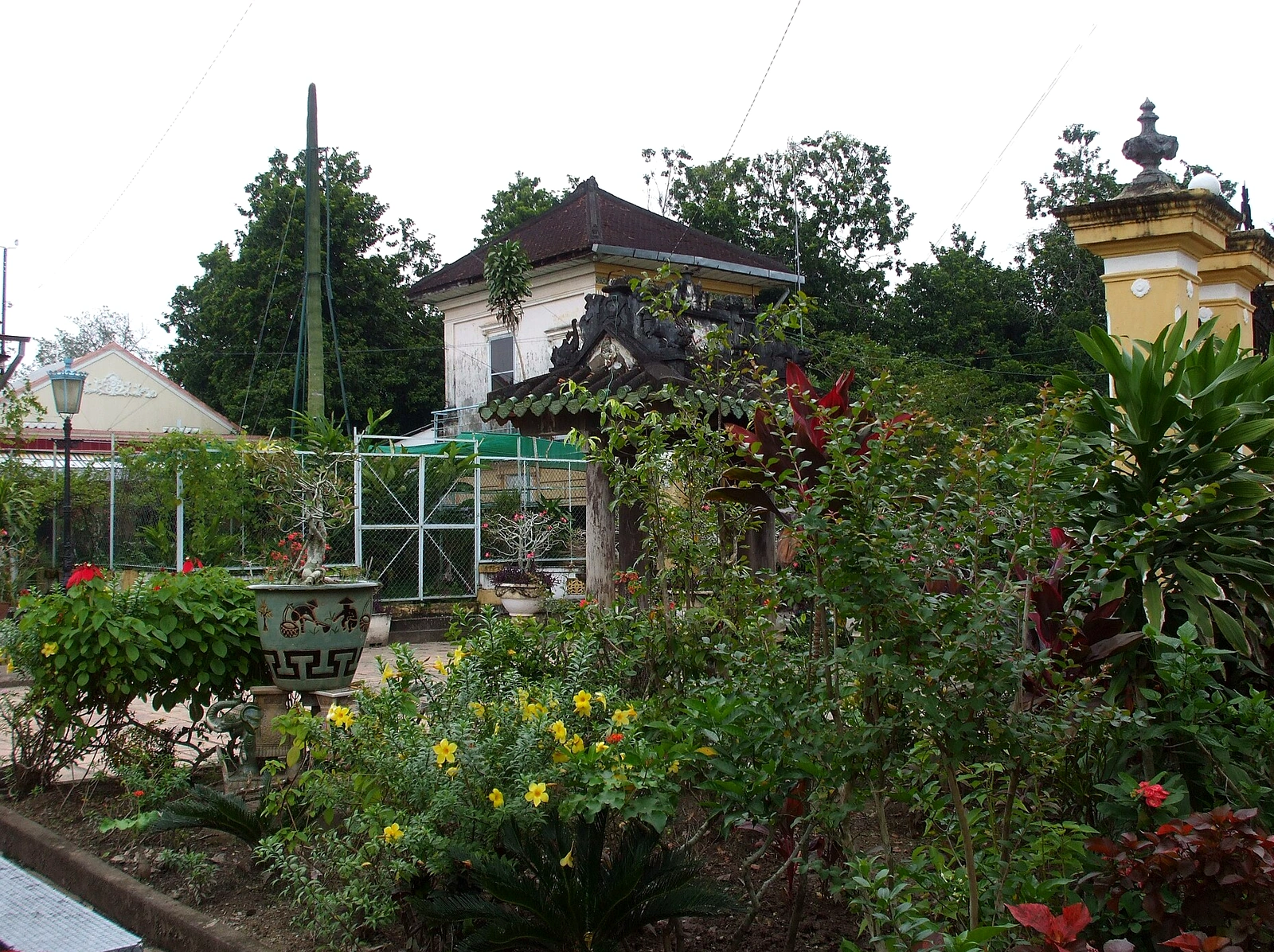
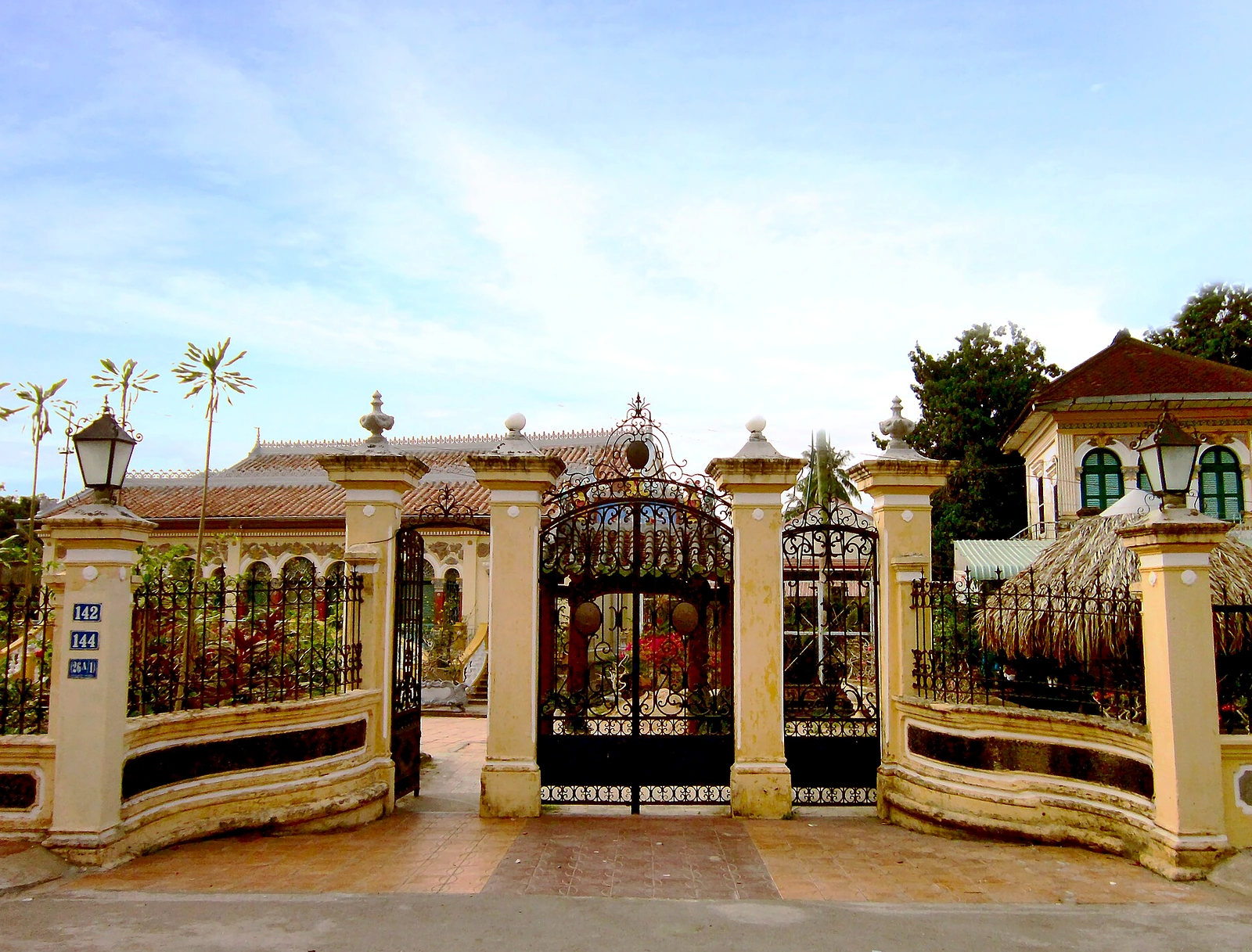
The Binh Thuy Ancient House rises majestically amid the riverine landscape of the Mekong Delta as a vivid testament to the pinnacle of East-West architectural fusion in the late 19th and early 20th centuries. Positioned on an exceptionally auspicious plot according to traditional feng shui principles, the mansion faces northeast, directly welcoming the gentle, winding Binh Thuy River to invite abundant positive energy and lasting prosperity into the home. Stepping through the reinforced concrete triple-arched gate embossed with classical French-inspired motifs, visitors are immediately greeted by a spacious garden courtyard bursting with the vibrant colors of southern fruit trees and dozens of rare ornamental orchids blooming year-round, creating a tranquil green oasis completely removed from the bustle of the modern city.
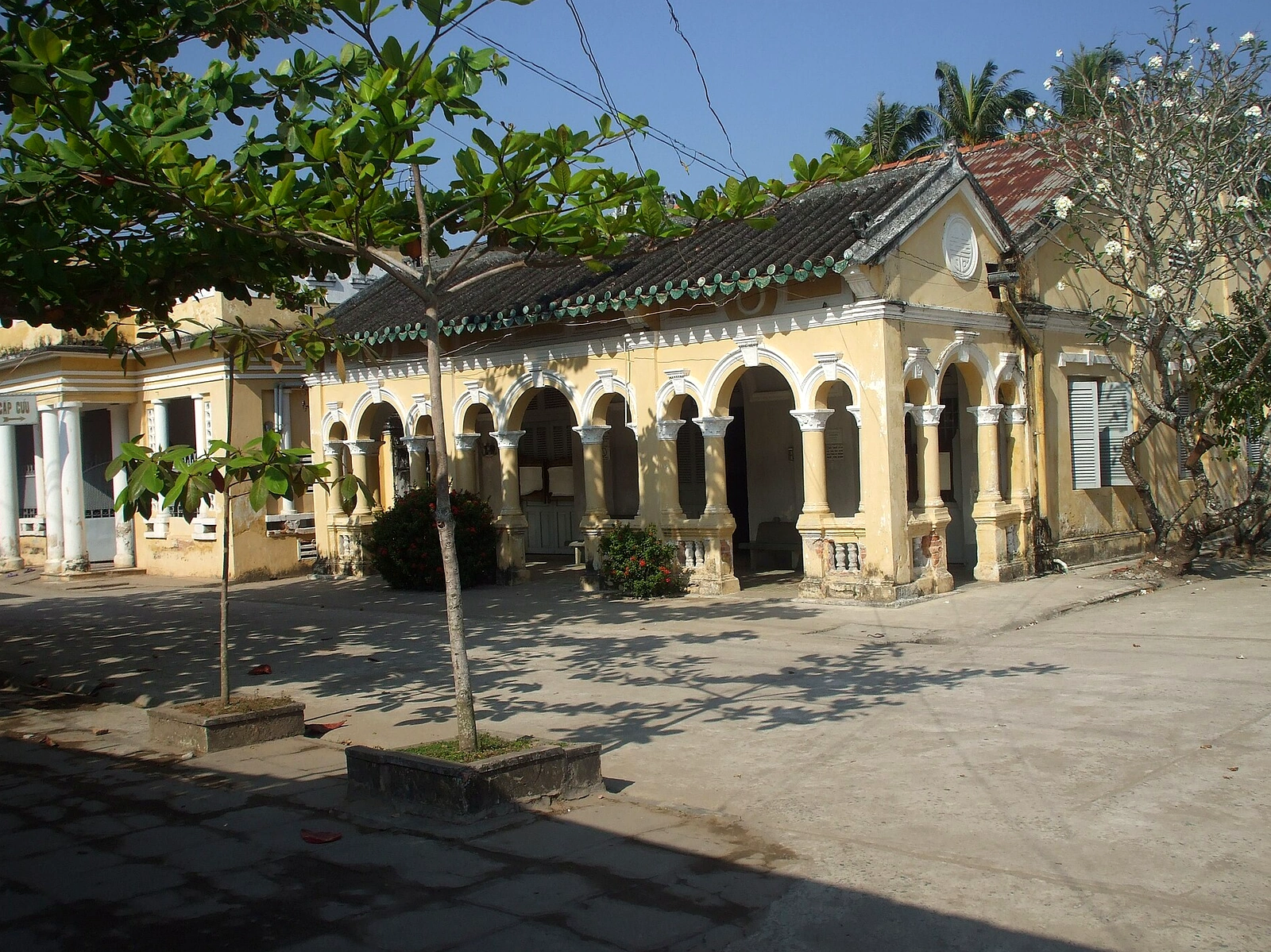
Overall, the structure is a remarkably harmonious and distinctive masterpiece of East-West Indochinese architecture. While the exterior facade commands attention with European Renaissance-style columns, gracefully arched doorways, and ornate floral and bird reliefs steeped in French flair, stepping inside reveals an interior deeply rooted in traditional Vietnamese identity. The house follows a classic Southern five-bay, two-lean-to layout supported by dozens of massive, monolithic ironwood (lim) and Burmese padauk (cam xe) pillars intricately carved down to the finest detail. The artistry of woodcarving reaches extraordinary sophistication here, showcasing timeless motifs such as the Four Noble Plants (plum, orchid, chrysanthemum, and bamboo) and the Four Sacred Beasts (dragon, unicorn, turtle, and phoenix), brought to life across horizontal lacquered boards, paneled doors, and gilded wooden partitions that shimmer under warm golden light.
To capture the most stunning shots at this historic landmark, seasoned travel photographers and journalists recommend two “million-view” angles not to be missed. The first angle is the front veranda and main facade area, where Roman-style columns meet intricately carved Asian wooden panel doors; the ideal time to shoot here is in the morning between 8:00 AM and 10:00 AM, when early sunlight filters diagonally through the tree canopy, casting warm golden rays across the antique encaustic tiles and wall reliefs. The second is the garden courtyard framed with the watchtower and moss-covered stone pathways flanking both sides of the house; late afternoon (from 4:30 PM to 5:30 PM) bathes the grounds in soft golden light, lending a nostalgic, atmospheric depth to the entire century-old architectural ensemble.
Stepping across the moss-covered threshold of the Binh Thuy Ancient House, travelers feel as though they have entered a time capsule, leaving behind the pace of the modern city to immerse themselves in a quiet, nostalgic world. From the very first moment inside the century-old mansion, a sense of awe washes over the senses before this exquisitely balanced East-West architectural masterpiece. Under the warm golden sunlight of the Mekong Delta, every intricate carving on precious timber, the sturdy beam framework, and the soft, colorful glow filtering through French stained-glass windows spark deep fascination. Lingering in the air is the faint aroma of incense mingled with the breath of history, naturally slowing every footstep into a quiet reverence for the priceless cultural heritage the Duong family has safeguarded across centuries.
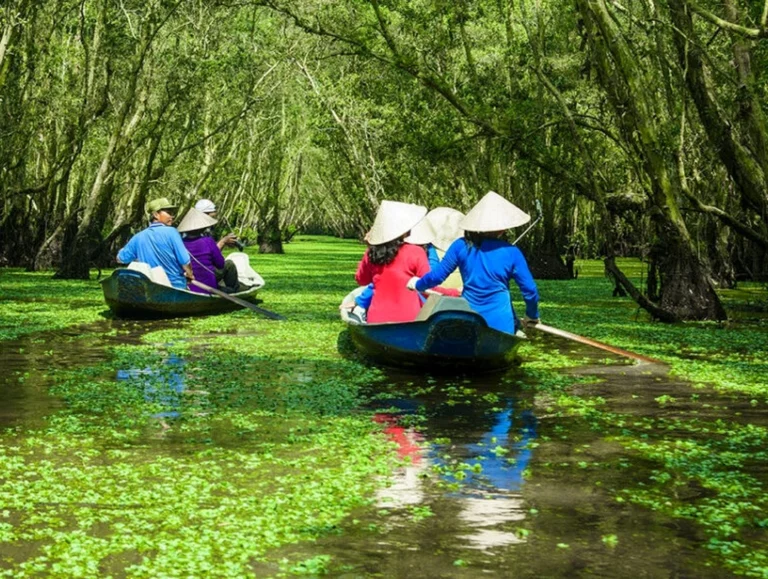
Stepping out from the serene interior of the mansion, exploring the wider Binh Thuy area unfolds a wealth of vibrant, culturally immersive experiences. Visitors can hop aboard a traditional wooden boat gliding gently along the Binh Thuy canal, taking in the authentic rhythm of Southern river life framed by lush green nipa palms shading both banks. Drifting over gentle ripples while breathing in the fresh scent of fertile river silt offers pure relaxation. Equally enriching is a visit to the neighboring ancient communal temples and longstanding spiritual sites, offering deeper insight into the rich religious traditions of the early pioneers who settled and protected this southern frontier from its earliest days.
No journey to Binh Thuy would be complete without savoring the signature local delicacies that have captivated generations of travelers. Right within the lush orchard surroundings near the site, visitors can enjoy rustic yet celebrated Can Tho specialties such as crispy Vietnamese savory pancakes (banh xeo) wrapped in fresh wild herbs, rich and aromatic fermented fish hotpot (lau mam), and sun-ripened tropical fruits picked straight from the garden. The velvety richness of coconut milk paired with the fragrant freshness of local herbs creates an unforgettable culinary symphony. By the end of the visit, the Binh Thuy Ancient House proves to be far more than a visually captivating landmark—it leaves a lasting resonance in every traveler’s heart, honoring a golden era of memory where living local heritage continues to flow timelessly forward.
The Binh Thuy Ancient House is not only a grand architectural gem of Can Tho—the “Capital of the Western Region”—but also an essential stop on any cultural journey through the Mekong Delta. To ensure a seamless and rewarding visit, knowing a few practical details regarding opening hours, admission fees, and transportation is key.
As for operating hours, the heritage site welcomes visitors every day of the week, including public holidays and Tet (Lunar New Year). Visiting hours typically run in the morning from around 7:30 AM to 11:30 AM, and reopen in the afternoon from 1:30 PM to 5:00 PM daily. Planning your schedule accordingly ensures plenty of time to admire the intricate woodwork and details inside the mansion without feeling rushed.
Current admission fees are very modest and accessible for all travelers. Standard tickets are priced affordably—typically just a few tens of thousands of Vietnamese dong per adult—making it easy for anyone to experience this cultural treasure. All proceeds go directly toward maintaining, restoring, and preserving both the architectural structure and the Duong family’s priceless collection of antiques passed down through generations.
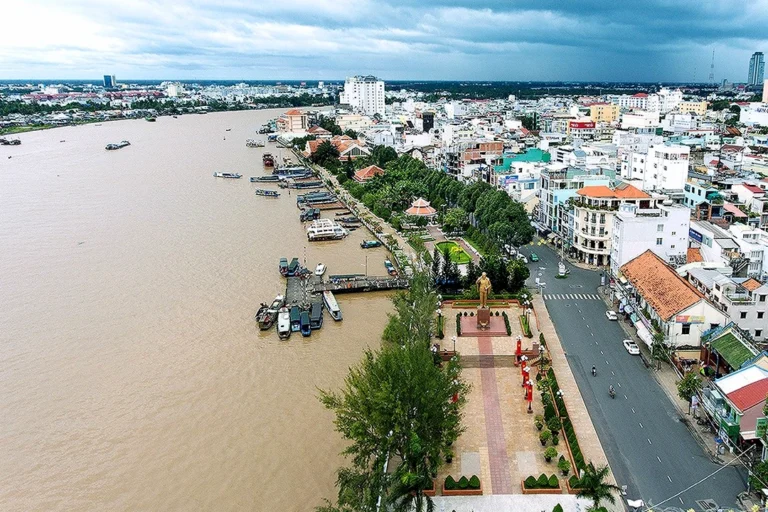
Getting to the Binh Thuy Ancient House from downtown Can Tho (around Ninh Kieu Wharf) is straightforward and convenient. Located just 6 to 8 kilometers away, the site can be reached via several transport options depending on your preference. Traveling by car or taxi takes roughly 15 to 20 minutes along Cach Mang Thang Tam Street heading toward Binh Thuy District. For those who enjoy the freedom of exploring at their own pace, renting a motorbike and riding along the national highway or Vo Van Kiet Boulevard makes for an enjoyable scenic ride. Situated right on Bui Huu Nghia Street in Binh Thuy Ward, the mansion is easy to pinpoint on any digital map app.
The best time of year to visit the Binh Thuy Ancient House is during Southern Vietnam’s dry season, which runs from December through April. During these months, dry skies and crisp sunshine bring out the timeless charm of the yin-yang tiled roof and moss-draped walls while offering ideal lighting for outdoor photography.
Finally, when entering a solemn space steeped in family tradition and ancestral reverence, visitors are encouraged to dress modestly and respectfully in accordance with local customs. Because the mansion is a rare historic wooden structure, guests should also strictly observe preservation rules—avoiding touching antique artifacts, keeping the grounds clean, and speaking softly—to help protect its heritage value for generations to come.
To enjoy a seamless getaway and fully appreciate the beauty of the Binh Thuy Ancient House without the hassle of arranging transportation, admission tickets, or transfer schedules, travelers can opt for all-inclusive Can Tho tour packages from VDS Travel. Each itinerary is thoughtfully timed for the best lighting and scenery, led by knowledgeable local guides and paired with top-tier hotel and dining standards.