Located at the strategic confluence where the Can Tho River meets the surging waters of the Hau River, Ninh Kieu Wharf has long stood as an unmatched landmark of feng shui geomancy and riverine trade across the entire Southern Mekong Delta. Centuries ago, when the southern frontier still retained the untamed beauty of the pre-reclamation era in the 17th and 18th centuries, this area was simply a natural river junction—a stopover for merchant fleets plying the waterways and Nguyen Dynasty soldiers on patrol. Viewed through the lens of historical geography and classic chronicles such as Trinh Hoai Duc’s Gia Dinh Thanh Thong Chi (Gazetteer of Gia Dinh Citadel), this terrain is defined by the auspicious “dragon crouching, tiger kneeling” formation, where converging currents deposit fertile silt to shape a vast, open expanse facing the rolling Mekong. Over the passage of time, this once-rustic landing has transformed into the beating heart connecting the economic, cultural, and spiritual pulse of Southwestern Vietnam.
Through the vicissitudes of the Nguyen Dynasty under the reigns of Emperors Minh Mang and Tu Duc, the site was officially recorded on imperial cadastral maps as Thu Ngu Wharf—housing a customs post and vital waterway defense station under the Can Tho garrison. When the French colonial administration was established in 1876, the waterfront took on a new identity as Quai de Commerce (Commercial Wharf), emerging as the busiest trading port in western Cochinchina, bustling with vessels shipping rice and forest products across the six southern provinces and to international markets. Yet the profound soul of this heritage lies in the origin of the name “Ninh Kieu,” coined in the early 20th century. Born from the nostalgic sentiment of patriotic intellectuals and literati of Tay Do—who drew upon poetic allusions or were inspired by the picturesque scenery at the river junction—the name Ninh Kieu was officially documented and established in the 1950s, erasing foreign imprints to proudly affirm a purely Vietnamese identity.
Far more than a historical witness of remarkable geological and hydrological significance, Ninh Kieu Wharf is also celebrated as a gathering place of heroic spirit and southern literary brilliance. Throughout the eras of land reclamation and national defense, this waterway served as a vital artery for resistance movements, closely tied to the indomitable legacy of Thu Khoa Huan and southern insurgents between 1860 and 1875. Notably, it also preserves the mark of the eminent scholar and poet Bui Huu Nghia—an upright mandarin of towering integrity amidst a turbulent officialdom. The quiet yet powerful presence of these historical figures has enriched the wharf with deep layers of cultural heritage.
Today, in the eyes of heritage authorities and the press alike, Ninh Kieu Wharf is honored as an iconic heritage tourism destination—a living cultural space where a glorious past blends seamlessly with modern life. This landmark is not merely a stop for travelers, but a spiritual wellspring safeguarding the sacred essence of Tay Do’s rivers, land, and people across the ages.
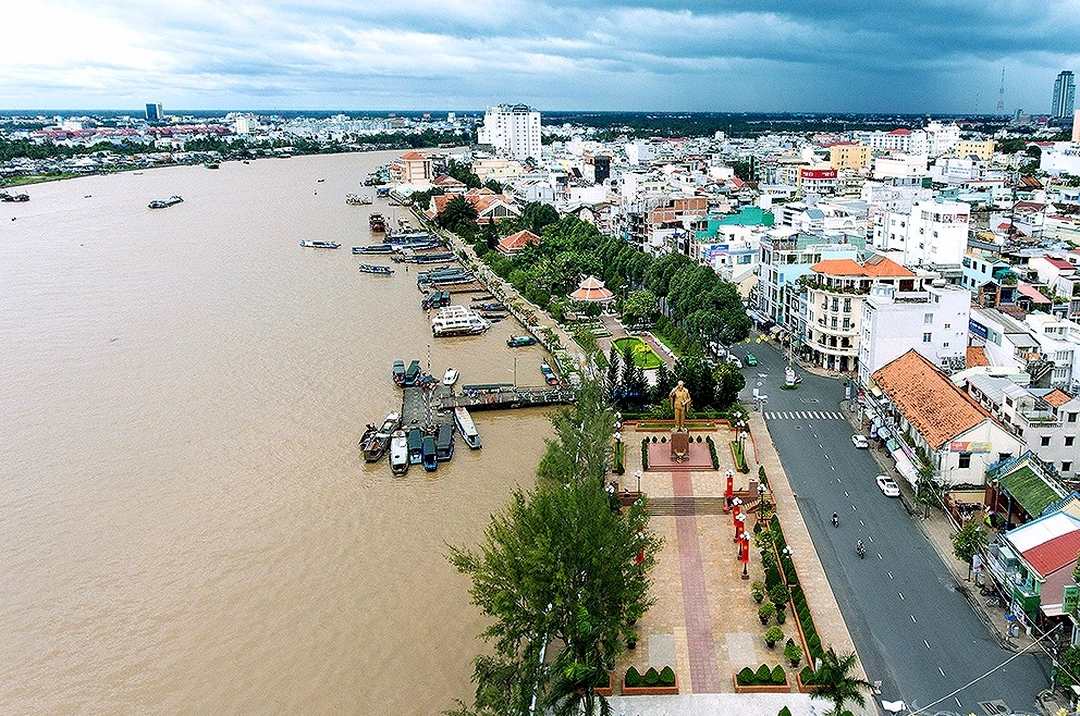
Having weathered the tides of history, Ninh Kieu Wharf has reinvented itself as an urban waterfront masterpiece where breathtaking natural scenery meets contemporary architectural finesse. Occupying a prime location at the confluence of the gentle Hau River and the silt-laden Can Tho River, the wharf commands a highly auspicious “water-gathering, fortune-gathering” terrain according to Eastern feng shui. Seen from above, Ninh Kieu opens into a sweeping, boundless expanse with mirror-smooth waters reflecting the windswept skies of Tay Do. Along the graceful curving embankment hugging the riverbend, the landscape is thoughtfully designed with lush rows of trees, manicured lawns, and flowerbeds blooming year-round, forming a soft ribbon of green in the heart of the bustling city.
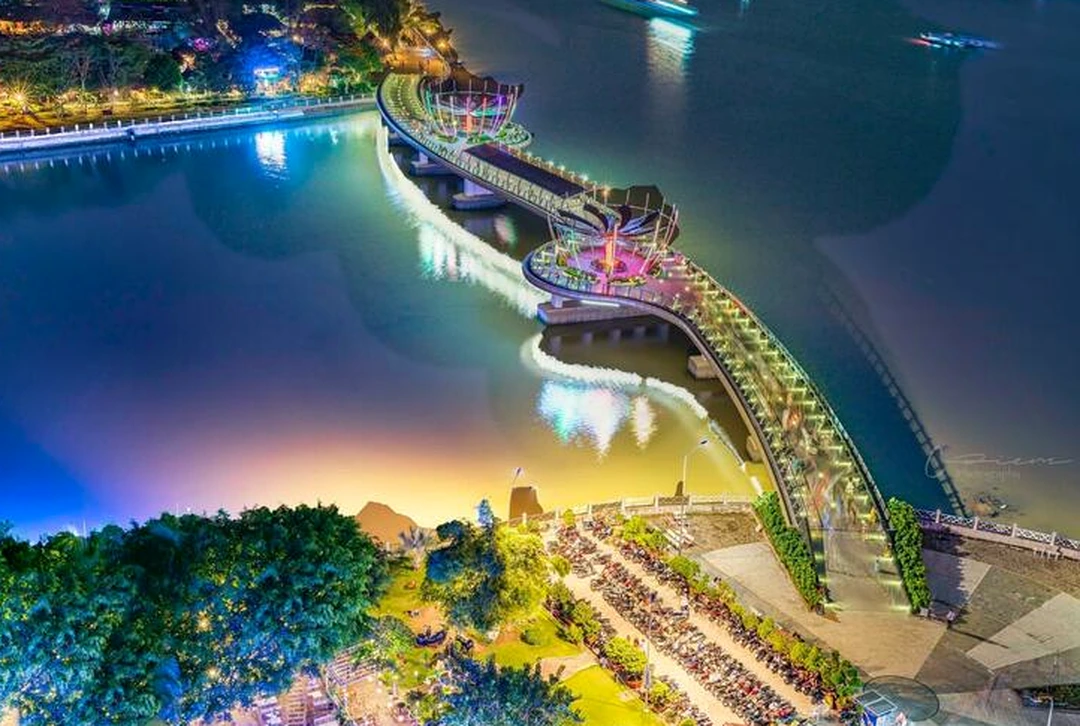
The architectural centerpiece that defines Ninh Kieu Wharf’s signature charm is the Ninh Kieu Pedestrian Bridge—an artistic S-shaped cable-stayed bridge arching gracefully across the Khai Luong Canal. At night, the bridge comes alive in a dazzling display of color-changing LED lights, creating a striking visual landmark that harmoniously bridges a heroic past with a dynamic, forward-looking present. Right at the wharf’s central plaza, a towering, majestic bronze statue of President Ho Chi Minh gazes out over the Hau River, lending an air of solemnity and reverence to this heritage space. The refined interplay of landscape sculpture, artistic fountains, and surrounding open-air architecture turns the area into an open-air museum that captures both the modern pulse of a southern metropolis and the authentic soul of the Mekong orchard heartland.
To capture those show-stopping, “million-view” frames coveted by enthusiasts, professional photographers and travel journalists often share two prized vantage points. The first is right at the center span of the Ninh Kieu Pedestrian Bridge at sunset (from 5:00 PM to 6:00 PM). As the blazing crimson sun blends with hues of orange and violet before dipping beyond the far bank of the Hau River, it creates a dramatic backdrop framing the bustling riverboats and the first twinkling lights of evening. The second spot is from high-rise rooftop cafes overlooking the river confluence or near the base of the monument at dawn (from 5:30 AM to 6:00 AM). At this hour, delicate wisps of morning mist linger over the water while gentle rays of sunrise filter through weeping willows, yielding poetic, tranquil, and deeply evocative photographs of a warm-hearted, lyrical Mekong Delta.
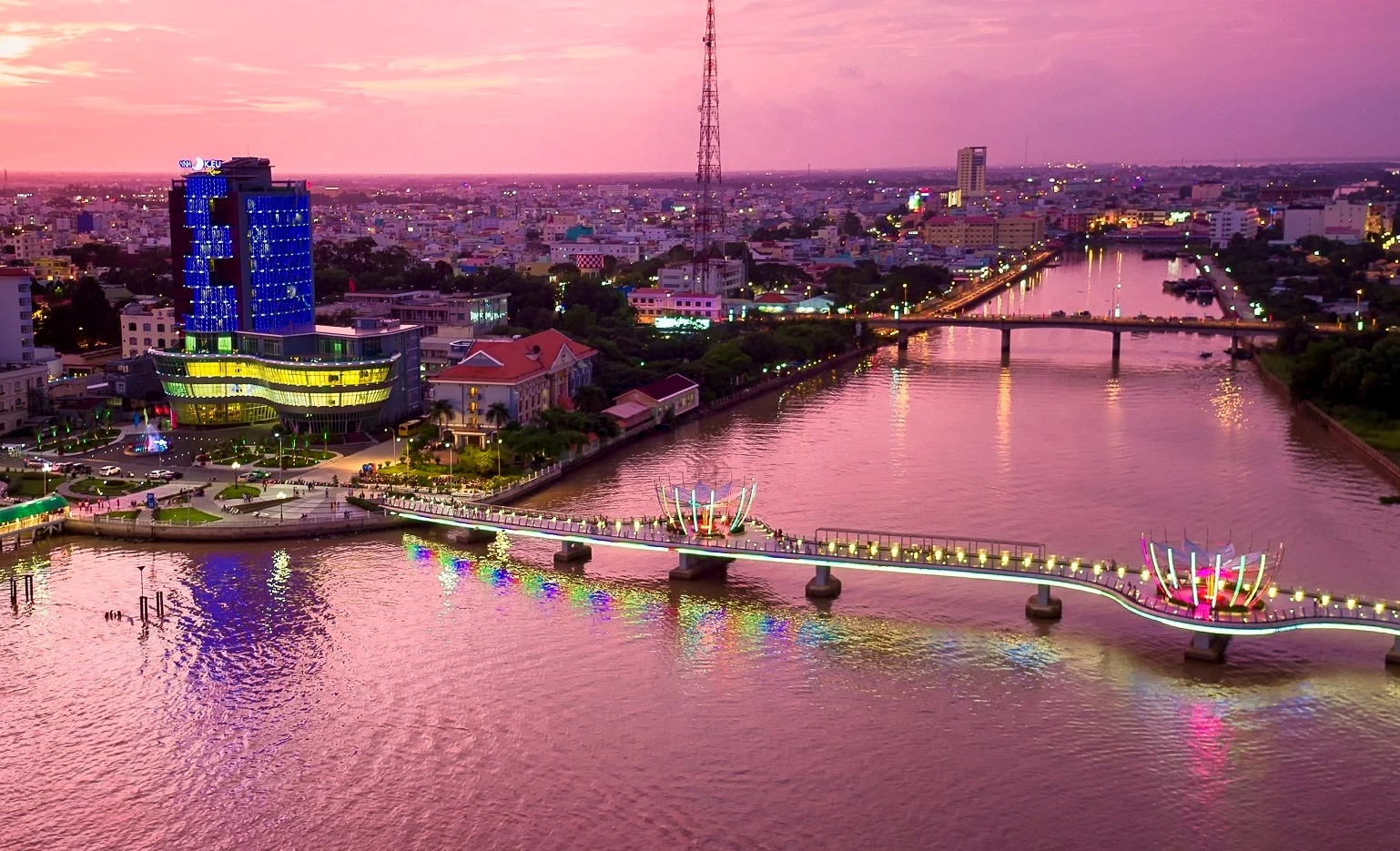
Stepping onto Ninh Kieu Wharf at twilight, just as the setting sun begins to gild the vast surface of the Hau River, any visitor is bound to be captivated by a vibrant yet nostalgic natural panorama. The air carries the rich, earthy scent of southern river silt mingled with the lively yet poetic rhythm of Mekong waterfront life. That initial sense of awe quickly gives way to deep serenity as a cool, refreshing breeze sweeps off the river, washing away the stress and bustle of everyday routines.
No journey to fully experience this landmark is complete without drifting aboard a sightseeing boat along the rolling currents. Gazing back at the waterfront from the water, travelers gain a vivid appreciation for the wondrous interplay between a storied past and thriving modernity. From the middle of the Hau River, the Ho Chi Minh Monument stands tall in solemn dignity, while in the distance the Can Tho Bridge stretches across the horizon like a ribbon ablaze with lights as night falls. This fusion of contemplative historical space and contemporary urban energy evokes an indescribable emotional depth, inviting the soul to slow down and attune to the heartbeat of Tay Do.
Stepping back ashore, visitors can immerse themselves in a richly rooted spiritual culture by paying respects at ancient communal houses and sacred temples nestled beneath shady trees along the embankment. The distant chime of evening bells and the quiet drift of incense smoke heighten the solemn, time-honored atmosphere of a land that has witnessed centuries of history since the southern frontier was first settled. It is a moment when inner stillness meets traditional heritage, leaving each visitor with deep respect and pride in their roots.
An unmissable highlight of experiencing Ninh Kieu Wharf firsthand is savoring the famed culinary specialties of the Mekong Delta. Right along the breezy riverbank, vibrant night markets and illuminated floating restaurants beckon travelers with the mouthwatering aromas of traditional dishes. Nothing compares to sharing a steaming pot of rich, rustic lau mam (fermented fish hotpot) paired with dozens of crisp islet herbs, nibbling on crunchy banh xeo (Vietnamese sizzling crepes) wrapped in wild greens, or delighting in smoky ca loc nuong trui (straw-grilled snakehead fish). All these simple yet exquisite flavors, accompanied by the sweet melodies of don ca tai tu (traditional southern amateur music) drifting from a nearby corner, capture the generous, hospitable spirit of Can Tho’s people—turning your visit into a cherished memory that never fades.
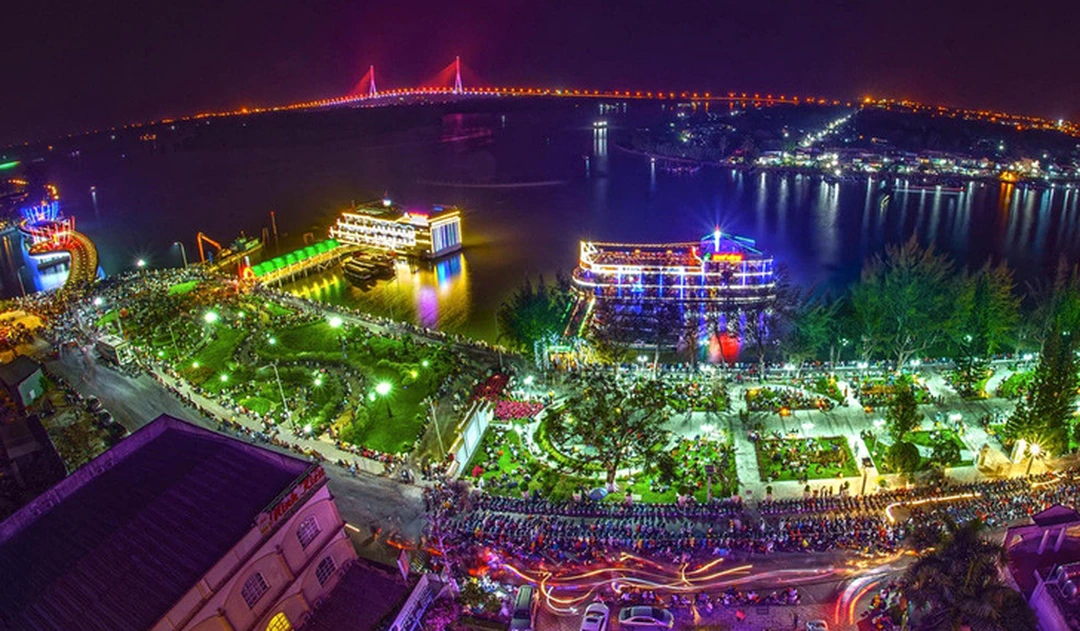
Ninh Kieu Wharf is one of the quintessential stops of the Tay Do region, drawing large numbers of domestic and international travelers visiting Can Tho. Stretching along the gentle western bank of the Hau River, the space is open to visitors free of charge 24 hours a day with no restricted hours. You can drop by anytime to catch the river breeze, stroll through the airy park, or watch the waters roll by. However, the best time of year to visit Ninh Kieu Wharf is during the dry season, from November to April. During these months, Can Tho enjoys dry weather and bright golden sunshine, ideal for outdoor sightseeing, exploring floating markets, and sampling local orchard delicacies.
As for admission, Ninh Kieu Wharf is a public area in the heart of the city, so entry is completely free. Visitors only pay when opting for additional services such as chartering a boat for a Hau River cruise, joining a Cai Rang Floating Market tour, or dining aboard a river cruise ship. This makes budgeting remarkably flexible, easily tailored to the preferences of solo travelers, couples, or families.
Getting to Ninh Kieu Wharf is effortless thanks to well-developed transport infrastructure. From central Can Tho (around Hoa Binh Boulevard or Can Tho International Airport), travelers can hop on a motorbike, ride-hailing bike, or taxi via the shortest, most convenient route along Hai Ba Trung Street or the Hoa Binh Boulevard extension heading toward the riverfront. If you are traveling by personal vehicle, several reputable parking lots around the wharf offer affordable rates, allowing you to park with peace of mind and explore on foot at your leisure.
When visiting Ninh Kieu Wharf and combining your trip with nearby heritage sites such as Ong Pagoda, Binh Thuy Communal House, or memorial areas, remember to dress modestly, neatly, and respectfully to suit the sacred cultural atmosphere. Additionally, given the expansive riverfront setting and stone-paved park pathways, wearing comfortable sneakers or flat shoes is recommended so you can walk and explore all day without foot fatigue.
To enjoy a seamless getaway and take in the full splendor of Ninh Kieu Wharf without worrying about arranging transportation, booking tickets, or planning itineraries, travelers can choose VDS Travel’s premium all-inclusive Can Tho tour packages. Every itinerary is thoughtfully timed so you can capture photos when the scenery is at its most radiant, accompanied by knowledgeable local guides and top-tier hotel and dining standards.