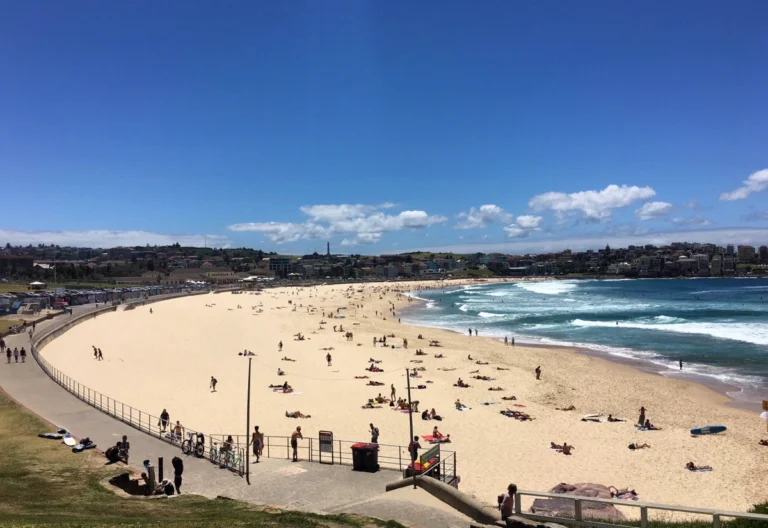
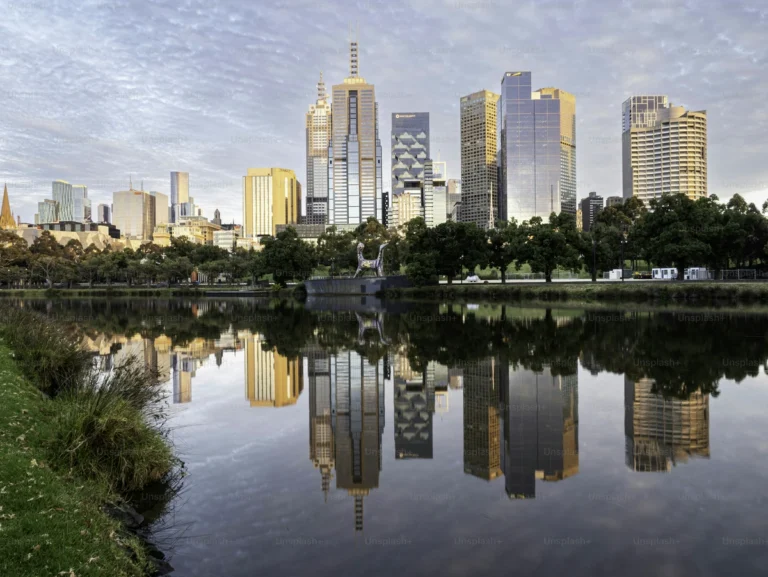
Flipping through the yellowed, archival pages preserved in the Auckland Central City Library, one cannot help but feel a deep sense of nostalgia when traveling back in time to the prehistoric roots of this land. Long before European sails cut through the waves to reach the Southern Hemisphere, the territory known today as Auckland, the City of Sails (referred to in Chinese characters as 奥克兰), was already a vibrant cultural space rich in indigenous heritage. From ancient times, the Māori community called this place by a poetic and proud name: Tāmaki Makau Rau, meaning “the land desired by a hundred lovers.” This title was by no means accidental, as its geographical location possessed a magnificent natural beauty, embraced by two major harbors—Waitematā and Manukau—along with dozens of dormant volcanic cones forming a lush ecosystem, fertile soil, and abundant marine resources that were the envy of many tribes at the time.
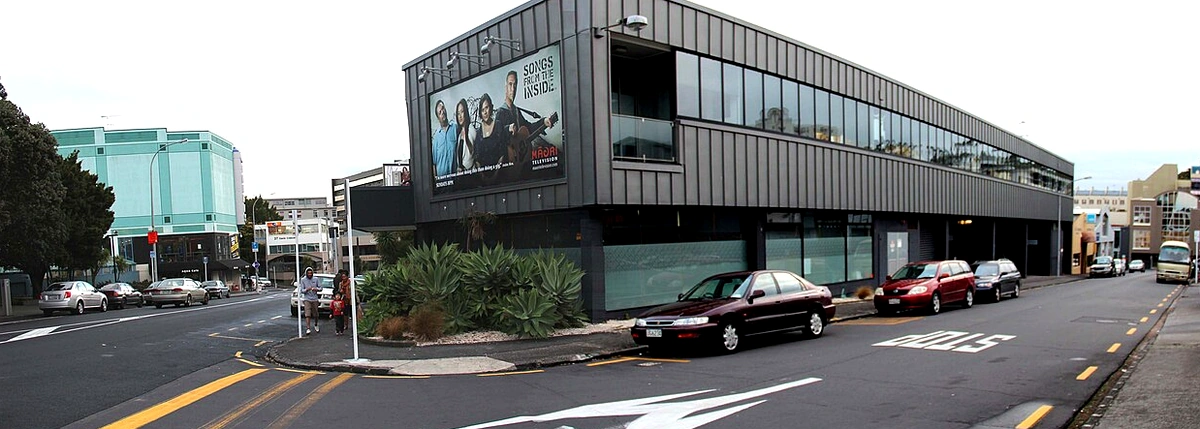
The tides of history officially turned in the 19th century when Western expeditions and merchants set foot on this South Pacific coastline. In 1840, a momentous historical milestone shaped the future of an entire urban center when New Zealand’s first Governor, William Hobson, laid the official foundations for the city. Recognizing its supreme strategic position and the boundless maritime potential of the straits, he decided to choose the southern shore of the Waitematā Waitematā Harbor as the youthful capital of the land of the kiwi. To honor George Eden, the Earl of Auckland and then-Viceroy of India, the city was named after him. Although its status as the capital lasted only until 1865 before yielding administrative center duties to Wellington, Auckland has never lost its standing as the economic, cultural, and bustling maritime heart of the entire territory.

However, the city’s historical current was not only paved with roses but also steeped in the vicissitudes of time, notably the 1860s with the outbreak of the New Zealand Wars. This period marked deep conflicts between the British colonial administration and surrounding Māori tribal alliances over sovereignty and land ownership issues. These events left deep scars on social development, reshaping the demographic structure and administrative policies of the colonial government. The imprint of this era remains clearly visible in today’s urban spatial structure. Documents from the Auckland Central Library record that the city’s initial street grid system bore the distinct style of strict British plantation and naval planning, reflecting the British Empire’s mindset of spatial control, yet embraced by pristine natural terrain, creating a unique intersection between Western military discipline and indigenous spiritual heritage.
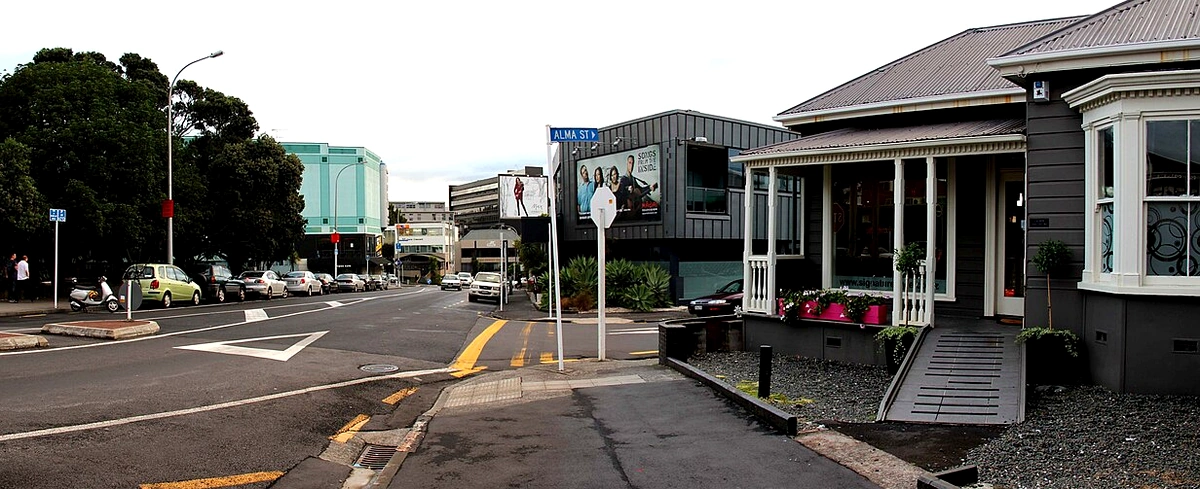
Through nearly two centuries of formation and development, the traces of the pioneering era, historical disputes, and the strategic vision of Governor William Hobson have always served as a resilient undercurrent nourishing the spirit of Auckland, City of Sails, New Zealand. From a pristine Tāmaki Makau Rau strip of land with Māori outrigger canoes, it has risen to become a premier modern maritime metropolis, where past and present blend together through every street corner, every road name, and every busy harbor welcoming boats.
Entering the geographical space of Auckland, City of Sails, New Zealand—also elegantly referred to in Eastern scholarly circles by the Chinese characters 奥克兰—one cannot help but marvel at a tectonic masterpiece of the Southern Hemisphere’s nature. Unlike ordinary coastal cities, Auckland’s planning mindset and feng shui terrain are closely tied to a unique geomorphic entity: the Auckland Volcanic Field, bringing together up to 53 independent volcanoes currently dormant beneath lush green vegetation channels. The presence of this terrain system not only constitutes an undulating, artfully rugged urban profile but also creates a sturdy dragon vein system, where the energy of heaven and earth is nurtured through tens of thousands of years of complex geological creation.
Viewed through the lens of traditional feng shui, Auckland’s terrain structure reaches the highest realm of geomancy and wealth-attracting art. The main dragon vein of the entire region originates from two majestic acupuncture points: Mount Eden, known in the local Māori tongue as Maungawhau at a height of 196 meters, and the sacred One Tree Hill, bearing the name Maungakiekie. According to the concepts of feng shui masters, these deep funnel-shaped craters at the summits of these volcanic peaks are natural treasury basins with the function of gathering spiritual energy from the sky and condensing vital energy from the depths of the earth. The presence of these treasury basins not only creates a solid foothold for the city but also bestows an abundant source of vital energy, turning Auckland into a blessed land where economic prosperity and community sustainability are nurtured for the long term.
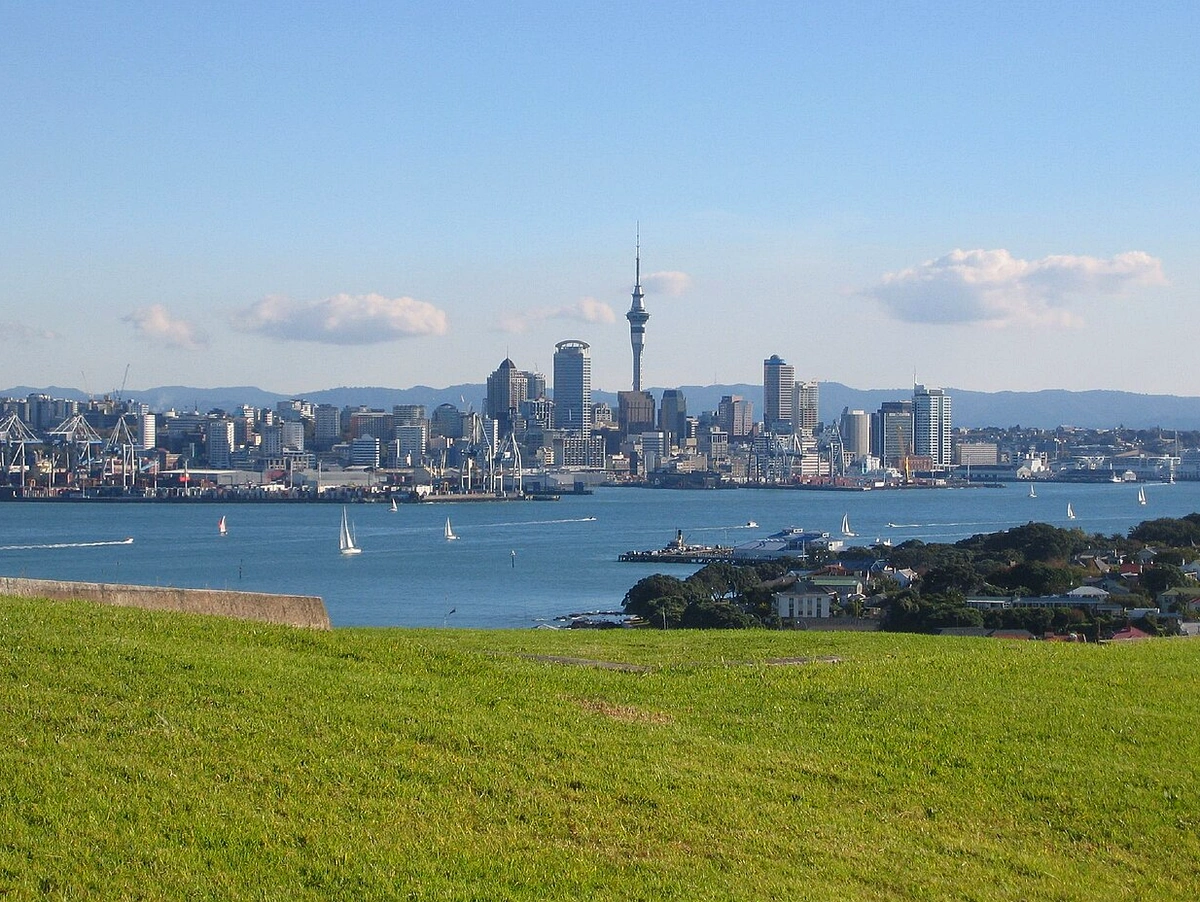
Alongside its majestic mountainous backdrop, Auckland’s hydro-geography also achieves a rare, auspicious state with a regal “two dragons guarding the pearl” configuration. The city sits on a long, narrow strip of land, tightly clamped and embraced by two major harbor systems of supreme economic and military strategic value. To the east is Waitematā Harbour with crystal-clear, mirror-like calm waters, opening up broad trading directions with the Pacific Ocean. To the west is Manukau Harbour with rolling waves and a rich mangrove ecosystem, connecting to the Tasman Sea. This sandwiched positioning between two large water bodies creates a perfect yin-yang harmonious hydro-geographic structure, where the flow of wealth and knowledge circulates incessantly. Thanks to this gifted terrain, the land became a paradise of billowing sails and one of the busiest, most prosperous trading ports in the South Pacific region.
The technical process of exploitation and urban planning on Auckland’s complex volcanic terrain serves as a major lesson in adaptability and respect for nature. Rather than flattening geological monuments, planners and the indigenous community cleverly turned volcanic craters and gentle slopes into an ecological park system, green belts, and high-aesthetic public spaces. The transportation network and housing architecture are arranged to follow the natural curves of the hill ranges, creating priceless panoramic views from every vantage point in the city. The seamless combination of profound feng shui terrain, the magnificent twin-dragon hydro-structure, and modern planning philosophy has carved out an Auckland that carries both traditional spiritual soul and the brilliant character of a contemporary maritime metropolis.
Stepping into the largest city in the land of the kiwi through the lens of a cultural history researcher, one easily realizes that Auckland is not only shaped by gifts of natural wonders but is also a living architectural museum where the passage of time is carved directly onto every wood grain, brick, and block of stone. The architectural quintessence and spatial structure of the City of Sails, Auckland, is a unique symphony combining early European traditional construction techniques with abundant local materials, creating an urban identity that cannot be confused with any other Western capital.
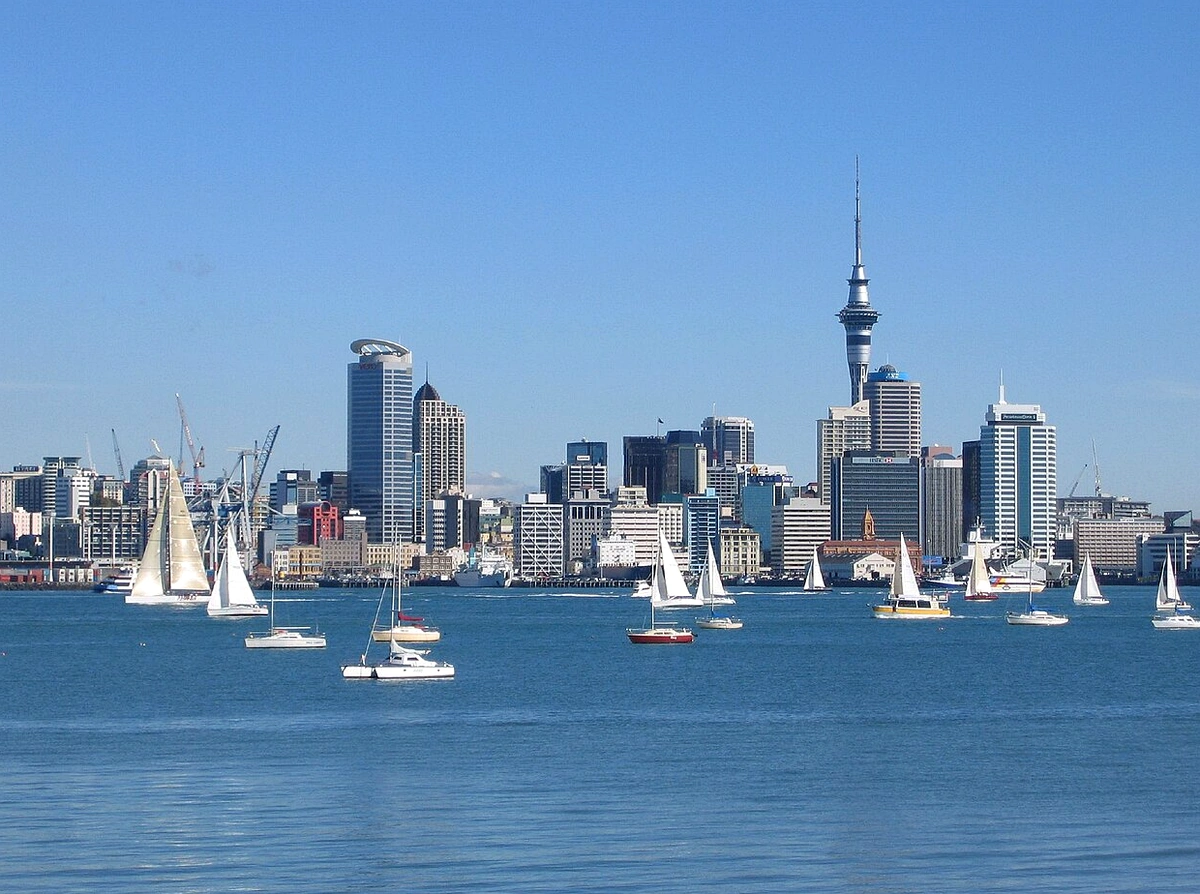
Looking back at the process of urban spatial shaping, Auckland’s formative period was tied to the rustic yet durable native Kauri pine material. Balloon framing became the optimal solution for housing challenges during the pioneering years. Kauri pine wooden houses with warm hues, flexible structures yet sturdy against salty sea breezes rose closely together, forming an organic protective armor for the first generations of immigrants. With the rhythm of time and the prosperity of the colonial economy, the city’s face began to shift toward more permanent materials when entering the Victorian and Edwardian eras. Public and commercial buildings began using hand-fired red bricks, combined with snow-white Oamaru stone quarried from the South Island and pitch-black basalt from local volcanic craters, creating a regal and majestic visual contrast.
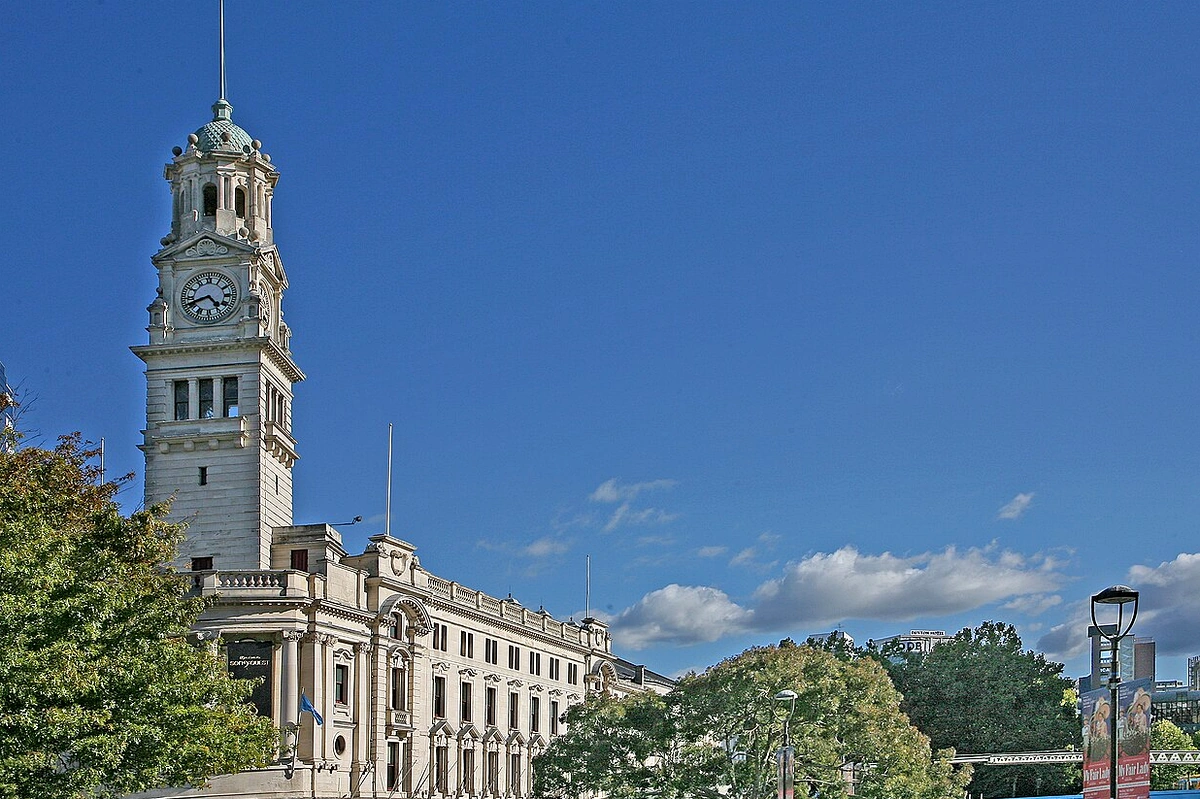
The pinnacle of craftsmanship and construction engineering during this golden era is fully evidenced by two iconic structures located right in the beating heart of the urban center, which have now become invaluable national heritage assets. The first prominent example is the Auckland Town Hall, whose construction began and which was completed in 1911. This work is a masterpiece of Edwardian Baroque style, standing out with its towering, stately Corinthian column system, expressing the strong upward aspirations of a young city eager to assert its position on the international stage. Beyond its grand exterior beauty, the building also houses an acoustic auditorium that reached the height of architectural art at the time, where a giant pipe organ resounds with deep tones, harmonizing with the breath of millions of city residents through more than a century of ups and downs.
Facing the bustling waters of the Waitematā Harbour is the Auckland Ferry Building, constructed in 1912 as an ornate welcome for any traveler setting foot in the city by water. The facade of this structure is entirely sculpted from premium Oamaru stone, highlighted by intricate maritime-inspired carvings combined with native fern leaf imagery. Every carved line in the stone not only demonstrates the master craftsmanship of early 20th-century artisans but also infuses a profound pride in New Zealand’s natural identity into every block of reinforced concrete and masonry.
Auckland’s spatial structure is therefore planned around the connecting axis between land and ocean, between ancient architectural imprints bearing British imperial echoes and the rustic landscape of the Polynesian land. This intersection has created a multi-layered urban space where past and present converse incessantly, turning every street corner, archway, or window frame in Auckland into a living historical chapter awaiting dedicated visitors to read and contemplate.
When night falls, embracing the land of white sails, Auckland (奥克兰) does not fall into a silent slumber; instead, it transitions into a magnificent visual art space where the boundaries between modern urban landscapes and indigenous Māori cultural poetry merge into one. Imposingly present in the city center, the Sky Tower stands tall at 328 meters, acting as a lighthouse of the modern era, drawing all eyes with an intelligent dynamic LED lighting system designed to change colors continuously according to major annual events or community campaigns. Not just an iconic skyscraper, this tower also serves as an anchor for world-class artistic light shows, sparklingly reflecting onto the waters of Waitematā Harbour, creating a captivating and magical contemporary ink-wash painting.
Auckland’s nightlife continues onward to the Auckland Harbour Bridge, a vital artery spanning the harbor where modern lighting technology combines subtly with green energy sources. Powered by a solar energy system, the bridge displays fluid artistic light strips, highlighting the bridge’s massive yet graceful steel frame structures. Light here is not merely physical illumination; it has been elevated into a form of spatial installation art, honoring the city’s sustainable development vision where industrialization goes hand in hand with absolute respect for the coastal natural ecosystem.
Along the waterfront of Viaduct Harbour and Wynyard Quarter, the nocturnal entertainment space opens up with a completely different style—vibrant and lively yet carrying deep cultural depth. Here, large-scale multimedia light show programs are regularly organized, harmoniously combined with the stirring melodies and traditional Kapa Haka dances of the Māori. The thumping foot stomps, rhythmic thigh slaps, and fierce bulging eyes of the warriors in technological radiance create an impressively cross-temporal dialogue between primitive the past and digital future, giving audiences unforgettable emotional experiences.
Alongside lighting art and live-action performances, Auckland’s night scene comes alive with vibrant colors and flavors across bustling night markets such as Pakuranga and Mt Wellington. These markets serve as cultural rendezvous points for a unique culinary intersection among the multi-ethnic communities living in the city. Amidst the curling smoke from traditional Asian street food stalls to modern European-American flavors, visitors can stroll leisurely, listen to street artists pouring their hearts into warm acoustic guitar melodies, or shop for exquisite handicrafts. It is this smooth intersection between the glittering lights of skyscrapers, the nostalgia of indigenous culture, and the bustling everyday breath of the night markets that creates a unique nocturnal cultural pulse, turning Auckland into a city that never sleeps for anyone who falls in love with this Southern Hemisphere land.
Stepping into the culinary map of Auckland, City of Sails (奥克兰) is when travelers embark on a magical cross-cultural journey between primitive Māori indigenous culture and contemporary Western culinary art. Beyond meals serving the visual appreciation needs of a bustling port city, the local culinary culture is a living chronicle written in flavors, smoke, and absolute respect for the abundant produce from Mother Earth, Ranginui and Papatūānuku. Each traditional dish passed down through generations carries deep human philosophies, tied to community bonding and a reverence for nature held by the earliest settlers on this fertile archipelago.
Heritages flavors in Auckland are closely linked to Hāngī, the centuries-old underground cooking method of the Māori. This is not merely a food preparation technique but a sacred cultural ritual requiring absolute patience and the skilled hands of village elders. The process begins by digging a deep pit in the ground, then filling it with volcanic rocks heated red-hot by dry firewood for many hours. Once the rocks reach optimal heat, baskets of food including sweet Kūmara sweet potatoes—a precious tuber that once accompanied Polynesians across the ocean—along with lamb, chicken, and fresh vegetables are placed on top. All food is wrapped tightly in banana or fern leaves, covered with damp cloth and a thick layer of earth to retain heat, and slow-cooked for four to five hours. Under the smoldering heat of the volcanic stones, the ingredients naturally release their natural sweet juices, blending with the distinctive woodsmoke aroma to create a rustic yet deeply profound flavor that awakens all the senses.
Alongside rich flavors from the earth, the status of a major Southern Hemisphere port city has endowed Auckland with some of the world’s richest and freshest seafood resources. Leading the list of famous specialties are New Zealand Green-lipped Mussels, featuring iconic jade-green shell borders and plump, deeply sweet meat. Locals typically prepare green-lipped mussels using the traditional method of steaming with local white wine, minced garlic, onions, and a touch of fresh herbs to preserve the ocean’s pristine taste. Joining the street food culture, fresh Snapper caught directly from Waitematā Harbour is transformed into a premium version of Fish and Chips. A crispy golden batter wraps around flaky, hot white fish, served with thick-cut potato wedges and sweet-and-sour tartar sauce, becoming an iconic culinary staple tied to leisurely afternoons watching the sunset at Mission Bay.
Concluding the sensory feast in the city of sails is the sweet, ethereal flavor of the famous Pavlova cake—the pride of both New Zealand’s culinary culture and neighboring Australia. This dessert possesses a delicate structure with an outer meringue shell baked to a crisp, snow-white finish like sky clouds, while remaining soft and chewy like marshmallow on the inside. The top of the cake is covered with a smooth, refreshing layer of whipped cream, perfectly combined with juicy green kiwi slices and fresh strawberries, creating an exquisite balance between the sharp sweetness of sugar and the natural tartness of temperate fruits. Savoring a slice of Pavlova amidst the breezy atmosphere of the Auckland marina, diners not only feel the delicate blend of ingredients but also fully understand the free-spirited, connected, and heritage-respecting ethos of the people here.

To fully complete the picture of exploring the largest city in the land of the Kiwi, the journey to conquer “Auckland, City of Sails” (奥克兰) requires travelers to prepare thoughtfully regarding time, transportation, and a solid grasp of local etiquette. As a destination intersecting a dynamic modern lifestyle with magnificent, pristine nature, Auckland operates on its own rhythms; understanding them allows you to enjoy every moment without any bewilderment. The key to unlocking the perfect experiential door is grasping the exact operating hours of iconic landmarks, optimizing the public transport system, and strictly adhering to traditional cultural values and New Zealand’s unique ecological protection regulations.
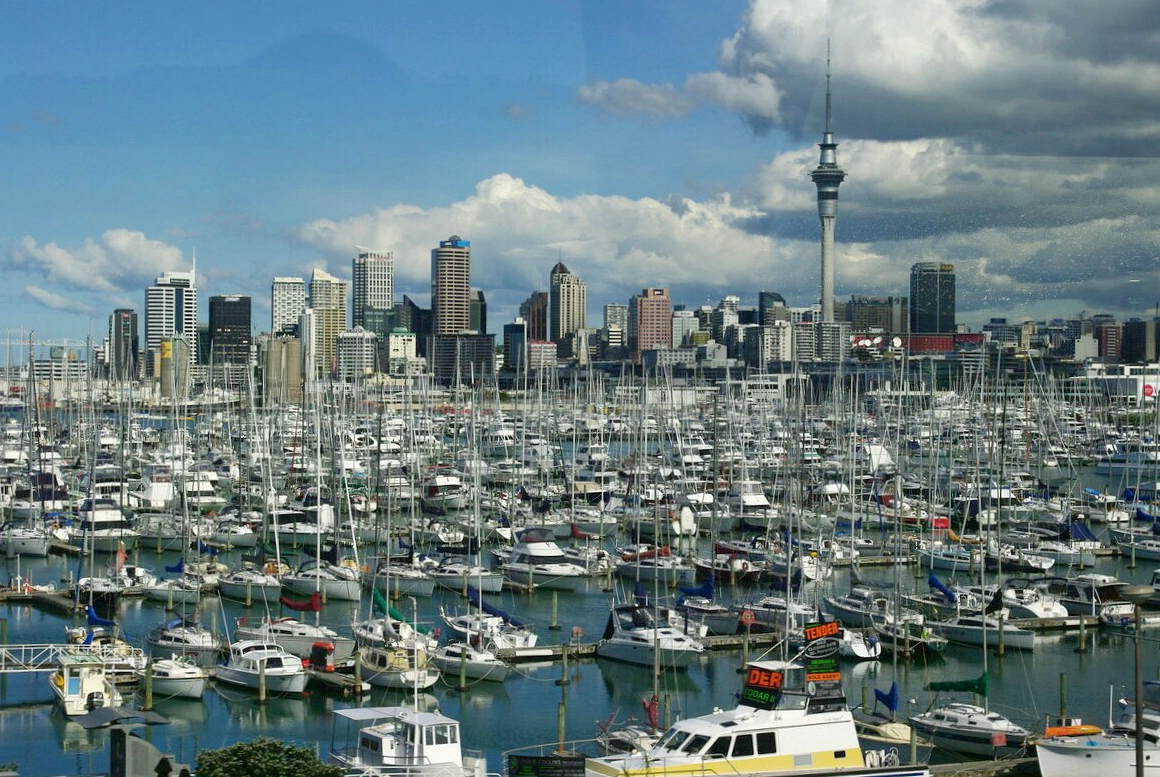
Beginning with architectural icons soaring across the cityscape, the Sky Tower—the pride of Auckland’s skyline—is open year-round from 10:00 AM to 10:00 PM. A subtle tip from veteran explorers is to book tickets in advance and time your arrival around late afternoon, so from the dizzying height of the observation deck, you can witness the breathtaking sunset as the sun dips into Waitematā Harbour, painting a magical orange-red hue across thousands of sailboats moored below. Meanwhile, if you love cultural spaces and historical depth, the Auckland War Memorial Museum nestled peacefully in Auckland Domain opens daily from 10:00 AM to 5:00 PM, preserving priceless Māori heritage and the proud wartime memories of this land. Conversely, those eager to immerse themselves in open nature at the summit of Mt Eden can visit freely at any time of day; however, note carefully to always stay on designated walking tracks and strictly avoid stepping on grass or protected vegetation areas to preserve the pristine ecosystem of this funnel-shaped volcanic crater.
Regarding urban transportation, Auckland’s public transit system is thoroughly coordinated, seamlessly connecting city buses, inner-city trains, and cross-water ferries. The AT HOP card is an indispensable companion for every visitor arriving here, helping you easily pay travel expenses smartly, economically, and flexibly. Notably, this card is also your key to boarding ferries departing from the central wharf to Waiheke Island—the island of verdant vineyards and fine white sand beaches. Whatever mode of transportation you use, a signature climatic reality of this land is the phenomenon of “four seasons in one day,” where bright morning sunshine can quickly give way to chilly winds blowing in from the sea by afternoon; therefore, carrying a lightweight waterproof windbreaker is a rule of thumb for maintaining health throughout your trip.
Beyond practical tips on time and travel, understanding and respecting indigenous culture is paramount to making your trip meaningful. When visiting Marae (traditional meeting house complexes) or sacred lands bearing deep Māori spiritual significance, always follow traditional greeting protocols and ask permission before taking photographs. Furthermore, New Zealand is globally renowned for its fragile, isolated ecosystem; thus, biosecurity regulations at international borders are enforced extremely strictly. Do not bring raw organic products, seeds, or uninspected food items in order to thoroughly protect the local nature from foreign pests. To gain deeper insights and prepare thoroughly for your journey, you can check details on the New Zealand tour with elaborately designed itineraries that deliver the most authentic and complete experience.