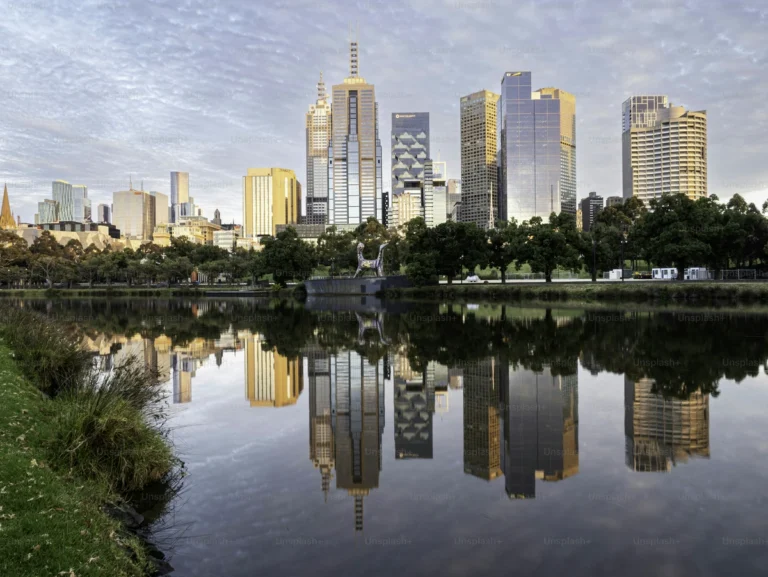
Located on the eastern coast of Australia, where the swells of the Pacific Ocean crash against rugged sandstone cliffs, Bondi Beach (Chinese: 邦迪海灘) in Sydney is far more than a modern tourism icon—it is a landscape steeped in centuries of rich historical sediment. Long before European colonial ships arrived, this smooth, crescent-shaped stretch of sand served for millennia as the ancestral homeland and hunting grounds of the Indigenous Eora people, belonging to the Darug language group. In the consciousness of its ancient Aboriginal inhabitants, the name “Bondi” originated directly from the etymological verb boondi—an onomatopoeic term vividly capturing the resonant roar of ocean gales driving surf violently against the coastal cliffs. To the Eora people, boondi was not merely a geographic place name, but a sacred symphony of nature marking the convergence of land, rock, and the primal power of the sea.
Bondi’s historical transition from a pristine coastal expanse of Aboriginal spiritual significance into colonial land accelerated in the early 19th century. The first administrative turning point was recorded in 1809, when Governor William Bligh—a controversial yet highly influential military figure in British colonial history—officially signed a decree granting 200 acres of land in the area to engineer William Walter Buckland. This land grant marked the formal assertion of British Crown authority over Sydney’s eastern coastline, converting the untamed coastal dunes into private property and laying the earliest colonial cadastral foundations upon the territory.
After more than four quiet decades, Bondi entered a new chapter in 1853 when merchant Francis O’Brien purchased the entire estate from the Buckland family. Possessing a vision ahead of his time, Francis O’Brien developed the beachfront tract into a private resort known as “O’Brien’s Estate.” Unlike contemporary aristocrats who typically cordoned off their estates for exclusive personal enjoyment, O’Brien chose to open this coastal property as a public recreational space where local residents could gather, picnic, and bathe in the sea. His gesture of opening the waterfront to the community inadvertently sparked Sydney’s enduring beachgoing culture, transforming Bondi’s sands into a vibrant outdoor leisure hub for working- and middle-class citizens throughout the latter half of the 19th century.
Faced with a wave of rapid urbanization and mounting public demand for recreational space, the colonial government of New South Wales recognized Bondi’s strategic importance in preserving coastal green space for the community. In 1882, the government officially resumed the beachfront land and proclaimed Bondi a permanent Public Reserve. This legal declaration carried profound significance: it safeguarded the beach against private encroachment and established Bondi as an inviolable shared asset belonging to all citizens. This milestone embodied the democratization of coastal space, paving the way for the quintessential public beach-bathing culture of the Land Down Under.
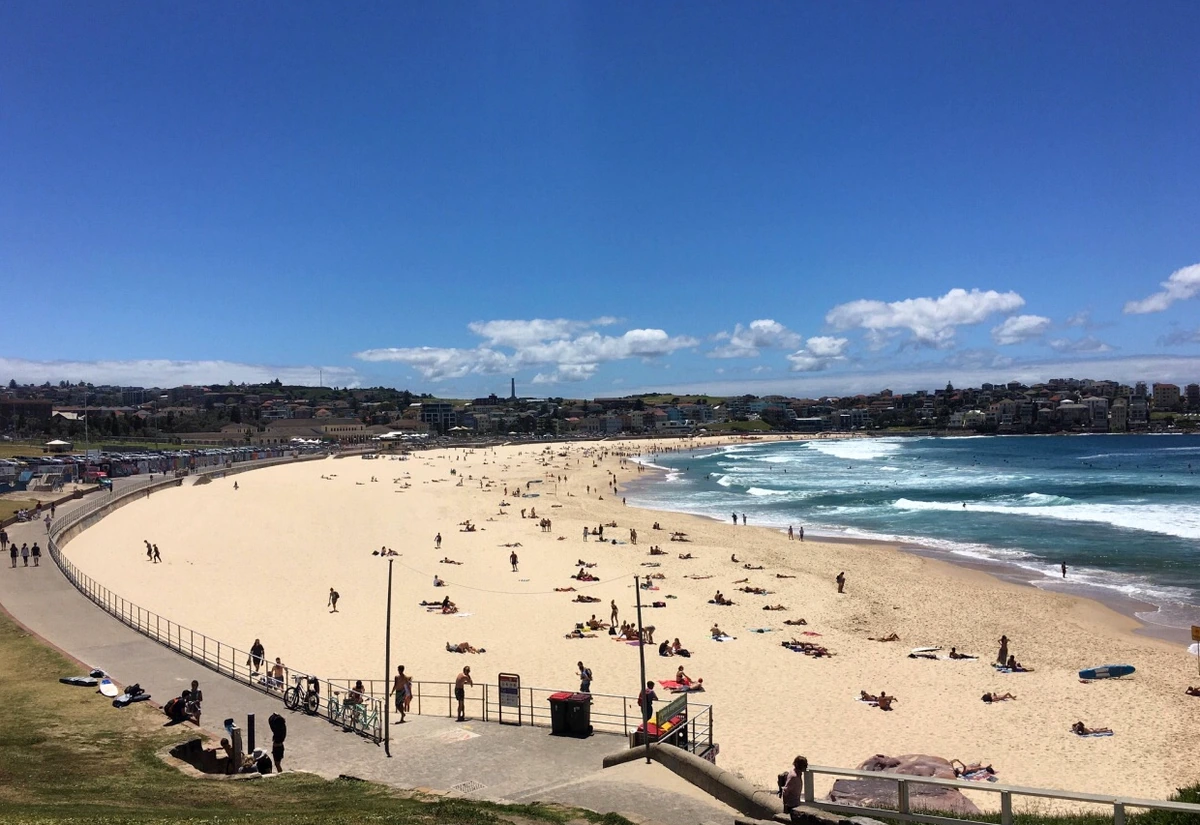
Continuing that proud historical current, the early 20th century witnessed a watershed event not only for Bondi, but for maritime lifesaving worldwide. In 1906, the world’s first volunteer surf lifesaving organization, the Bondi Surf Bathers’ Life Saving Club, was officially founded here. The establishment of this organization arose from an urgent need to protect thousands of bathers from treacherous ocean rip currents. Bondi’s pioneering volunteers not only invented modern surf rescue techniques, but also laid the enduring foundation for a surf lifesaving movement that spread across the globe. From an untamed shoreline echoing with the Eora people’s boondi roar, Bondi rose to become the cradle of modern beach culture, etching its name into human history as a living, proud heritage destination.
Viewed through the lenses of geomorphology and classical Eastern geomancy, Bondi Beach emerges as a natural masterpiece: an arc-shaped pocket beach stretching approximately 1 kilometer, opening directly toward the east-southeast to welcome the full vitality of the vast Tasman Sea. The geological foundation of this entire coastal stretch is defined by the renowned Hawkesbury Sandstone formation, a Triassic tectonic legacy belonging to the Sydney Basin. Over millions of years of erosion by coastal winds and ocean swells, these densely compacted sandstone strata have sculpted a landform that is both dramatic and structurally resilient, setting the stage for a coastal environment unmatched anywhere on the oceanic map.
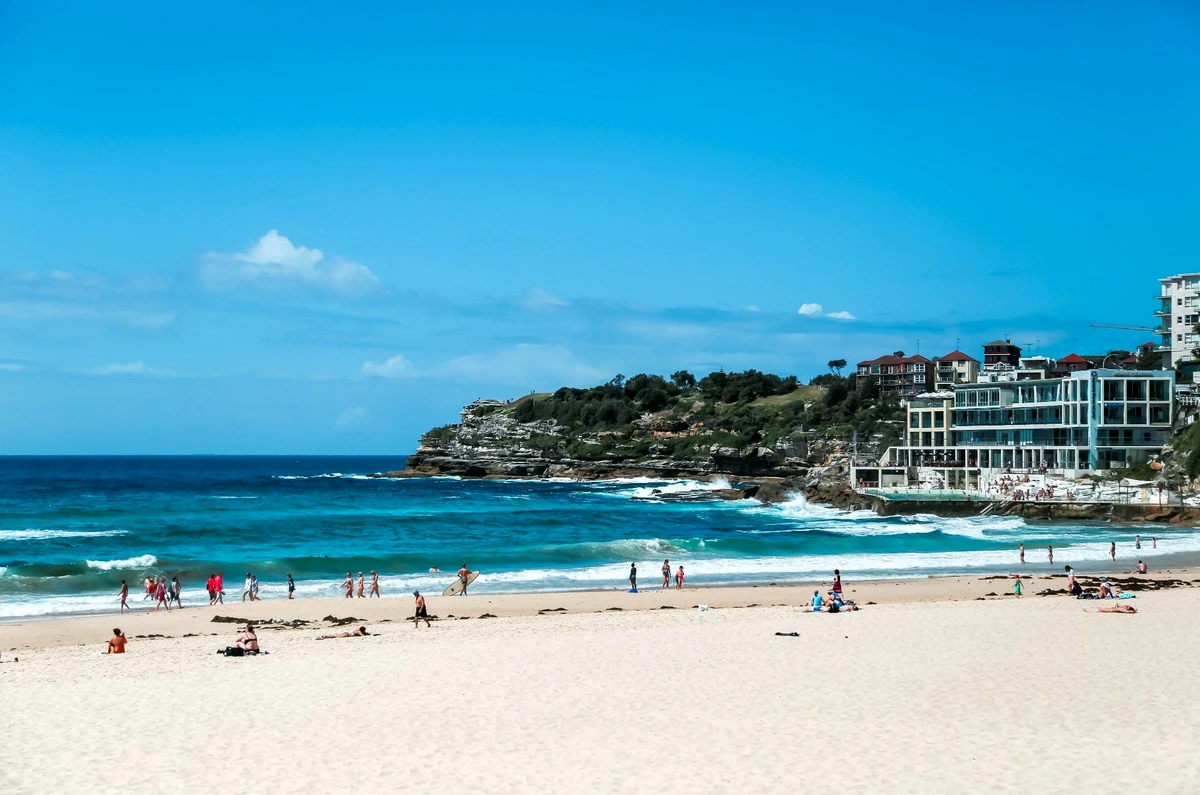
The crowning feature of Bondi’s natural layout is the protective embrace of two steep sandstone headlands flanking its ends: Ben Buckler jutting boldly out to the north, and Mackenzies Point anchoring the southern boundary. In traditional geographic philosophy, this topography mirrors the auspicious formation of “embracing arms gathering wind and vital energy,” wherein the two eternal rocky promontories act like the Azure Dragon and White Tiger guarding either flank. The presence of these two natural sandstone “ramparts” buffers the destructive force of Pacific storm swells, turning the central sandy bay into a natural dissipative beach. Here, the furious energy of offshore groundswells disperses as it crosses the gently sloping seabed, spreading out into rhythmic lines of white-capped waves that lap softly onto the fine golden sand.
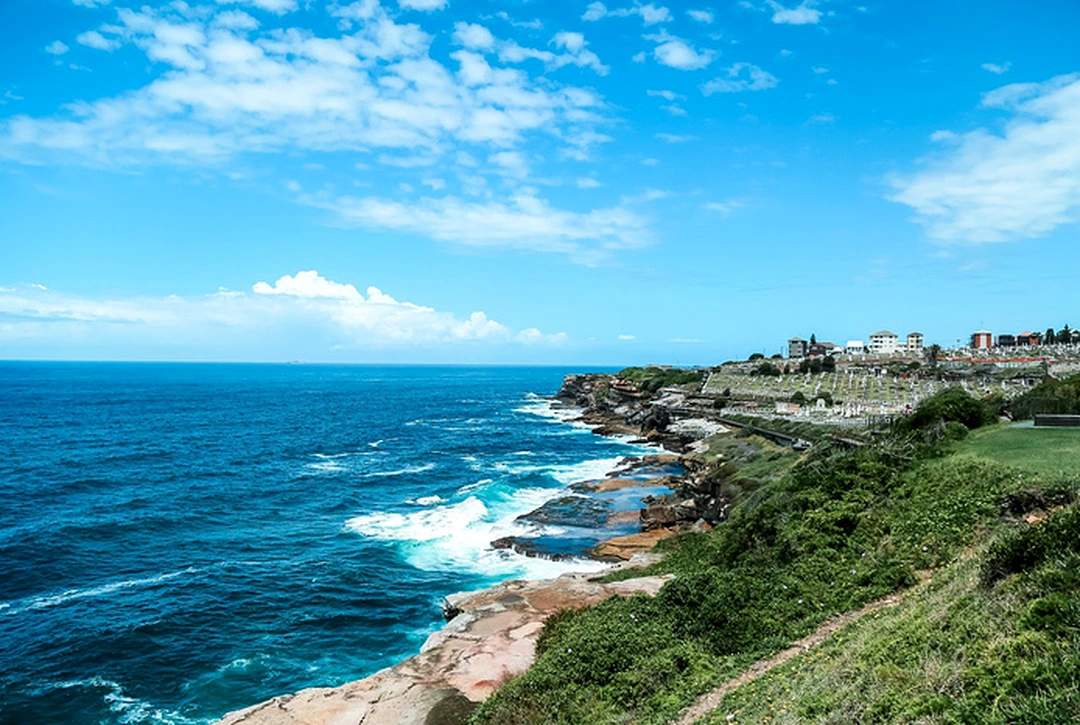
Yet despite the serene appearance of the bay beneath the sun, Bondi’s hydrodynamic processes harbor formidable oceanic power. The beach is a hotspot for exceptionally strong rip currents, which locals and seasoned surfers affectionately—and warily—nickname the “Backpackers’ Express.” These submerged seaward channels form as water piled inside the bay seeks an escape route back out to the open ocean through deep troughs in the sandbars. While this natural phenomenon tests the mettle of mariners and water sports enthusiasts, it also serves as a vital self-cleansing mechanism, continuously circulating seawater to keep the swimming zone fresh, oxygen-rich, and brimming with vitality.
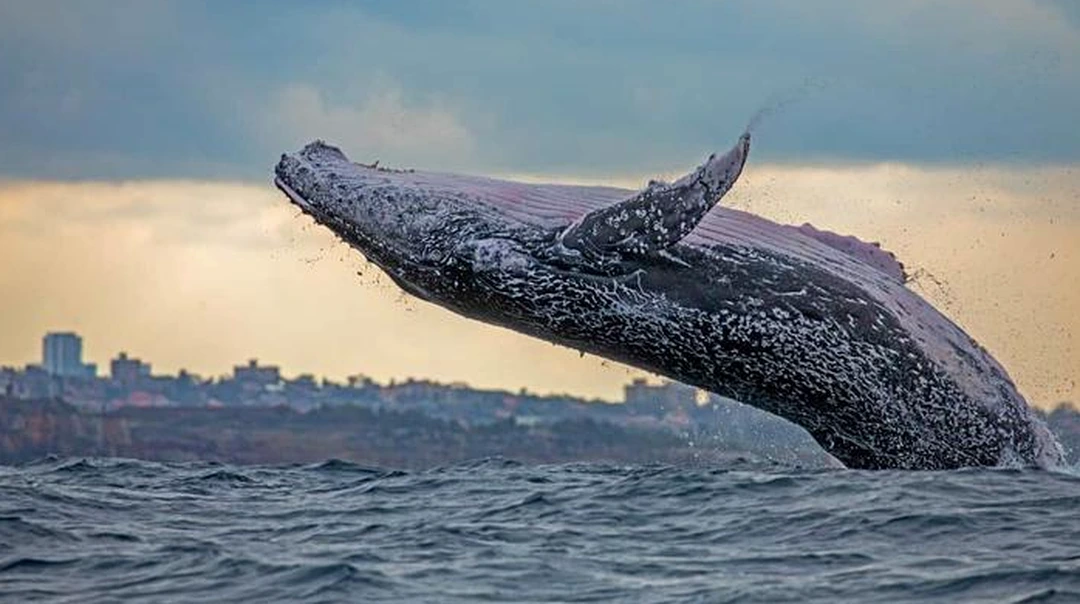
Beyond the drama of rock and water, Bondi’s signature seascape is enriched by a diverse and dynamic marine ecosystem. Positioned along a major coastal migration corridor, the waters off Ben Buckler and Mackenzies Point offer an ideal vantage point for spotting pods of massive humpback whales on their seasonal oceanic journeys. The harmonious interplay of weathered brownish-gray Hawkesbury sandstone cliffs, the sweeping curve of golden sand, and the emerald-blue hues of the Tasman Sea composes a captivating coastal canvas—infused with ancient spirit yet pulsing with contemporary energy. It stands as a living testament to nature’s artistry, where the energies of earth, stone, wind, and water converge in complete harmony.
Nestled along the rolling ocean edge of the Land Down Under, the spatial layout of Bondi Beach (Chinese: 邦迪海滩) unfolds like a colossal natural amphitheater, where masterly urban planning blends seamlessly with the signature golden-gray Hawkesbury sandstone cliffs of New South Wales. The seawall system, wave barriers, and terraced promenades stretching along the coastline not only serve as protective armor against the surging ocean, but also embody a bold proto-Brutalist architectural language. Solidly hewn blocks of local sandstone carry the raw texture of time while showcasing sustainable coastal engineering, creating a graceful transition between the bustling metropolis and the wild edge of the surf.
Commanding the very heart of the golden shoreline stands Bondi Pavilion—a monumental heritage landmark built between 1928 and 1929. This edifice represents a sumptuous artistic fusion of Spanish Mission Revival style and refined Art Deco design. Viewed from afar, the building displays classical symmetry crowned by vibrant Spanish terracotta roof tiles rising proudly against the slate-blue sky, contrasting crisply with pristine white stucco walls. Closer inspection of its carved detailing reveals intricate maritime motifs—seashells, ocean waves, and marine creatures rendered in bas-relief—evoking the nostalgic glamour of upscale 1920s seaside bathhouses.
Toward the rocky southern tip of the beach, architectural contrast reaches its zenith at the Bondi Icebergs Club. Perched precariously atop a sheer sandstone cliff ledge, the building thrusts boldly out over the open ocean. The centerpiece of this masterpiece is its Olympic-sized saltwater swimming pool, widely hailed as a triumph of architecture adapted to an unforgiving natural environment. Requiring no complex mechanical filtration, the pool basin is continuously flushed and refreshed naturally as white-capped ocean swells surge right over its edge. Far from destroying the structure, the raw power of the sea becomes part of its living architectural rhythm, creating an unrivaled swimming experience poised on the boundary between the man-made and the elemental.
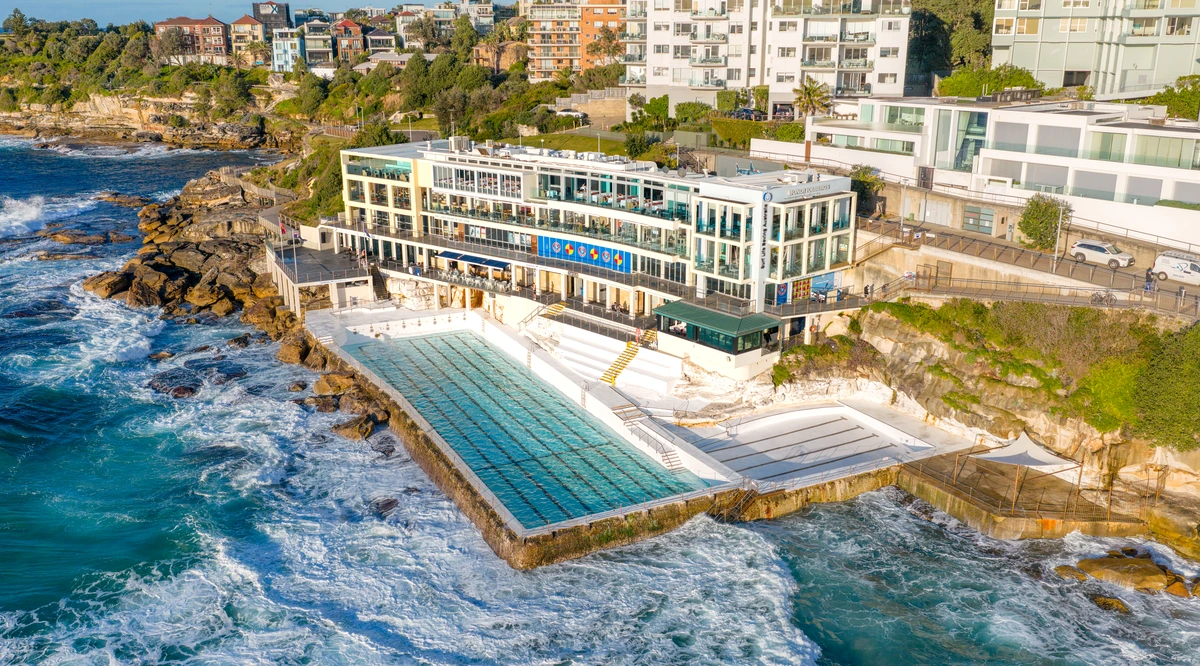
Bondi’s spatial grandeur extends well beyond its kilometer-long stretch of sand, thoughtfully orchestrated through the visual axis connecting Campbell Parade and the waterfront promenade. The seamless arrangement of lush grassy parklands, naturally sloping sandstone hillsides, and symmetrical civic landmarks transforms the precinct into a living open-air architectural museum. Beneath the brilliant Australian coastal sun, the raw ruggedness of Hawkesbury sandstone, the stately elegance of the Pavilion’s terracotta roof, and the audacious cliffside poise of the Icebergs pool distill into a classic coastal architectural symphony—honoring historical heritage while radiating timeless resilience.
When the final rays of sunlight sink beneath the Pacific horizon, Bondi Beach (邦迪海滩) does not retreat into quiet slumber; instead, it takes on an entirely different persona—enchanting, vibrant, and proud beneath the Southern Hemisphere night sky. Unlike conventional resort towns that rely on glaring high-wattage illumination, Bondi’s nocturnal environment is governed by a strict respect for nature and marine ecology. Urban lighting here adheres to rigorous anti-light-pollution standards, prioritizing low-energy LED fixtures fitted with anti-glare shields. Thoughtfully positioned along the coastal walkway and historic seawall, these gentle pools of light avoid disrupting the biological rhythms of coastal wildlife and marine creatures while softly tracing the alluring curve of the crescent bay against the dark expanse of rolling surf.
The pinnacle of Bondi’s nocturnal light artistry shines brightest during major international cultural festivals, most notably Vivid Sydney. During this celebration, the heritage-listed Bondi Pavilion—the architectural and cultural heart of the precinct—transforms into a colossal artistic canvas. Powered by state-of-the-art 3D projection mapping, the entire historic facade bursts to life with dazzling visual narratives weaving together the Indigenous Eora people’s Dreamtime creation stories and urgent messages of ocean conservation. Waves of shifting light pulse in harmony with the tides and shimmer across the water, turning the shoreline into a magnificent open-air stage where ancient Aboriginal mythology meets contemporary stewardship of our blue planet.
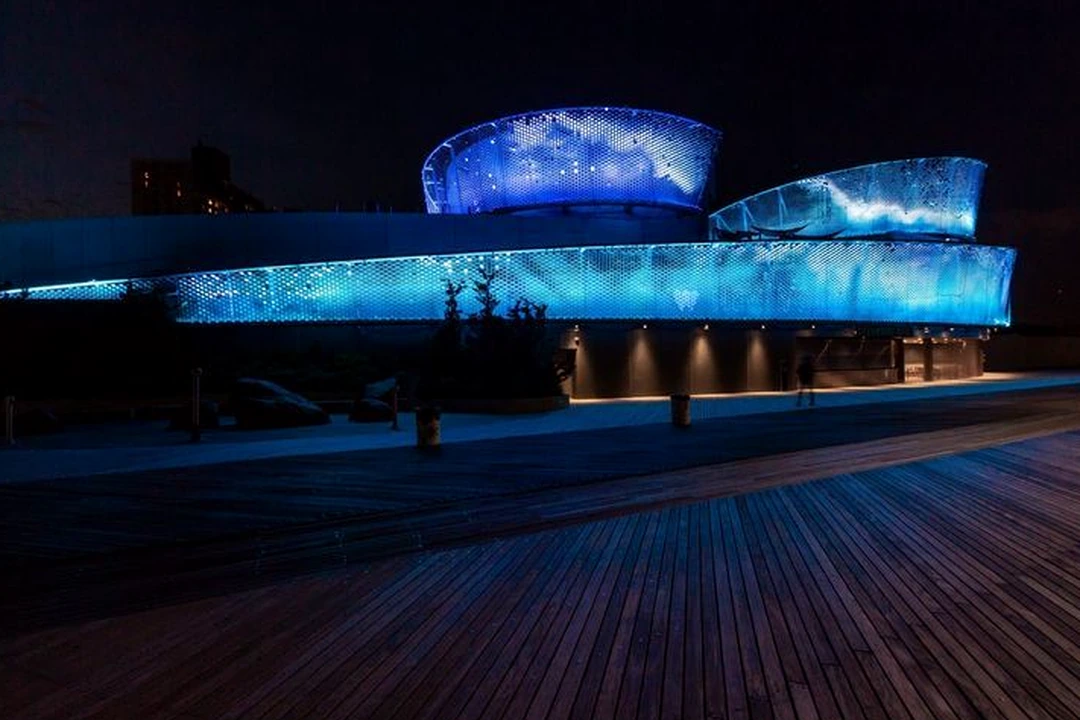
Beyond digital light installations, Bondi’s twilight and evening arts scene is anchored by “Sculpture by the Sea”—the world’s largest free-to-the-public outdoor sculpture exhibition. The 2-kilometer coastal cliff walk linking Bondi to Tamarama transforms into a surreal open-air gallery set against dramatic natural scenery. Perched along sheer coastal rock formations, hundreds of original sculptures by master artists from around the globe are positioned in dialogue with the ocean, sea breeze, and sedimentary cliffs. As dusk deepens and dedicated architectural spotlights illuminate the works, forms crafted from metal, granite, and glass catch both moonlight and artificial beams, casting mesmerizing silhouettes beside the ocean abyss for an unforgettable evening stroll.
Alongside its visual allure, Bondi’s nightlife resonates as a rich symphony of culinary culture and refined social life. Along palm-lined Campbell Parade, upscale seafood restaurants, bohemian-chic bistros, and ocean-view bars light up in unison. Amid the cool, salt-tinged sea breeze, visitors can sip a glass of world-class Australian Shiraz, savor platters of freshly shucked oysters harvested from cold southern waters, and listen to soulful jazz or acoustic melodies drifting from neighborhood corners. During summer, the beachfront also becomes a lively hub for open-air music and cultural festivals, where the deep roar of the surf mingles with the laughter of travelers from around the world—capturing the free-spirited, stylish, and effortless pulse of Sydney’s coastal paradise.
Cuisine at Bondi Beach is far more than a showcase of fresh ocean ingredients; it is an effortless fusion reflecting the Australian ethos of living in harmony with nature. Stepping onto the golden sand, visitors are immediately drawn in by the intoxicating aroma of briny sea air mingling with the sizzle of coastal grills drifting from waterfront eateries. Bondi has undergone a remarkable evolution from a laid-back surf town into Sydney’s premier seaside culinary destination, where cutting-edge culinary philosophies converge with an open, welcoming dining culture to create a gastronomic journey that is both refined and unmistakably local.
Commanding an enviable cliffside perch overlooking the rolling ocean swells, Icebergs Dining Room and Bar stands as a benchmark of contemporary Australian fine dining, elevating its “Sea-to-Table” philosophy into high art. Guided by master chefs, the menu celebrates the pristine natural flavor of regional seafood through light, refined Adriatic culinary influences. Succulent fillets of sweet Murray cod and plump Tasmanian scallops harvested from cold southern waters, prepared with minimalist pan-searing techniques and fresh coastal herbs, awaken every sense against the sweeping panorama of the South Pacific shoreline.
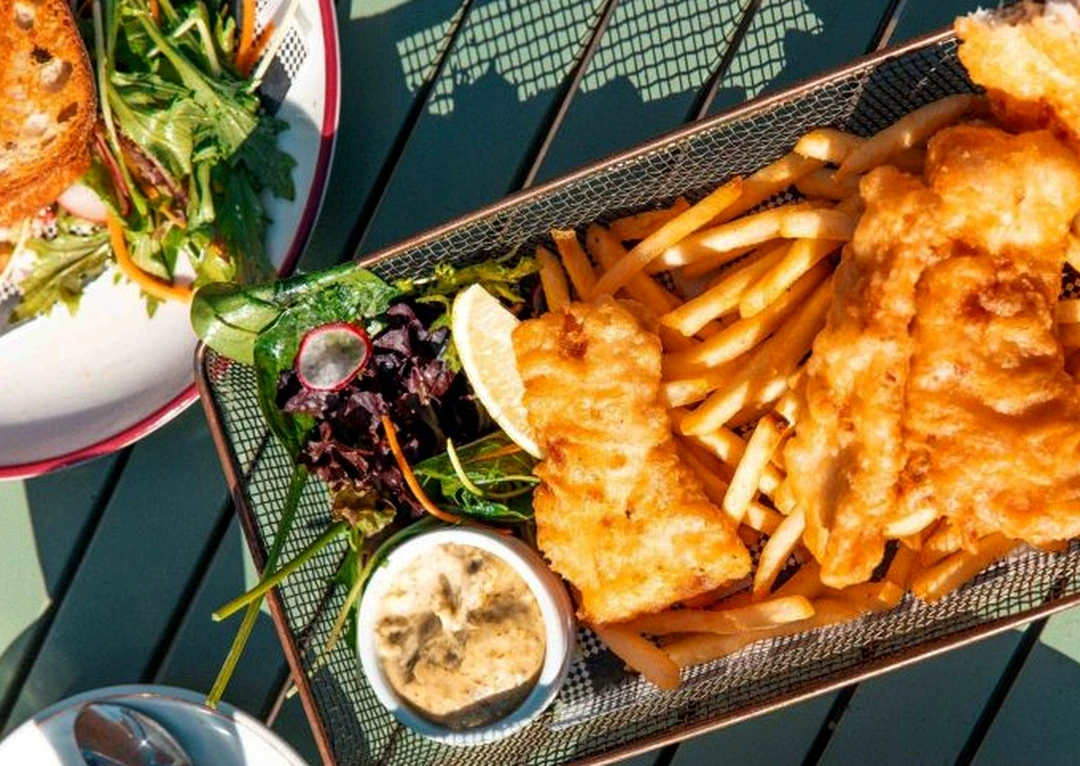
In delightful contrast to the elevated fine dining upstairs, the casual Bondi Icebergs Club Bistro serves up a warm, unpretentious slice of culinary heritage deeply woven into local community life. Here, classic Fish and Chips is prepared the traditional way—flaky white fish fillets coated in a crisp, golden Pale Ale batter, paired with piping-hot crunchy fries. Equally unmissable is an iconic Australian comfort classic: the Pie Floater, a hearty savory beef meat pie floating in a bowl of velvety green pea soup topped with a rustic swirl of tomato sauce. This distinctive combination delivers a rich, warming burst of flavor cherished by surfers coming in from the chilly ocean swells.
Bondi’s culinary portrait would be incomplete without the lively camaraderie of outdoor barbecue culture—an egalitarian cornerstone of everyday Australian life. Along the lush green lawns of the beachfront parklands, public picnic zones are equipped with free Public Electric BBQs, creating an inclusive communal dining space open to everyone. As sunset paints the horizon crimson, families and travelers gather around the hotplates to grill juicy Scotch fillet steaks, sizzling sausages, and fresh king prawns marinated simply in garlic butter. Beachside BBQ culture is much more than a way to share a meal; it is a social bridge celebrating Australian openness and warmth to the gentle soundtrack of breaking waves.
To fulfill the dream of plunging into the turquoise waters of Bondi Beach (邦迪海滩), visitors never need to worry about admission tickets or advance reservations—this expansive stretch of golden sand is completely free and open to the public 24/7. However, the safety and heartbeat of the shoreline rely on the vigilance of professional lifeguards, proud heirs to the legacy of the Bondi Surf Bathers’ Life Saving Club established in 1907. During the balmy summer months, lifeguards clad in their iconic red-and-yellow uniforms patrol continuously from 6:00 AM to 7:00 PM to ensure the safety of crowds flocking to cool off. As autumn and winter arrive, patrol hours adjust to 6:00 AM to 5:00 PM in step with the earlier Southern Hemisphere sunsets.
Getting from Sydney’s bustling city center to the carefree shores of Bondi is effortless and well-connected for visitors from near and far. From Sydney Central Station, travelers simply board a train on the Eastern Suburbs Railway line for a quick ride to Bondi Junction Station. From there, seamless public transit connections continue via express buses—routes 333 or 380—departing every few minutes. After roughly 30 minutes gliding past leafy boulevards and scenic hilly streets, the deep blue expanse of the Pacific Ocean and the vibrant beachfront strip of Campbell Parade appear right before your eyes.

The intersection of laid-back surf culture and polished urban etiquette gives rise to a distinctive code of conduct at Bondi. While the soft sand celebrates total freedom—where colorful swimwear and sleek wetsuits are right at home—an unspoken cultural boundary begins the moment you cross Campbell Parade to enter artisan cafés or upscale restaurants. Local etiquette expects visitors to put on a T-shirt, sundress, and proper footwear before leaving the sandy beach area. Observing this simple courtesy not only shows respect for the local community, but also preserves the effortless sophistication of this historic seaside resort.
Beneath the ocean’s idyllic beauty lie formidable natural hazards that every visitor must understand to stay safe. Bondi’s power is especially pronounced toward the southern end, where strong rip currents can swiftly pull swimmers hundreds of meters offshore in mere moments. The golden rule of beach safety is to swim strictly between the red-and-yellow flags set up by lifeguards. If you ever get caught in a rip current, remain calm and never fight against the pull; instead, float to conserve energy, swim parallel to the shoreline to exit the narrow channel, and raise one arm high to signal lifeguards on patrol for assistance.
Australia’s geographic position beneath a relatively thin ozone layer means ultraviolet (UV) radiation levels at Bondi Beach remain dangerously high—even on lightly overcast days. To prevent painful sunburn and long-term skin damage, thorough sun protection is essential. Apply broad-spectrum SPF 50+ sunscreen at least 20 minutes before heading onto the beach, and reapply every two hours or after swimming. A wide-brimmed hat, UV-rated sunglasses, and a lightweight sun shirt are indispensable companions that let you enjoy the ocean sun and breeze safely from sunrise to sunset.
As for typical costs, alongside free beach access and swimming, visitors can conveniently rent personal lockers and use public freshwater showers for just a few Australian dollars, or indulge in local café and seaside fare—from a rich, aromatic Flat White to crispy fish and chips—for around 15 to 30 AUD. Smart budgeting paired with essential beach safety awareness will make your Bondi adventure all the more rewarding and memorable. To effortlessly bring this trip to life and experience the captivating beauty of the Southern Ocean without worrying about transportation logistics or travel formalities, travelers can join an all-inclusive, expertly curated Sydney – Melbourne Australia tour package designed for a seamless journey.